







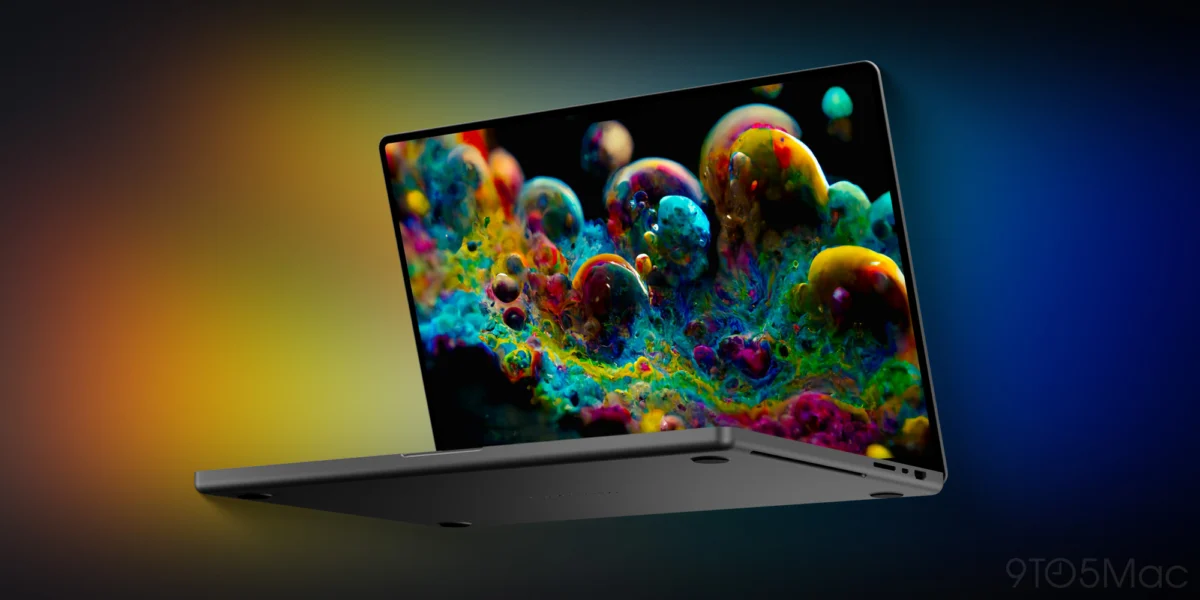
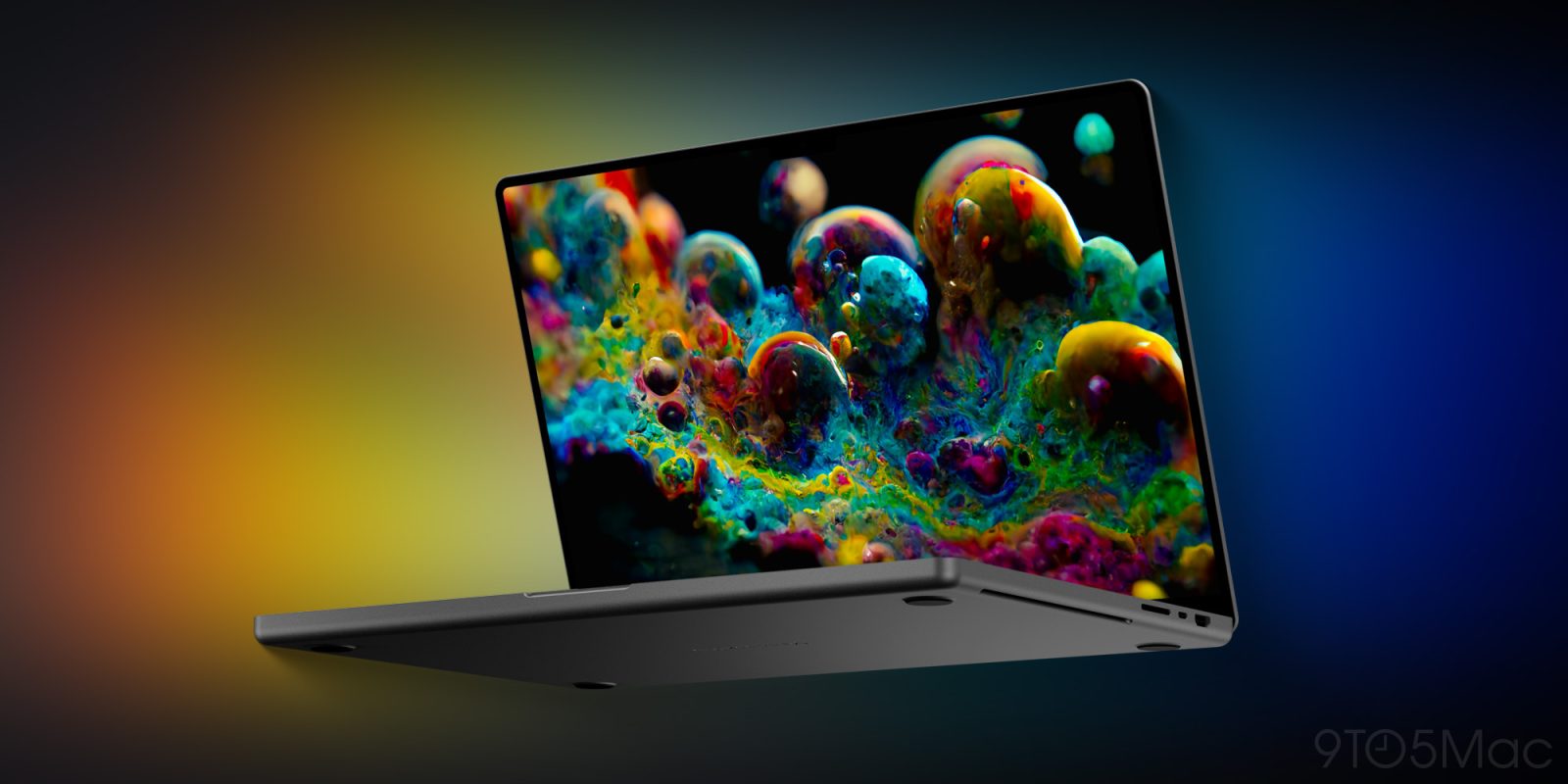
CUPERTINO, CALIFORNIA — Apple is gearing up for one of its most consequential hardware announcements in recent memory. Industry insiders and supply chain analysts indicate that the tech giant is set to unveil an entirely redesigned MacBook Pro lineup. While the upcoming machines will retain the raw computing power of the current M5 Pro and M5 Max silicon, the physical hardware surrounding these processors is slated for a dramatic overhaul.
Marking the first major aesthetic and structural redesign of the MacBook Pro family since late 2021, next week’s anticipated launch event promises to redefine what users can expect from a professional-grade laptop. According to leaks and reports circulating ahead of the event, Apple is tackling user pain points head-on—introducing a drastically lighter chassis, a stunning OLED display, long-awaited touchscreen capabilities, and a complete reimagining of the webcam housing.
1. Main Facts: What to Expect from the Next-Generation MacBook Pro
The upcoming MacBook Pro models are positioned to be iterative on the inside but revolutionary on the outside. While internal performance will rely on the formidable M5 Pro and M5 Max architectures, the exterior and user-facing features represent a massive leap forward.
Key takeaways from the upcoming release include:
- The Silicon Engine: The machines will house the established M5 Pro and M5 Max chips, guaranteeing top-tier processing speeds, exceptional energy efficiency, and advanced machine-learning capabilities via Apple’s Neural Engine.
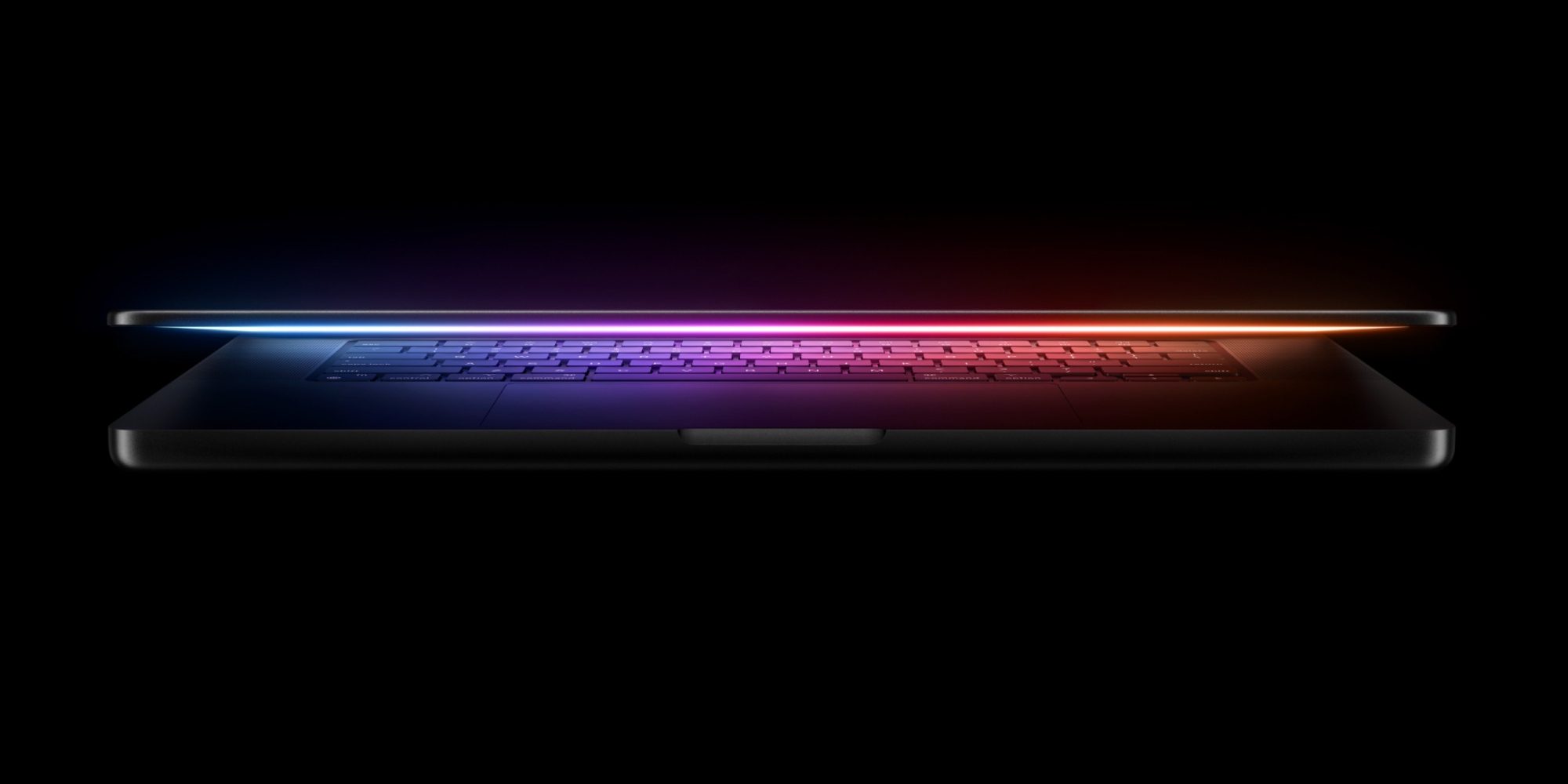
- A Radical Weight Reduction: Through aggressive internal reengineering and component miniaturization, Apple has managed to shed a significant amount of weight, making the laptop considerably more portable without sacrificing structural integrity or port selection.
- Transition to OLED Technology: Moving away from the Liquid Retina XDR (Mini-LED) panels, the new MacBook Pro will adopt state-of-the-art OLED screens, promising infinite contrast ratios, deeper blacks, and unprecedented brightness levels.
- Native Touch Support: Breaking a long-standing company taboo, macOS will receive touch-optimization updates, bringing full touchscreen functionality to a mainstream Mac for the first time.
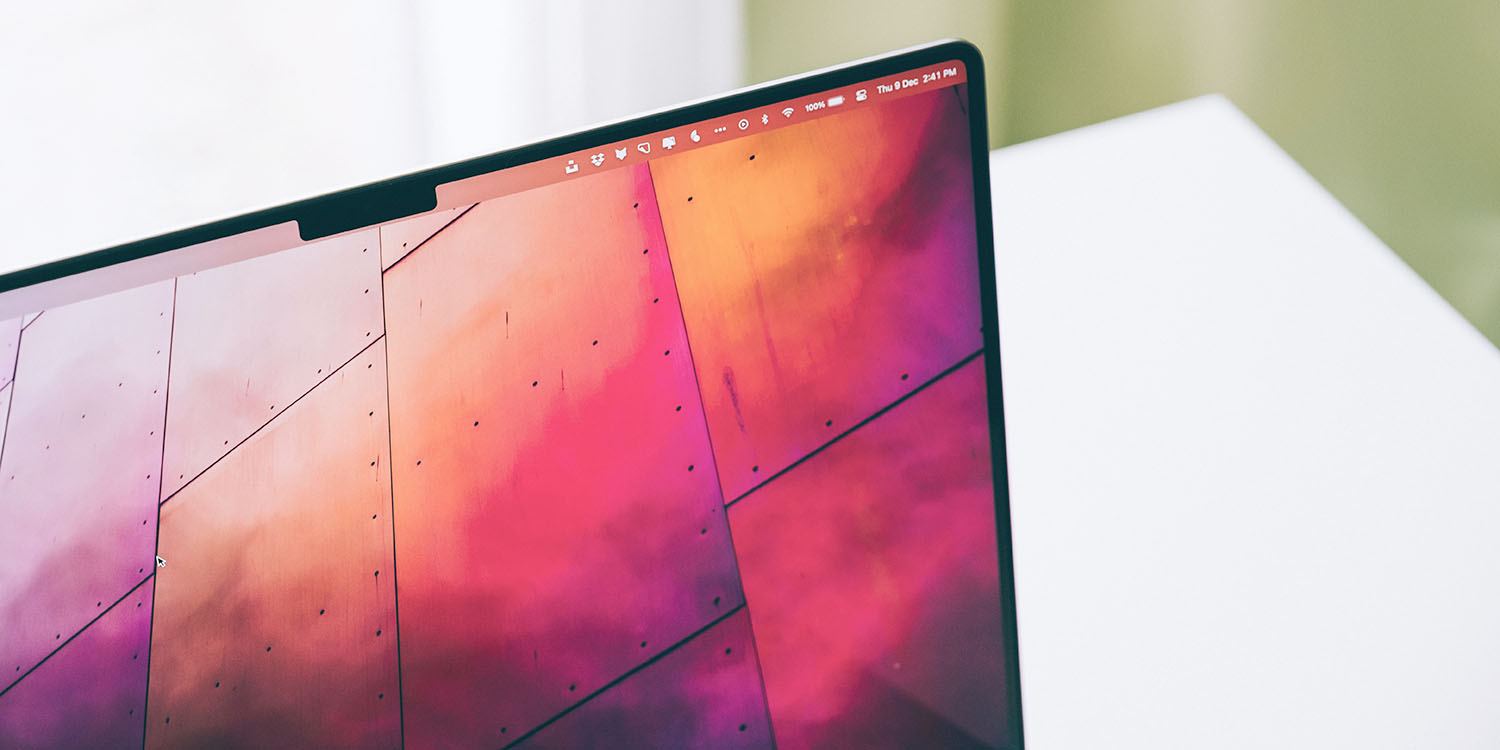
- Farewell to the Notch: The polarizing display notch, introduced in 2021, is being shown the door. It will be replaced by a modern hole-punch camera cutout, paving the way for software-driven interactive features akin to the iPhone’s Dynamic Island.
2. Chronology: The Evolution Leading Up to the 2026 Redesign
To understand the magnitude of this upcoming release, it is helpful to look back at the historical milestones that shaped Apple’s professional laptop lineup over the past decade:
- October 2016: Apple introduces the controversial "thin-and-light" MacBook Pro era featuring the butterfly keyboard and the debut of the Touch Bar. While visually striking, the design faced severe criticism regarding keyboard reliability and thermal throttling.
- November 2019: Apple releases the 16-inch MacBook Pro, stepping back from the troubled butterfly keyboard in favor of the more reliable Magic Keyboard mechanism, signaling a shift toward listening to professional user feedback.
- November 2020: Apple launches the first M1-powered MacBooks, forever altering the personal computing landscape by offering desktop-class performance with unprecedented battery life.
- October 2021: Apple executes its last major MacBook Pro redesign. The 14-inch and 16-inch form factors are reintroduced with thicker chassis, an abundance of legacy ports (HDMI, SD Card slot, MagSafe), and the introduction of the display notch.
- 2024: Apple successfully introduces tandem OLED technology to the iPad Pro lineup, setting a new benchmark for mobile displays and laying the technical groundwork for its eventual migration to laptop screens.
- October 2026: Apple prepares to unveil the first major MacBook Pro redesign in five years, merging the raw power of Apple Silicon with cutting-edge OLED tech, touch capabilities, and a streamlined industrial design.
3. Supporting Data and Engineering Marvels
Achieving a significantly lighter industrial design without compromising performance or battery life is an engineering tightrope walk. According to prominent industry insider Mark Gurman, Apple’s engineering teams focused heavily on internal space optimization.
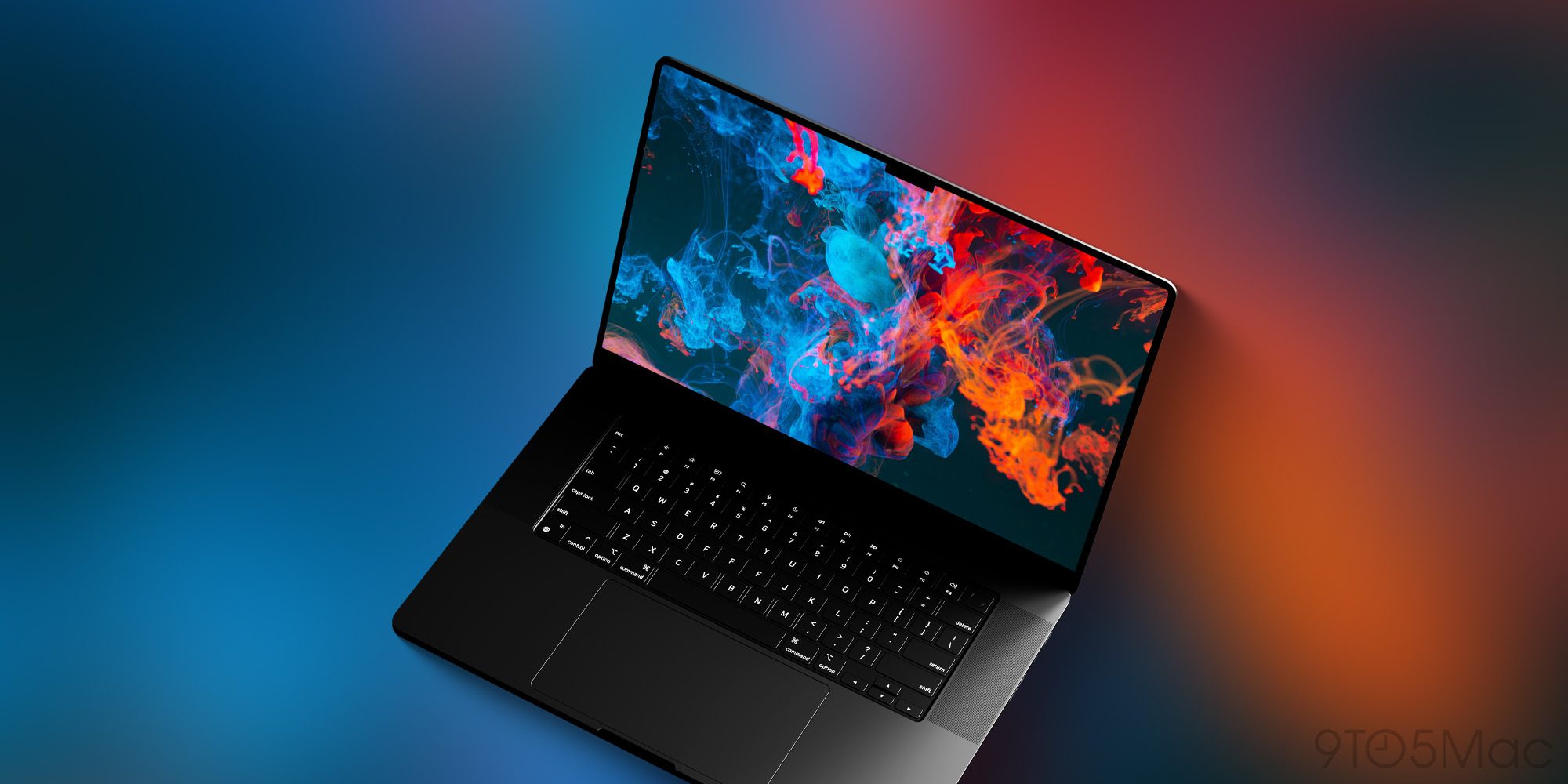
"The new MacBook Pros are lighter — significantly lighter. Apple has reengineered the machine’s interior, miniaturizing parts and rearranging components to make the computer much easier to carry," reports indicate.
Historically, major weight and thickness reductions by Apple have resulted in compromises—most notably the stripping away of input/output ports, as seen during the 2016–2020 Touch Bar era. However, supply chain sources suggest Apple has learned valuable lessons from past missteps. Because the chassis will maintain a sensible thickness to accommodate robust thermal management and a wide array of ports (such as Thunderbolt, HDMI, and SDXC), users will not have to sacrifice connectivity for portability.
Furthermore, the integration of OLED panels brings massive architectural benefits. Unlike Mini-LED screens, OLED pixels emit their own light, eliminating the need for a bulky backlight layer. This reduction in display thickness directly contributes to the overall weight savings of the device while delivering pixel-level local dimming and superior color accuracy.
4. Official Perspectives and Industry Reactions
Apple has historically maintained a strict policy of silence regarding unannounced products. However, executives have dropped subtle hints over the years regarding the evolution of macOS and hardware input methods.
When Apple first introduced the iPad Pro with tandem OLED in 2024, company executives proudly touted it as "the world’s most advanced display." Bringing that same display technology to the Mac ecosystem represents a natural, albeit technically challenging, progression.
Meanwhile, the introduction of touch support on a MacBook Pro marks a fascinating philosophical pivot. For over a decade, the late Steve Jobs’ assertion that vertical touchscreen laptops are "ergonomically terrible" served as Apple’s gospel. Yet, as the lines between iPadOS and macOS continue to blur—and as competitors flood the market with versatile 2-in-1 Windows laptops—Apple’s engineering divisions have found a way to implement touch support as a seamless, secondary input method. According to early software leaks tied to the upcoming macOS Golden Gate release, touch is designed to complement, rather than replace, the physical keyboard and trackpad.

Reaction from the professional community has been cautiously optimistic. While purists have long argued that touchscreens on laptops lead to smudged displays and awkward ergonomics, creative professionals, students, and casual users alike are likely to welcome the flexibility of tapping through documents, zooming into timelines, and interacting directly with visual media.
5. Implications for the Pro Market and the Future of Computing
The rollout of the newly redesigned MacBook Pro carries profound implications for the high-end computing market.
Setting a New Industry Standard for Displays
By transitioning its flagship professional laptops to OLED, Apple is applying immense pressure to Windows Original Equipment Manufacturers (OEMs). While brands like Dell, HP, and Lenovo have offered OLED panels on select consumer laptops for years, Apple’s integration of high-brightness, long-life OLED technology at a pro scale will likely accelerate industry-wide adoption, pushing panel manufacturers to improve efficiency and reduce production costs.
The Death of the Notch and the Rise of the Dynamic Island
The removal of the display notch in favor of a hole-punch camera cutout demonstrates Apple’s relentless pursuit of bezel minimization. More importantly, the integration of a Mac-optimized version of the Dynamic Island signals a unified software experience across Apple’s ecosystem. Notifications, live activities, and media controls may soon live natively in the macOS menu bar area, transforming dead screen space into an interactive hub.
Reevaluating the Laptop Form Factor
For years, the debate surrounding portable workstations has centered on a binary choice: raw power versus absolute mobility. By reengineering internal components to dramatically reduce weight while preserving thermal headroom and port variety, Apple is bridging the gap. Professionals who travel frequently—such as photographers, software engineers, and financial analysts—will no longer have to choose between carrying a featherlight MacBook Air or a heavy, high-performance MacBook Pro.
Conclusion
As the tech world turns its eyes toward Cupertino next week, anticipation is reaching a fever pitch. The forthcoming MacBook Pro redesign proves that even when underlying silicon architectures remain steady (as is the case with the M5 Pro and M5 Max chips), external innovation can completely revitalize a product line.

With a dramatically lighter footprint, a gorgeous OLED screen, intuitive touch support, and a sleek, notch-free aesthetic, Apple is once again poised to shift the paradigm of modern personal computing. Whether these changes will satisfy every traditionalist remains to be seen, but one thing is certain: the professional laptop market is about to enter an exciting new chapter.