






Introduction: The Evolution of Accessible Wearables
The wearable technology market has long faced a distinct dilemma: users often have to choose between fully featured smartwatches that cost hundreds of dollars and require daily charging, or stripped-down fitness bands that offer long battery life but lack basic modern conveniences. Into this gap stepped Samsung’s Galaxy Fit series, offering a middle ground of lightweight, health-focused tracking at an accessible price point.
With the Samsung Galaxy Fit 3 having launched in February 2024 to favorable reviews for its lightweight build, expanded touchscreen, and robust sleep-tracking capabilities, anticipation has steadily mounted for its successor. Recent regulatory filings, industrial design leaks, and industry reports indicate that the upcoming Samsung Galaxy Fit 4 (identified by the model number SM-R391) is rapidly approaching its official commercial debut.
While fresh leaks from publications like Android Authority and Android Central have offered a clearer picture of what the device will look like, they have also sparked debate over Samsung’s hardware strategy. As details continue to emerge regarding its design language, Bluetooth capabilities, sensor hardware, and anticipated feature set, consumers and tech analysts are left weighing whether the Galaxy Fit 4 represents a meaningful evolution or a safe, iterative update.
Main Facts: What We Know About the Galaxy Fit 4
As development moves past internal testing and into regulatory pipelines, several core details regarding the Samsung Galaxy Fit 4 have come to light through hardware leaks, supply chain whispers, and certification databases:
- Model Number: The device is officially designated under the model number SM-R391.
- Design Continuity: Renders and leaked schematics indicate that the Galaxy Fit 4 will closely mirror the design language of its predecessor, featuring a similar rear chassis layout with a pill-shaped optical sensor window and metal charging contacts.
- Color Variants: Early leaks suggest the fitness tracker will be offered in at least three distinct colorways, catering to both minimalist and lifestyle-oriented consumers.
- Connectivity Improvements: The wearable is widely expected to transition to Bluetooth 5.4, offering a minor yet welcome step up from the Bluetooth 5.3 standard found in the Galaxy Fit 3.
- Health Tracking Hardware: Rumors point to the inclusion of an upgraded optical heart rate sensor module—potentially the Goodix GH3036—to ensure reliable day-to-day fitness and vital-sign tracking.
- Regulatory Progress: The hardware has already made appearances on international certification platforms, including Malaysia’s SIRIM database, signaling that a regional and eventual global rollout is drawing near.
Chronology of Leaks and Development
Tracing the timeline of the Galaxy Fit 4 reveals a steady, methodical march toward mass production. Unlike high-end smartphone lines that are often subjected to months of rampant, high-profile speculation, budget fitness bands typically slip through the regulatory cracks quietly before gaining industry attention.
August 2024: The First Whispers
The initial breadcrumbs for the Galaxy Fit 4 appeared in late summer, when model number SM-R391 surfaced in early regulatory filings. At this stage, tech sleuths noted that Samsung was actively working on a direct successor to the Fit 3, though concrete details regarding specifications or design changes were scarce.
Late 2024 to Early 2025: Regulatory Filings and Certification
As the months progressed, the SM-R391 tracker began popping up on various global telecommunications and safety certification websites. Appearances on platforms like Malaysia’s SIRIM authority confirmed that the hardware was undergoing standard compliance testing—a crucial gatekeeping phase that typically precedes commercial launch announcements by just a few months.
Recent Leaks: Renders and Color Variants
Most recently, specialized tech outlets published first-look renders of the device. These images verified that Samsung is leaning into a familiar aesthetic. Rather than overhauling the chassis or experimenting with radical new form factors, the company appears committed to the slim, rectangular profile that proved successful with the Galaxy Fit 3.
At the same time, discussions surrounding potential color variants and internal components have intensified, with analysts parsing every detail to determine what compromises, if any, Samsung has made to keep the price point competitive.
Supporting Data and Hardware Analysis
To truly understand where the Galaxy Fit 4 fits into the broader wearables ecosystem, it is necessary to examine the technical foundation it builds upon and the hardware choices Samsung appears to have made.
The Successor to a Proven Formula
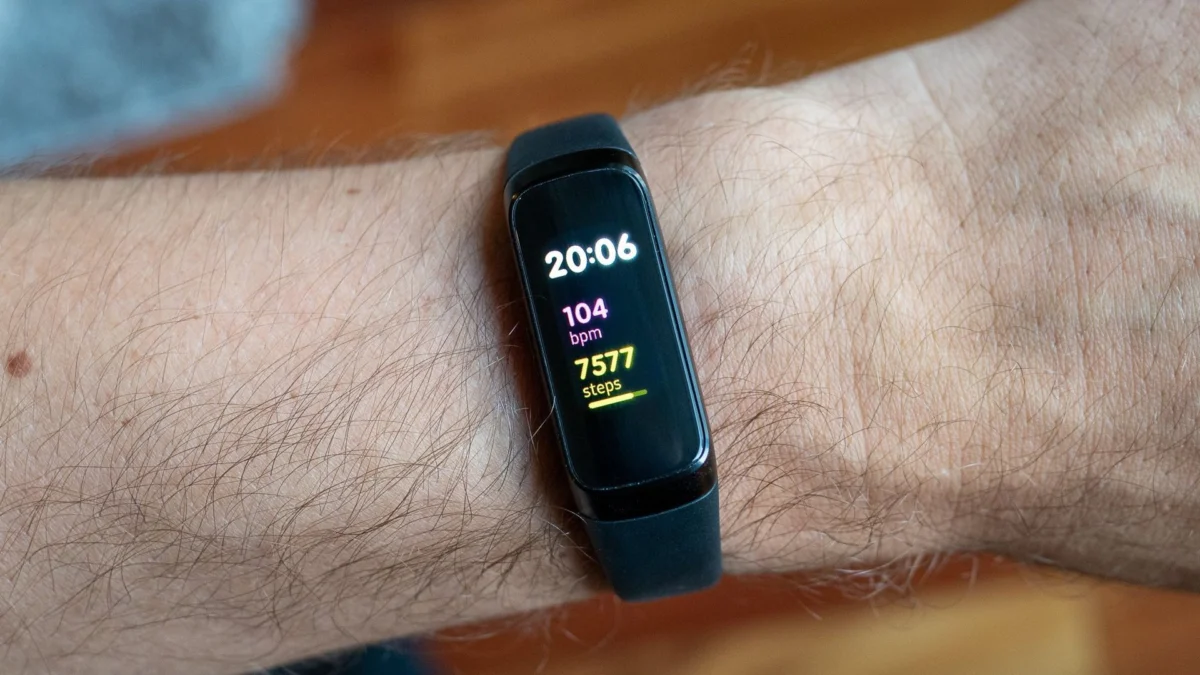
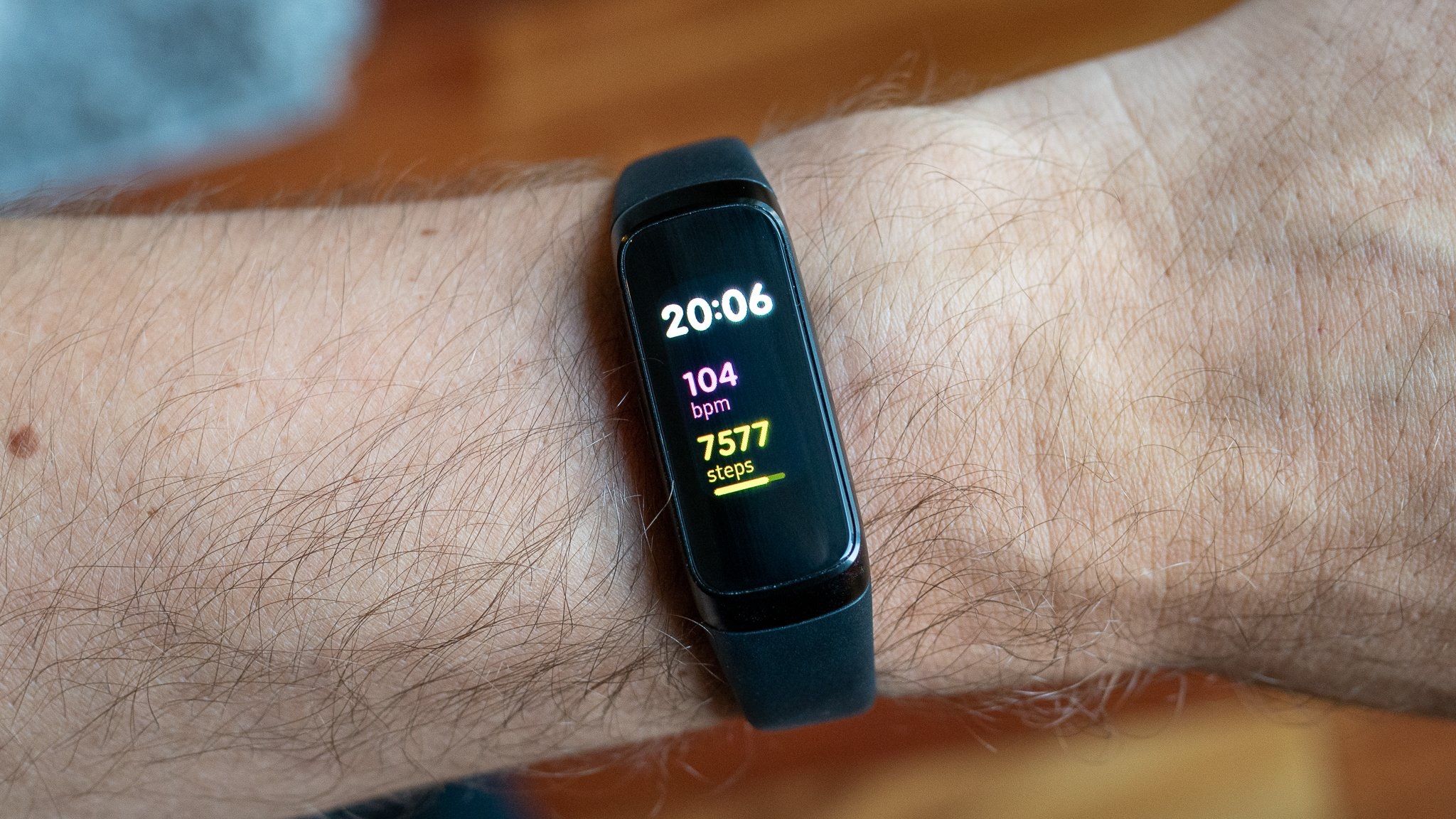
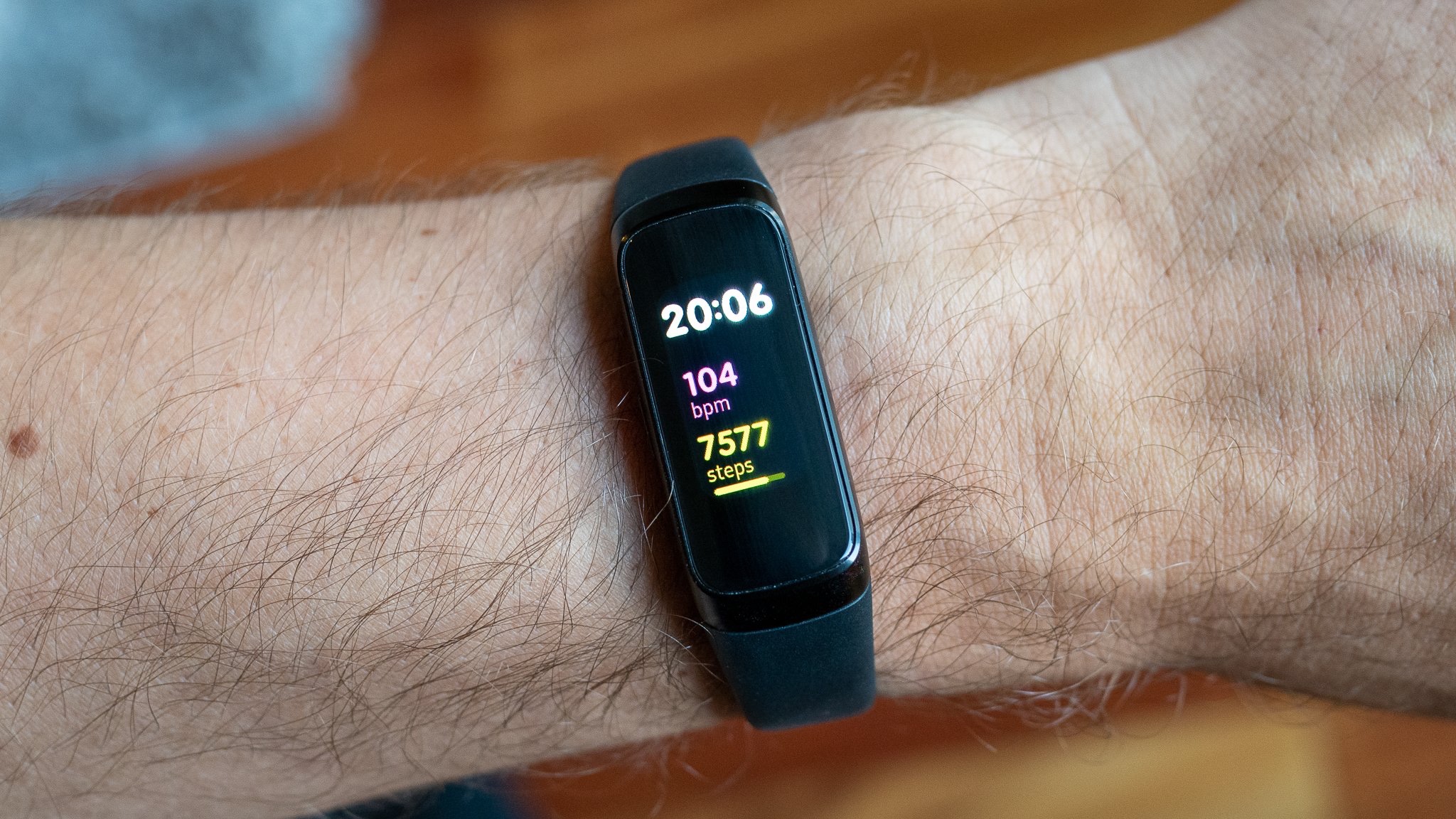
The Samsung Galaxy Fit 3 established a high baseline for the budget category. It introduced a relatively large AMOLED touchscreen, comprehensive sleep monitoring, continuous heart rate tracking, and an aluminum body that weighed next to nothing. Users praised it for being a reliable, set-and-forget health companion.
The Galaxy Fit 4 inherits this philosophy. By maintaining a similar pill-shaped optical sensor array and physical footprint, Samsung ensures that accessories—such as proprietary charging cables and interchangeable bands—may retain a degree of familiarity, while manufacturing costs remain controlled.
Connectivity and Sensors: Bluetooth 5.4 and Beyond
Under the hood, the transition to Bluetooth 5.4 is expected to bring improvements in energy efficiency, connection stability, and data transmission speeds when paired with a host smartphone. This is particularly important for wearables, as stable background syncing of step counts, sleep metrics, and workout logs directly impacts battery longevity.
On the health-tracking front, industry insiders point toward advanced optical sensor modules capable of more precise photoplethysmography (PPG) readings. Whether this translates into advanced metrics like real-time stress monitoring or SpO2 tracking remains to be seen, but the baseline capabilities for heart rate and workout detection will undoubtedly form the core user experience.
The Missing Features Debate: GPS and NFC
Perhaps the most significant conversation surrounding the Galaxy Fit 4 involves features that may be left out. Current reports suggest that built-in GPS and NFC contactless payment support are unlikely to make an appearance.
- The GPS Dilemma: Without standalone GPS, users who want to track outdoor running, cycling, or hiking routes will remain tethered to their smartphones, carrying an extra device to map their workouts accurately.
- The NFC Omission: The lack of NFC means contactless payment solutions (like Samsung Wallet) will likely remain exclusive to Samsung’s higher-end Galaxy Watch lineup, depriving budget-conscious buyers of a convenient everyday utility.
While these omissions help Samsung maintain a clear tiering structure between its affordable fitness bands and premium smartwatches, tech critics argue that the absence of built-in GPS represents a missed opportunity in an increasingly competitive budget fitness market where rival brands frequently offer standalone location tracking.
Official Responses and Industry Outlook
As of publication, Samsung has not officially acknowledged the existence of the Galaxy Fit 4, maintaining its standard corporate silence regarding unreleased products. Official press releases, pricing structures, and launch dates remain under wraps.
However, industry analysts note that Samsung’s positioning in the wearable sector is strategically sound. By addressing different tiers of consumers—offering the feature-rich Galaxy Watch series for power users and the streamlined Galaxy Fit line for casual health trackers—the company captures a wide demographic sweep.
Market researchers point out that demand for lightweight fitness trackers remains exceptionally strong in emerging markets and among consumers who experience smartwatch "fatigue"—the exhaustion of managing daily charging cycles and notification overload. If Samsung prices the Galaxy Fit 4 aggressively, it could easily replicate the commercial success of its predecessor.
Implications: What the Galaxy Fit 4 Means for Consumers
The impending launch of the Samsung Galaxy Fit 4 carries several distinct implications for everyday consumers, fitness enthusiasts, and the broader wearables market:
1. Value-Driven Health Tracking
For budget-conscious buyers who care primarily about step counting, sleep quality, and basic workout logs, the Galaxy Fit 4 promises a reliable, distraction-free experience. By avoiding the complexity and battery drain of a full-scale operating system (like WearOS), a fitness band offers weeks of use on a single charge.
2. The Upgrade Dilemma for Fit 3 Owners
Owners of the Galaxy Fit 3 may find little incentive to upgrade. With a similar design language, comparable core features, and the likely absence of major hardware breakthroughs like built-in GPS, the Fit 4 looks to be more of a refinement or a cyclical refresh than a revolutionary generational leap. Those currently using a Fit 3 can comfortably skip this iteration unless their current device suffers from hardware degradation or battery wear.
3. Raising the Pressure on Competitors
Samsung’s aggressive pricing strategy in the budget sector forces rival brands—such as Xiaomi, Amazfit, and Fitbit—to continually innovate. Even if the Galaxy Fit 4 plays it safe with its feature set, the weight of the Samsung ecosystem and brand trust ensures that it will command significant market share upon release.
Conclusion
The Samsung Galaxy Fit 4 is shaping up to be a textbook iterative update. While tech enthusiasts may lament the apparent omission of standalone GPS and NFC payments, the device’s expected Bluetooth 5.4 upgrade, reliable health-tracking hardware, and familiar, lightweight chassis will undoubtedly appeal to millions of users seeking simple, hassle-free fitness management.
As Samsung prepares to officially lift the veil on the SM-R391, the ultimate verdict will rest on pricing. If Samsung keeps the barrier to entry low, the Galaxy Fit 4 could cement its place as an essential, no-nonsense accessory for the everyday wellness journey.