





In the fast-paced ecosystem of modern smartphone innovation, major manufacturers constantly search for the holy grail of computational photography. For over a decade, the core engineering challenge has centered on sensory compromise: users attending a once-in-a-lifetime event—a child’s graduation, a milestone wedding, or a spontaneous street encounter—are perpetually forced to choose between capturing the dynamic motion of video or preserving the frozen clarity of a still photograph.
With the launch of the Google Pixel 11 series, Google has introduced a feature that may fundamentally alter how consumers approach mobile content creation. Termed Magic Capture, this proprietary camera tool leverages advanced on-device and cloud-based machine learning to automatically extract high-resolution, professional-grade still images from moving video frames.
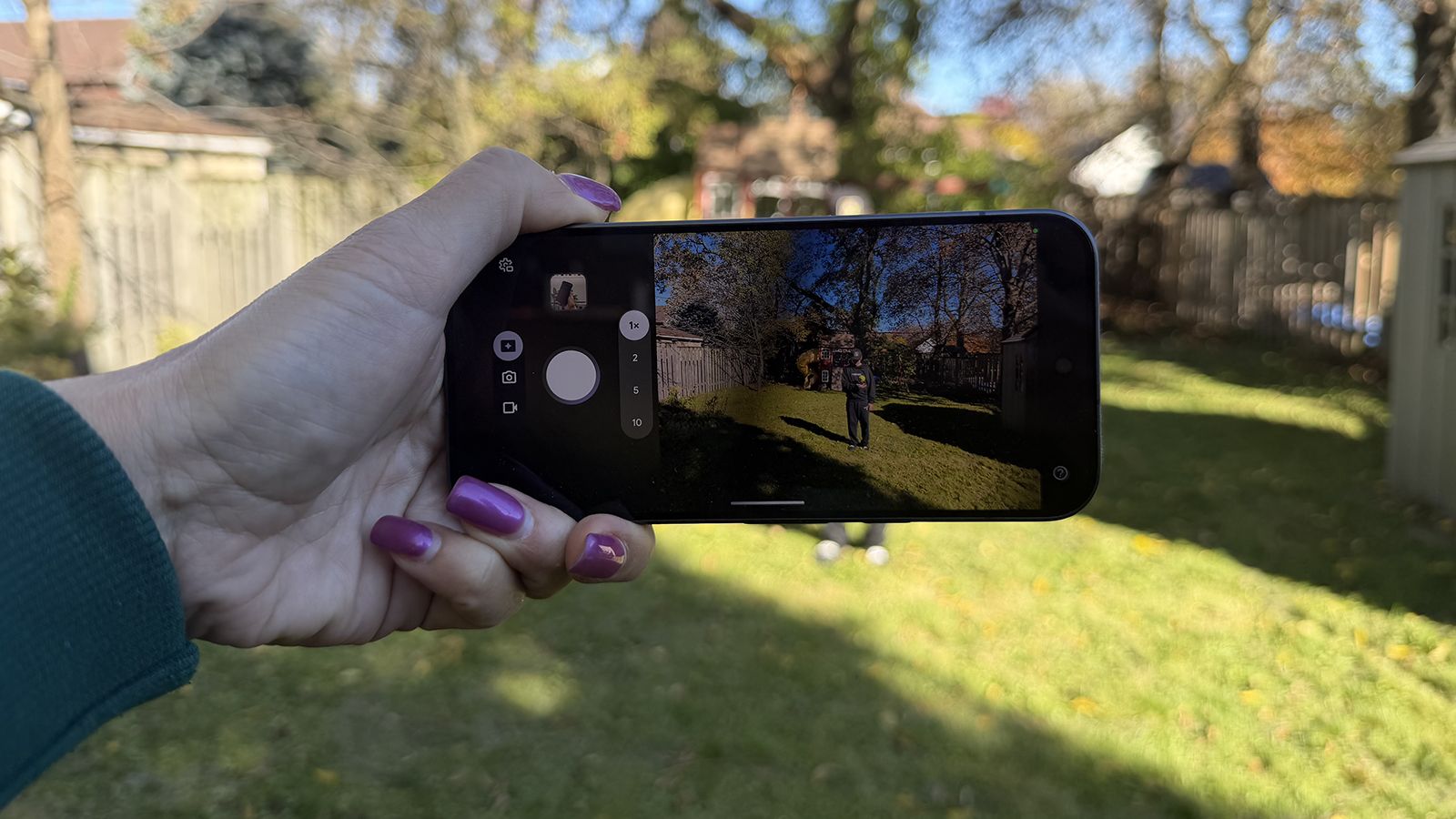
Following extensive real-world testing with the Google Pixel 11 Pro, industry analysts and tech journalists are calling Magic Capture one of the most practical and transformative camera breakthroughs in recent memory.
Main Facts: What is Magic Capture?
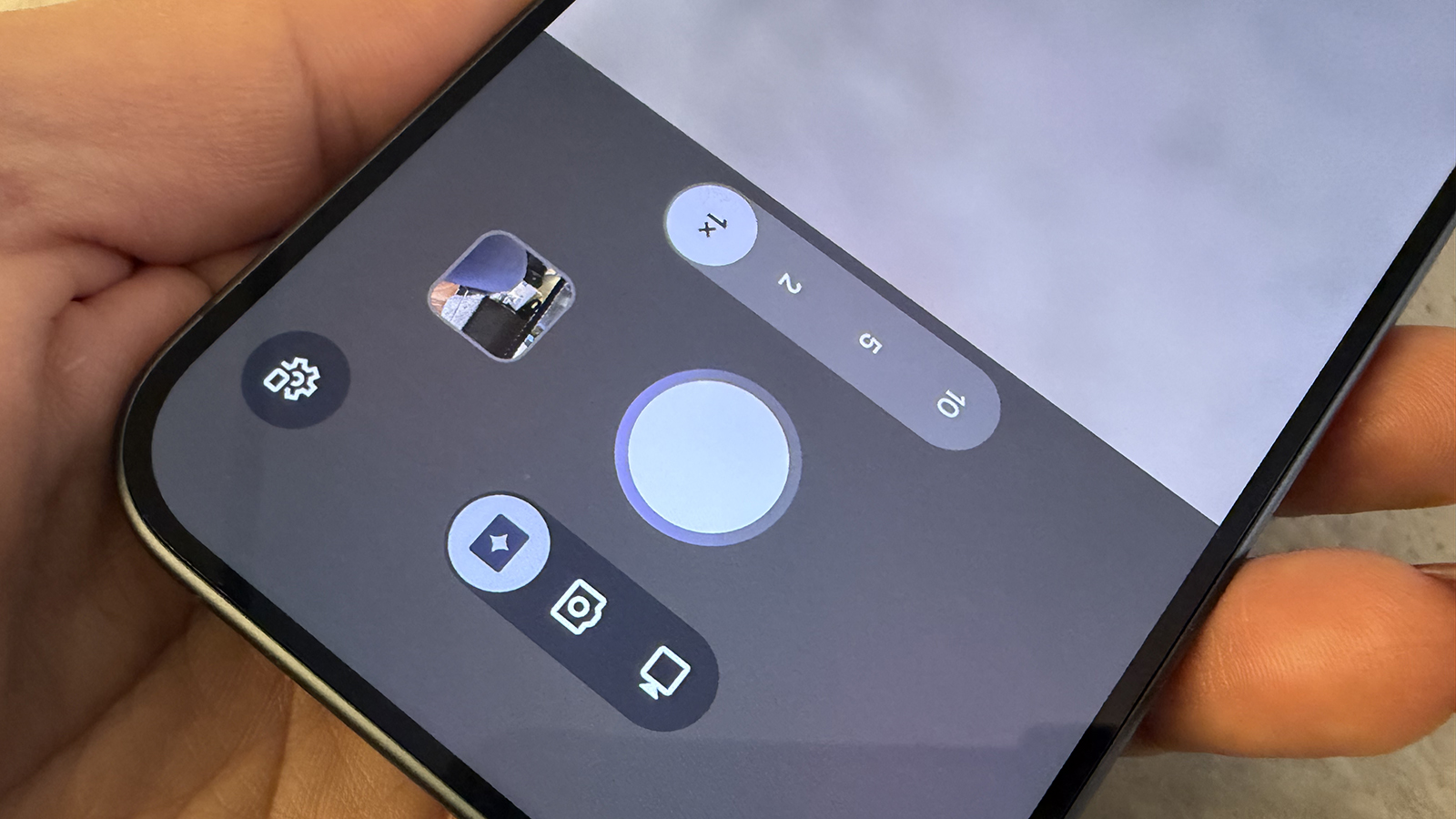
At its core, Magic Capture is an intelligent assistant embedded directly into the native camera application of the Google Pixel 11 lineup. The feature is available across the entire ecosystem, including the base Pixel 11, the Pixel 11 Pro, the larger Pixel 11 Pro XL, and the innovative Pixel 11 Pro Fold.
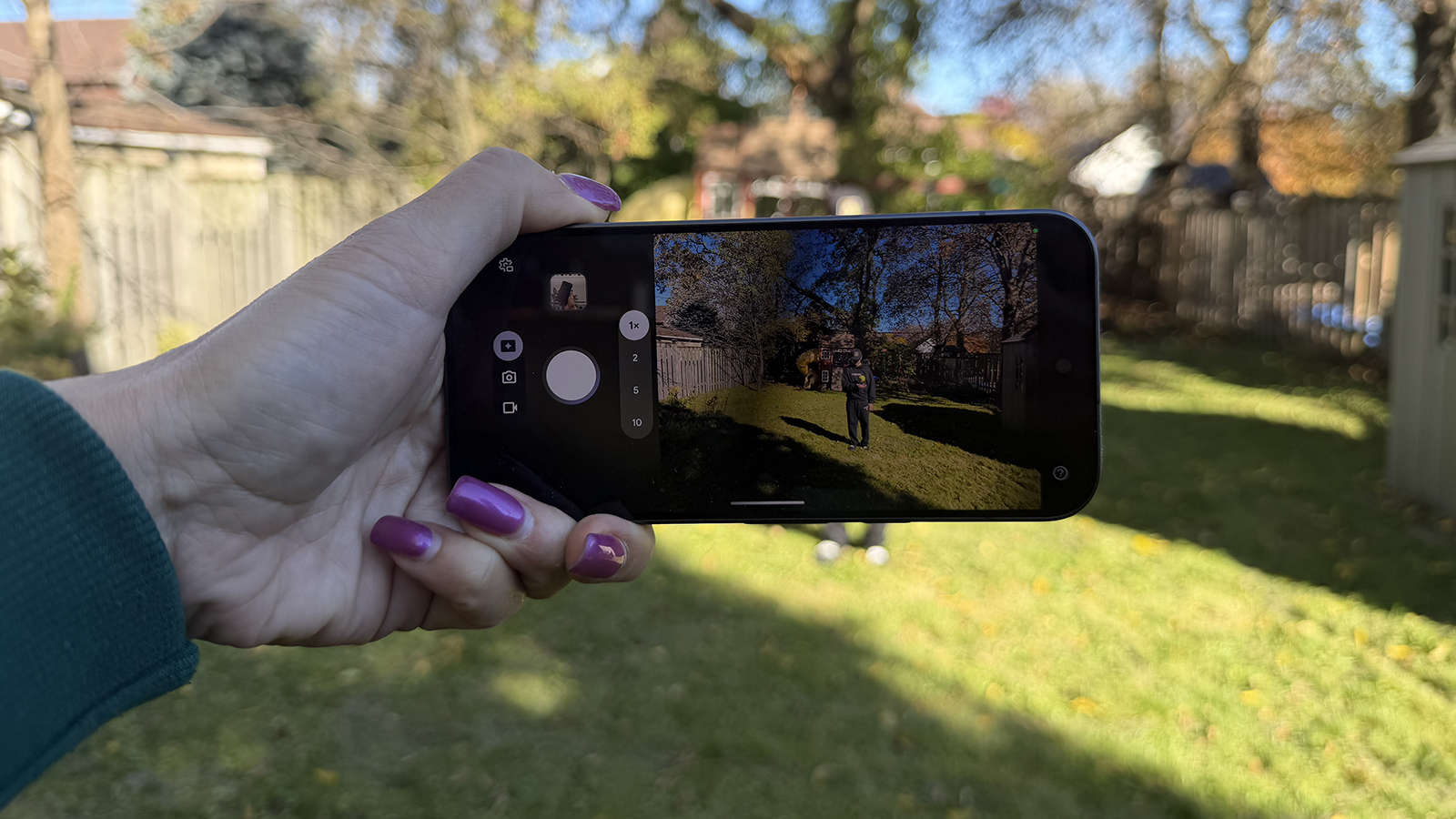
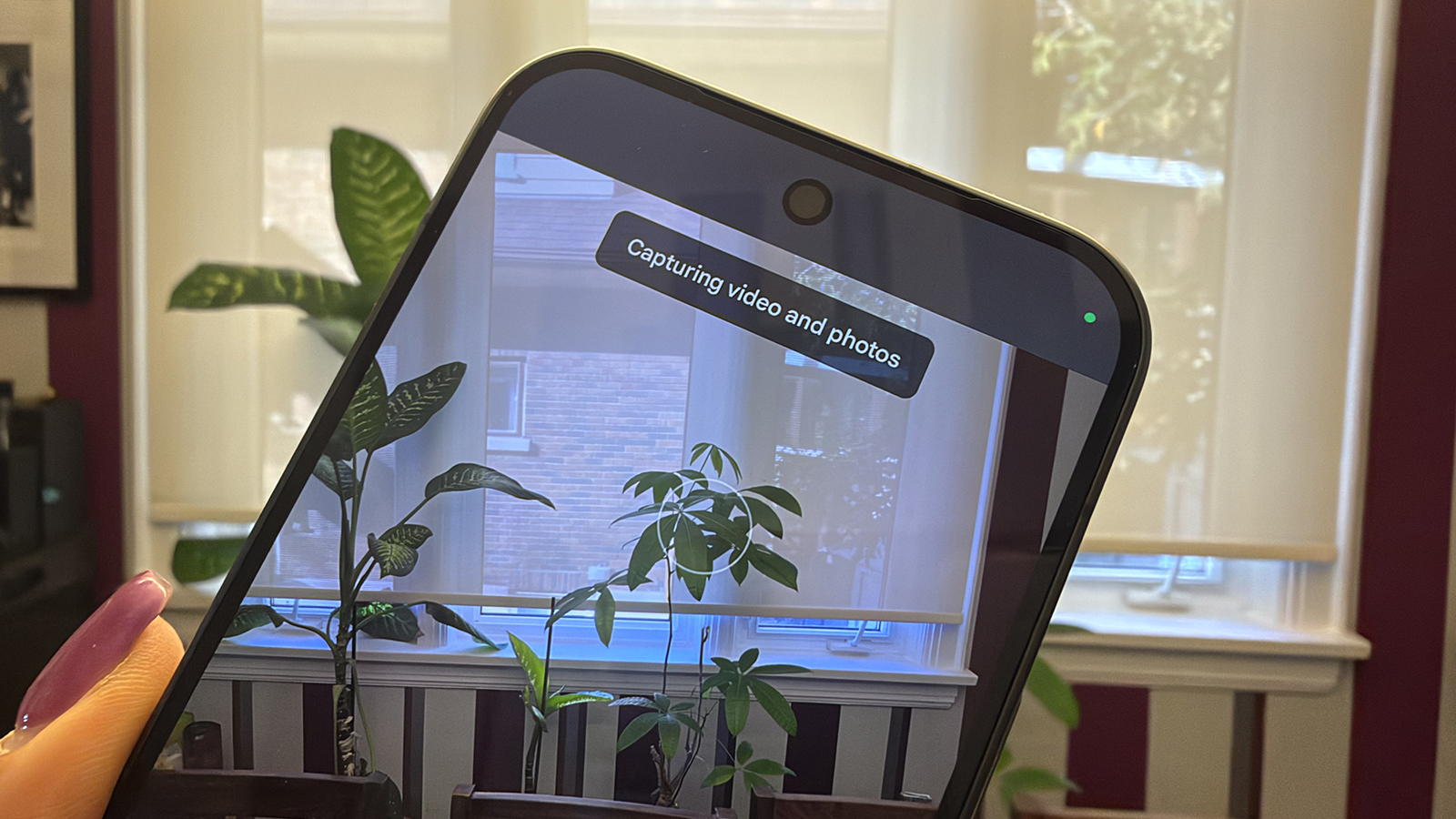
When enabled, users simply shoot a video as they normally would, completely absolved of the stress of toggling back and forth between capture modes. Once recording stops, the device initiates an automated analytical process:
- Frame Analysis: The phone meticulously parses hundreds of individual frames captured during a 1-to-2-minute recording window.
- Intelligent Culling: Algorithms evaluate expressions, postures, dynamic movement, and environmental clarity to isolate moments of peak emotional or visual value—such as a genuine smile, a mid-air jump, or a flawless dance pose.
- Automated Extraction: The system distills the video down to roughly four pristine 12-megapixel still images, automatically depositing them directly into the user’s Google Photos gallery.
Crucially, the feature operates efficiently even when offline. While extensive cloud-queued processing benefits from an active internet connection, basic extraction functions locally on the phone’s heavy-duty tensor processing hardware.
Chronology: The Journey to Computational Convergence
The path to Magic Capture has been paved by incremental hardware and software leaps over the past decade:
- The Early Era (Pre-2015): Smartphone users relied on manual "frame grabs" from recorded video files, which yielded heavily compressed, pixelated, and blurry low-resolution images.
- The Rise of Burst Mode (2016–2020): Manufacturers introduced high-speed burst shooting, allowing users to hold down the shutter to capture dozens of stills in seconds, though this often cluttered device storage and missed the fluidity of actual video.
- Video Frame Extraction (2021–2024): Brands like Apple and Google allowed users to manually extract photos from videos post-recording, though the process required tedious manual scrubbing and third-party cropping.
- The Pixel 11 Era (Present): Google bridges the gap entirely through automation. By combining high-frame-rate capture with deep learning curation, the burden of selection shifts entirely from the human user to the machine.
Supporting Data and Technical Specifications
Deploying a feature as computationally heavy as Magic Capture requires substantial hardware architecture. Below is a breakdown of how the technical parameters shape the user experience:
| Feature / Parameter | Specification / Detail |
|---|---|
| Supported Devices | Pixel 11, Pixel 11 Pro, Pixel 11 Pro XL, Pixel 11 Pro Fold |
| Default Capture Resolution | 4:3 aspect ratio at 1080p |
| Pro Model Enhancement | Video Boost support for 10-bit 4K quality (requires Google Photos backup) |
| Maximum Video Length | Up to 2 minutes per Magic Capture session |
| Average Stills Yield | ~4 high-resolution 12MP images per 1–2 minute video |
| Accuracy Rate | Empirically observed to successfully isolate optimal poses 80% to 90% of the time |
Manual Overrides and Workarounds
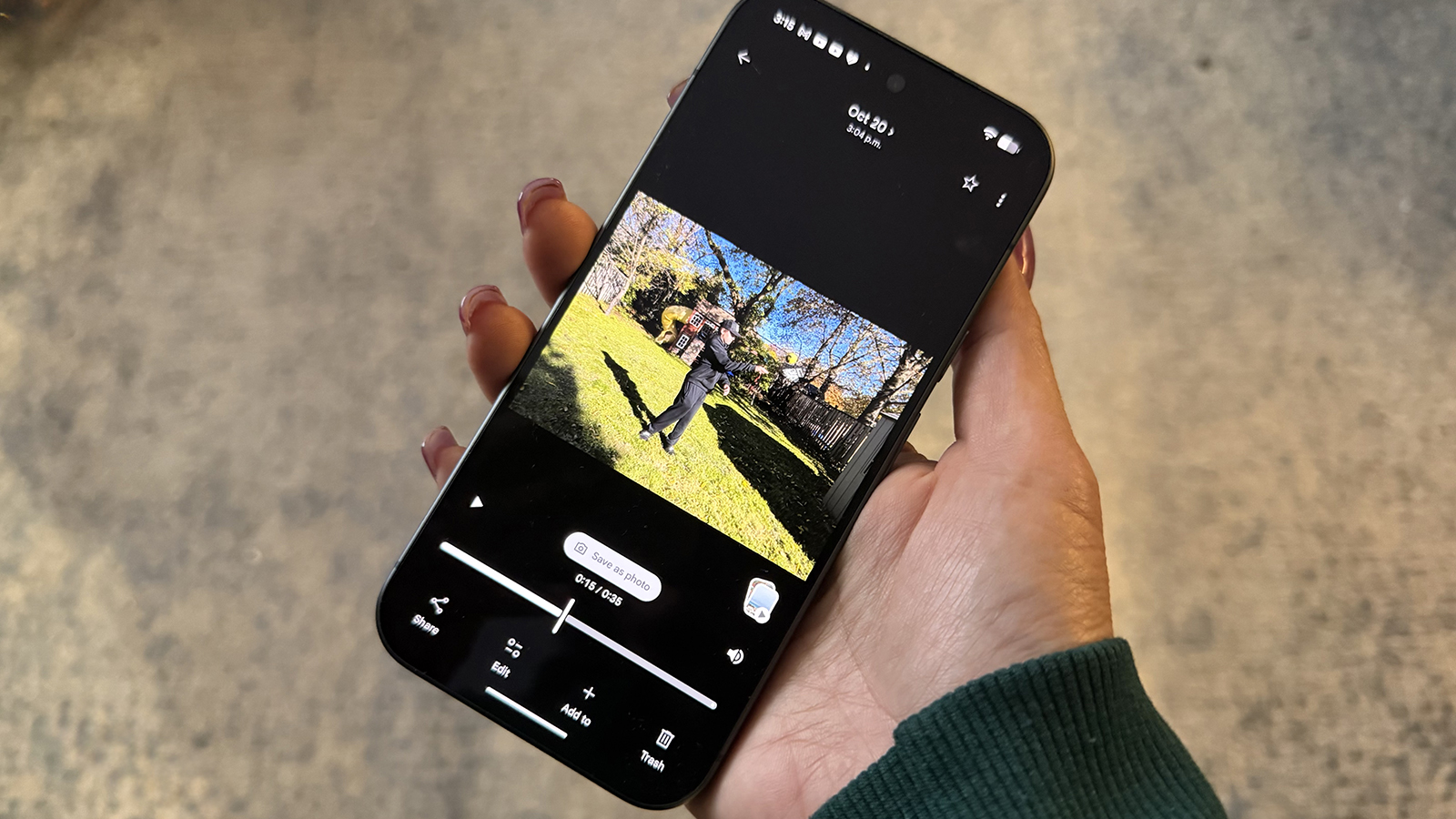
While the automated system boasts a high success rate, it is not infallible. On occasions where algorithms select suboptimal frames—such as a split-second eye blink or an awkward posture—users retain absolute control. By scrubbing through the video timeline, users can pause at any exact frame and tap a pop-up "Save as photo" bubble to manually extract an image.
Furthermore, because Magic Capture natively relies on the device’s high-powered rear camera array, selfie enthusiasts have developed creative workarounds. By mounting the Pixel 11 on a tripod or propping it against a stable surface, users can trigger recording remotely using a companion device like the Pixel Watch 5. This enables solo travelers or content creators to execute dynamic movements—such as running, jumping, or posing—knowing the system will sift through the footage to isolate the best frame.

Official Responses and Industry Reception
Initial responses from early adopters and critics highlight a profound shift in consumer sentiment. For years, mobile reviewers focused heavily on raw sensor megapixel counts, optical zoom ranges, and low-light algorithms. However, the introduction of Magic Capture reframes the conversation around usability and experiential preservation.
Google’s engineering teams designed the feature to combat "FOMO" (Fear Of Missing Out) during significant life events. Rather than staring through a glass screen or frantically switching modes while a child walks across a graduation stage, parents and attendees can live in the moment while the device acts as an intelligent archivist.

Independent consumer trials emphasize that while storage management requires diligence—since every video generates multiple derivative still images that can quickly consume device memory—the overall time saved in post-production curation far outweighs the friction.
Implications for the Future of Content Creation
The mainstream integration of AI-driven video-to-photo extraction carries broad implications for both casual consumers and professional creators:

1. The Redefinition of "The Shutter"
For over a century, photography has been defined by the decisive moment: pressing a button at an exact fraction of a second. Magic Capture abstracts that concept. When video recording becomes the primary input and photography becomes a byproduct of data analysis, the traditional shutter button risks obsolescence in casual settings.
2. Storage and Data Management Challenges
As mobile devices generate multiple high-resolution assets from a single recording session, consumer cloud storage tiers and internal device capacities will face unprecedented pressure. Ecosystems like Google Photos and iCloud will need to adapt their organization algorithms to prevent gallery clutter.
3. Ethical and Authenticity Considerations
As automated tools become increasingly adept at selecting "flattering" poses, smoothing out motion blur, and synthesizing high-resolution stills from compressed video frames, questions regarding photographic authenticity will persist. When a camera decides what constitutes a "genuine smile," the line between reality and computational curation blurs further.
Conclusion
Google’s Pixel 11 series, anchored by the capabilities of Magic Capture, represents a mature milestone in computational photography. By addressing one of the most frustrating compromises in daily content creation, Google has delivered a feature that moves beyond spec-sheet marketing, offering genuine utility that fundamentally redefines how we capture and remember our most important moments.