





February 2026 — The landscape of artificial intelligence video generation has shifted dramatically with the official release of Kling 3.0. Developed by Chinese technology giant Kuaishou—the powerhouse behind the popular short-video platform Kwai—this next-generation model has redefined what creators, marketers, and enterprise studios can achieve through text and image prompts.
Released on February 4, 2026, Kling 3.0 arrives at a time of intense competition in the generative AI space. Yet, rather than offering incremental updates, the model introduces groundbreaking features that solve persistent industry pain points, including native 4K resolution, synchronized multilingual audio, multi-shot storyboarding, and reliable on-screen text rendering. This report provides a detailed breakdown of Kling 3.0, examining its core architecture, chronological development, performance data, industry implications, and expert guidance for adopters.
1. Main Facts: What is Kling 3.0 and How Does It Work?
At its core, Kling 3.0 is a state-of-the-art AI video generation model built on a unified multimodal architecture. Unlike older systems that require chaining separate tools together—such as generating a silent video clip in one program, upscaling it in another, and adding voiceovers or lip-syncs via a third—Kling 3.0 handles everything within a single, cohesive system.
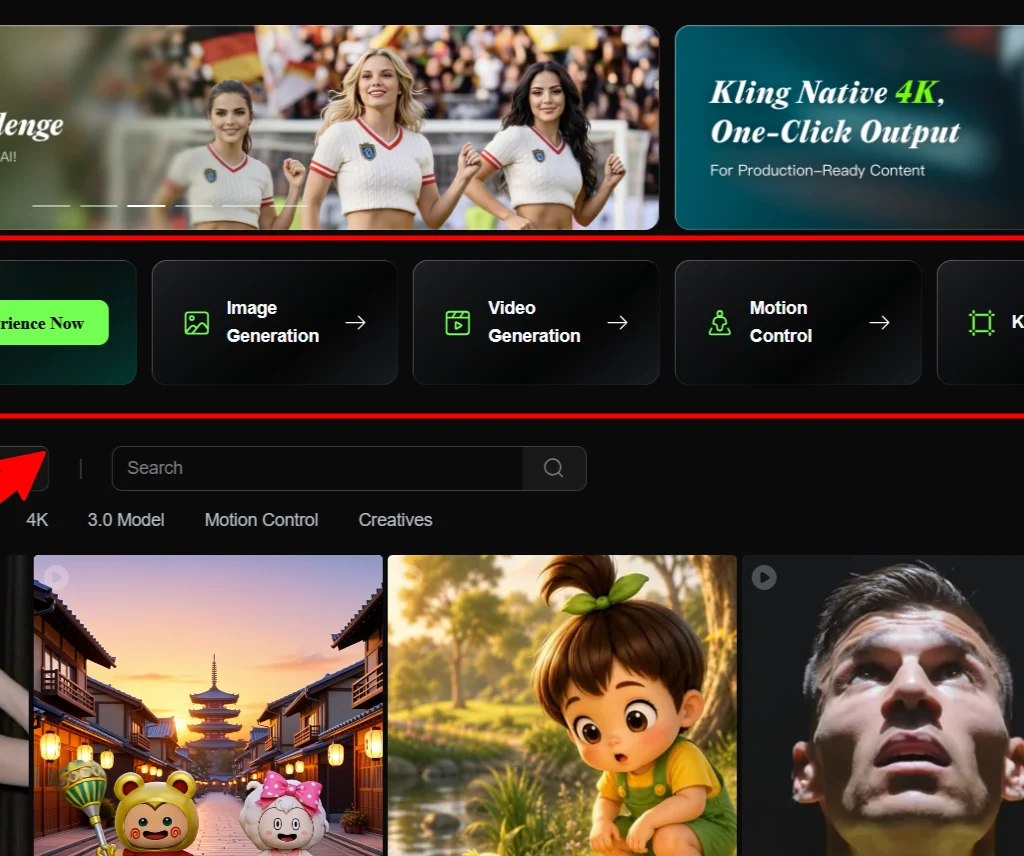
The platform supports a comprehensive suite of creation methods:
- Text-to-Video: Transforming detailed written prompts into dynamic, high-definition moving images.
- Image-to-Video: Bringing static photographs or concept art to life with natural motion physics.
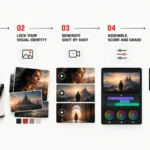
- Multi-Shot Storyboarding: Automating camera cuts, angles, and transitions within a single generation pass.
- Reference-Based Generation: Maintaining strict character, product, and environmental consistency across multiple distinct scenes.
By consolidating video, image, and synchronized audio generation into one pass, Kuaishou has significantly streamlined production workflows, positioning Kling 3.0 as one of the most powerful and versatile AI video models available in 2026.
2. Chronology of Evolution: From Kling 2.6 to 3.0
The journey from Kling 2.6 to Kling 3.0 represents a massive leap forward in technical capability and user experience. Understanding this evolution highlights how quickly generative video technology is maturing.
- The Era of Kling 2.6: While widely used for social media content and quick concept tests, the previous version operated under familiar industry constraints. It maxed out at 1080p resolution, operated at 48 frames per second, and restricted individual clip lengths to 10 seconds. Furthermore, creators relying on Kling 2.6 still faced the traditional hurdles of post-processing: rendering text accurately was unreliable, and audio had to be handled externally.
- The February 2026 Breakthrough: Kuaishou’s engineering teams successfully bridged these gaps by redesigning the model’s underlying multimodal framework. Released globally on February 4, 2026, Kling 3.0 smashed previous boundaries by introducing native 4K output, 60fps rendering, extended 15-second clips, and fully integrated multilingual lip-syncing.
This rapid progression underscores a broader industry trend: the transition from experimental, novelty-driven video generation to robust, production-ready enterprise tools.
3. Supporting Data & Technical Specifications
To truly understand where Kling 3.0 stands in the competitive market, one must look closely at its technical capabilities, tier structures, and performance metrics.
Resolution, Frame Rates, and Clip Lengths
Kling 3.0 is the first commercial AI video model to offer true native 4K output at 3840 by 2160 pixels, bypassing the need for separate upscaling algorithms that often introduce artifacts. Coupled with a smooth 60 frames per second (fps) frame rate, the resulting footage meets broadcast-quality standards. Individual clips can run up to 15 seconds, and the innovative multi-shot mode can weave two to six distinct camera cuts into that timeframe based on a single structured prompt.
Accessibility and Pricing Tiers
Kuaishou has adopted a user-friendly deployment strategy, offering a genuinely usable free tier alongside robust commercial options:
- The Free Tier: Provides approximately 66 daily credits with no credit card required. It generates 720p watermarked output, offering a more generous sandbox than most competing models. Beginners are strongly advised to master the model’s prompting style here before upgrading.
- Paid Plans: Remove watermarks, unlock 1080p and native 4K resolutions, grant significantly higher monthly credit pools, and prioritize generation queues for professional production schedules.
Comparative Analysis: Kling 3.0 vs. Veo 3.1 and Sora 2
The 2026 AI video ecosystem is characterized by specialization. No single model dominates every single use case:
- Kling 3.0: Leads the pack in native 4K resolution, multi-shot directing capabilities, legible on-screen text rendering, and native multilingual audio generation.
- Google’s Veo 3.1: Excels in emotional, dramatic close-ups and nuanced environmental realism.
- OpenAI’s Sora 2: Renowned for physically accurate motion simulation and complex, multi-axis camera tracking.
Rather than relying on a monolithic system, professional workflows in 2026 increasingly utilize a curated "stack" of models tailored to specific creative needs.
4. Official Responses and Industry Reception
The release of Kling 3.0 has prompted widespread commentary from digital marketing leaders, educators, and commercial producers. Industry analysts have highlighted the model’s unique ability to handle text and branding elements—a historical Achilles’ heel for generative video systems.
In professional marketing circles, the reception has been overwhelmingly positive. E-commerce teams, in particular, have praised the model’s ability to keep brand logos, price tags, and on-screen signage legible throughout dynamic camera movements. This reliability removes a major barrier that previously rendered AI video impractical for branded product campaigns.
Furthermore, digital marketing experts emphasize that Kling 3.0’s multi-shot mode has fundamentally altered client pre-visualization. By generating rough cuts complete with shot-reverse-shot dialogue and cross-cutting from a single prompt, agencies can pitch complex visual concepts to clients in a fraction of the traditional timeline.
5. Broader Implications for Marketers and Creators
As generative video tools become increasingly sophisticated, the nature of creative work is undergoing a profound transformation.
The Shift from Technical Execution to Direction
As industry observers note, the tool is no longer the bottleneck; direction is. A model capable of native 4K output, autonomous shot coverage, and multilingual lip-syncing still requires a human creator who understands narrative structure, pacing, and strategic briefwriting. Mastering the art of the prompt and narrative architecture is now the defining skill that separates average users from high-level digital creators.
Consistency and Commercial Workflows
For brand managers, maintaining visual continuity has always been paramount. Kling 3.0 addresses this through advanced element and character reference uploads. By supplying a reference image or short video clip, creators can lock down a specific character’s face, posture, and clothing—or a physical product’s precise geometry—ensuring it remains identical across complex scene transitions.
Moreover, when utilized on paid tiers, Kling 3.0 output is fully cleared for commercial advertising, social media campaigns, and client deliverables. While creators must still review specific licensing terms between native platforms and third-party workspaces, the barrier to deploying AI-generated assets in high-stakes commercial environments has never been lower.
Final Takeaway
Kling 3.0 represents a watershed moment for AI video generation. By merging native 4K resolution, multi-shot intelligence, and synchronized audio into a unified architecture, Kuaishou has delivered a tool that bridges the gap between imagination and production-ready reality.
For creators, marketers, and enterprises looking to stay ahead of the curve, the recommendation is clear: step past the theoretical phase, engage with the platform’s accessible tiers, and begin experimenting with structured multi-shot prompts. The future of visual storytelling belongs to those who learn to direct the machine with precision.