







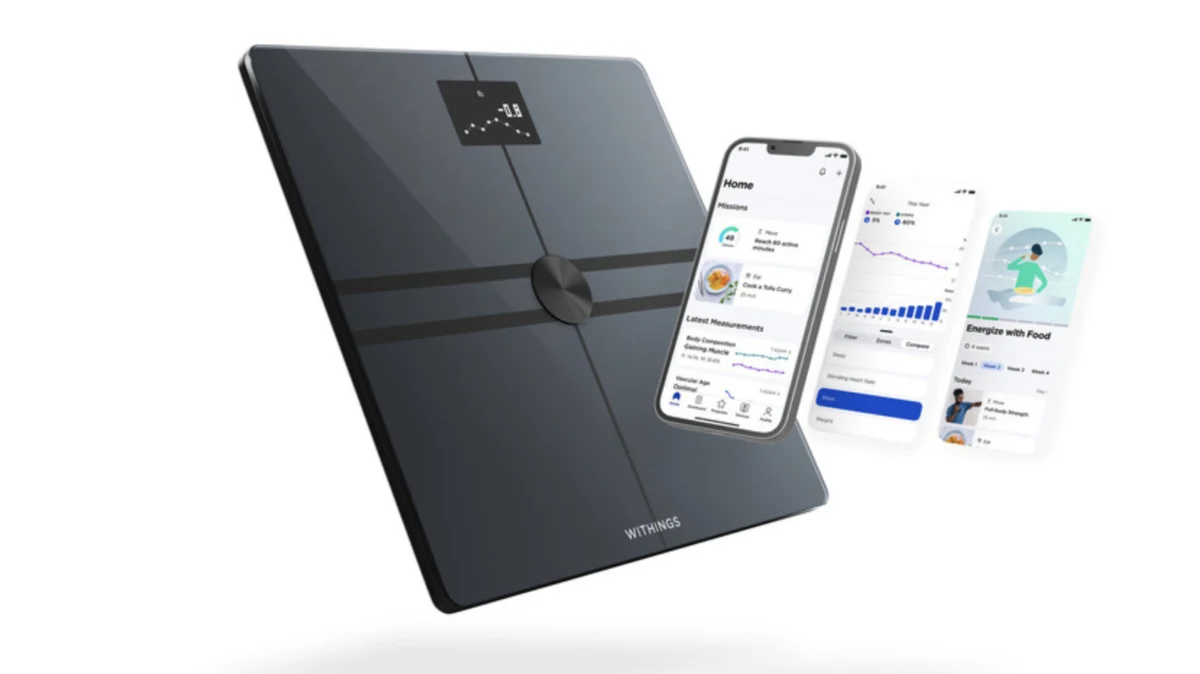
In a move that has sent shockwaves through the wearable technology community, Withings—a prominent manufacturer of premium smart health devices—has implemented a controversial policy change that effectively restricts fundamental interoperability for new customers. As of October 13, users creating new accounts must subscribe to "Withings+," the company’s premium health service, to enable automatic data synchronization with third-party platforms like Apple Health and Google Fit. This decision has sparked a firestorm of criticism, raising significant questions about the future of hardware-as-a-service models and the expectation of data ownership in the digital health ecosystem.
Main Facts: The New Barrier to Interoperability
For years, the hallmark of the smart health industry has been the "ecosystem-agnostic" approach. Whether a user purchased a scale, a blood pressure monitor, or a sleep tracking mat, the expectation was that the data collected—your personal health metrics—would be easily transportable to centralized health hubs like Apple Health, which serves as the primary dashboard for millions of iPhone users.
Under the new policy, that seamless connectivity is no longer a standard feature. While legacy users—those who registered their accounts before October 13—remain grandfathered into the previous model of free, automatic syncing, newcomers face a steep barrier. To achieve the same level of functionality, new users are now required to pay a $99.95 annual subscription fee for Withings+.
If a new user chooses to opt out of the subscription, they are not entirely blocked from accessing their data, but the friction has increased exponentially. Instead of automatic, background syncing, free-tier users are forced to manually export and upload their health history every time they wish to see their Withings data reflected in another application. For many, this manual hurdle renders the hardware significantly less useful, transforming a "smart" device into a static one that requires daily administrative labor.
Chronology: How the Policy Shift Unfolded
The change was not announced via a high-profile press release or a marketing email. Instead, the reality of the situation came to light through the company’s support forums.
- Pre-October 13, 2024: Automatic data syncing was a standard, free feature for all Withings users, regardless of when they purchased their hardware or created their accounts.
- October 13, 2024: The "silent" shift occurred. Withings updated its platform policies, restricting the API hooks that allow for automatic third-party data sharing to the premium Withings+ subscription tier.
- Late October 2024: As new users discovered they could not link their devices to Apple Health, activity on the company’s official support forum spiked. A thread titled "Unacceptable: Apple Health Sync is now behind a $99/year paywall for new accounts" became the epicenter of the user revolt.
- Post-Discovery: An official response was finally posted by a Withings representative, confirming that the change was a deliberate business decision rather than a technical bug. This confirmation solidified the reality that the company intended to monetize basic interoperability.
Supporting Data: The Cost of "Smart" Health
To understand the scale of the frustration, one must look at the hardware price point. Withings is not a budget brand; it occupies a high-end niche in the market. The company recently launched the Body Scan 2 scale, a device retailing for approximately $600. Its mid-range offerings, such as the Body Smart scale, retail for around $280.
When a consumer spends several hundred dollars on a high-end medical-grade device, there is a fundamental psychological contract: the hardware is the product. By gating the data generated by that hardware behind a recurring subscription, Withings is shifting the business model toward a "subscription-tax" format.
Critics point out that health data—such as weight, body composition, and blood pressure—is uniquely personal. Forcing users to pay an annual fee to move that data from one digital container (the Withings app) to another (Apple Health) feels, to many, like a ransom payment. The math is simple: a user who buys a $280 scale and keeps it for five years is now facing a potential total cost of ownership (TCO) that could exceed $750, a 167% increase over the sticker price.
Official Responses and Corporate Strategy
The official response from Withings, while brief, provides a window into the company’s strategic pivot. In the forums, the company stated: "After the 13th, automatic sync to third-party apps is part of Withings+."
This phrasing is characteristic of companies attempting to transition from hardware-centric revenue to Software-as-a-Service (SaaS) models. In recent years, companies like Peloton, Oura, and Fitbit have all grappled with how to sustain revenue after the initial sale of a device. However, most have chosen to gate features—such as advanced analytics, personalized coaching, or historical trend analysis—rather than basic functionality like data exporting.
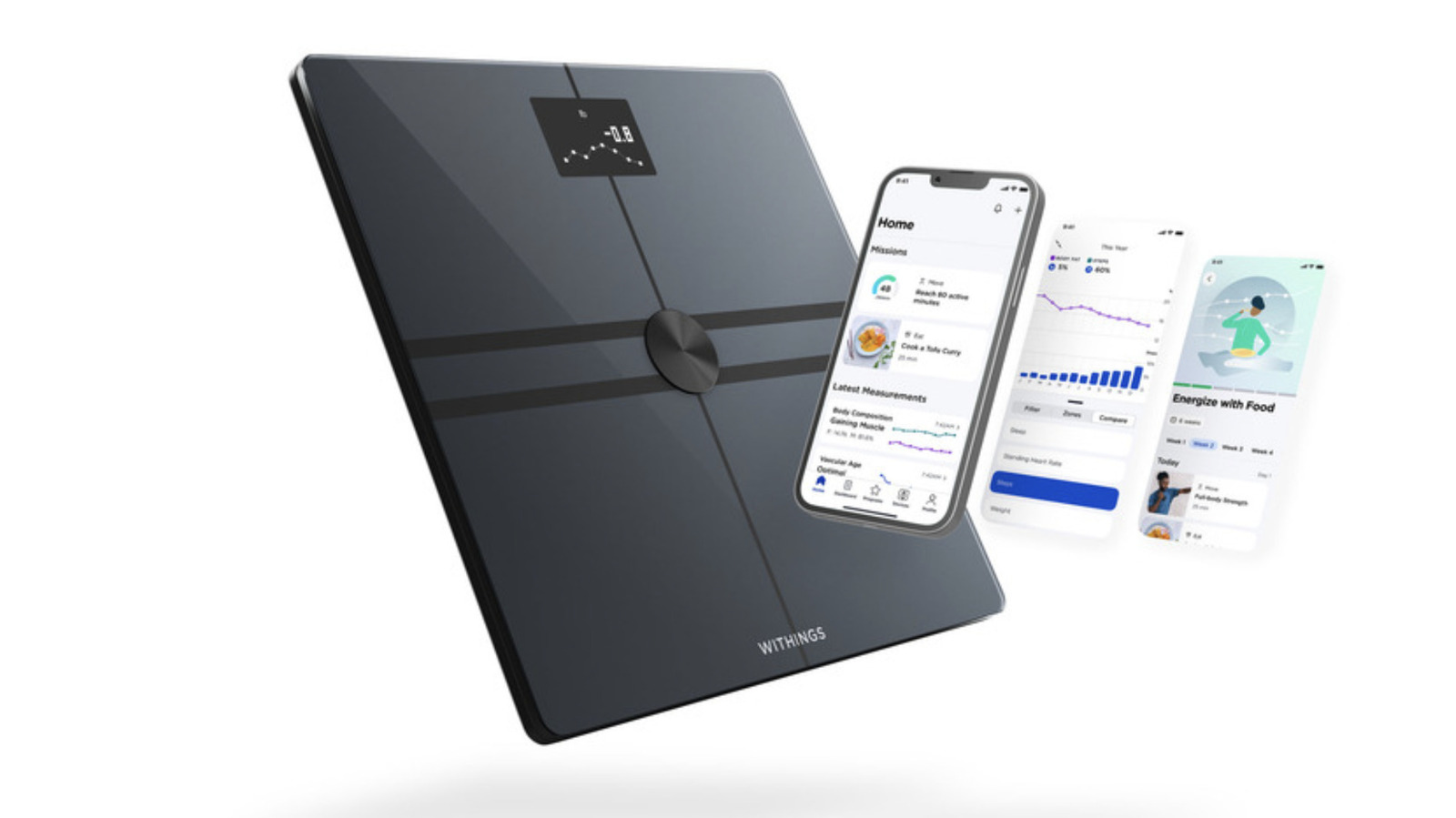
By choosing to gate interoperability, Withings has entered a more dangerous territory. Industry analysts suggest that Withings may be attempting to force users into their proprietary ecosystem to drive adoption of their health coaching and analytics features. By making the Apple Health experience "clunky" for free users, they are essentially creating an incentive for users to stay within the Withings app, where the company can exert more control over user engagement and potential future upselling.
Implications: The Future of Health Data Ownership
The backlash against Withings serves as a bellwether for a broader conflict in the Internet of Things (IoT) industry.
1. The Death of Universal Compatibility
If other manufacturers follow Withings’ lead, we could see a fragmented health market where data is siloed within individual brand ecosystems. This would be a significant step backward for consumer health, as the utility of health data is maximized when it is aggregated in a single place—like Apple Health or Google Health Connect—to provide a holistic view of a patient’s well-being.
2. Consumer Trust and Brand Loyalty
The "silent" nature of this change has been particularly damaging to Withings’ brand equity. In the world of smart health, where users are often tracking chronic conditions like hypertension or obesity, trust is paramount. By surprising new users with a paywall, the company has risked alienating its core demographic—technologically literate, health-conscious consumers who value transparency.
3. Regulatory Scrutiny
While there are currently no laws explicitly prohibiting a company from charging to move data, the trend of "digital enclosures" is beginning to catch the attention of regulators. In the European Union, the Data Act and GDPR emphasize the right of users to access and port their data. If a company makes data porting intentionally difficult or charges a prohibitive fee to automate it, they may eventually face challenges regarding anti-competitive behavior or the obstruction of data portability rights.
4. The Hardware-as-a-Service Backlash
We are seeing a growing "right-to-repair" and "anti-subscription" movement among consumers. Users are increasingly wary of "brickable" devices—products that lose their core utility the moment a subscription lapses or a company changes its terms of service. Withings’ decision may serve as a cautionary tale for other hardware manufacturers: while recurring revenue is the "holy grail" for investors, alienating your primary user base by stripping away expected functionality is a high-risk strategy.
Conclusion: A Turning Point
Withings stands at a critical juncture. The decision to gate Apple Health and third-party syncing is a calculated gamble. The company is banking on the idea that the quality of its hardware is high enough that users will either pay the $100 annual fee or accept the manual labor of data exporting.
However, the vocal backlash suggests they may have underestimated the importance of seamless integration to the modern health consumer. As the dust settles, the industry will be watching closely. If Withings doubles down, it may signal a permanent shift toward "walled garden" health tech. If, conversely, the company is forced to backtrack due to market pressure, it will stand as a landmark victory for the principle of open data and user-centric design in the wearable health market.
For now, the message from the community is clear: a smart device is only as smart as the data it allows you to control. By putting a price tag on that control, Withings has turned a simple data sync into a complex ethical debate.