








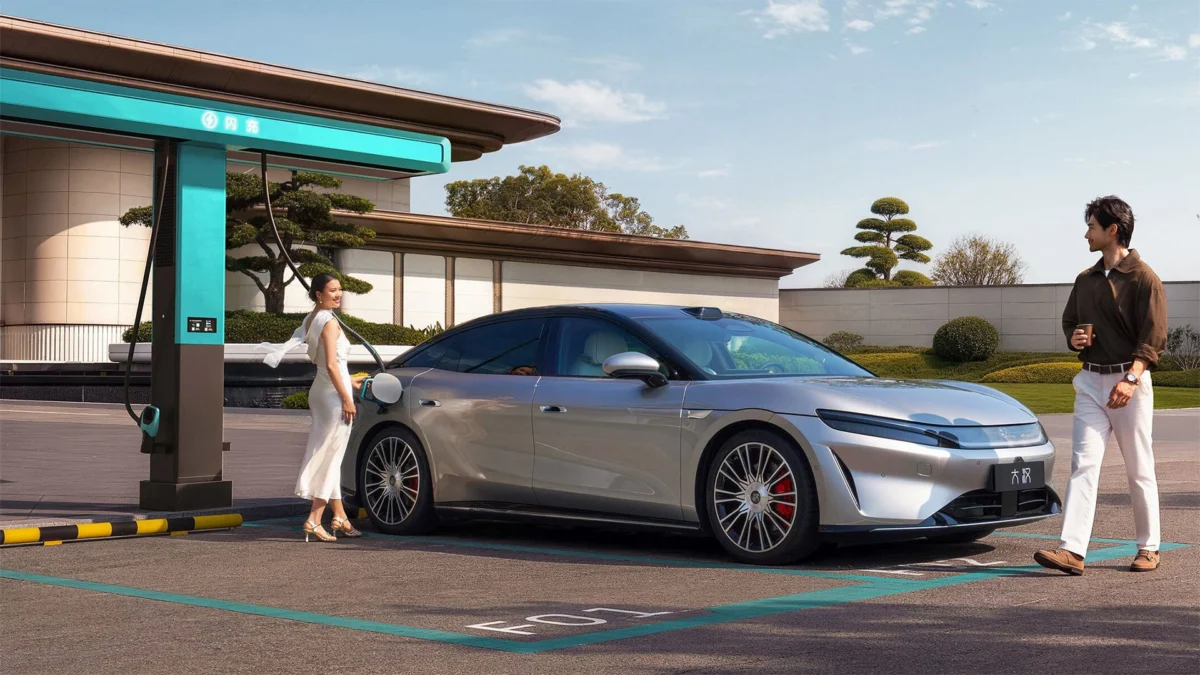
The automotive landscape is undergoing a tectonic shift, and the epicenter is located firmly in Shenzhen. BYD, the world’s leading manufacturer of new-energy vehicles (NEVs), has unveiled its latest flagship: the 2026 BYD Han—often referred to as the "Great Han." This opulent, tech-heavy electric sedan is not merely an incremental update; it is a direct gauntlet thrown at the feet of the world’s most prestigious luxury automakers. By offering performance metrics that mirror the elite Lucid Air Grand Touring at a fraction of the price, BYD is forcing a global conversation about the true cost of automotive luxury.
Main Facts: A New Benchmark for Electric Mobility
The 2026 BYD Han represents the pinnacle of the manufacturer’s current engineering capabilities. Available in its domestic Chinese market for an astonishingly competitive 235,900 yuan (approximately $35,200 / £26,500 / AU$51,000), the vehicle defies conventional pricing models for its segment.
The headline figure for the new Han is its staggering range. On the China Light-Duty Vehicle Test Cycle (CLTC), the sedan boasts an impressive 630-mile range. Even when subjected to the significantly more stringent European Worldwide Harmonised Light Vehicles Test Procedure (WLTP), the car remains highly competitive, clocking in at roughly 508 miles. This puts it squarely in the territory of the Lucid Air Grand Touring, a vehicle that commands a price tag of well over $100,000.
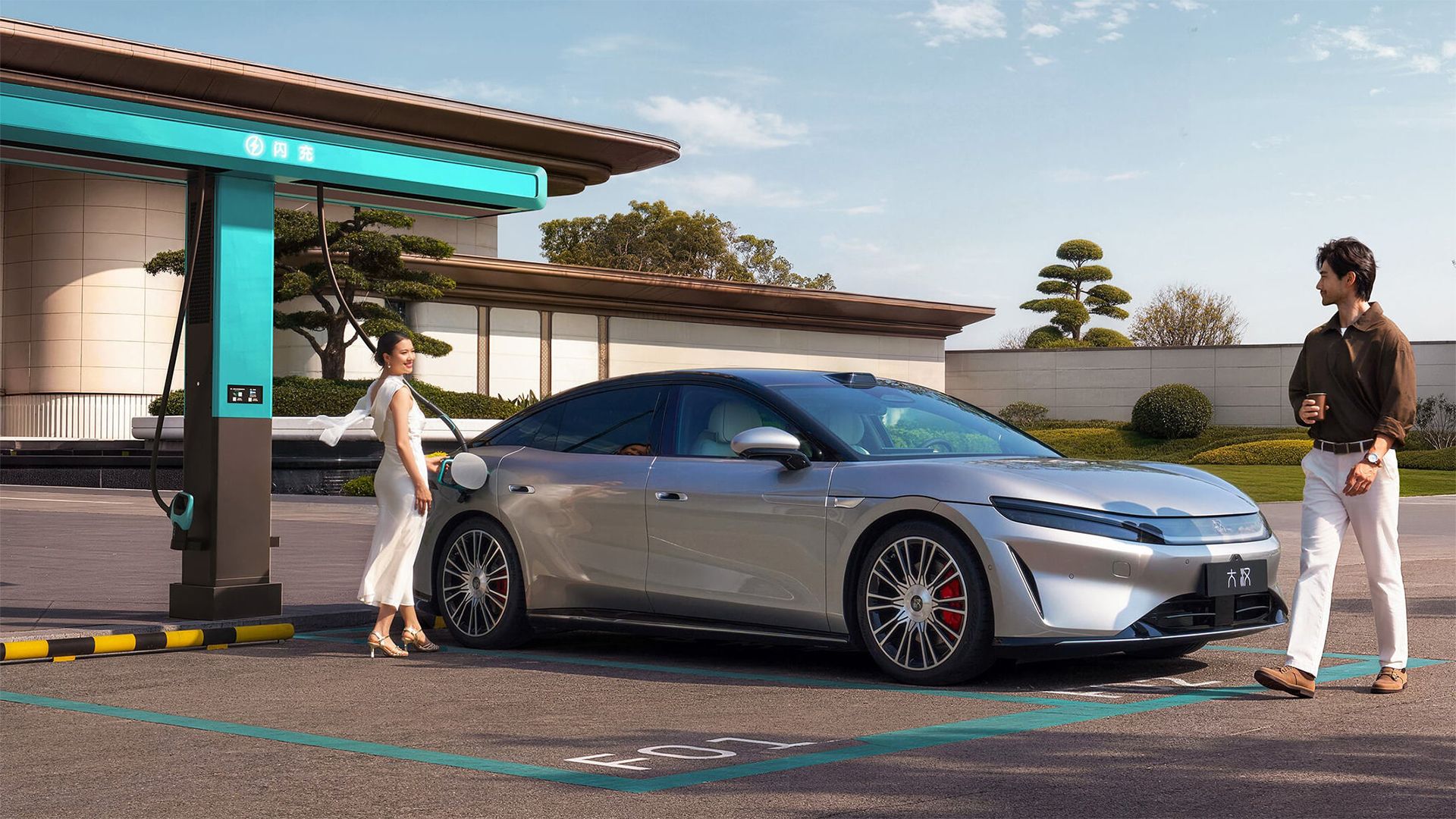
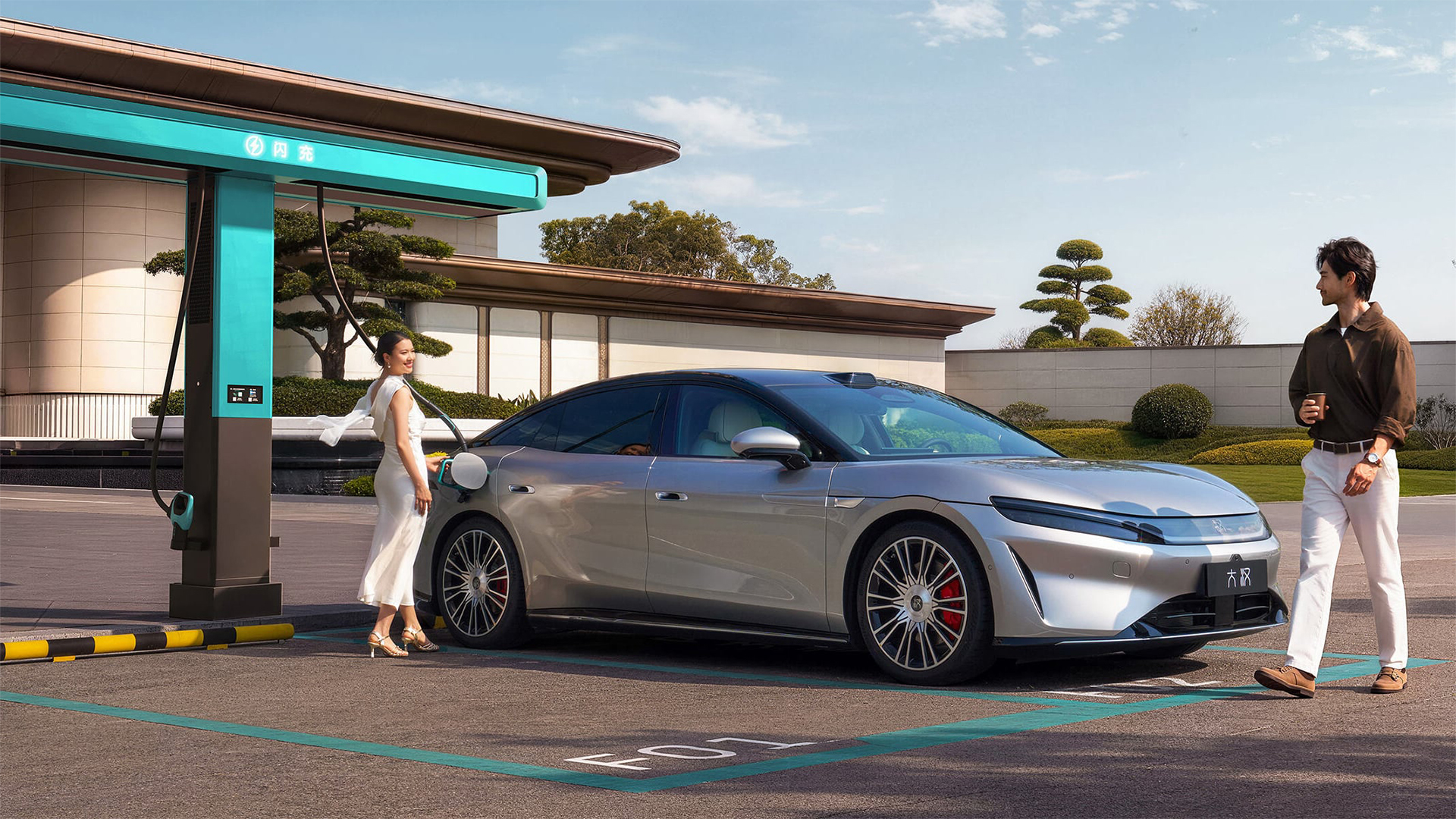
Beyond range, the Han is a showcase of high-end hardware. It features advanced rear-wheel steering for enhanced agility, an augmented-reality (AR) head-up display that overlays navigation directly onto the driver’s field of vision, and a sophisticated dual-chamber air suspension system that promises a ride quality comparable to top-tier German limousines. Perhaps most importantly, the vehicle is compatible with BYD’s proprietary "Flash Charge" technology, which allows the battery to replenish from 10% to 97% in a mere nine minutes—a feat that effectively dismantles the "charging anxiety" argument that has long plagued the EV sector.
Chronology: The Evolution of a Flagship
To understand the gravity of the 2026 Han’s arrival, one must look at the meteoric rise of the BYD brand over the past decade.
- 2016–2018: BYD begins its pivot from a battery manufacturer and entry-level automaker to a serious contender in the electric space, investing heavily in the "Blade Battery" technology that would eventually become the industry standard for safety and thermal stability.
- 2020: The first generation of the BYD Han is launched, signaling the company’s intent to capture the premium segment. It was the first production car to use the Blade Battery, setting an early tone for safety-conscious luxury.
- 2022–2023: BYD experiences an unprecedented explosion in global popularity, overtaking Tesla in total quarterly NEV sales for the first time. The company aggressively expands its footprint into Europe, Latin America, and Southeast Asia.
- 2024: BYD debuts its high-end sub-brands, including Denza, Yangwang, and Fang Cheng Bao, demonstrating that the firm is capable of competing at every price point, from the budget-conscious consumer to the ultra-luxury buyer.
- Late 2025/Early 2026: The official reveal of the 2026 "Great Han." This model represents the integration of all previous technical breakthroughs—faster charging, more efficient motors, and AI-driven chassis control—into a single, cohesive flagship package.
Supporting Data: Why the Numbers Matter
The primary disruption factor of the new Han is its price-to-performance ratio. When a manufacturer can offer 500+ miles of range for roughly $35,000, it challenges the economic assumptions of legacy automakers.
Data from the automotive industry suggests that the average cost of an electric luxury vehicle in the West remains stubbornly high, often due to high labor costs, supply chain inefficiencies, and the amortization of legacy combustion engine research. BYD, by contrast, maintains a vertically integrated supply chain. By manufacturing its own batteries, chips, and power electronics, the company bypasses the "middleman" costs that inflate the price of vehicles from competitors like Mercedes-Benz, BMW, or even Lucid.
Furthermore, the integration of LiDAR-based autonomous driving systems and "crab-walking" air suspension capabilities—features once reserved for vehicles costing three to four times as much—is now standard or optional on the Han. This democratization of technology signals that "luxury" is no longer defined by the brand emblem on the hood, but by the sophistication of the software and hardware under the skin.
Official Responses and Strategic Positioning
While BYD has remained relatively coy regarding a specific rollout date for international markets, the writing is on the wall. The company’s rapid expansion into European markets via its dedicated dealer networks suggests that the Han is a prime candidate for export.
Industry analysts suggest that if the Great Han were to arrive in Europe or North America, its price would naturally increase due to import tariffs, logistics, and localized regulatory compliance. However, even with a 20–30% "international premium" added to the price, the vehicle would still undercut premium German rivals by a significant margin.
In a recent press briefing, a BYD spokesperson noted that the company’s mission is to "provide high-quality, high-tech mobility solutions to a global audience." This is a diplomatic way of saying that BYD is no longer interested in competing only on price; it is now competing on the experience. The company’s luxury arm, Denza, is already proving that BYD can command higher price points, and it is highly likely that the Han will be used as a "halo" product to elevate the perception of the BYD brand worldwide.
Implications: The End of "Badge Snobbery"
The arrival of the 2026 Han has profound implications for the automotive industry. For decades, the "Big Three" of German luxury—Mercedes-Benz, BMW, and Audi—have relied on a combination of engineering prestige and "badge snobbery" to maintain their market dominance.
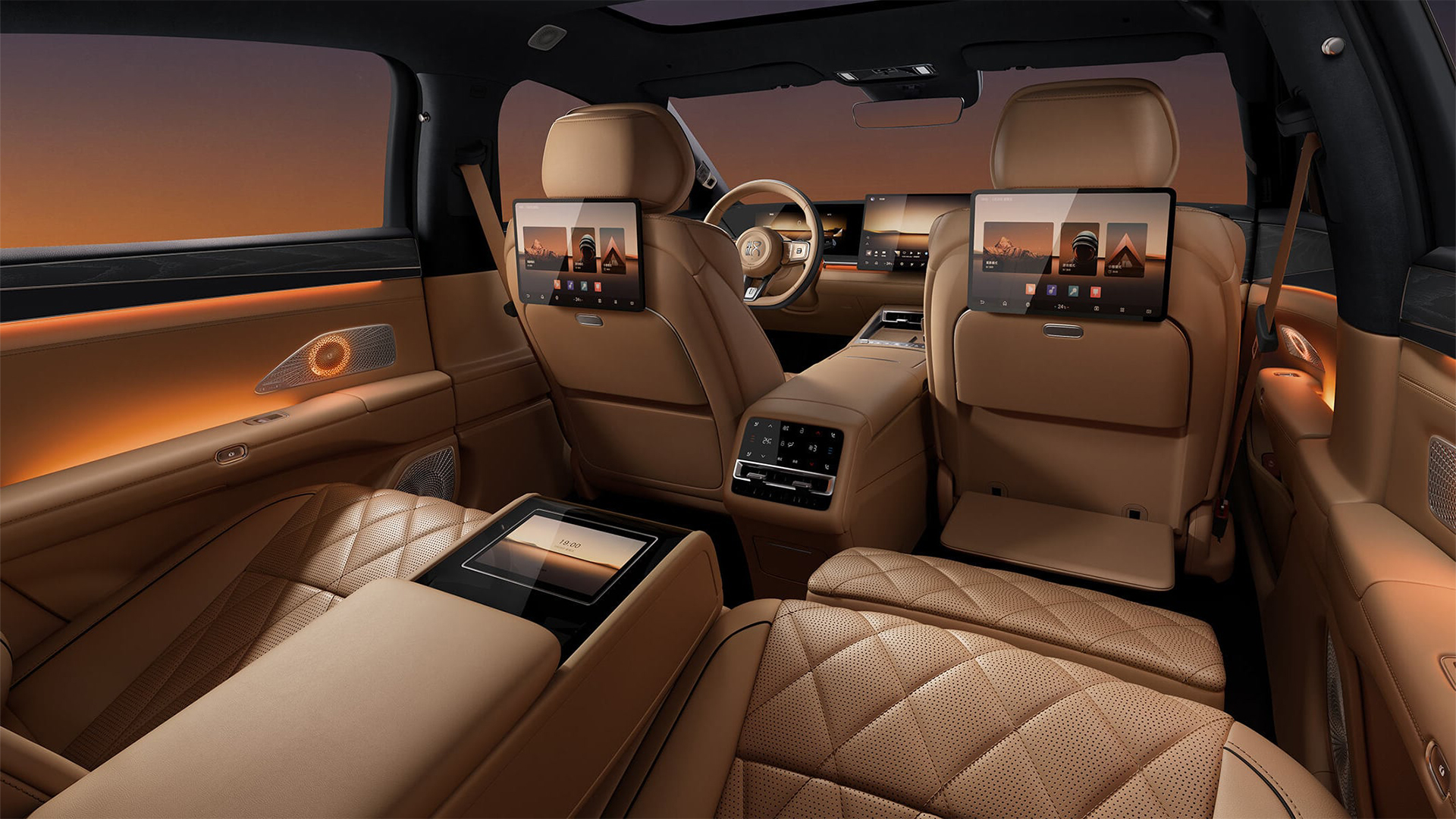
However, as consumers become more tech-literate, that brand loyalty is beginning to erode. When a driver is presented with a choice between a legacy brand with a legacy infotainment system and a Chinese-built sedan that offers better range, faster charging, and a more intuitive, AI-driven interface, the decision becomes purely rational.
For the European and American auto giants, the implication is clear: the era of incremental innovation is over. The "Great Han" is a symptom of a broader trend in which Chinese manufacturers are not just catching up to Western standards—they are setting them. If legacy manufacturers fail to address their high cost-bases and slow software development cycles, they risk being relegated to a niche status, serving only those who prioritize brand heritage over cutting-edge capability.
Furthermore, the success of the Han will likely accelerate the geopolitical tensions surrounding the EV market. As the Han’s capabilities become better known, we should expect further calls for protectionist policies, trade barriers, and tariffs in the West. But as history has shown, trade barriers rarely stifle innovation; they only delay the inevitable market correction.
Conclusion: A New Era of Competition
The 2026 BYD Han is more than just a car; it is a manifestation of the shift in the global center of gravity for the automotive industry. It represents a convergence of superior manufacturing efficiency, advanced battery technology, and a deep understanding of the modern, tech-centric consumer.
As we look toward the next five years, the success of this vehicle will serve as a bellwether for the rest of the industry. Will legacy automakers be able to pivot fast enough to compete with the sheer speed of development coming out of Shenzhen? Or will we see a fundamental realignment of the global automotive hierarchy?
One thing is certain: for the consumer, the competition is a win. Whether or not you personally desire a Chinese-made sedan, the existence of the Great Han forces every other automaker to work harder, price more fairly, and innovate faster. The race for the future of mobility has officially entered its most intense phase, and the Great Han has set a pace that many will struggle to match.