








Main Facts
For online educators, transitioning from selling single-seat courses to capturing lucrative business-to-business (B2B) contracts represents a vital revenue milestone. However, corporate buyers operate under a distinct set of operational demands compared to individual consumers. A company purchasing 10, 20, or 50 seats for its workforce requires absolute frictionless execution in two primary areas: seamlessly onboarding an entire team and generating verifiable proof of completion for every participant.
Recent integration frameworks utilizing the free Masteriyo LMS plugin (version 3.4.2) on WordPress demonstrate that course creators can establish enterprise-grade group sales features without incurring significant initial overhead. Utilizing built-in capabilities such as the Groups add-on, bulk CSV enrollment, and automated certificate generators, site administrators can configure tiered team packages, collect payments via Stripe, PayPal, or offline invoices, and issue compliance credentials natively. While advanced configurations—such as variable seat scaling and multi-tier enterprise packages—require the Masteriyo Pro ecosystem, the core framework provides a robust foundation for independent educators to break into the corporate training market.

Chronology
The methodology for establishing corporate training packages within a WordPress environment follows a structured, step-by-step deployment timeline:
-
Phase 1: Feature Activation (The Groups Add-on)
Site administrators begin by installing and activating the free Masteriyo LMS plugin. Within the system dashboard, the native Groups add-on is toggled on. This action generates a dedicated management directory under Masteriyo → Users, establishing a centralized ledger to monitor corporate accounts, aggregate seat purchases, and track participating organizations.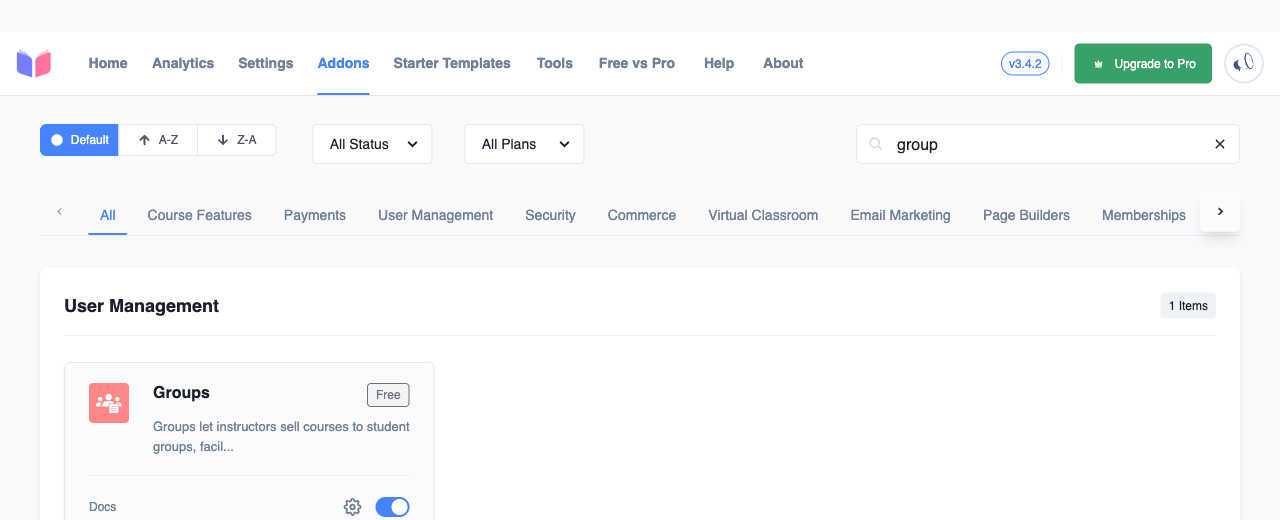
-
Phase 2: Package and Pricing Architecture
Next, course creators configure dual-pricing structures, establishing standard rates for individual learners alongside discounted wholesale rates for corporate teams. Using the fixed-seat model available in the free tier, administrators define package parameters—such as a "Team of 10" bundle priced at a flat rate of $790—creating an immediate per-seat cost reduction that appeals directly to corporate procurement officers. -
Phase 3: Bulk Enrollment Protocols
Upon payment confirmation, enterprise buyers assume the role of group leaders, gaining the ability to distribute seats via direct user invitations. Alternatively, for invoice-based offline sales, platform administrators utilize the bulk enrollment utility. By uploading a standardized CSV file containing employee credentials or pasting email address lists directly into the system, administrators can process rosters for dozens of employees simultaneously.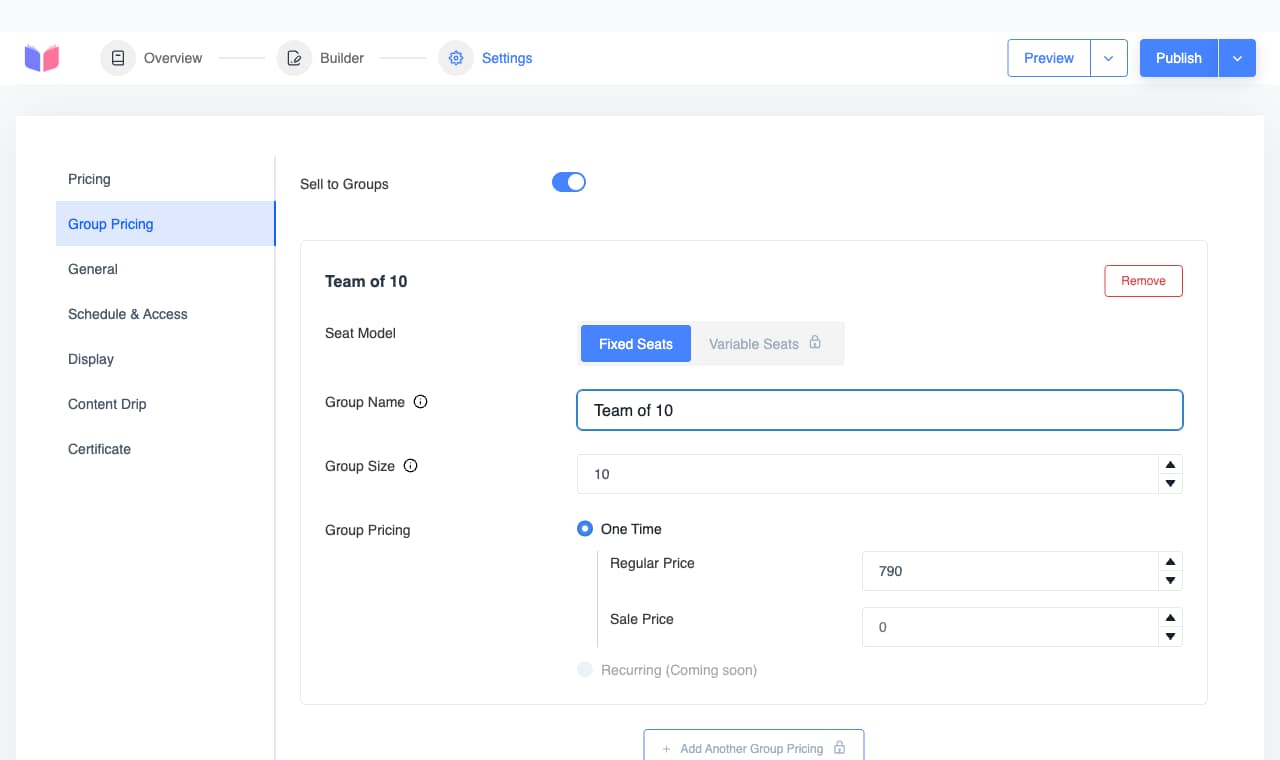
-
Phase 4: Credential and Compliance Setup
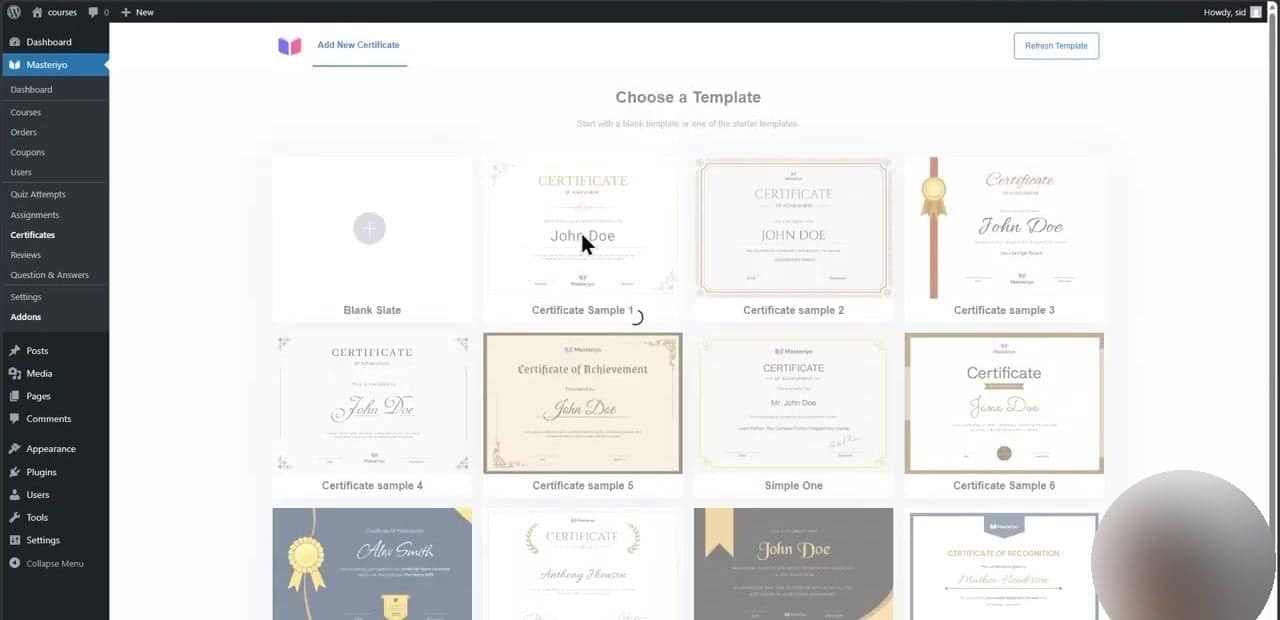
Prior to course launch, administrators configure the system’s certificate engine. By selecting a standard template, integrating brand markers, and mapping dynamic data placeholders (such as learner names, course titles, and completion dates), the platform is primed to issue verifiable proof of completion automatically upon module fulfillment. -
Phase 5: Payment Gateway Integration
Finally, transactional gateways are established via the Masteriyo → Settings → Payments menu. Native integrations with Stripe and PayPal facilitate automated digital checkouts, while offline payment modules accommodate corporate purchase orders and bank transfers.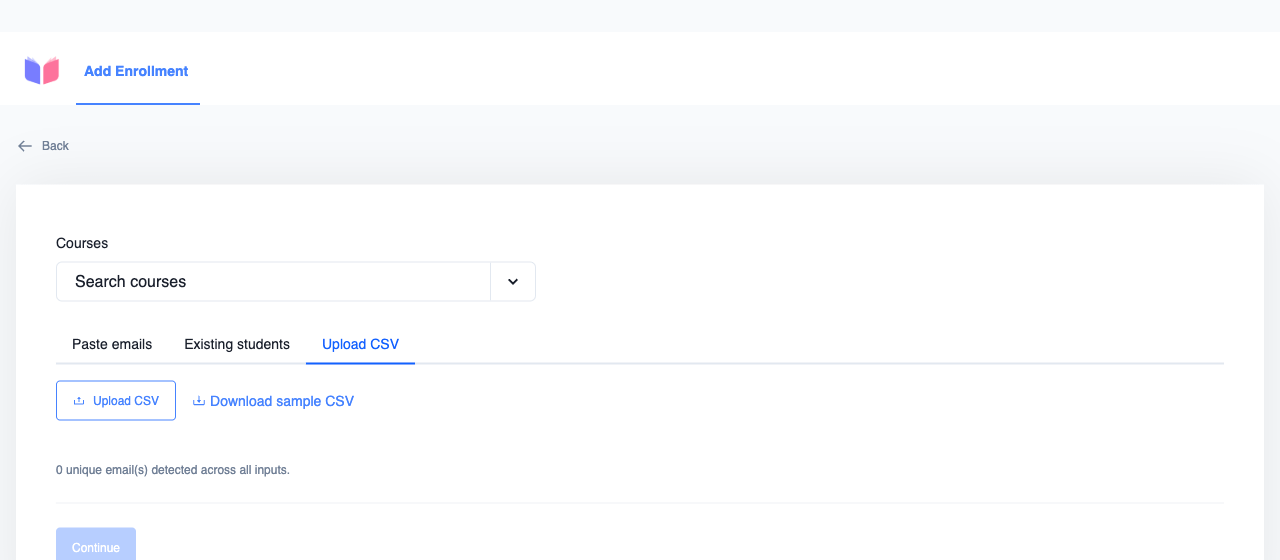
Supporting Data
Evaluating the economic and operational mechanics of B2B course sales reveals clear incentives for both platform operators and enterprise purchasers:
- Pricing Dynamics: Standard retail pricing often hovers at $99 per individual seat. By packaging corporate enrollments at a wholesale rate (e.g., $790 for 10 seats, effectively reducing individual costs to $79 per user), educators remove traditional purchasing friction, enabling corporate buyers to execute transactions without escalating internal approval chains.
- Administrative Efficiency: Processing manual enrollments for a 50-person corporate roster typically consumes hours of administrative labor. Utilizing bulk CSV upload protocols reduces this workflow to a single operational cycle lasting less than sixty seconds.
- Feature Distribution:
- Free Tier Inclusions: Single fixed-seat team packages, bulk CSV enrollment, basic certificate generation, and Stripe/PayPal checkout options.
- Pro Tier Extensions: Variable seat selection algorithms, dynamic tiered pricing matrices, multi-package storefront displays (e.g., "Small Team" vs. "Enterprise"), automated certificate email delivery, and QR-code verification checks.
Official Responses and Platform Insights
Industry analysts note that the democratization of Learning Management Systems (LMS) on WordPress has fundamentally altered how independent creators compete with legacy enterprise training providers.
According to development teams behind the Themeisle ecosystem, the strategic decision to include foundational B2B capabilities—such as group management and bulk uploads—in the free version of Masteriyo stems from direct market feedback. Corporate training buyers repeatedly cite administrative overhead as the primary deterrent when evaluating independent creator platforms. By streamlining the group onboarding process and ensuring that compliance certificates are generated without manual intervention, platforms can successfully capture enterprise budgets that were previously locked within proprietary SaaS ecosystems.
Furthermore, developers emphasize that transparent cost structures are critical. Because Masteriyo operates without taking transaction commissions—leaving educators subject only to standard payment gateway processing fees—creators retain higher profit margins as their corporate sales scale.

Implications
The integration of corporate group purchasing tools into open-source CMS platforms carries profound implications for the digital education landscape:
- Market Expansion for Independent Creators: Educators are no longer restricted to a business-to-consumer (B2C) sales model. By packaging existing course catalogs into corporate bundles, solo creators can secure higher average order values (AOV) and establish recurring B2B relationships.
- Elevated Compliance Standards: Modern corporate governance mandates strict tracking of employee training completion. Automated certificate generation and future-facing verification protocols (such as QR-code validation found in Pro editions) bridge the trust gap between decentralized digital courses and formal corporate HR requirements.
- Platform Scalability Limits: While the free plugin framework effectively services small-to-midsize team orders, organizations managing massive, multi-tiered enterprise accounts will eventually necessitate migration to advanced extensions or dedicated enterprise platforms to handle complex user hierarchies, sub-group management, and granular progress reporting.
Ultimately, mastering the configuration of team packages, bulk enrollments, and automated credentials within WordPress equips digital educators with a powerful toolkit to capture high-value corporate training contracts efficiently and sustainably.