







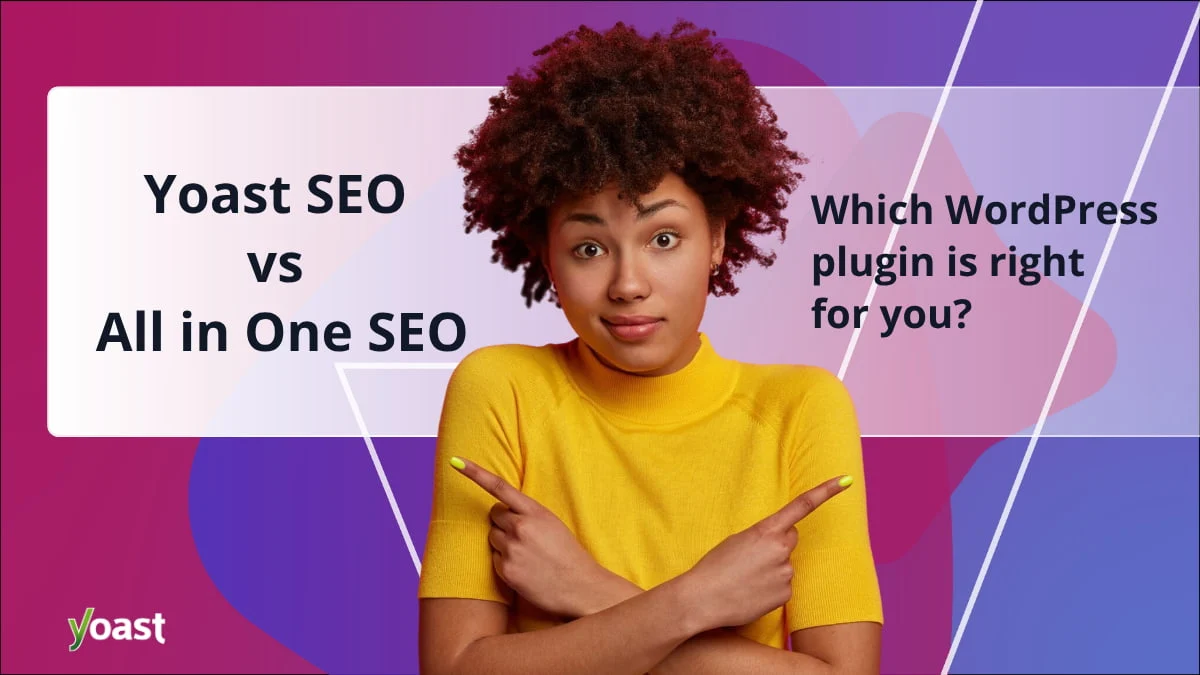
Selecting the right Search Engine Optimization (SEO) plugin for your WordPress site is more than a technical decision; it is a fundamental choice about how your content interacts with the modern internet. As search engines evolve from simple keyword indexers into complex AI-driven discovery engines, the tools we use to bridge the gap between our content and the reader have become mission-critical.
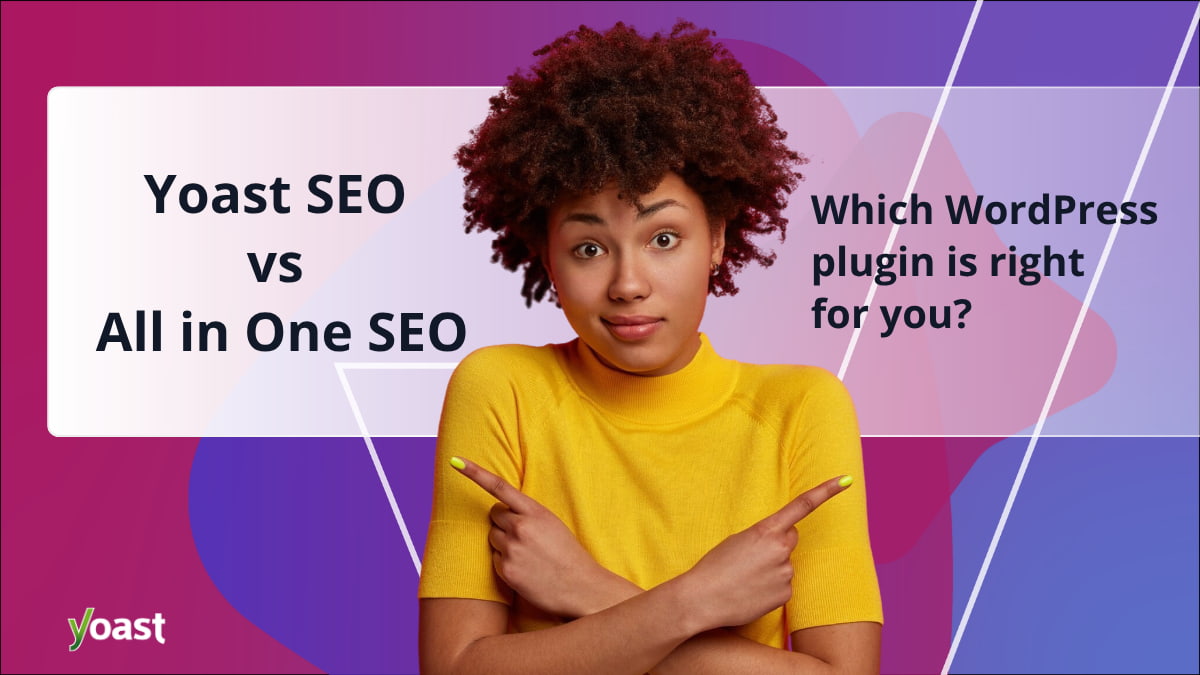
For years, the industry has been defined by two heavyweights: Yoast SEO and All in One SEO (AIOSEO). Both platforms have been cornerstones of the WordPress ecosystem, powering millions of websites worldwide. However, as the digital landscape shifts toward AI Overviews, LLMs (Large Language Models), and semantic search, these two plugins have adopted divergent philosophies. Understanding these differences is essential for any website owner, agency, or digital marketer looking to future-proof their online presence.
The Evolution of WordPress SEO: A Chronology of Change
To understand where we are today, we must look at the trajectory of these tools. SEO has never been static, and the plugins that have survived the last fifteen years are those that adapted to the radical shifts in search engine algorithms.
- The Early Era (2007–2012): This period focused on keyword density, sitemaps, and basic meta-tagging. Plugins were primarily used to "trick" or guide Google into recognizing specific keywords. Yoast SEO (founded by Joost de Valk) and AIOSEO established their dominance by simplifying these technical tasks for the average WordPress user.
- The Semantic Era (2013–2020): Google began prioritizing intent and structure over raw keyword counts. Structured data (Schema) became the industry standard for helping machines "read" web content. During this time, Yoast cemented its reputation by championing the "connected Schema graph," a way of linking all parts of a website into a cohesive, machine-readable identity.
- The AI Era (2021–Present): With the explosion of generative AI and LLMs like ChatGPT, Claude, and Gemini, the focus has shifted again. It is no longer just about ranking in a list of blue links; it is about being cited as an authoritative source within an AI response. This era has forced a pivot: SEO is now about "AI-readiness," brand sentiment, and technical accessibility for bots.
A Comparative Analysis: Feature Sets and Philosophies
While both plugins offer robust toolkits, they approach the task of optimization from different angles.
All in One SEO (AIOSEO)
AIOSEO positions itself as an expansive, "all-in-one" toolkit designed to provide comprehensive reporting and functionality directly within the WordPress dashboard. It is a powerful choice for users who want a centralized hub for their SEO metrics.
- Strengths: Extensive reporting, built-in keyword rank tracking, and a wide array of built-in tools like image generators and link assistants.
- Philosophy: Breadth. AIOSEO aims to provide the user with as many features as possible within the ecosystem to minimize the need for third-party extensions.
Yoast SEO
Yoast SEO maintains a more focused philosophy: guidance, structure, and education. With over 13 million active installations and more than a billion downloads, the plugin is built on the belief that users should understand why they are making changes, not just what to change.
- Strengths: Real-time, color-coded feedback on readability and SEO; advanced structured data implementation; and a deep commitment to educating the user through the Yoast SEO Academy.
- Philosophy: Depth. By explaining the mechanics of search and focusing on site structure and "AI-readiness," Yoast aims to empower the user to become a better writer and content strategist.
Supporting Data: Why Structure Matters
Data suggests that the "connected Schema graph" approach—a hallmark of Yoast SEO—is increasingly vital. When search engines and AI bots crawl a site, they aren’t just reading text; they are building a map of relationships. By automatically linking an organization, its authors, its articles, and its products into a single, cohesive JSON-LD structure, Yoast allows search engines to interpret the context of a page with greater accuracy.
In contrast, AIOSEO offers a highly flexible Schema generator that allows for deep customization of rich snippets. This is often preferred by power users who want granular control over every piece of metadata on their site.
Implications of the AI Shift: Preparing for the Future
The emergence of AI Overviews in search results changes the stakes. If your content is not "AI-readable," it risks being ignored by the next generation of search tools.
The Importance of llms.txt
Both plugins have begun integrating support for llms.txt files. This is a crucial development. By defining what content should be accessible to AI crawlers, site owners can ensure their brand is represented correctly in AI-generated summaries. Yoast has made this a core part of its free offering, emphasizing that AI accessibility is a foundational requirement for modern web health, not a premium luxury.
AI Brand Insights
Innovation in this space is moving fast. Yoast SEO’s recent introduction of "AI Brand Insights" (via the AI+ package) represents a new frontier. By tracking how a brand appears in responses from models like ChatGPT and Perplexity, marketers can now quantify their "AI visibility." This moves beyond traditional ranking reports to provide actionable intelligence on brand sentiment and authority in the AI ecosystem.
Official Perspectives: The User-Centric Approach
When speaking with industry experts, the common thread is the need for "stability at scale." A plugin that works well for a personal blog might buckle under the weight of an enterprise e-commerce site.
Yoast’s approach to updates—rigorous testing against various PHP environments and plugin combinations—has earned it a reputation for reliability. For large-scale operations, the "set it and forget it" nature of Yoast’s automated Schema and redirect management can be a significant cost-saver, reducing the need for constant manual intervention.
AIOSEO, conversely, is frequently praised for its user-friendly interface that brings complex SEO statistics into the WordPress backend. For agencies managing dozens of sites, the ability to see performance data without leaving the dashboard is a major selling point.
Making the Choice: Which Path is Right for You?
To determine the best fit for your project, consider your primary objective:
- If you are a beginner looking for guidance: Yoast SEO’s real-time readability and SEO feedback act as an "on-page coach." It teaches you how to write better content while optimizing it, making it ideal for those who are still learning the ropes of SEO.
- If you are a power user or agency: AIOSEO’s extensive feature list and built-in reporting tools provide a high level of control and transparency, which is excellent for clients who need to see clear, actionable reports.
- If your priority is technical SEO and AI-readiness: Yoast’s focus on the Schema graph and AI visibility tracking makes it a strong contender for brands looking to maintain a competitive edge in the era of generative AI.
Conclusion: The Long-Term Partner
Choosing an SEO plugin is a commitment. Because the plugin touches nearly every page on your site, switching is a task that should be handled with care. Fortunately, both platforms provide migration tools that make the transition relatively seamless.
Ultimately, the best plugin is the one that aligns with your workflow. Whether you choose the all-encompassing toolkit of AIOSEO or the structured, educational approach of Yoast SEO, ensure your choice is based on the long-term needs of your brand. As search continues to evolve—from the early days of simple keywords to the complex, AI-curated future—your SEO plugin must act as more than just a tool; it must be a partner in your growth, helping you stay visible in an increasingly crowded and intelligent digital world.
Aman Soni is a contributor to the digital marketing space, with a focus on the evolving intersection of search engine technology and user-centric content strategy.