







Introduction: Redefining the Canvas
In the ever-evolving ecosystem of content management systems, few releases carry the systemic weight of a new default WordPress theme. When the WordPress core team conceptualized Twenty Twenty-Three (TT3), they weren’t just building another skin to sit atop the platform; they were constructing a foundational showcase for the future of web design. Developed collectively by the global WordPress community, Twenty Twenty-Three was engineered specifically to harness the powerful, next-generation design tools introduced in WordPress 6.1.
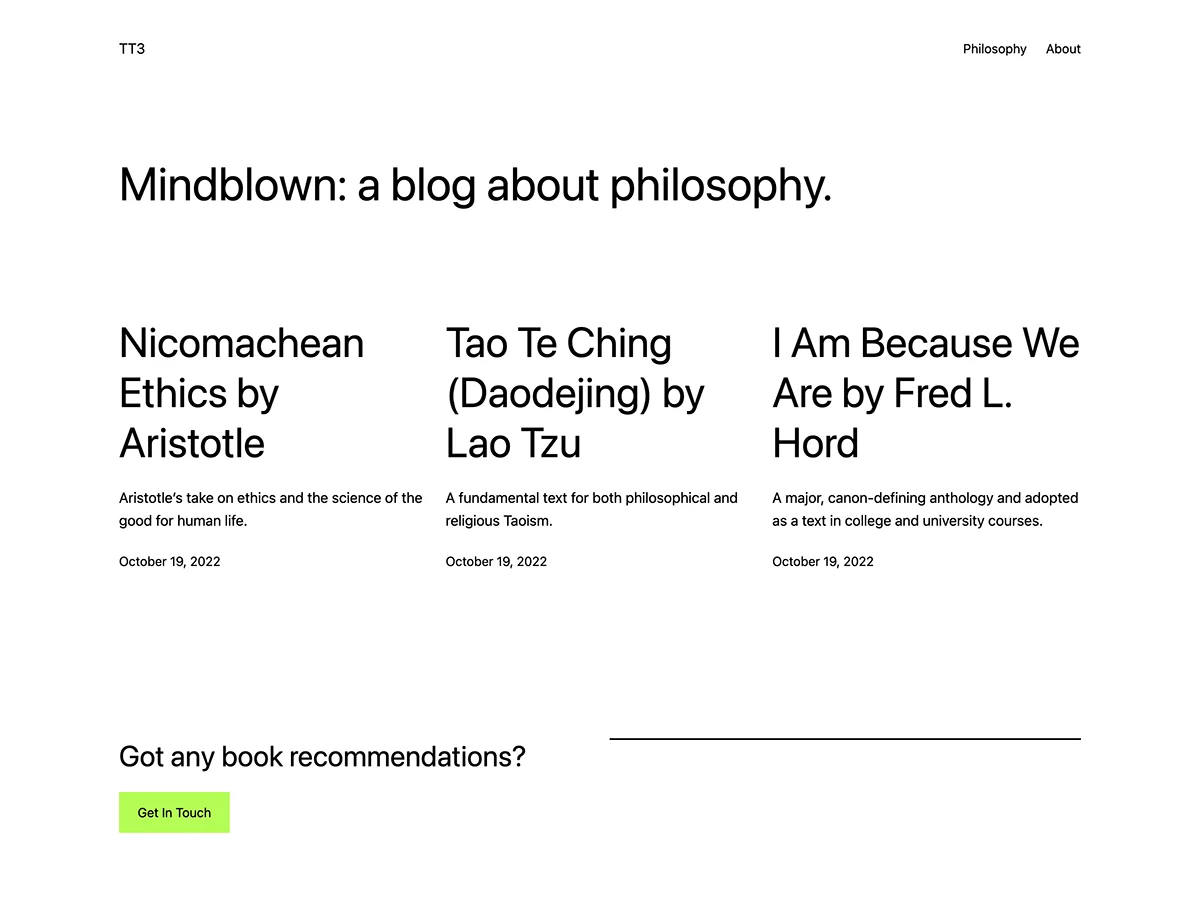
Boasting a minimalist, clean, and blank-slate canvas, TT3 broke away from the tradition of heavily opinionated default themes. Instead of locking creators into a single aesthetic, it offered a versatile, highly customizable framework powered entirely by Full Site Editing (FSE). With over 300,000 active installations and widespread global adoption, this community-driven masterpiece has fundamentally altered how users approach building websites on the world’s most popular CMS.
In this exhaustive review, we examine the architecture, community contributions, core features, and broader implications of Twenty Twenty-Three on the modern web development landscape.
Main Facts: What is Twenty Twenty-Three?
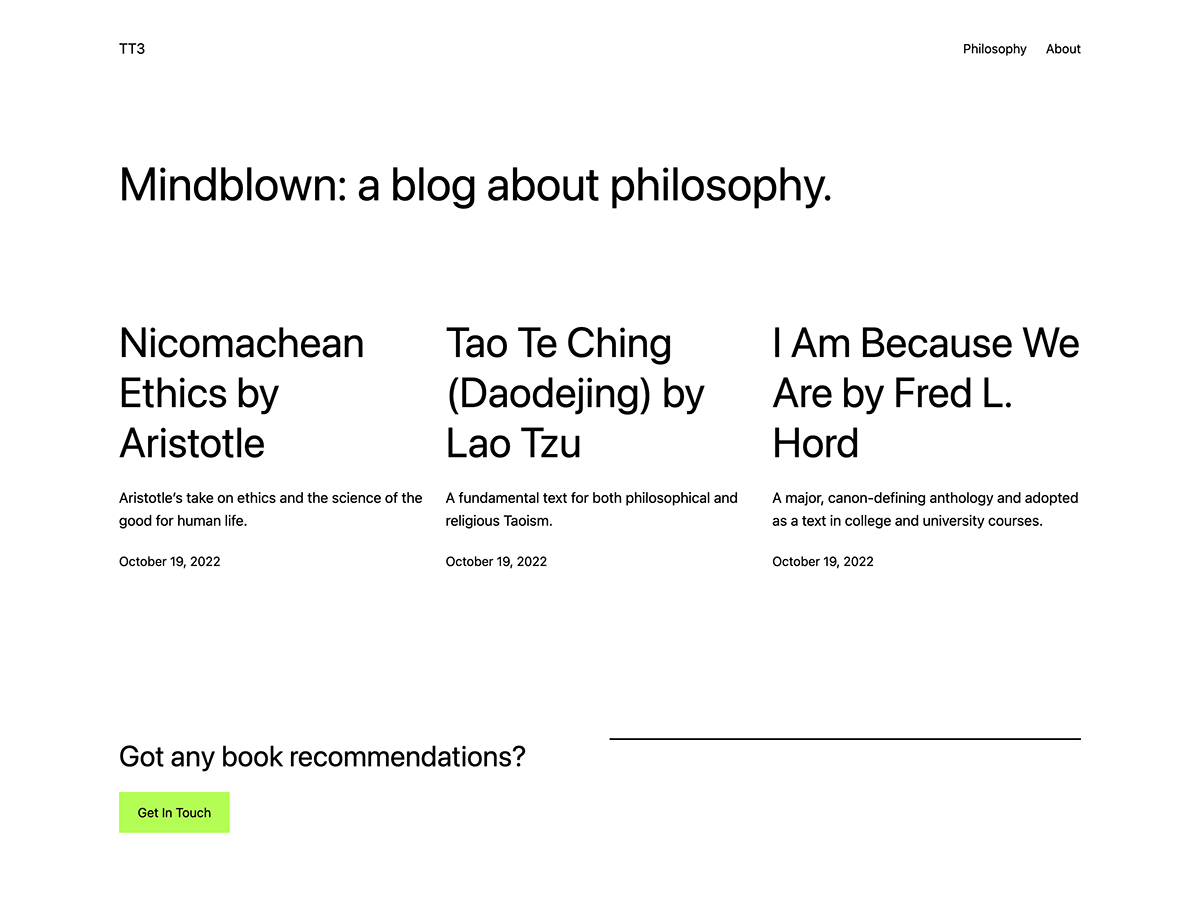
At its core, Twenty Twenty-Three is a block-based default theme designed to put absolute creative control back into the hands of the user. Unlike its predecessors—which often arrived with distinct, pre-determined visual identities—TT3 was built to be a chameleon.
Key Technical Specifications and Features:
- Framework: Built explicitly for Full Site Editing (FSE) and block themes.
- Style Variations: Features 11 diverse, community-crafted style variations ranging from stark minimalism to vibrant, bold typography-driven layouts.
- Active Installations: Surpassed 300,000 active sites globally, maintaining steady daily downloads.
- Accessibility: Fully Accessibility Ready, ensuring WCAG compliance out of the box.
- Internationalization: Translation-ready with broad multi-language support across dozens of localized versions worldwide.
- Developer Ecosystem: Extensively documented codebase with open-source translation pathways and community support channels.
The theme’s architecture relies heavily on global styles, utilizing theme.json to manage typography, color palettes, and layout dimensions natively without requiring external frameworks or bloated stylesheet dependencies.
Chronology: The Journey From Concept to Community Adoption
The creation of Twenty Twenty-Three represents a unique milestone in open-source software development. Rather than being handed down by a centralized corporate entity, TT3 was shaped dynamically by the global WordPress community.
Phase 1: Conceptualization and the WordPress 6.1 Alignment
As WordPress prepared for the 6.1 release cycle, the core development team recognized a pressing need: a default theme that did not distract from the new design tools, but rather elevated them. Discussions began in mid-2022 within the Make WordPress Themes team. The consensus was clear—the new theme needed to be a blank canvas. It had to demonstrate the true potential of fluid typography, layout controls, and template locking without imposing a rigid stylistic preference on developers.
Phase 2: Crowdsourcing Style Variations
One of the most innovative aspects of TT3’s development was the open call for style variations. Designers and developers from all corners of the globe submitted aesthetic packages. Out of numerous community submissions, ten distinct styles were meticulously curated and bundled into the final release (later expanding to 11 variants). This participatory approach ensured that the theme resonated with diverse cultural aesthetics, typography preferences, and industry use cases.
Phase 3: Official Release and Global Rollout
Launched alongside WordPress 6.1, Twenty Twenty-Three immediately found its way onto millions of staging environments and fresh WordPress installations. Unlike forced legacy updates, TT3 was embraced for its lightweight footprint and blazing-fast performance metrics.
Phase 4: Maturity and Sustained Adoption
Over subsequent minor releases and WordPress core updates, TT3 matured into a stable, dependable utility theme. Crossing the milestone of 300,000 active installations cemented its status as a go-to choice not just for beginners, but for developers building client sites on a reliable, future-proof block architecture.
Supporting Data: Metrics, Accessibility, and International Reach
Data paints a compelling picture of how Twenty Twenty-Three performs in the wild. Beyond its impressive active installation count, the theme’s underlying infrastructure is designed to meet rigorous modern web standards.
Installation and Usage Statistics
- Active Sites: 300,000+ verified active installations.
- Tag Ecosystem: Classified across multiple primary directories, including Block themes, Blog, Portfolio, News, Accessibility ready, Custom colors, and One column.
- Support Engagement: Active community support forums handling troubleshooting, custom CSS inquiries, and block layout assistance.
Linguistic Diversity and Localization
WordPress is a truly global platform, and Twenty Twenty-Three reflects this ethos through comprehensive translation support. The theme is natively localized into scores of languages and regional dialects, ensuring that non-English speakers can deploy the theme seamlessly. Supported languages range from major global tongues like Spanish, French, German, Japanese, and Mandarin, to regional dialects and scripts including:
- Assamese, Asturian, Bulgarian, Catalan, Central Kurdish, Czech, Welsh, Danish, Greek, Esperanto, Basque, Persian, Galician, Gujarati, Hindi, Croatian, Hungarian, Italian, Korean, Lao, Lithuanian, Latvian, Malayalam, Mongolian, Norwegian, Polish, Brazilian Portuguese, Romanian, Russian, Albanian, Serbian, Swedish, Tamil, Turkish, Ukrainian, and Traditional/Simplified Chinese.
Accessibility and Inclusion
Built with inclusivity at its forefront, TT3 carries the official Accessibility Ready designation. This means keyboard navigation, screen reader compatibility, color contrast ratios, and structural HTML5 landmarks have been thoroughly audited to ensure websites built with the theme are accessible to users of all abilities.
Official Responses and Community Feedback
The reception of Twenty Twenty-Three among theme reviewers, core contributors, and end-users has been overwhelmingly positive, though it generated healthy discussions regarding the philosophy of default themes.
The Core Team Perspective
In official release notes and developer chats, the WordPress core team emphasized that Twenty Twenty-Three was an exercise in empowerment through simplicity. By stripping away complex, pre-built page structures, the team aimed to eliminate "theme lock-in"—a common frustration where migrating away from a default theme breaks a site’s layout. With TT3, content is strictly separated from presentation, leveraging standard WordPress blocks that remain intact regardless of future theme switches.
Community Reactions and Support Forums
In the official WordPress support forums, user feedback has centered on the theme’s reliability and flexibility.
- The Minimalist Appeal: Bloggers and portfolio creators praised the clean layout, noting that it loads exceptionally fast and provides an uncluttered reading experience.
- The Learning Curve: Some legacy users transitioning from classic themes (relying on the WordPress Customizer) expressed initial confusion regarding Full Site Editing. However, community-led tutorials and documentation helped bridge the knowledge gap.
- Developer Praise: Front-end developers widely applauded the
theme.jsonimplementation, citing how effortless it is to override default variables, define custom color palettes, and enforce design consistency across large client builds.
Implications: What Twenty Twenty-Three Means for the Future of Web Development
The release and enduring popularity of Twenty Twenty-Three mark a philosophical shift in how default CMS templates are perceived. Its impacts reverberate across several key areas of the web industry:
1. The Death of the "Opinionated" Default Theme
For years, default WordPress themes (like Twenty Nineteen or Twenty Twenty) came with strong visual identities. While beautiful, a restaurant-themed default theme was rarely suitable for a corporate tech blog. By making TT3 a pristine, feature-agnostic blank slate, WordPress redefined default themes as utility frameworks rather than finished stylistic products.
2. Accelerating the Full Site Editing (FSE) Transition
TT3 served as the ultimate proving ground for WordPress’s Block Editor ecosystem. By forcing users and developers to engage directly with template parts, site-wide editing, and global style variations, it accelerated industry adoption of FSE. Agencies that were once hesitant to abandon classic themes found in TT3 a stable, predictable base for transitioning their workflows to block-based architectures.
3. Democratization of Design via Style Variations
The inclusion of eleven distinct style variations demonstrated the power of collaborative design within open-source communities. It proved that a single underlying code structure could transform into anything from a dark-mode cyberpunk portfolio to an airy, editorial literary magazine simply by swapping JSON-driven design tokens. This lowers the barrier to entry for users wanting professional design aesthetics without writing a single line of code.
4. Setting the Stage for Future Iterations
As WordPress continues to advance toward phase three and four of its roadmap (focusing on collaboration and multilingual core features), themes like Twenty Twenty-Three establish the baseline capabilities that future default themes (such as Twenty Twenty-Four and beyond) will build upon. TT3 proved that the block architecture is robust, scalable, and capable of supporting hundreds of thousands of live production websites without compromising performance.
Conclusion
Twenty Twenty-Three is far more than a simple placeholder theme; it is a milestone in the democratization of publishing technology. By balancing raw minimalism with profound architectural flexibility, it empowered hundreds of thousands of creators to build bespoke digital experiences tailored to their exact visions.
Backed by an active global community, robust accessibility standards, and a deeply customizable theme.json foundation, TT3 has secured its place as a pivotal release in WordPress history—proving that sometimes, starting with a blank canvas is the boldest design choice a platform can make.