







Artificial Intelligence (AI) has transitioned from a futuristic concept to a fundamental pillar of modern commerce and personal productivity. As the technology behind Large Language Models (LLMs) and generative neural networks matures, its integration into everyday workflows is no longer merely an option for tech giants—it has become a necessity for businesses aiming to remain competitive in an increasingly digitized global economy.
The State of Play: Current Adoption and Strategic Impact
The data speaks for itself. According to recent insights from AuthorityHacker, 35% of companies have already fully integrated AI into their operational processes, while a staggering 90% of business leaders now classify AI assistance as a definitive competitive advantage. This rapid adoption is mirrored by the ubiquity of the technology in consumer hardware, with 77% of modern devices now incorporating some form of AI functionality.
This shift represents a fundamental realignment of how we approach problem-solving, content creation, and project management. Whether you are managing an e-commerce storefront, curating a digital publication, or optimizing internal corporate workflows, understanding the "how" and "why" of AI tools is the prerequisite for success in the 2024 business landscape.
Chronology: The Rapid Ascent of Generative AI
The current AI boom did not happen overnight. Its trajectory is marked by critical milestones that have shaped the current landscape:
- Pre-2020: The Era of Predictive Analytics. Before generative AI dominated headlines, machine learning was largely confined to predictive modeling—analyzing historical data to forecast trends, customer behavior, and inventory needs.
- 2020-2022: The Transformer Breakthrough. The introduction of transformer architectures allowed models to process information with human-like nuance. This period saw the early development of GPT-3 and the first wave of image-generating models.
- Late 2022: The ChatGPT Catalyst. The release of ChatGPT in November 2022 served as the "iPhone moment" for AI. It brought natural language processing to the masses, turning complex code and technical queries into conversational, accessible interactions.
- 2023-2024: The Ecosystem Expansion. This period marked the professionalization of AI. We moved from "chatbots" to "agents"—integrated systems that can perform research, generate high-fidelity media, manage complex project pipelines, and write enterprise-grade code.
Supporting Data: Why AI is No Longer Optional
To understand the scale of this shift, one must look at the economic indicators driving corporate investment. Beyond the 90% adoption sentiment, the efficiency gains reported by early adopters are significant.
Efficiency and ROI Metrics
Businesses that have adopted AI are reporting reductions in operational costs by as much as 20–30% in specific departments, particularly in customer support and content generation. The democratization of high-quality design and coding, once restricted to expensive agencies or specialized developers, has slashed the "time-to-market" for small and medium-sized businesses (SMBs).
Furthermore, the integration of AI in e-commerce—such as personalized product recommendations and automated supply chain logistics—has seen a marked increase in conversion rates, with some platforms reporting a 15% uptick in customer engagement directly attributable to AI-driven personalization.
Official Perspectives and Industry Responses
Industry leaders and regulatory bodies have adopted a measured but optimistic stance regarding the rise of AI.
The Corporate Outlook
Major technology firms are shifting their entire product roadmaps to be "AI-first." Microsoft, Google, and Adobe have fundamentally changed their software suites to include AI copilots. The consensus among the C-suite is that AI is not a replacement for human talent, but a "force multiplier." The objective is to automate the mundane—data entry, scheduling, basic copywriting—to allow human teams to focus on strategy, creative direction, and high-level decision-making.
The Regulatory Environment
As AI becomes more prevalent, policymakers are increasingly focused on the ethics of data usage and transparency. While innovation remains the priority, there is a growing dialogue surrounding the "black box" nature of these models. Industry leaders are now advocating for "responsible AI" frameworks that ensure human oversight and data privacy, acknowledging that for AI to scale sustainably, public and corporate trust must be maintained.
Implications for Your Business: The AI Toolkit
To navigate this landscape, it is essential to categorize how AI serves specific business functions. Below, we break down the critical pillars of AI integration.
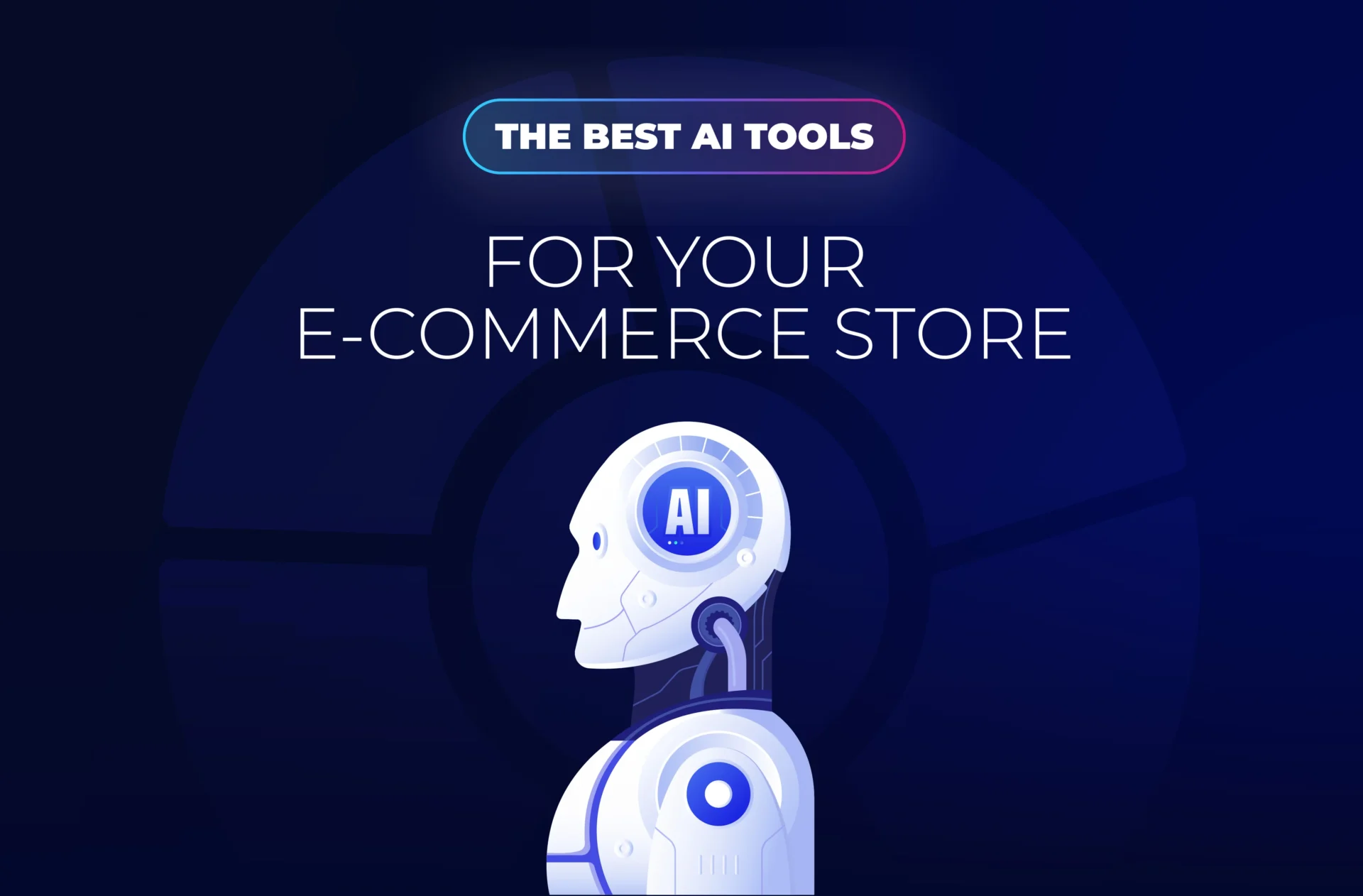
1. Website Architecture and Development
Modern website builders are no longer limited to drag-and-drop interfaces. AI-powered platforms can now generate site architecture, optimize SEO structure, and suggest UX improvements in real-time based on visitor behavior.
2. Marketing and Consumer Engagement
Marketing teams are using AI to shift from broad-spectrum campaigns to hyper-personalized outreach. By analyzing thousands of data points, AI can predict which products a specific user is likely to purchase, allowing for precision advertising that was previously impossible.
3. Video Production and Multimedia
The era of expensive video production is evolving. AI tools now allow for the creation of professional-grade video content, including voice synthesis, automated editing, and AI-generated avatars, significantly reducing the cost of video marketing.
4. Project Management and Operations
Project management is being revolutionized by AI assistants that can parse long threads of communication, track project velocity, and flag potential bottlenecks before they occur. This keeps teams aligned and ensures that projects remain on schedule and within budget.
5. Content Strategy and Copywriting
Content marketing is perhaps the most visible application of AI. Beyond simple drafting, LLMs are now being used to perform deep-dive content audits, keyword research, and tone-of-voice alignment across global markets.
6. Design and Visual Identity
Graphic design is seeing a renaissance through generative AI. From creating brand assets to generating high-fidelity product imagery, AI allows design teams to prototype concepts in seconds rather than hours, fostering a more agile creative process.
Strategic Implementation: How to Start
Adopting AI is not about buying every tool available; it is about identifying the specific "friction points" in your current business model.
- Audit Your Workflow: Identify tasks that are repetitive, high-volume, and low-complexity. These are your primary candidates for automation.
- Invest in Training: The most advanced tool is useless if your team does not know how to craft effective prompts or interpret the data provided by AI systems.
- Start Small: Begin by implementing AI in a single department—perhaps customer service or internal communications—before scaling to core product development or marketing.
- Prioritize Ethics: Ensure that any data used to train or inform your AI processes complies with GDPR and other privacy standards. Transparency with your customers about how AI is used in their experience is vital.
The Future: Where We Go From Here
We are currently in the "infrastructure-building" phase of the AI era. The coming years will likely see a move toward "multi-modal" AI, where text, image, video, and code generation occur seamlessly within a single environment.
For the professional, the key takeaway is clear: AI is not a trend, but a shift in the way we interact with information. The individuals and companies that thrive in the next decade will be those who treat AI not as a replacement for human expertise, but as a sophisticated tool that enhances human potential. By staying informed, remaining adaptable, and keeping a pulse on the latest tools, you can ensure that your business stays at the forefront of the technological wave.
As we look toward the future, the integration of these tools will continue to redefine the boundaries of what is possible, turning once-daunting projects into standard operational procedures. The question is no longer whether to use AI, but how effectively you can harness it to define your own success.