










By Tech News Desk
Published: October 2026
Main Facts
As the consumer technology landscape looks toward the horizon of early 2027, early supply chain leaks and insider tips are beginning to paint a clearer picture of Samsung’s upcoming flagship smartphone strategy. According to recent intelligence shared by industry tipster @phonefuturist on X (formerly Twitter), the forthcoming Samsung Galaxy S27 lineup is poised to introduce a massive structural shift for the South Korean tech giant.
Rather than sticking to the familiar three-tier release model (Base, Plus, and Ultra) that consumers have grown accustomed to over the past several generations, Samsung is reportedly expanding its portfolio to a four-model ecosystem. The rumored lineup includes:
- Samsung Galaxy S27 (Base)
- Samsung Galaxy S27 Plus
- Samsung Galaxy S27 Pro (a brand-new intermediate tier)
- Samsung Galaxy S27 Ultra
Alongside this expanded hardware roster, the leaked information outlines preliminary pricing targets for both domestic (US/South Korea) and international markets. The baseline Galaxy S27 is projected to start at $899 in the United States, offering a potential relief valve for budget-conscious consumers worried about rampant, year-over-year smartphone price inflation. However, this base price comes with significant trade-offs.
Most notably, the leak points to a distinct segmentation in display technology. While the lower-cost Galaxy S27 and S27 Plus are expected to utilize Samsung’s M14+ OLED panels, the more premium S27 Pro and S27 Ultra are rumored to incorporate advanced M16 OLED panels. This hardware tiering means that cutting-edge display innovations—such as advanced power-efficiency matrices and potentially hardware-level privacy display features—will likely be locked behind a steeper financial barrier, forcing everyday users to weigh cost savings against technological compromises.
Chronology
To understand how Samsung has arrived at this rumored four-tier strategy for early 2027, it is necessary to examine the historical trajectory of the Galaxy S series and the timeline leading up to the current leak:
- The Traditional Three-Tier Era (2020–2025): For several years, Samsung successfully anchored its mobile division around three primary flagship models. The base model catered to compact-phone enthusiasts and cost-sensitive buyers, the Plus model offered a larger screen and battery without straying into ultra-premium territory, and the Ultra model served as the ultimate powerhouse incorporating S-Pen functionality and top-tier camera arrays.
- Mid-Cycle Market Shifts (Late 2025 – Early 2026): As manufacturing costs for semiconductors, advanced camera sensors, and high-refresh-rate displays rose globally, smartphone manufacturers faced immense pressure. Simultaneously, the explosion of artificial intelligence (AI) workloads at the edge necessitated heavier investments in mobile processing units (NPUs) and high-bandwidth memory (HBM).
- The Semiconductor Boom (October 2026): In the autumn preceding the S27’s anticipated launch, market reports highlighted a massive surge in Samsung’s semiconductor division profits, driven largely by intense global demand for AI infrastructure and tight memory supplies. While financially lucrative for Samsung’s corporate parent, these microeconomic pressures signalled potential component cost increases for upcoming consumer devices.
- The Leak Emerges (October 7, 2026): Tipster @phonefuturist drops an exclusive roadmap on X detailing the tentative pricing structure, regional variations, and panel technologies for the Galaxy S27 family. The leak introduces the "S27 Pro" moniker to the public consciousness, signaling an internal restructuring of Samsung’s product hierarchy.
- Anticipated Official Launch (Early 2027): If Samsung adheres to its historical product release cycles, the Galaxy S27 series is expected to be officially unveiled at an Unpacked event in January or February 2027, where these leaked pricing targets and display specifications will either be validated or adjusted.
Supporting Data
Analyzing the financial figures and technical specifications provided in the initial leaks reveals a complex pricing and feature matrix designed to capture every segment of the premium smartphone market.
Rumored Pricing Structure
| Model | US / South Korea Target Price (USD) | International Target Price (USD Equivalent) | Assigned Display Technology |
|---|---|---|---|
| Galaxy S27 (Base) | $899 | $999 | M14+ OLED |
| Galaxy S27 Plus | $1,099 | $1,199 | M14+ OLED |
| Galaxy S27 Pro | $1,299 | $1,399 | M16 OLED |
| Galaxy S27 Ultra | $1,399 – $1,499 | $1,499 – $1,549 | M16 OLED |
(Note: Regional pricing is subject to fluctuating import tariffs, local taxes, and localized distribution costs. These figures represent early internal targets and remain subject to change ahead of mass production.)
Display Technology Breakdown: M14+ vs. M16
The core technical division in the leaked specification sheet revolves around the generational leap in OLED materials:
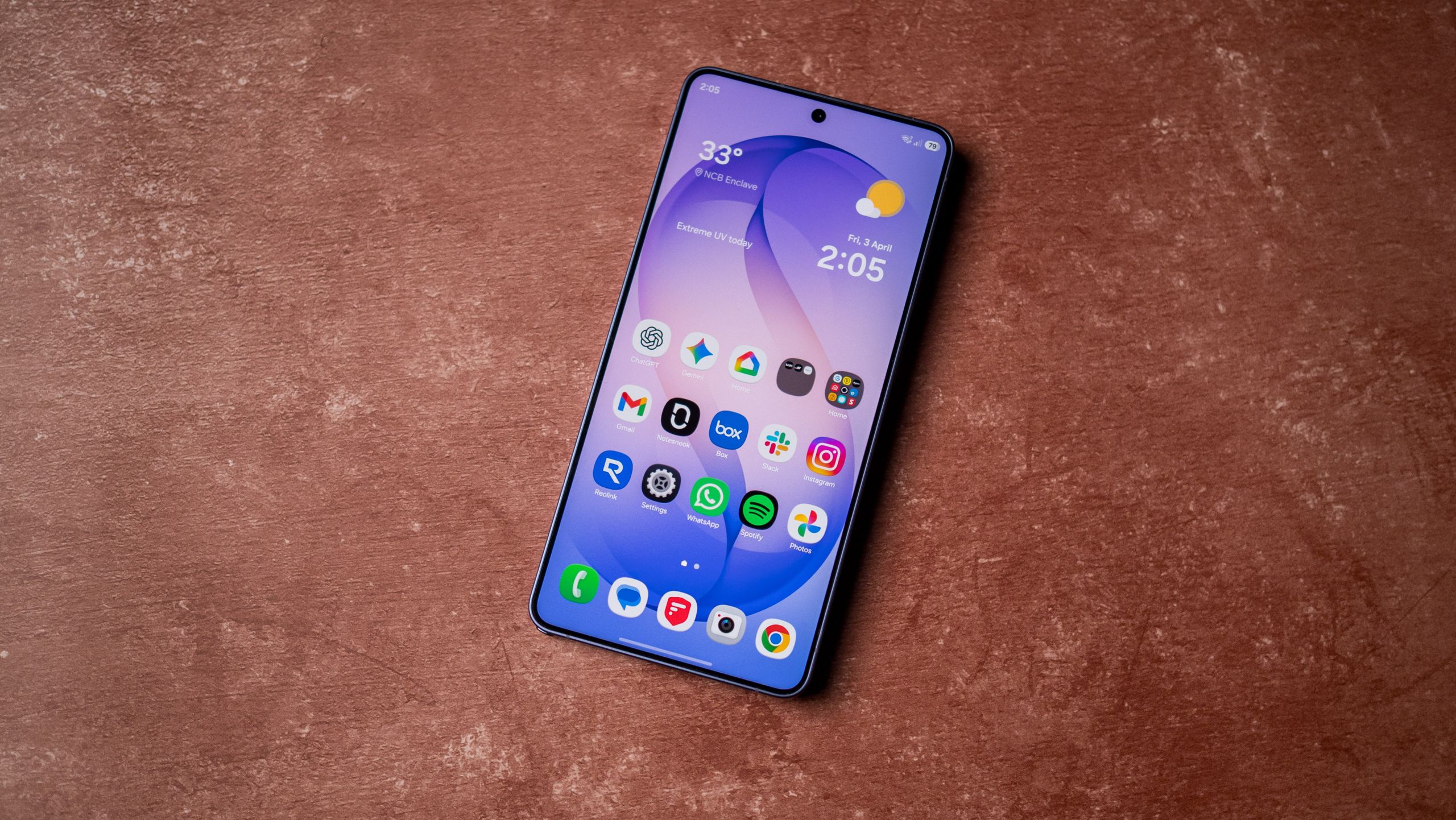
- M14+ Panels: Reserved for the standard S27 and S27 Plus. These panels represent a mature, highly efficient evolution of Samsung’s current display tech, offering robust brightness, accurate color reproduction, and solid energy efficiency. However, they lack the cutting-edge structural advancements of the newest generation.
- M16 Panels: Exclusive to the S27 Pro and S27 Ultra. The M16 material set is anticipated to deliver superior peak luminance, enhanced resistance to burn-in, reduced power consumption under heavy HDR workloads, and integration paths for advanced hardware-level privacy features that obscure viewing angles from prying eyes on public transport or in crowded environments.
Official Responses
As is standard corporate practice during the pre-launch leak cycle, Samsung Electronics has declined to officially comment on the rumored Galaxy S27 lineup, pricing structures, or component specifications. Representatives from Samsung’s mobile communications division maintain a strict policy of non-disclosure regarding unannounced products.
However, broader industry context can be gathered from recent statements issued by Samsung’s corporate executives regarding their semiconductor and mobile divisions. During financial briefings in late 2026, Samsung executives emphasized a corporate strategy focused on "value optimization" and "margin protection" amidst volatile global supply chains. With the meteoric rise of generative AI integration across mobile operating systems, Samsung has repeatedly stressed that the cost of developing on-device AI accelerators—coupled with rising prices for advanced memory modules—places unprecedented pressure on BOM (Bill of Materials) costs.
Independent analysts tracking the mobile supply chain note that introducing a four-model lineup allows Samsung to absorb these rising component costs more strategically. By sliding a "Pro" model between the traditional Plus and Ultra tiers, Samsung can capture higher-margin sales from consumers who want advanced features but find the absolute top-tier Ultra price point prohibitive.
Implications
The emergence of the Galaxy S27 leak carries profound implications for consumers, competitors, and Samsung’s own brand positioning within the global smartphone ecosystem.
1. Consumer Dilemma: Savings vs. Innovation
For everyday buyers who have felt alienated by the steady creep of flagship prices breaching the $1,000 threshold, the prospect of an $899 base Galaxy S27 is undeniably attractive. It demonstrates that Samsung recognizes the need for an accessible entry point into its flagship ecosystem.
However, the hardware gatekeeping—specifically reserving the superior M16 OLED panels and potential privacy-display innovations for the Pro and Ultra models—creates a difficult psychological hurdle. Consumers are left to wonder whether buying the cheaper base model means purchasing hardware that is already technically compromised or outdated compared to its stablemates. Critics argue that forcing users to pay upwards of $1,299 or $1,399 simply to access the best display technology available feels punitive, alienating buyers who want a premium everyday experience without paying "Ultra" prices.
2. Market Positioning and the "Pro" Experiment
The addition of the Galaxy S27 Pro mirrors strategies seen in the automotive and personal computing industries, as well as Apple’s periodic experimentation with its product stack. By bridging the gap between the Plus and Ultra models, Samsung is attempting to eliminate dead zones in its pricing architecture. If successful, the Pro model could become the sweet spot for power users who do not require the massive footprint or specialized camera capabilities of the Ultra, but refuse to compromise on display quality and performance.
3. Macroeconomic Pressures on Tech Accessibility
Ultimately, the Galaxy S27 pricing debate highlights a broader macroeconomic reality: the paradox of the AI boom. While Samsung’s semiconductor business reaps massive financial rewards from supplying AI-centric chips and high-bandwidth memory to the broader tech sector, those exact same market dynamics drive up the manufacturing costs of consumer electronics. As memory and processing components become more expensive and resource-constrained, smartphone makers are forced to pass costs onto consumers or engage in aggressive hardware segmentation.
As the months tick down toward Samsung’s official 2027 unveiling, prospective buyers should view these leaked figures as an early roadmap rather than a guarantee. Until Samsung takes the stage to unveil the final product, the tech community will continue to debate whether the S27 series represents a balanced compromise or a fragmented lineup designed to squeeze maximum profit out of every consumer tier.



