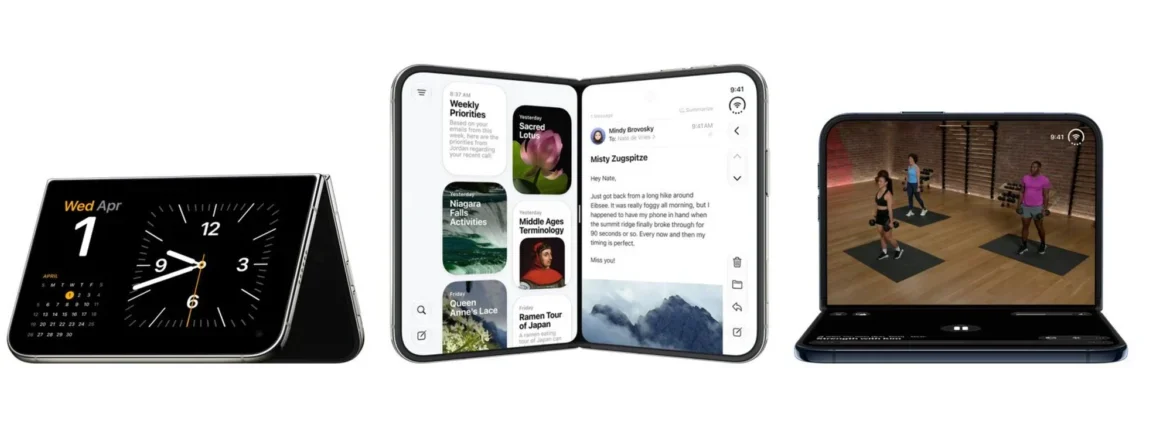
While the global tech community remains fixated on the impending release of the iPhone 17, the horizon of 2026 is already beginning to glow with the promise of a monumental shift for Apple’s flagship smartphone line. Recent leaks and supply chain reports suggest that the iPhone 18 Pro series will represent one of the most significant design departures in the history of the device, potentially signaling the end of the "Dynamic Island" era in favor of a more seamless, under-display technological integration.
As Apple continues its relentless pursuit of the "all-screen" smartphone aesthetic, the Cupertino giant is reportedly preparing to integrate Face ID components beneath the display. If these reports hold true, it would mark the most substantial physical modification to the iPhone’s front panel since the introduction of the notch-less display in 2022.
The End of an Era: The Dynamic Island’s Uncertain Future
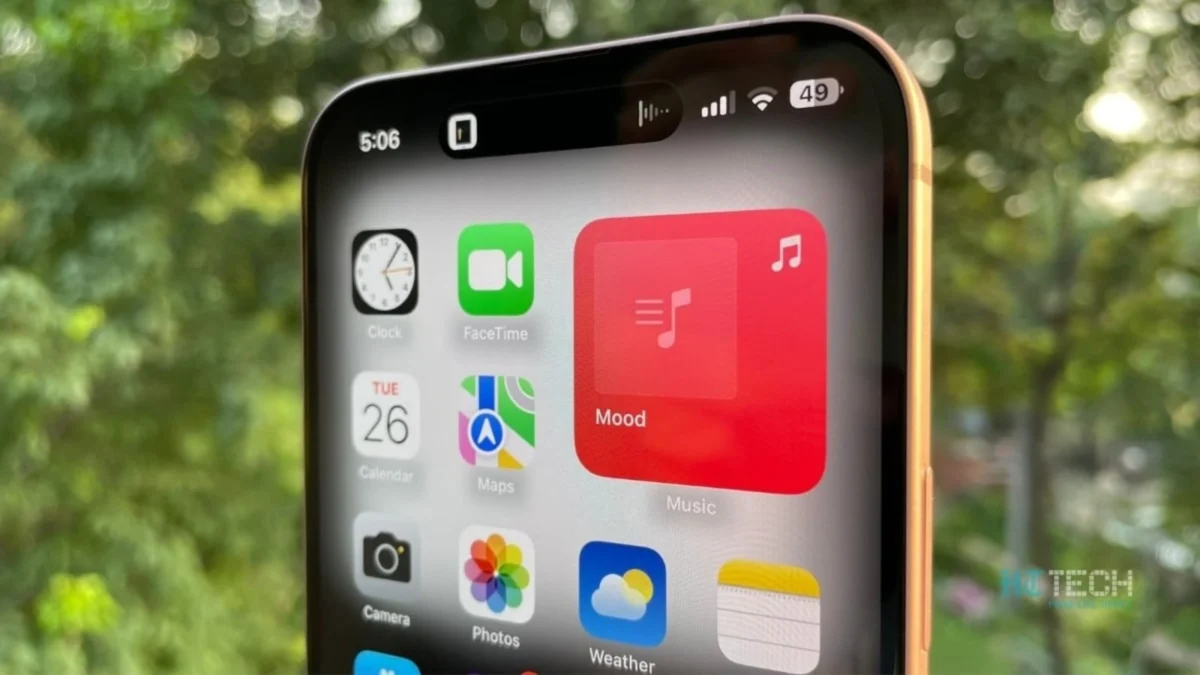
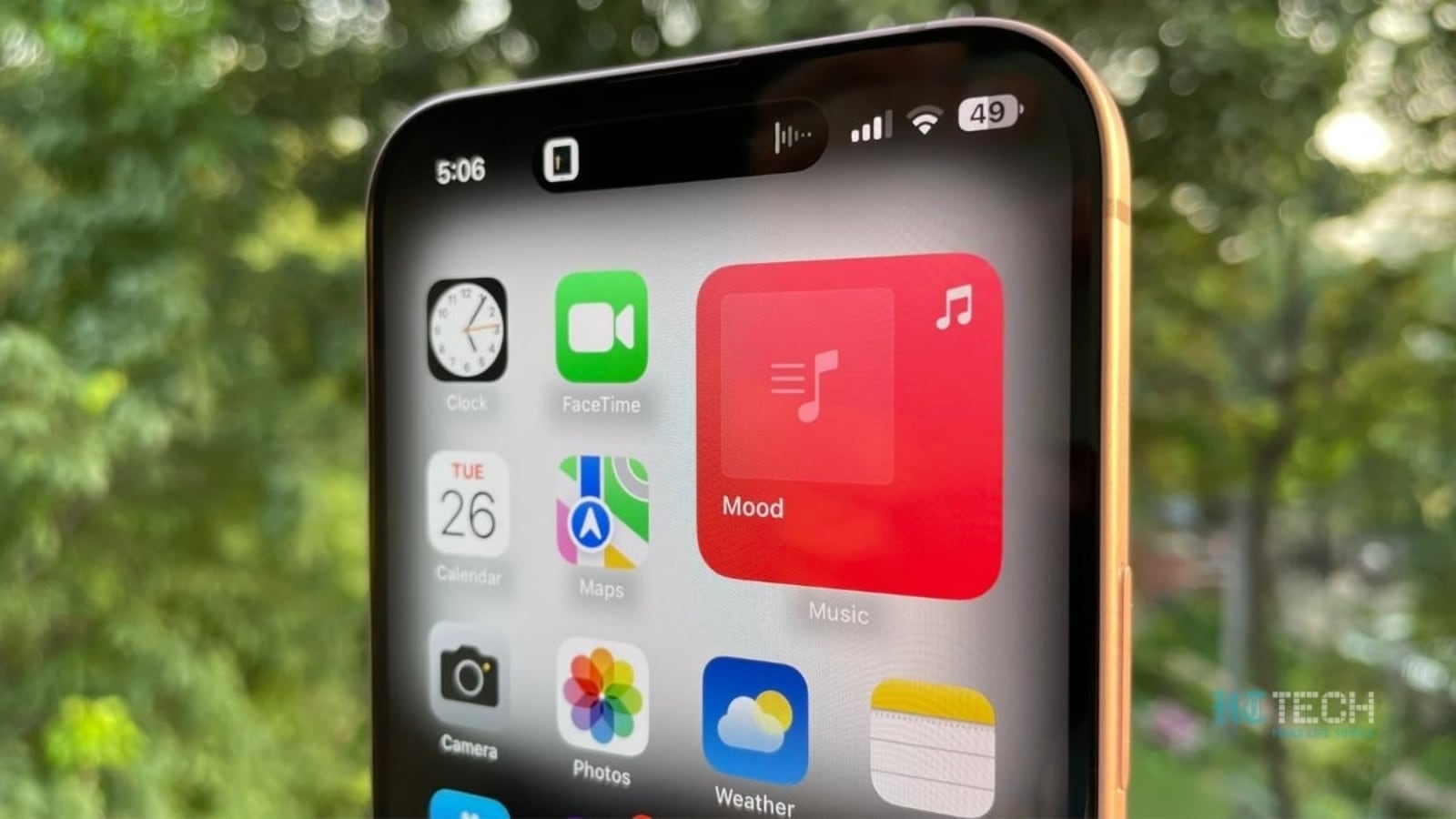
Since its debut on the iPhone 14 Pro, the Dynamic Island has served as more than just a clever way to hide hardware; it has become a staple of Apple’s user interface design. By turning a necessary hardware limitation—the camera and sensor housing—into an interactive, software-driven notification hub, Apple managed to flip a technical hurdle into a signature brand feature.
However, the latest intelligence, sourced from industry insiders and reported by The Information, suggests that the iPhone 18 Pro and Pro Max will usher in an era of under-display Face ID. This technological leap effectively renders the Dynamic Island redundant. According to the reports, Apple intends to move the front-facing camera to a small hole-punch cutout in the top-left corner of the display, rather than maintaining the centralized "pill" shape that users have grown accustomed to.
This transition poses a fundamental question: If the hardware cutout disappears, what happens to the software ecosystem built around the Dynamic Island? Developers have spent years integrating "Live Activities" and notification shortcuts into this space. Removing it would necessitate a significant overhaul of iOS, forcing Apple to rethink how users interact with background processes and system alerts.
Chronology: The Evolution of Apple’s Front-Facing Hardware
To understand the magnitude of this potential change, it is necessary to examine the trajectory of Apple’s display design over the last decade.
- 2017: The Notch Era (iPhone X): Apple introduced the "notch," a controversial yet necessary black bar housing the TrueDepth camera system. It became the most recognizable silhouette in the smartphone industry.
- 2022: The Birth of the Dynamic Island (iPhone 14 Pro): Apple shrunk the hardware footprint and cleverly utilized the software layer to wrap pixels around the sensors, creating an interactive, morphing interface.
- 2023–2025: Refinement: Apple expanded the Dynamic Island to the standard models and refined the display technology with thinner bezels and improved ProMotion refresh rates.
- 2026: The Under-Display Horizon (iPhone 18): Rumors point toward the integration of Face ID sensors beneath the OLED panel, potentially reducing the visible "hardware footprint" to a single, small camera lens.
This chronology reveals a clear, singular goal: the removal of all non-screen elements from the front of the device. The transition to under-display Face ID is the penultimate step in this journey, with the ultimate goal being a completely unobstructed slab of glass.
Supporting Data: Why Now?
Technological shifts of this magnitude are rarely undertaken without significant research and development overhead. The shift to under-display Face ID is driven by two primary factors: the pursuit of aesthetics and the evolution of sensor technology.
1. The Pursuit of the "All-Screen" Aesthetic
Apple has long held the design philosophy that hardware should disappear into the experience. The current Dynamic Island, while functional, remains a physical interruption in the user’s content. By moving the Face ID sensors beneath the display, Apple achieves a cleaner, more immersive viewing experience, particularly for gaming and high-definition video consumption.
2. Miniaturization of TrueDepth Sensors
The TrueDepth camera system is a complex array involving infrared cameras, flood illuminators, and dot projectors. Engineering these components to function through an OLED display without sacrificing security or speed is a monumental task. Industry sources suggest that Apple has been iterating on this "under-panel" sensor tech for over three years, refining the light transmission capabilities of the display to ensure that biometrics remain as fast and secure as the current generation.
Conflicting Reports and Market Speculation
In the world of supply chain leaks, absolute certainty is rare. It is important to note that the industry is currently divided. Some reports suggest that instead of abandoning the Dynamic Island entirely, Apple might simply shrink it, retaining the software-interactive elements while minimizing the physical cutout.
This contradiction highlights the volatility of Apple’s internal planning. The company often tests multiple prototypes simultaneously. It is entirely possible that both the "under-display" and "minimized island" designs are currently being evaluated in Cupertino labs. We may not see a definitive answer until the final production validation testing (PVT) phase, which typically occurs in early 2026. Until then, investors and consumers should treat these leaks as a roadmap of possibilities rather than a finalized blueprint.
Implications of a Phased Launch Strategy
Perhaps as disruptive as the hardware changes is the reported change to Apple’s release cadence. Traditionally, Apple unveils its entire flagship lineup at a single event in September. However, rumors surrounding the iPhone 18 series suggest a "phased launch."
The New Lineup Strategy
- September 2026: The launch of the high-end iPhone 18 Pro, iPhone 18 Pro Max, and the rumored "iPhone 18 Air"—a new ultra-slim, high-end model.
- March 2027: The secondary launch of the standard iPhone 18 and the budget-conscious "iPhone 18e."
This strategic shift suggests that Apple is attempting to decouple its production cycles to better manage supply chain bottlenecks and maximize marketing impact. By separating the "Pro" launch from the mass-market models, Apple could theoretically maintain a constant presence in the news cycle and reduce the pressure on its manufacturing partners like Foxconn and TSMC during the busy autumn period.

Economic and Consumer Impact
For the average consumer, this phased approach represents a departure from the "one-size-fits-all" September window. It could lead to more segmented marketing campaigns, allowing Apple to focus on the high-end enthusiasts during the holiday shopping season while reserving a separate, mid-cycle refresh for the value-conscious consumer base.
The Road to 2026: A Summary of Expectations
As we look toward the 2026 cycle, the iPhone 18 is shaping up to be a defining moment for the smartphone industry. The combination of under-display Face ID and a potential move toward an ultra-thin "Air" model suggests that Apple is not merely iterating; it is attempting to reinvent the form factor.
If the Dynamic Island is indeed phased out, it will be a testament to Apple’s willingness to discard even its most successful UI innovations in favor of hardware evolution. While the loss of the island may disappoint some who have grown fond of its interactive animations, the trade-off—a truly borderless display—is the "Holy Grail" of mobile design.
Final Considerations for Consumers
For those currently considering an upgrade, the message from these reports is clear: the iPhone 18 represents a potential "super-cycle" upgrade. With major changes to display technology and a brand-new internal architecture, the 2026 models are likely to offer features that justify the wait. However, for those who rely on the stability and familiarity of the current Dynamic Island, the transition period may require a learning curve as Apple likely prepares to introduce new, innovative software interfaces to replace the current notification paradigm.
As we move closer to September 2026, the focus will remain on whether Apple can successfully bridge the gap between high-end performance and the physical limitations of current display materials. One thing remains certain: the iPhone, the world’s most successful consumer product, is nowhere near its final form.