





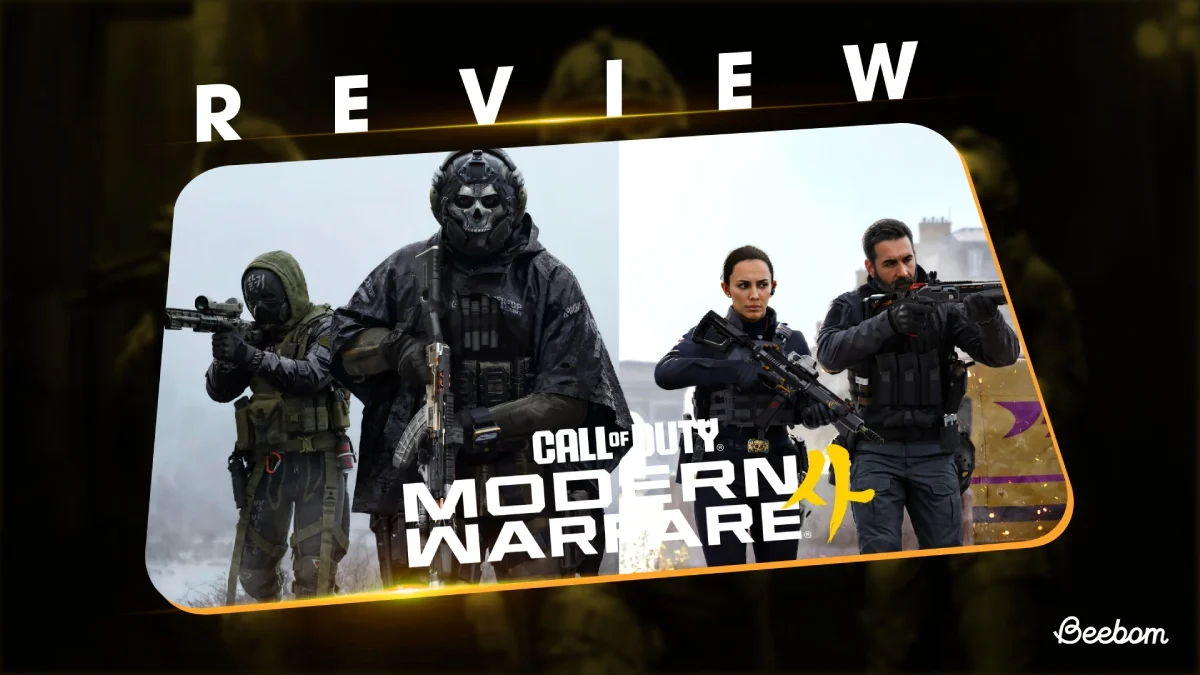
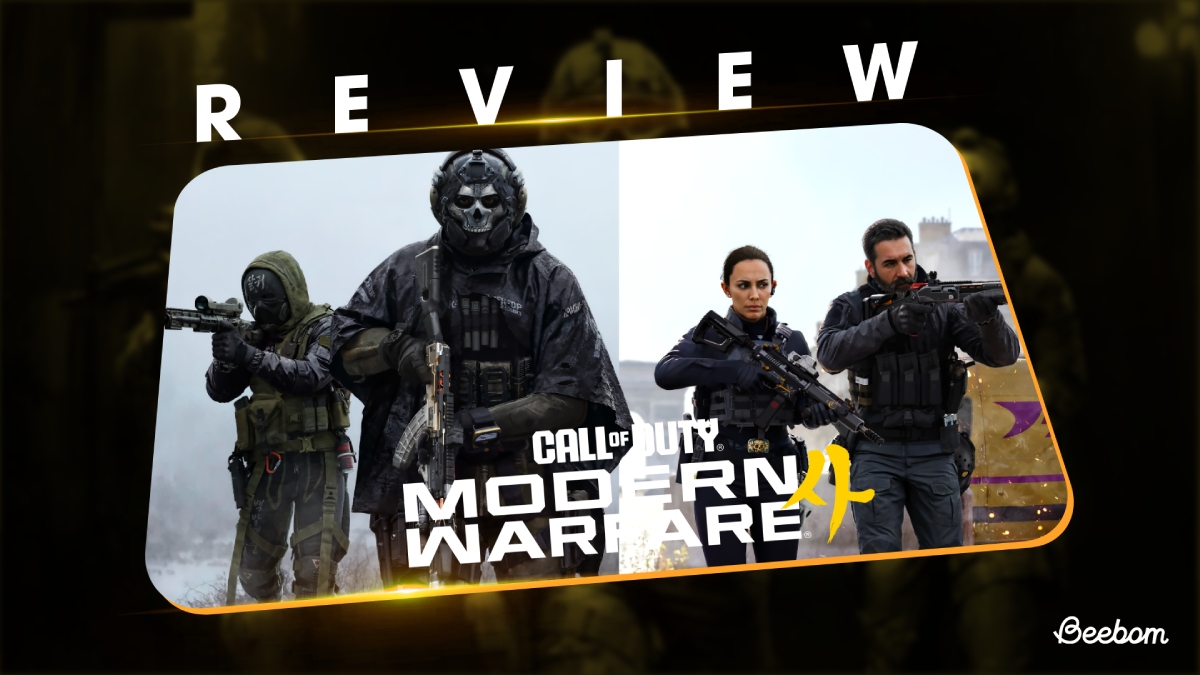
Main Facts: The Resurgence of Infinity Ward’s Flagship Franchise
Following the critical misfire and widespread fan backlash of 2023’s Modern Warfare 3—widely criticized for its rushed, Warzone-padded single-player offering—Infinity Ward has returned with Call of Duty: Modern Warfare 4. Spanning a robust 16-mission campaign, the new release seeks to restore the narrative soul and tactical gravity that defined the franchise’s golden era.
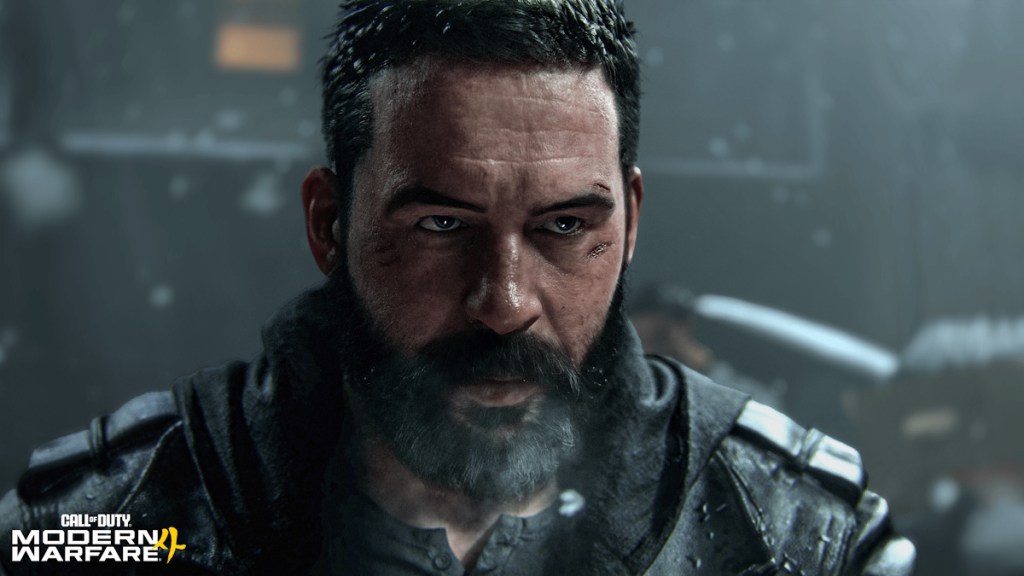
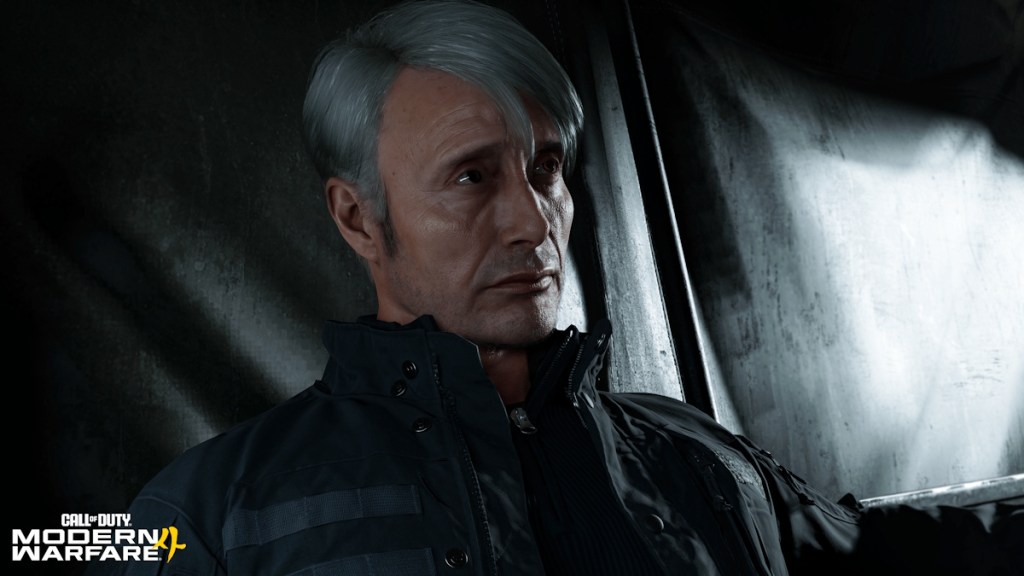
Set three years after the events of the previous installment, the story follows a fractured Task Force 141. The tragic loss of John “Soap” MacTavish serves as the narrative catalyst, pushing a grieving Captain John Price into a ruthless, outlaw-status crusade. Teaming up with unexpected allies like cartel boss Valeria Garza, Price pursues a shadowy Russian mastermind known as “The Archer,” portrayed with chilling, calculated menace by Mads Mikkelsen.
Rather than relying solely on the familiar exploits of elite super-soldiers, Modern Warfare 4 introduces grounded, dual-perspective storytelling. Players alternate between the shadows of Price’s vengeance-driven vendetta and the desperate frontlines of a surprise North Korean invasion, experiencing the conflict through the terrified eyes of South Korean conscript Private Park Hyun-Jun (voiced by Young Mazino).
Chronology: A Narrative of Escalating Conflict and Moral Ambiguity
The campaign’s structure spans dual timelines, weaving together flashbacks of Price’s shadow war and present-day desperation in the streets of Hajin City.
Act I: The Lone Wolf and the Cartel
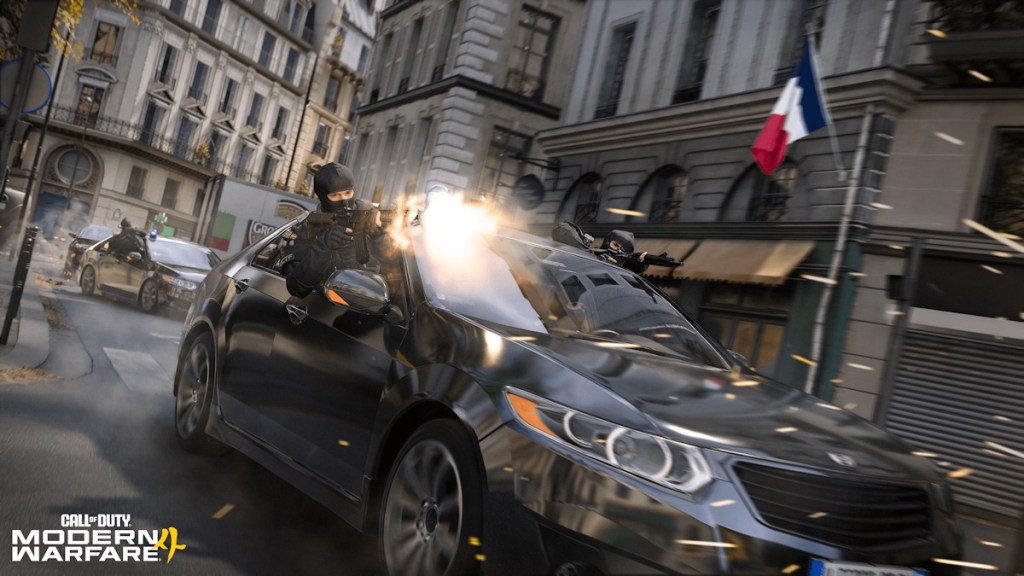
The narrative wastes no time establishing its high-stakes, brutal tone. Following Soap’s death, Captain Price breaks away from conventional military oversight. His pursuit of Makarov’s remnants leads him into a dangerous alliance with Valeria Garza. Missions during this phase lean heavily into cinematic variety, including a neon-lit, John Wick-style melee brawl in a Manhattan nightclub and high-speed vehicular combat across Parisian highways.
Act II: The Korean Frontline
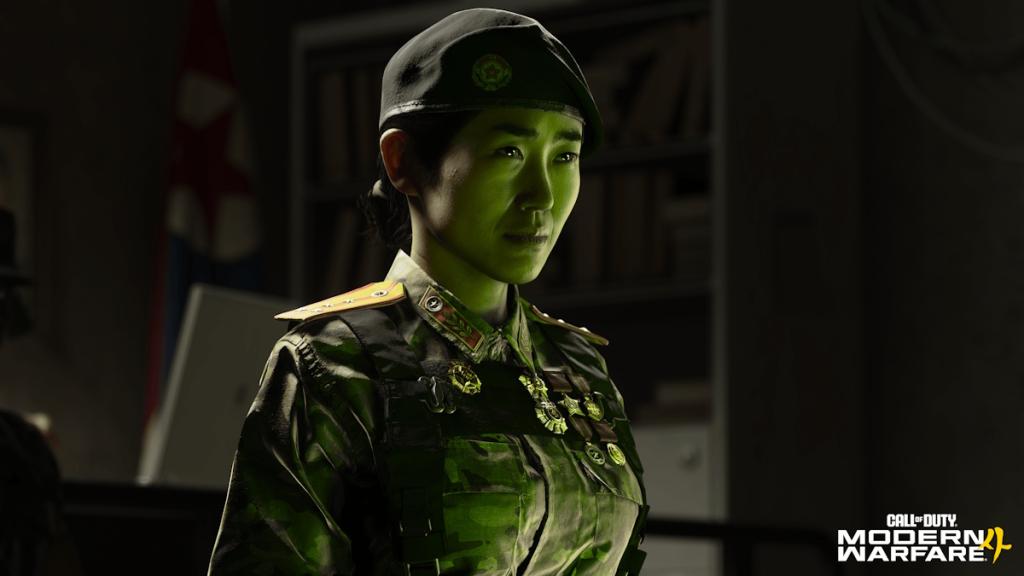
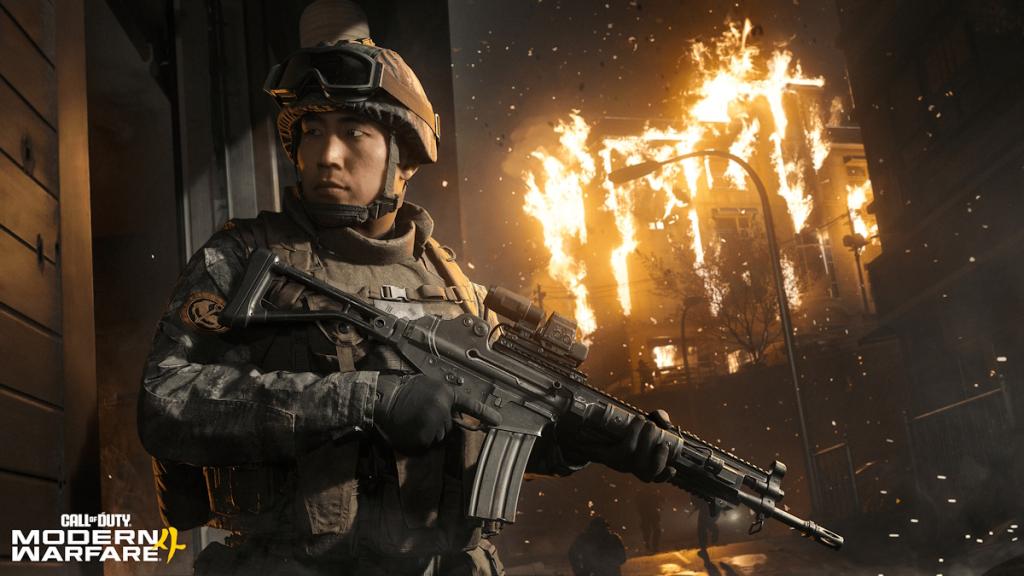
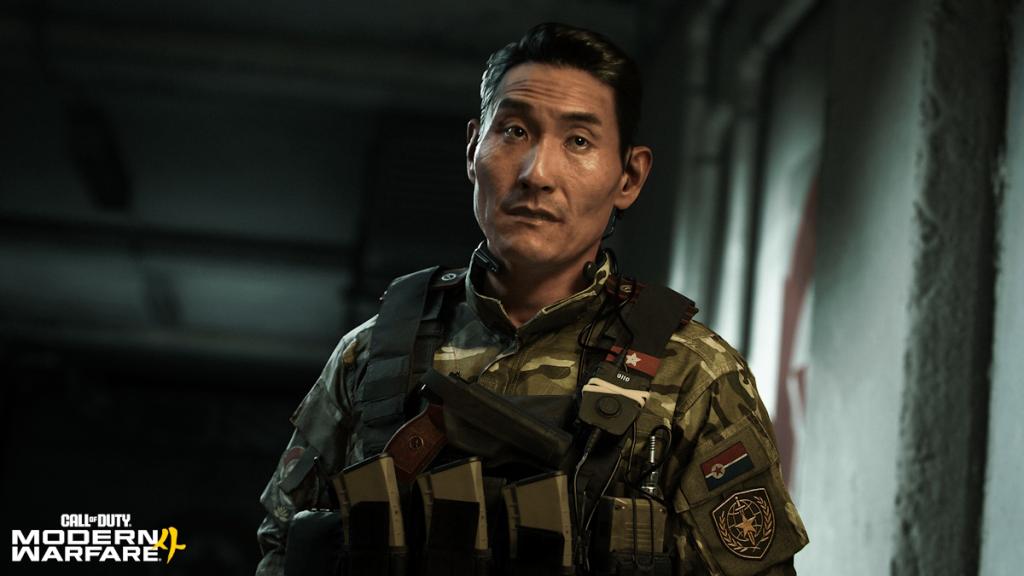
Shifting perspectives to the present day, players experience the sudden, brutal onset of a North Korean invasion. As Private Park Hyun-Jun, the focus pivots away from elite power fantasies to raw, boots-on-the-ground survival. Players must hold crumbling urban sectors alongside Sierra-1 squadmates Corporal Dunn and Lieutenant West. Notably, Infinity Ward introduces moral complexity by allowing players to control a high-ranking North Korean officer questioning his orders, complete with dialogue prompts that dictate whether to show empathy during village sweeps.
Act III: Fractured Loyalties and the Reckoning
The campaign reaches a devastating emotional peak in missions like "Gone Dark," where loyalties are pushed to their absolute limits. Players control characters like Gaz, tasked with hunting down their rogue former mentor, Captain Price. The narrative structure mirrors the unforgiving nature of war, pulling no punches as beloved veterans face fatal consequences. The story culminates in a brutal confrontation between former brothers-in-arms, setting the stage for a tense, ambiguous future under Kate Laswell’s Watcher program.
Supporting Data: Technical Performance, Hardware Metrics, and Gameplay Variety
Mechanically, Modern Warfare 4 delivers a blend of classic linear gunplay and modern set-pieces, though it occasionally falters when experimenting with open-world pacing.
Gameplay Mechanics and Pacing
The campaign introduces a slick parry-and-counter melee system alongside traditional breaching, parkour, and character-switching mechanics. However, pacing suffers slightly during Mission 10, "Stranded," which drops players into a sprawling, Far Cry-esque sandbox to scavenge supplies and craft gear. While offering tactical freedom, the survival-crafting loop temporarily stalls the narrative’s momentum.
Technical Performance and PC Benchmark Data
On current-generation consoles, the game maintains a locked 60 FPS through massive structural collapses and explosive set-pieces. On high-end PC configurations, however, graphical settings require careful tuning.
Tested on a system equipped with an Intel Core i7-14700K, an Nvidia RTX 5080 Founders Edition (16 GB VRAM), 32GB DDR5 RAM, and a 1440p 160Hz monitor, performance metrics yielded distinct insights:
- Native 4K Extreme (Ray Tracing Enabled): Ray-traced reflections and global illumination severely tanked frame rates, introducing visual ghosting and input delay. Disabling ray tracing entirely resolved these stability issues.
- 4K Extreme (DLAA): Averaged 62 FPS with 46 FPS lows, drawing 251 watts.
- 4K with DLSS Quality: Boosted the average to 92 FPS.
- 4K with DLSS Performance: Reached 144 FPS in dense, neon-lit corridors.
- 4K with DLSS Quality + 4x Frame Generation: Skyrocketed to 237 FPS while consuming 15.7 GB of VRAM, though render latency increased to 43.8ms.
- Sweet Spot Configuration: 1440p Extreme with DLAA delivered a buttery-smooth, native 121 FPS, maintaining an optimal GPU temperature between 55°C and 58°C at a 2775 MHz boost clock.
The campaign runs for approximately seven hours across its sixteen missions, leaving some players wishing for a bit more runtime, particularly within the Korean peninsula theater.
Official Responses and Creative Direction
The voice and motion-capture talent have received widespread acclaim, elevating the military script into an intimate, high-stakes drama.
- Barry Sloane delivers a career-best performance as Captain Price, utilizing a raspy, exhausted fury that underscores the character’s moral descent.
- Samuel Roukin (Ghost) and Elliot Knight (Gaz) provide sharp vocal inflections and heavy breath work that make the internal conflict within Task Force 141 genuinely painful to witness.
- Mads Mikkelsen brings a quiet, calculating dread to the primary antagonist, "The Archer," while Maria Elisa Camargo returns as Valeria, maintaining an electric, adversarial chemistry with Price.
Infinity Ward’s design philosophy for Modern Warfare 4 was explicitly centered on addressing fan dissatisfaction with previous entries. By stripping away intrusive multiplayer mechanics from the single-player experience and focusing on a tightly scripted, cinematic arc, the development team aimed to re-establish the narrative prestige associated with the original Modern Warfare trilogy.
Implications: A Blueprint for the Future of the Franchise
Modern Warfare 4 successfully reverses the goodwill deficit incurred by its predecessor, proving that there is still a robust market for linear, narrative-driven military shooters. However, it also highlights ongoing design tensions within the series.
The friction between realistic narrative themes—such as Price lecturing Valeria on minimizing collateral damage right before blowing up a convoy—and arcade-like mechanics, like the inclusion of multiplayer-derived armor-plating systems, points to an identity struggle. Infinity Ward must decide whether to lean fully into grounded realism or retain arcade accessibility.
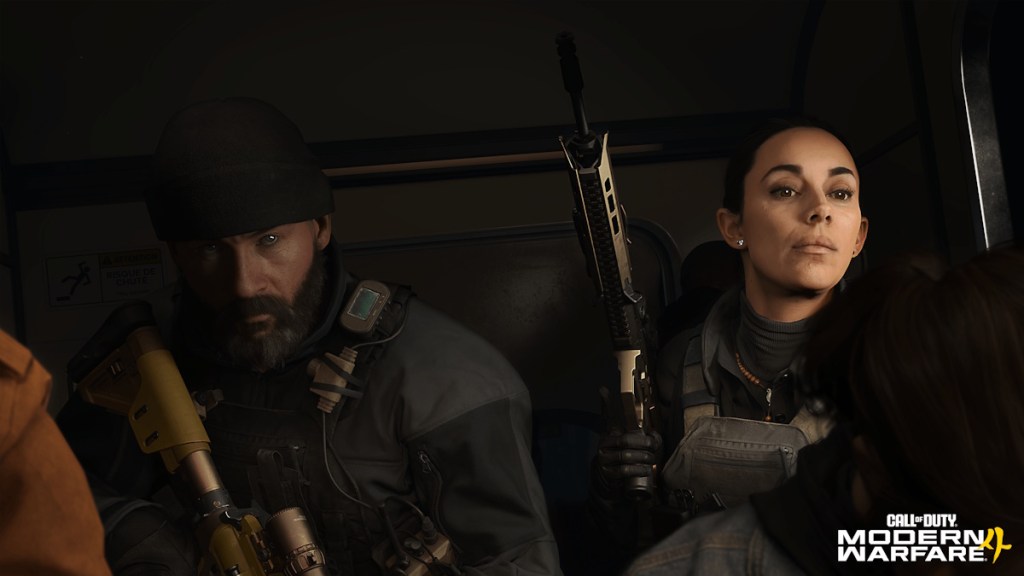
Nevertheless, the emotional resonance of the campaign’s conclusion, coupled with teasing nods toward long-dormant storylines like Call of Duty: Ghosts, suggests a promising roadmap ahead. By prioritizing cinematic immersion, stellar performances, and mechanical polish, Modern Warfare 4 resets the baseline for what fans should expect from the franchise’s single-player campaigns.