







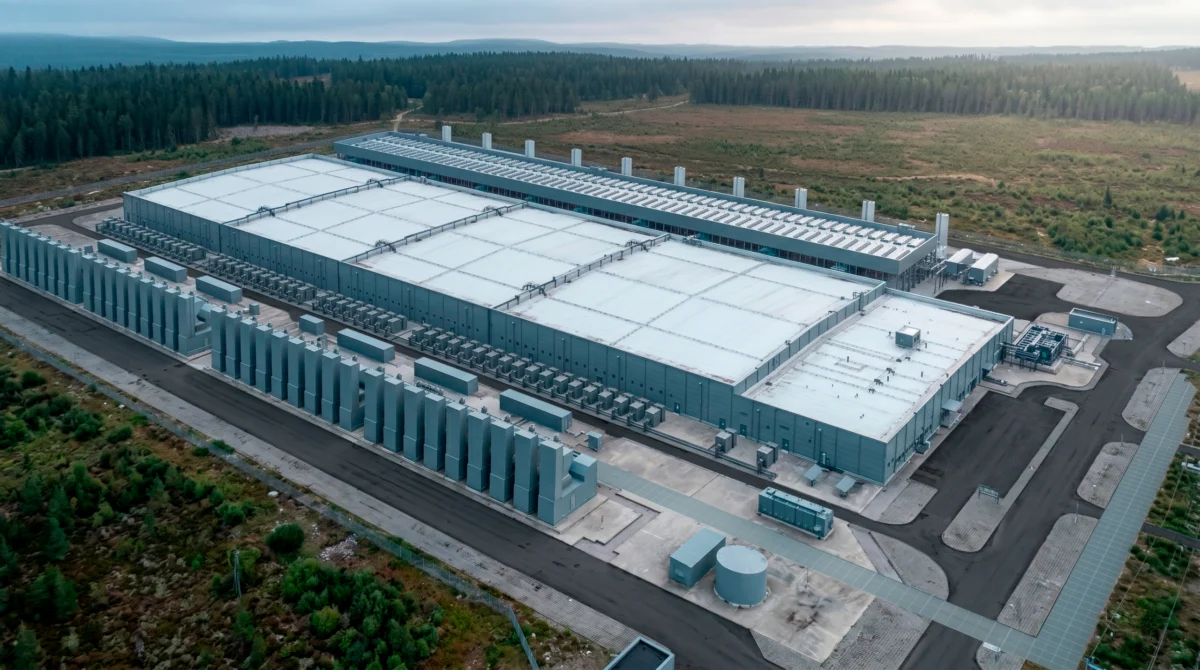
The era of “black box” infrastructure development appears to be drawing to a close. For over a decade, the world’s largest cloud providers—often referred to as “hyperscalers”—have operated under a veil of secrecy when expanding their global footprint. By utilizing aggressive non-disclosure agreements (NDAs) with local governments, companies like Amazon, Google, Meta, and Microsoft were able to fast-track the acquisition of land, water rights, and power grid access, often with minimal public oversight.
However, a wave of grassroots opposition, environmental activism, and municipal pushback has forced a dramatic change in strategy. Facing stalled projects and growing regulatory scrutiny, the tech giants are now scrambling to adopt a new mantra: transparency.
The Main Facts: A Shift in Strategy
The industry is currently witnessing a synchronized pivot. After years of criticism regarding the environmental and social footprint of massive data centers, Microsoft, Google, Amazon, and Meta have all pledged to limit or entirely cease the use of NDAs in their site selection and planning processes.
The primary driver of this shift is not altruism, but necessity. Data centers are increasingly viewed by local communities as “resource vampires” that consume vast quantities of electricity and water while providing relatively few permanent jobs. By dropping the “cloak of secrecy,” these corporations hope to de-escalate tensions, pacify local zoning boards, and clear a path for the massive infrastructure required to support the ongoing Artificial Intelligence (AI) boom.
Chronology of the Transparency Movement
The timeline of this transition highlights how quickly the narrative has shifted from corporate insulation to public engagement.
- Pre-2024: The "Gold Standard" of secrecy. Data center deals were routinely signed behind closed doors, with elected officials often legally barred from disclosing the identity of the developer or the scope of the project to their own constituents.
- March 2024: Microsoft breaks the seal. In a landmark blog post, the company announced it would cease using NDAs as a tool in its data center site selection and development, setting a new expectation for the industry.
- July 2024: Meta faces a public relations crisis. The company’s proposal for “Project Hyperion” in Louisiana became a flashpoint for criticism, as local residents and activists expressed outrage over the project’s lack of transparency and potential environmental impact.
- October 2024: Amazon releases its “Data Center Commitment.” The policy update included promises to disclose more information about energy and water usage and a pledge to reconsider the use of NDAs with government officials.
- Late October 2024: Google follows suit. Reports confirmed that Google had officially abandoned the practice of using NDAs to shield its data center planning from the public, effectively making transparency the new industry baseline.
Supporting Data: The Scale of the Resource Burden
To understand why the public is reacting with such intensity, one must look at the sheer scale of the resources required by modern AI-driven data centers.
Electricity Consumption
According to recent projections by Gartner, data center electricity consumption is expected to grow by 26% by 2026. This surge is directly linked to the high-density computing power required for Large Language Models (LLMs). Communities are increasingly concerned that this demand will spike local utility rates and strain regional power grids, potentially leading to brownouts or forcing the construction of new fossil-fuel-burning power plants.
Water Usage
Water is the “hidden” resource of the cloud. Data centers require millions of gallons of water for cooling systems. In drought-prone regions, this has sparked intense competition between tech companies, local agriculture, and residential needs. While Amazon has claimed its data centers are “7x more water-efficient than the industry average,” activists argue that the absolute volume of water withdrawn remains dangerously high for local watersheds.
The Economic Paradox
While hyperscalers often tout the tax revenue and construction jobs their facilities bring, critics point to the “post-construction void.” Once a facility is built, it typically requires a very small permanent staff. Critics argue that the long-term impact on the landscape, the noise pollution from cooling fans, and the strain on local infrastructure far outweigh the short-term economic benefits.
Official Responses and Corporate Justification
The shift in policy has been accompanied by carefully worded public relations campaigns.
Microsoft’s Perspective:
In their March announcement, Microsoft stated, “We believe that being a good neighbor means being transparent about our plans and listening to the concerns of the community.” This move was clearly designed to position Microsoft as the “ethical” leader in an industry often associated with opaque backroom deals.
Amazon’s Commitment:
Amazon’s “Data Center Commitment” is framed as an evolution of its corporate values. By pledging to disclose water and energy data, they are attempting to move the conversation from if they should build, to how they should build. Their goal is to integrate their projects into the local ecosystem rather than imposing them upon it.
Meta’s Review:
Following the backlash in Louisiana, Meta’s move to review its NDA policies serves as a concession to the power of local organizing. The company has acknowledged that it must adapt its community engagement model if it expects to scale its AI infrastructure globally.
Implications: Can Transparency Save the Cloud?
The abandonment of NDAs is a significant victory for local governance and democratic transparency, but it does not guarantee a smooth path forward for tech companies.
The Trust Gap
There is a profound “trust gap” between Silicon Valley and the communities where they plant their servers. Residents often fear that even without NDAs, the companies will use their immense legal and financial resources to “bully” local planning commissions. Transparency is not the same as consent, and providing more information does not automatically mean that a community will approve a project.
The AI Infrastructure Bottleneck
The broader implication is that the AI revolution is hitting a physical bottleneck. If hyperscalers cannot secure the permits to build, the growth of AI will be stifled. We have already seen major projects delayed or canceled due to energy constraints and local opposition. This has forced companies to consider alternative strategies, such as building their own modular nuclear reactors (Small Modular Reactors) or investing heavily in renewable energy grids to bypass local utility limitations.
A New Era of Activism
We can expect to see more sophisticated campaigns against data center construction. Activists are no longer just looking at land use; they are scrutinizing carbon footprints, water rights, and the overall impact on local biodiversity. The “hyperscaler-community” relationship has moved from a period of silent coexistence to one of active, often hostile, negotiation.
The Role of Government
Ultimately, the burden of regulating this growth will fall on local and state governments. While the hyperscalers are dropping NDAs, they are still incentivized to minimize the cost of their infrastructure. It is up to local officials to demand accountability, set strict environmental performance standards, and ensure that the digital economy does not come at the expense of local resource stability.
Conclusion
The decision by Google, Meta, Amazon, and Microsoft to move away from non-disclosure agreements is a pivotal moment in the history of the internet’s physical infrastructure. It represents a rare concession of power from tech giants to the public. However, the path ahead remains treacherous. As data centers continue to grow in size and number, the conflict between the global need for massive computing power and the local need for resource security will only intensify.
Transparency is the first step toward a potential resolution, but it is not a panacea. The coming years will reveal whether these companies can truly act as “good neighbors” or if the public backlash is simply too great to be managed through policy updates and public relations. One thing is certain: the era of silent, invisible data center expansion is over. The digital age is now being forced to account for its physical consequences in the light of day.