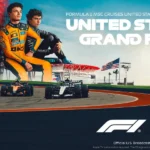
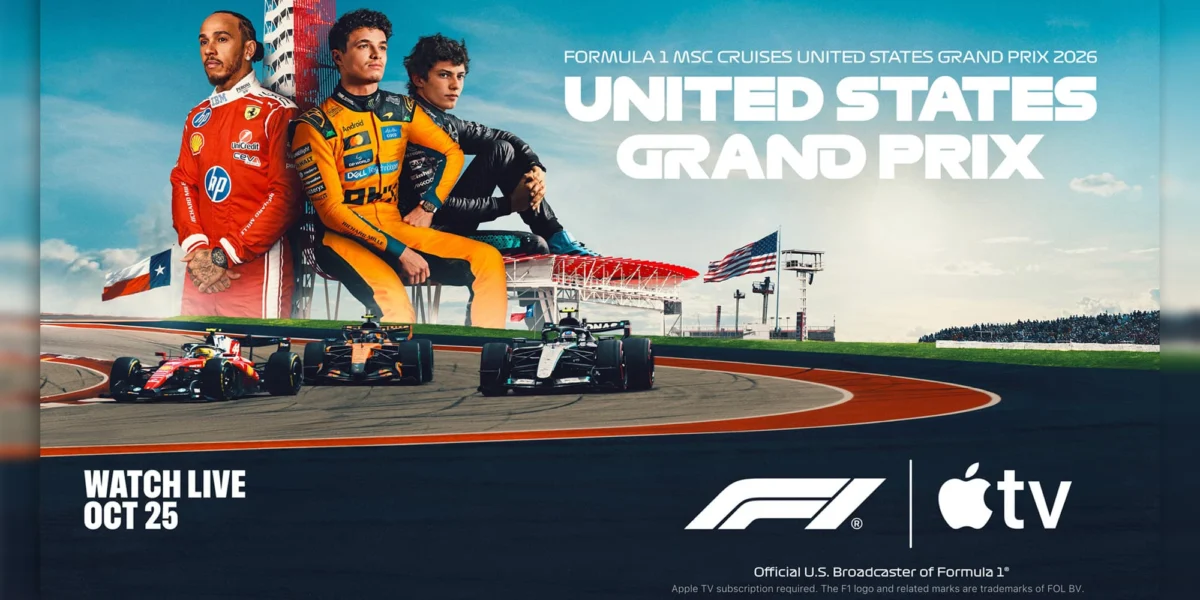
Formula 1 Roars into a New Era: US Grand Prix Becomes First F1 Race Broadcast Live in Dolby Atmos on Apple TV
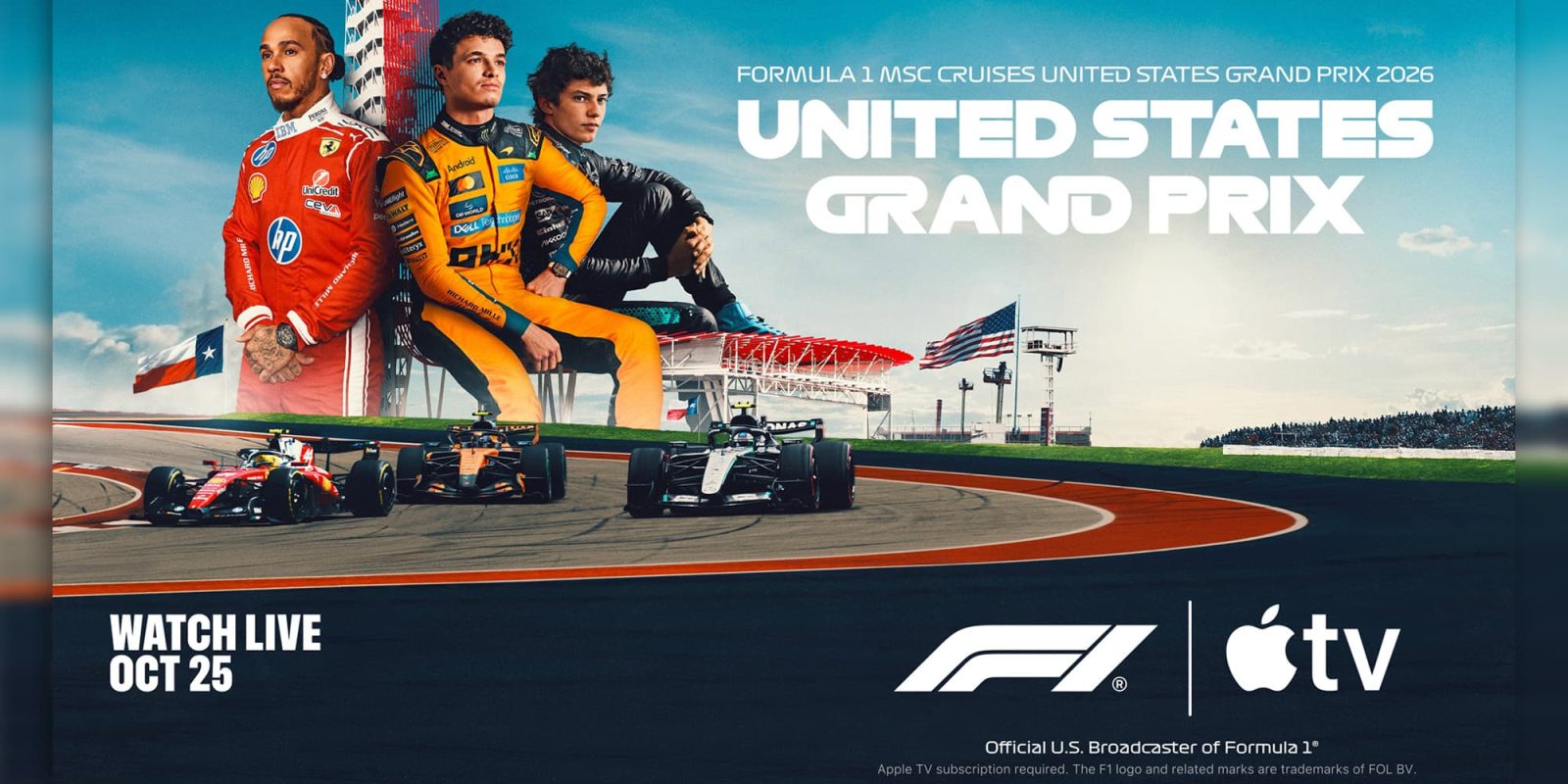
AUSTIN, Texas — Motorsport broadcasting reached a monumental technical milestone this weekend as the Formula 1 United States Grand Prix kicked off at the Circuit of The Americas (COTA). For the first time in the history of the sport, fans tuning in via Apple TV in the United States can experience live Grand Prix coverage enhanced with immersive Dolby Atmos spatial audio.
The rollout, first announced earlier this month by Apple and Dolby Laboratories, represents a massive leap forward in sports broadcasting technology. By marrying state-of-the-art audio engineering with ultra-high-definition video, the collaboration aims to bridge the gap between sitting on the couch and standing trackside at Turn 1.
As the engines fire up in Texas, the weekend promises high-octane action on the track and a showcase of cutting-edge hardware and software integration off it, transforming Austin into a temporary epicenter for both global racing and consumer tech.
Main Facts: Immersive Audio Meets Elite Motorsport
The core of this weekend’s technological leap is the introduction of Dolby Atmos to live Formula 1 broadcasts. Historically, motorsport audio has been defined by the high-pitched shriek of power units and the low-end rumble of carbon-fiber chassis hitting the asphalt. However, traditional stereo or standard surround sound setups often struggle to capture the multi-dimensional chaos of a live race day.
With Dolby Atmos, Apple TV subscribers equipped with compatible soundbars, home theater systems, or spatial audio-enabled headphones (such as AirPods Max or AirPods Pro) can experience a fully three-dimensional soundscape.
Dynamic Audio Layers: The broadcast separates and positions individual audio elements around the listener. The sharp whine of downshifting engines, the frantic chatter of team radio communications, live pit-wall strategies, and the roar of the grandstands are mapped dynamically across a 360-degree space.
Dolby Vision Integration: Paired alongside Dolby Atmos is Dolby Vision, delivering hyper-vivid color grading, enhanced contrast, and lifelike clarity. This ensures that the glaring Texas sun, the iridescent liveries of the F1 cars, and the vibrant tarmac of COTA pop with cinematic precision.
Subscription Details: Apple TV is available to US consumers for $14.99 per month, or as part of the broader Apple One subscription ecosystem, which bundles services like iCloud+, Apple Music, and Apple Arcade.
Chronology of the Rollout and Weekend Schedule
The journey toward this weekend’s broadcast milestone has been swift, moving from initial industry announcements to consumer implementation in a matter of weeks.
Early October 2026: Apple and Dolby Laboratories officially announce that Formula 1 coverage on Apple TV will natively support Dolby Atmos, targeting the United States Grand Prix as the debut event.
Mid-October 2026: Apple rolls out complementary software updates, including a significant expansion of Apple Maps’ "Detailed City Experience" to Austin, Texas, alongside bespoke 3D mapping of the Circuit of The Americas.
Friday, October 23, 2026: FP1 (Free Practice 1) concludes in the morning hours, marking the official historical moment when live F1 transmissions utilized the new Dolby Atmos audio pipeline. Apple executive visits coincide with the launch of the new iPhone Duo at local Apple Stores.
The Remainder of the Weekend: While the opening practice session has wrapped, fans still have ample opportunity to experience the remaining high-stakes sessions in full Dolby Atmos and Dolby Vision.
Official US Grand Prix Broadcast Schedule (Apple TV)
Although Free Practice 1 has already taken place, the remainder of the race weekend schedule unfolds as follows:
Free Practice 2: Friday afternoon (Local Austin Time)
Free Practice 3: Saturday morning
Qualifying Session: Saturday afternoon — determining the crucial starting grid for Sunday’s Grand Prix.
The United States Grand Prix: Sunday afternoon — the marquee 56-lap race event broadcast live with full Dolby Atmos and Dolby Vision enhancements.
Supporting Data, Ecosystem Integrations, and Local Events
Apple’s presence in Austin this weekend extends far beyond the television screen. The tech giant has deeply integrated its hardware, software, and retail ecosystem into the fabric of the race weekend, turning the Texas capital into a living laboratory for its products.
Apple Maps COTA Integration
Navigating the sprawling Circuit of The Americas facility can be daunting for the hundreds of thousands of spectators descending upon Travis County. To ease congestion and improve the fan experience, Apple Maps recently updated its platform to feature a hyper-detailed map of COTA. Users can now view exact turn numbers, grandstand placements, surrounding amenities, and 3D landmarks, transforming the smartphone map into an interactive venue guide.
Retail Presence and Special Screenings
To celebrate the partnership, Apple is hosting a special live screening of Sunday’s Grand Prix at its prominent Domain NORTHSIDE retail location in Austin. This event serves as a focal point for local fans to experience the new Dolby Atmos broadcast format on high-end Apple hardware in a communal environment.
The activation coincides with a high-profile executive visit to Austin. Apple CEO John Ternus and retail chief Deirdre O’Brien were spotted earlier today at local Apple Stores welcoming eager consumers and monitoring the successful launch-day queues for the newly released iPhone Duo.
Official Responses and Industry Perspectives
The convergence of elite motorsports and spatial audio has drawn enthusiastic praise from both entertainment conglomerates and technology leaders.
In an official statement released by Apple regarding the milestone broadcast, the company emphasized the psychological and sensory impact of the new format:
"Dolby Atmos surrounds fans with the sounds of race weekend, from team radio and commentary to roaring engines, on-track battles, and pit-lane intensity. Paired with Dolby Vision’s rich colors and lifelike clarity, the combination delivers exceptional sound and spectacular visuals that put fans at the heart of the action."
Engineers from Dolby Laboratories echoed these sentiments, pointing out that live sports represent the final frontier for spatial audio adoption. While blockbuster movies and scripted streaming series on platforms like Apple TV—such as Ted Lasso, Severance, The Studio, The Morning Show, Shrinking, and Silo—have routinely utilized Dolby Atmos for years, capturing, mixing, and transmitting a live, unpredictable sporting event in real-time spatial audio presents a staggering technical hurdle. Overcoming this latency and complexity marks a watershed moment for broadcast engineering.
Implications for the Future of Sports Broadcasting
The deployment of Dolby Atmos for Formula 1 on Apple TV is far more than a flashy feature for a single race weekend; it signals a permanent shift in consumer expectations for live entertainment.
1. Raising the Bar for Competitors
Traditional sports broadcasters have historically relied on standard 2.0 stereo or basic 5.1 surround sound configurations. With Apple and Dolby setting a new benchmark for auditory fidelity in motorsport, rival streaming networks and cable operators will face mounting pressure to upgrade their transmission pipelines. Fans who experience the distinct separation of a V6 turbo-hybrid engine screaming past a microphone array in spatial audio will find it difficult to return to flat, compressed audio feeds.
2. Deepening Fan Engagement
Formula 1 has experienced an unprecedented surge in popularity over the last half-decade, largely driven by behind-the-scenes content and digital accessibility. By leveraging spatial audio to pull listeners directly into the visceral environment of the pit lane and team radio loops, platforms like Apple TV are cultivating a deeper, more emotional connection between the viewer and the sport. This immersion is expected to translate into higher engagement metrics, longer watch times, and increased retention for sports streaming packages.
3. The Convergence of Hardware and Content
This weekend in Austin highlights Apple’s ultimate strategic advantage: the closed-loop ecosystem. By controlling the content creation tools, the transmission platform (Apple TV), the operating system, and the playback hardware (Apple TV 4K, HomePods, AirPods), Apple can deliver a seamless, high-end experience that fragmented third-party setups struggle to replicate. As spatial audio becomes a standard expectation for premium media consumption, this hardware-software synergy will likely pave the way for other major sports leagues to follow Formula 1’s lead into the world of immersive broadcasting.