





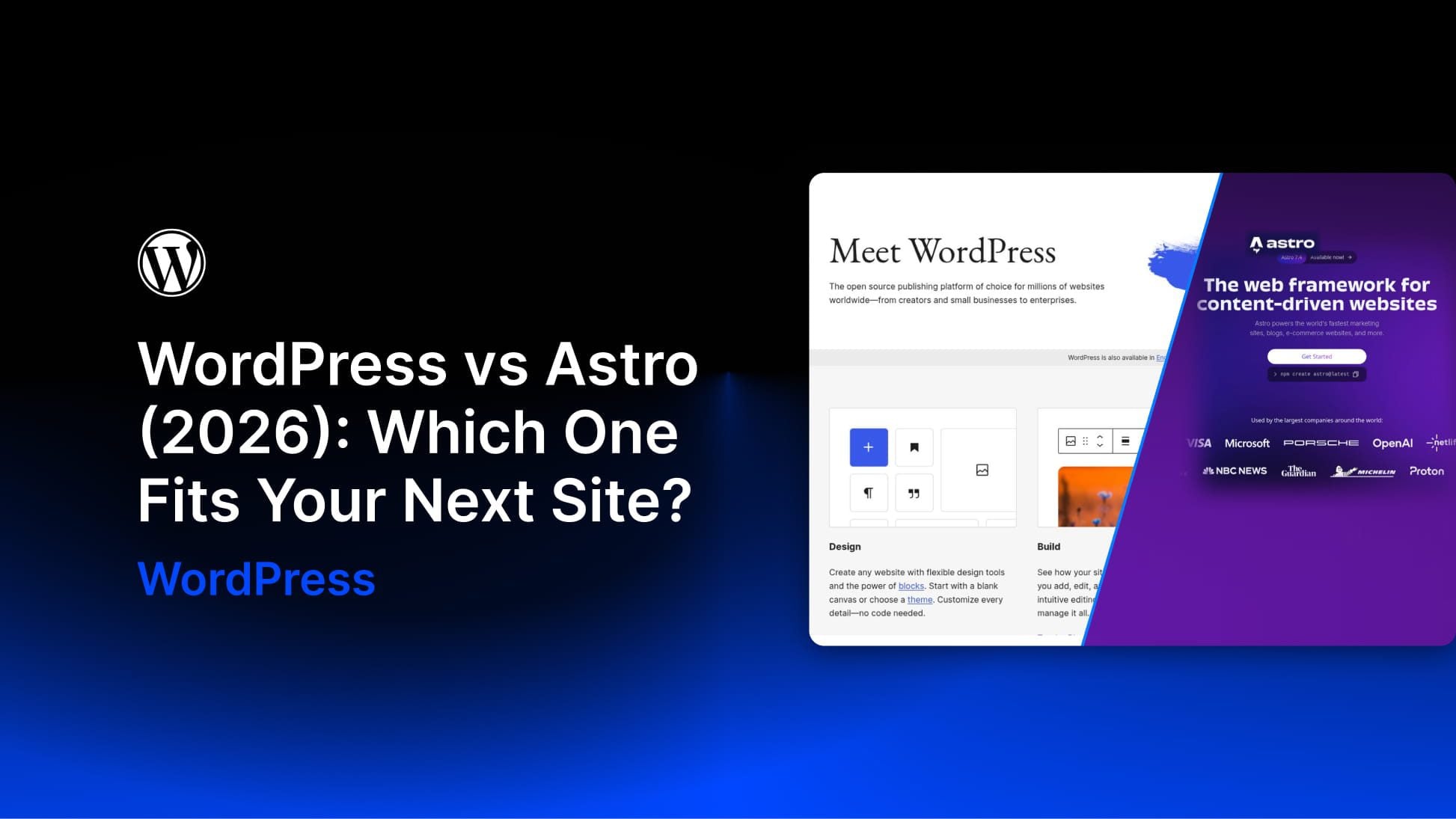
The modern web development landscape is defined by a fundamental tension: the convenience of all-in-one platforms versus the performance and architectural control of modern web frameworks. WordPress and Astro stand on opposite sides of this divide, offering distinct starting points for developers and site owners alike. While WordPress provides a robust, pre-built ecosystem for content management, Astro offers a lean, developer-centric framework for building high-performance, content-driven websites.
Choosing between them is rarely about which technology is "better" in a vacuum; it is about identifying the long-term needs of the project and, crucially, determining who will be responsible for the site’s day-to-day evolution after the initial launch.
The Architectural Divide: CMS vs. Web Framework
To understand the difference, one must distinguish between a Content Management System (CMS) and a web framework. WordPress is a comprehensive CMS, complete with a built-in administrative dashboard, a sophisticated media library, user role management, and a massive ecosystem of plugins and themes. It is designed to be a complete package that allows non-technical users to publish, edit, and manage site content independently.
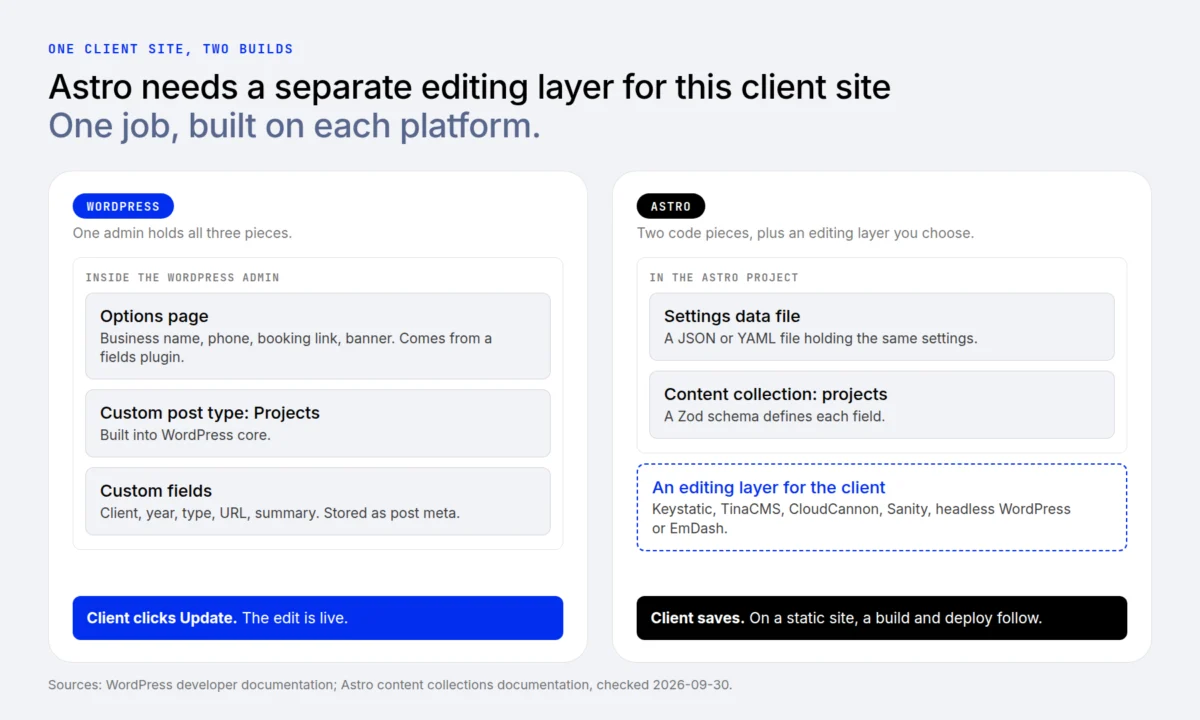
Astro, conversely, is an open-source web framework designed for content-rich websites. It does not ship with a dashboard or database. Instead, it generates static HTML by default during the build process, offering an "islands architecture" that allows developers to selectively inject interactivity only where necessary. This approach drastically reduces the amount of JavaScript sent to the browser, leading to significant performance gains. However, Astro requires developers to build or integrate their own content management solutions, moving the responsibility for the editing interface from the platform to the development team.
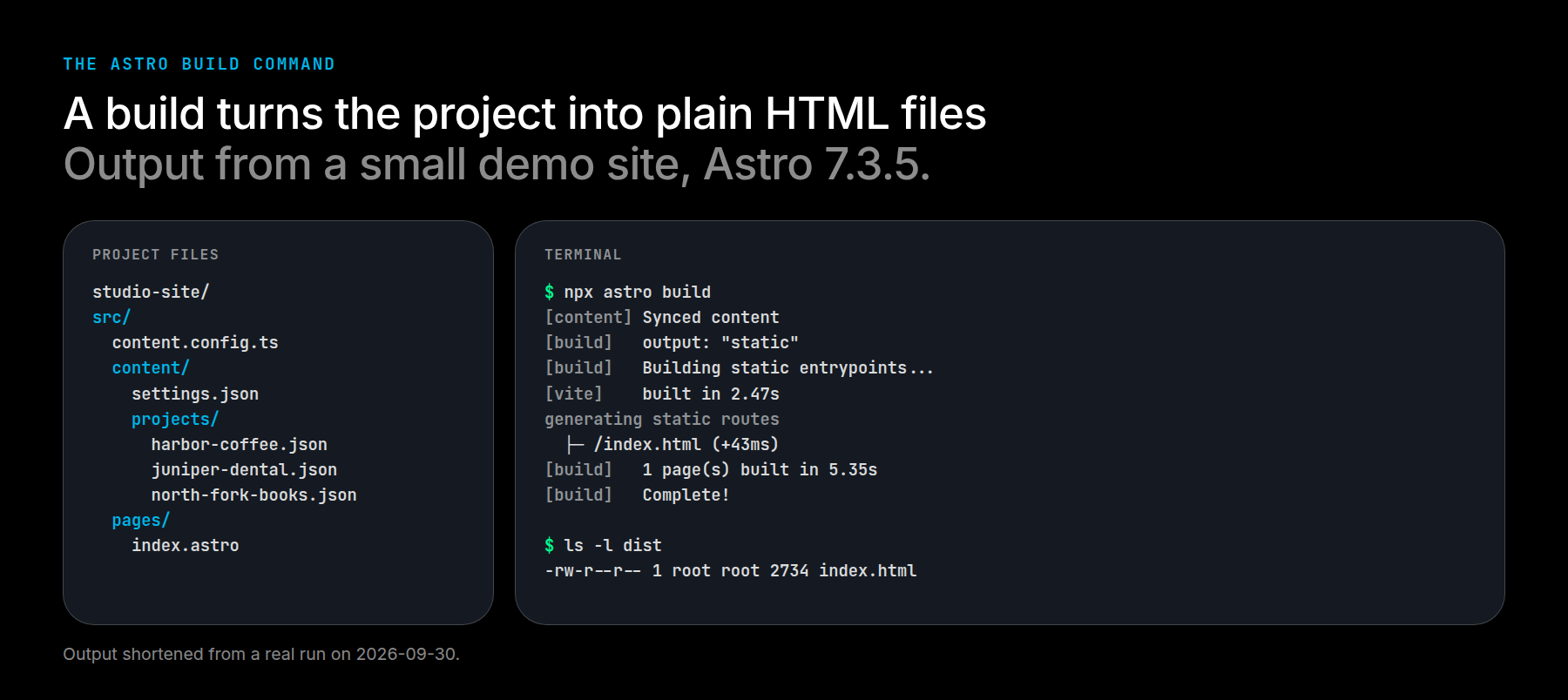
A Chronological Shift in the Ecosystem
The evolution of these platforms has been marked by significant strategic shifts. In January 2026, the company behind Astro was acquired by Cloudflare, a move that underscored the industry’s increasing pivot toward edge-computed and performance-optimized delivery. Despite this acquisition, Astro has maintained its MIT-licensed open-source status, continuing to offer its framework for deployment across any infrastructure, not just Cloudflare’s network.
Simultaneously, the WordPress ecosystem has been aggressively integrating AI-driven workflows. The release of the Abilities API in WordPress 6.9 and the subsequent introduction of the AI Client in WordPress 7.0 have fundamentally changed how developers interact with the platform. These features allow for machine-readable capability registration and a shared interface for AI providers, turning WordPress from a static CMS into an AI-ready application platform.
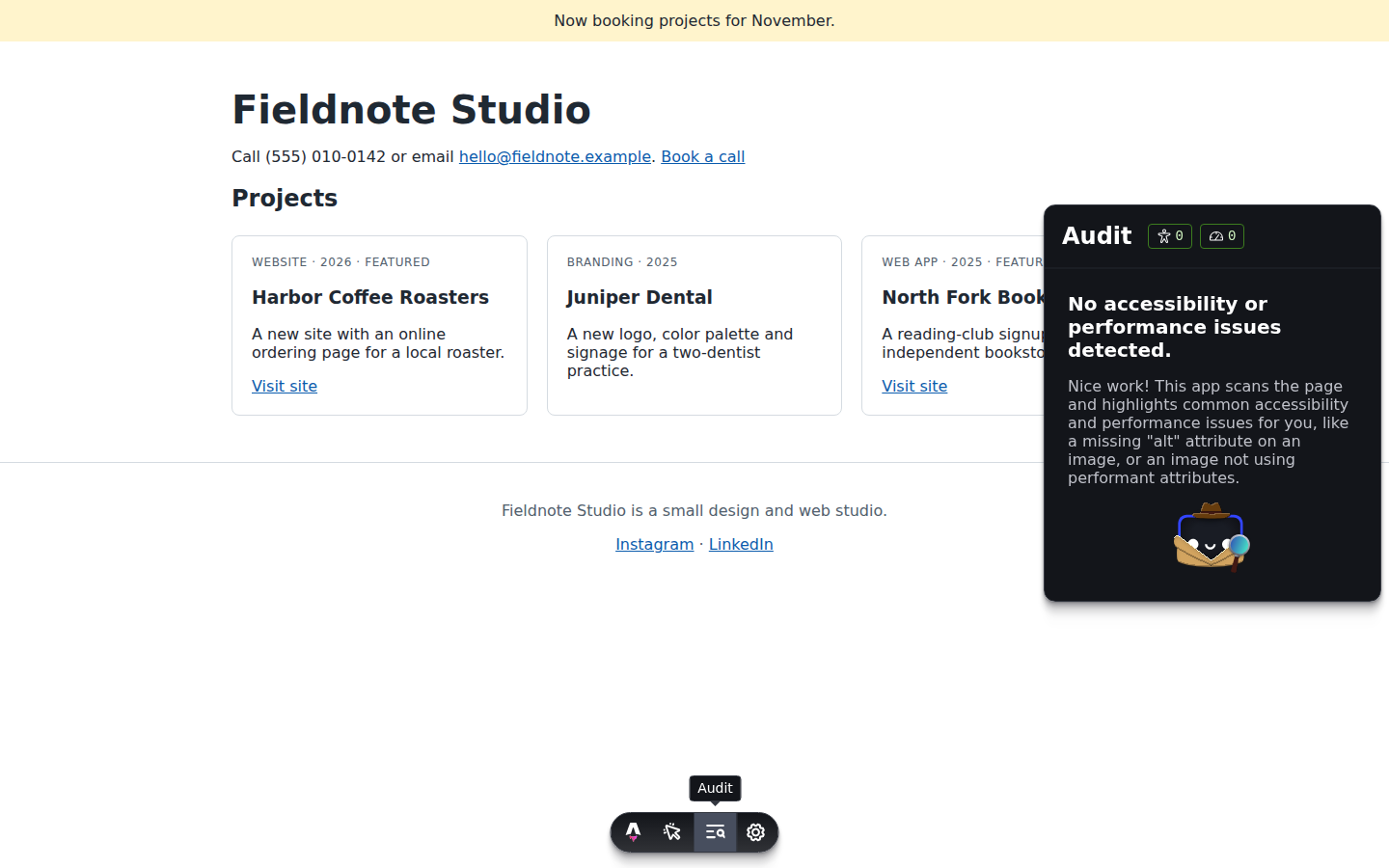
Supporting Data: Performance and Security
Performance remains the primary argument for the adoption of Astro. Recent industry comparisons from August 2026 suggest that approximately 71% of Astro-based sites pass Core Web Vitals, compared to 48% of WordPress sites. While these figures are compelling, they warrant a nuanced interpretation.
WordPress powers a vast, heterogeneous segment of the web, ranging from massive enterprise installations to aging, poorly maintained hobby blogs. This diversity heavily skews performance metrics. An optimized, modern WordPress site utilizing efficient hosting and lightweight themes can rival Astro in performance. However, Astro’s architectural default—favoring static HTML and minimal client-side JavaScript—provides a "performance floor" that is inherently higher than that of a default WordPress installation.
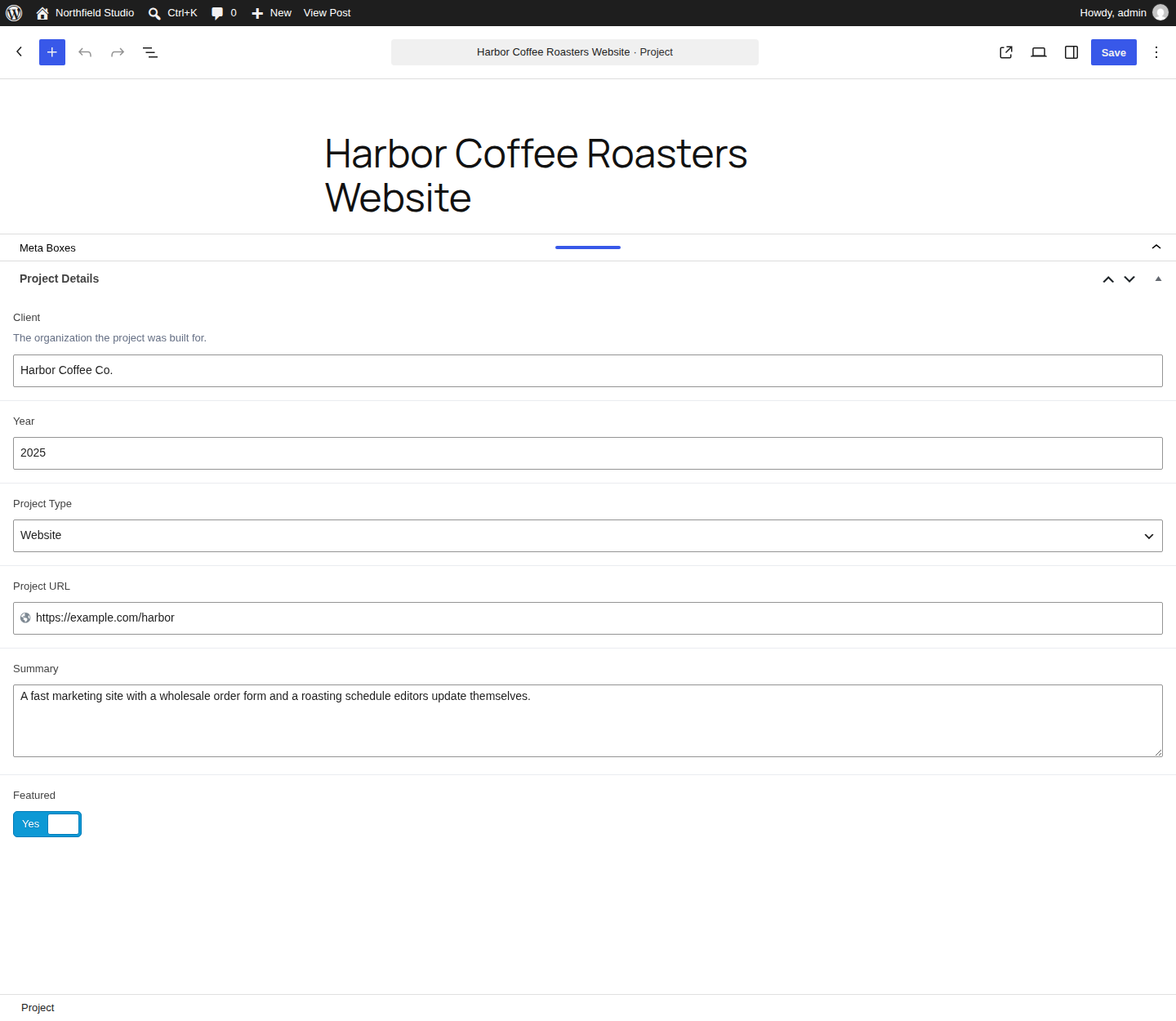
Security profiles also differ significantly. A statically generated Astro site minimizes the attack surface by eliminating the need for a live database and PHP execution on the public-facing server. Conversely, WordPress, due to its ubiquity and plugin-heavy architecture, faces more frequent security challenges. Patchstack’s 2026 security report noted over 11,000 vulnerability disclosures in the WordPress ecosystem in 2025, with the vast majority residing in third-party plugins. For the WordPress developer, this necessitates a rigorous approach to maintenance, including vulnerability monitoring, frequent updates, and the vetting of all third-party code.
The Deciding Factor: The Editorial Workflow
The most important question for any project is: Who will edit the site after launch?
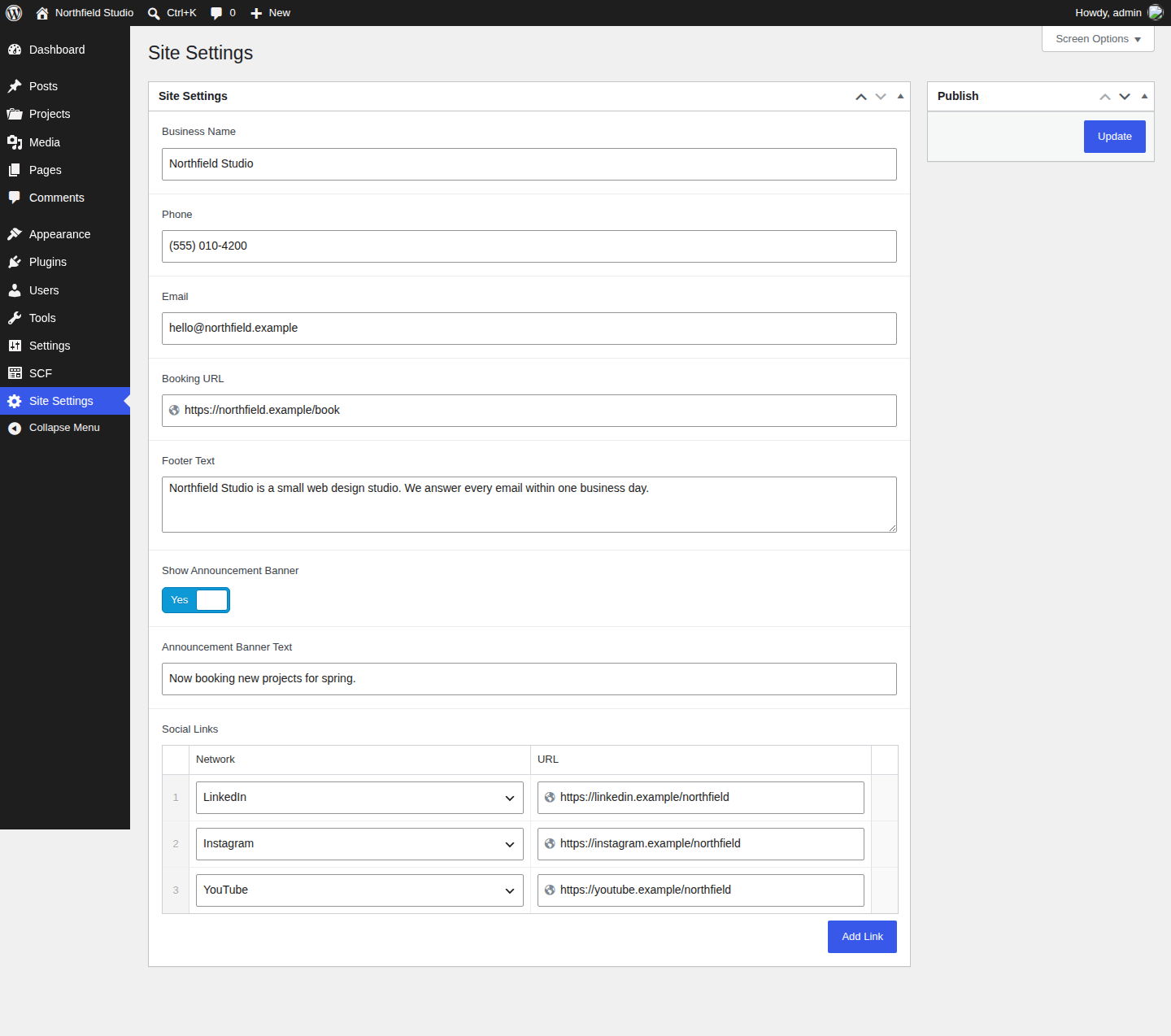
For a client who needs to manage daily blog posts, update service offerings, or handle site inquiries without touching a line of code, the WordPress dashboard is an invaluable asset. The ability to publish content, manage media, and adjust settings within a unified, user-friendly interface is often the deciding factor for small-to-medium business sites.
On the other hand, for projects where the content is managed by a team comfortable with a development environment or a file-based workflow, Astro offers unparalleled control. In an Astro setup, content can be stored in Markdown, MDX, or data files, managed via version control (Git). When non-technical editing is required, developers must integrate a CMS layer like Keystatic or rely on external Headless CMS platforms. This adds a layer of complexity—the developer must ensure that the CMS configuration remains perfectly synced with the site’s internal data schemas.
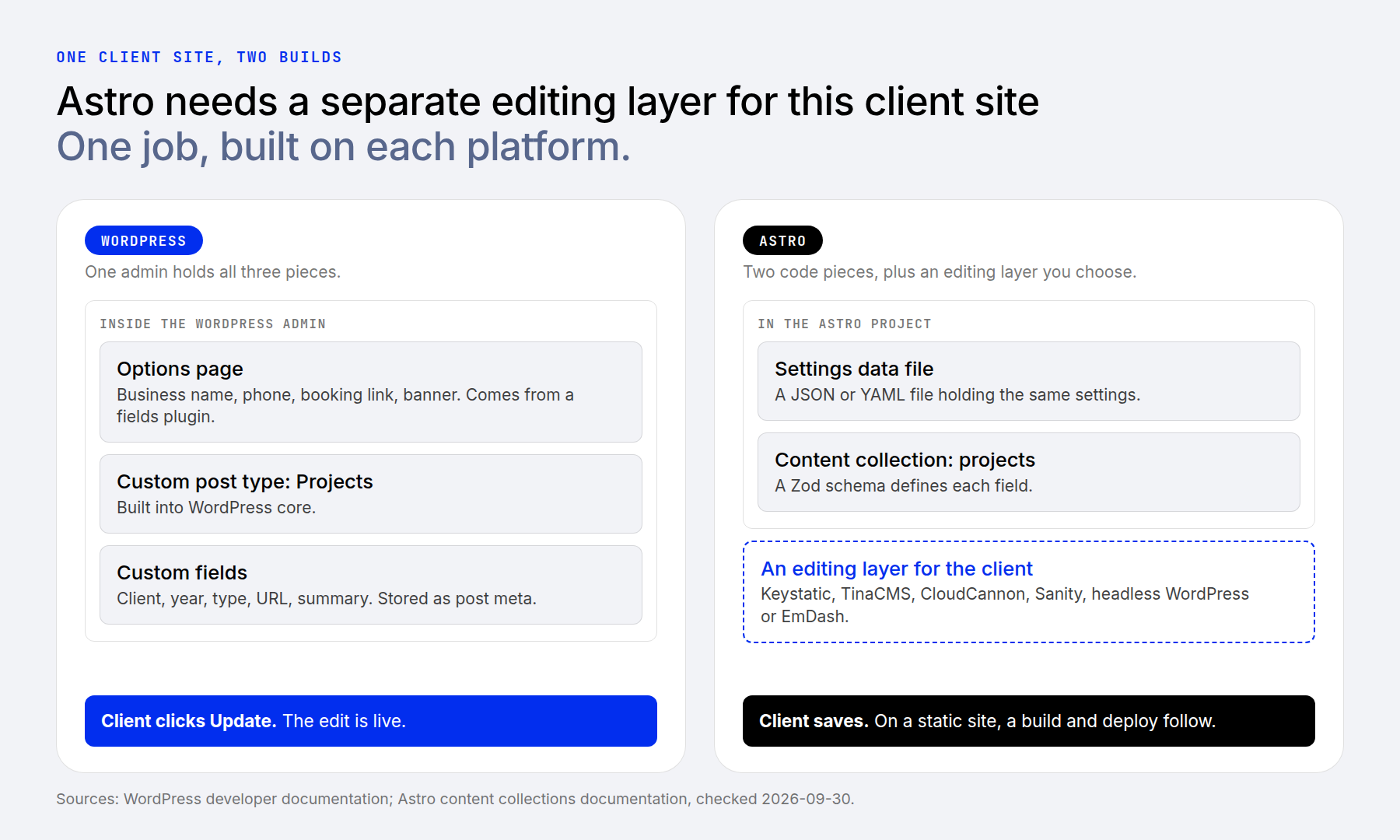
Implications for Future Development
The emergence of "Hybrid Architectures" is beginning to blur the lines between these two worlds. One can, for instance, use WordPress as a headless CMS while utilizing Astro as the front-end delivery layer. In this model, the client retains the familiar WordPress admin panel, while the developers enjoy the performance and development experience of Astro.
However, this "middle path" introduces its own set of challenges. It essentially doubles the maintenance burden, requiring the team to manage two separate application layers. Developers must orchestrate content fetching, caching strategies, and the synchronization of API responses, which can introduce friction if not planned with precision.
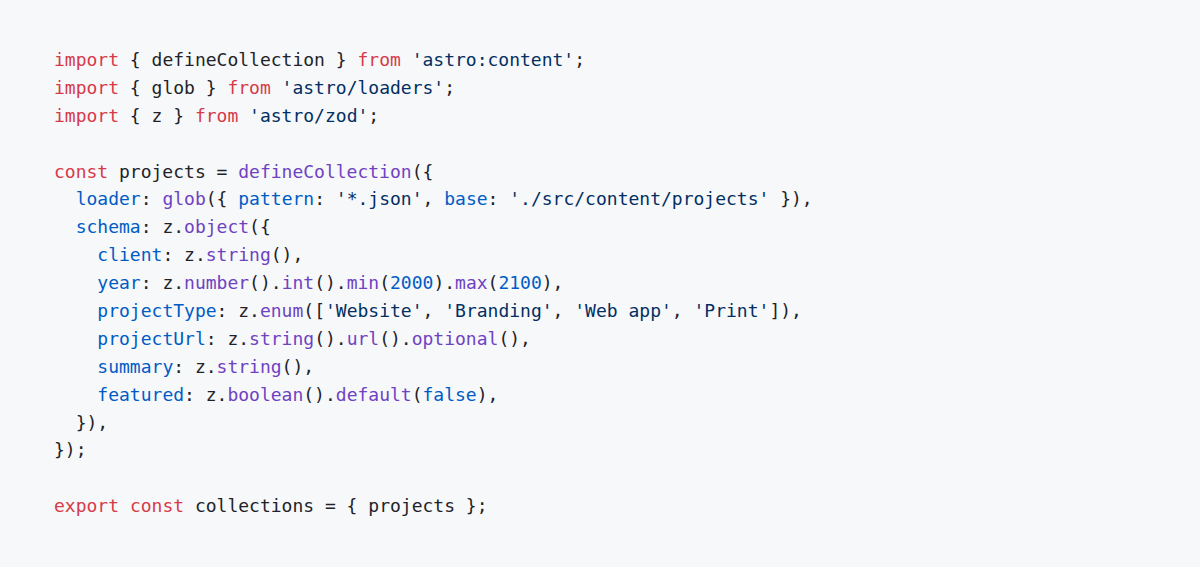
Strategic Recommendations
When choosing between these platforms for your next project, consider the following implications:
- Choose WordPress if: You require a low-friction, out-of-the-box editorial experience. If your client or team relies on visual builders like Divi, or if your project requires complex, plugin-ready features like e-commerce (WooCommerce), memberships, or sophisticated user roles, WordPress remains the industry standard.
- Choose Astro if: Your project is content-centric, performance-critical, and requires a high degree of custom design control. If your team is comfortable with modern JavaScript workflows and can dedicate the time to architecting a custom CMS integration, Astro offers a superior foundation for long-term scalability and speed.
- Evaluate via Simulation: Before committing to a stack, perform a "full-lifecycle test." Update a shared settings field, publish a new piece of content, and track the time and effort required for that change to appear on the live site. This practical simulation reveals more about the viability of your choice than any theoretical benchmark.
Ultimately, the choice between WordPress and Astro is a choice between two different philosophies of web maintenance. WordPress prioritizes the democratization of content management, offering a mature, plugin-driven ecosystem. Astro prioritizes the developer’s control over the output, favoring speed and architectural purity. Both are powerful, but they serve different masters: one serves the content editor, the other serves the developer building for the modern, performance-obsessed web.