




By Tech & Mobile News Desk
Published: May 2026
Main Facts
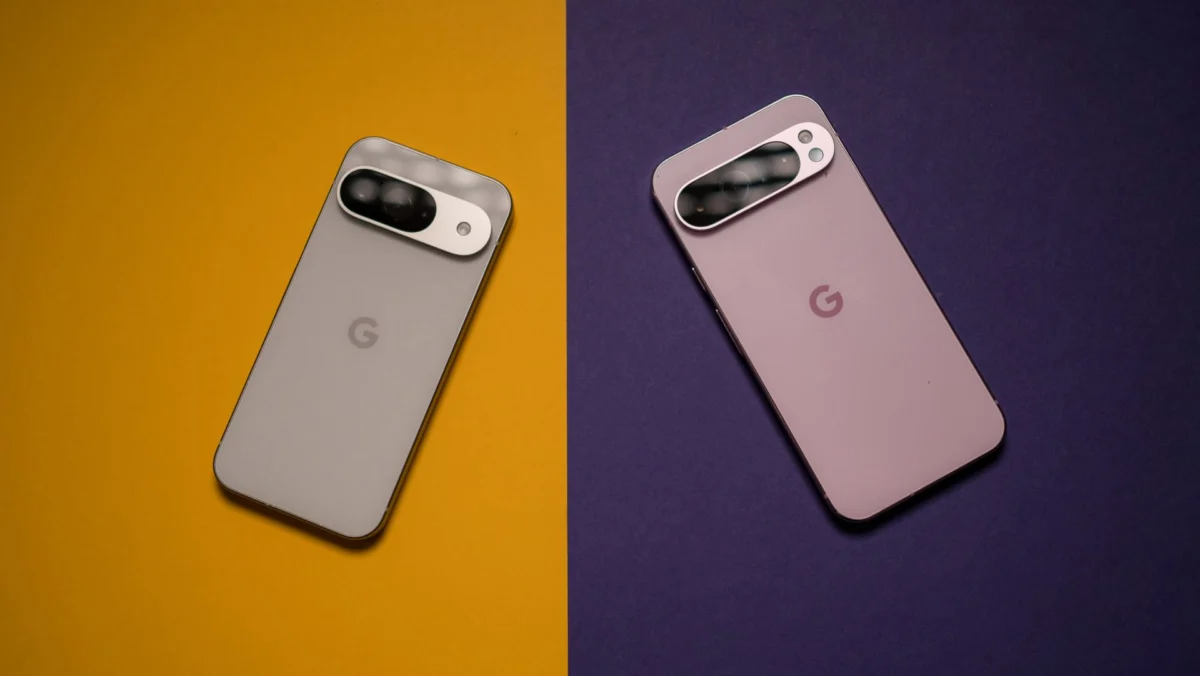
Google has quietly extended its emergency Satellite SOS service for Pixel 9 owners, granting an additional year of free access to the potentially life-saving feature. Originally bundled with a two-year complimentary trial upon the hardware’s 2024 launch, the sudden extension offers current device owners welcome relief. However, the decision purposefully delays a broader, high-stakes question hanging over the smartphone industry: Will life-safety satellite connectivity eventually become a subscription-based utility?
The grace period applies to qualifying devices within Google’s Pixel 9 ecosystem, ensuring that users navigating remote terrain, dead zones, or emergency situations can continue to ping emergency services without cellular coverage or Wi-Fi. While Google confirmed the extension in a statement to industry reporters, the company has remained tight-lipped regarding its long-term commercial strategy. Official documentation and device specifications continue to reference the initial two-year window, leaving consumers to wonder what billing structures may take effect once the extended period officially lapses.
Chronology of the Pixel 9 Satellite Ecosystem
To understand the significance of Google’s recent extension, it is necessary to examine the timeline of how satellite-based emergency communications transitioned from science fiction to standard consumer hardware.
1. The Genesis of Off-Grid Smartphone Communications (2022–2023)
For years, satellite communication was restricted to bulky, expensive, and specialized satellite phones utilized by maritime crews, deep-wilderness explorers, and military personnel. That paradigm shifted dramatically when Apple introduced Emergency SOS via satellite with the iPhone 14 lineup in late 2022. By leveraging specialized internal antennas and partnerships with satellite operators like Globalstar, Apple demonstrated that everyday consumer electronics could interface with low-Earth orbit (LEO) constellations.
Following Apple’s move, Android manufacturers and chipmakers scrambled to build similar capabilities into their hardware roadmaps. Qualcomm announced plans for Snapdragon Satellite, though the initiative faced early commercial headwinds. Meanwhile, Google began laying the groundwork within Android to natively support satellite messaging protocols, signaling that emergency off-grid connectivity would soon become a baseline expectation for flagship mobile devices.
2. The 2024 Launch of the Pixel 9 Series
The paradigm solidified for Google in August 2024 with the unveiling of the Pixel 9 series. Unlike previous iterations, the Pixel 9 lineup was designed with deep hardware integration for satellite communications. Powered by Google’s Tensor G4 custom silicon—which houses the advanced Samsung Exynos 5400 modem—the new phones possessed the necessary radio frequency capabilities to connect directly with overhead satellites.
At launch, Google announced that the "Satellite SOS" feature would be included free of charge for the first two years. This business model mirrored Apple’s initial strategy of offering complimentary trials to drive adoption, normalize emergency messaging, and demonstrate the real-world value of the hardware.
3. The Quiet Extension (2026)
As the original two-year window for early Pixel 9 adopters approached its expiration, speculation grew over how Google would monetize the service or whether it would extend the promotional period. In a quiet confirmation to technology publication PCMag, a Google spokesperson verified that the offering had been extended by an additional year at no extra cost. Despite this update, Google has not updated its formal product specifications or outlined a comprehensive roadmap for monetization past this newly acquired grace period.
Supporting Data & Hardware Architecture
The mechanics behind Google’s Satellite SOS feature rely heavily on advanced semiconductor engineering and strategic partnerships. Understanding the underlying technology clarifies why not all Android devices—or even all Pixel models—support the feature equally.
The Silicon Foundation: Tensor G4 and Exynos 5400
At the heart of the Pixel 9’s satellite capabilities is the combination of Google’s Tensor G4 processor and Samsung’s Exynos 5400 modem. The Exynos 5400 is notable for being one of the first commercially available modems to integrate both 5G Non-Terrestrial Network (NTN) and Hubble NB-IoT standards directly onto the chip.
This technical integration allows the phone to translate traditional cellular protocols into frequencies compatible with LEO satellites orbiting hundreds of miles above the Earth. It requires precise power management, as transmitting signals to space demands significantly more energy than connecting to a local cell tower a few miles away.
Eligible Devices vs. Exclusions
Not all devices bearing the Pixel 9 branding share the same hardware capabilities. The current compatibility list includes:
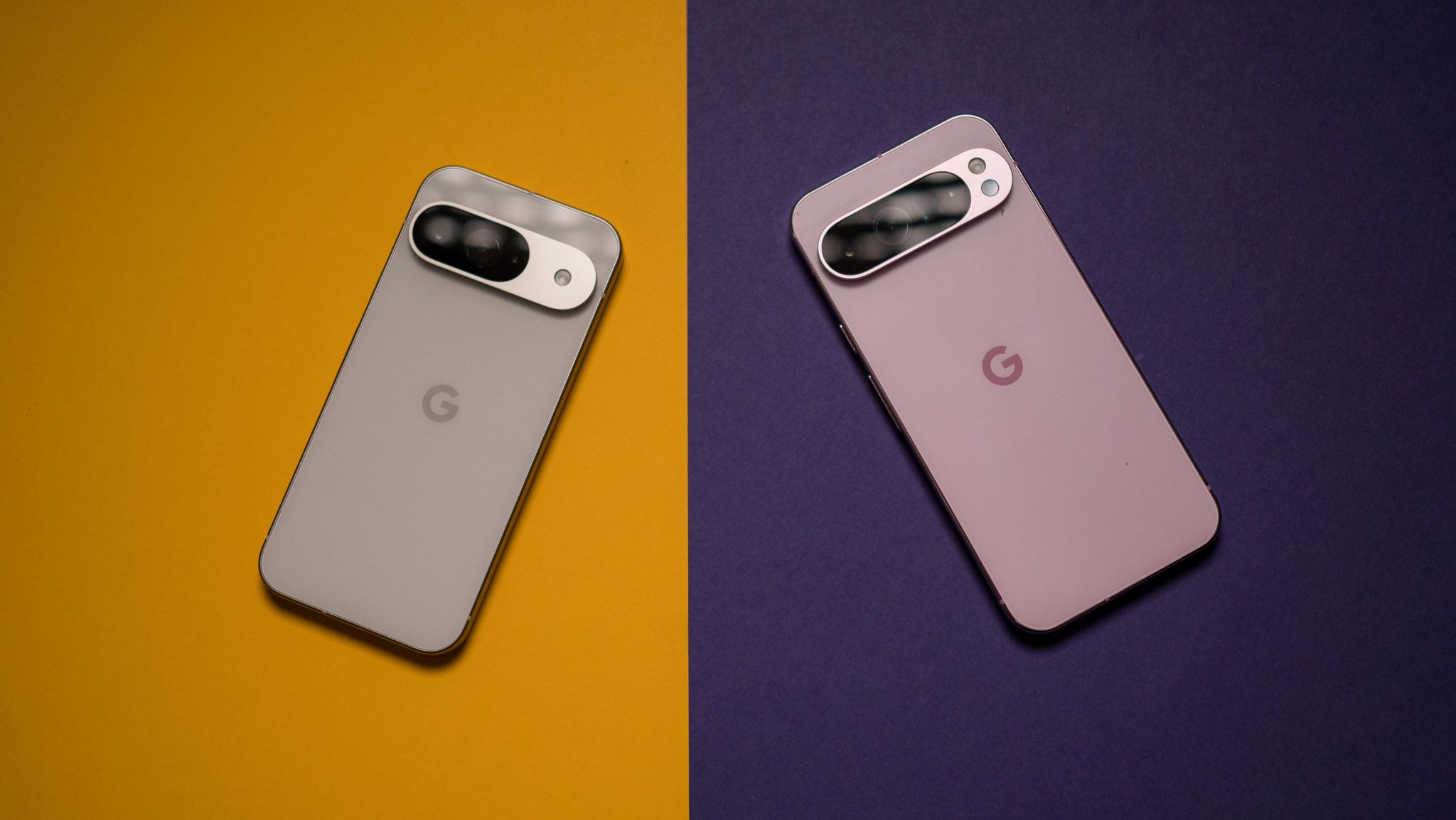
- Google Pixel 9
- Google Pixel 9 Pro
- Google Pixel 9 Pro XL
- Google Pixel 9 Pro Fold
Notably, budget-conscious offerings such as the Pixel 9a are excluded from the lineup. This exclusion highlights the cost of incorporating specialized radio frequency components and negotiating backend network access agreements, which can inflate manufacturing overhead. Furthermore, feature availability remains strictly tethered to regional regulatory approvals and the coverage footprints of Google’s satellite partners.
Official Responses and Industry Context
Google’s official stance on the extension has been remarkably brief. When pressed by media outlets for clarification regarding the long-term future of the service, a company spokesperson issued a succinct confirmation:
"Confirming that we’ve extended this offering, at no additional cost, for one additional year."
Beyond this statement, the company declined to provide further details, leaving industry analysts to read between the lines.
The Broader Industry Landscape
Google is not alone in grappling with how to monetize satellite connectivity. The broader mobile industry is currently navigating a transitional phase where life-safety features are used as major selling points for premium hardware:
- Apple: Apple extended its free emergency satellite service for iPhone 14 and 15 owners an additional year before eventually outlining future commercial frameworks, keeping consumers guessing about eventual subscription fees.
- T-Mobile and SpaceX (Starlink): Moving beyond simple SOS text messaging, carriers are partnering with satellite operators to bring standard text, data, and eventually voice connectivity to unmodified, existing smartphones. These broader bandwidth capabilities almost certainly require recurring revenue models to sustain operations.
Implications for Consumers and the Tech Industry
The one-year extension granted to Pixel 9 owners carries profound implications for consumers, device manufacturers, and the regulatory bodies overseeing public safety communications.
1. Consumer Relief Mixed with Uncertainty
For current Pixel 9 users—particularly outdoor enthusiasts, hikers, and individuals living in rural areas with spotty cellular coverage—the extra year of free access is a welcome win. It removes the immediate anxiety of facing an unexpected paywall for a feature that could theoretically save their lives.
However, the lack of long-term clarity creates consumer friction. Smartphone buyers increasingly view hardware purchases as multi-year investments. Knowing whether a critical safety feature will remain operational without an ongoing subscription influences purchase decisions, especially given the high upfront cost of flagship devices.
2. The Ethical Debate Over Safety Paywalls
A fierce debate persists within the tech community regarding whether emergency services should ever be gated behind a subscription model. Critics argue that safety-critical features like SOS messaging should be treated as baseline utilities—much like 911 dialing over traditional cellular networks, which is mandated by law to be free of charge regardless of active carrier service.
Proponents of subscription models, however, point out the immense capital expenditure required to launch, maintain, and upgrade low-Earth orbit satellite constellations. Satellites depreciate rapidly, ground stations require constant maintenance, and telecommunication partnerships involve ongoing licensing costs. Without a sustainable revenue stream, companies argue that maintaining global, 24/7 emergency infrastructure could become economically unviable.
3. What Lies Ahead for Pixel 10 and Beyond?
As Google prepares for future hardware cycles, the precedent set by the Pixel 9 extension will likely shape consumer expectations for the upcoming Pixel 10 generation and beyond. Will Google eventually bundle satellite connectivity into broader software subscription bundles like Google One? Or will the industry trend toward carrier-subsidized models where satellite access is tied directly to cellular service plans?
Until Google provides a definitive roadmap, Pixel 9 owners have been granted a temporary reprieve. As the clock ticks down on this newly added year, the pressure mounts on Silicon Valley giants to establish a transparent, fair, and sustainable model for the future of off-grid emergency communications.