





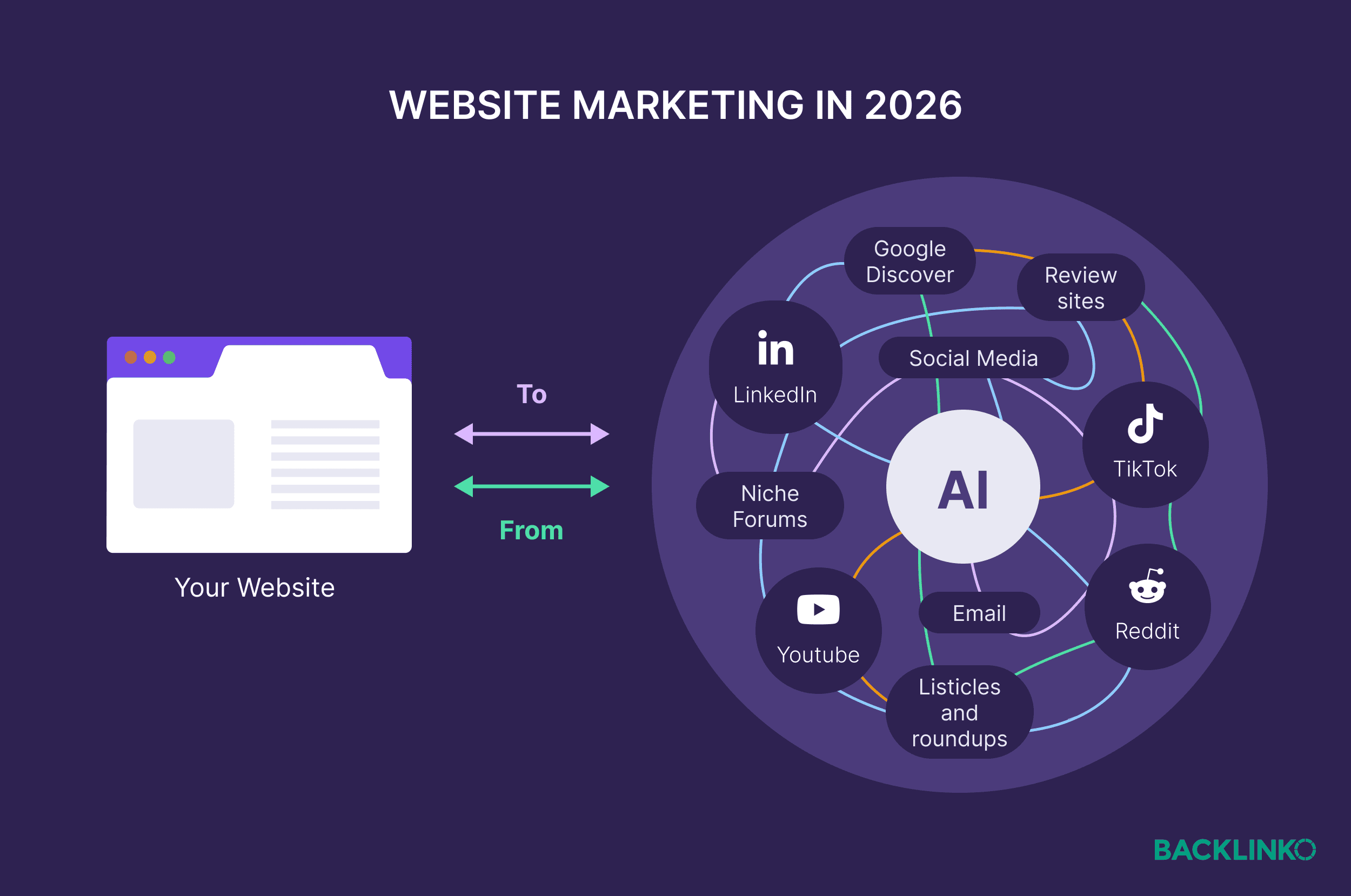
Website marketing has undergone a fundamental transformation. For years, the conventional wisdom was simple: build a high-quality website, optimize it for search engines, and drive traffic directly to your landing pages. In 2026, that linear path is no longer the standard. The modern customer journey is fragmented, complex, and increasingly occurs in digital spaces far beyond the reach of your own domain.

Today, your website is the anchor, but it is no longer the starting point. By the time a prospect clicks on your link, they have often already vetted your brand through AI-driven research, scrutinized your reputation on Reddit, and weighed your social media presence. If you are not visible and credible in these external arenas, your website is effectively invisible to a vast segment of your target audience.
The Shift: Why the Traditional Funnel is Failing
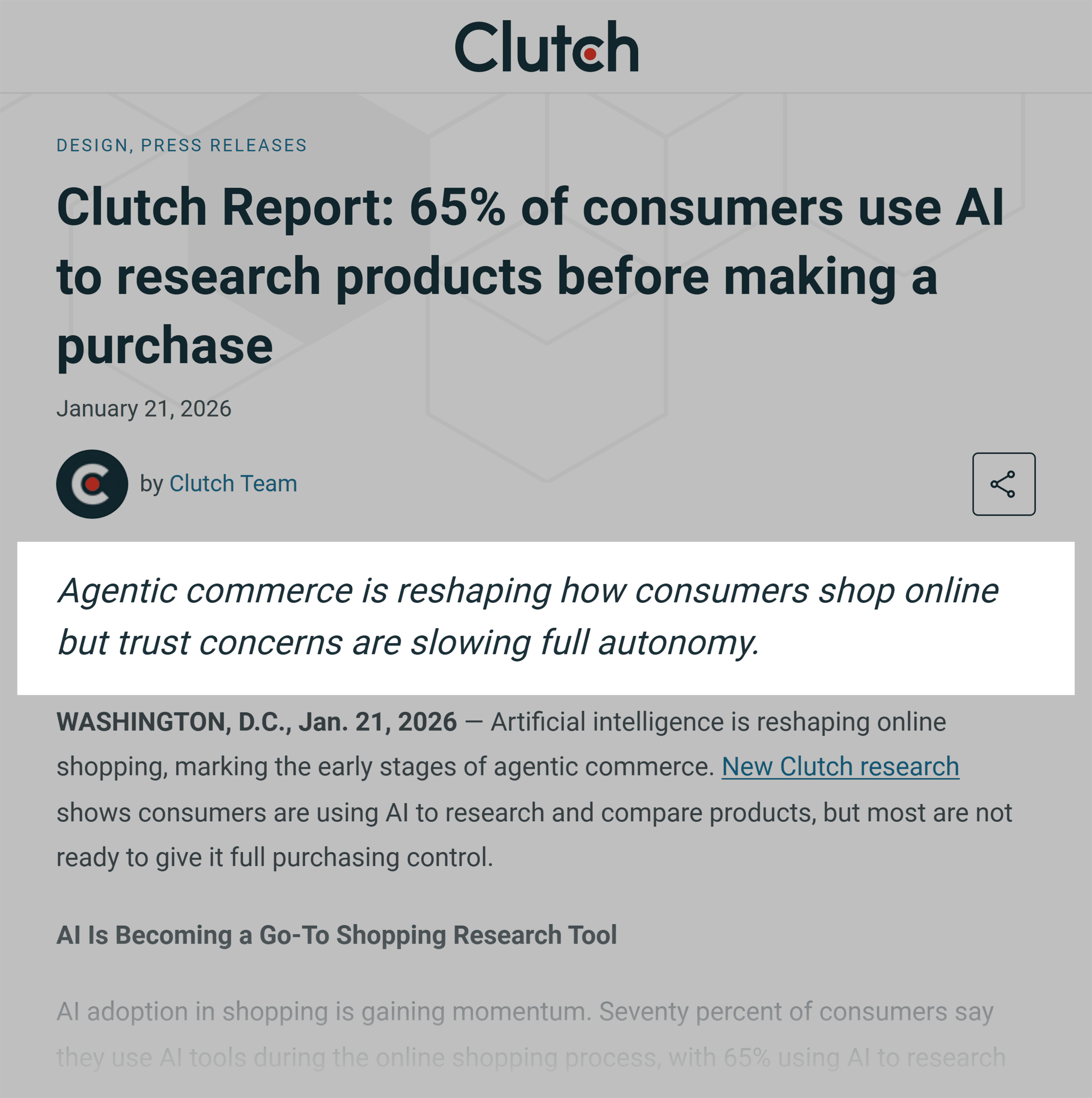
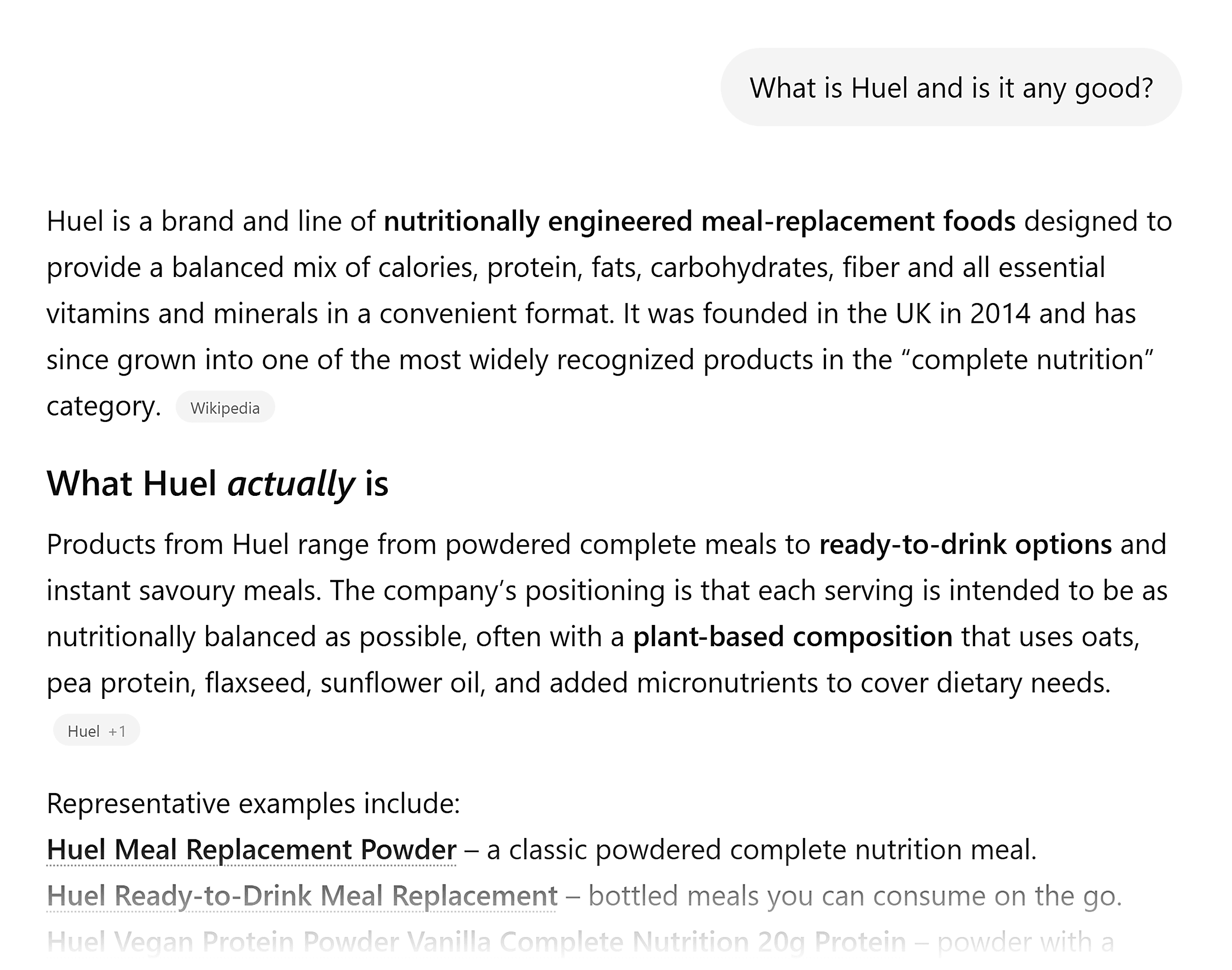
The democratization of information through AI tools and community-driven platforms has changed buyer behavior permanently. According to recent data from Clutch Research, over 65% of consumers now use AI agents to conduct product research before visiting a company’s website. This means the "first impression" of your brand is often synthesized by an LLM rather than encountered through your carefully crafted homepage.
This shift necessitates a departure from "site-first" marketing. Instead, businesses must adopt an ecosystem-wide approach. If you manage to establish a presence where your customers naturally congregate, they will arrive at your website already primed, informed, and—most importantly—trusting of your brand. This leads to higher intent, lower bounce rates, and significantly improved conversion metrics.
1. Positioning for AI and Human Discovery
To win in 2026, you must engineer how the internet perceives and describes your brand. Because AI models aggregate information from across the web to answer user queries, your brand messaging must be consistent across every digital touchpoint.
Chronology of Brand Messaging
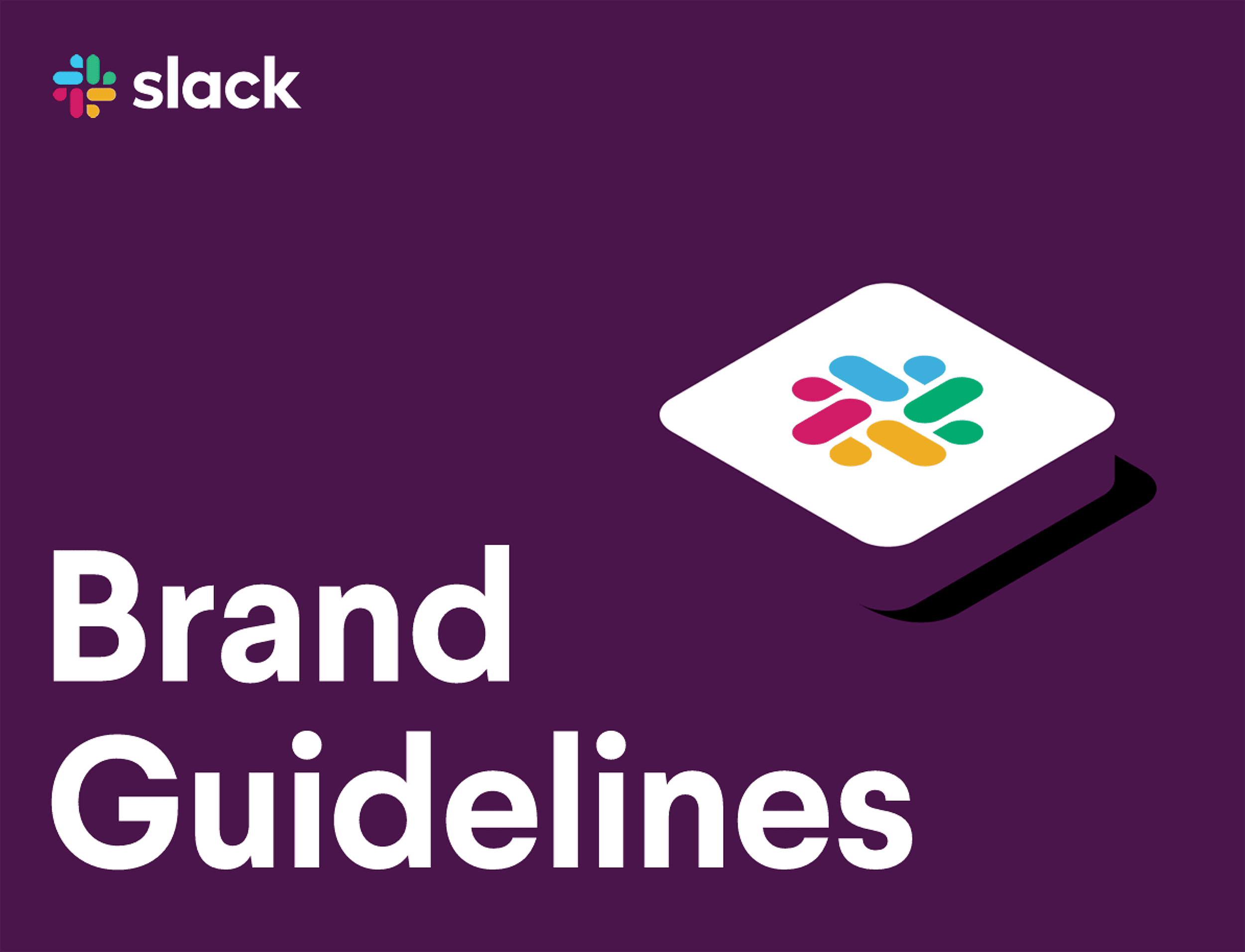
Establishing a unified brand voice is no longer optional; it is a technical necessity for SEO. Your brand messaging strategy should be a living, documented guide that defines:
- Core Value Proposition: The specific problem you solve.
- Key Differentiators: Why you are the superior choice.
- The "Shared Language": The exact terminology you want associated with your products.
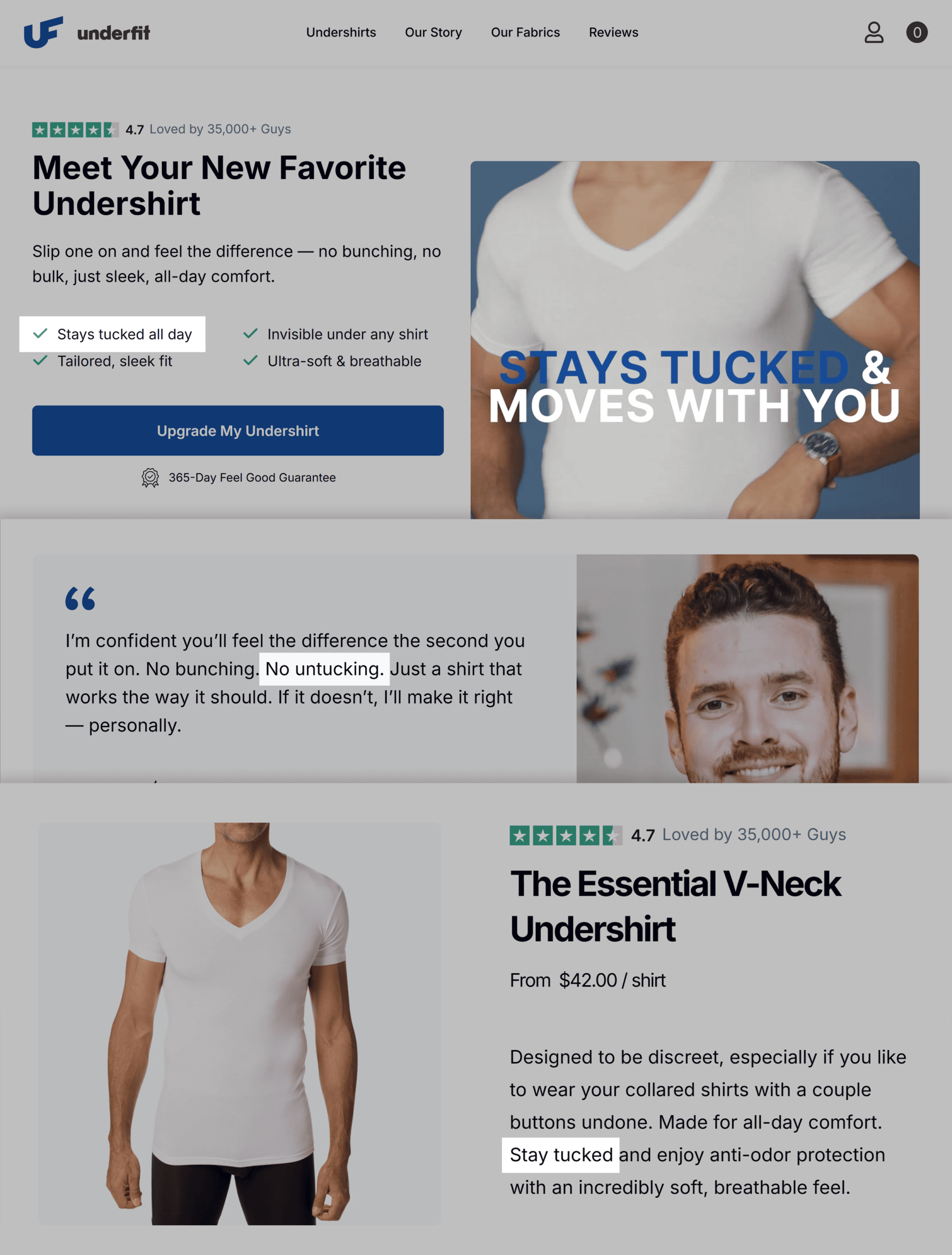
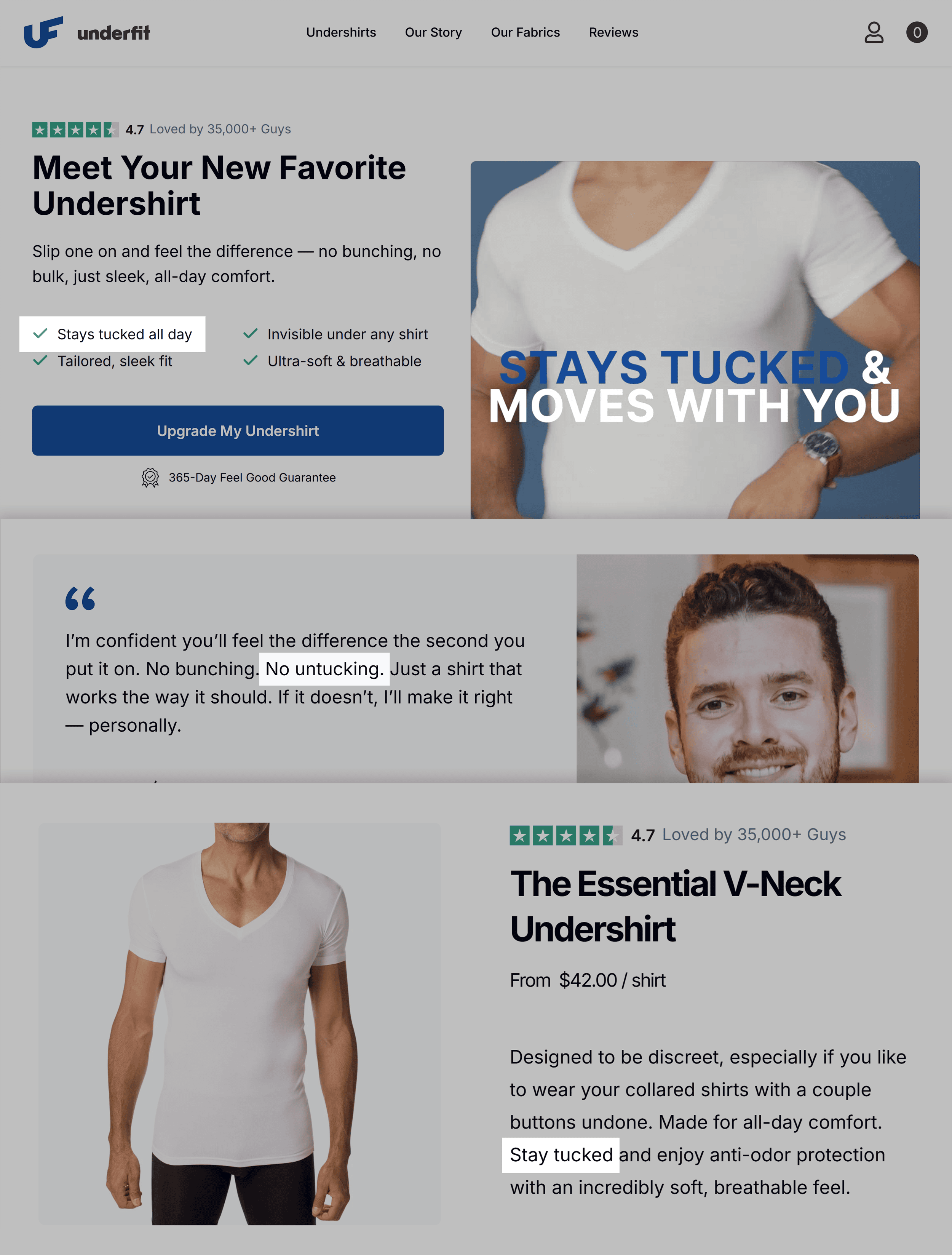
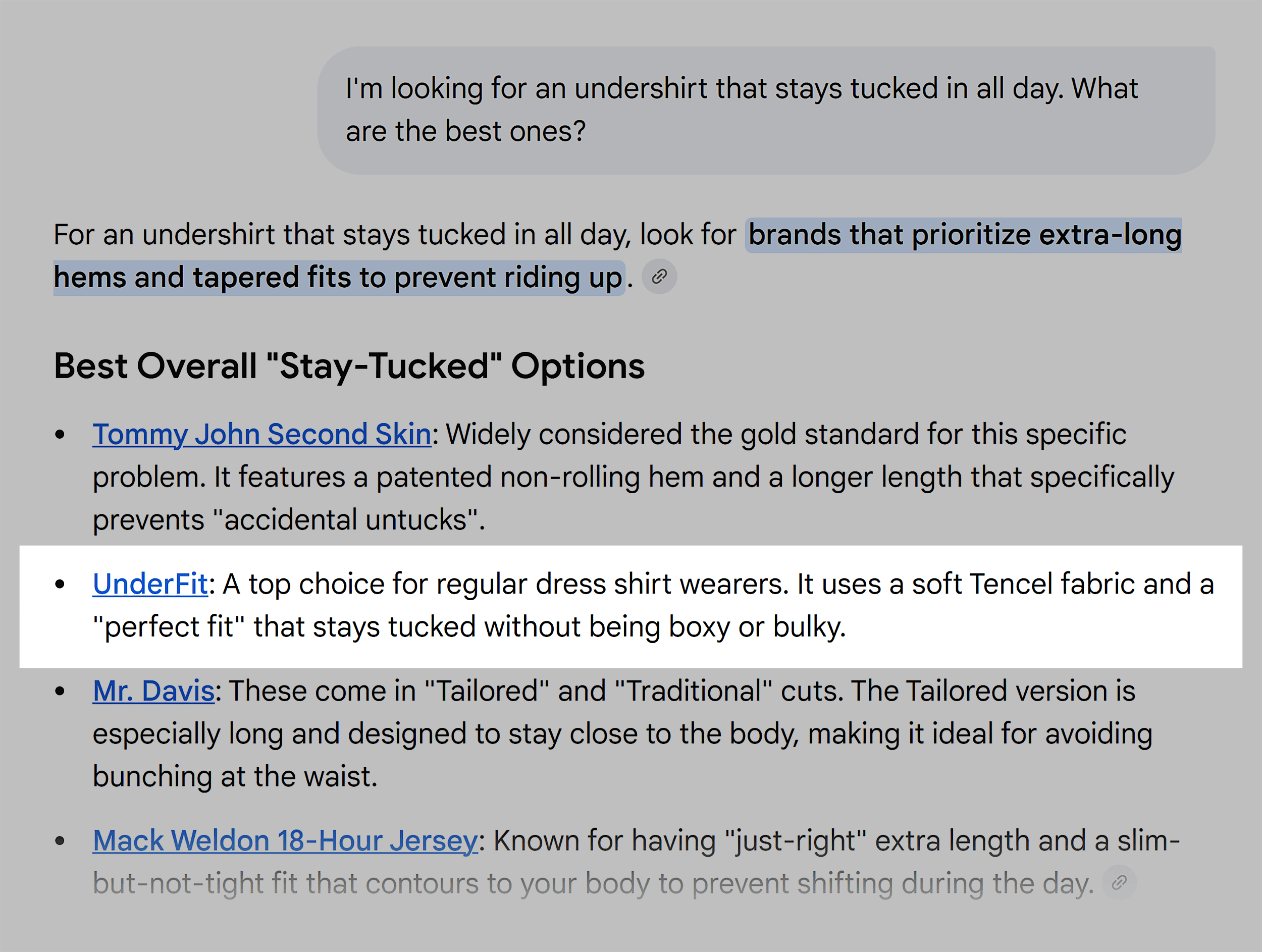
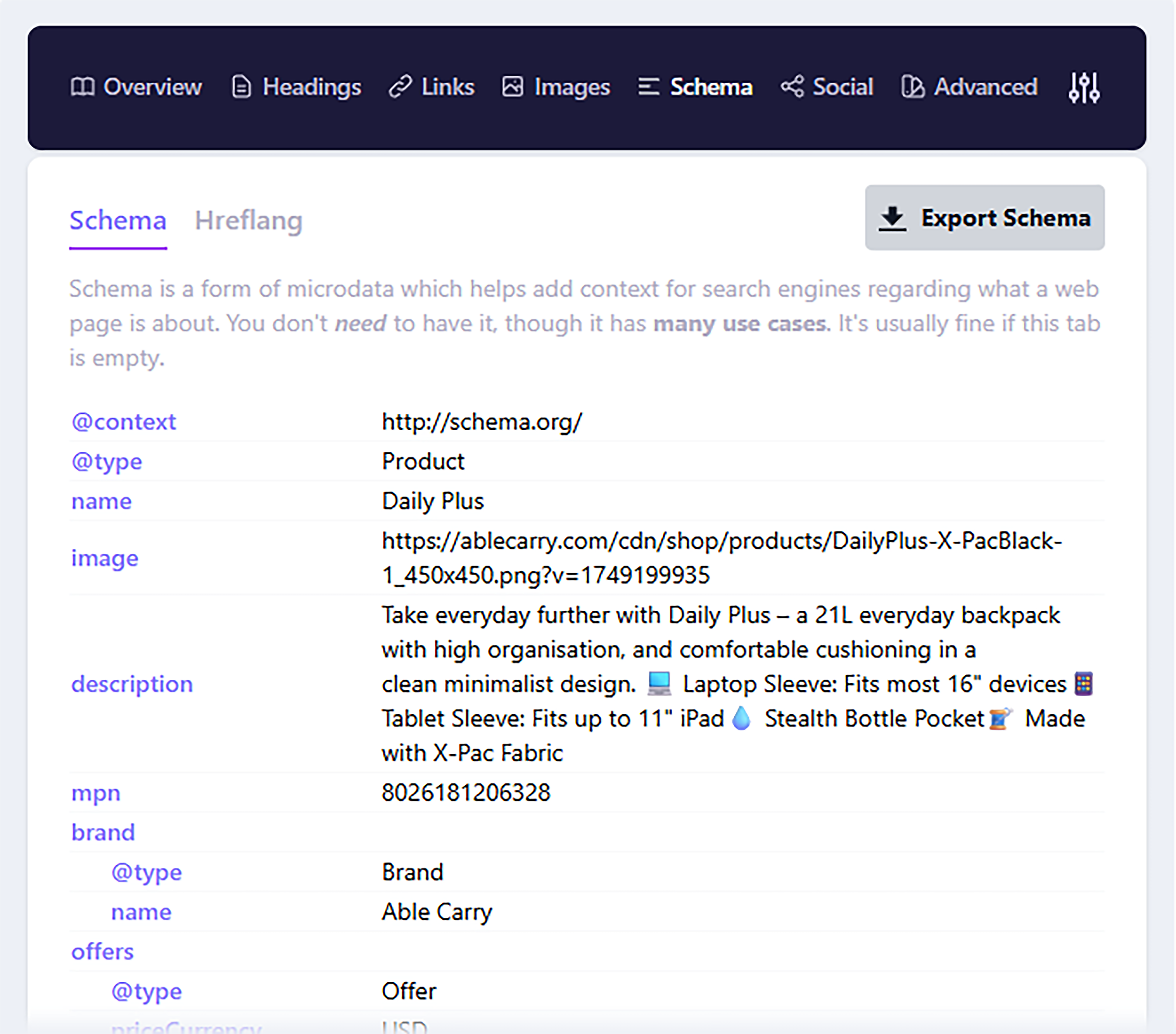
Consistency acts as a signal to search engines and LLMs. When your messaging is repeated across reviews, third-party roundups, and social media, it creates an "association graph." For instance, an ecommerce brand like UnderFit has successfully associated their undershirts with the specific benefit of "staying tucked all day." By repeating this phrase in every community mention and review, the brand ensured that when users asked AI tools about "no-untucking shirts," UnderFit was the primary recommendation.
2. Structural Integrity: Designing for Humans and LLMs
While external visibility is critical, your website must be architecturally sound to capitalize on the traffic you bring in.
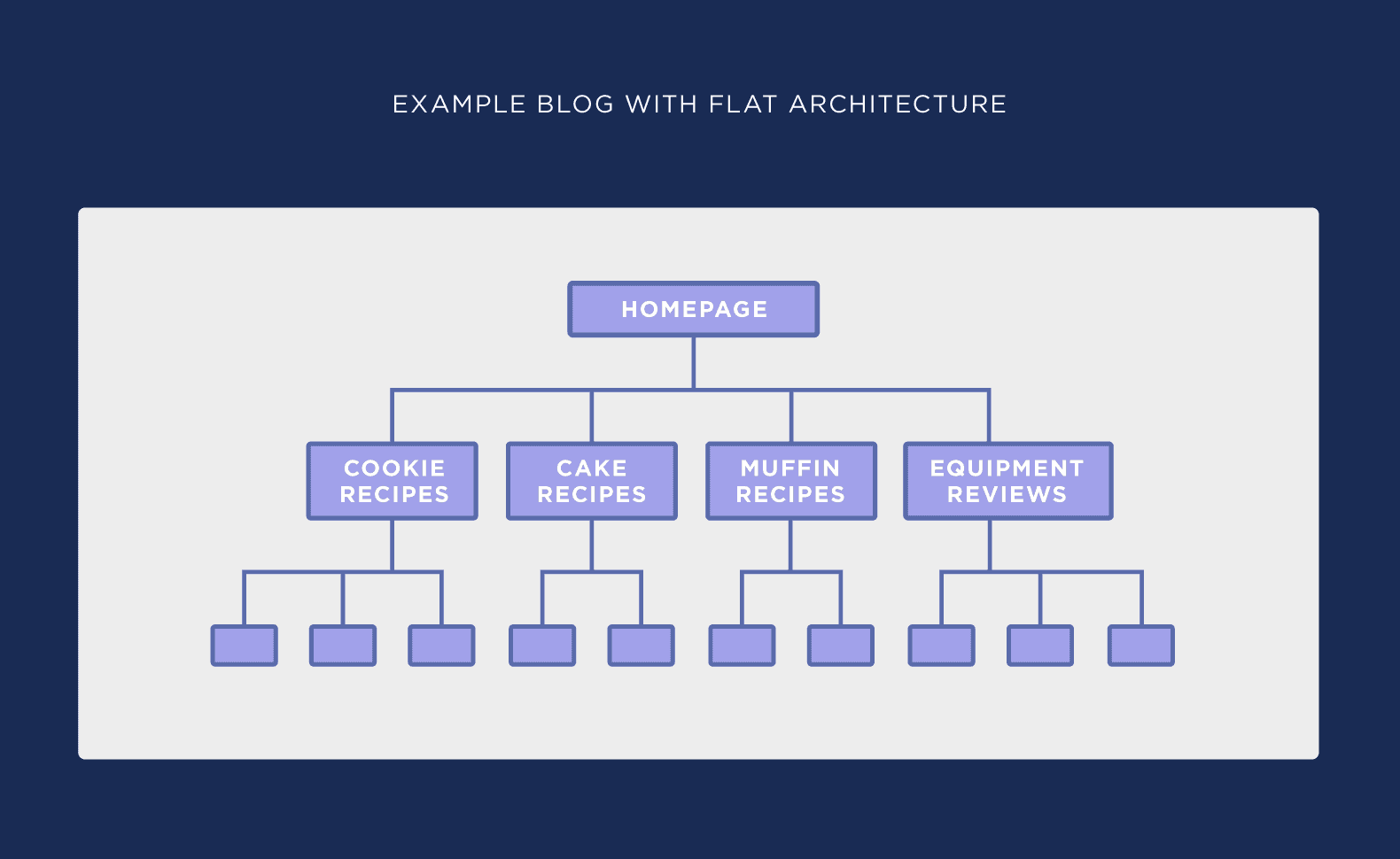
Modern Website Architecture
In 2026, "flat" architecture remains the gold standard. By ensuring that any page on your site is accessible within three clicks from the homepage, you make it easier for both human users to navigate and for search crawlers to index your content hierarchy.
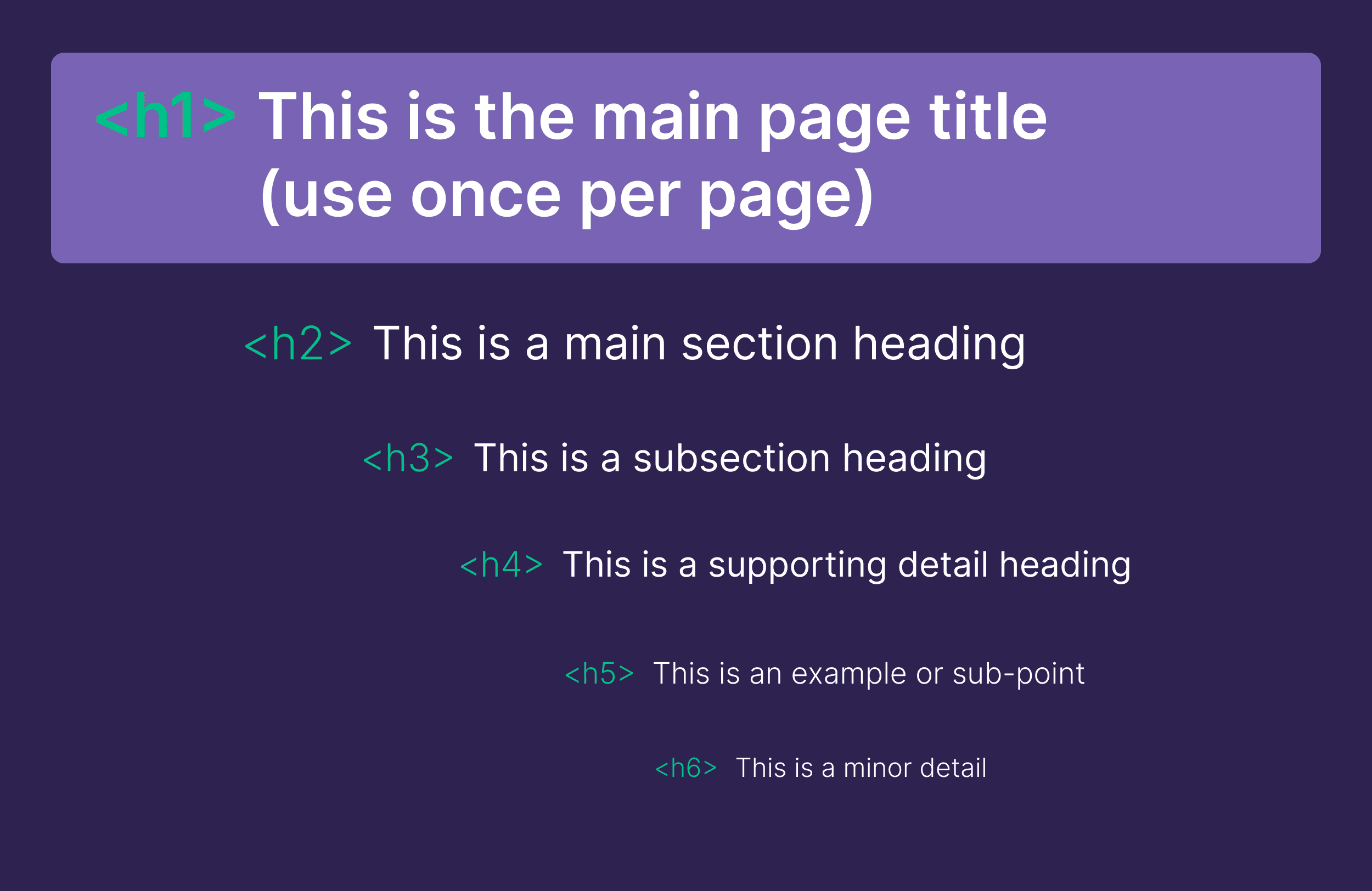
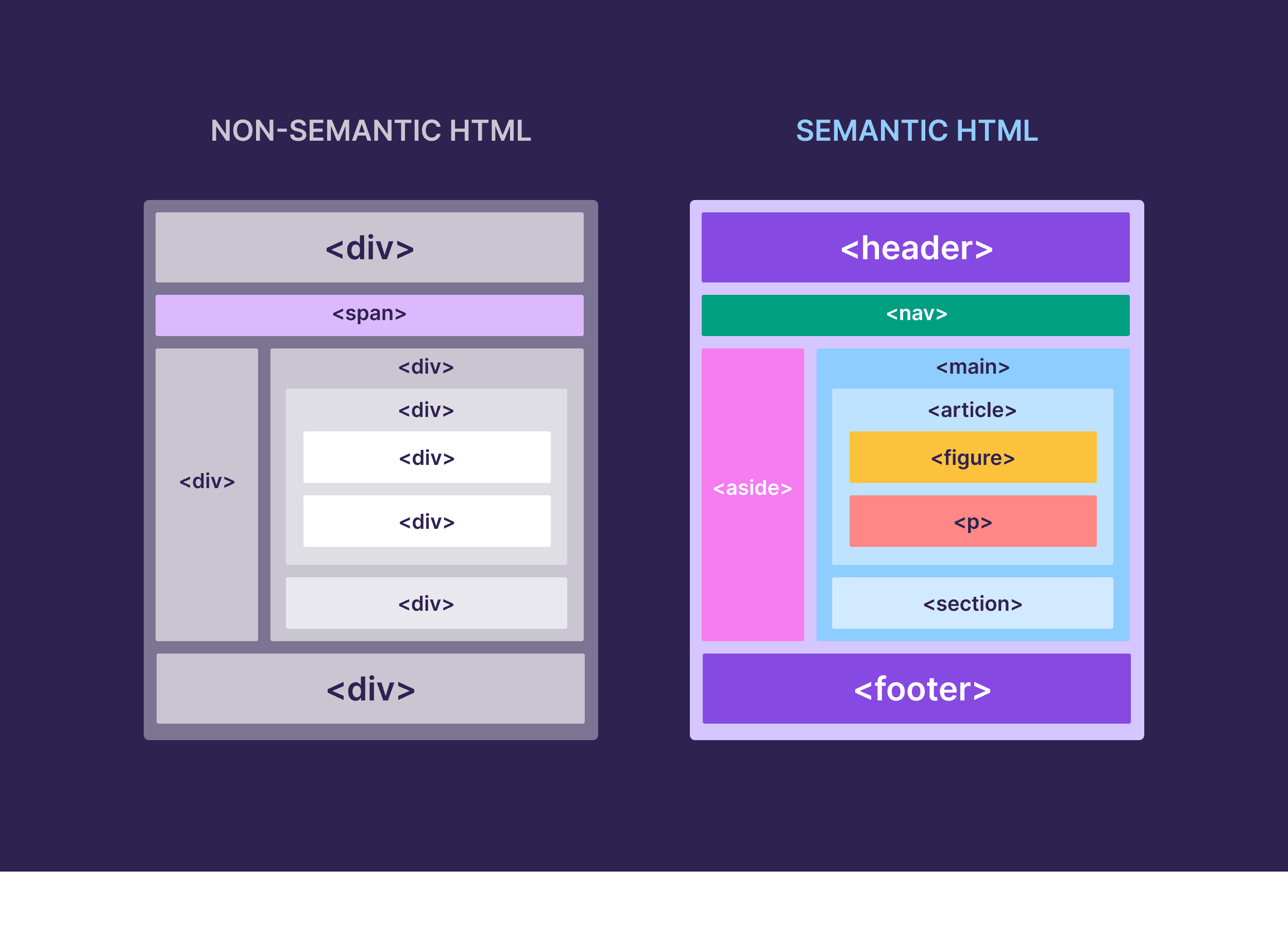
Beyond structure, semantic HTML is the language of modern search. Utilizing proper H1, H2, and H3 tags, combined with lists and section elements, allows LLMs to "parse" your content effectively. If an AI cannot distinguish between your primary value proposition and a peripheral blog sidebar, your ranking potential in AI-generated search results will suffer.
The Role of Proof Assets
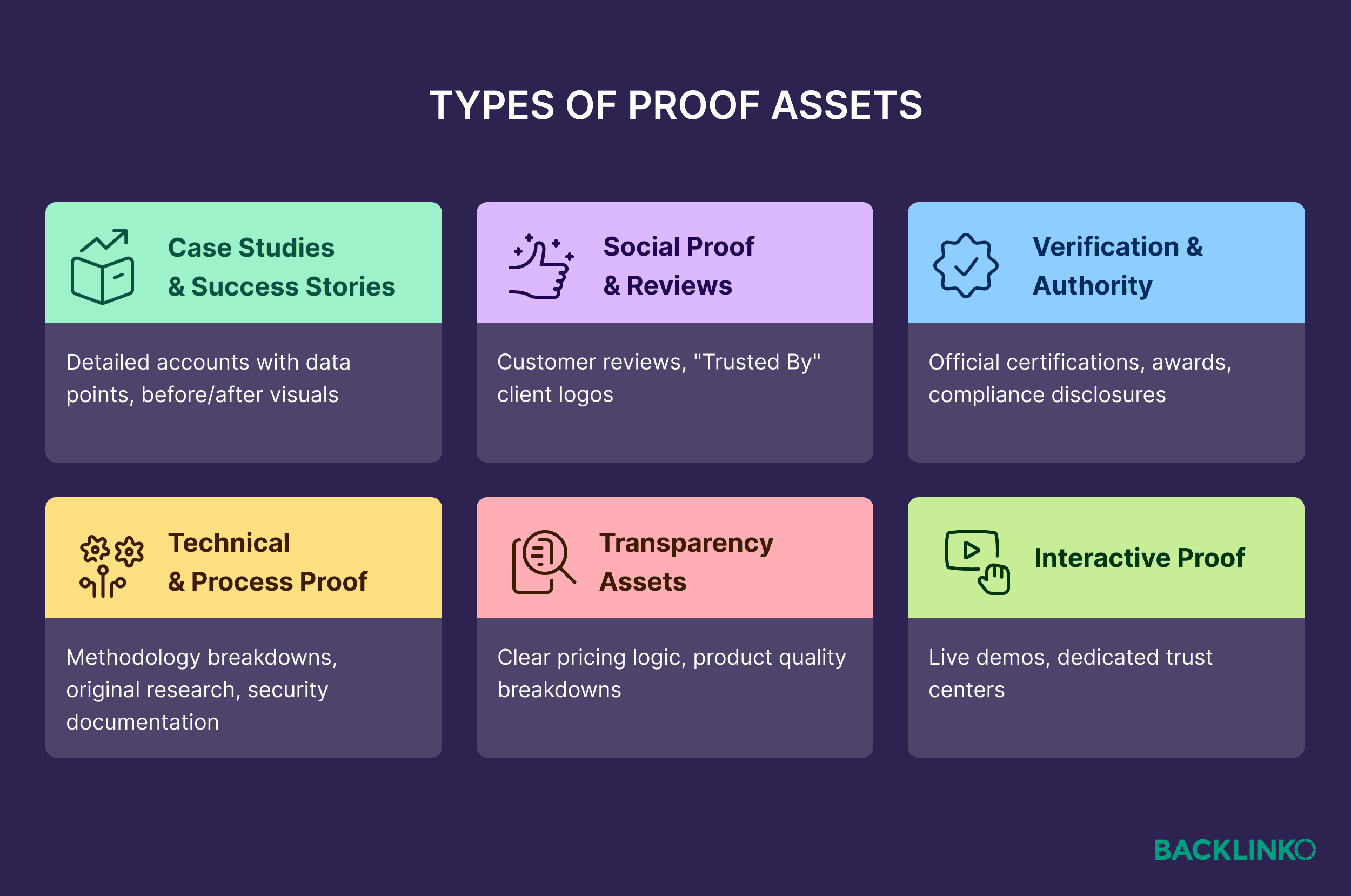
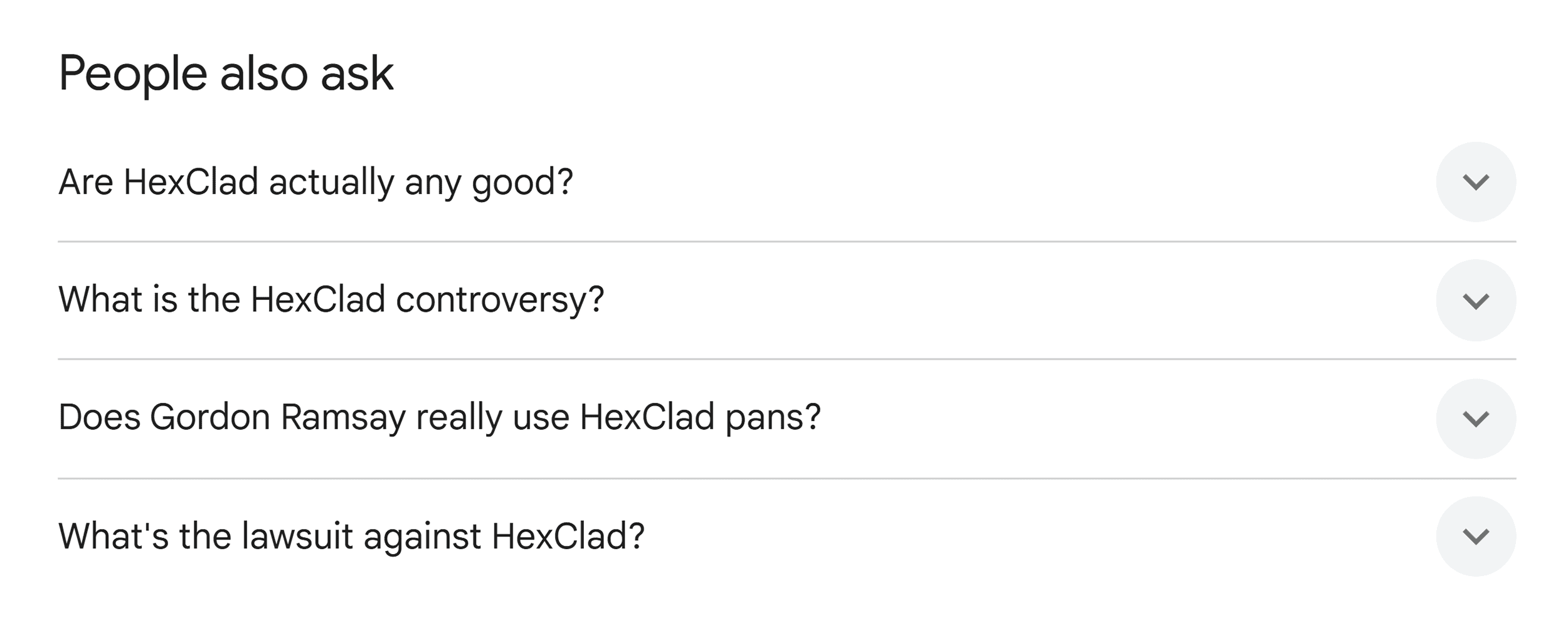
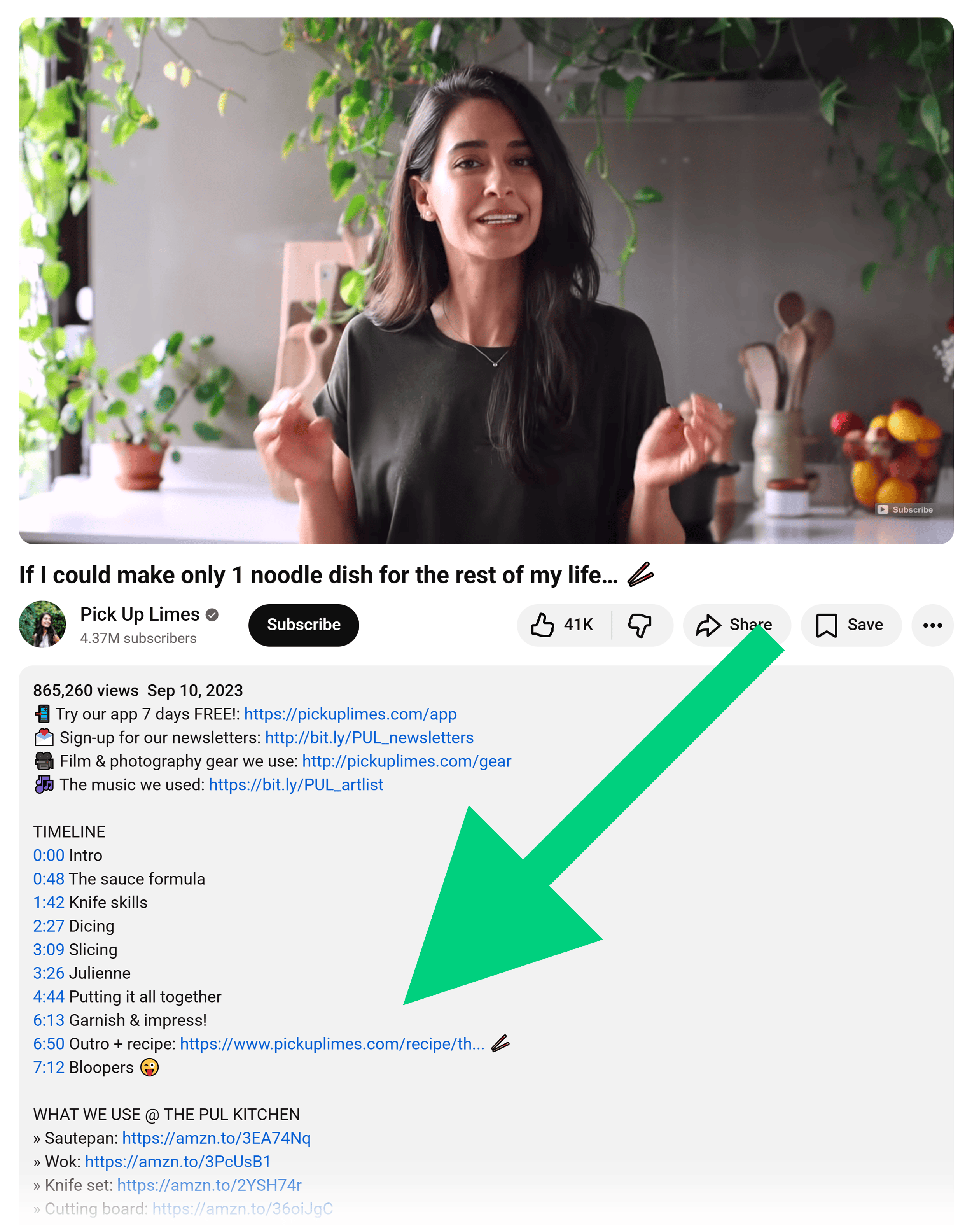
Proof assets—case studies, uptime data, security certifications, and verified reviews—are the evidence required to validate your claims. If you are unsure which proof points matter most, use the "People Also Ask" feature on Google. These questions represent the specific anxieties of your prospects. If they are asking, "Is [Brand] secure?" then your site must prominently display security certifications.
3. The Power of Video: Building Familiarity at Scale
Text can inform, but video creates a parasocial connection that builds deep-seated trust. By the time a viewer watches your long-form educational content, they feel they have already "met" you.
Long-Form vs. Short-Form
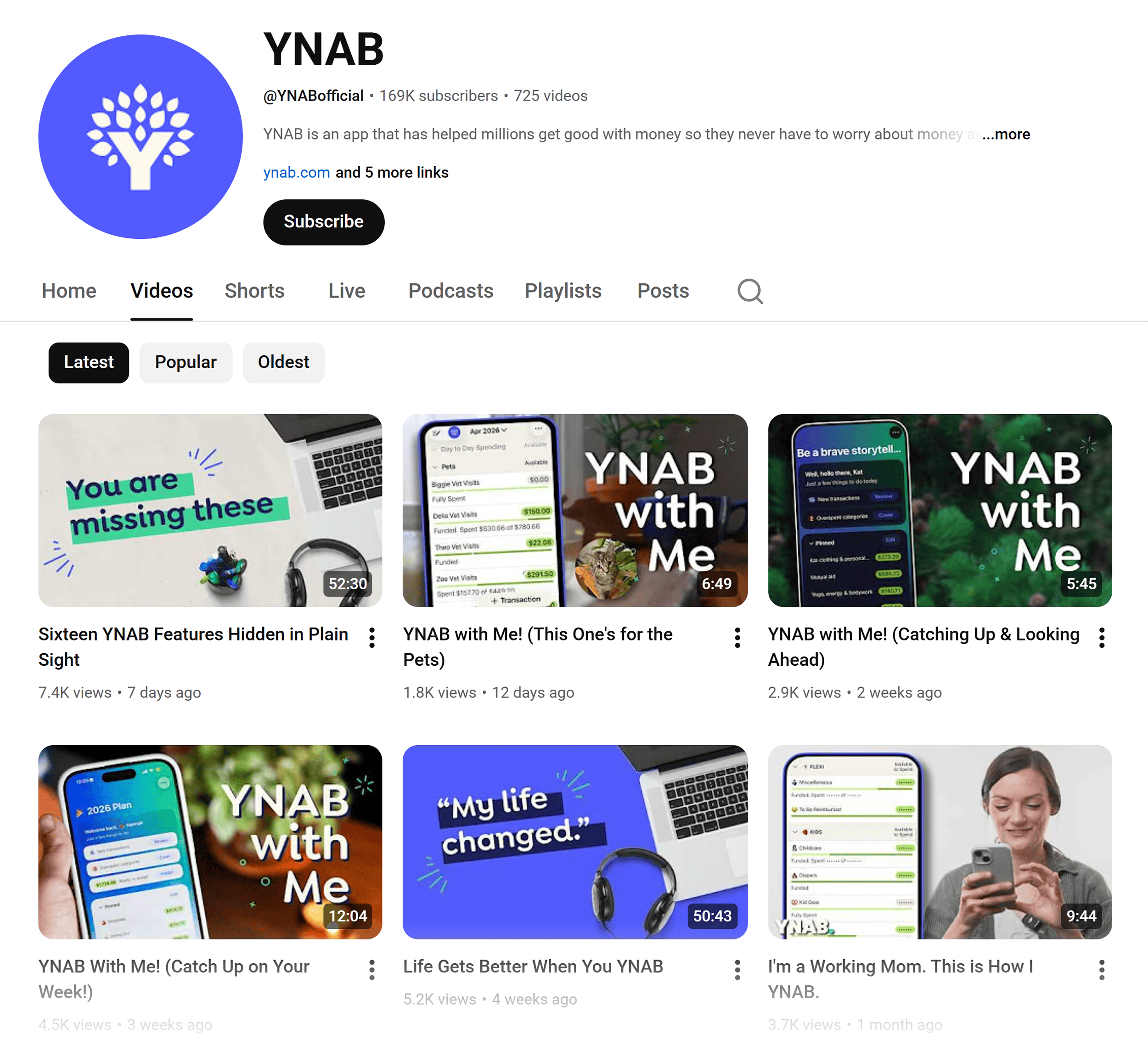
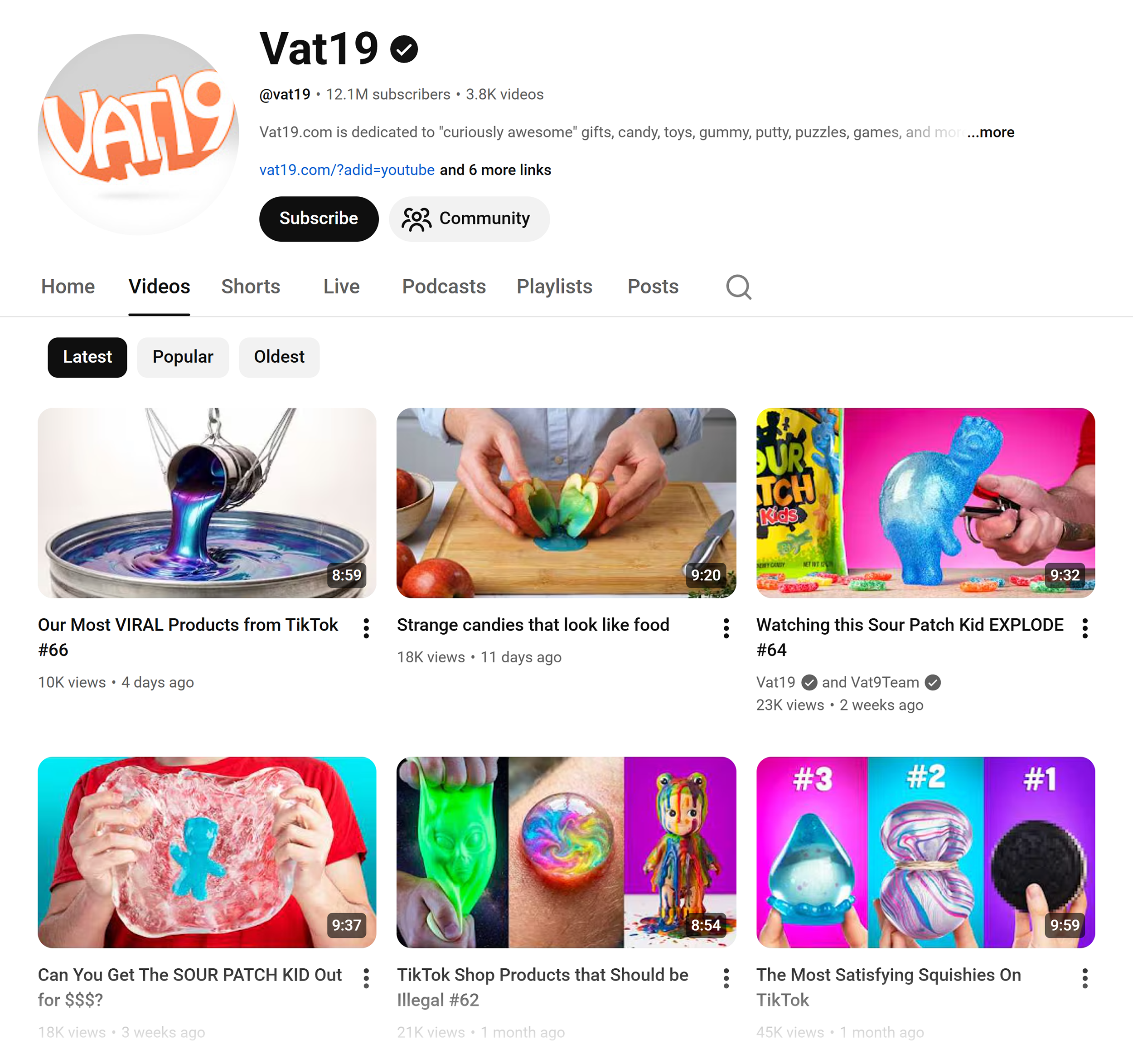
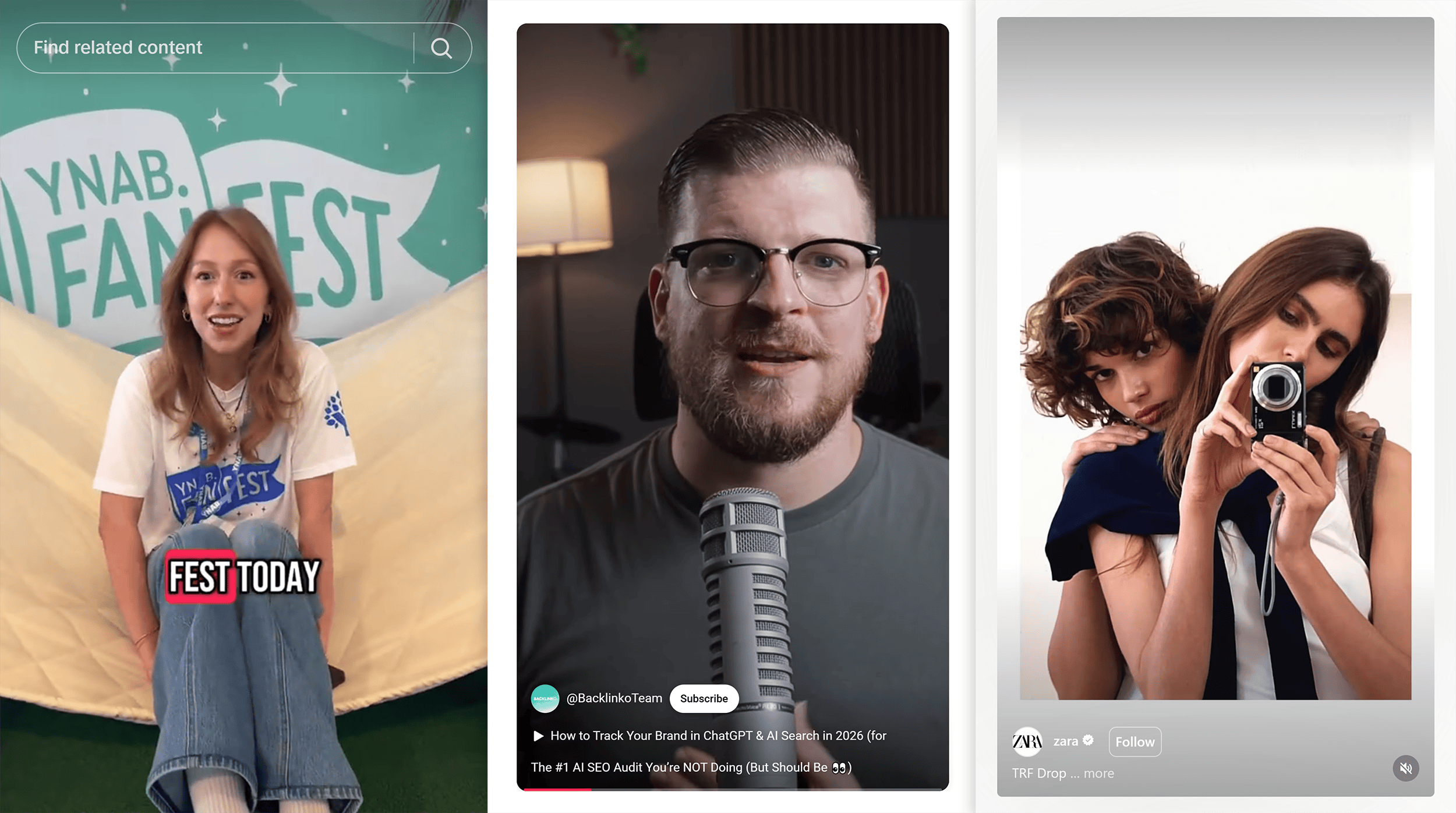
- Long-Form (YouTube): Best for establishing authority. Brands like YNAB have built massive empires by using YouTube to teach financial literacy. The key is creating "evaluative content"—videos that help the user compare options, understand the mechanics of your industry, and see your product in action.
- Short-Form (Reels, TikTok, Shorts): Best for repetition. The goal here is not deep education but brand recall. By answering one specific customer question per video, you build a library of "micro-solutions" that keep your brand top-of-mind.
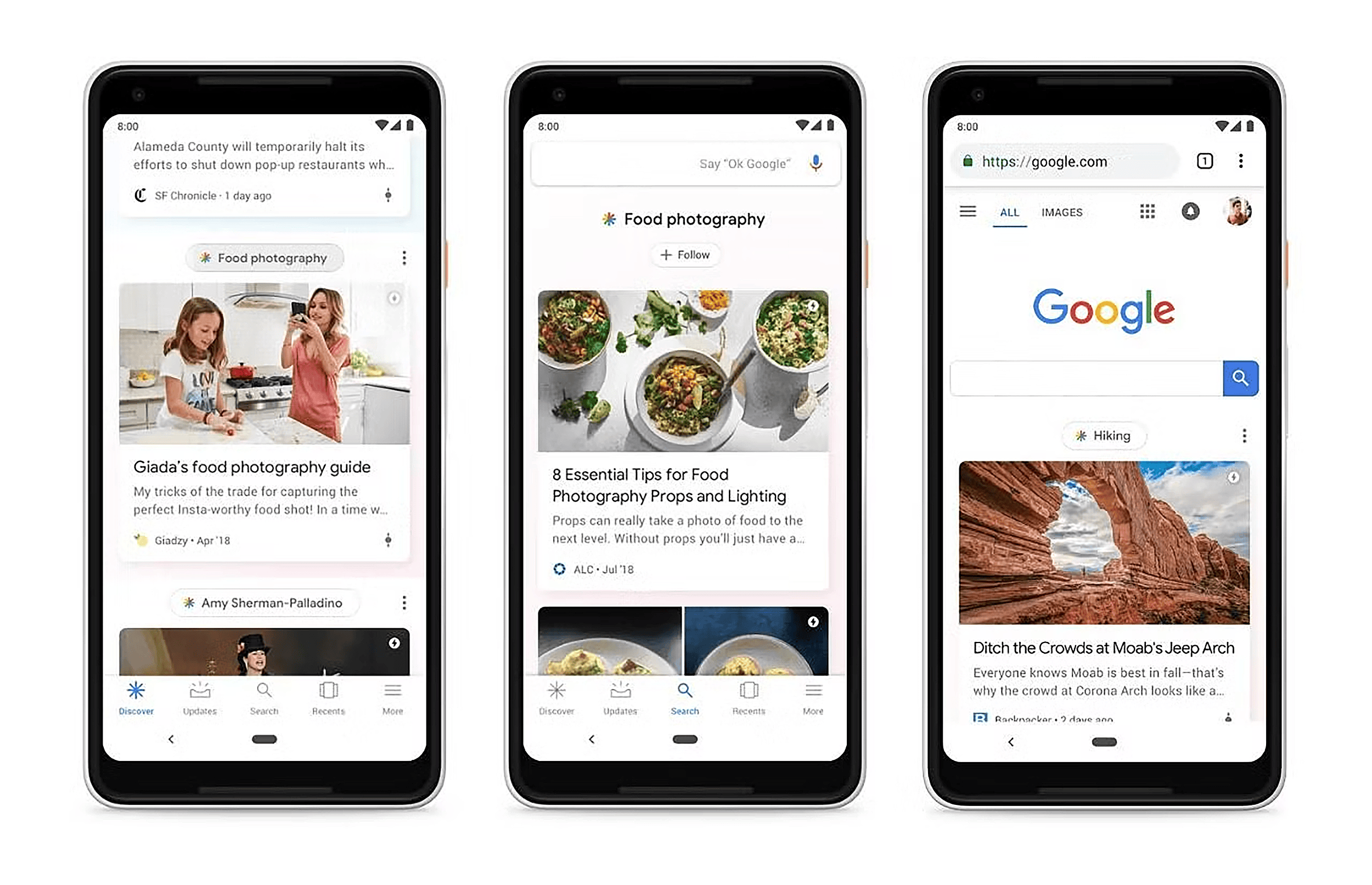
4. Capturing Google Discover Traffic
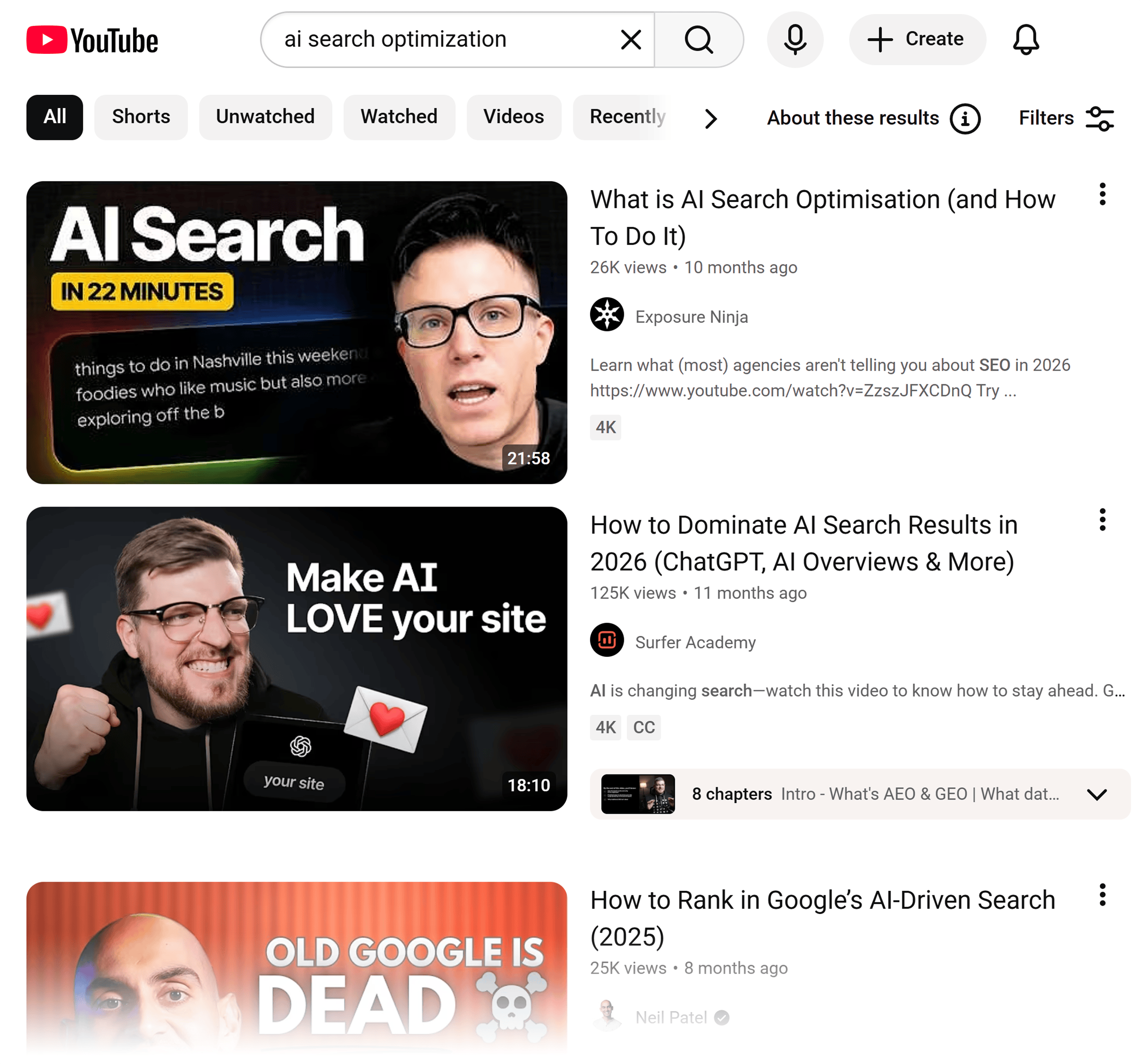
Google Discover is perhaps the most underrated traffic source of 2026. Unlike traditional search, which is intent-driven, Discover is interest-driven. It acts as an editorial feed that rewards high-quality, timely, and engaging content.
Optimization Strategies
To get featured in Discover, your content needs to feel like news, even if it isn’t "breaking" news. This requires a specific "Discover lane" in your content calendar. Focus on:
- Stakes and Tension: Headlines should imply a consequence.
- High-Quality Visuals: Use featured images that are at least 1200px wide.
- Mobile Skimmability: If it doesn’t look good on a phone, it won’t make it to the feed.
5. Conversion in a "Zero-Click" World
As search engines provide more answers directly on the results page, the traffic that reaches your site will be more qualified than ever. You must prioritize "Revenue per Visitor" (RPV) over sheer volume.
Reducing Friction and Anxiety
Conduct a conversion audit focusing on two variables:
- Friction: Technical barriers (slow load times, broken links) that make it hard for a user to complete an action.
- Anxiety: Psychological barriers (lack of testimonials, unclear return policies, vague pricing) that make a user hesitate.
Behavioral targeting via email is the final piece of the puzzle. If a user visits your pricing page but does not convert, a trigger-based email offering a relevant case study or a limited-time consultation can often be the nudge that secures the sale.
6. Community Engagement: The Human Premium
The "human premium" is the value people place on real, authentic interactions. In an AI-saturated market, showing up in niche communities—such as Reddit, Discord, or industry-specific forums—as a helpful contributor is a massive competitive advantage.
The Strategy of Participation
Never join a community to sell. Join to contribute. Observe for two weeks, note the common pain points, and then begin answering questions as a professional expert. When the founder or a senior employee of a brand engages in a Reddit thread to solve a user’s problem without a sales pitch, it builds a level of credibility that a billion-dollar ad campaign cannot replicate.
7. Intelligent Repurposing
Repurposing is not about cloning content; it is about reinforcing the ideas that have already proven to resonate. Use tools like Claude Artifacts to take a high-performing blog post and instantly generate a 10-slide carousel for LinkedIn, a video script for YouTube, and a series of social media threads.
By validating your ideas with small-scale tests (like an X post) before committing to a full-scale production (like a webinar or long-form article), you ensure that your team’s effort is always directed at the ideas most likely to drive growth.
Summary: Marketing in 2026
The era of siloed website marketing is over. Success in 2026 requires a holistic approach where your website, your community presence, your video strategy, and your search optimization work in perfect lockstep. By positioning your brand as a helpful, visible authority across the entire digital ecosystem, you ensure that when the user is finally ready to click, they are already convinced that your brand is the only logical choice.