





By Tech Desk Analysis
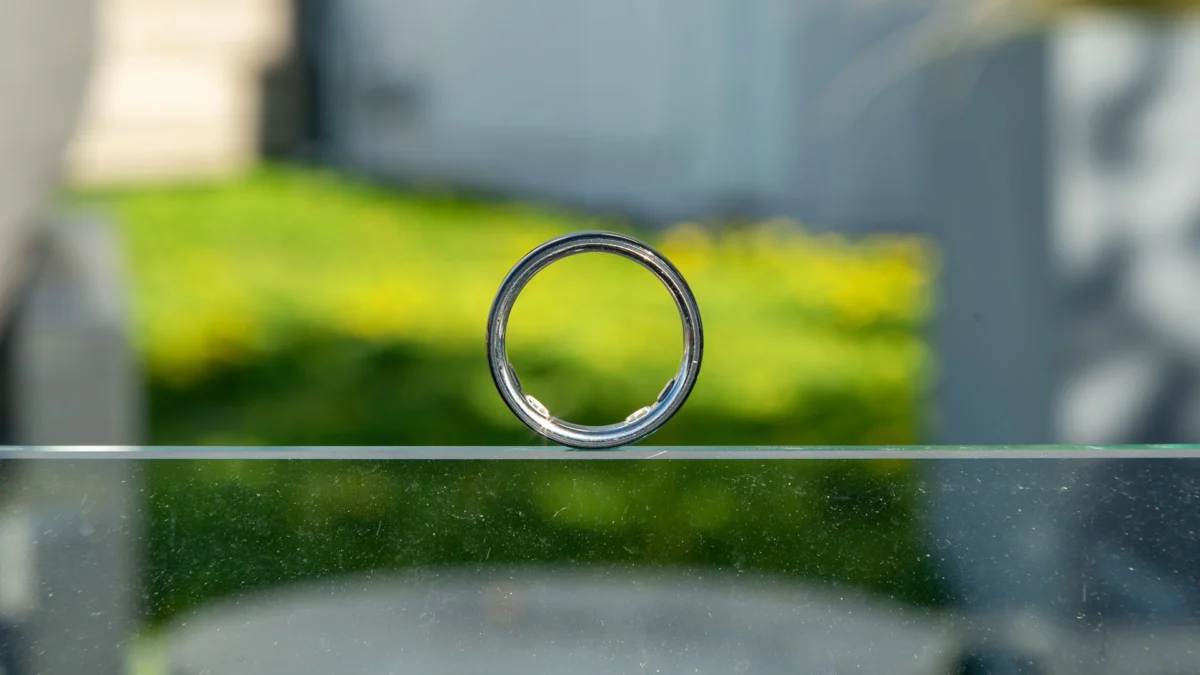
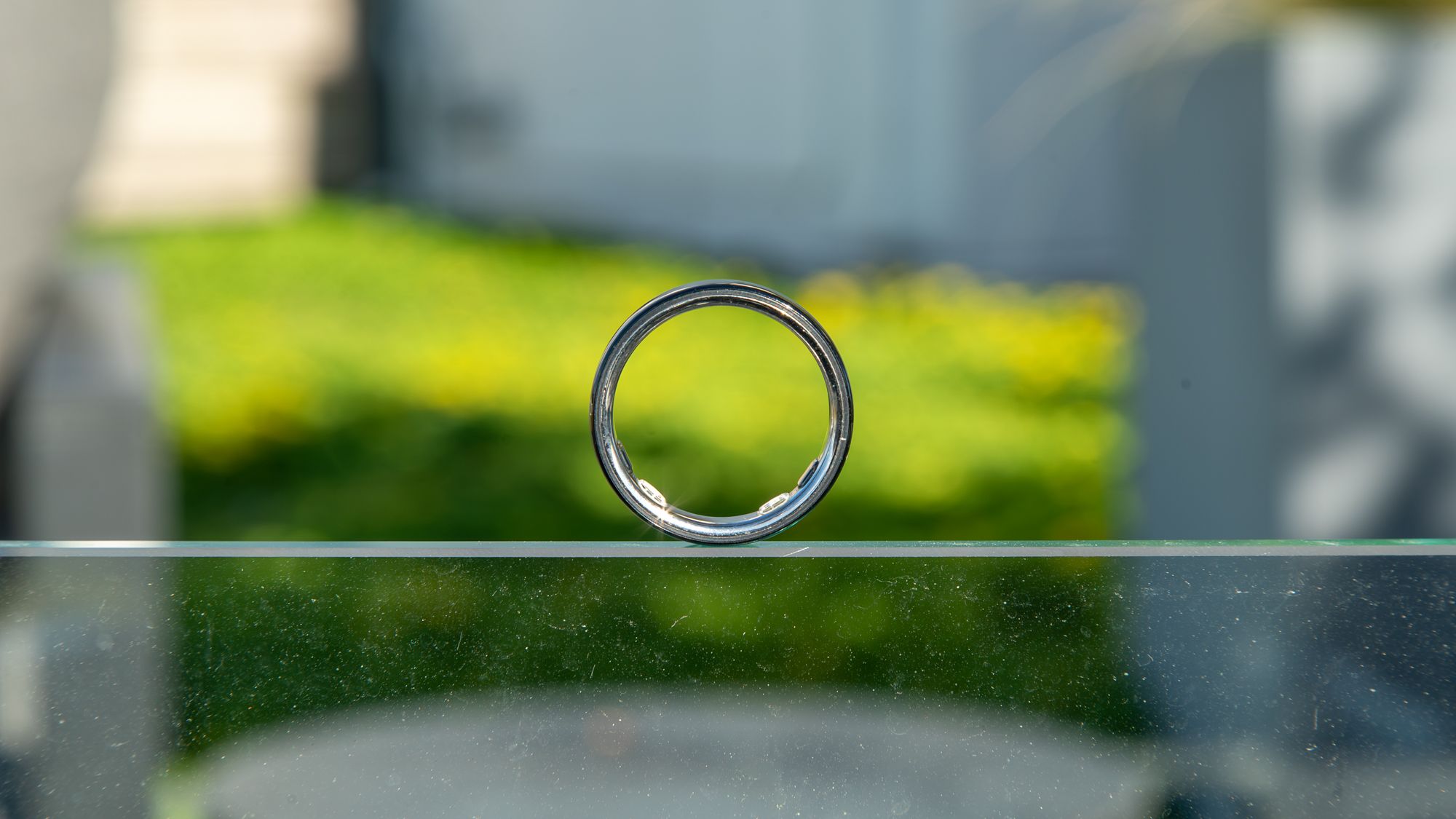
The high-stakes battle for dominance in the smart ring market has taken another aggressive turn. Wearable technology pioneer Oura has initiated a fresh round of legal action against its chief rival, Ultrahuman, setting the stage for a bitter courtroom showdown. At the heart of the latest dispute is Ultrahuman’s flagship device, the Ring Pro, which Oura alleges infringes upon newly secured patents regarding internal hardware design and structural components.
The lawsuit threatens to derail Ultrahuman’s hard-fought efforts to re-establish a foothold in the lucrative United States market following previous regulatory and import hurdles. As both companies double down on aggressive legal strategies and rapid product innovation, the broader wearable tech industry watches closely. This latest conflict highlights not just a battle over intellectual property, but a philosophical war over monetization models, consumer choice, and the global expansion of health-tracking technology.
Main Facts: The Core of the New Lawsuit
The legal complaint, filed in late October 2026, alleges that Ultrahuman’s Ring Pro directly violates Oura’s intellectual property portfolio. Specifically, Oura claims that the rival device improperly mimics its proprietary design and internal architecture—most notably involving curved batteries, specialized circuit boards, internal magnets, and sensor configurations.
This latest legal maneuver follows a string of hostilities between the two companies. Oura’s legal representatives maintain a hardline stance, pointing to a previous 2025 International Trade Commission (ITC) ruling that found against Ultrahuman. In a statement regarding the new filing, an Oura spokesperson didn’t mince words:
"Ultrahuman has a history of copying Oura’s innovations, as demonstrated by the 2025 ITC ruling against the company. Ultrahuman introduced a redesigned ring but failed to address continued infringement of Oura’s patents."
Beyond seeking injunctions to halt the distribution and sale of the offending hardware, Oura is also pursuing significant monetary damages. The timing of the lawsuit has raised eyebrows across the tech sector: Oura was officially granted the primary internal-component patent in question (Patent No. 12,769,363) on October 20, and filed its lawsuit against Ultrahuman just two days later, on October 22.
Chronology of Conflict: A History of Tit-for-Tat Litigation
To understand the volatile nature of the current legal battle, one must examine the escalating timeline of hostility between Oura and Ultrahuman over the past several years.
- Pre-2025: Oura dominates the Western smart ring market with its Oura Ring iterations, pioneering the form factor while simultaneously drawing consumer debate for its locked feature sets and mandatory monthly subscription model. Meanwhile, Ultrahuman positions itself as a fierce competitor, offering robust health tracking via its PowerPlugs ecosystem without a subscription paywall.
- 2025 (The ITC Ruling and Counter-Suit): Oura successfully pressures competitors through regulatory channels, leading to an ITC ruling that impacts Ultrahuman’s ability to smoothly import and sell products in the United States. In retaliation, Ultrahuman fires its own legal salvo, suing Oura and accusing the market leader of ripping off patented smart ring technology with the launch of the Oura Ring 4. Ultrahuman targets Oura’s sleep-tracking algorithms, circadian rhythm tools, and women’s health features—domains Ultrahuman claims it pioneered.
- Mid-2026 (The Ring Pro Launch): Desperate to bypass U.S. import bans and recapture American consumers, Ultrahuman develops the Ring Pro. Boasting a staggering 15-day battery life and integration with its bio-intelligent "Jade AI," the device serves as the company’s strategic vehicle for a U.S. market comeback.
- October 20, 2026: The United States Patent and Trademark Office formally grants Oura a critical new patent covering internal smart ring components, including curved batteries, micro-circuit boards, and miniature sensor arrays.
- October 22, 2026: Capitalizing on the newly minted intellectual property, Oura files a fresh lawsuit against Ultrahuman in federal court, targeting the Ring Pro and seeking both damages and sales blockades.
Supporting Data & Market Context: Two Philosophies of Health Tech
While the courtroom battle focuses on millimeter-scale components like curved batteries and sensor placements, the war between Oura and Ultrahuman is fundamentally rooted in divergent business models and software ecosystems.
The Subscription vs. Open Ecosystem Divide
Oura has long anchored its financial success to a Software-as-a-Service (SaaS) model. While consumers purchase the physical ring hardware—ranging from the Oura Ring 4 to newer iterations—they must also maintain an ongoing monthly subscription to unlock advanced biometric insights, historical trends, and deep analytics.
Ultrahuman, conversely, has built its brand equity around open-access data and community-centric health metrics. Through its modular PowerPlugs system, users can customize their app experience without facing mandatory subscription walls for basic functionalities. When Ultrahuman filed its counter-suit against Oura in 2025, company executives stated that their primary goal extended beyond simple patent defense. They aimed to position Ultrahuman as a champion of open health data and a flagbearer for non-Western technological innovation on the global stage.
Rapid Product Evolution
Despite the legal dark clouds, Ultrahuman has maintained an aggressive feature-rollout schedule throughout 2026 to keep consumers engaged:
- HealthEx Integration: Ultrahuman partnered with HealthEx to bridge the gap between consumer wearables and institutional medicine. Users can now seamlessly sync official medical records directly into the Ultrahuman app, allowing them to compare real-time smart ring metrics against clinical laboratory data before doctor visits.
- Rapid Heart Scans: Rolling out in October 2026, the "Heart Scan" feature for the Ring Pro gives users a medical-grade snapshot of cardiac health metrics in just sixty seconds.
- Extended Battery Life: The Ring Pro’s engineering achievement—pushing battery life to an impressive 15 days on a single charge—remains a major selling point that outpaces many competitors in the endurance department.
Official Responses: What the Executives Are Saying
The leadership teams of both wearable giants have addressed the media, painting starkly different pictures of the litigation.
Oura’s executive team remains firm in its belief that intellectual property protection is vital for a company that invests heavily in research and development. By emphasizing past legal victories, such as the 2025 ITC decision, Oura aims to frame Ultrahuman as a persistent copycat that circumvents redesigns to exploit Oura’s foundational R&D.

On the other side of the ring, Ultrahuman Co-Founder and CEO Mohit Kumar has been vocal about the opportunistic nature of Oura’s latest legal strike. In an interview with TechCrunch, Kumar highlighted the suspicious timeline surrounding the patent’s issuance and the subsequent lawsuit:
"Oura has now chosen to assert different patents, including one that was issued just two days before this lawsuit was filed."
Despite the legal pressure, Kumar offered reassurance to domestic consumers and retail partners. He confirmed that current court rulings have not imposed an injunction or halted sales, meaning the Ultrahuman Ring Pro remains fully available for purchase by U.S. consumers as the legal battle plays out.
Industry Implications: What This Means for Consumers
The ongoing legal warfare between Oura and Ultrahuman carries significant ramifications for the broader wearable technology market.
- Chilling Effect on Competition: If Oura successfully utilizes freshly minted component patents to block rival hardware imports, it could create a virtual monopoly in the smart ring sector. Smaller startups and international firms attempting to enter the lucrative U.S. market may face insurmountable legal and financial hurdles.
- Innovation vs. Litigiousness: Critics of aggressive patent strategies argue that when companies spend more time in court over microscopic circuit board layouts than they do improving sleep algorithms or battery chemistry, innovation ultimately stagnates. Consumers benefit most when companies compete on features, battery life, accuracy, and pricing—not injunctions.
- The Future of Smart Ring Pricing: The clash highlights the tension between subscription-based hardware ecosystems and one-time purchase models. If Ultrahuman is forced out of Western markets, consumers lose a primary alternative to Oura’s subscription model, potentially driving up the long-term cost of ownership for smart ring users everywhere.
As the legal teams prepare their briefs and the courts weigh the merits of Patent No. 12,769,363, the smart ring industry stands at a crossroads. For now, the Ultrahuman Ring Pro remains on shelves, but the shadow cast by Oura’s legal machine ensures that the road ahead for the challenger brand will be anything but smooth.