
GLOBAL — In the modern landscape of independent work, relying on a single digital revenue stream has quietly become one of the most perilous career strategies a professional can adopt. While industry behemoths like Upwork remain foundational pillars of the digital economy, an escalating combination of platform fee adjustments, hyper-saturated talent pools, and unpredictable algorithmic policy changes has triggered a mass migration. Freelancers across software development, creative design, marketing, and copywriting are increasingly looking outward, diversifying their digital real estate to safeguard their professional futures.
Market analysts note that market volatility and shifting corporate hiring trends have accelerated this decentralization. Rather than seeking a direct "one-for-one" replacement for traditional marketplaces, today’s independent workforce is embracing a multi-channel ecosystem. By distributing their presence across specialized talent networks, curated remote job boards, and regional marketplaces, freelancers are building resilient careers capable of withstanding macroeconomic shifts.

The Shift Toward Diversification: Understanding the Fragility of Single-Platform Reliance
The Anatomy of Marketplace Fatigue
For over a decade, traditional freelance marketplaces acted as the primary gateway connecting independent contractors with global enterprises. However, the sheer volume of new registrations has created an environment of intense competition. For many skilled professionals, submitting proposals has begun to feel like shouting into a void, compounded by platform pricing models that take a significant percentage of hard-earned revenue.
When a single platform alters its terms of service, introduces new connection fees, or tweaks its search ranking algorithms overnight, a freelancer’s income can evaporate without warning. Consequently, industry veterans advocate for a portfolio career model—treating client acquisition much like an investment portfolio that requires careful risk management through asset allocation.

The Rise of Niche Ecosystems and Vetted Networks
As generalist platforms grapple with quality control and massive candidate volumes, the digital labor market has fragmented into targeted micro-ecosystems. Employers tired of sifting through thousands of generic applications are turning to curated talent networks that pre-screen professionals. Simultaneously, specialized job boards catering exclusively to specific industries—such as localization, design, or startup engineering—are reporting record engagement.
Chronology of the Remote Work Evolution
- Early 2010s: The normalization of remote work gives birth to early generation remote job boards and basic freelance marketplaces, primarily focusing on software engineering and basic digital tasks.
- Mid-2010s: Freelance platforms consolidate market share, introducing bidding systems, escrow protection, and standardized tiered fee structures.
- Late 2010s to 2020: Global lifestyle shifts and corporate acceptance of distributed teams cause an explosive surge in remote employment, forcing job boards to specialize by vertical and geographic region.
- Post-2020 to Present: Hyper-competition and rising platform fees drive an era of portfolio diversification. Freelancers routinely utilize three or more distinct sourcing channels, moving away from monolithic marketplaces toward curated networks and direct-to-client models.
Supporting Data: The Independent Workforce Landscape
Recent workforce analyses highlight the accelerating adoption of independent contracting. Freelancing is no longer viewed merely as a stopgap measure between traditional employment; it has matured into a permanent, structural component of the global labor force.
- Market Share Shift: While major platforms still host millions of accounts, traffic to alternative remote job aggregators and specialized talent networks has seen steady, compounding year-over-year growth.
- Client Preferences: Enterprise buyers increasingly favor platforms that offer pre-vetted talent, citing a reduction in onboarding friction and higher baseline work quality compared to open-bid marketplaces.
- Geographic Expansion: Non-US markets, particularly Latin America and Europe, are generating localized freelance infrastructure that rivals North American counterparts in transactional volume.
Official Industry Responses and Expert Insights
Industry leaders and veteran independent consultants emphasize that the goal of exploring alternative platforms is not necessarily to abandon mainstream giants entirely, but to build operational redundancy.
"Don’t look for one single replacement," advises veteran career strategists. "Look for multiple, uncorrelated sources of work. Some professionals thrive in structured marketplaces, while others build entire enterprises through niche job boards that most people have never heard of."
Staffing executives note that corporations are shifting away from anonymous bidding pools. Enterprises want transparency, direct communication channels, and verifiable skill verification. This corporate demand explains the rapid rise of vetting-first platforms and specialized community boards where reputation precedes application.
The Comprehensive Directory: 21 Curated Upwork Alternatives
Navigating the vast ecosystem of remote work platforms can be daunting. To help freelancers chart a strategic course, the following curated index categorizes twenty-one of the most effective alternative destinations for independent work, spanning broad remote boards, specialized creative hubs, and elite talent networks.
Broad Remote Job Boards and Aggregators
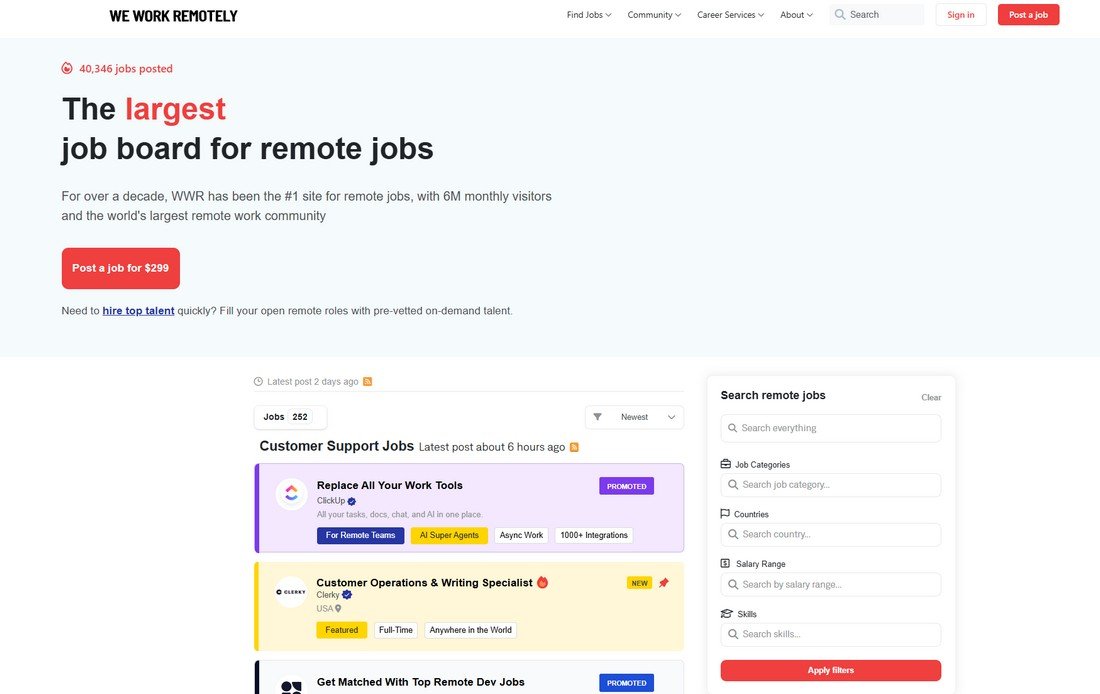
1. We Work Remotely
As one of the longest-standing remote job boards on the internet, We Work Remotely has earned a stellar reputation for attracting high-caliber listings from companies ranging from agile startups to multinational corporations. Even for those not actively searching for a contract, bookmarking this board provides a real-time pulse on global remote hiring trends.
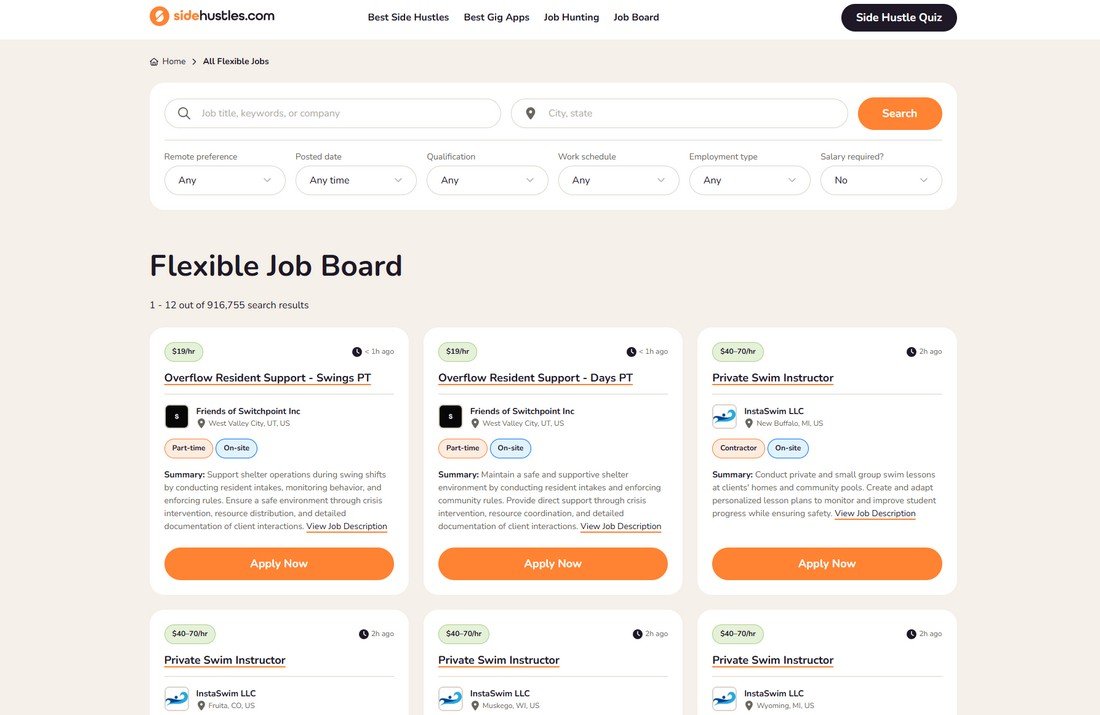
2. Side Hustles Job Board (Hustle Hub)
Designed specifically for professionals seeking flexible, project-based assignments, the Side Hustles Job Board focuses on attainable tasks and secondary income streams. It serves as an ideal staging ground for building a portfolio or supplementing primary client contracts.
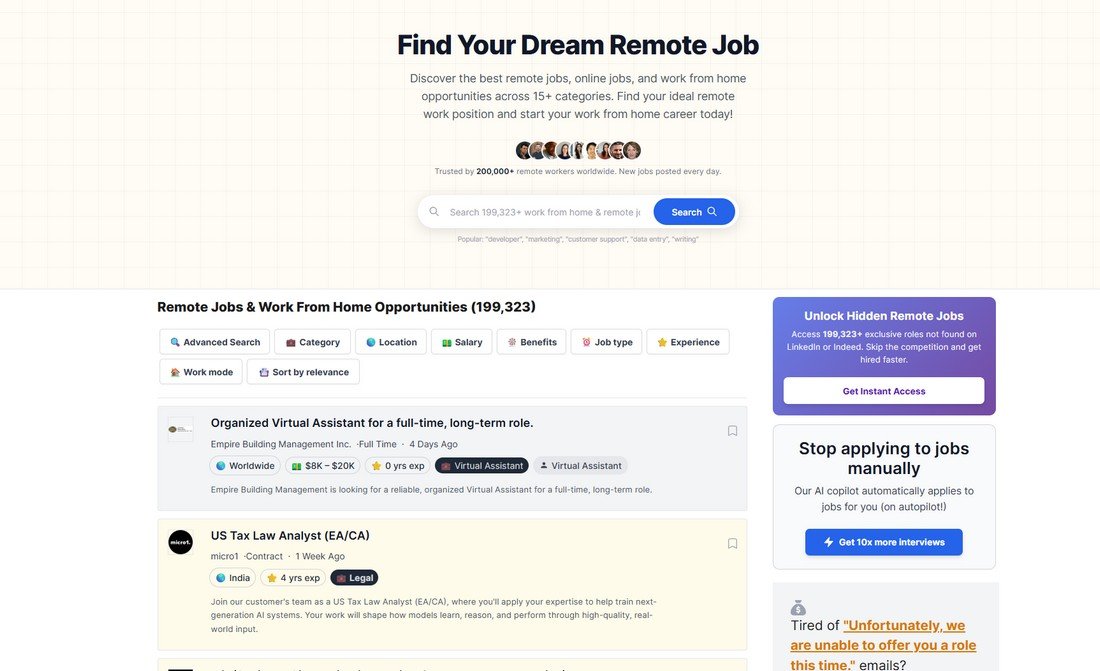
3. DailyRemote
DailyRemote aggregates thousands of remote opportunities from across the web into a single, searchable interface. Spanning writing, marketing, customer support, and software engineering, its frequently updated feed makes it a dependable daily stop for active job seekers.
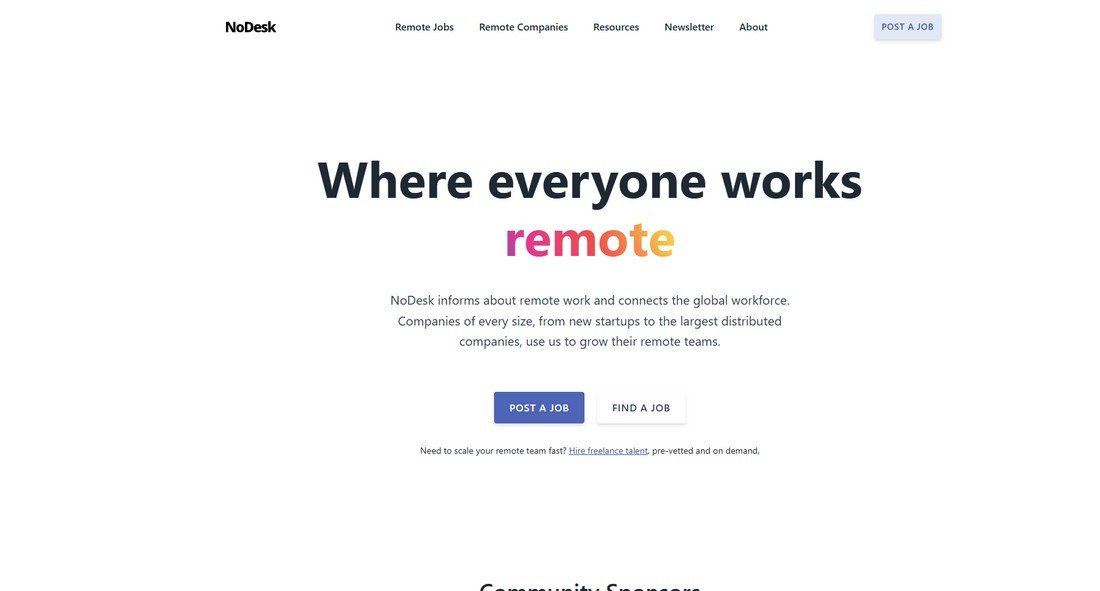
4. NoDesk
More than just a job board, NoDesk maintains an extensive, meticulously curated directory of remote-friendly organizations that routinely contract external talent. This company directory allows freelancers to conduct targeted outreach even when formal job postings are absent.
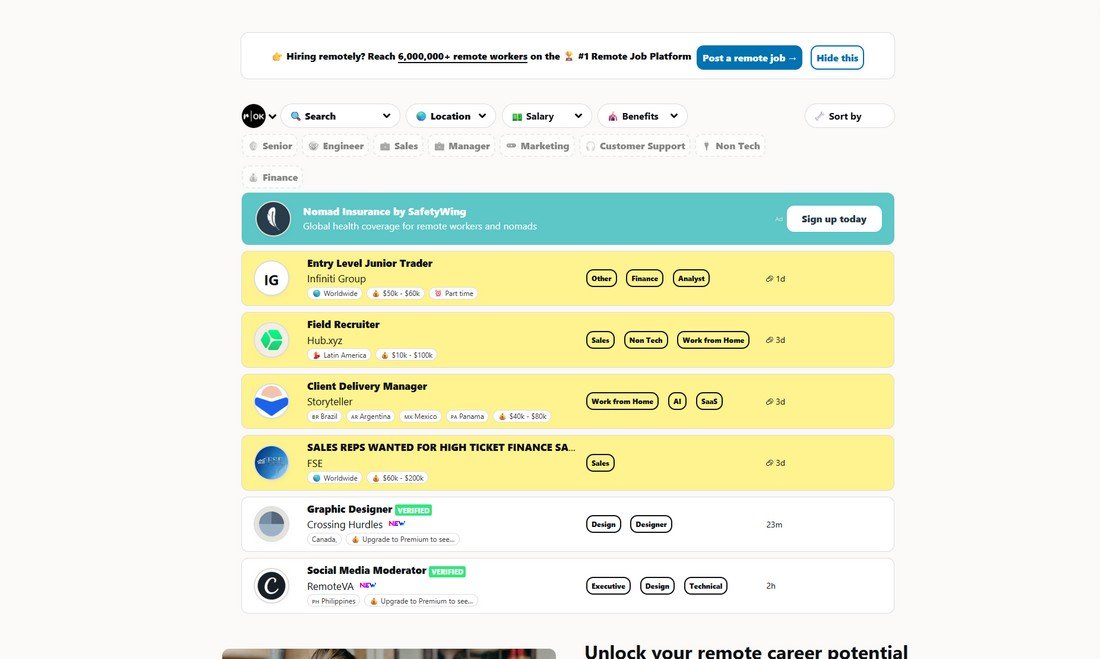
5. RemoteOK
Renowned for its clean, minimalist design, RemoteOK is one of the largest remote job repositories online. A standout feature for independent contractors is its transparency: many listings display compensation ranges directly on the dashboard, eliminating unnecessary back-and-forth negotiations.
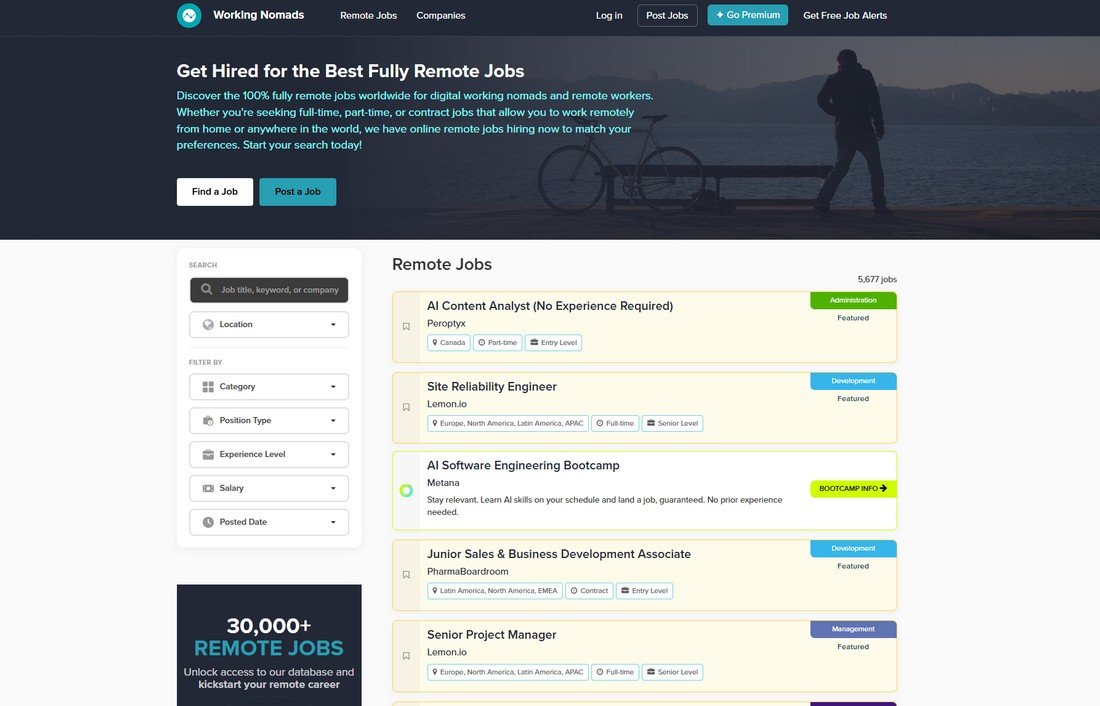
6. Working Nomads
Working Nomads curates verified remote opportunities from around the globe, organizing them into logical, granular categories. Whether your expertise lies in technical writing, marketing strategy, or software architecture, navigating listings requires minimal friction.
7. Remotive
For freelancers weary of low-effort job postings and spam, Remotive offers a breath of fresh air. Focusing primarily on startups and distributed teams, the platform maintains strict curation standards, ensuring that listed roles represent genuine, high-intent hiring needs.
8. SkipTheDrive
Operating as a comprehensive remote job aggregator, SkipTheDrive pulls listings from multiple disparate sources across diverse industries. It functions as a central command station, sparing freelancers the exhaustion of checking dozens of individual corporate career pages every morning.
9. Virtual Vocations
With a rich history of serving the remote work community, Virtual Vocations hand-screens job listings across an expansive range of sectors, including administrative support, healthcare administration, technical writing, and education.
Specialized Marketplaces and Regional Platforms
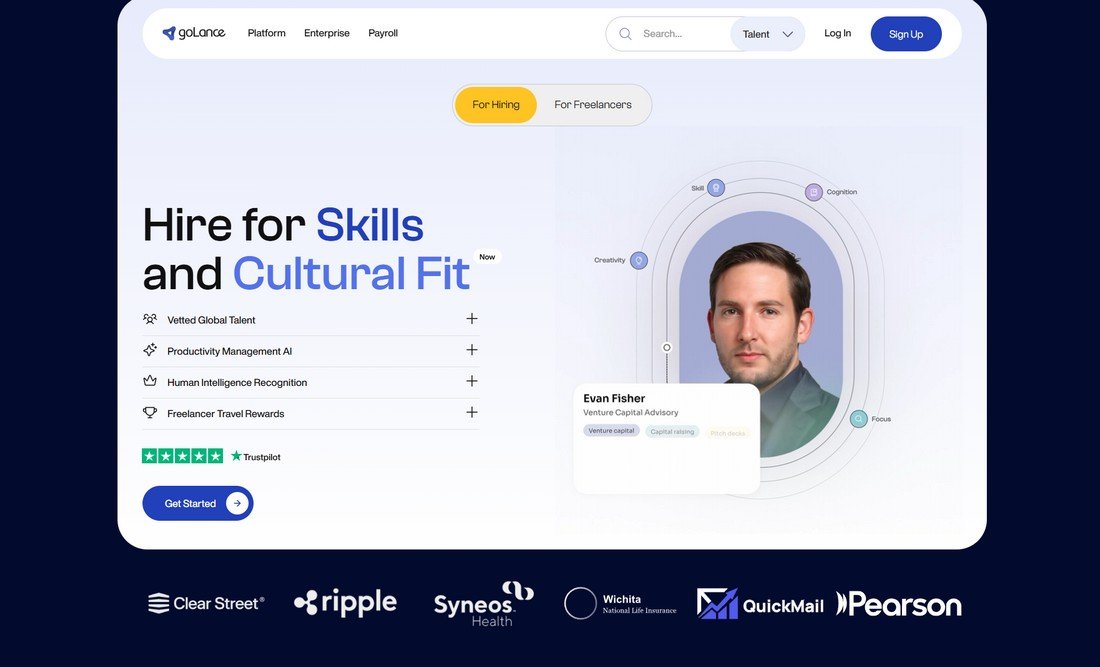
10. goLance
For those who enjoy the mechanics of traditional freelance marketplaces but desire a more favorable competitive landscape, goLance stands out as a robust alternative. Covering a diverse array of categories—from customer support to virtual assistance—its smaller user base often translates into a significantly higher proposal conversion rate.
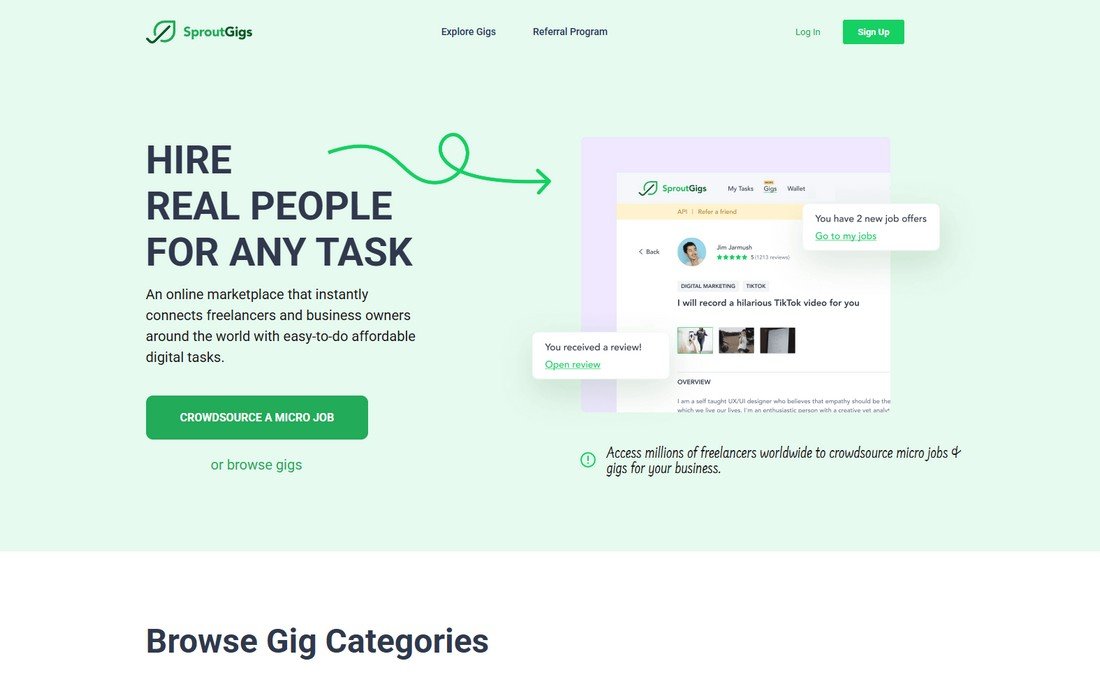
11. SproutGigs
Blending traditional project bidding with a fixed-price service listing model, SproutGigs is exceptionally welcoming to early-stage freelancers. Its intuitive interface and diverse task structure make it an accessible entry point for those building their digital resume.
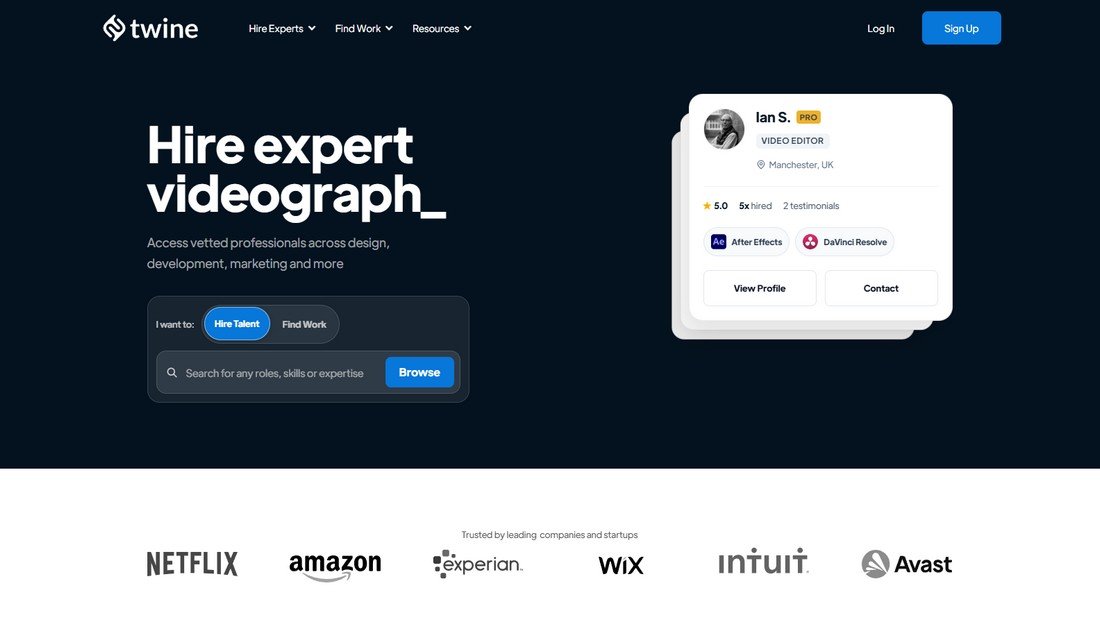
12. Twine
Creative professionals—including visual designers, motion graphics animators, musicians, video editors, and game developers—will find a natural home on Twine. Because the platform caters exclusively to creative industries, the incoming clientele generally possesses a sophisticated understanding of project scopes and budgets.
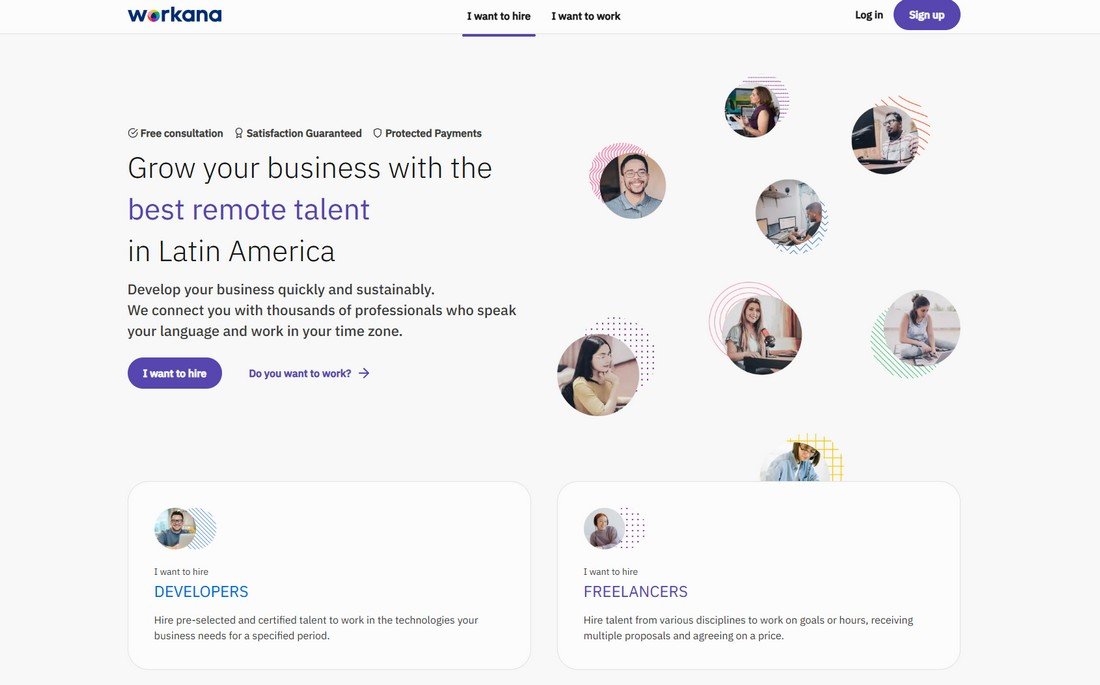
13. Workana
As one of the premier freelance marketplaces serving Latin America, Workana provides a powerful bridge to international markets. It features robust project volume across software development, digital marketing, and copywriting, making it an essential destination for professionals eager to tap into emerging regional economies.
14. ServiceScape
ServiceScape narrows its focus strictly to the editorial and linguistic arts: writing, editing, proofreading, translation, and graphic design. By maintaining a tightly defined vertical scope, the platform naturally filters out low-budget buyers, attracting clients willing to invest in specialized expertise.
15. ProZ
For professional translators and language service providers, ProZ is an indispensable industry institution. Operating as a massive global community and job hub, it connects specialized linguists with high-demand enterprise translation projects where professional credentials command premium rates.
Vetted Talent Networks and Staffing Solutions
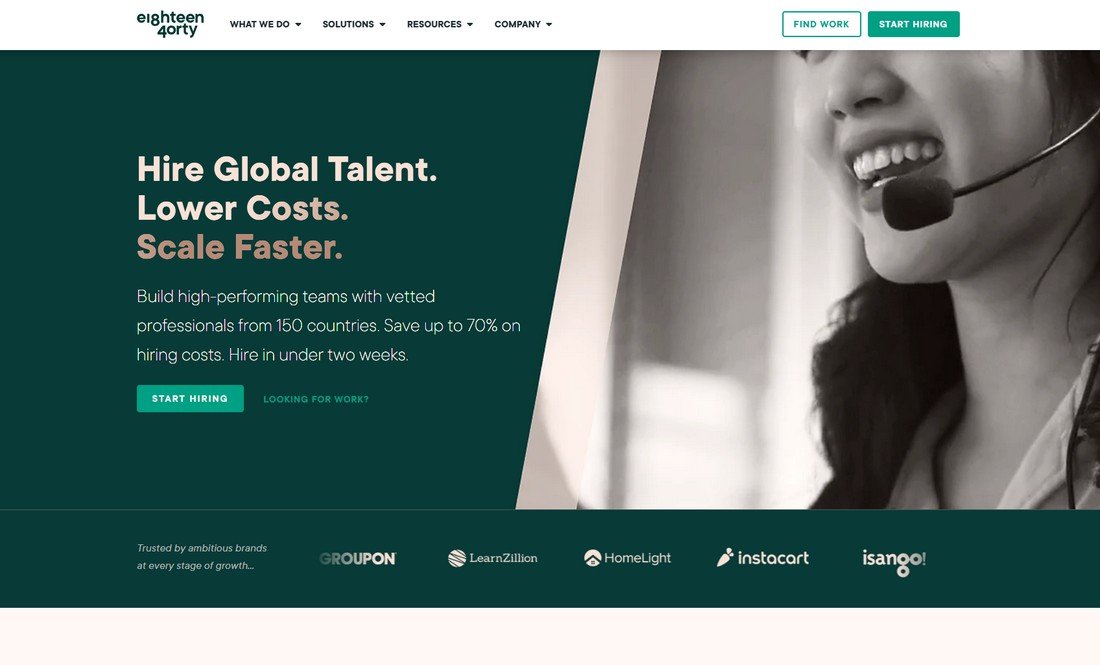
16. 1840 & Company
Functioning more like an elite talent network than an open marketplace, 1840 & Company rigorously vets independent professionals before granting access to its ecosystem. While the screening barrier is high, successfully passing it places freelancers in direct contact with premium global clients.
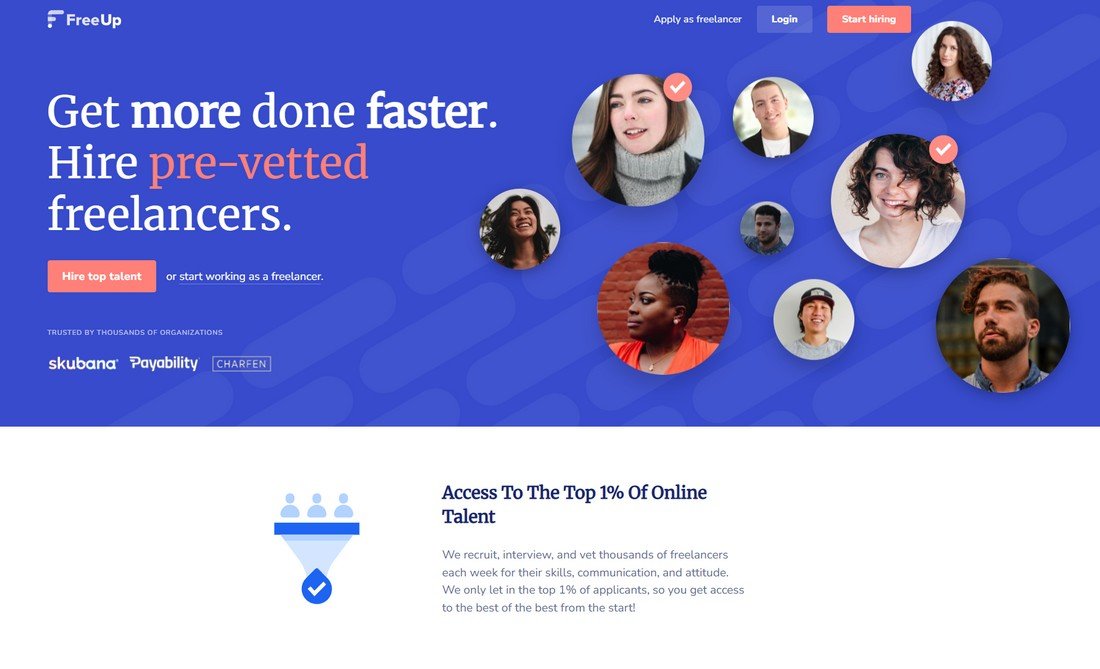
17. FreeeUp
Similar in philosophy to selective talent networks, FreeeUp prioritizes quality over sheer volume. The platform enforces a strict pre-vetting process for applicants, which curtails internal competition and ensures that approved freelancers deal with serious, pre-qualified buyers.
18. Jobspresso
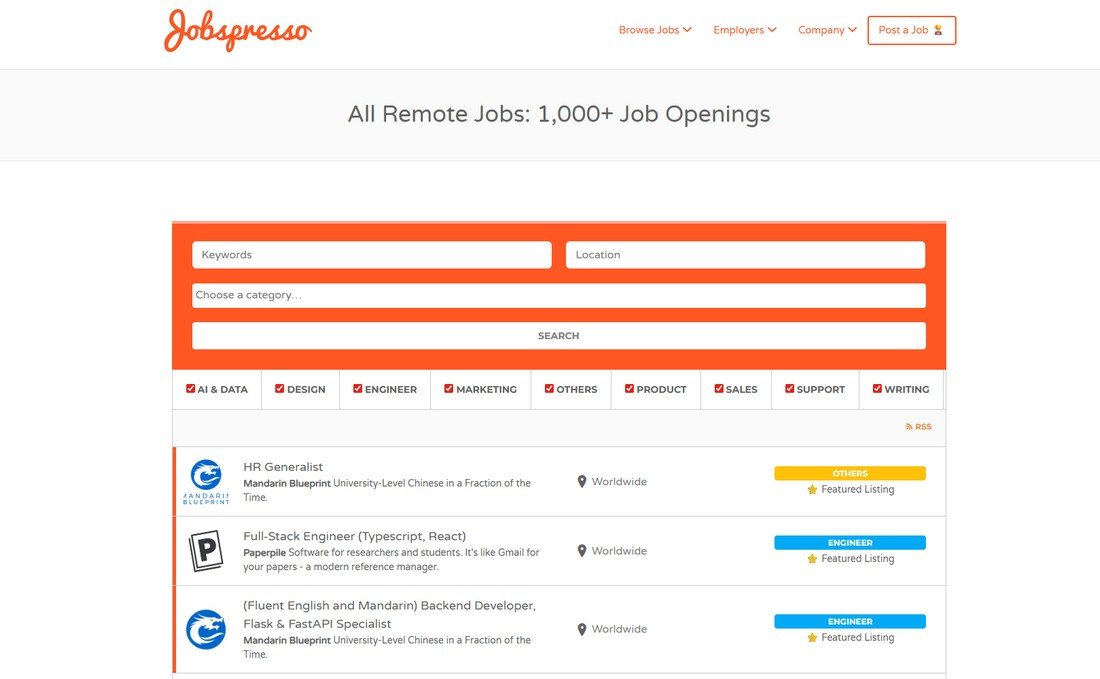
Jobspresso merges a curated remote job board with an active resume database. This architecture enables employers to proactively discover and contact qualified talent directly, establishing a valuable passive client acquisition channel that operates seamlessly in the background.
19. Wellfound (formerly AngelList)
For professionals eager to immerse themselves in the fast-paced startup ecosystem, Wellfound remains the premier destination. Most listings include transparent equity and salary disclosures, offering unique access to high-growth companies pushing the boundaries of technology and business.
20. Authentic Jobs
Catering primarily to designers, developers, creative directors, and content strategists, Authentic Jobs partners with top-tier agencies, universities, and progressive tech firms. The exceptional quality of the job descriptions typically mirrors the high standard of the clients utilizing the service.
21. Robert Half Talent Solutions
Operating on the boundary between traditional executive search and modern contracting, Robert Half serves as a premier staffing agency for remote professional services. It is particularly valuable for freelancers seeking stable, medium-to-long-term engagements in finance, marketing, administrative management, and creative operations.
Implications for the Future of Independent Work
The proliferation of these twenty-one platforms signals a fundamental maturation of the freelance economy. The era of relying on a single monopoly marketplace is giving way to a decentralized, multi-platform career model.
For the individual practitioner, the implications are clear: operational resilience requires diversification. While setting up profiles across multiple networks demands an initial investment of time, the long-term payoff—mitigated platform risk, diversified income streams, and access to premium clients—far outweighs the friction.
As the digital workplace continues to evolve, the most successful freelancers will be those who refuse to keep all their eggs in one digital basket. By thoughtfully selecting three to four platforms aligned with their core competencies, independent professionals can insulate themselves against market shocks and build sustainable, thriving careers for the years ahead.