










In the digital landscape of 2026, the traditional model of website marketing—driving traffic, capturing leads, and converting them on-site—is no longer a complete strategy. The modern customer journey has fractured. Potential buyers are no longer navigating a straight line from search engine to landing page; they are engaging in a complex, multi-touch ecosystem of AI-driven research, peer-to-peer validation on social platforms, and community-led discourse.

Today, your website remains the destination, but the sale is often won or lost long before the user ever types your URL into their browser. If your brand is not visible and credible in the spaces where your audience researches, many will never arrive at your site at all. Conversely, those who do arrive after interacting with your brand on third-party platforms do so with higher intent, deeper trust, and a greater propensity to convert.
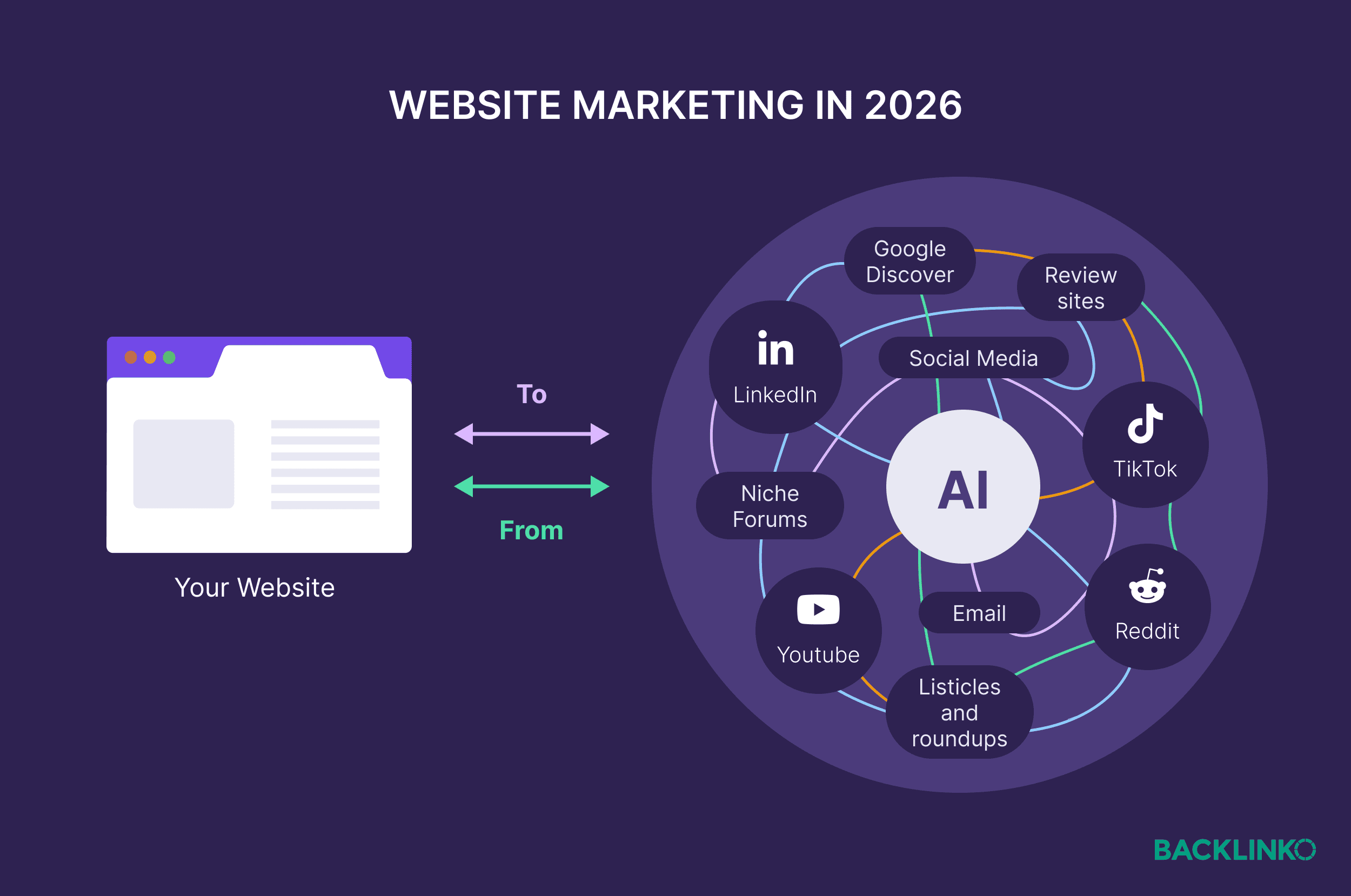
This shift necessitates a departure from "website-first" thinking toward an ecosystem-centric approach. Here is how you can adapt your marketing to this new reality.
1. Position Your Website for AI and Human Discovery
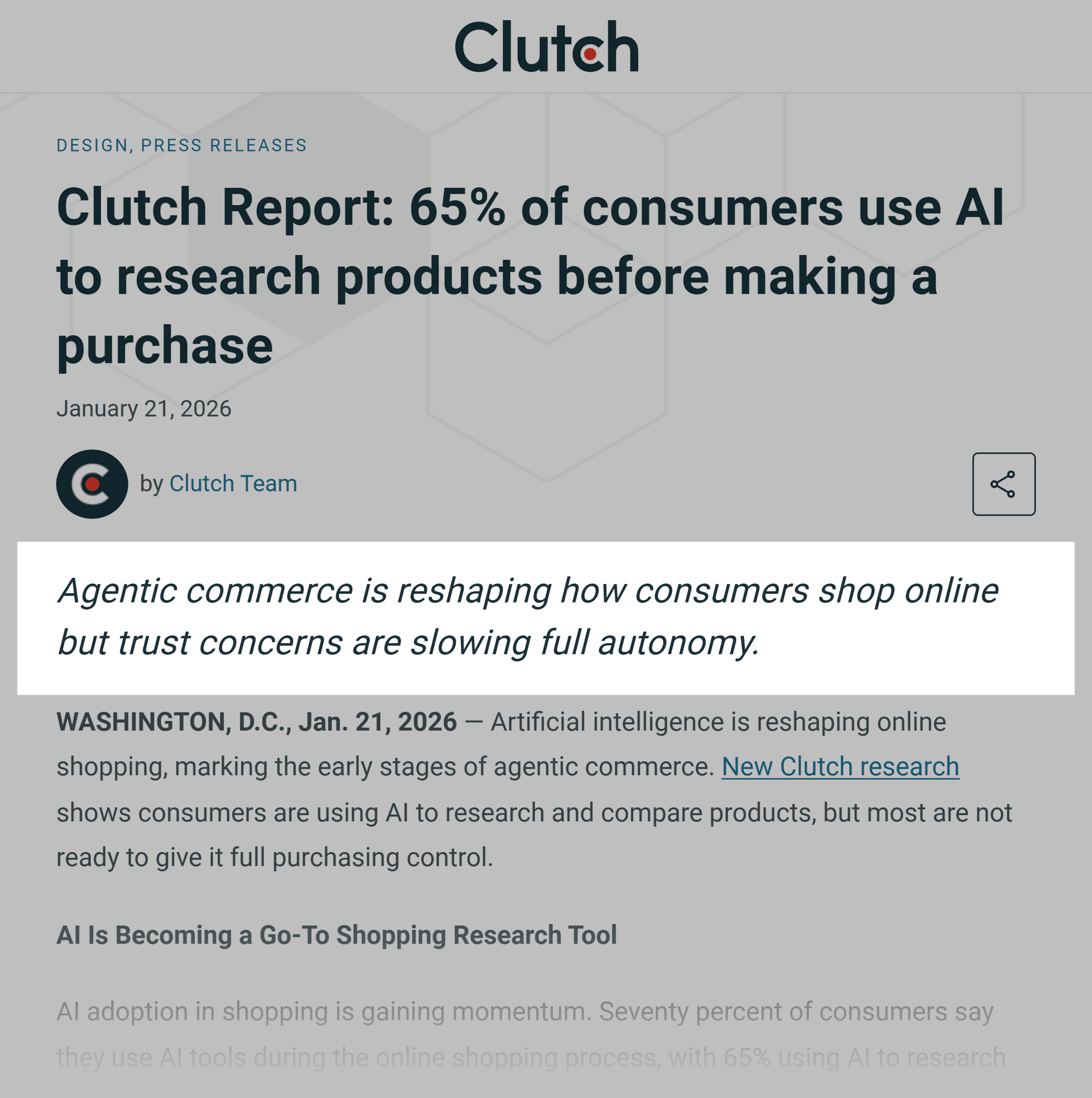
The rise of artificial intelligence has fundamentally altered the top of the marketing funnel. According to recent data from Clutch Research, over 65% of buyers now utilize AI-powered tools to conduct preliminary product research before visiting a company’s website.
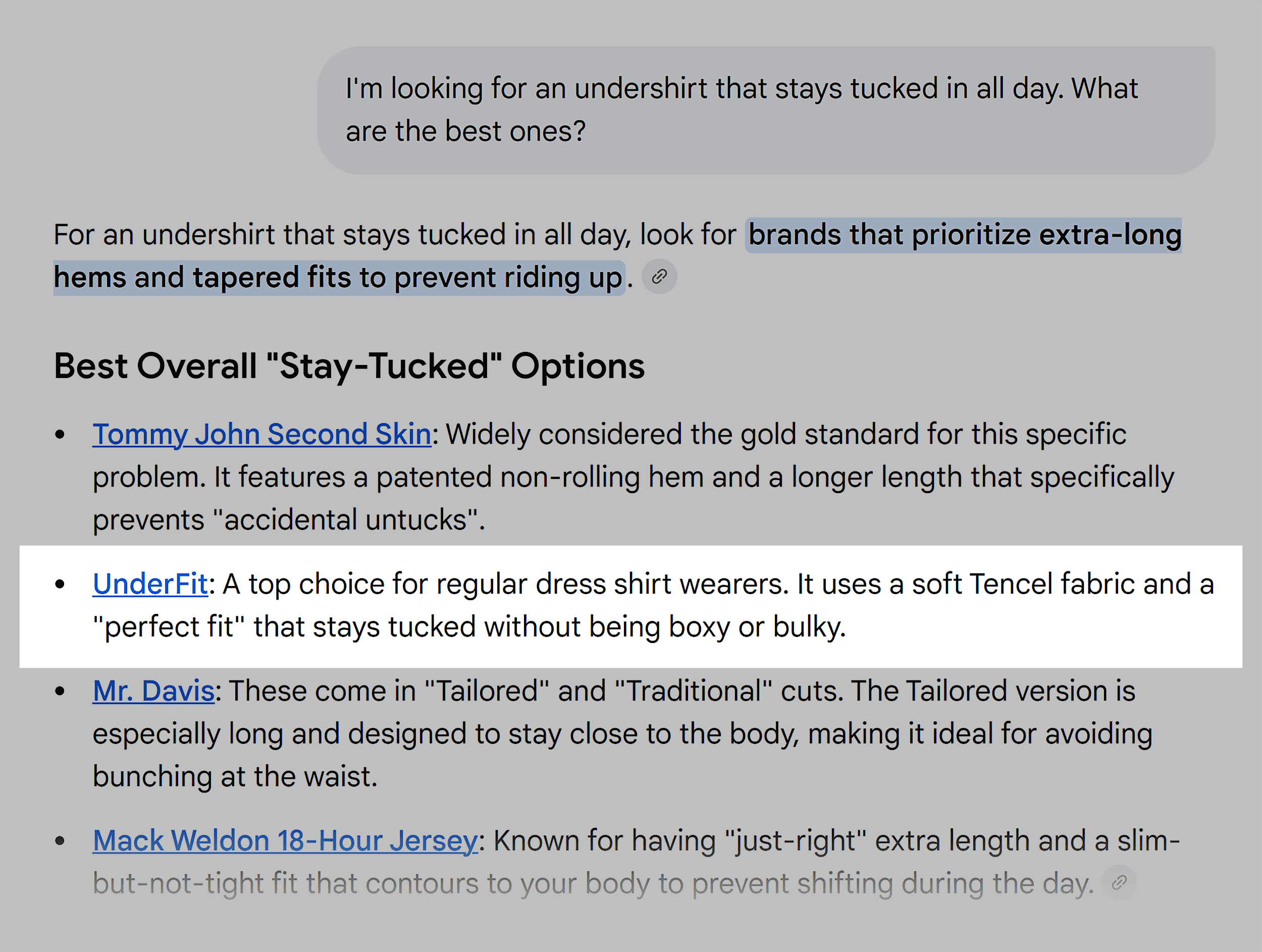
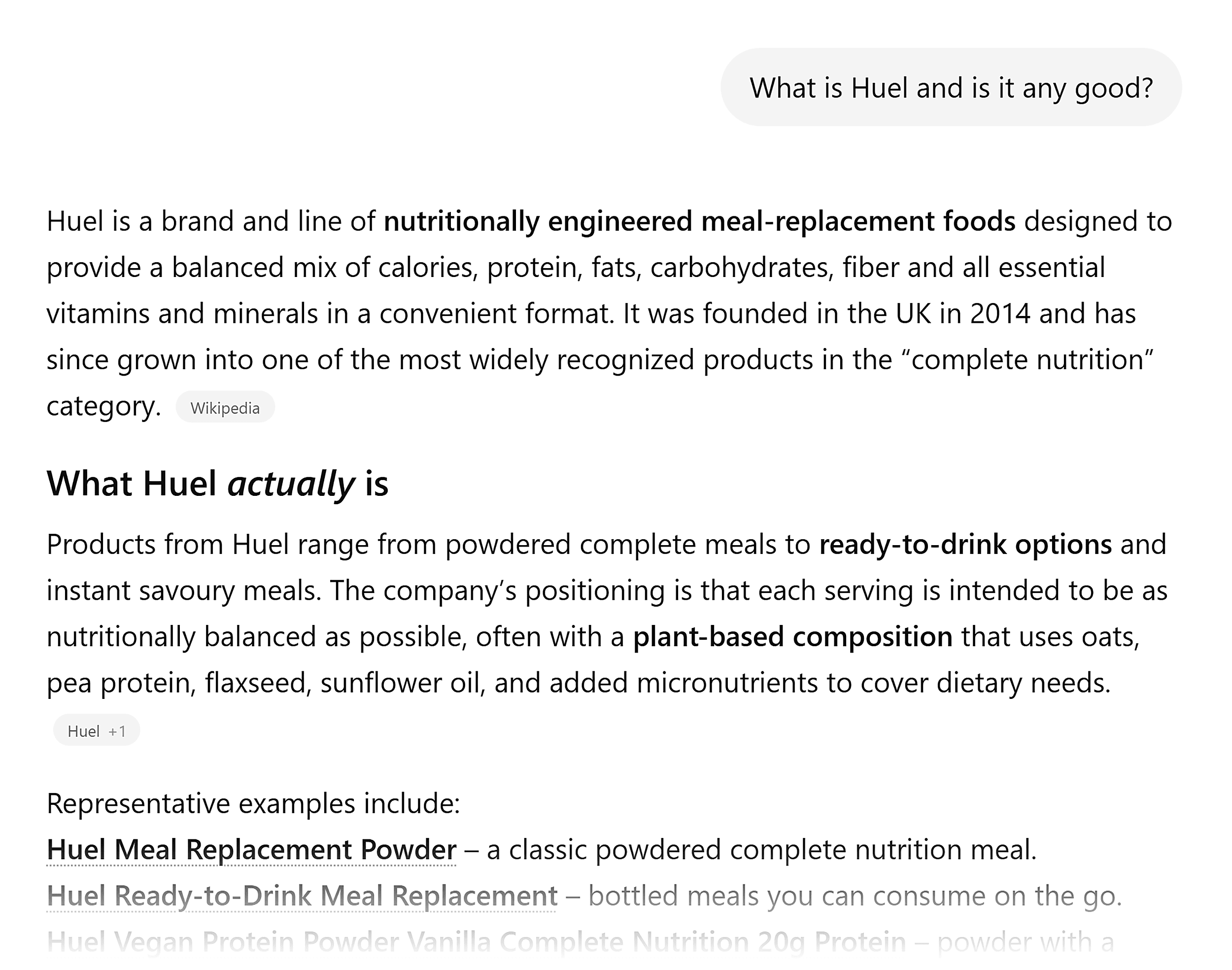
When a user asks an LLM for a recommendation or a solution to a problem, they aren’t just getting a list of links; they are receiving a synthesis of the internet’s collective consensus about your brand. By the time they click through to your site, they have already formed an opinion. Your challenge is to ensure that the AI-generated narrative aligns with your brand’s value proposition and that your website acts as the definitive source of truth to validate that opinion.
Engineering Your Brand Narrative
You do not have to leave your online reputation to the volatility of AI training data. You can proactively influence how the internet describes your business by standardizing your messaging.
- Documented Messaging: Create a "source of truth" document that defines your brand’s positioning, core values, and the specific problems your product solves.
- Consistency is Key: This language should be used by everyone—from your sales team and PR partners to your social media managers. When you repeat specific benefits consistently across your site, press releases, and social channels, you create a recognizable pattern that LLMs can easily ingest and associate with your brand.
- The Audit: Start by asking AI models the same questions your prospects are asking. If the AI describes your brand inaccurately, you now have a clear roadmap of what needs to be reinforced or corrected through your public-facing content.
2. Structure Your Site for Easy Parsing
While the internet is your "outbound" stage, your website is your "inbound" fortress. You must design it to be as easily understood by an AI crawler as it is by a human visitor.
Solid Architecture and Semantic Design
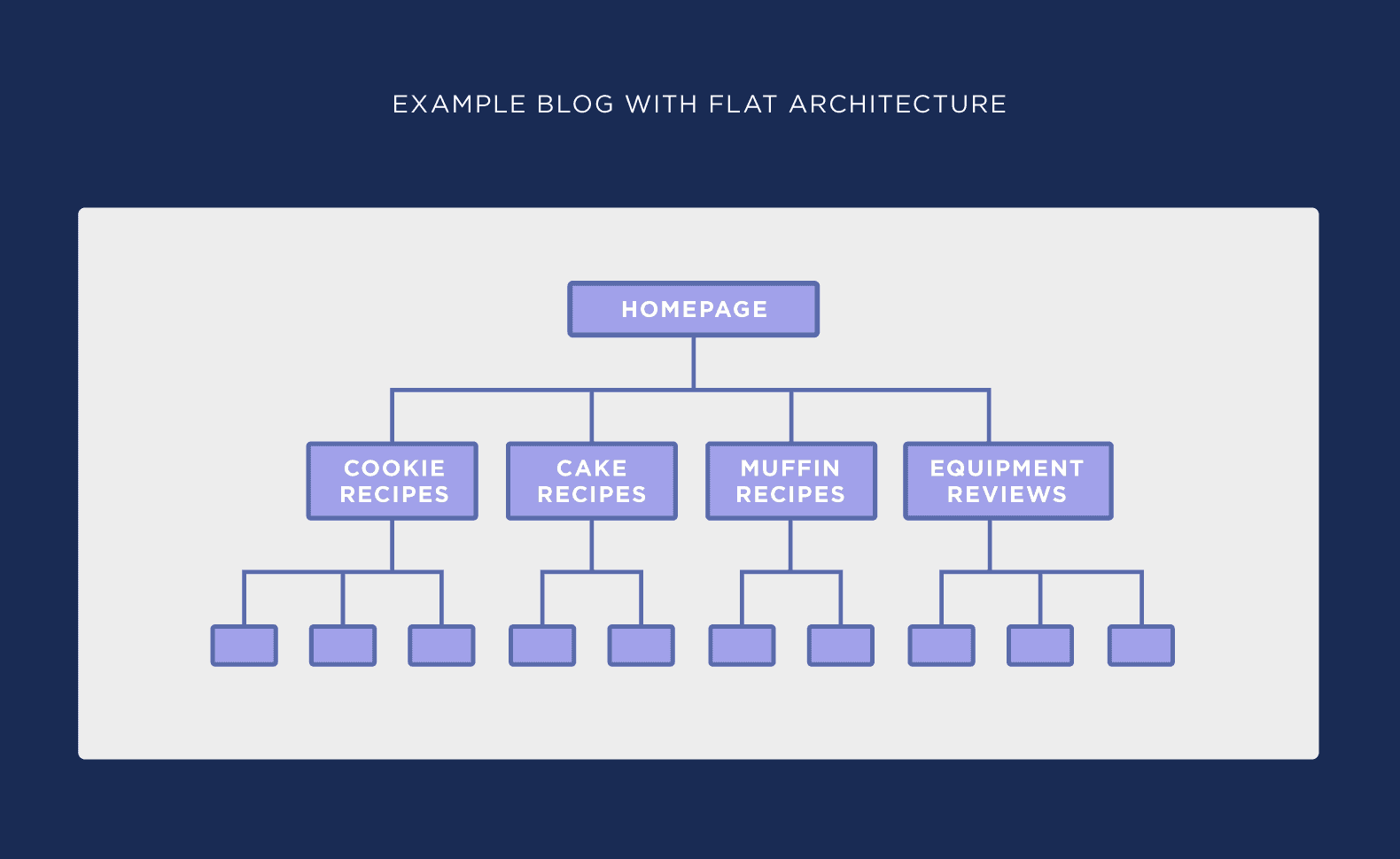
- Flat Architecture: Keep your content hierarchy simple. The fewer clicks it takes for a user—or an AI agent—to reach your most important pages, the better.
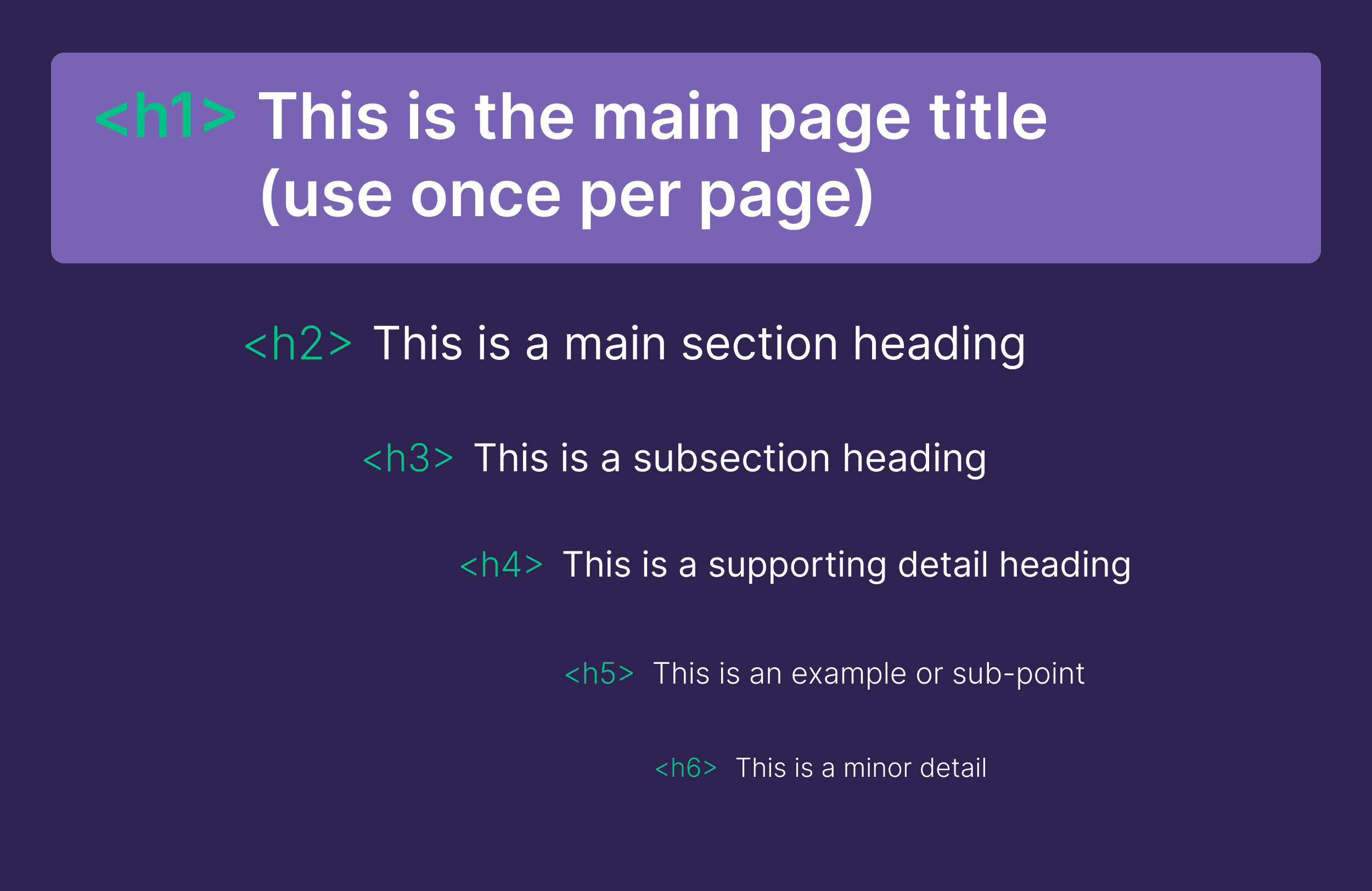
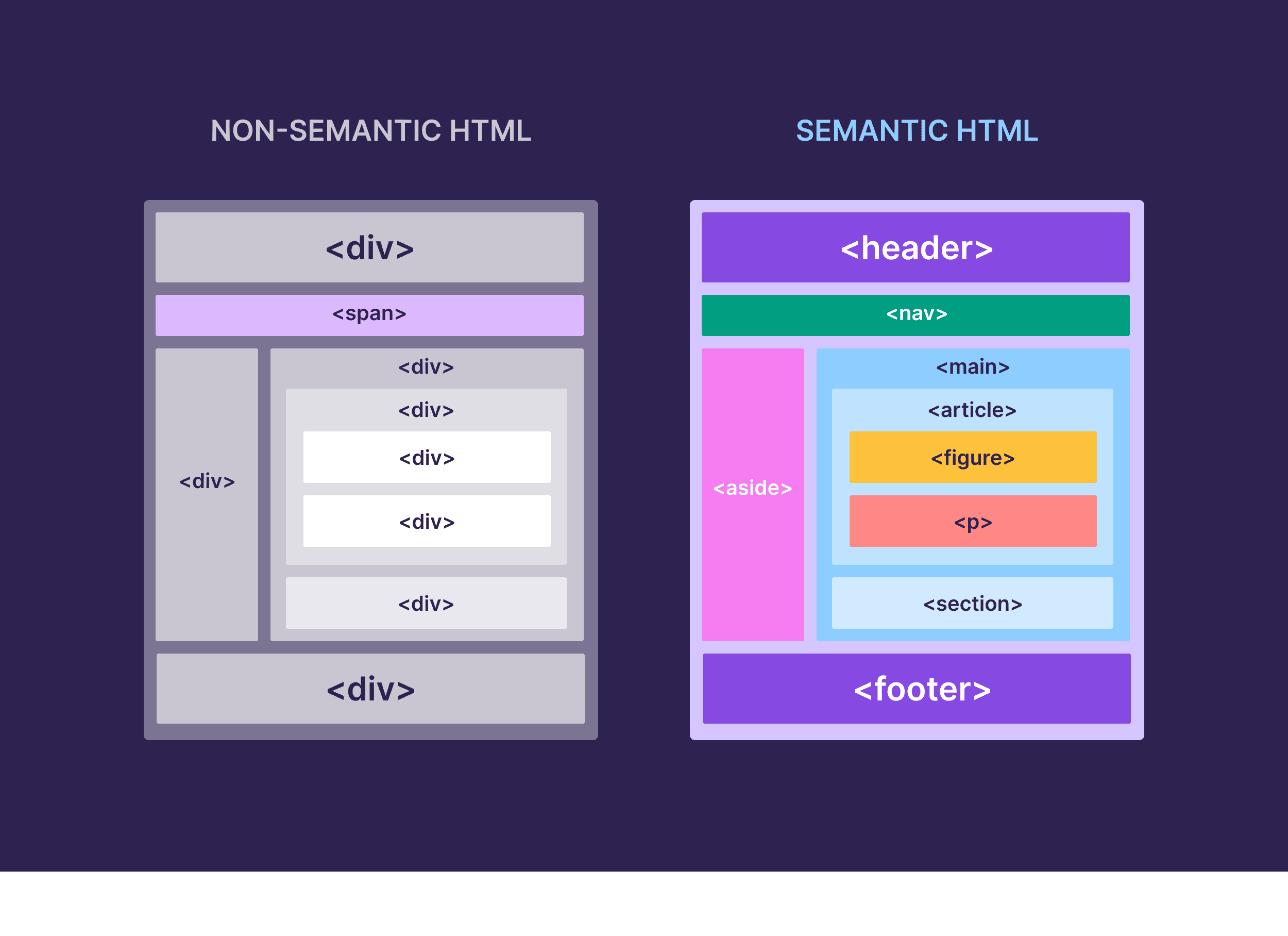
- Semantic HTML: Use proper heading tags (H1, H2, H3) and list elements to define your content hierarchy. This provides explicit signals to search engines and LLMs regarding the structure and intent of your content.
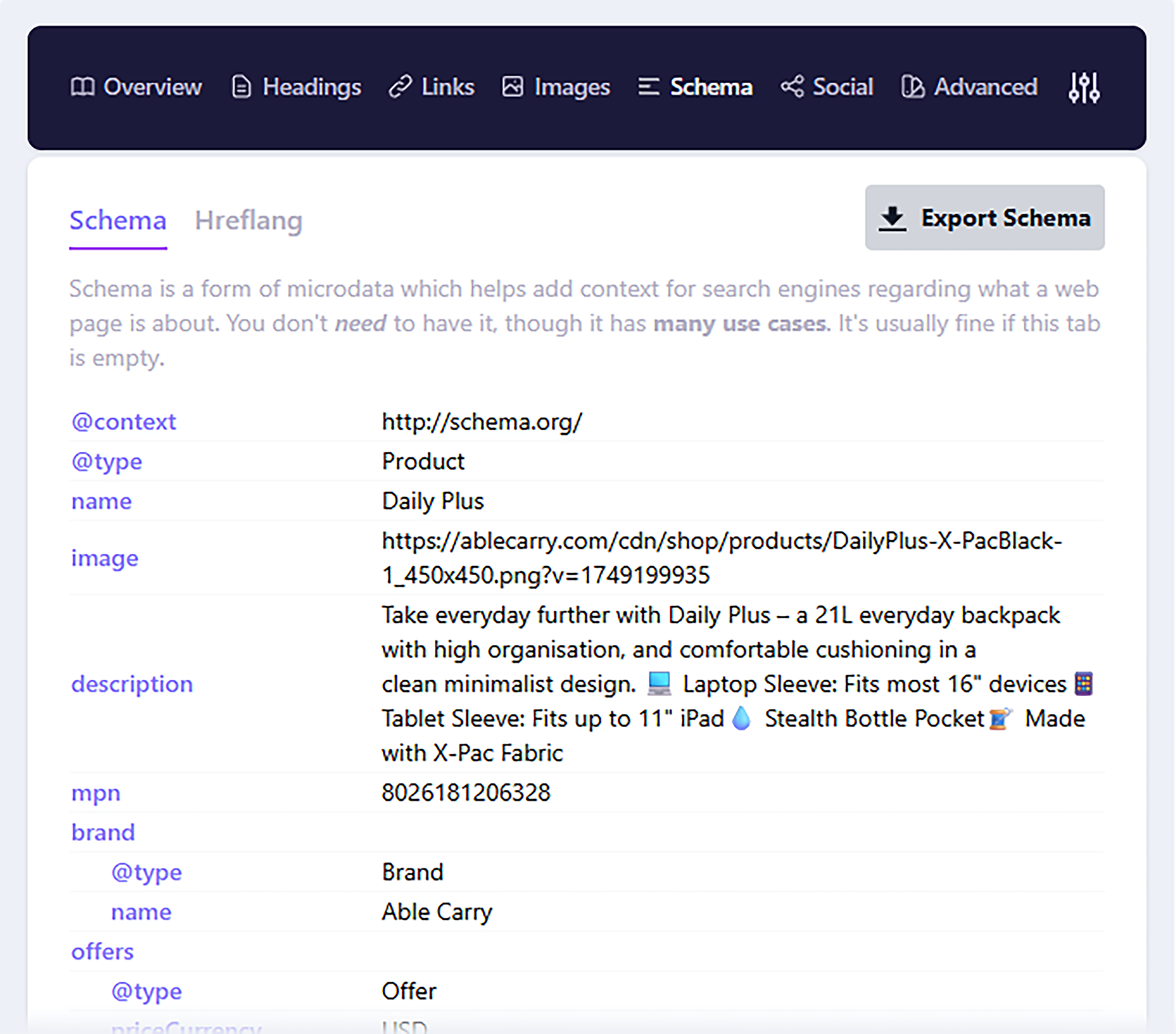
- Structured Data: Continue to leverage schema markup. It remains one of the most effective ways to communicate the nature of your pages—whether they are product reviews, case studies, or service pages—directly to search engines.
3. Publish and Surface Proof Assets
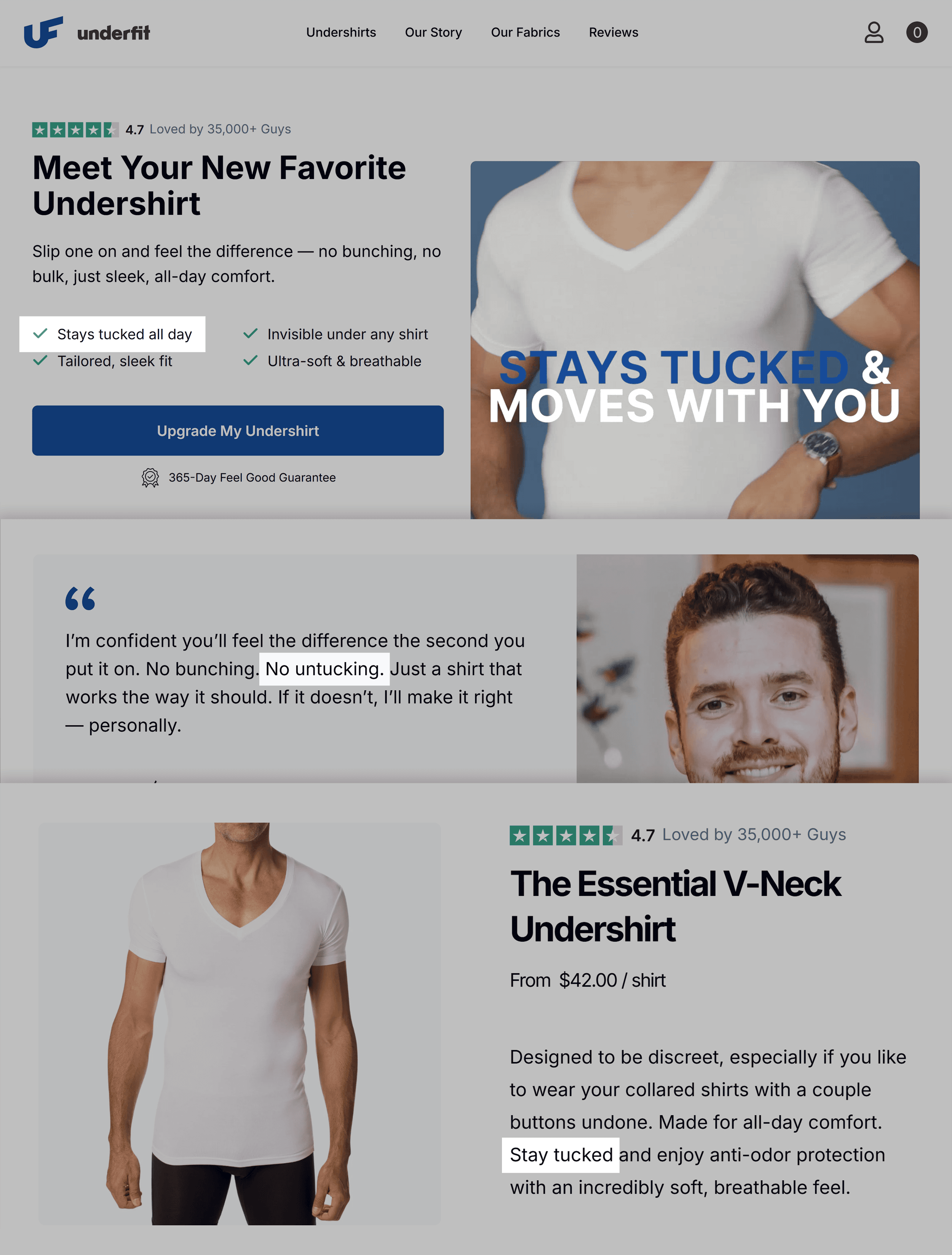
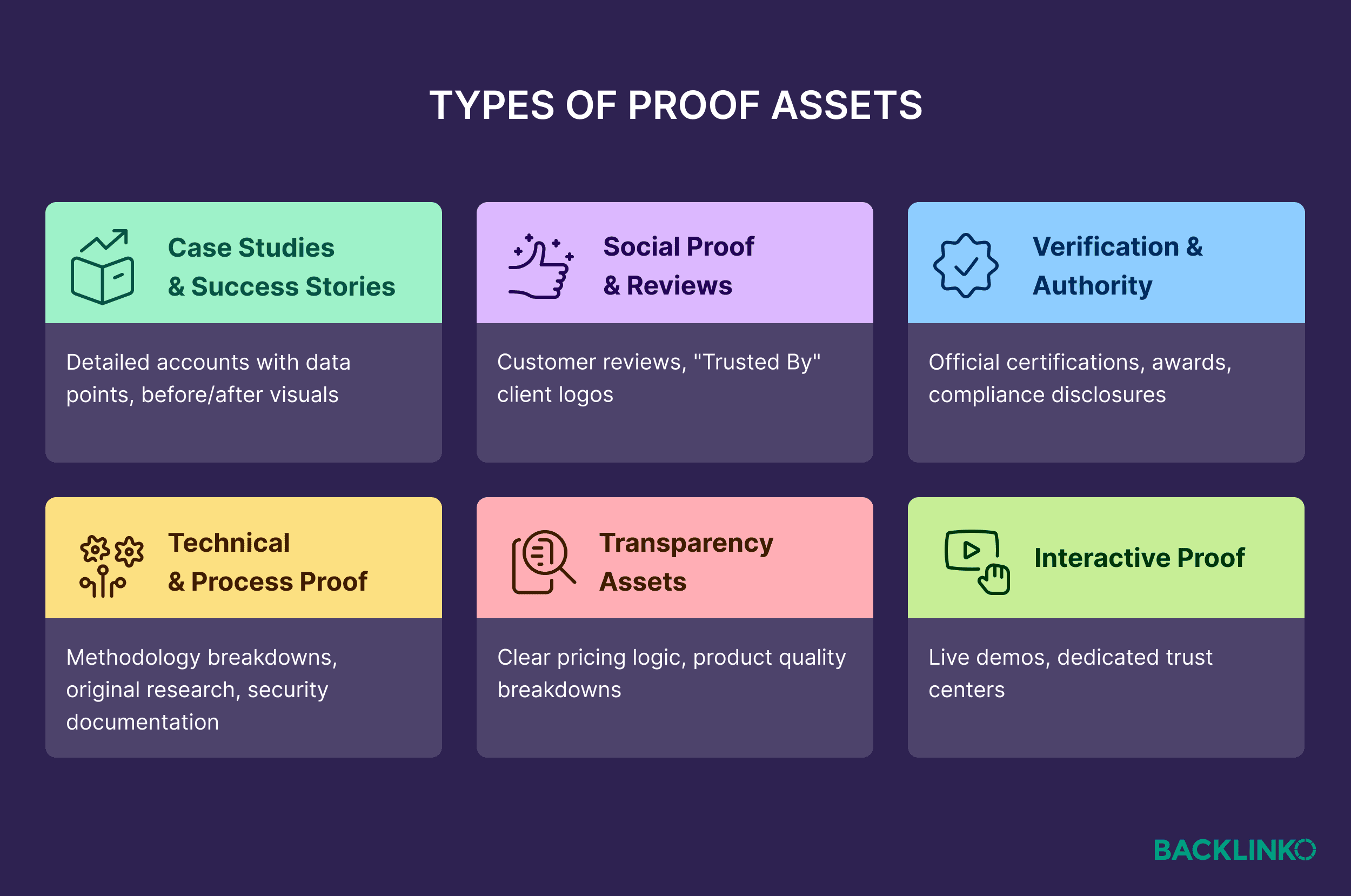
Proof assets are the evidence behind your claims. They influence how both humans and AI systems judge your credibility. In the B2B SaaS world, these assets are often measurable case studies, uptime statistics, and security documentation. In ecommerce, they are product quality details, verified user reviews, and transparent return policies.
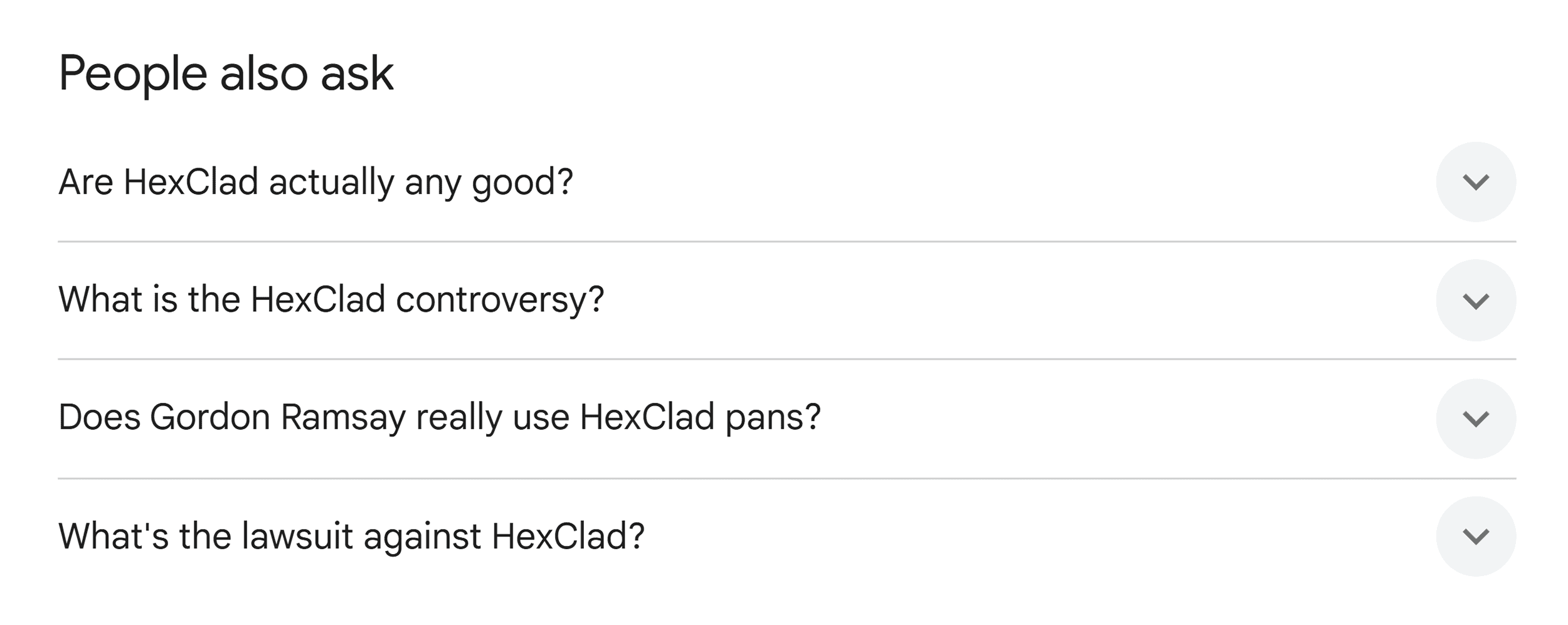
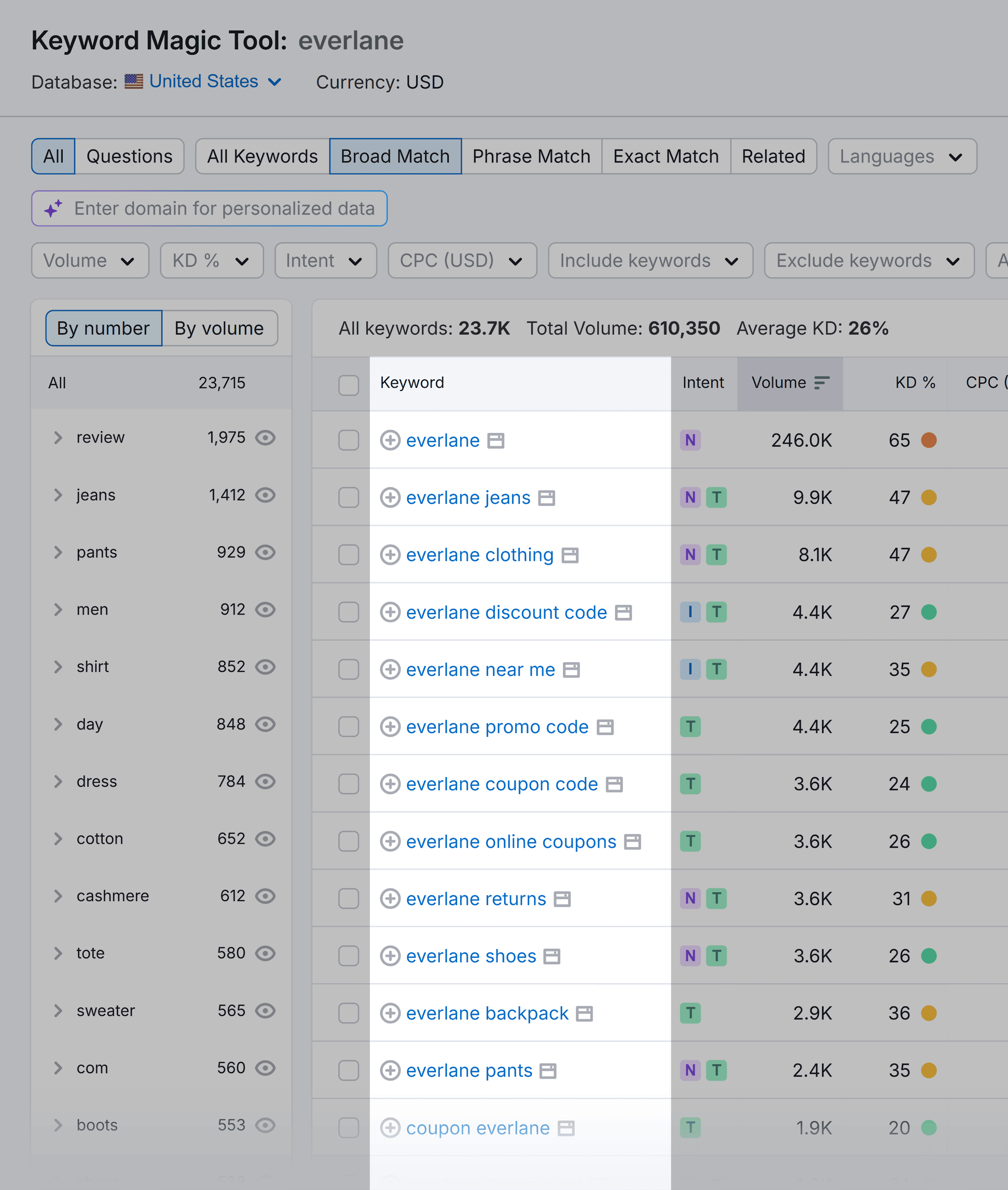
To identify which assets to prioritize, use search tools like Semrush to analyze "People Also Ask" boxes or keyword queries related to your brand. These queries highlight the specific gaps in knowledge or lingering anxieties that prevent users from converting. Filling those gaps with high-quality, proof-based content is your fastest path to increased trust.
4. Use Video as a Trust Engine
Text is informative, but video is emotional. It allows your audience to see the people behind the product, fostering a sense of familiarity that text cannot replicate. By the time a viewer visits your site, they have already "met" you, significantly lowering the barrier to conversion.
Long-Form Authority
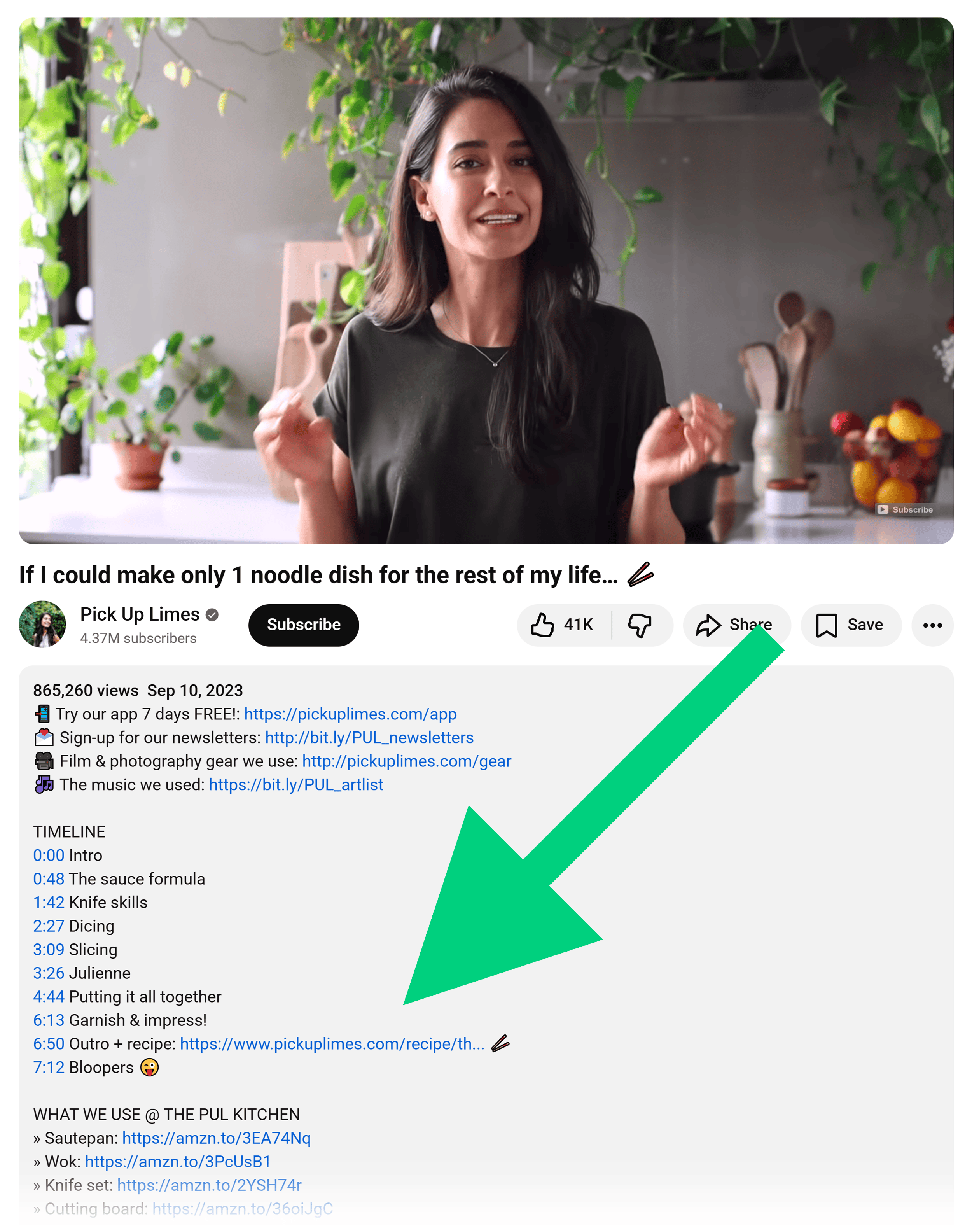
Long-form video—typically hosted on YouTube—should be used to help buyers evaluate their options. Whether through educational deep-dives, product tutorials, or webinar-style interviews, these videos demonstrate expertise.
- Don’t operate in a silo: Every video should link back to your website, directing viewers to pages that offer further value or facilitate the next step in the buying process.
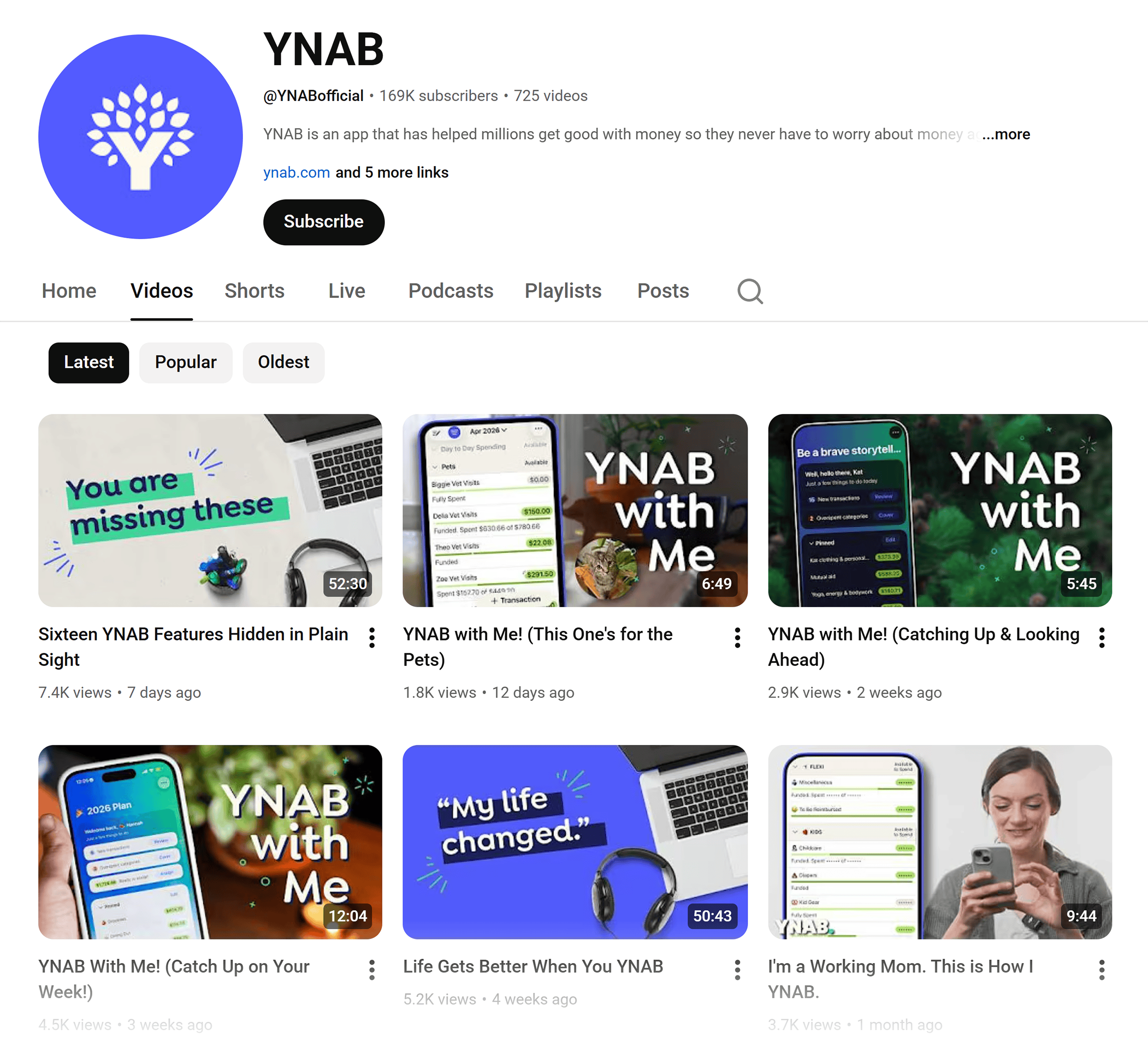
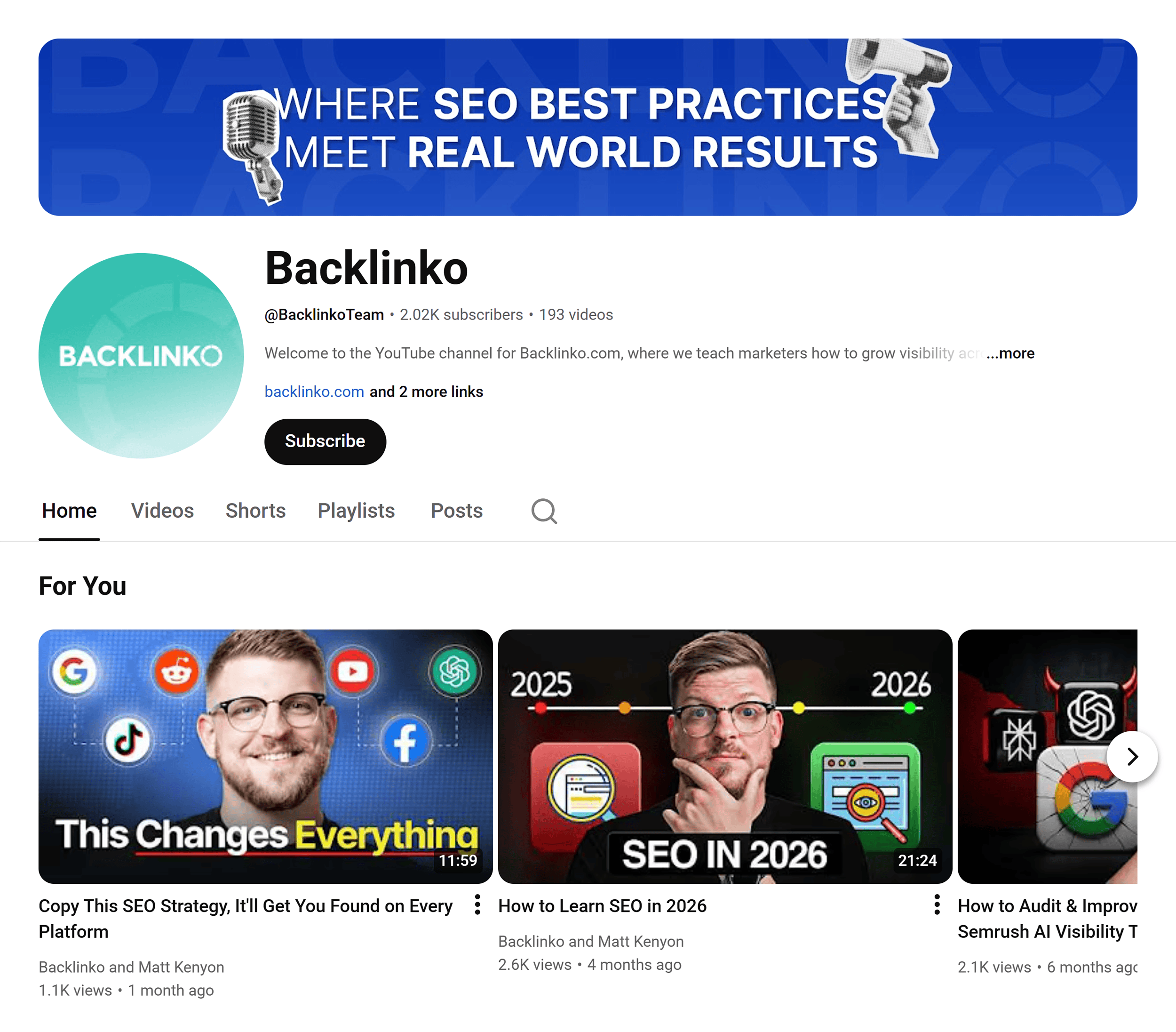
- Signal vs. Gap: Conduct competitor research on YouTube to identify "signals" (what viewers care about) and "gaps" (where the current content fails to deliver). This is your blueprint for creating high-value content.
Short-Form Repetition
Short-form content on platforms like Instagram Reels, TikTok, and YouTube Shorts builds familiarity through sheer repetition. Do not over-produce these clips. Focus on answering real customer questions gathered from support emails and sales calls. If you spend one week documenting every question your team hears, you will have a content calendar for the next six months.
5. Capturing the "Google Discover" Spike
Google Discover is a personalized content feed that provides an opportunity for massive, unpredictable traffic spikes. Unlike traditional search, Discover is curated based on a user’s interests and browsing behavior.
Strategies for the Discover Feed
- Timeliness and Stakes: Content that performs well in Discover often connects to a broader trend or a specific industry development. If you have an article on "Email Marketing," consider reframing it to "How Privacy Updates are Forcing a Rethink of Email Marketing."
- Packaging: Your headline and featured image are your only assets in the feed. They must trigger curiosity or provide a sense of urgency. If your image doesn’t stop the scroll, the quality of your content is irrelevant.
- Editorial Eye: Browse your own Discover feed for five minutes. Ask yourself: What made me stop? Was it the headline’s tension? The image’s clarity? Apply those same principles to your content packaging.
6. Conversion in a Zero-Click World
We are living in a "zero-click" era where users get answers without ever visiting a site. Consequently, your conversion rate on the traffic you do capture must be optimized to the highest possible degree.
Prioritizing Revenue Per Visitor
Reduce friction and anxiety. Friction refers to technical issues like slow page speeds or confusing checkout flows. Anxiety refers to psychological hurdles—the customer’s fear of making the wrong choice. Use security certifications, compliance badges, and transparent pricing to mitigate these concerns.
Furthermore, leverage behavioral email targeting. If a user visits your pricing page but does not purchase, a follow-up email triggered by that specific behavior can offer a case study or address a common objection while the user’s intent is still high.
7. The Human Premium
The internet is currently saturated with AI-generated content. As a result, there is a "human premium" in the market. By putting a face, a voice, and a personality behind your brand, you differentiate yourself from the sea of robotic content.
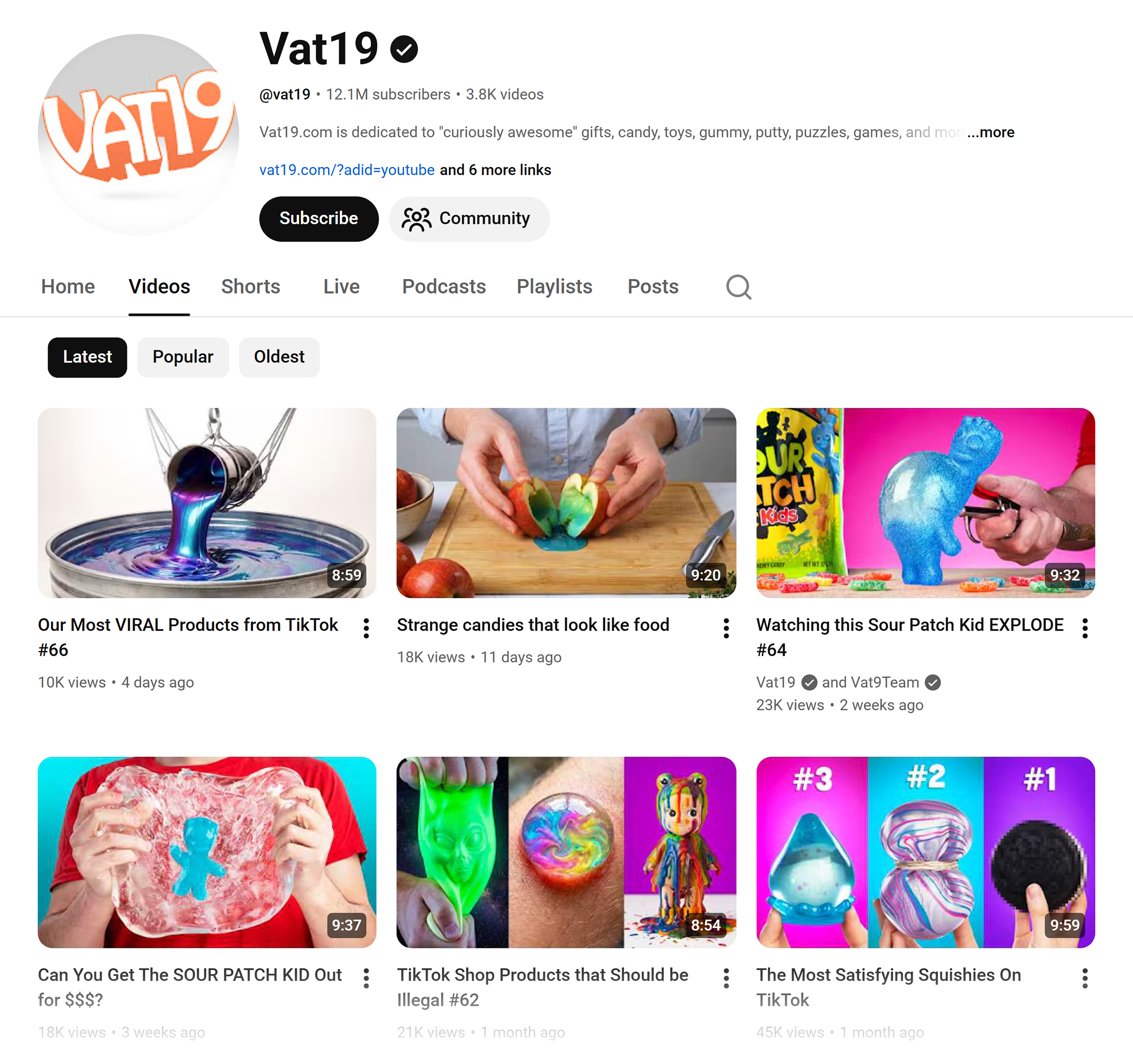
- Visible Advocates: Identify the individuals in your company—whether the CEO or a subject matter expert—who can represent the brand publicly.
- Participation over Promotion: When you engage in niche communities (like Reddit or private industry forums), show up as a contributor. Answer questions, provide value, and build trust. Do not pitch. When you are a known, trusted figure in a community, your brand will naturally benefit from the reputation you have built.
Conclusion: The Path Forward
The fundamental shift in 2026 is that website marketing has become "ecosystem marketing." Your website is still the hub, but it is no longer the sole starting point of the journey. By engineering your brand narrative, investing in video, and participating authentically in the communities where your customers live, you ensure that your brand is not just found—it is trusted.
Don’t feel the need to execute every strategy at once. Start by identifying the most influential third-party channels for your niche, optimize your site for the human/AI duality, and begin the process of repurposing your most successful ideas. In an era of infinite content, clarity, trust, and human connection remain the ultimate competitive advantages.



