






By [Your Name/Journalist Alias]
October 23, 2026
The release of the iPhone Duo marks the most significant paradigm shift in Apple’s hardware history since the introduction of the original iPhone. By embracing a flexible, dual-display form factor, Apple has not only challenged the constraints of traditional smartphone design but has also invited a renaissance in software development. As the first units reach consumers today, the App Store has transformed into a laboratory of innovation, with developers rushing to leverage the device’s hinge, orientation sensitivity, and multi-surface display capabilities.
The New Form Factor: A Canvas for Creativity
The iPhone Duo is not merely a smartphone that folds; it is a mechanical interface that demands a new language of interaction. Unlike standard handsets, the Duo thrives on physical engagement: the "tent mode," the "book" orientation, and the "laptop" configuration.
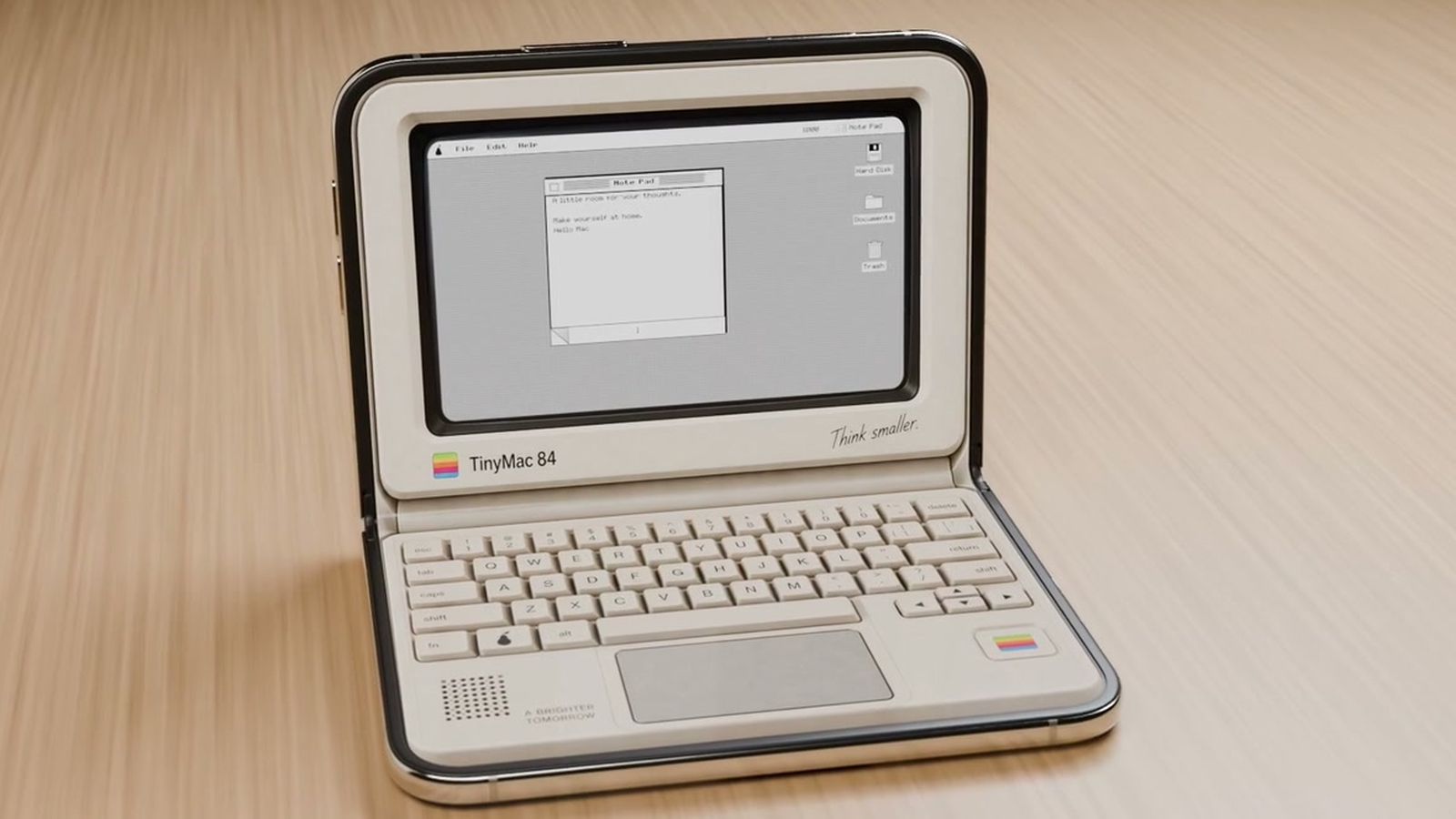
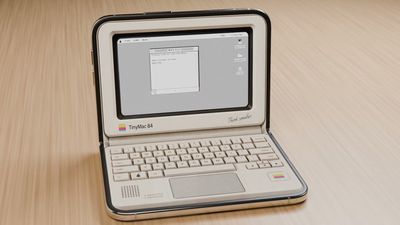
Early adopters are finding that the most compelling apps are those that reject the "one-size-fits-all" mobile interface. Instead, they embrace skeuomorphism—design that mimics real-world objects—to ground the user in a tactile experience. Whether it is turning the device into a vintage Macintosh or using the hinge as an accordion bellows, the current wave of software suggests that the "Duo" experience is as much about the feeling of the hardware as it is about the utility of the software.
A Chronology of Innovation: From Concept to Launch
The development cycle for the iPhone Duo was shrouded in secrecy, but the lead-up to today’s launch has been marked by a flurry of developer activity:
- Mid-2026: Apple provides select developer kits to high-profile studios, emphasizing the importance of "hinge-aware" design.
- September 2026: Leaks regarding the "Deck-Man" cassette player app surface, providing the first public hint that developers were looking toward nostalgia to define the Duo’s aesthetic.
- October 20, 2026: Apple officially updates its own first-party apps (Mail, Notes, Photos) in the App Store, showcasing the "spanned" layout for the first time.
- October 23, 2026 (Today): The official launch. The App Store experiences a surge of dedicated "Duo-optimized" software, ranging from productivity tools to creative toys.
The Software Landscape: Categorizing the "Duo" Experience
The current app ecosystem can be categorized into three distinct philosophies: Utility, Nostalgia, and Interactive Art.
The Retro Renaissance: Tiny Computers and Deck-Man
Perhaps the most charming use of the Duo is its ability to mimic the computing history of the 80s and 90s. Tiny Computers ($3.99) has emerged as a flagship title, allowing users to transform their device into a miniature Macintosh, Amiga 500, or iMac G3. By utilizing the Duo in a "seated" orientation, the app presents a virtual keyboard on the bottom display and a screen on the top. The attention to detail—clickable keys, hidden files, and desktop games—has resonated deeply with a demographic that views the Duo as a premium toy as much as a tool.
Similarly, Deck-Man ($4.99) captures the spirit of the cassette era. By requiring the user to physically close the device to initiate playback, the app turns the ritual of listening to music into a tactile experience that modern streaming services have largely stripped away.
Creative Play: Fold & Squish and Lake
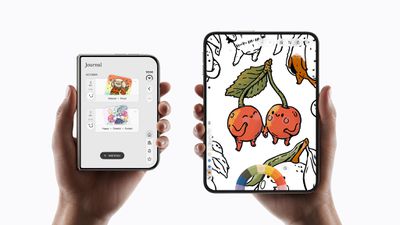
The physical nature of the device has unlocked new creative avenues. Fold & Squish (Free), a Rorschach-style art app, encourages users to paint on one side of the display and "squish" the digital paint by closing the device. It is a brilliant utilization of the form factor that would be impossible on a flat screen.
Lake ($Free/Sub), a long-standing favorite in the coloring space, has been overhauled for the Duo. By leveraging the Apple Pencil and the increased surface area in portrait mode, the app feels less like a mobile game and more like a high-end digital sketchpad.
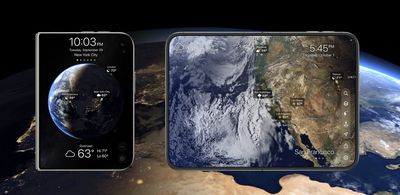
Immersive Relaxation: Portal and Living Earth
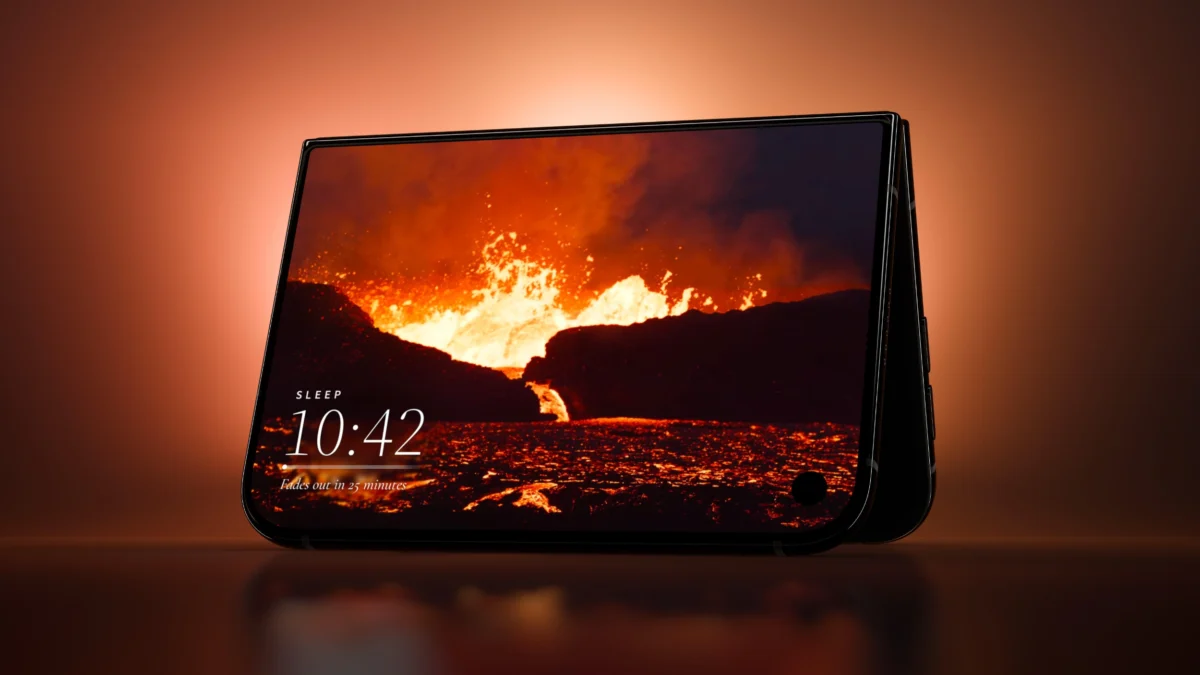
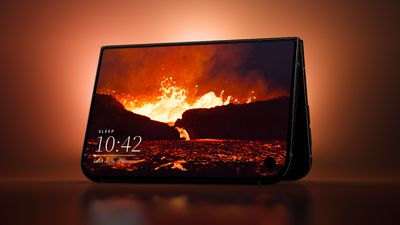
The "tent mode" has proven to be the perfect anchor for ambient, passive apps. Portal ($2.99/mo) uses the Duo’s ability to stand upright to offer a "window" into natural environments—from Icelandic lava flows to Costa Rican forests. By providing a wide, stable canvas, the Duo becomes a desk companion, moving away from the distraction-heavy nature of standard smartphone apps.
Official Responses and Market Constraints
The launch of the iPhone Duo has not been without friction. While the software ecosystem is thriving, the physical supply chain is struggling. Apple retail staff have been instructed to steer customers away from walk-in purchases, as inventory remains severely constrained.
Mark Gurman of Bloomberg has publicly criticized this rollout, citing the decision to open pre-orders despite known manufacturing bottlenecks as a "major mistake." This has created a bifurcated reality: while the digital experience for the lucky few who secured a unit is glowing, the physical availability remains a point of contention for the broader public.
Implications for the Future of Mobile Computing
The success of these early apps suggests that the iPhone Duo is not just a high-end curiosity, but a pivot point for Apple’s future. If developers continue to prioritize "physical" interactions—where the act of folding, closing, or tenting the device triggers a state change in the software—we may be witnessing the end of the "flat UI" era.
The Developer’s Dilemma
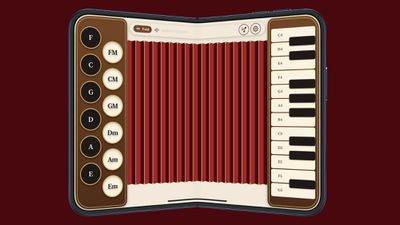
Developers now face a new challenge: how to design for the "hinge." An app that ignores the crease or the secondary screen will quickly feel dated. Conversely, those that treat the hinge as a feature—like the Fold Accordion ($2.99), which uses the physical hinge as the bellows of an instrument—are the ones setting the new standard.
Impact on Hardware Expectations
The reliance on these specialized apps implies that the hardware must be durable. If users are encouraged to "squish" paint or snap the device shut to play music, the long-term reliability of the folding mechanism becomes the single most important metric for Apple’s reputation.
Conclusion: A New Way to "Touch"
The iPhone Duo is, at its heart, an invitation to play. By moving beyond the static, glass-slab design of the last decade, Apple has empowered developers to create software that feels grounded in the physical world. Whether it is the nostalgic glow of a virtual Macintosh or the meditative calm of a digital portal, the apps of 2026 are defining what it means to own a device that can change its shape.
As we move forward, the question remains whether this form factor will become the new standard or remain a niche for the creative class. For now, however, the verdict is clear: the iPhone Duo has successfully turned the smartphone back into something that feels, for the first time in years, truly innovative.
Are you an early adopter? We want to hear from you. Have you found an app that uses the Duo’s hinge in a way we haven’t covered? Join the conversation in the comments section below and help us map the future of the foldable experience.