











In the modern digital landscape, speed is no longer just a technical luxury—it is a fundamental requirement for business survival. As Google continues to refine its algorithms, website loading speed has transitioned from a best practice into a concrete, non-negotiable ranking factor. Today, a sluggish website is not merely an annoyance to the user; it is a signal to search engines that a site may not be providing the high-quality, seamless experience required to rank in competitive search results.
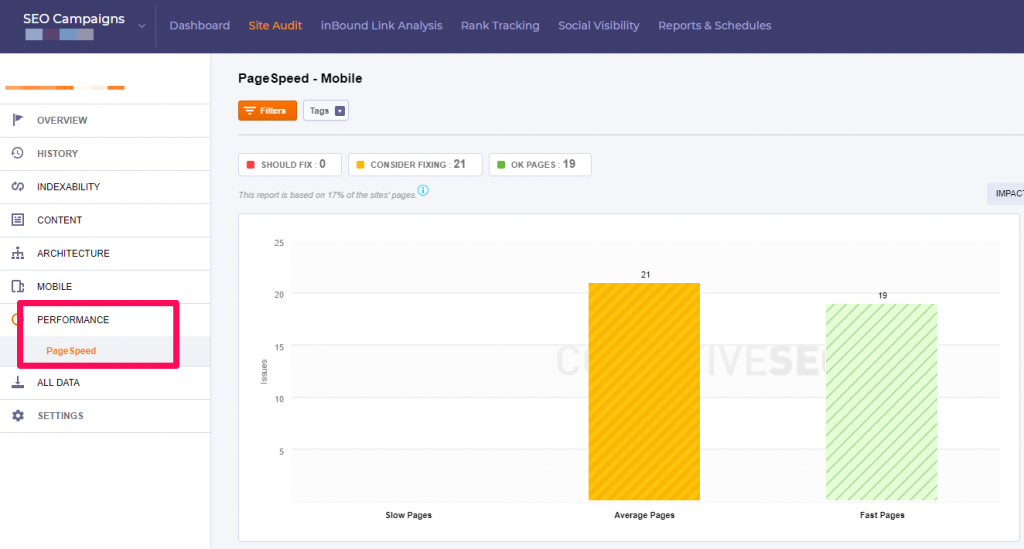
Google has taken significant steps to help webmasters and developers bridge the gap between slow performance and high-speed delivery. At the center of this initiative is Google PageSpeed Insights, a diagnostic powerhouse powered by the underlying Lighthouse technology. But as the digital ecosystem grows more complex, the question remains: How does this tool function, what do the metrics truly mean, and—most crucially—is a perfect score the ultimate goal for SEO success?
The Evolution of Google’s Speed Diagnostics
Historically, Google’s approach to speed testing was rudimentary. Early versions of their tools provided generic advice that often failed to reflect the real-world experience of a user on a mobile device. However, as the industry shifted toward a "Mobile-First" index in 2018, Google overhauled its diagnostic capabilities.
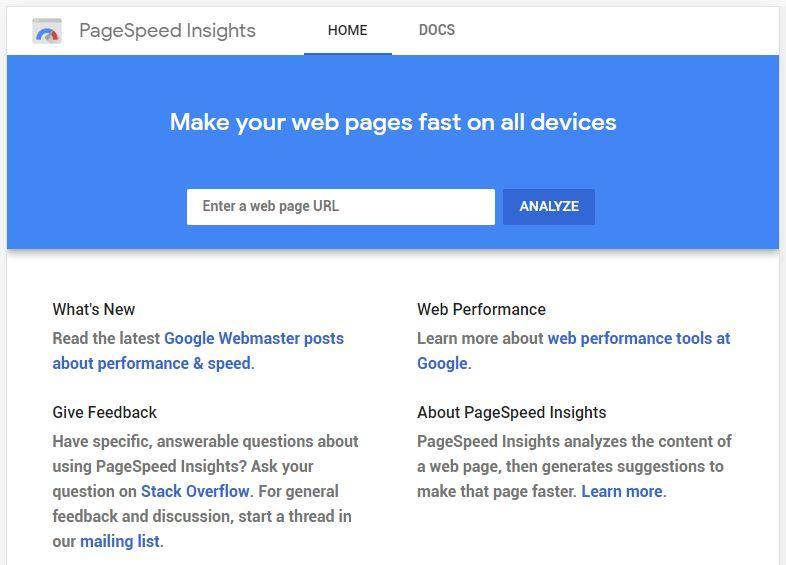
The modern iteration of PageSpeed Insights, powered by Lighthouse, acts as a bridge between raw data and actionable SEO strategy. It analyzes a page not just for technical code efficiency, but for User Experience (UX) and accessibility. While the tool has become significantly more robust and accurate, it has also become more complex, leaving many marketers and developers struggling to interpret the data effectively.
Decoding the Metrics: Field vs. Lab Data
To master page speed, one must distinguish between the two types of data reported by Google:
1. Field Data (The "Real World" Truth)
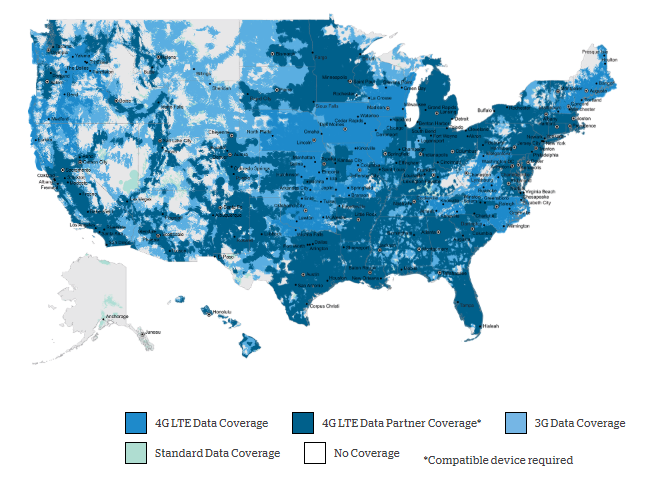
Field data is the gold standard of performance metrics. It is pulled from the Chrome User Experience Report (CrUX) and reflects how real users, on real devices, with varying internet speeds (from 3G to 5G), actually experience your site. It is an aggregate of historical data, providing a snapshot of performance over the previous 28 days.

2. Lab Data (The Controlled Environment)
Lab data is generated by a simulated test, usually performed in a standardized environment (e.g., a specific desktop or mobile configuration). While useful for developers debugging code, lab data is "synthetic." It tells you how your site might perform under ideal conditions, but it doesn’t account for the chaotic reality of end-user network fluctuations.
Key Performance Indicators
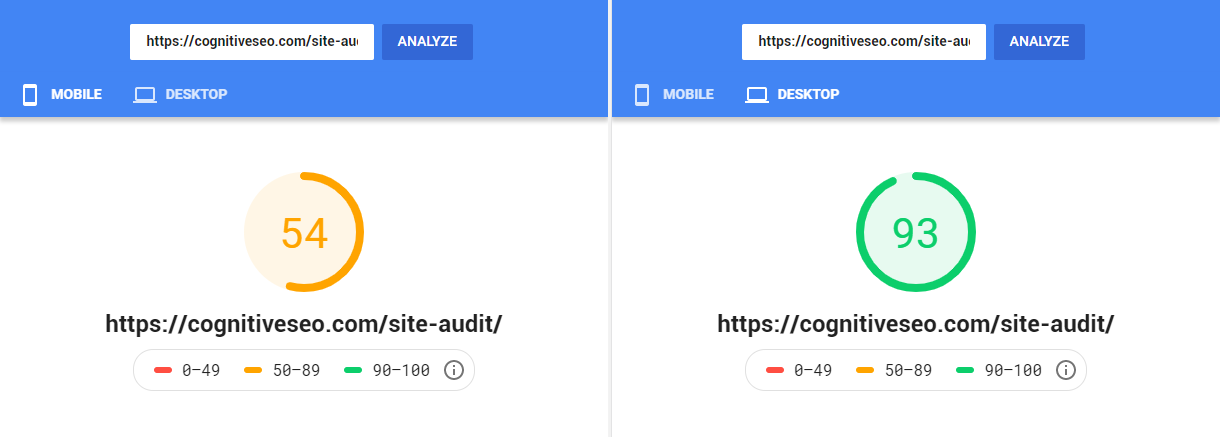
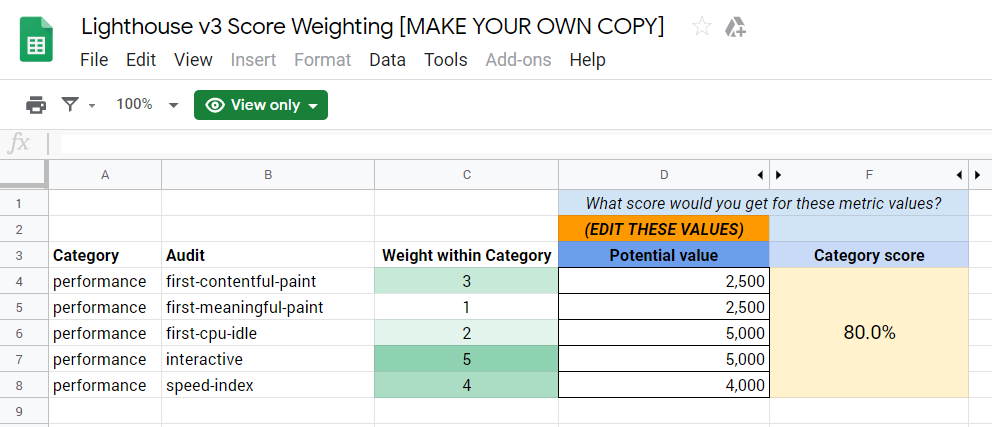
The tool provides several critical metrics, each weighted differently to calculate your final score:
- First Contentful Paint (FCP): The time it takes for the browser to render the first piece of DOM content.
- Speed Index: A measure of how quickly content is visually populated during page load.
- Time to Interactive (TTI): The point at which the page is fully responsive to user input.
- Largest Contentful Paint (LCP): A Core Web Vital that marks the point in the page load timeline when the main content has likely loaded.
Does Speed Actually Affect SEO?
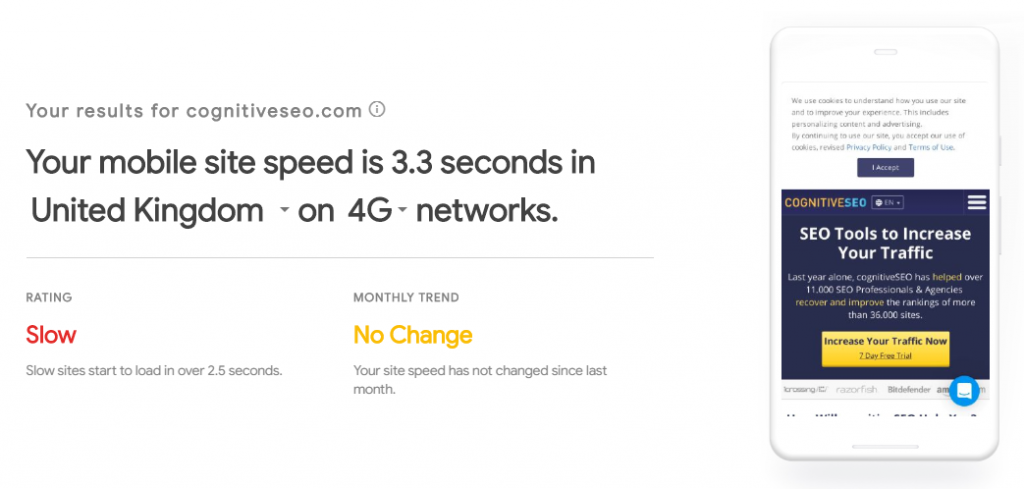
The short answer is yes. Page speed is a confirmed ranking factor. However, the correlation between a high PageSpeed score and high rankings is not linear.

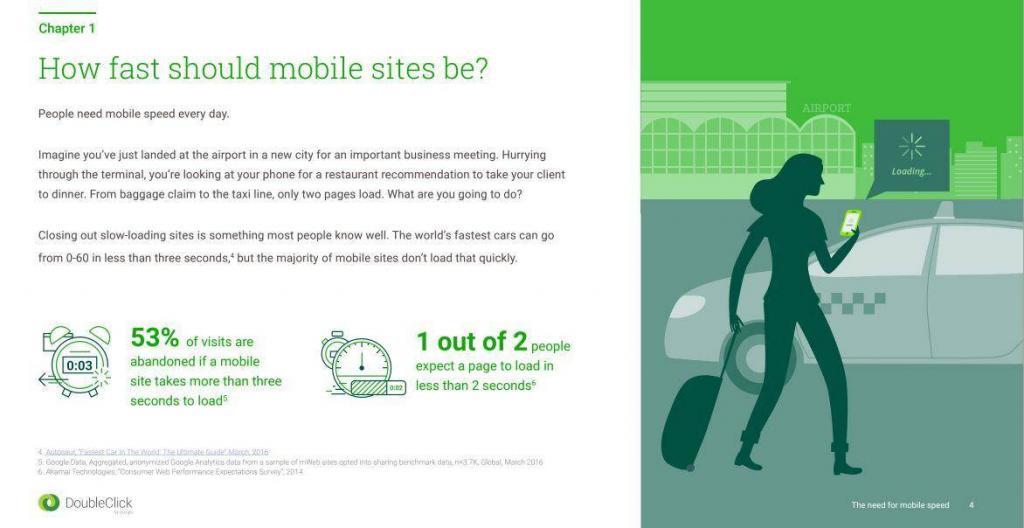
Google’s own research suggests that as page load time goes from 1 second to 3 seconds, the probability of a user bouncing increases by 32%. When load time hits 6 seconds, that probability skyrockets to 106%. Google prioritizes these user-centric metrics because they reflect the quality of the service provided.
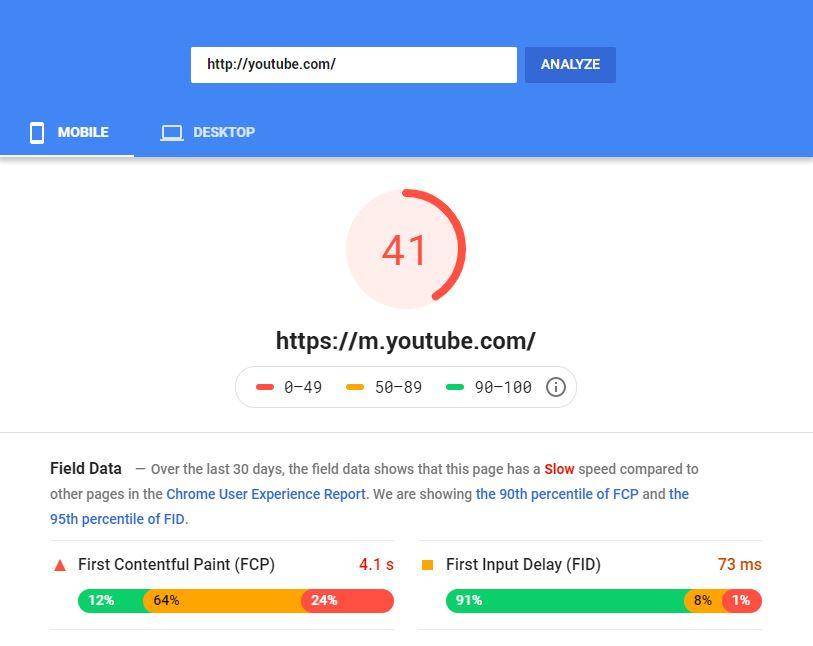
The 100/100 Myth: A common misconception is that a site must achieve a 100/100 score to rank. This is categorically false. Some of the world’s most visited websites—including YouTube—often score lower than 50 on mobile. These sites rank not because of their speed score, but because of their massive domain authority and the relevance of their content.

Speed is a "tie-breaker." If two sites offer equal content quality and relevance, the faster one will almost invariably outrank the slower one.

Strategic Pillars for Performance Optimization
Achieving a high-performing site requires a disciplined approach to technical maintenance. Before implementing these changes, always perform a full backup of your database and files.
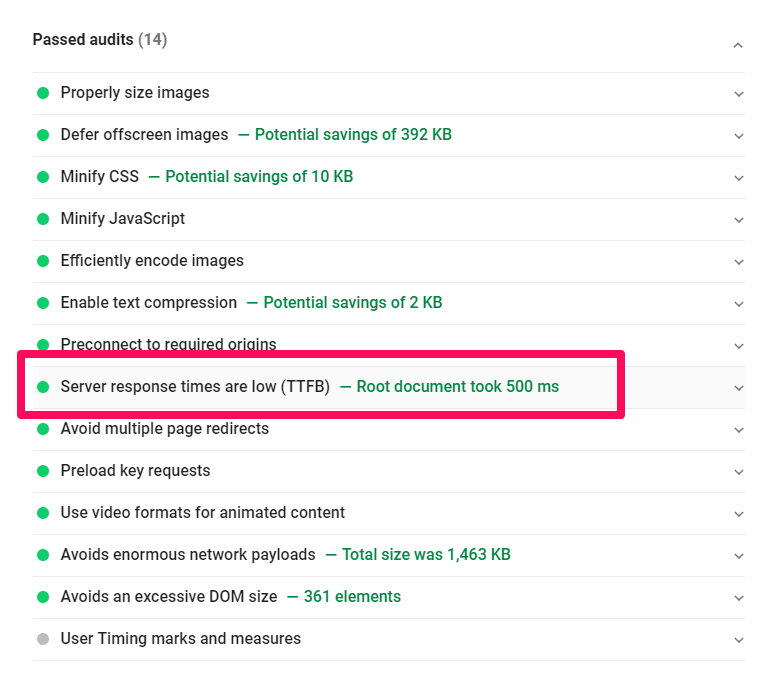
1. Server Response Time and TTFB
The Time To First Byte (TTFB) is the foundation of your site’s speed. If your hosting provider is slow, no amount of optimization will save you. For local SEO, ensure your server’s physical data center is located in the region of your primary audience. If your customers are in Italy, hosting in the US will introduce unnecessary latency.
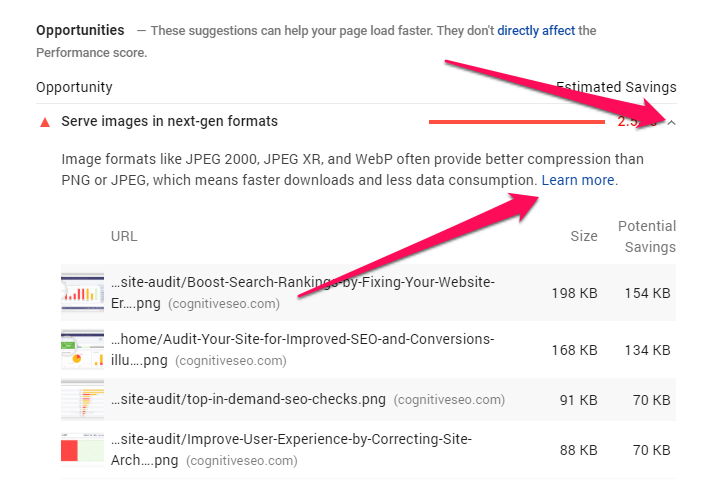
2. Image Optimization and Next-Gen Formats
Images are the primary culprit for bloated page sizes.
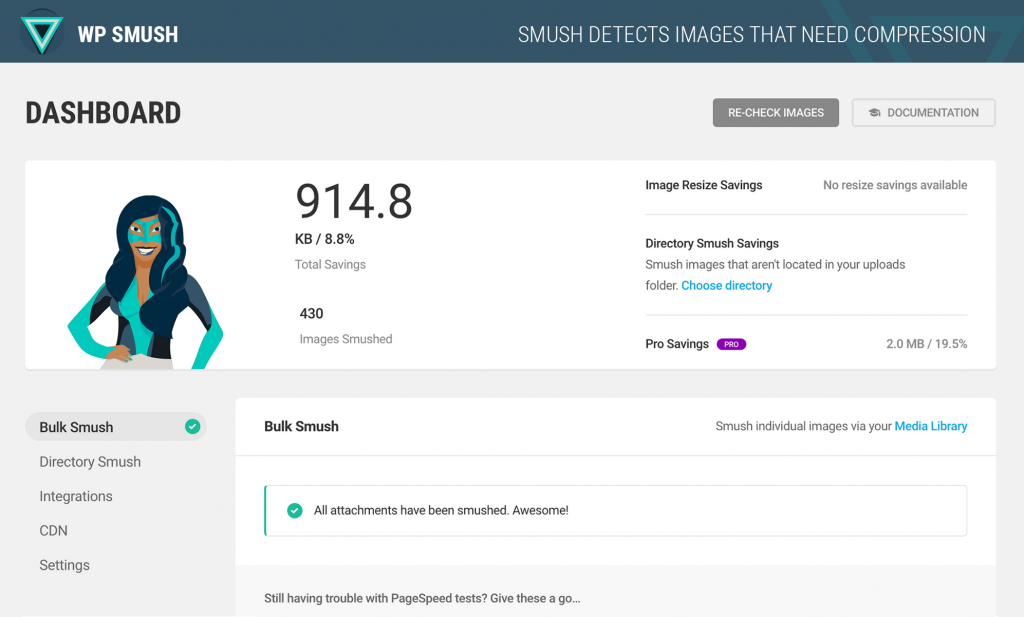
- Compression: Use tools or plugins to shrink image disk size without sacrificing visual fidelity.
- Dimension Matching: Never load a 2000px image into a 300px container. Ensure your images are served at the exact dimensions they are displayed.
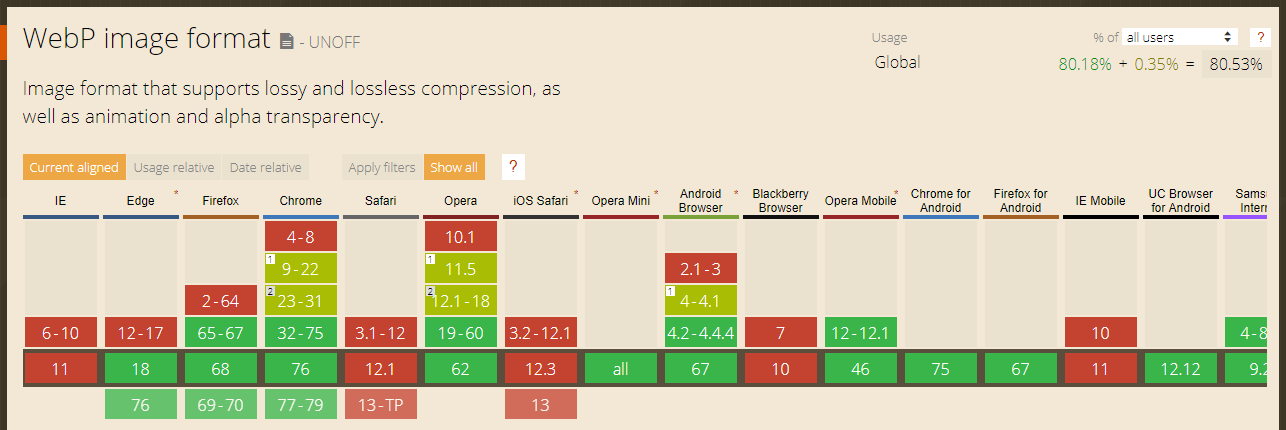
- Modern Formats: Transition to WebP or AVIF. These formats offer superior compression compared to traditional JPEGs, though you must ensure your server is configured to serve them correctly based on the user’s browser.
3. Minification and Compression
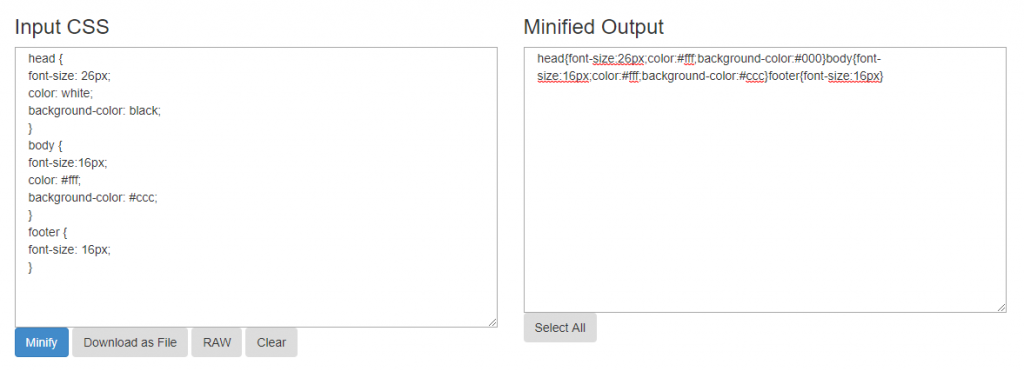
Minification removes unnecessary spaces, comments, and line breaks from CSS and JavaScript files. When combined with Gzip or Brotli compression, these files can be reduced by up to 70% in size before they are transmitted to the user’s browser. Most modern caching plugins for WordPress and other CMS platforms handle this automatically.
4. Caching Policies
An effective caching policy stores static resources (like logos, CSS files, and fonts) in the user’s browser. This means that on a repeat visit, the page loads almost instantly because the browser doesn’t have to re-download the entire site architecture.

Beyond Technical SEO: Brand Authority
While technical optimization is critical, it is not a silver bullet. Modern search engines are increasingly moving toward an "AI-first" model. They look for signals of trust, authority, and brand sentiment across the web.

If your technical SEO is flawless, but your brand lacks external mentions, backlinks, or positive community sentiment, you will struggle to compete with established entities. This is where platforms like BrandMentions become essential. By monitoring your brand’s "digital footprint" in real-time, you can mitigate reputation damage and ensure that your brand is recognized as an authority by the AI engines that power modern search results.
Combining a lightning-fast, technically optimized website with a strong, trusted digital reputation creates a sustainable foundation for long-term growth.
The Future: 5G and Beyond
As we move toward a 5G-enabled world, some argue that page speed will matter less. This is a dangerous assumption. While raw bandwidth may increase, the complexity of web pages—including heavy 3rd-party scripts and high-definition media—is also increasing. The race for speed is, in reality, a race to eliminate "perceived latency."

Ultimately, your goal should be to deliver the most value in the shortest amount of time. Whether that is a 1-second load or a 3-second load, the priority must always be the user. Use tools like PageSpeed Insights, Pingdom, and GTMetrix to gather data, but remember that the data is meant to serve your users, not just to satisfy an algorithm.
Conclusion
Page speed is a vital pillar of the modern SEO strategy. By focusing on efficient coding, server-side optimizations, and a clean, lightweight design, you can significantly improve your user experience. However, always balance these technical efforts with the broader necessity of building a brand that users and search engines trust.

What is your current PageSpeed score? Have you found that optimizing your core web vitals led to a noticeable shift in your search rankings? Join the conversation in the comments below.



