










In the modern digital landscape, the old adage "if you build it, they will come" no longer applies. You might possess an impeccably designed website, host world-class content, and offer a seamless user experience, yet remain virtually invisible to search engines and the burgeoning ecosystem of AI tools.
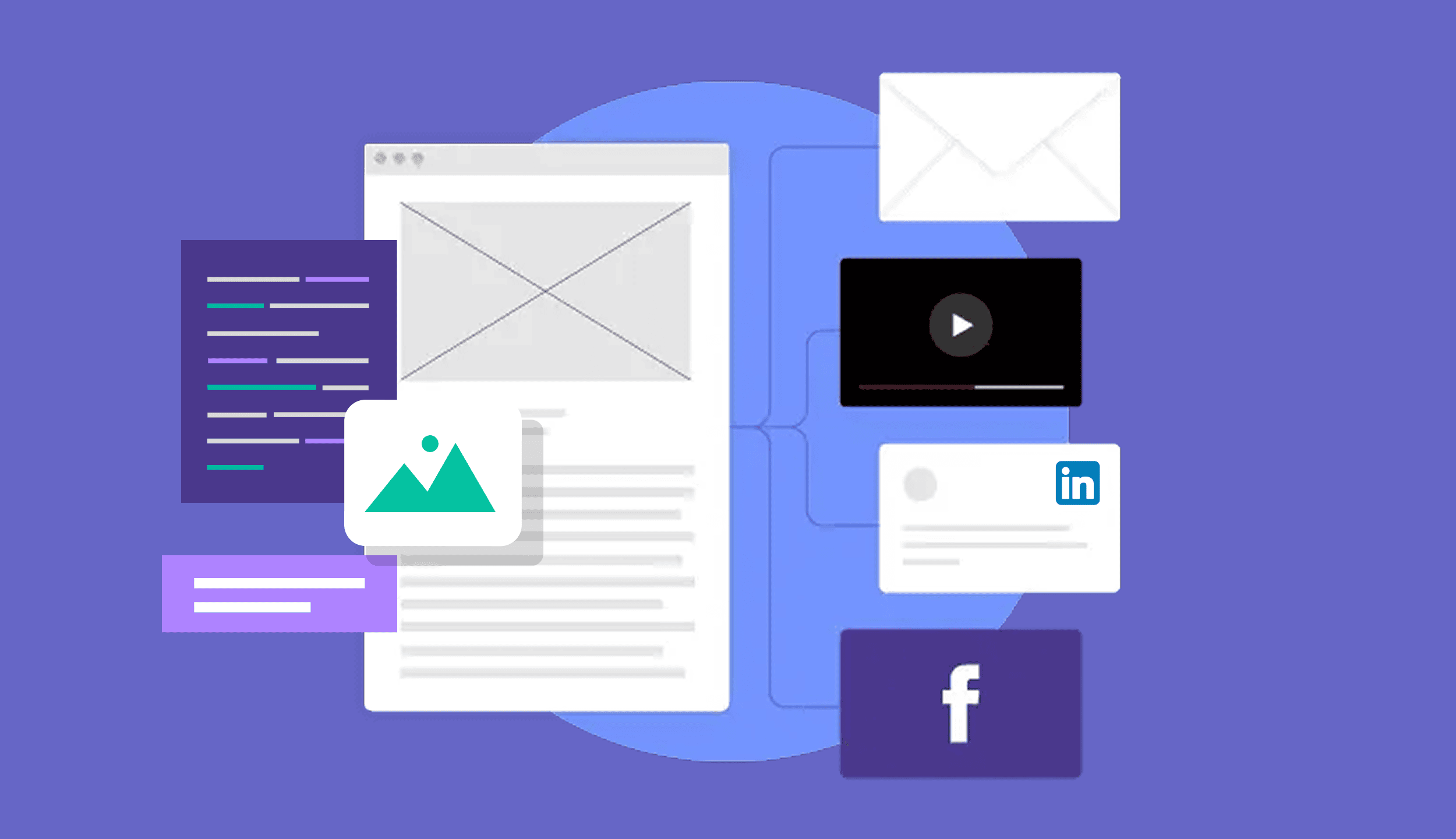
The reason for this digital invisibility is simple: Google and advanced Large Language Models (LLMs) like ChatGPT and Claude have moved beyond the "on-page" era of SEO. They no longer look at your website in a vacuum. Instead, they operate as decentralized auditors, constantly scanning the wider web to see what credible third-party sources say about your brand. They are looking for social proof—a digital "reputation score"—to determine if your business is an entity worthy of recommendation.
Every time a trusted publication, an active community forum, or an industry expert references your brand, they are casting a vote of confidence that algorithms track and quantify. In this comprehensive guide, we explore the mechanics of brand mentions, why they are currently the most critical factor in your visibility strategy, and how you can systematically earn them to dominate search results.
What Are Brand Mentions?
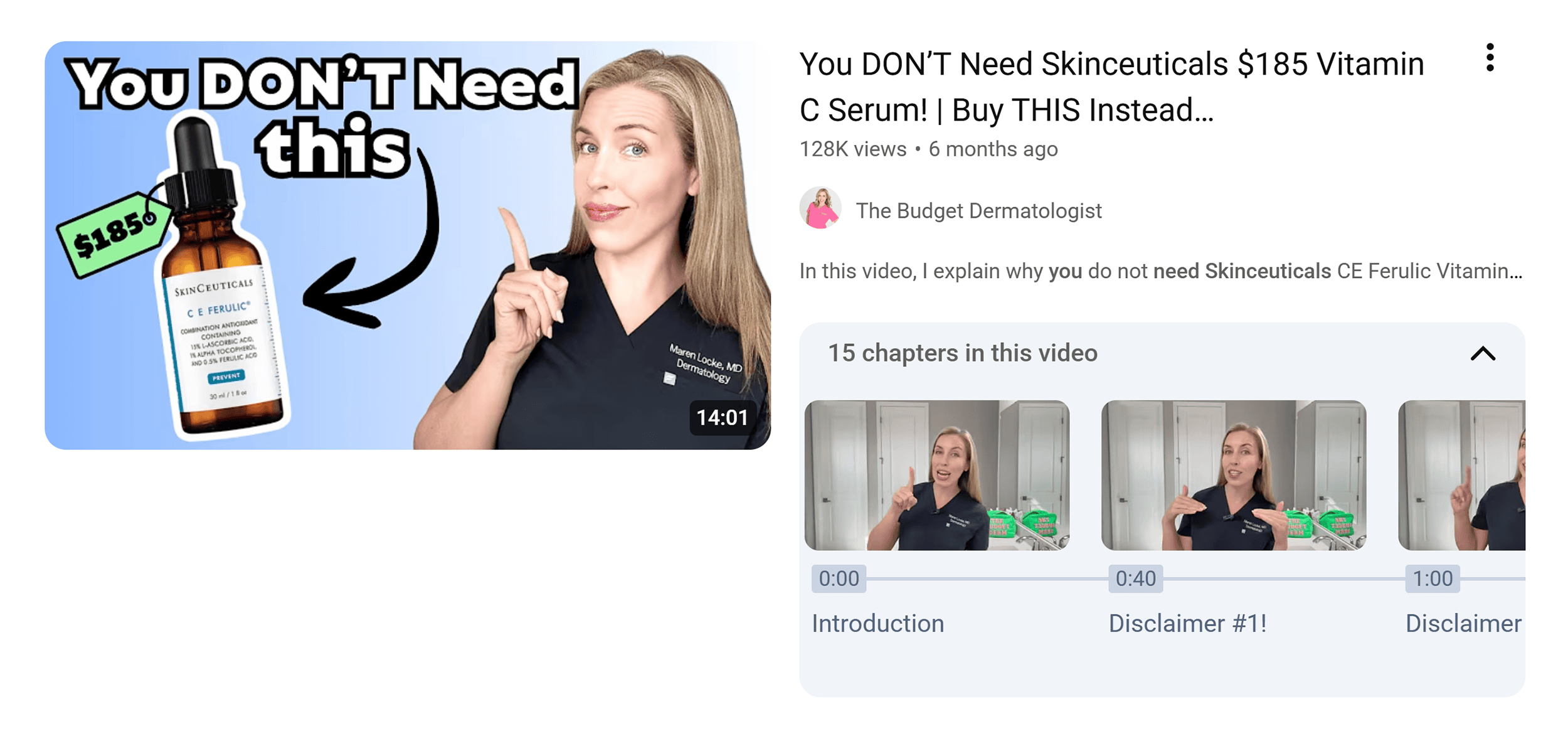
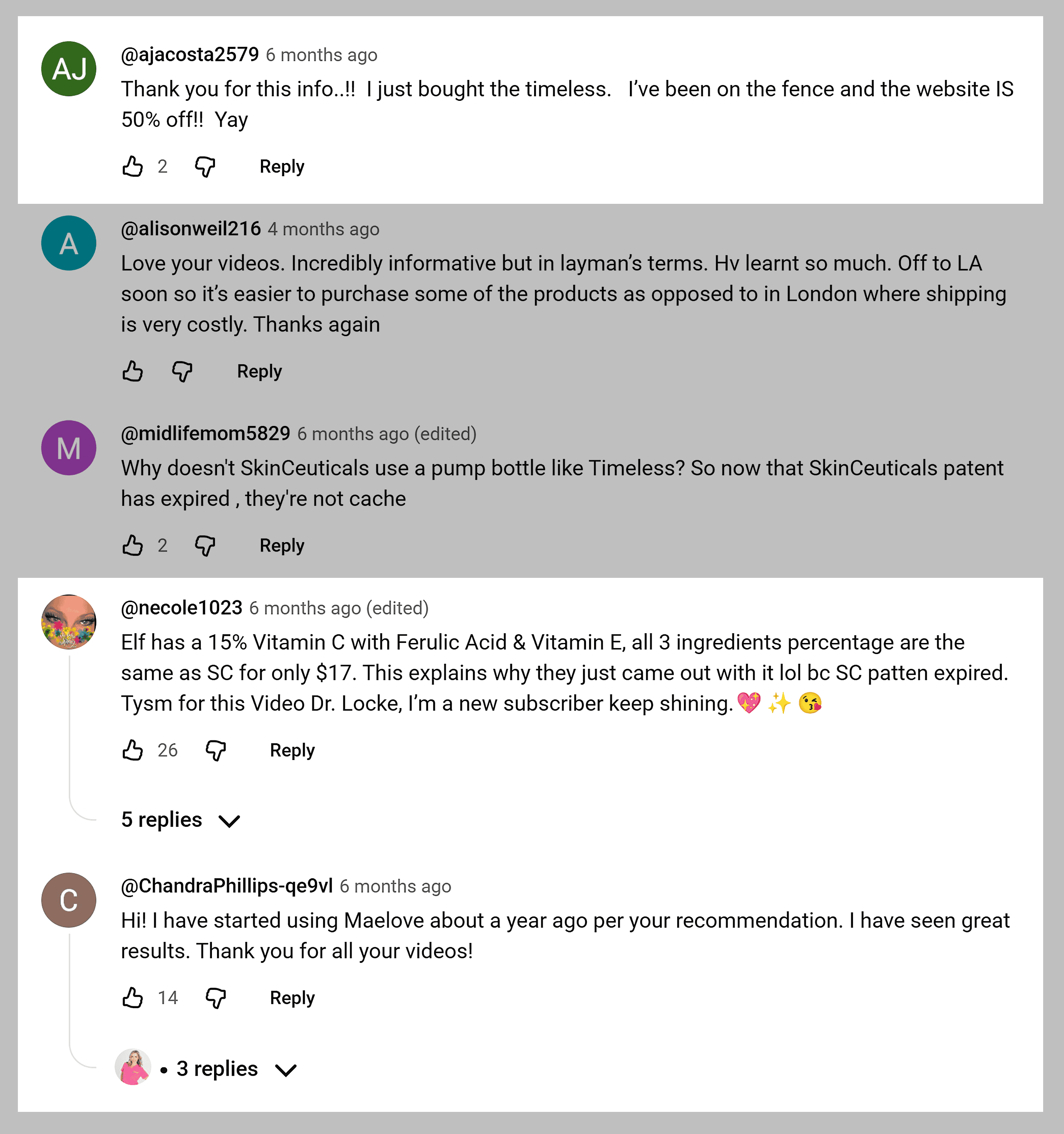
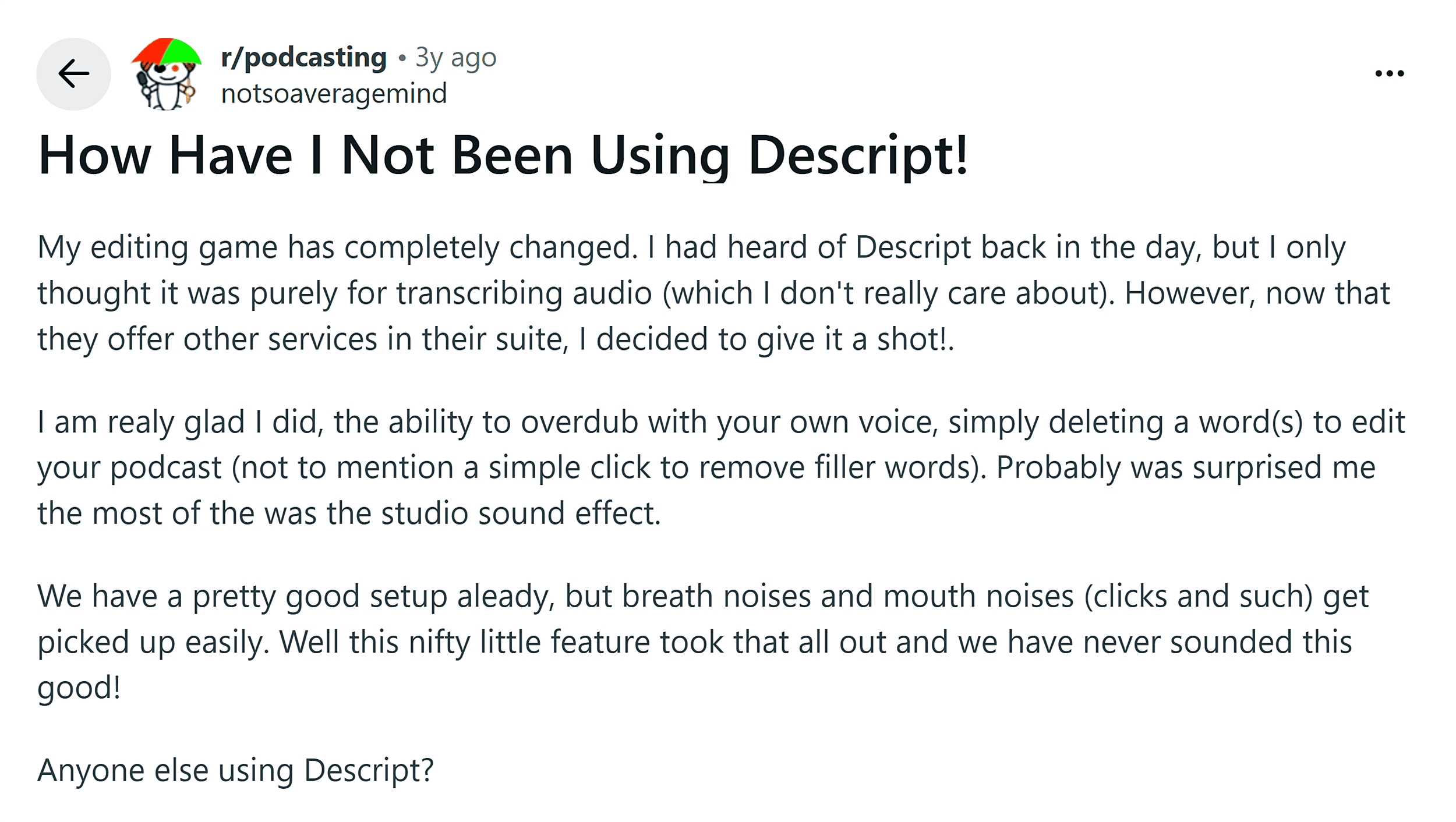
A brand mention is any reference to your business by a third party. These can manifest in myriad forms: an editorial feature in a news outlet, a deep-dive discussion in a Reddit thread, an expert analysis in a YouTube video, or a passing reference in a industry-specific podcast.
These references typically fall into two distinct categories:
- Linked Mentions: These include a clickable hyperlink directing traffic to your domain. They are the "gold standard" because they provide both authority signals and direct referral traffic.
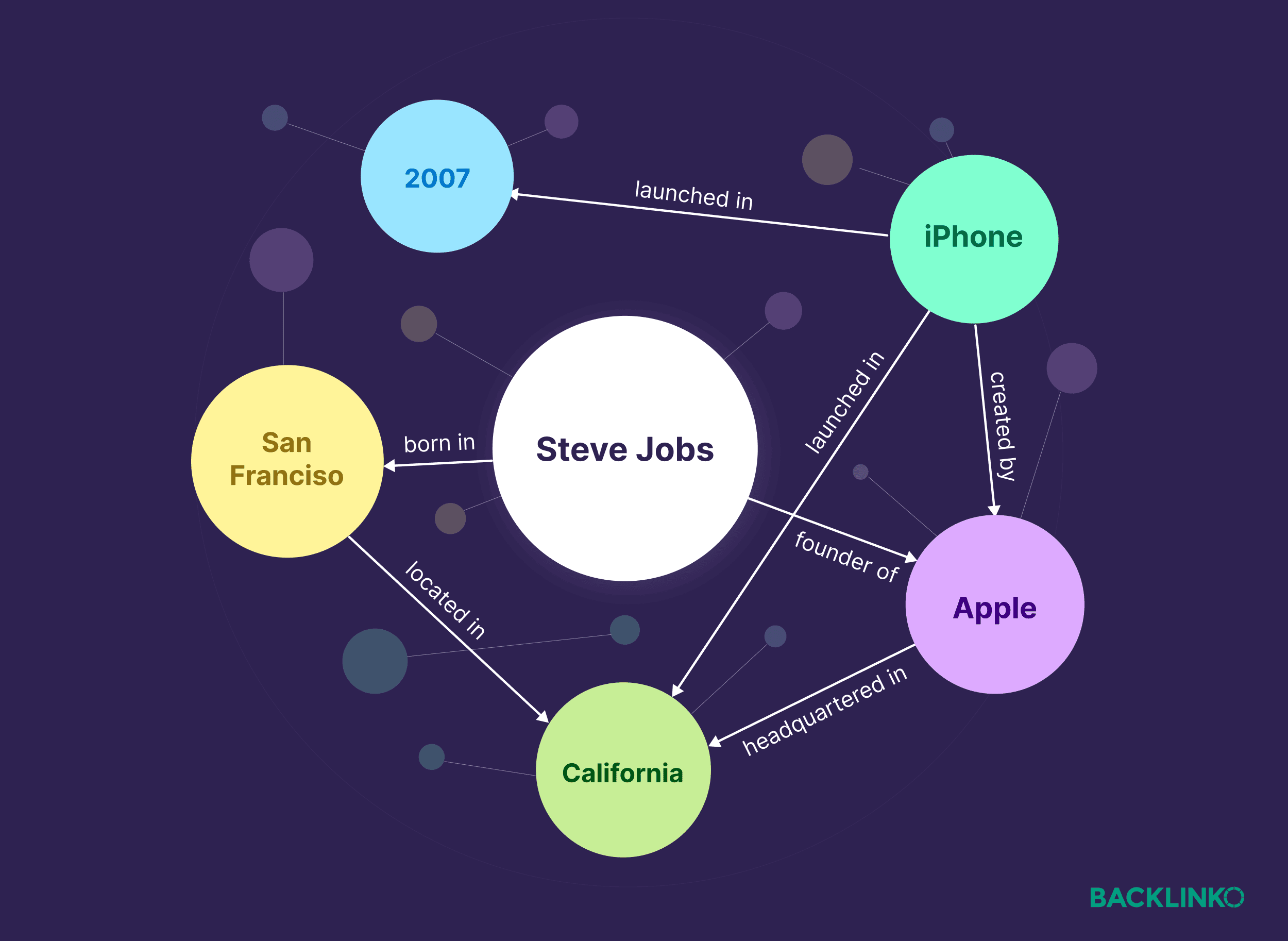
- Unlinked Mentions: These are references to your brand name without a link. While they lack the immediate traffic benefit, they are crucial for search engines and AI to build "brand context." When a brand is discussed frequently in relevant contexts without a link, it helps search engines map your entity within the Knowledge Graph.
Both are essential. While linked mentions provide a clear path for user acquisition, unlinked mentions build the foundational trust required for your brand to appear in the "featured" snippets of AI-driven search results.
The Divergence: Web Mentions vs. AI Mentions
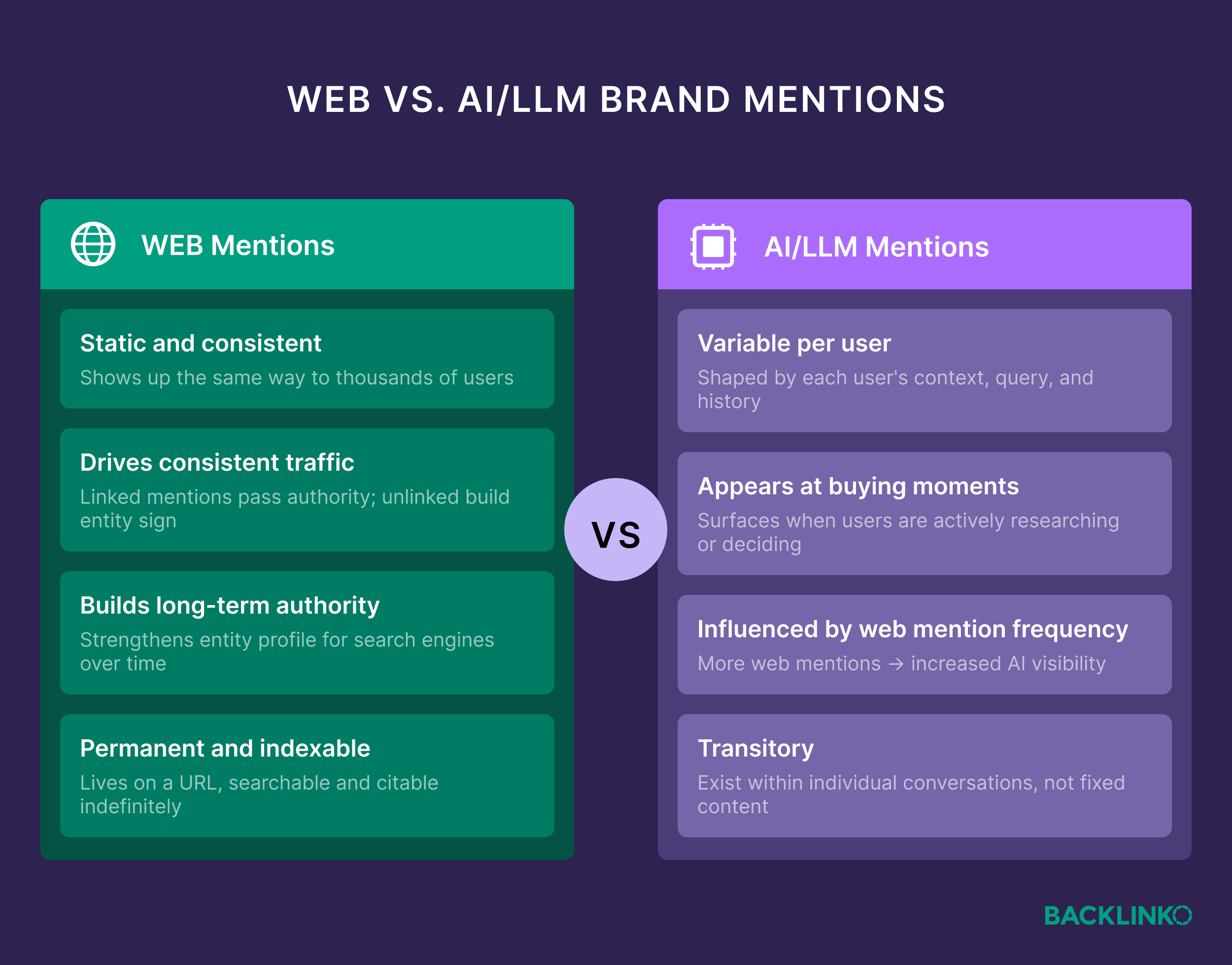
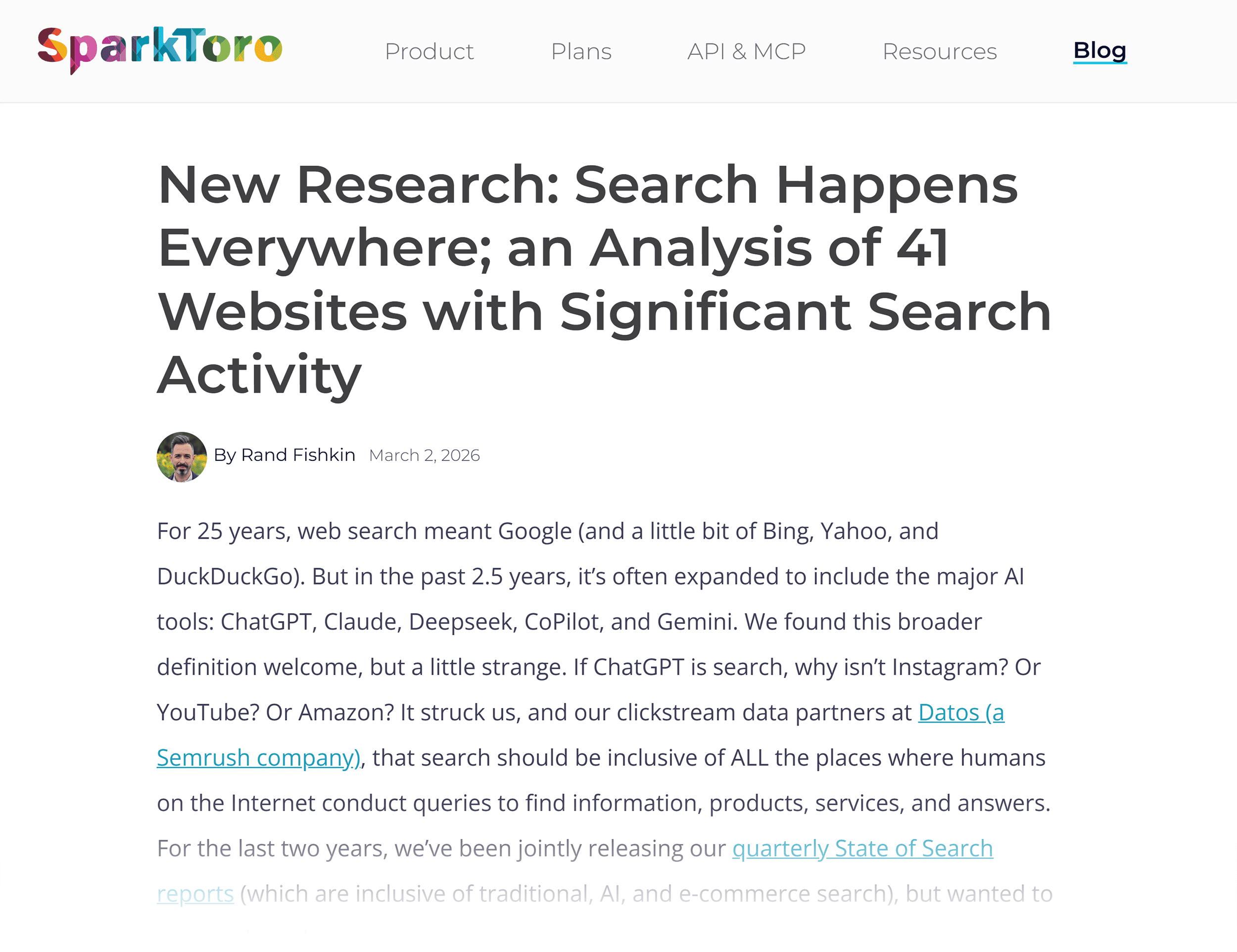
It is vital to distinguish between traditional web mentions and AI-specific mentions. A web mention is static; once published on a news site, it exists for anyone to see. Conversely, an AI mention occurs within a private conversation between an LLM and a user. Because AI responses are personalized based on browsing history and individual context, these mentions are fleeting and unique to that user session.
However, the path to AI visibility is paved with web mentions. The more consistently you appear in high-authority, relevant sources across the open web, the more "knowledge" the LLM ingests regarding your brand. Consequently, when a user asks, "What is the best tool for [X]?", your brand is far more likely to be retrieved and recommended by the AI.
Why Brand Mentions Matter Now More Than Ever
The shift toward AI-assisted search has fundamentally changed how authority is calculated. Here is why prioritizing brand mentions is a strategic imperative for 2026 and beyond.
1. Signaling Authority to Search Engines
Google’s Knowledge Graph is a sophisticated database mapping relationships between people, companies, and concepts. Brand mentions act as the primary data points for this map. If a reputable software review site consistently links your brand to "enterprise cloud security," Google begins to view your brand as a synonymous entity with that topic. This entity-level association is a key ranking factor that protects your visibility against algorithm fluctuations.
2. Tapping Into Untapped Audiences
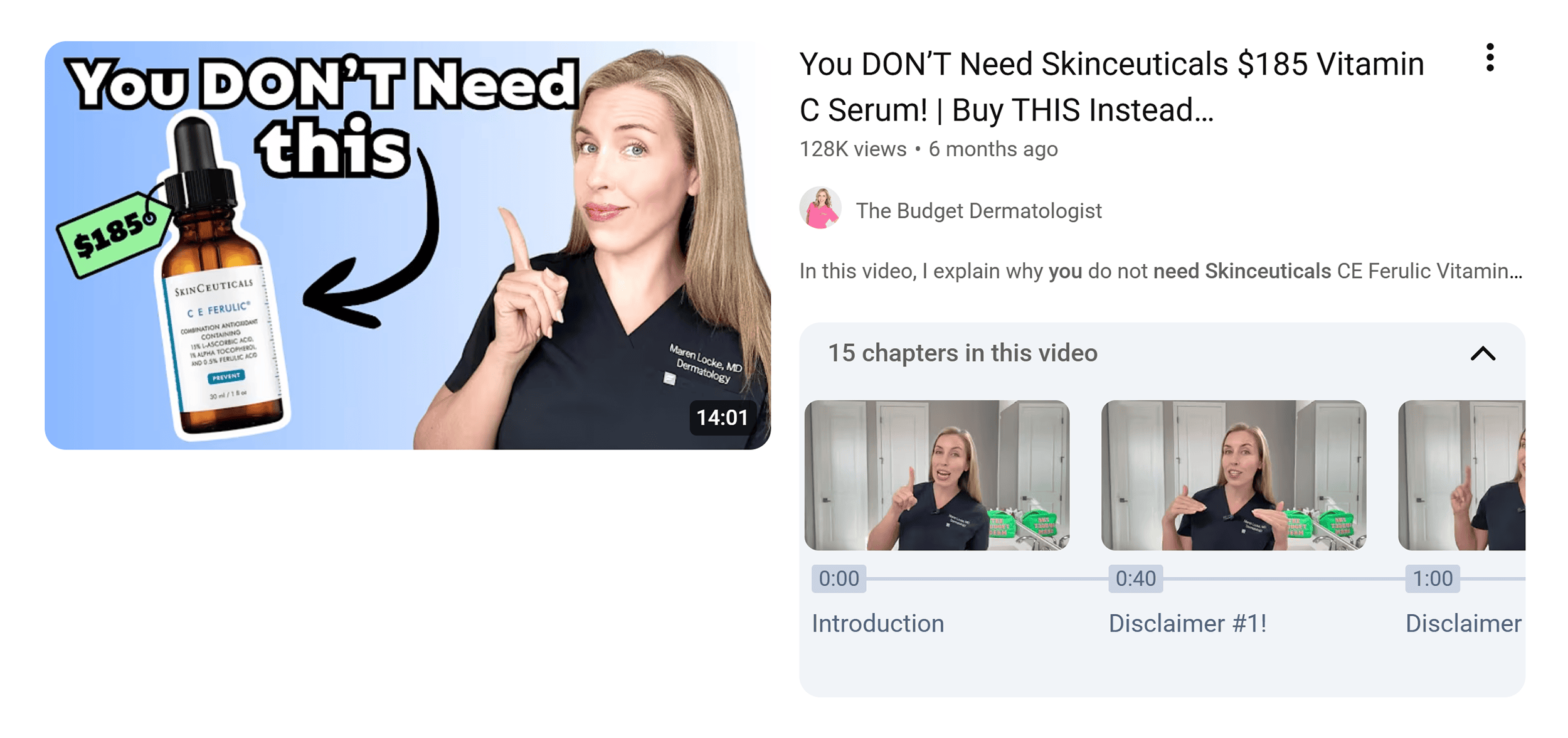
Brand mentions allow you to borrow the trust of others. When a YouTuber like The Budget Dermatologist recommends a product, they are not just providing a link; they are providing a testimonial that reaches thousands of viewers who were not actively searching for that specific brand. This drives "intent-based" traffic from an audience that trusts the curator, leading to higher conversion rates than standard organic search traffic.
3. Training the AI to Speak for You
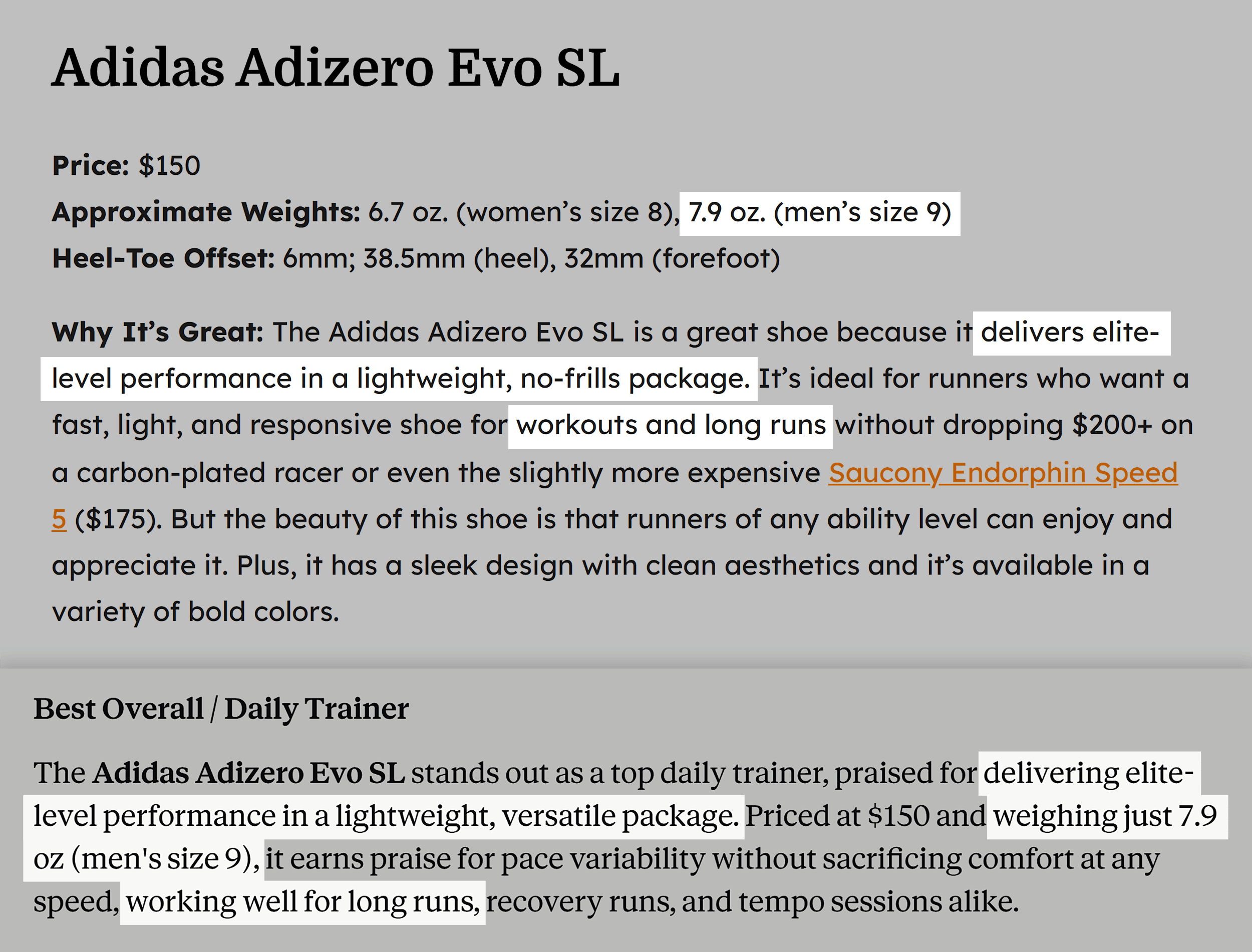
When LLMs recommend your product, they don’t invent information from scratch; they synthesize the language found in their training data. If your brand is described consistently in external articles as "an elite-level, lightweight performance solution," you will find that when users ask Claude or ChatGPT about your product, the AI will use nearly identical language. By securing high-quality brand mentions, you are essentially "programming" the AI to speak about your brand exactly how you want it to.
What Constitutes a "High-Quality" Mention?
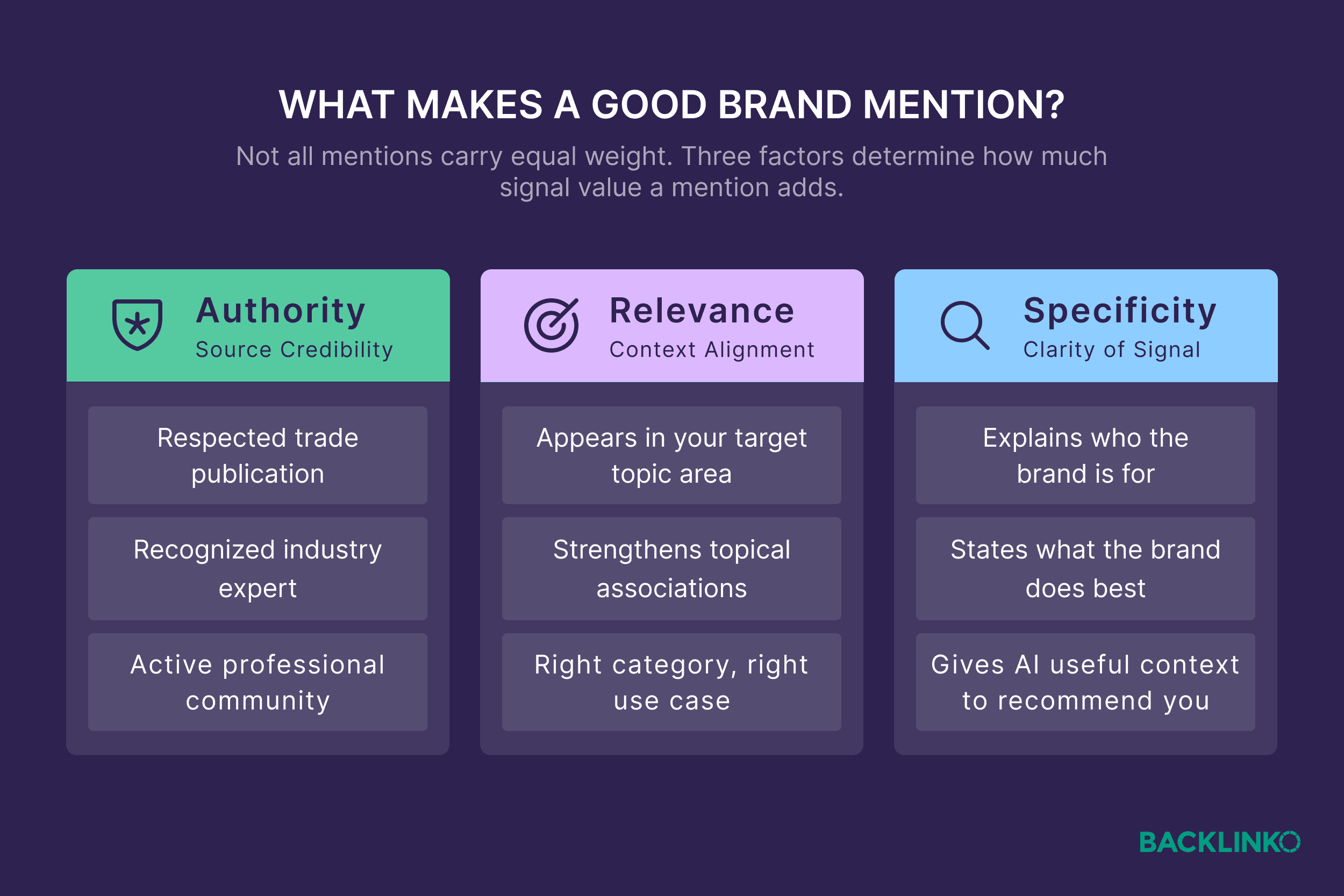
Not all mentions are created equal. The value of a mention is determined by three core factors:
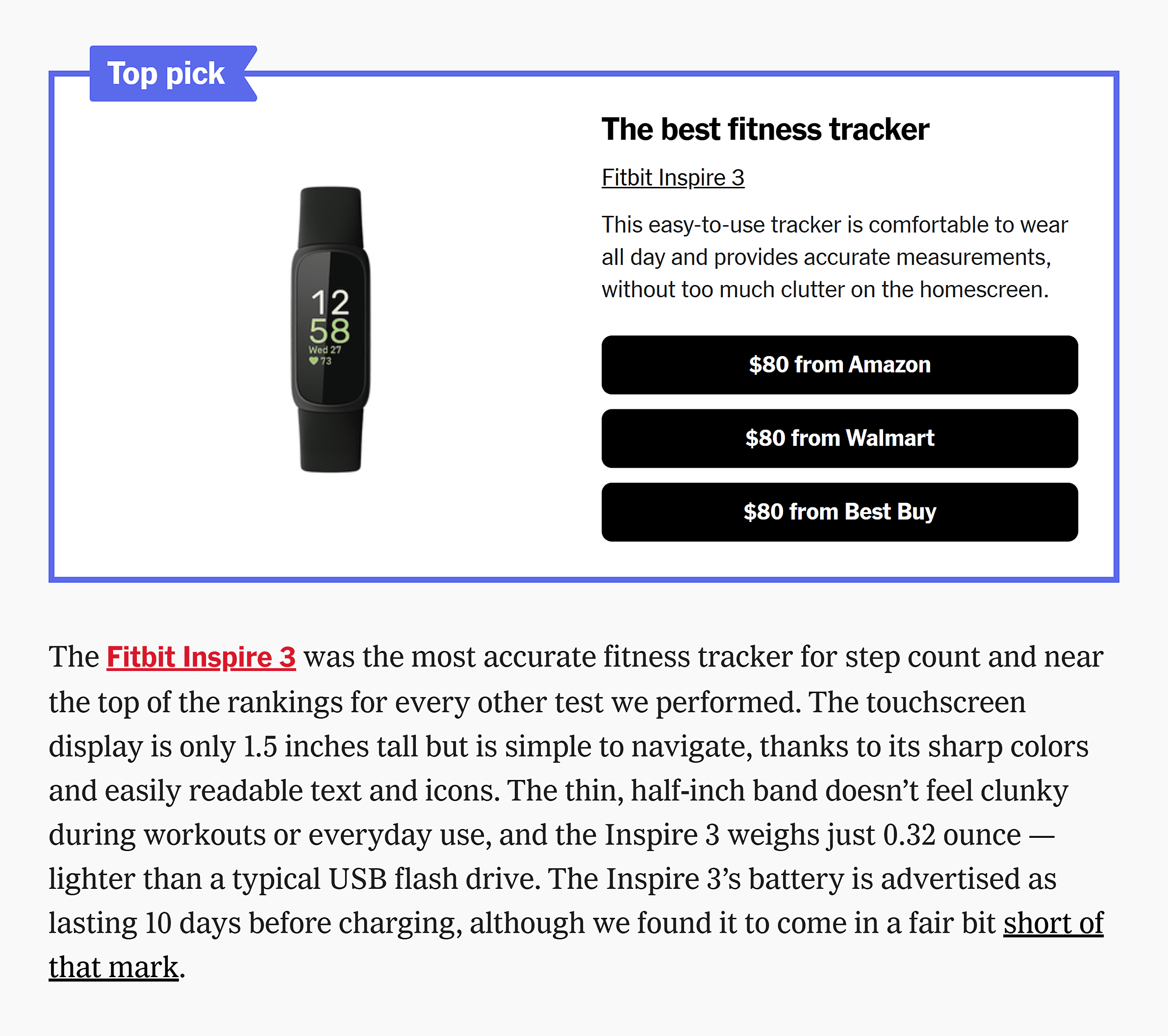
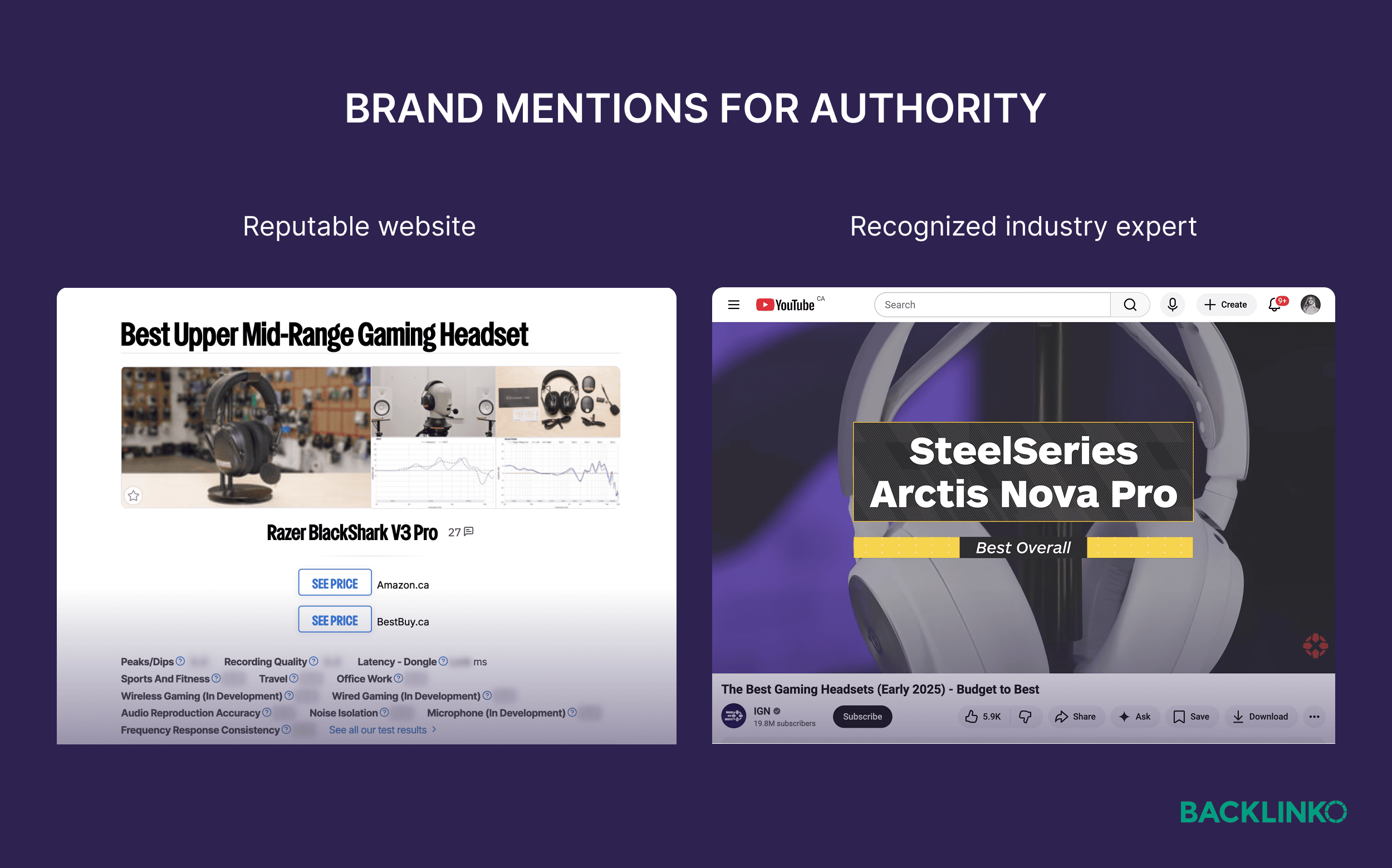
- Authority: A mention in a publication like The New York Times or a leading industry journal carries significantly more weight than a mention on a low-traffic, spammy blog.
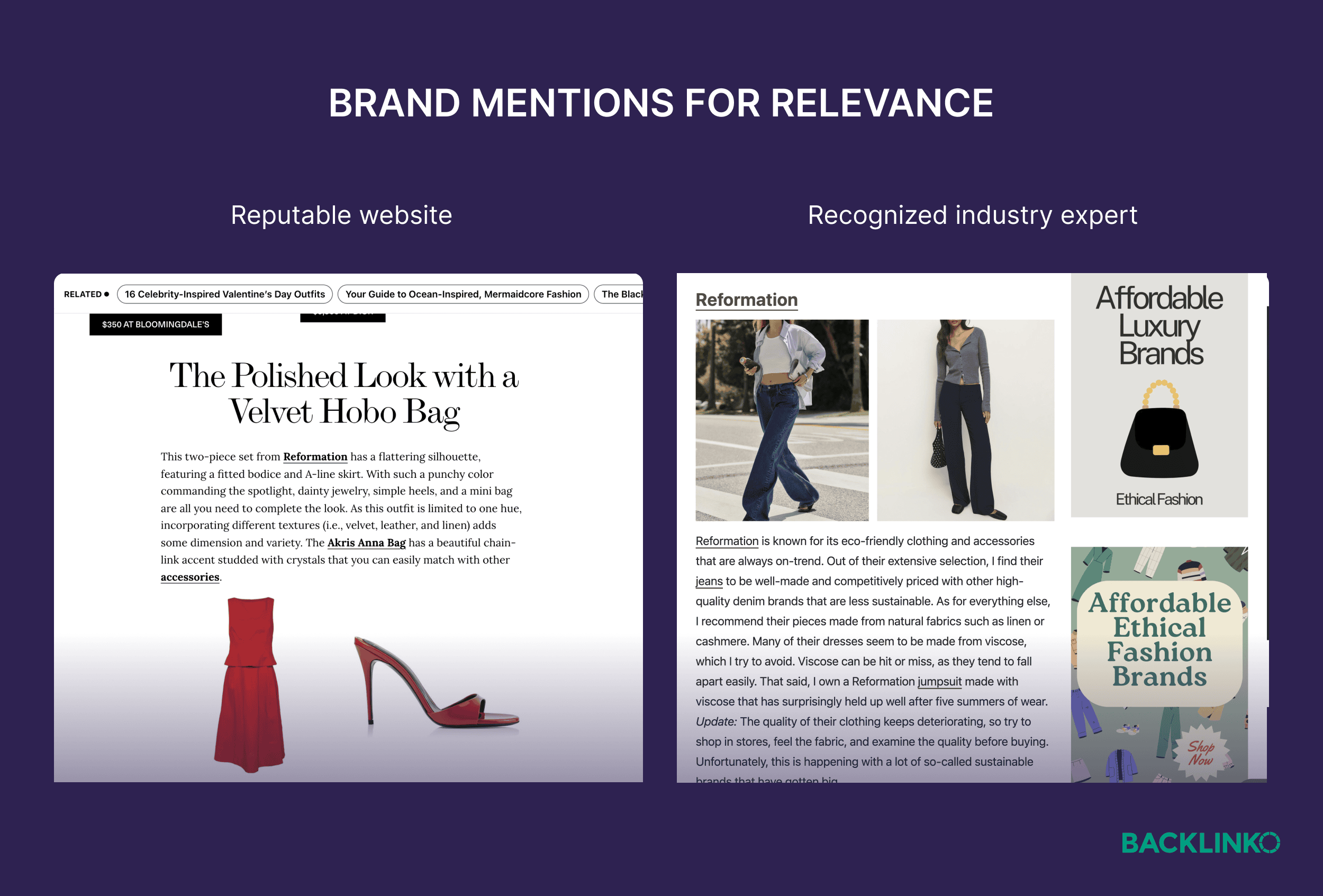
- Relevance: The context matters. A mention of your fashion brand in a sustainability article is far more powerful than a mention in a random, unrelated listicle.
- Specificity: A "good" mention includes details. It doesn’t just name the brand; it explains why the brand was chosen, what specific problem it solved, and how it compares to alternatives. This specificity provides the "signal" that AI tools need to differentiate your brand from competitors.
4 Tactics to Earn Valuable Brand Mentions
Building a brand mention strategy requires a shift from "link building" to "authority building." Here are four proven tactics.
1. Create Data-Driven, Citable Content
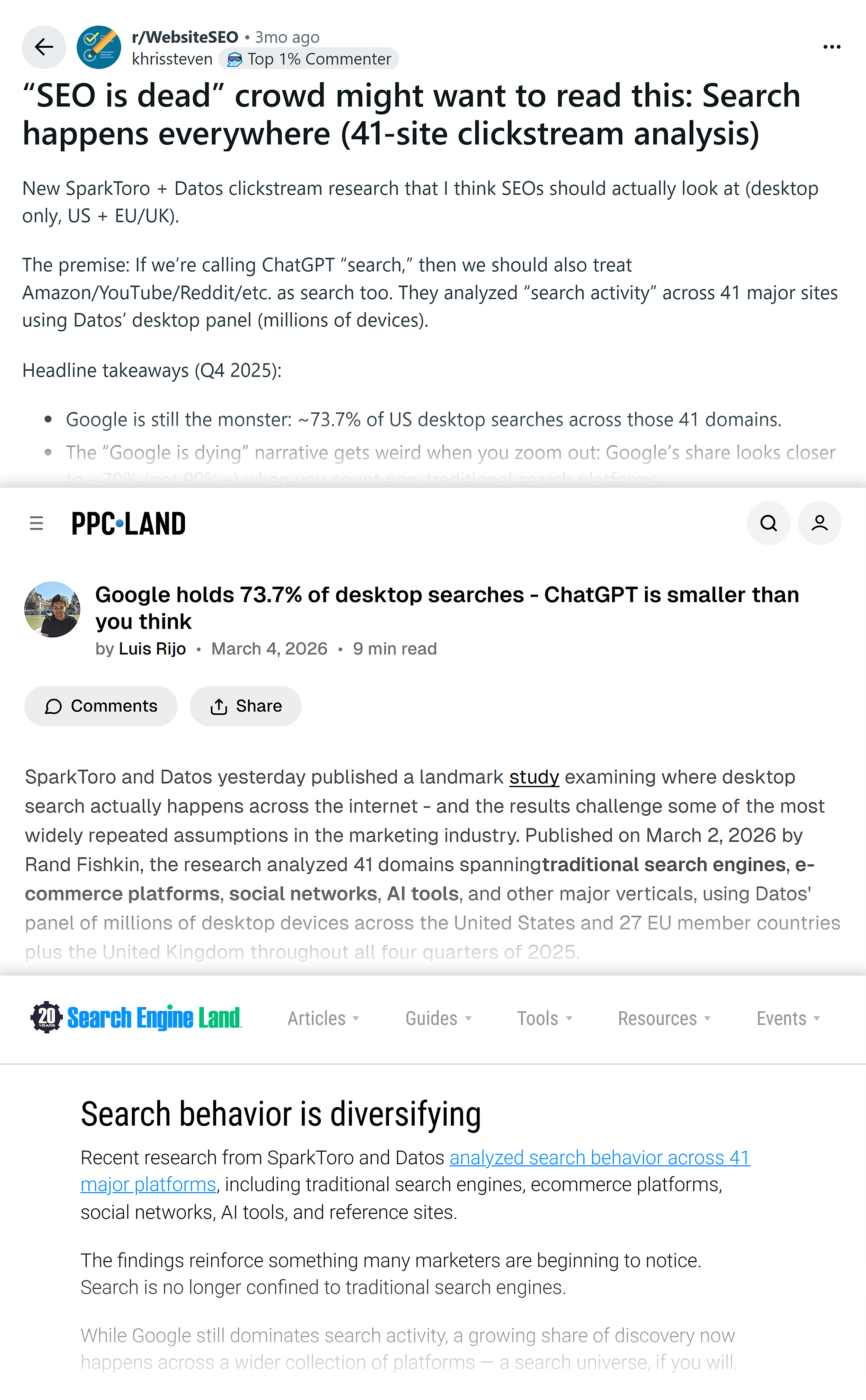
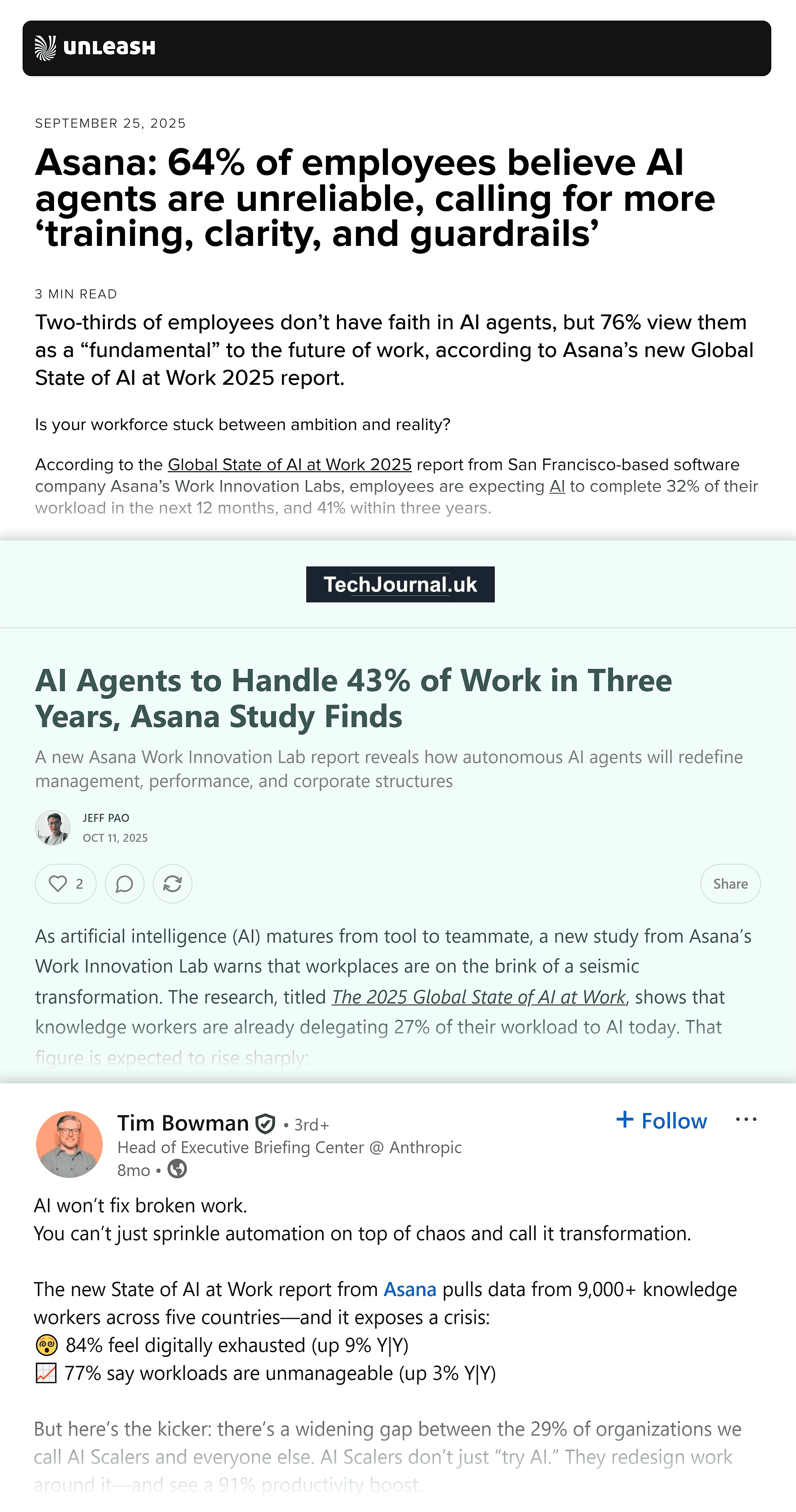
Original research is the ultimate "link magnet." By answering a question that is hotly debated in your industry—and backing it with proprietary data—you become the primary source that others must cite.
How to execute:
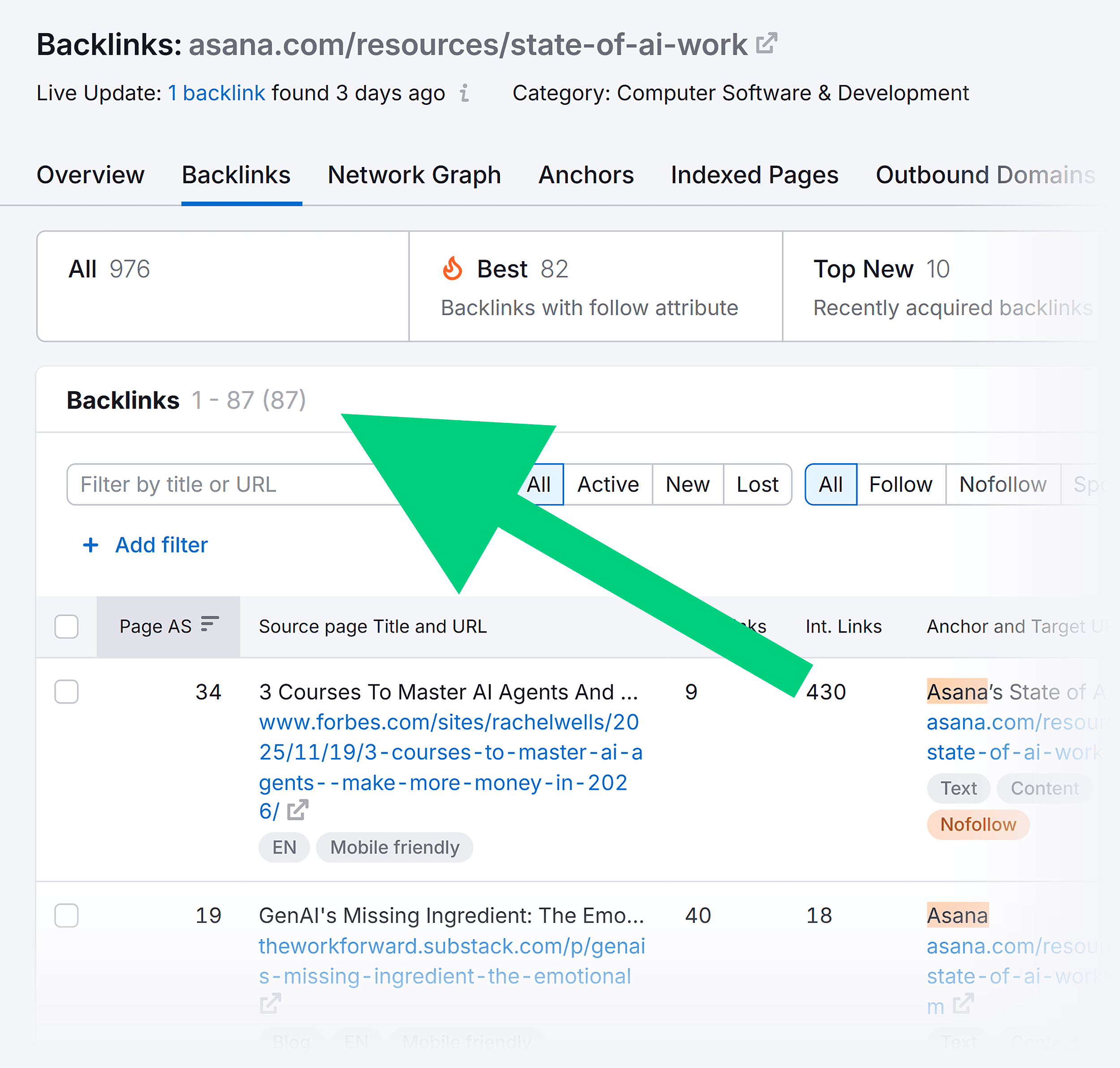
- Identify a "data gap" in your industry where people are debating a topic but lack hard evidence.
- Conduct a survey, analyze internal data, or partner with a research firm to create a report.
- Structure your report with clear takeaways, summary statistics, and high-quality charts that are easy for journalists to screenshot and reference.
2. Partner with Complementary Brands
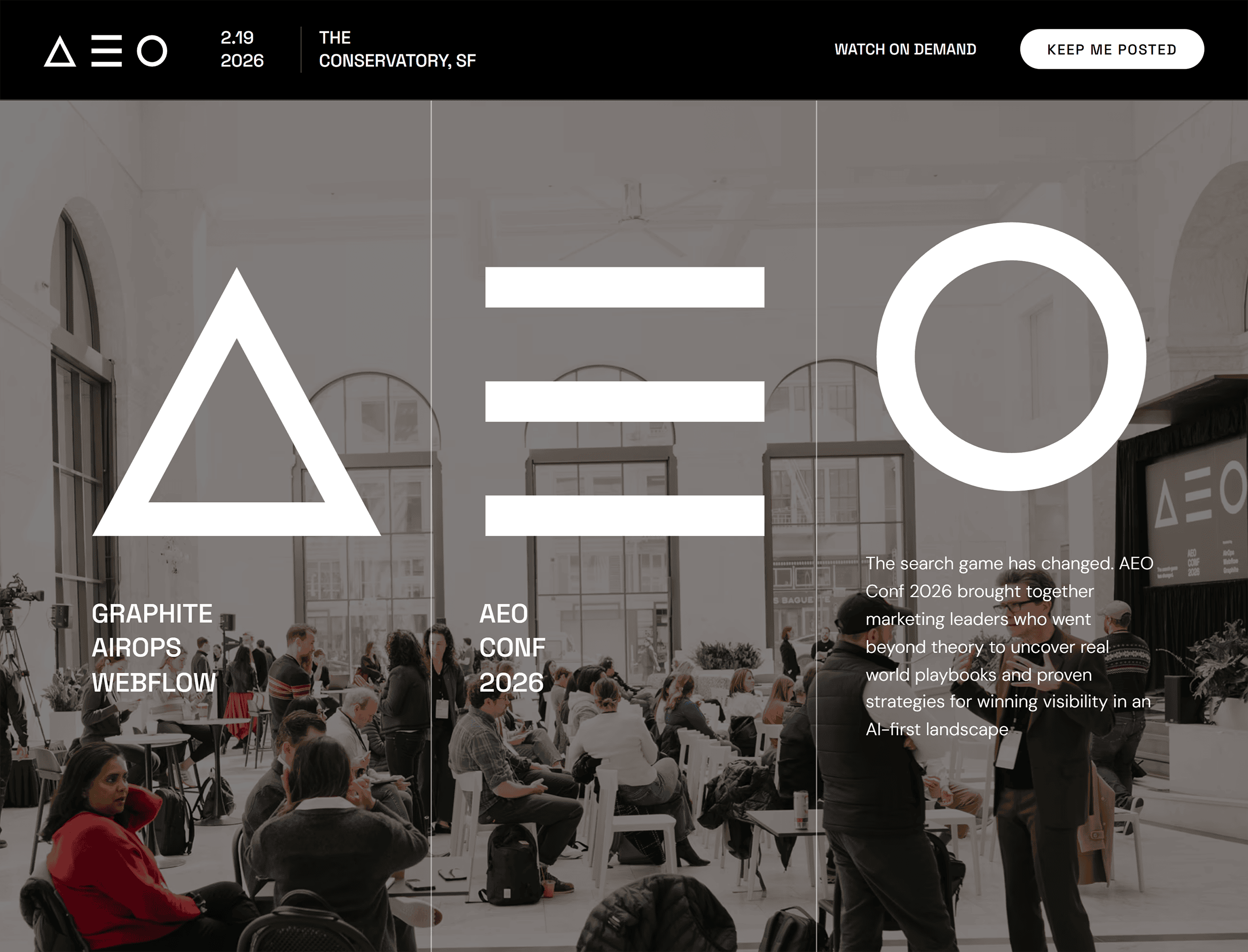
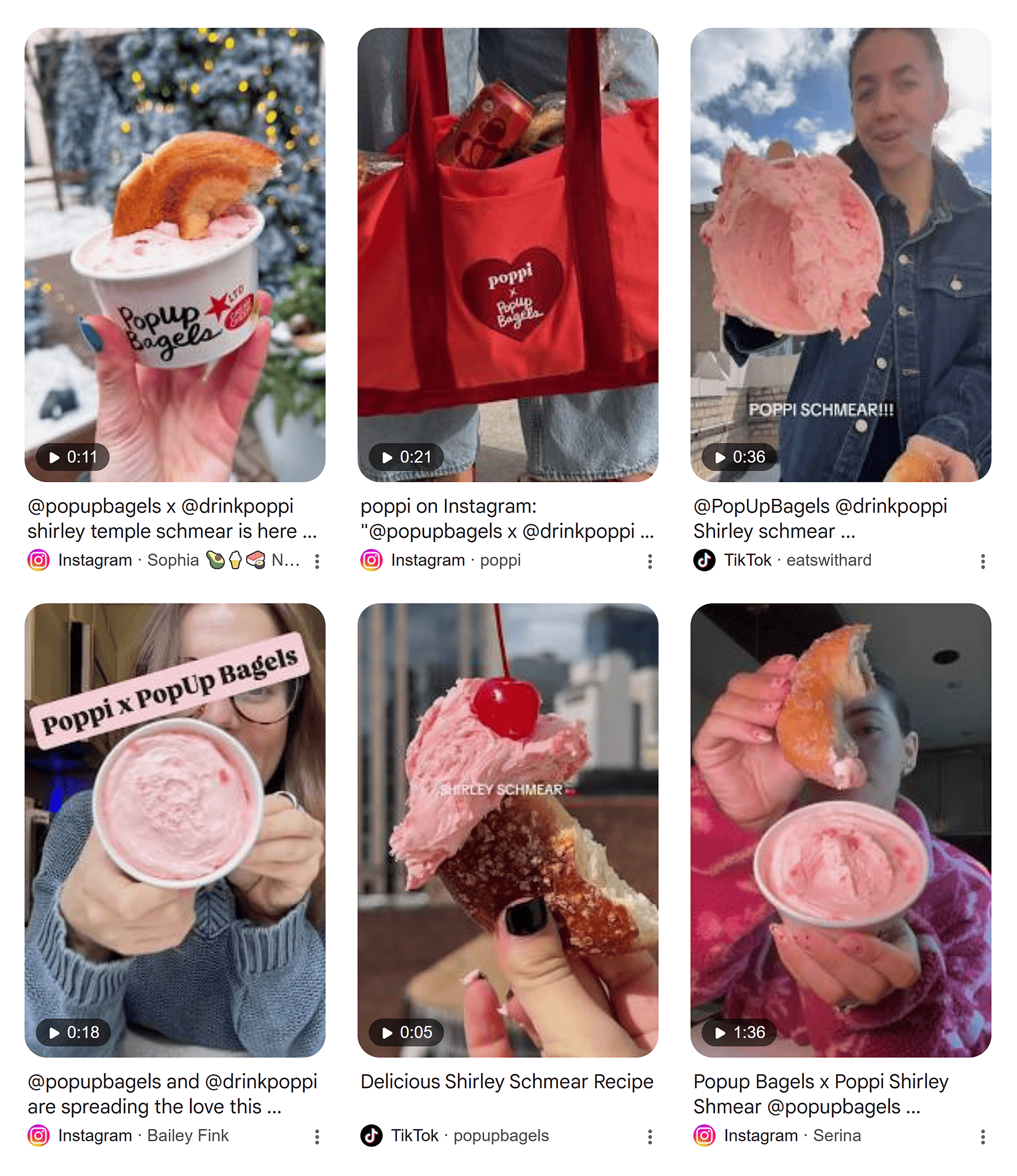
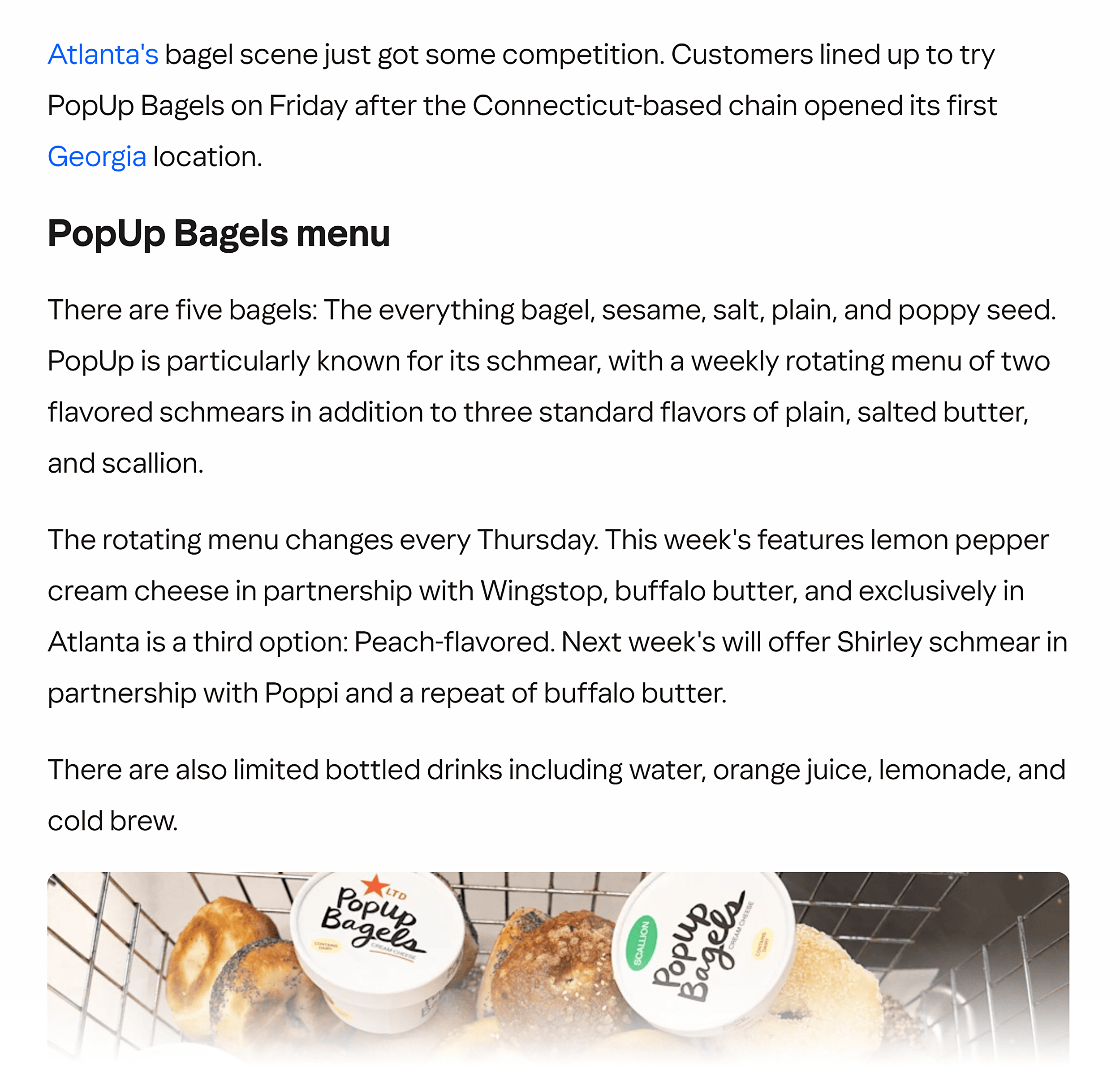
Co-branded campaigns are a shortcut to massive visibility. When you partner with a non-competing brand that serves the same audience, you gain immediate access to their credibility and their audience.
How to execute:
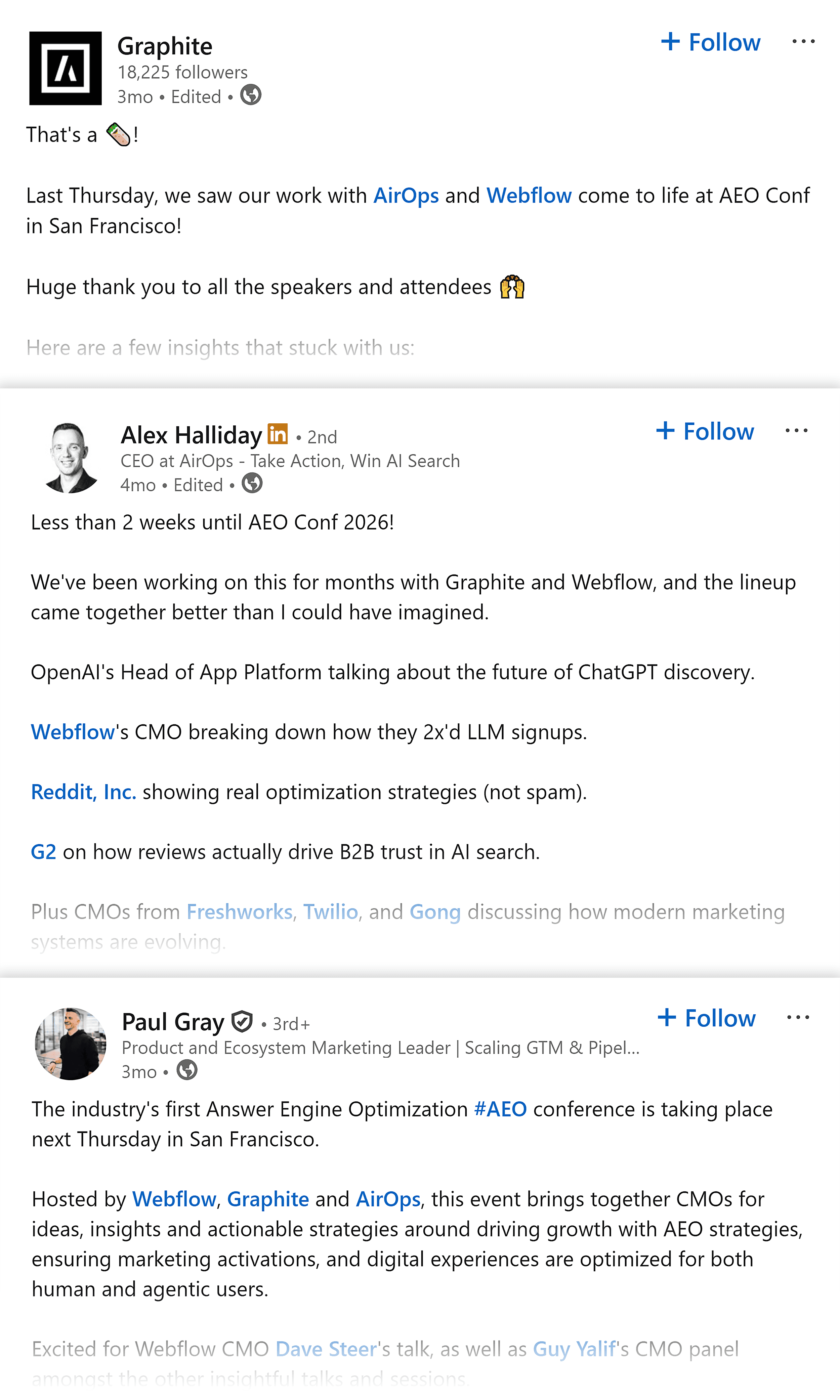
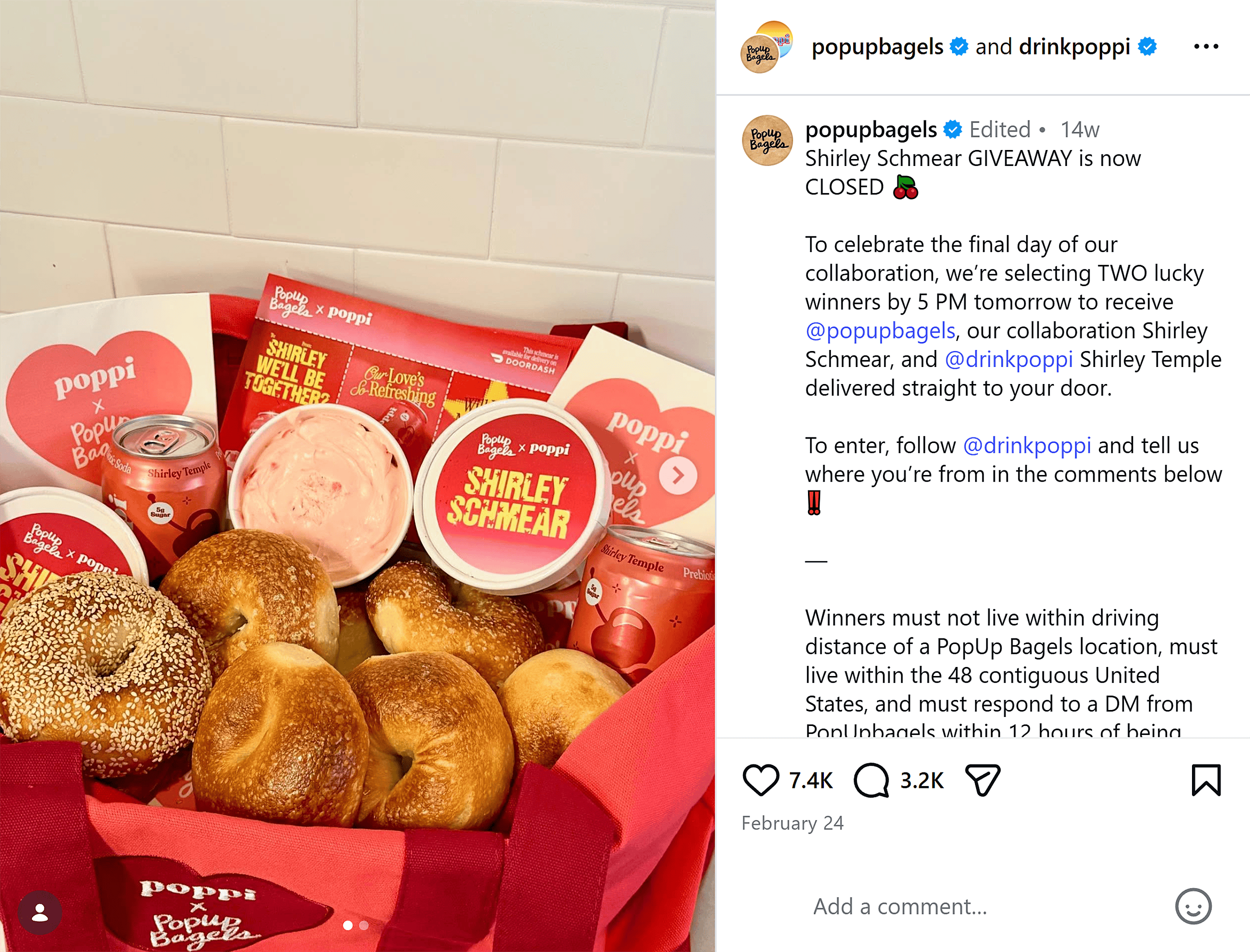
- Host a joint webinar, launch a co-branded product, or run a collaborative giveaway.
- Ensure both brands are tagged and mentioned in every piece of promotional content.
- This "co-occurrence"—where two brands are repeatedly mentioned in the same context—is a powerful signal to search engines that both brands belong to the same topical authority cluster.
3. Feature Experts and Influencers
If you want people to share your content, make them the hero of the story. Instead of writing a generic blog post, create an expert roundup or a podcast series where you interview industry leaders.
How to execute:
- Frame your content around the expert’s insights rather than your own product.
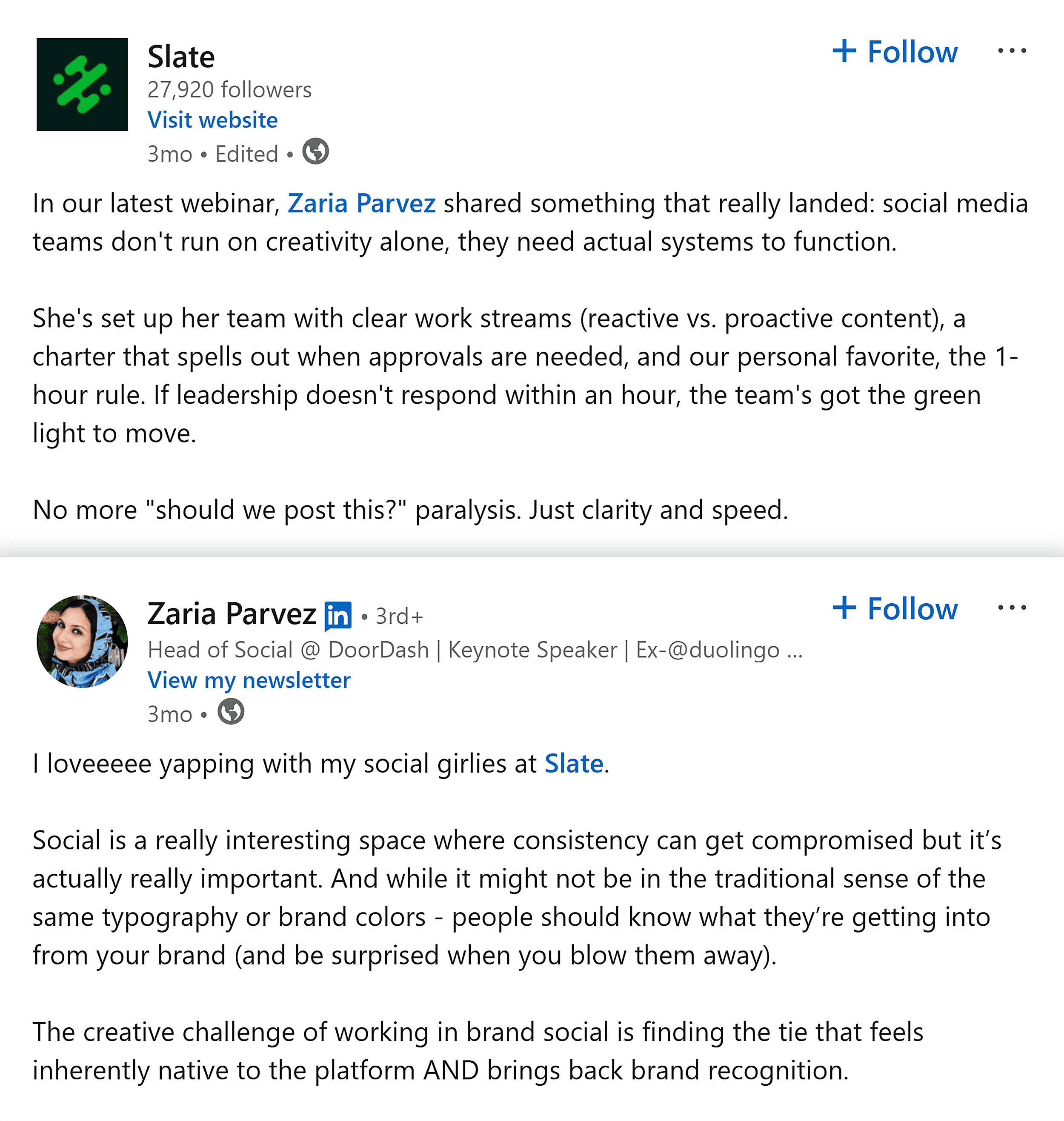
- Give the contributor a compelling reason to share the link. When an industry leader promotes a podcast episode they are featured in, they aren’t just sharing a link; they are sharing their own expertise. This earns you high-value social mentions that are often picked up by industry news outlets.
4. Contribute Expertise Through Digital PR
Journalists and creators are always looking for sources. By positioning your executives as subject matter experts, you can earn mentions in high-authority publications that rarely link to standard marketing copy.
How to execute:
- Don’t pitch your product; pitch a "practitioner playbook." Offer the journalist or podcast host a unique perspective on a current industry challenge.
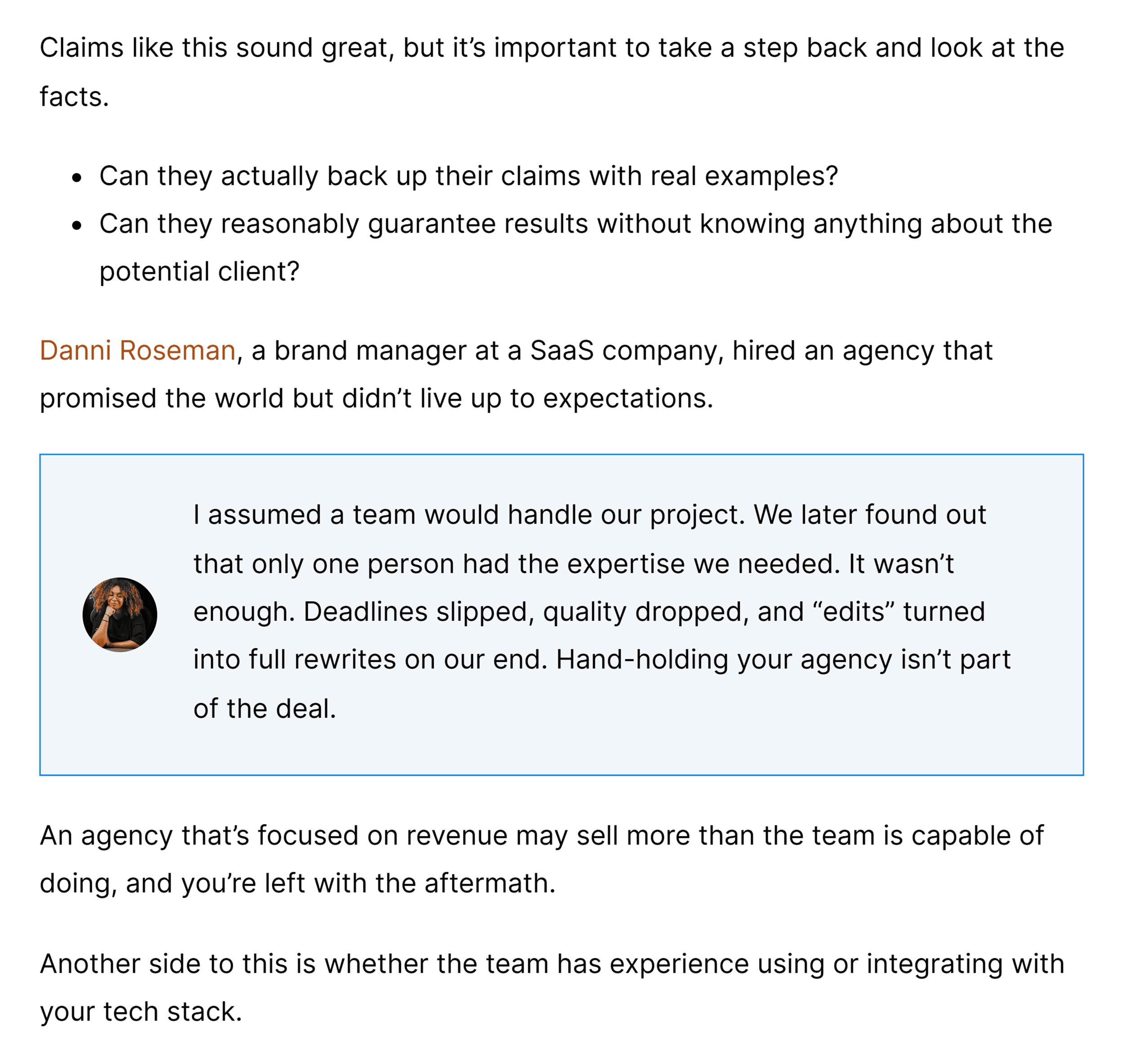
- Focus on specific outlets that your target audience actually consumes. A feature in a niche, relevant podcast often yields a higher ROI than a generic mention in a massive mainstream publication.
How to Track and Report ROI
To demonstrate the success of your brand mention strategy to leadership, you must track more than just vanity metrics.
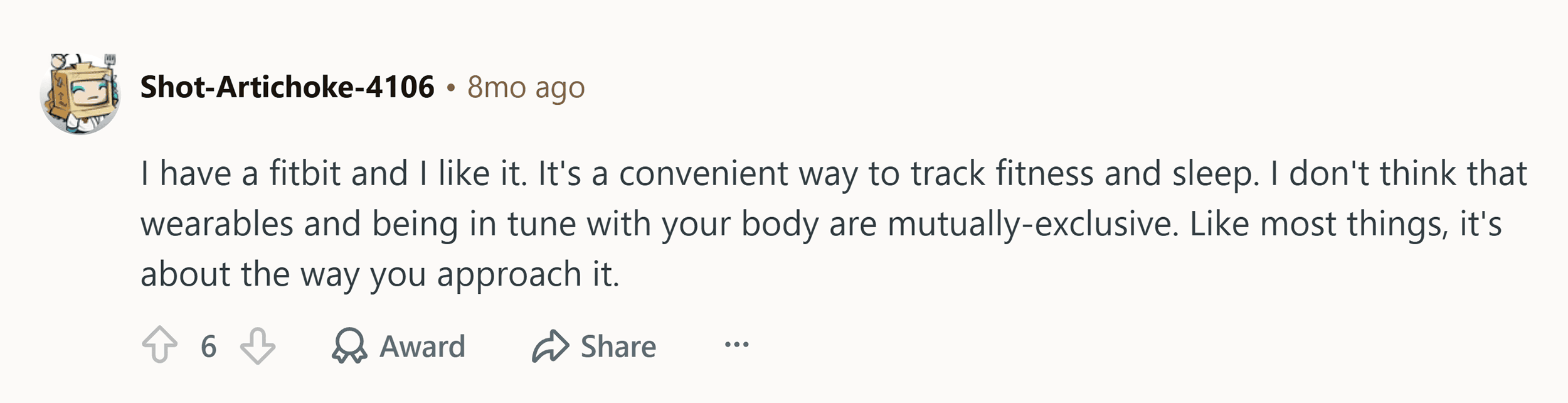
- Google Alerts and Manual Audits: Use Google Alerts for brand and competitor names, but supplement this with weekly manual searches on YouTube and Reddit. These platforms are where "real" conversations happen, and they are often the first places AI crawlers look.
- Social Listening Tools: Utilize platforms like Semrush Brand Monitoring or Brandwatch to track sentiment. Reporting should focus on the trend: "We have seen a 15% increase in positive brand sentiment following our latest data-led campaign."
- Backlink Anchor Text Filtering: Use backlink analytics tools to filter for your brand name in the anchor text. This identifies high-value linked mentions that are directly contributing to your domain authority.
Conclusion: Making Your Brand Impossible to Ignore
In the age of AI, your brand’s reputation is determined by the collective conversation happening across the web. You cannot control what everyone says, but you can certainly influence it. By consistently producing data-driven assets, partnering with peers, featuring experts, and engaging in strategic PR, you can transform your brand from a digital ghost into a recognized, trusted, and recommended industry leader.
The goal is not just to show up in search; the goal is to be the entity the AI reaches for first. Start building your digital authority today—because if you aren’t being talked about, you simply don’t exist in the AI-powered future.



