










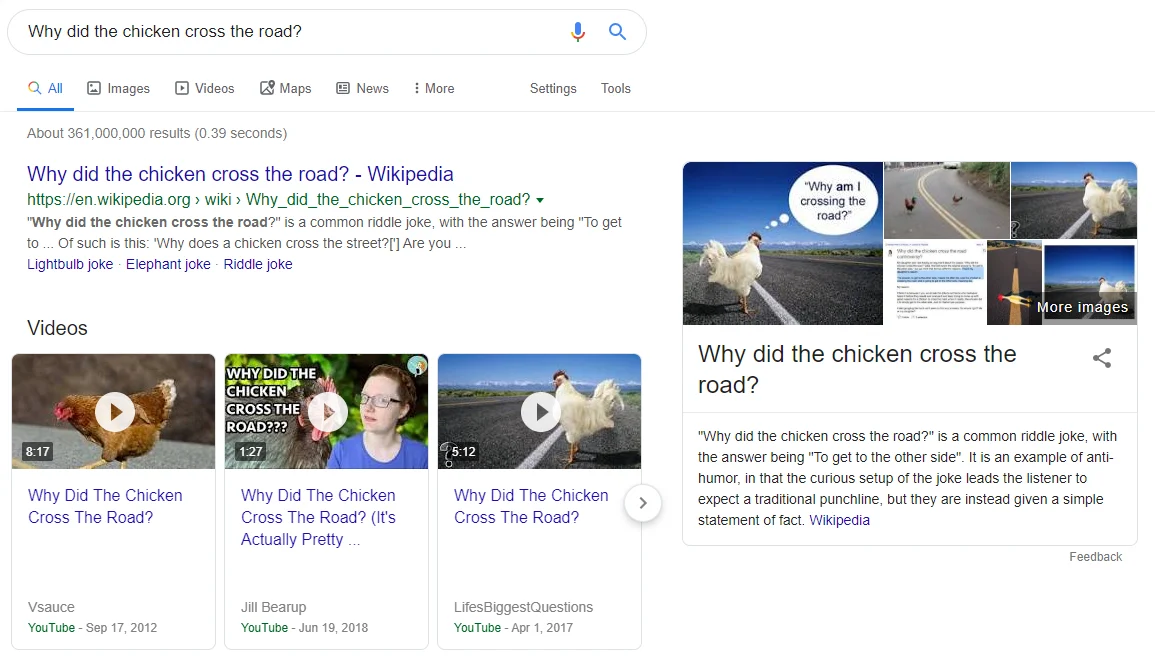
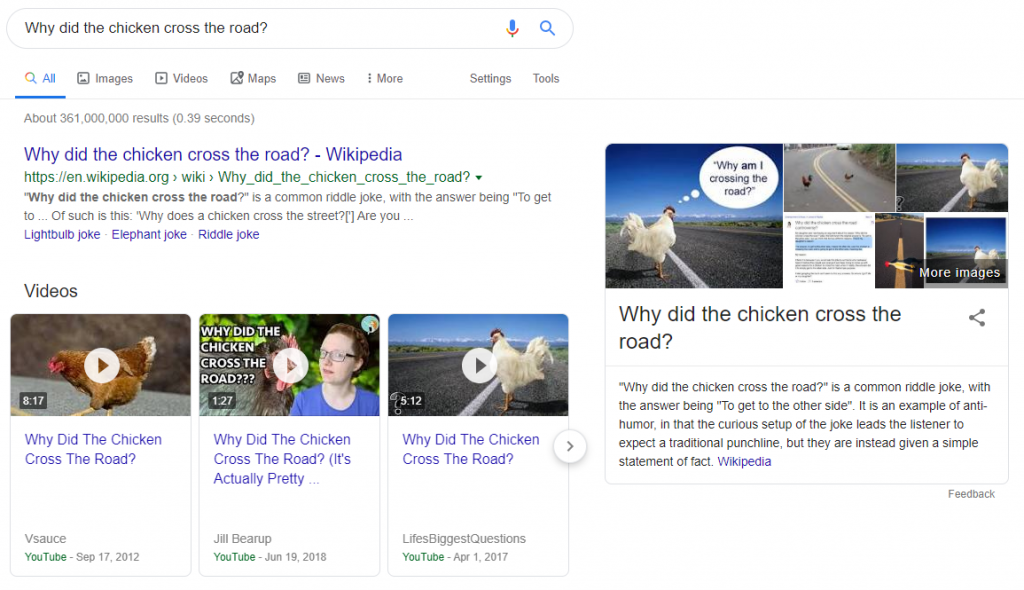
Why did the chicken cross the road? While that age-old riddle remains a subject of humorous speculation, for the modern SEO professional, the question is less about the chicken and more about the intent of the person asking. In the sophisticated world of search engine optimization, understanding the "why" behind a user’s query is no longer just a best practice—it is the foundational pillar of digital visibility.
Search intent, or keyword intent, refers to the underlying motivation behind a user’s search query. It is the bridge between a raw string of text typed into a search box and the specific outcome the user hopes to achieve. As search engines have evolved from basic keyword-matching machines into complex, AI-driven entities, the ability to decode this intent has become the most significant factor in ranking success.
1. The Anatomy of Search Intent: A Historical Context
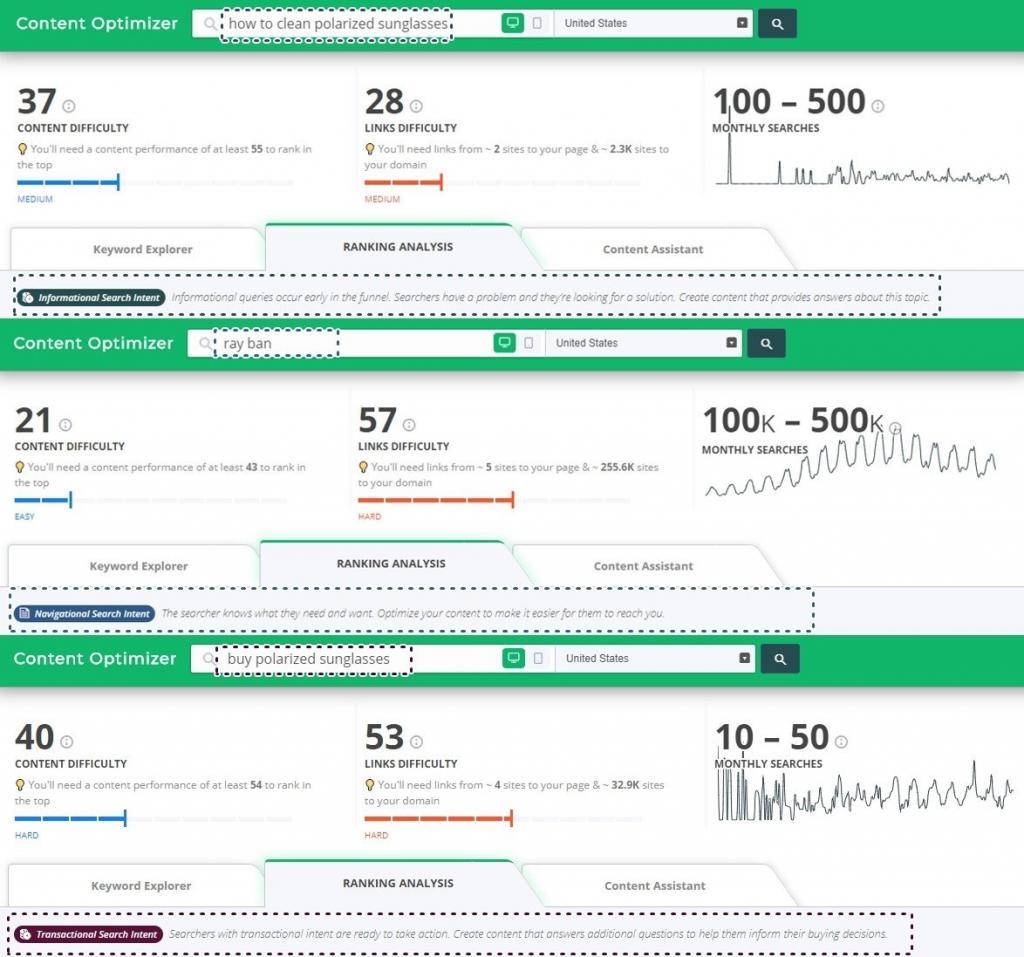
The formal classification of search intent traces its roots back to 2002, when researcher Andrei Broder first categorized web queries into three distinct buckets: Informational, Navigational, and Transactional.
- Informational: The user seeks knowledge or answers (e.g., "how to fix a leaky faucet").
- Navigational: The user wants to reach a specific website or brand (e.g., "Facebook login").
- Transactional: The user is ready to make a purchase or perform a specific task (e.g., "buy running shoes online").
For years, these categories served as the bedrock for SEO strategies. Google’s algorithms, including major updates like Hummingbird, RankBrain, and BERT, have been meticulously trained to move beyond exact-match keywords. Today, the Search Engine Results Page (SERP) is designed to satisfy the user’s need rather than simply matching the literal words of the search. In many cases, the exact keyword isn’t even present on the page that ranks first, proving that search engines are now prioritizing the context and intent over superficial string matching.
2. From Keyword Matching to AI-Driven Contextual Intent
The shift from keyword-based SEO to AI-powered, contextual search marks a new era in digital marketing. Modern search engines are no longer passive directories; they are "Answer Engines."
With the integration of Large Language Models (LLMs) and generative AI, the search experience is becoming increasingly predictive. AI systems analyze sentiment, user behavior, brand reputation, and the broader digital ecosystem to determine which sources provide the most value.
This evolution has birthed the concept of Contextual Brand Intent. It is no longer enough to optimize your own website; the algorithm evaluates how your brand is perceived across the entire internet. This is where tools like BrandMentions become vital, as they allow organizations to monitor their digital footprint, sentiment, and authority signals. As we move toward an era of Answer Engine Optimization (AEO), businesses must focus on building a holistic, trustworthy presence that satisfies both human users and the sophisticated AI models curating their information.
3. Supporting Data: The Power of User-Centric SEO
With approximately 3.5 billion searches occurring daily, the volume of data available to marketers is staggering. Studies consistently show that the average search query is roughly three words long. This brevity places a massive burden on the search engine to accurately infer what the user wants in a split second.
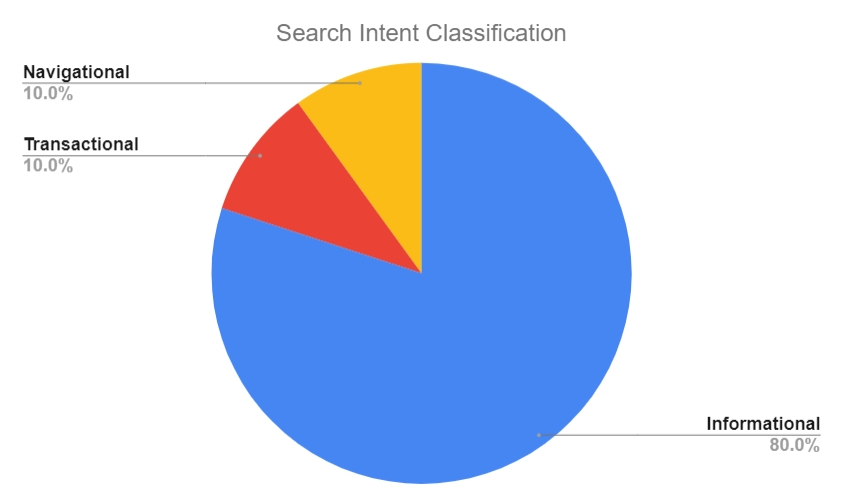
According to long-standing industry research, informational queries represent the lion’s share of search volume—often estimated at over 80%. Navigational and transactional queries split the remaining 20%. While informational content may seem harder to monetize directly, it is the primary engine for driving top-of-funnel traffic and establishing "topical authority."
The implications are clear: failing to align your content with user intent is a recipe for low engagement and poor search visibility. If a user lands on a product page expecting a "how-to" guide, they will bounce immediately, signaling to Google that your page does not satisfy the intent of the query.
4. How to Optimize for the Three Pillars of Intent
Optimizing for Informational Intent
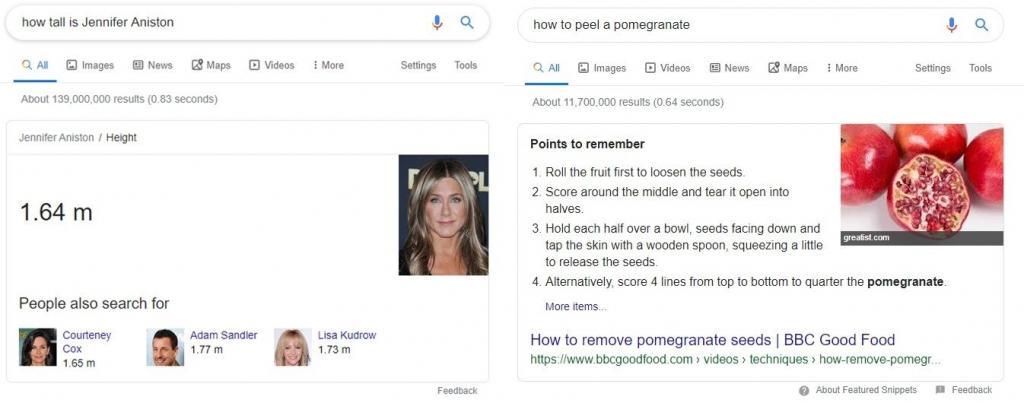
Informational queries are the "knowledge seekers." To rank here, your content must provide direct, actionable, and comprehensive answers.
- The Strategy: Use question-based keywords (e.g., "How to," "What is," "Why").
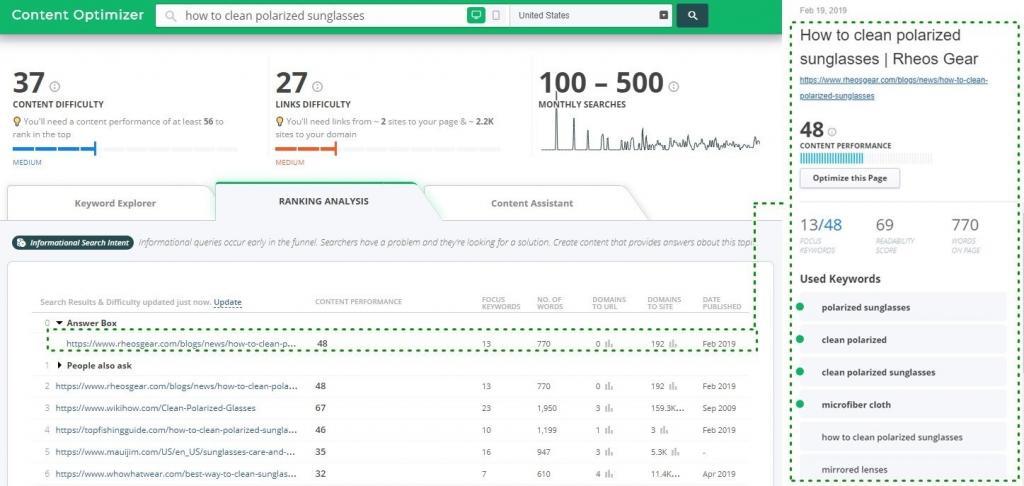
- The Goal: Target Featured Snippets, or "Answer Boxes." By providing a concise, high-quality answer, you can secure "Position Zero," effectively appearing at the top of the SERP before the traditional organic results.
- Content Types: How-to guides, infographics, comprehensive tutorials, and "what is" articles.
Optimizing for Navigational Intent
Navigational queries are high-intent, brand-specific searches. While you cannot "win" against a brand for its own name, you can ensure that your brand is visible for all variations, common misspellings, and secondary product/service terms.
- The Strategy: Ensure your brand’s digital assets (social media, review sites, and main website) are perfectly synced.
- The Goal: Own your brand’s SERP real estate. If you are a service provider, ensure that you are ranking for your brand name alongside "login," "support," or "pricing" pages.
Optimizing for Transactional Intent
This is the "money" phase. Users at this stage are ready to convert.
- The Strategy: Use high-intent modifiers like "buy," "discount," "near me," or "price."
- The Goal: Direct conversion. Your landing pages must be fast, secure, and optimized for local SEO if you have a physical presence.
- Content Types: Product pages, comparison tables, pricing pages, and customer testimonials.
5. Implications: The Cycle of Intent
A critical realization for modern marketers is that search intent is not a linear, one-off event—it is a cycle. A user might start with an informational query ("what are the benefits of sunglasses"), move to a navigational search ("brand name reviews"), and conclude with a transactional purchase ("buy brand name sunglasses").

Because intent is dynamic, the content you create must be adaptable. A keyword that is informational today might shift toward transactional during peak shopping seasons or major industry shifts.
Key Takeaways for Businesses:
- Stop guessing, start analyzing: Use tools like a Content Optimizer to perform a deep-dive SERP analysis. Identify what your competitors are doing, what format they are using, and where the gaps are.
- Prioritize the "Angle": While structure and format (e.g., a listicle for a "how-to" query) are standard, your "angle" is your USP. What makes your guide the most helpful? That is what wins the top spot.
- Stay Fluid: Google’s rankings are not static. Regularly audit your high-traffic keywords to ensure your content still aligns with current user behavior.
Final Conclusion
Search intent is the pulse of modern SEO. By decoding the "why" behind every search, you stop fighting against the algorithm and start working in harmony with it. Whether you are aiming for the informative authority of an answer box or the conversion-ready nature of a product page, the strategy remains the same: understand the human need, fulfill it with high-quality, authoritative content, and consistently monitor the evolving digital landscape.
The future of search belongs to those who provide the most value, not those who merely stuff their pages with the most keywords. By focusing on intent, you build a sustainable, high-performing digital presence that converts traffic into loyal customers.



