







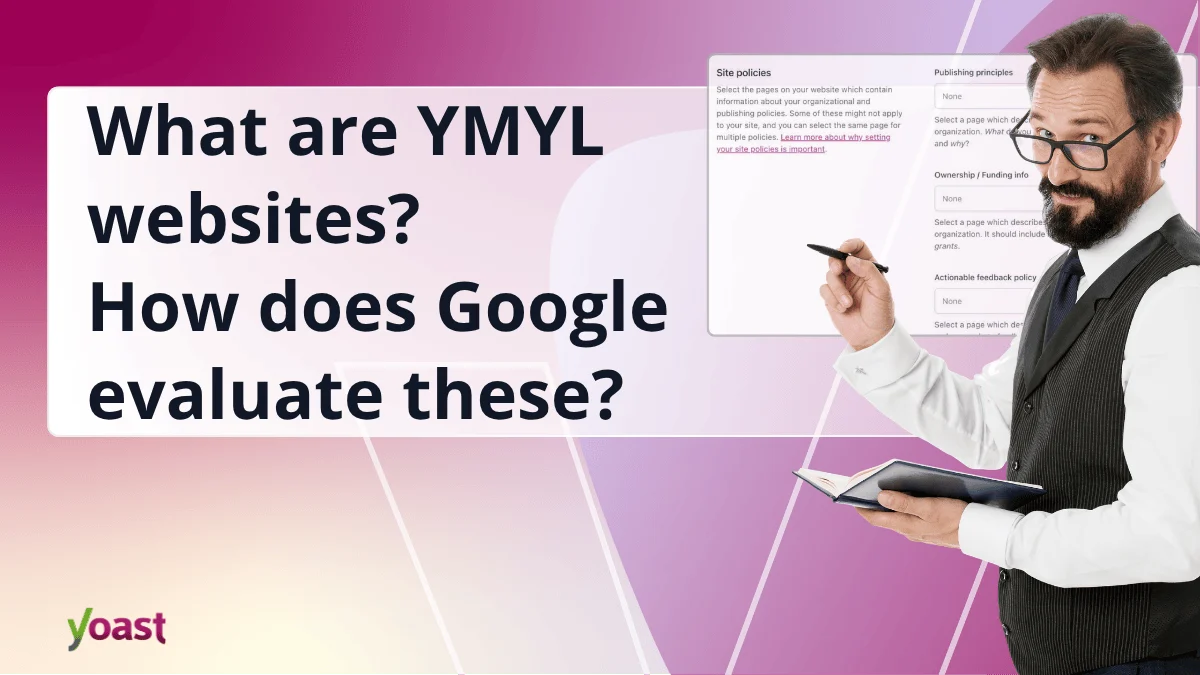
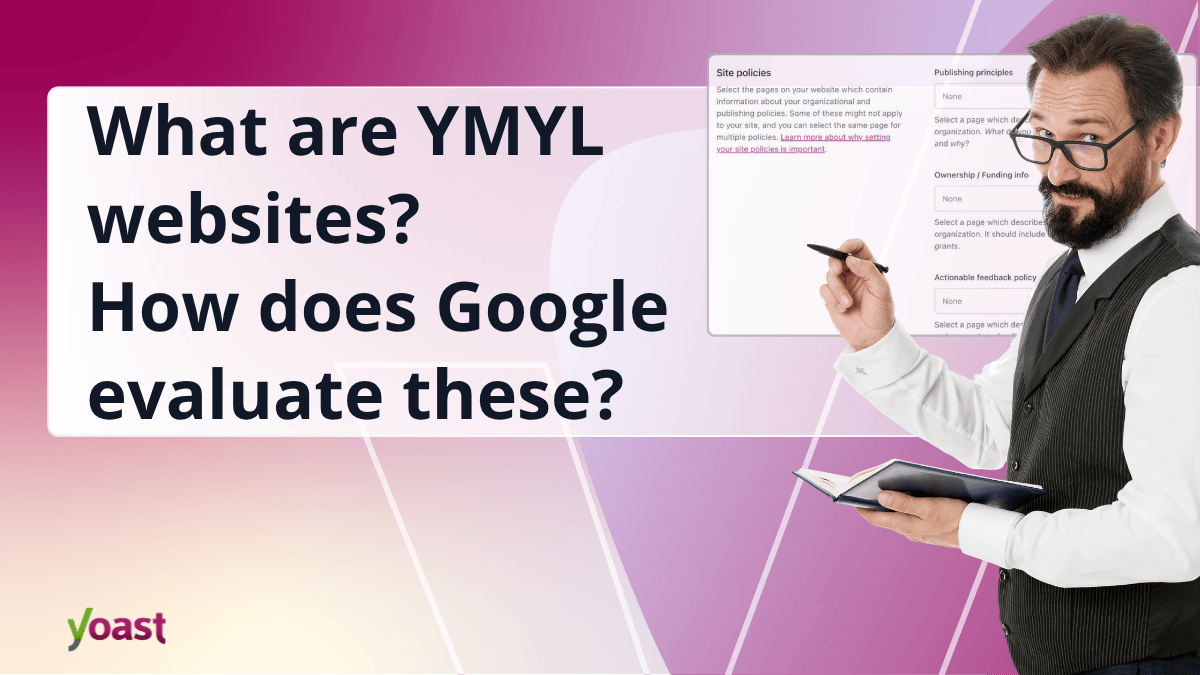
In the expansive ecosystem of the internet, where information is generated by the millisecond, Google maintains a rigorous gatekeeping philosophy. Central to this approach is the concept of YMYL—an acronym for “Your Money or Your Life.”
This classification isn’t merely a tag; it is a critical framework used by the world’s most powerful search engine to determine which websites deserve to be surfaced to users when the stakes are high. Because YMYL content—ranging from medical advice and financial planning to legal guidance and civic information—has the potential to profoundly impact an individual’s physical health, financial stability, or safety, Google demands a significantly higher bar for quality than it does for general interest topics.
The Genesis of YMYL: A Response to High-Stakes Information
The concept of YMYL emerged as Google recognized that not all queries are created equal. Searching for a recipe for chocolate cake carries little risk if the result is mediocre, but searching for “symptoms of a heart attack” or “how to invest my retirement savings” carries immense personal weight.
Google’s primary objective is to protect its users from misinformation. If an algorithm inadvertently promotes an unqualified, malicious, or inaccurate source, the real-world consequences can be devastating. Consequently, Google began codifying these high-stakes topics, ensuring that its search results prioritize entities that can prove their reliability through the E-E-A-T framework: Experience, Expertise, Authoritativeness, and Trustworthiness.
Understanding the E-E-A-T Framework
To understand YMYL, one must master E-E-A-T. This is not a direct ranking factor in the way that keywords or page speed are, but rather a set of guidelines used by Google’s human Quality Raters to assess the value of a site.
- Experience: Does the author have first-hand experience with the topic?
- Expertise: Does the creator have the necessary credentials or background to speak on this subject?
- Authoritativeness: Is this site a go-to source for this specific niche?
- Trustworthiness: Is the site transparent, secure, and honest about its editorial process?
Chronology of Google’s Quality Evolution
Google’s focus on YMYL has intensified over the last decade, evolving in lockstep with the rise of AI-generated content and the increased complexity of digital information.
- Early Years: Google’s search algorithms primarily relied on keyword matching and backlinks.
- 2013-2015: The introduction of the Quality Raters’ Guidelines gave human evaluators a roadmap to judge "high-quality" content. YMYL began to take center stage as a distinct category.
- 2018 (The "Medic" Update): A massive algorithm update specifically targeted health and medical sites, punishing those that lacked clear expertise and rewarding sites that demonstrated high E-E-A-T.
- 2022 (The "E" Addition): Google added a second "E" to E-A-T, officially recognizing "Experience" as a vital component of trust.
- 2023-Present: The integration of Generative AI and AI Overviews has made YMYL even more critical. Because AI can synthesize information from across the web, Google must ensure its training data and indexed sources are of the highest pedigree.
Supporting Data: Why YMYL Dominates Search Strategy
The importance of YMYL is reflected in the volatility of search rankings for sites that fail to adhere to these standards. Data consistently shows that sites with robust, verified author biographies, clear editorial policies, and peer-reviewed content enjoy higher long-term stability.
Industry studies indicate that for YMYL niches:

- Citation Velocity: Sites that cite primary, authoritative sources (e.g., medical journals, government databases, financial institutions) consistently rank higher than those that rely on secondary commentary.
- Trust Signals: Sites that feature "Reviewed by" sections—where a board-certified professional signs off on content—experience significantly lower bounce rates and higher user engagement.
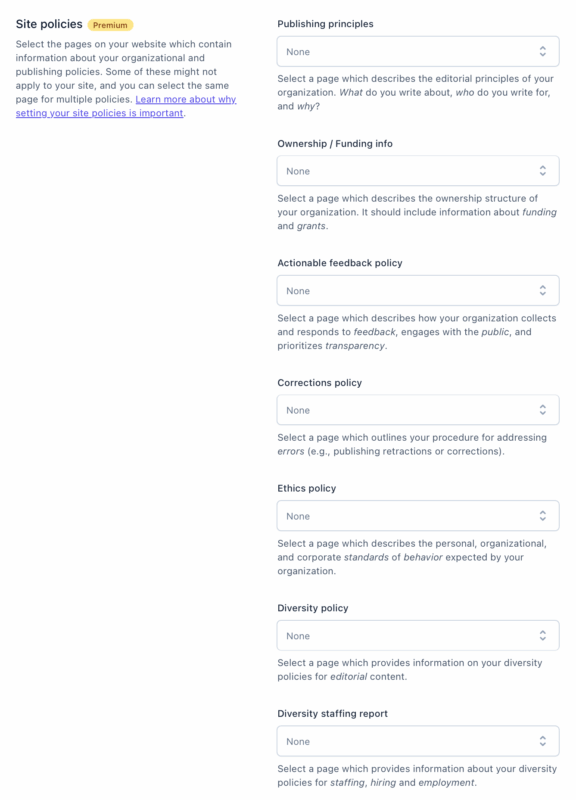
- Algorithmic Resilience: During major "Core Updates," sites that have invested in transparency (publishing ethics policies, funding sources, and corrections policies) are less likely to see traffic drops compared to "thin content" sites.
Official Perspectives: The Role of Human Raters
It is a common misconception that Quality Raters directly penalize websites. In reality, Google’s human Raters provide data that informs the company’s engineers on how well their automated systems are working.
Google’s official stance, documented in their Search Quality Evaluator Guidelines, is that for YMYL pages, the requirements for E-E-A-T are the highest. A rater is instructed to look for signs of "page quality" such as:
- Information about the creator: Is it clear who wrote the content?
- Contact information: Is there an address, phone number, or clear way to reach the organization?
- Editorial rigor: Is there a clear process for fact-checking?
When a rater identifies that a site lacks these features, it serves as a feedback loop, helping Google’s machine learning models identify patterns of low-quality or potentially harmful content.
Implications for Webmasters and Content Creators
For those operating in finance, law, health, or safety, the implications of YMYL are clear: you can no longer "hack" your way to the top of the search results. You must demonstrate institutional credibility.
1. Transparency as a Competitive Advantage
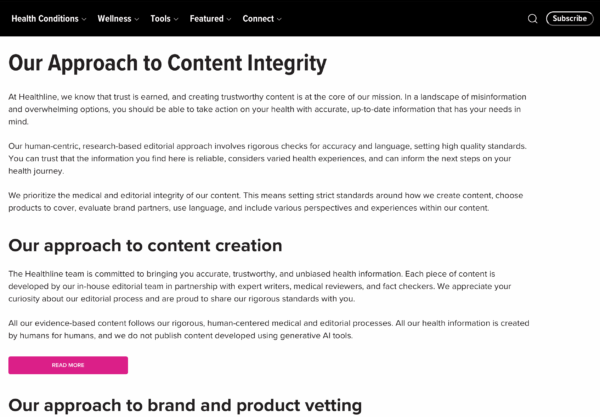
In the era of AI-generated text, human verification is the ultimate differentiator. Sites that explicitly list their editorial policies—how they select topics, how they verify facts, and how they handle corrections—are building a moat around their traffic. Using schema markup (such as publishingPrinciples) helps search engines parse this information directly from your code.
2. The Role of Structured Data
Structured data is the language of search engines. By implementing schema markup correctly, you tell Google exactly who the author is, what their credentials are, and when the content was last updated. This clarity is essential for modern AI search experiences, which rely on structured facts to generate accurate summaries.
3. The "Human-in-the-Loop" Model
While AI can help with drafting, it should never be the final arbiter of YMYL content. The most successful sites now employ a "Human-in-the-Loop" model. AI may generate the initial draft, but a subject matter expert (SME) must review, refine, and sign off on the information. This not only satisfies Google’s requirement for expertise but also protects the brand from legal liability.
Conclusion: The Path Forward
The digital landscape is moving toward a future where trust is the primary currency. For YMYL sites, the era of anonymous, generic, or purely SEO-driven content is effectively over.
Success now requires a commitment to excellence. By aligning your content strategy with Google’s E-E-A-T framework, you aren’t just trying to please an algorithm—you are building a sustainable brand that users trust. Whether you are a financial advisor, a healthcare provider, or a legal expert, the path to visibility is paved with transparency, expert-backed insights, and a steadfast commitment to the truth.
As Google continues to refine its algorithms, the sites that treat their readers as individuals whose lives depend on accurate information will be the ones that thrive. Invest in your authority today, and you will secure your position in the search results of tomorrow.