








In the modern digital landscape, the phrase "content is king" is often repeated, but it lacks a crucial qualifier: content is only king if it can be found. Keywords act as the primary bridge between a user’s query and your digital storefront or blog. Understanding what keywords are, how to research them, and—more importantly—how to deploy them strategically, is the cornerstone of effective Search Engine Optimization (SEO).

What Are Keywords? The Gateway to Organic Traffic
At its simplest, a keyword (or SEO keyword) is any word or phrase that a user types into a search engine to locate specific information. They serve as the "gateway" that guides users from a search engine results page (SERP) to your website.
Finding the right keywords is not merely about guessing what people might type; it is about aligning your content strategy with the specific language and intent of your audience. When you successfully target these phrases, you do not just increase your traffic; you attract qualified visitors who are actively searching for the solutions, products, or information you provide.
The Evolution of Keyword Research: From Stuffing to Semantics
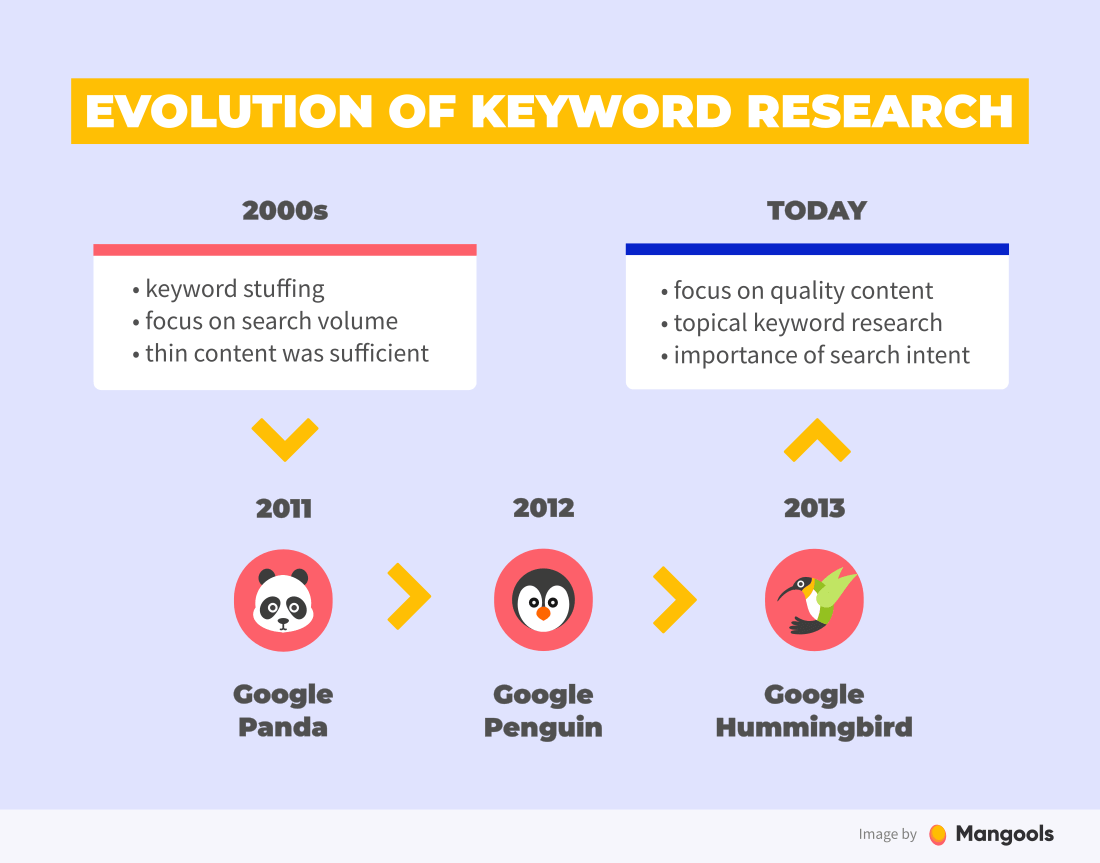
The methodology of keyword research has undergone a radical transformation. In the early 2000s, the process was rudimentary: webmasters would visit Google Keyword Planner, identify terms with the highest search volume, and "stuff" them into their text repeatedly. This practice often resulted in low-quality, unreadable content that manipulated the system rather than serving the user.
Google, in its quest to provide the most relevant results, responded with a series of sophisticated algorithm updates. Systems like Panda, Penguin, and Hummingbird shifted the focus from exact-match density to semantic understanding. Today, Google does not just look for words; it looks for meaning, context, and the ability of a page to satisfy a user’s need.

The Rise of Google RankBrain and AI
In 2015, Google introduced RankBrain, an artificial intelligence-based component of its algorithm. As one of the top three ranking signals, RankBrain fundamentally changed how keywords are perceived. It allows Google to:

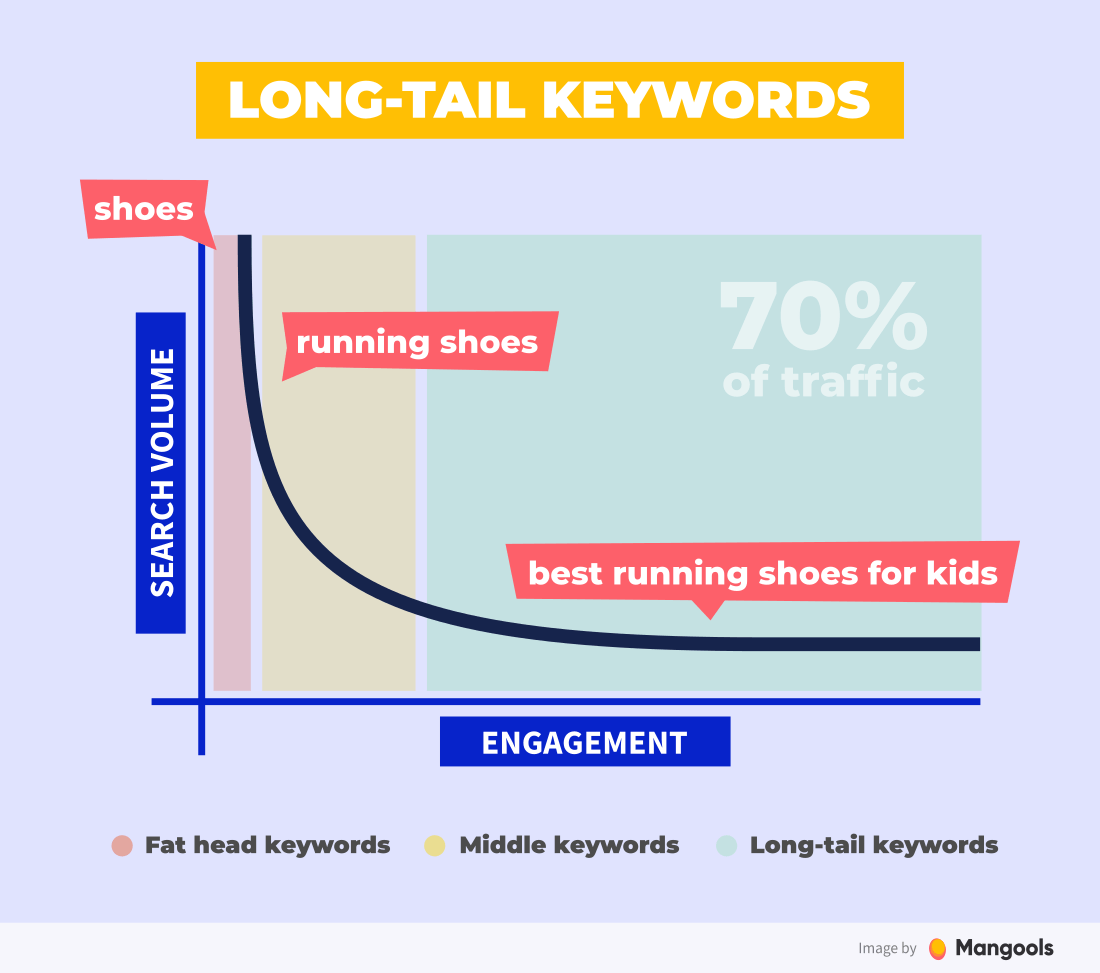
- Understand Query Intent: It can interpret the intent behind ambiguous or long-tail queries.
- Handle Unseen Queries: It can associate new or unique searches with existing known topics.
With the emergence of AI Overviews and conversational search, queries are becoming increasingly complex. A user might move from searching "hiking boots" to "What are the best lightweight hiking boots for a 3-day trip in the Alps in early autumn?" This shift reinforces the idea that keyword research is no longer about finding one "perfect" term, but about covering a topic comprehensively.

The Mechanics of Keyword Research: A Three-Stage Process
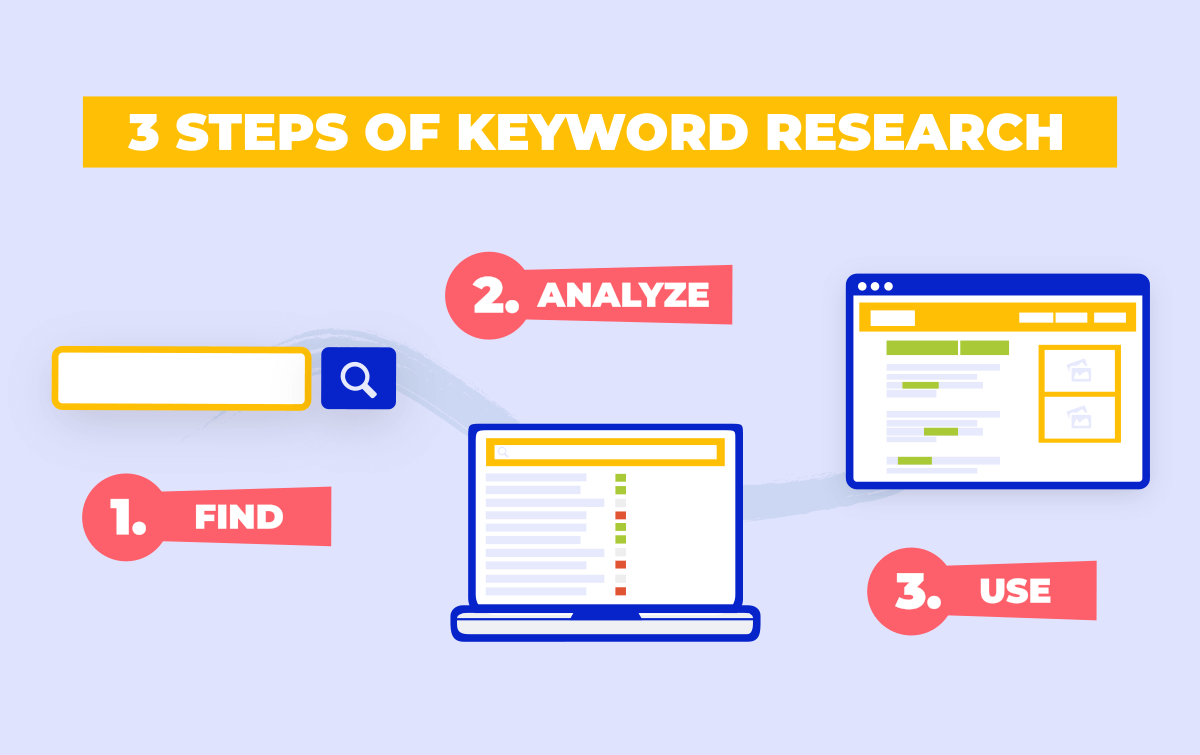
Effective keyword research is broken down into three critical stages: Finding, Analyzing, and Using.

1. Finding: The Discovery Phase
To start, you must understand your niche. You need to identify where your audience hangs out and the questions they ask. Essential tools for this include:

- Google Keyword Planner: Useful for understanding search volume, though best paired with other tools for comprehensive insights.
- Google Autocomplete & "People Also Ask": These provide a real-time look at how users phrase their questions.
- Competitor Research: By using tools like KWFinder, you can enter a competitor’s URL to see which keywords drive their traffic. This is a shortcut to discovering what works in your industry.
- Community Forums (Reddit & Niche Boards): These are goldmines for discovering the actual language your potential customers use.
2. Analyzing: The Keyword Tripod Rule
Not all keywords are created equal. I categorize the evaluation of a keyword as the "Keyword Tripod Rule," consisting of three legs: Popularity, Difficulty, and Relevance.

- Popularity (Search Volume): This is the average number of monthly searches. However, do not become a slave to these numbers. They are clues, not absolute laws.
- Keyword Difficulty: This metric estimates how hard it is to rank for a term based on the authority of current top-ranking sites. High-authority sites are harder to displace.
- Relevance (Search Intent): This is the most critical leg. If a user searches for "best aquarium filter," they want reviews. If your page is a product checkout page, your intent doesn’t match the user’s, and you will likely fail to rank regardless of how many keywords you include.
3. Using: Strategic Deployment
Once you have identified your target keywords, you must integrate them naturally. The goal is to use them in key areas—the page title, the URL, the H1 header, and the first paragraph—without sacrificing readability.

The Content Hub Model: Organizing for Authority
Rather than creating isolated pages, successful SEOs utilize the "Content Hub" or "Topic Cluster" model. In this strategy, you create a comprehensive "pillar" page that covers a broad topic, supported by multiple "cluster" articles that dive into specific sub-topics.

For instance, if your pillar page is "The Complete Guide to Running," your cluster articles might include "Best Shoes for Marathon Training" or "How to Prevent Runner’s Knee." This structure signals to Google that your site is an authoritative resource on the entire subject, not just a single keyword.

Addressing the "LSI Keyword" Myth
A common misconception in the SEO world is the necessity of "LSI (Latent Semantic Indexing) keywords." Many claim that you must sprinkle synonyms throughout your text to "trick" Google into understanding your topic.

John Mueller of Google has explicitly stated that LSI keywords do not exist in the way these self-proclaimed experts describe. Google’s algorithms are advanced enough to understand context without being fed a list of synonyms. Instead of trying to force artificial keywords into your text, focus on writing naturally. If you cover a topic with depth and clarity, you will naturally rank for dozens, or even hundreds, of semantically related terms.

Implications for the Future
The future of keyword research is increasingly "topical." It is moving away from the hunt for a specific high-volume phrase and toward a strategy of total topic ownership.

What to Avoid:
- Keyword Stuffing: It hurts readability and can trigger penalties.
- Obsessing over Keyword Density: There is no "perfect" percentage.
- Ignoring User Experience: If your content is written for bots rather than humans, you will lose the visitor’s trust immediately.
What to Embrace:
- Comprehensive Content: Aim to be the best answer on the internet for your chosen topic.
- User-First Approach: Always prioritize the reader’s needs over search engine algorithms.
- Data-Driven Iteration: Use tools like Google Search Console to see what you are already ranking for, and then double down on those opportunities.
Conclusion
Keyword research is not dead; it has simply matured. It is no longer a tactical task of inserting words into a template; it is a strategic discipline of understanding human behavior, intent, and information architecture. By focusing on the "Keyword Tripod" of popularity, difficulty, and relevance, and by organizing your site into authoritative content hubs, you ensure that your website remains not only visible but valuable to the people who matter most: your audience.

Remember, if you create content that is genuinely helpful, comprehensive, and well-structured, you will often find yourself ranking for keywords you never even thought to optimize for. Focus on the value, and the search engines will follow.