







In a staggering display of hardware acceleration, Apple has embarked on one of the most prolific weeks in its recent corporate history. Following the quiet debut of a refreshed iPad mini featuring an advanced OLED display, the technology giant is poised to flood the market with a series of high-performance computing updates. The strategy is clear: solidify the M6 chip’s dominance across the desktop and laptop ecosystem while simultaneously ushering in a long-awaited design paradigm shift for its professional-grade machines.
As industry analysts monitor the rollout, the focus remains on the rapid transition of the Mac lineup to the M6 architecture, followed by the highly anticipated unveiling of touch-enabled OLED MacBook Pro models.
The Core Developments: M6 Power Across the Board
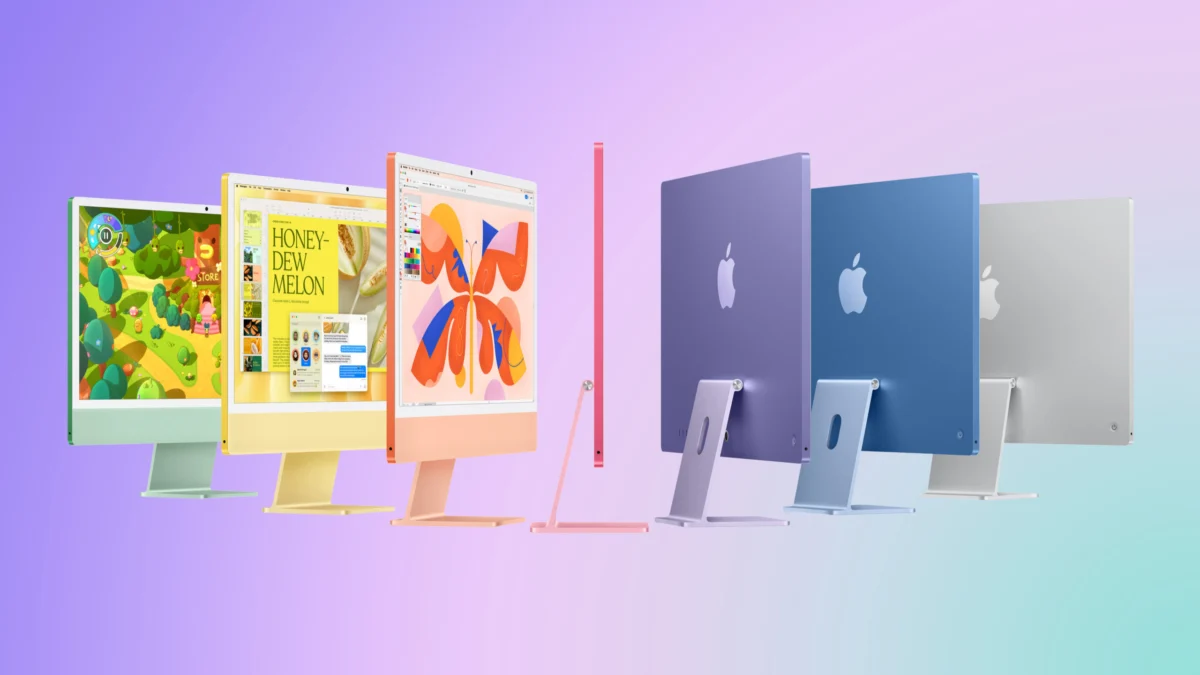
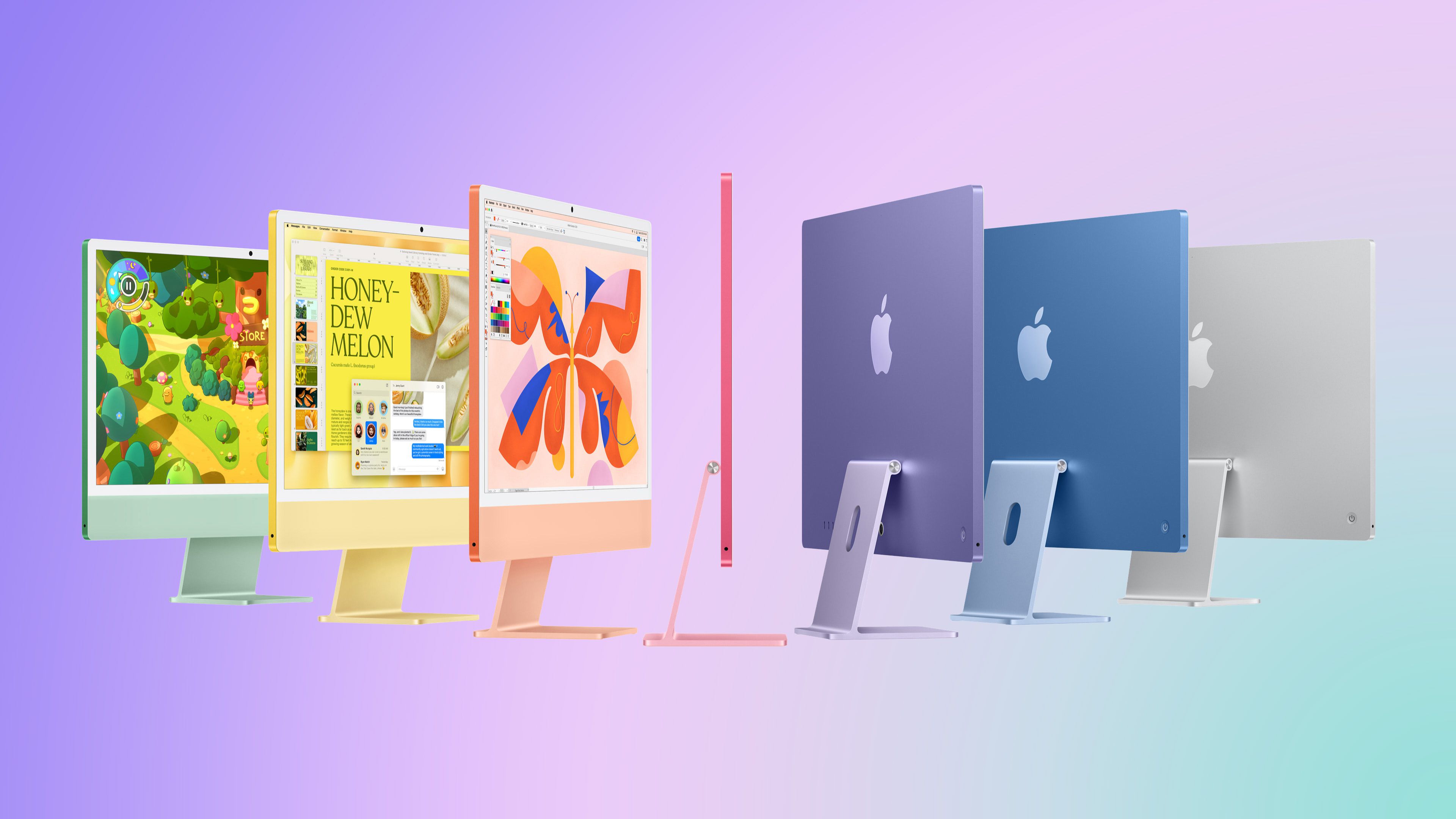
The narrative of this week centers on the M6 silicon. Having debuted in the Mac mini this past August, the M6 is now the standard-bearer for Apple’s computing performance. On Tuesday, Apple is expected to refresh its standard 24-inch iMac and the entry-level 14-inch MacBook Pro, bringing the M6 chip to these workhorse devices.
Industry insiders note that while these specific refreshes are primarily internal, they serve as a critical infrastructure update. By standardizing the M6 across the entry-level professional and consumer segments, Apple is effectively retiring the last vestiges of its previous-generation silicon, streamlining its manufacturing and software optimization pipelines. Despite the significant internal performance gains—expected to be bolstered by improved thermal management and superior neural engine capabilities—no external chassis or aesthetic design changes are anticipated for these two specific Tuesday releases.
Chronology of a Product Blitz
The rapid-fire nature of this week’s announcements suggests a carefully orchestrated logistics strategy.
- Sunday, October 26: Apple kicked off the week with the unannounced release of the OLED-equipped iPad mini, signaling an industry-wide pivot toward OLED as the standard for portable display technology.
- Tuesday, October 28: The focus shifts to the "Core" Mac lineup, with the M6-powered iMac and 14-inch MacBook Pro expected to hit the digital shelves.
- Wednesday, October 29: The centerpiece of the week occurs in Los Angeles. Apple has invited members of the press to a "Pro and Tell" experience, where the company is slated to announce the next generation of 14-inch and 16-inch MacBook Pro models. These machines are widely rumored to feature the revolutionary touch-enabled OLED displays, marking a fundamental change in how users interact with macOS.
The "Pro and Tell" Paradigm: OLED and Touch
Perhaps the most significant revelation from the week’s events is the branding clarification regarding the high-end MacBook line. For months, rumors swirled regarding a potential "MacBook Ultra," a nomenclature that would have signaled a new tier of computing power. However, the "Pro and Tell" tagline accompanying the Wednesday event invitation strongly suggests that Apple intends to keep these high-end machines under the established "MacBook Pro" moniker.
This decision reflects Apple’s historical preference for refining existing, powerful brand identities rather than diluting them with experimental naming conventions—a lesson learned, perhaps, from the recent transition of the "iPhone Ultra" rumors into the finalized "iPhone Duo."
The inclusion of touch-enabled OLED displays in the 14-inch and 16-inch MacBook Pro models represents a watershed moment. For years, Apple executives were vocal about the potential redundancy of touchscreens on macOS, often citing the ergonomic challenges of a vertical touch interface. However, the introduction of this hardware suggests that Apple has engineered a software experience—likely integrated with refined iPadOS-like gestures—that bridges the gap between traditional laptop utility and the fluidity of modern touch interfaces.
Supporting Data: Market Context and Industry Challenges
Apple’s rapid hardware rollout is not without its complications. As noted by industry analyst Mark Gurman, the company’s supply chain management has faced significant hurdles, most notably regarding the recent iPhone Duo launch.
According to reports, Apple knowingly proceeded with the iPhone Duo pre-order window despite having "severe supply constraints." This strategic gamble, which Gurman described as a "major mistake," has led to significant consumer frustration. By launching despite known manufacturing bottlenecks, Apple risked damaging its brand reputation for reliability.
This backdrop of supply chain tension provides context for the current Mac rollout. Investors and enthusiasts are watching closely to see if the M6 Mac updates and the high-end OLED MacBook Pros will suffer similar availability issues. If the company cannot maintain stock levels for these new devices, the perception of the "Pro and Tell" week could shift from a triumph of engineering to a struggle of logistics.
The Broader Ecosystem: The iMac G4-Style Smart Hub
Beyond the immediate Mac updates, the horizon of Apple’s product development remains focused on the "smart home" segment. Recent intelligence points to an upcoming smart home hub featuring a nostalgic, yet functional, iMac G4-style design.
This device is expected to feature a 6-inch square display, mounted on a versatile, articulated arm that allows for varied viewing angles. Designed for both wall-mounting and countertop use, the hub is expected to serve as a central controller for HomeKit devices, utilizing a sophisticated array of speakers, microphones, and a front-facing FaceTime camera. This development indicates that while the Mac remains the engine of Apple’s creative output, the company is doubling down on ambient computing—devices that integrate into the living space rather than sitting on a desk.
Implications for the Professional User
The implications of this week’s announcements are profound. For the professional creator, the move toward M6-powered hardware ensures that computational power will no longer be the bottleneck for high-resolution video rendering or complex data modeling.
Furthermore, the introduction of touch on the high-end MacBook Pro line signals a fundamental change in user input. It suggests that macOS is becoming increasingly "touch-first" compatible, a shift that will likely force third-party developers to rethink their UI/UX paradigms. Software that once relied solely on mouse-and-keyboard precision will soon need to accommodate the inaccuracy and fluidity of the human finger.
Finally, the retention of the "MacBook Pro" branding, rather than moving to an "Ultra" moniker, suggests that Apple views its top-tier laptops as a continuation of its professional lineage rather than a separate, experimental product line. This provides stability for corporate buyers and creative studios that rely on the long-term support and predictability of the "Pro" brand.
Conclusion: A Bold Step Forward
As the dust settles on this intense week of product launches, one thing is certain: Apple is moving with a renewed sense of urgency. By aggressively updating its entire Mac lineup to the M6 chip and introducing touch-enabled OLED technology to its flagship laptops, Apple is betting on the idea that the future of computing lies in the fusion of raw power and intuitive, tactile interaction.
While the company must navigate the challenges of supply chain constraints and the complexities of integrating touch into a desktop operating system, the trajectory is clear. The "Pro and Tell" week is not merely a series of product announcements; it is a declaration that the MacBook Pro remains the centerpiece of the Apple experience, evolving to meet the demands of a new generation of creators who expect their tools to be as responsive as they are powerful.