Amazon has officially entered the competitive arena of AI-integrated wearables, following its strategic acquisition of the startup Bee last year. The retail giant has pulled back the curtain on two new hardware devices—the Bee Frontier and the Bee Eclipse—designed to act as an "always-on" memory bank for the modern, busy professional. By leveraging sophisticated Large Language Models (LLMs) to transcribe, summarize, and categorize real-world conversations, Amazon is betting that consumers are ready to outsource their memory to a cloud-based assistant.
However, as the wearable tech industry pivots from biometrics to ambient intelligence, the launch of the Bee series brings to the forefront critical questions regarding privacy, consent, and the ethics of data-driven retail.
The Core Product Offering: What are Bee Frontier and Bee Eclipse?
The Bee lineup represents a departure from traditional wearable tech. While devices like the Fitbit or the Apple Watch focus on heart rate, sleep cycles, and step counts, the Bee devices focus on the "auditory data" of our lives.
The Bee Frontier
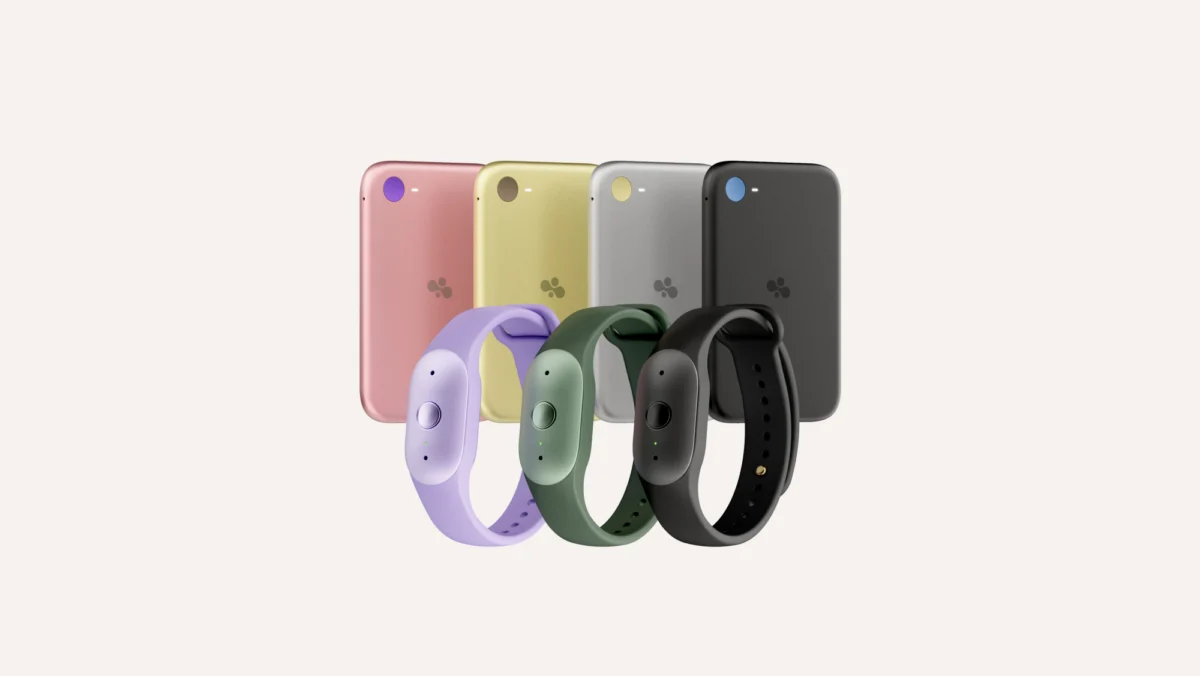
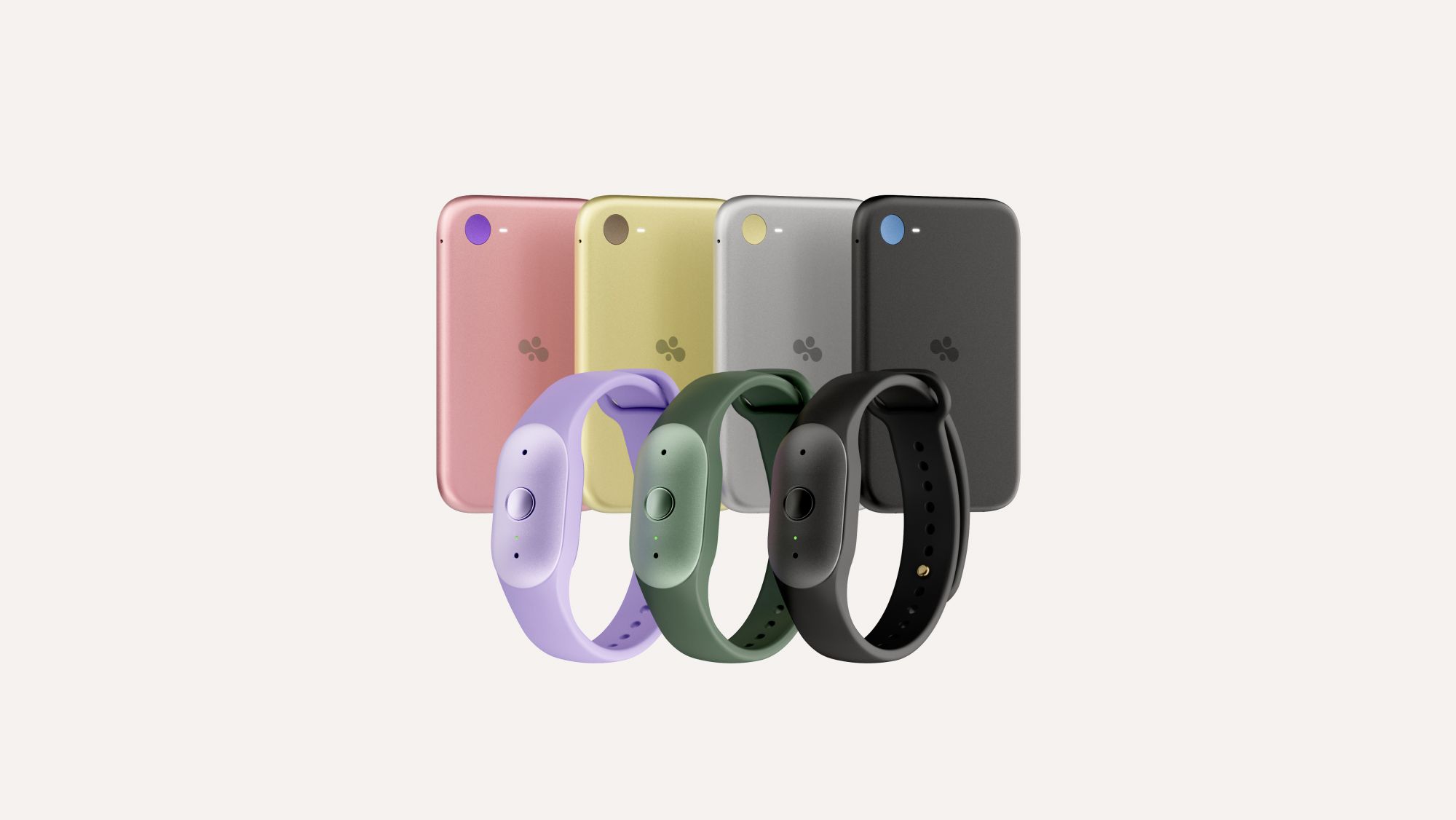
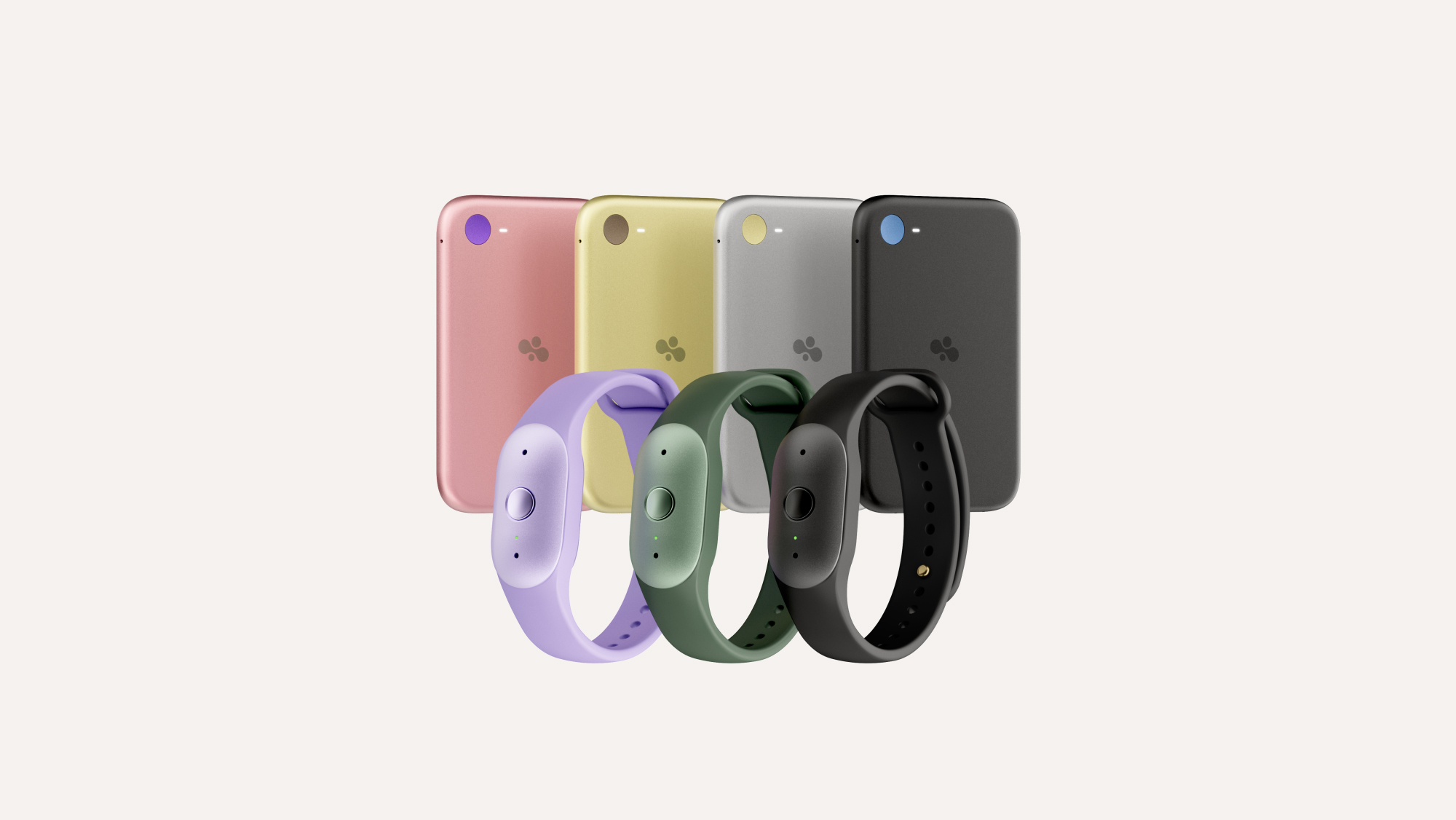
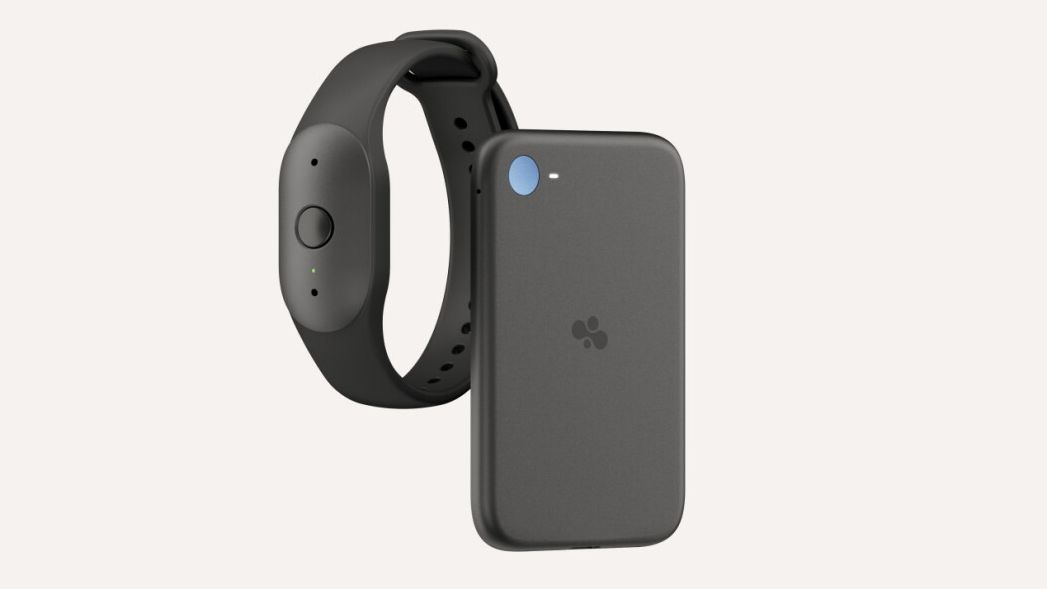
Priced at an accessible $74.99 (approximately £56 / AU$108), the Bee Frontier is a compact, clip-on device. With a battery life of up to seven days, it is designed to be worn on clothing or integrated into an optional wristband. It eschews biometric sensors entirely, opting instead for a dual-microphone array and a prominent, tactile "record" button. Amazon markets this as a tool for "staying present," allowing users to offload the mental burden of remembering meeting minutes, grocery lists, or casual commitments to an AI engine.
The Bee Eclipse
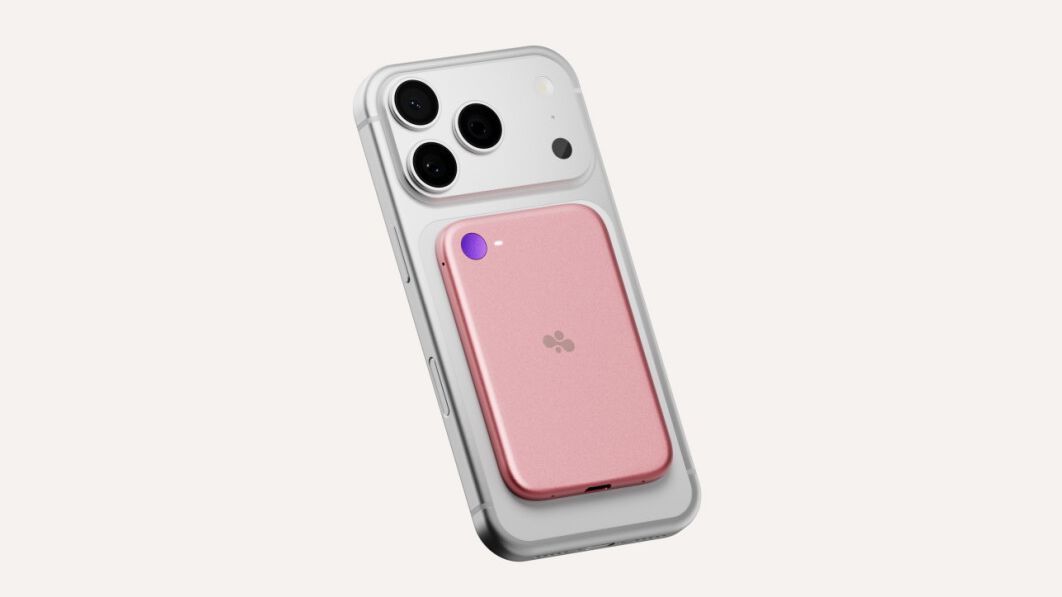
For those who prefer a non-wearable form factor, the $99.99 (approx. £75 / AU$145) Bee Eclipse offers a magnetic, credit-card-sized solution that snaps directly onto the back of a smartphone. Sharing the same underlying technology as its sibling, the Eclipse is positioned as a seamless extension of the user’s existing mobile ecosystem, providing a dedicated hardware interface for instant voice-to-text transcription.
Both devices sync with a proprietary mobile app and a purpose-built desktop interface. These apps utilize AI templates to organize data: students can automatically generate study guides from lecture audio, while corporate professionals can instantly format spontaneous brainstorming sessions into actionable meeting minutes.
Chronology of a Tech Pivot
The path to the Bee launch is a story of rapid consolidation within the AI hardware space.
- Mid-2023: Amazon identifies a gap in its hardware portfolio. While Alexa dominates the smart home, there is no "mobile" AI companion that bridges the gap between digital interaction and physical-world dialogue.
- Late 2023: Amazon completes the acquisition of Bee, a specialized startup known for its low-power audio transcription algorithms and LLM integration.
- Early 2024: Industry competitors like Plaud and Pebble begin gaining traction with devices like the Note and the Core Index 01, validating the market demand for AI note-taking hardware.
- Q3 2024: Apple introduces "Siri Recap" and "Live Rewind" features in the latest Apple Watch iterations, normalizing the concept of a wearable that "listens" to provide context.
- Present Day: Amazon launches the Bee Frontier and Eclipse, marking its aggressive entry into the ambient computing market.
The "Bee Pro" Ecosystem: Beyond Simple Transcription
While the hardware serves as the entry point, the true utility—and the recurring revenue stream—lies in the Bee Pro subscription service. At $11.99 per month, the subscription unlocks the full potential of the Bee ecosystem.
Advanced Integration and Workflow Automation
The Bee Pro suite is designed to integrate into the user’s professional digital life. It features native compatibility with Google Calendar, Microsoft Outlook, and Apple HealthKit. When a user mentions a coffee date or a deadline during a conversation, the AI doesn’t just transcribe it; it parses the intent and proactively offers to create calendar events or draft email reminders.
The Amazon Synergy
The most controversial aspect of the subscription is the deep integration with the Amazon shopping ecosystem. The Bee AI can analyze conversations to surface "personalized shopping recommendations." If a user mentions needing dish soap or a specific type of kitchen gadget, the Bee app and the Amazon homepage will display relevant product links. This effectively turns the user’s personal conversations into a direct marketing funnel for Amazon’s retail platform.
Official Responses and Privacy Safeguards
The potential for "creepy" surveillance has not gone unnoticed by Amazon. In response to anticipated pushback, the company has released comprehensive documentation regarding data handling and user privacy.
Amazon maintains that:
- Audio is not stored locally or in the cloud long-term: The devices are designed to process audio into text and immediately discard the original files.
- Hardware-Level Privacy: The recording function is strictly button-operated. To ensure transparency, the devices feature a high-visibility LED indicator that lights up when the microphone is active, mirroring the visual cues found on Meta’s smart glasses.
- Encryption: All transcriptions and summaries are encrypted both in transit and at rest, ensuring that even if the data is intercepted, it remains unreadable.
"Bee is about reclaiming your mental bandwidth," an Amazon spokesperson noted in the official press release. "We have built this with privacy by design, ensuring that the user remains in complete control of when, where, and how their data is captured."
Implications: The Ethics of the "Always-On" World
The launch of the Bee series poses significant questions for society at large.
The Consent Conundrum
While the user knows they are being recorded, the people they are speaking with may not. In a world where Bee users are recording meetings, casual dinners, and public conversations, the potential for non-consensual data collection is immense. While the LED light acts as a visual signal, it does not guarantee that the surrounding parties have consented to being transcribed or analyzed by an AI model.
The Retailization of Human Speech
Perhaps the most profound implication is the monetization of our private lives. For decades, tech companies have tracked our search history, clicks, and physical location to build a consumer profile. The Bee ecosystem represents a leap forward: by analyzing our spoken words, Amazon can gain insights into our intent, our frustrations, and our immediate needs with unprecedented accuracy.
Critics argue that this creates an "insidious" feedback loop. If the AI is constantly listening for opportunities to offer "recommendations," does the user truly remain the customer, or have they become the product?
The Death of Spontaneity?
Finally, there is the psychological impact. If every conversation is a potential "to-do" item or a "shopping opportunity," does the nature of human interaction change? When we are aware that our words are being parsed by an algorithm, we may become more self-conscious, less authentic, and more utilitarian in our speech patterns.
Conclusion: A High-Stakes Bet
Amazon’s entry into the AI wearable market with the Bee Frontier and Bee Eclipse is a calculated gamble. The hardware is sleek, the price point is competitive, and the promise of a "second brain" is undeniably attractive to the hyper-productive modern worker.
However, the long-term success of the Bee line will depend on more than just technical performance. It will depend on whether consumers trust Amazon to act as a steward of their most intimate data. As we move toward a future where our devices are no longer just tools, but active participants in our conversations, the industry is entering uncharted waters. Whether Bee turns out to be a "buzzy" success or a product with a "sting in the tail" remains to be seen, but one thing is certain: the era of the ambient, listening assistant has officially arrived.