










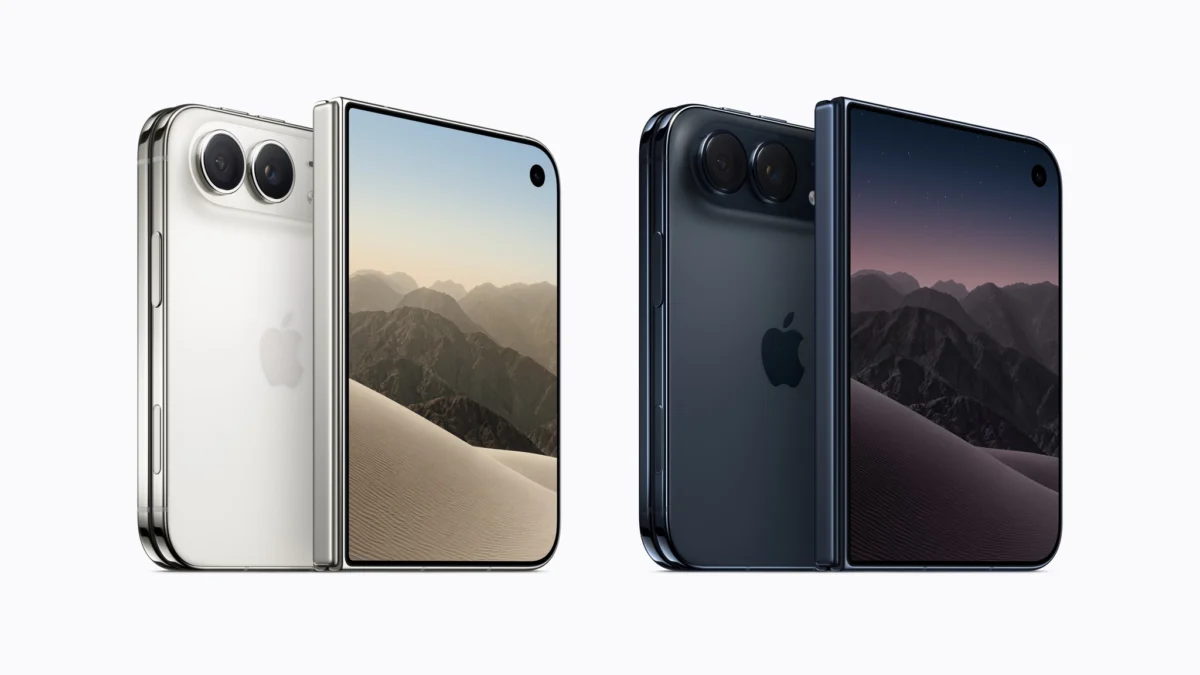
CUPERTINO, CALIFORNIA — Apple has officially released Xcode 27.1 beta, a major software development kit update tailored specifically to support the newly announced iPhone Duo. Alongside the software drop, Apple has updated its comprehensive design resources, introducing dedicated Figma and Sketch kits, while announcing a global series of developer workshops. These initiatives aim to help creators and software engineers optimize their applications for the unique dual-screen and adaptive form factors introduced with the company’s latest flagship device.
The September 18, 2026, announcement marks a critical milestone for the iOS developer ecosystem. As the industry adapts to the hardware architecture of the iPhone Duo—which features distinct front and rear operational landscapes and expansive dual-display capabilities—Apple is providing the tools necessary to ensure a smooth transition for third-party apps across the board.
Main Facts
The core of Apple’s latest developer release centers on equipping the software engineering community for the commercial launch and widespread adoption of the iPhone Duo.
- Xcode 27.1 Beta Availability: Registered developers can now download the latest beta build directly through the Apple Developer portal. The update includes new debugging tools, interface simulators, and API hooks designed to harness the unique hardware characteristics of the iPhone Duo.
- Official Design Resources: Freshly updated Figma and Sketch design kits are now available via Apple Design Resources. These kits provide layout templates, UI components, and design guidelines tailored to the physical dimensions and interaction models of the new device.
- Global Developer Workshops: Apple has scheduled a series of hybrid and in-person workshops worldwide. These sessions are structured to guide developers through the nuances of optimizing app performance, managing adaptive UI layouts, and crafting customized experiences across varying screen sizes.
- The Hardware Focus: The iPhone Duo—showcased in striking "Star White" and "Night Sky" finishes—introduces advanced dual-screen integration, supporting dynamic desert landscape wallpapers that shift seamlessly between light and dark modes across multiple viewports.
Chronology
The pathway to the release of Xcode 27.1 beta and the rollout of iPhone Duo support has been years in the making, reflecting Apple’s rigorous hardware-software co-development lifecycle.
Early Conceptualization and Hardware Prototyping (2023–2024)
As rumors of foldable and multi-screen mobile hardware began to dominate the tech sector, Apple’s internal engineering teams finalized the architectural blueprint for what would become the iPhone Duo. During this phase, early internal iterations of software toolchains—precursors to Xcode 27—were developed to test how iOS could handle dynamic screen fragmentation and multi-panel rendering without sacrificing battery efficiency or processing speed.
Internal Testing and Framework Stabilization (2025–Early 2026)
By 2025, select enterprise partners and core application teams received restricted access to early hardware prototypes under strict non-disclosure agreements. Apple engineers worked to stabilize core frameworks like SwiftUI and UIKit, ensuring they could natively interpret layout constraints on non-standard aspect ratios. Throughout the first half of 2026, internal builds of Xcode underwent rigorous stress testing to prepare for public beta distribution.
The September 2026 Reveal and Beta Launch (September 18, 2026)
Apple officially unveiled the iPhone Duo to the public, showcasing its front and rear views alongside its Star White and Night Sky colorways. Simultaneously, the company lifted the curtain on Xcode 27.1 beta, making immediate downloads available alongside the Figma and Sketch design kits. This synchronized release ensured that developers were not left waiting for software tools after seeing the hardware for the first time.
Upcoming Milestones (Late 2026 and Beyond)
Over the coming weeks, Apple will host its global developer workshops. The public release of Xcode 27.1 is expected to follow the standard beta testing cycle ahead of the commercial shipping date of the iPhone Duo, paving the way for day-one app compatibility.
Supporting Data
The transition to multi-display and adaptive hardware environments requires robust metrics and technical backing to ensure developer buy-in and ecosystem health.
- Screen Real Estate Expansion: The iPhone Duo introduces an increase in usable interactive surface area compared to traditional slab phones, necessitating a shift from fixed-width layouts to fluid, responsive grid systems supported natively in Xcode 27.1.
- Adoption Metrics: Historically, over 85% of active iOS devices adopt major software development kit updates within the first six months of release. Apple anticipates a similarly rapid transition for Xcode 27 as developers race to update their portfolios for the iPhone Duo.
- Design Kit Utilization: Figma and Sketch remain the two most dominant design platforms used by modern UI/UX professionals. By releasing native kits for both platforms simultaneously, Apple aims to eliminate friction in the early design prototyping phase, which typically precedes actual coding by several weeks.
- Global Workshop Reach: Apple’s upcoming workshop tour spans key technology hubs across North America, Europe, Asia, and the Pacific, accommodating tens of thousands of registered developers through both virtual labs and hands-on coding sessions.
Official Responses
Apple executives and engineering leads have emphasized that the release of Xcode 27.1 beta is about much more than just a software update—it represents a fundamental re-imagining of how applications interact with physical space and user intent.
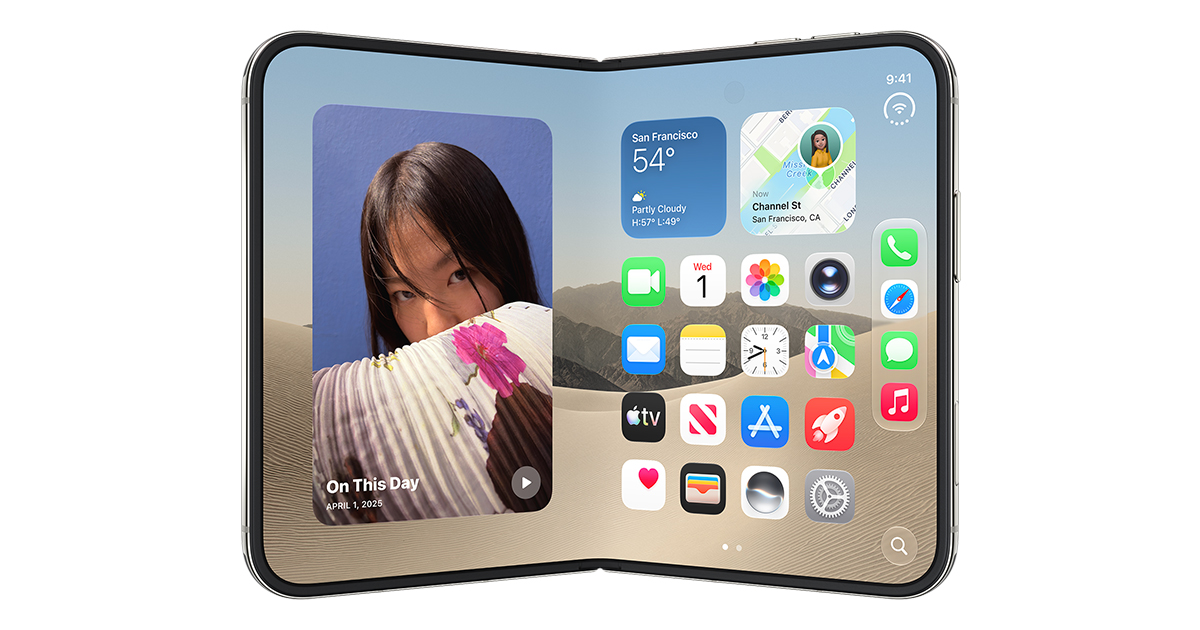
In a briefing accompanying the release, Apple’s Software Engineering division highlighted the role of SwiftUI in bridging the gap between traditional smartphones and the iPhone Duo.
"When we designed the iPhone Duo, we knew that the hardware alone would only tell half the story," said a senior Apple engineering spokesperson. "Our goal with Xcode 27.1 and the updated design resources is to empower every developer—from solo indie creators to massive enterprise engineering teams—with the exact tools they need to build fluid, magical experiences that take full advantage of dual-screen architecture without adding unnecessary complexity to their codebase."
Design community leaders have also responded enthusiastically to the inclusion of official Figma and Sketch resources.
"Having native design assets on day one changes the game," noted a lead product designer at a major productivity app developer. "In the past, adapting to a brand-new form factor meant guesswork and manual measurement conversions. Apple providing comprehensive design kits right out of the gate lets our team focus on creative problem-solving rather than asset creation."
Implications
The introduction of the iPhone Duo, supported by Xcode 27.1 beta and its accompanying design ecosystem, carries profound implications for the mobile app economy, user experience standards, and hardware-software integration across the industry.
1. A Paradigm Shift in Mobile UI/UX Design
For nearly two decades, the smartphone industry has converged around a standardized single-screen, glass-slab form factor. The iPhone Duo breaks this mold. Developers can no longer rely on rigid, one-size-fits-all layout templates. Xcode 27.1 forces a structural evolution toward adaptive design, where applications must intelligently reflow content, split views across physical boundaries, and maintain context whether a user is interacting with the primary display, the rear interface, or both simultaneously.
2. Heightened Standards for App Performance and Battery Efficiency
Managing multiple active viewports places a unique strain on system resources. The updated simulators in Xcode 27.1 provide granular diagnostics allowing engineers to monitor thermal output, power consumption, and rendering latency across both screens. Apps that fail to optimize for the iPhone Duo risk being flagged for excessive resource drain, driving a renewed emphasis on clean, efficient code architecture.
3. Competitive Pressure on the Broader Ecosystem
Apple’s proactive approach—releasing design kits, beta software, and global workshops concurrently—sets a high benchmark for the tech industry. As competitors explore alternative form factors, the expectation from developers will be clear: groundbreaking hardware must be matched by equally robust, accessible, and timely developer tooling.
4. Economic Opportunities for Independent Developers
While major tech giants possess the resources to pivot quickly, new hardware paradigms often present the greatest opportunities for agile, independent developers. By lowering the barrier to entry with comprehensive Figma/Sketch kits and accessible workshop training, Apple is encouraging a wave of creative experimentation. Apps that leverage the iPhone Duo in unexpected, delightful ways could easily become the standout productivity, gaming, and media hits of the upcoming holiday season.
Conclusion
The release of Xcode 27.1 beta, alongside Apple’s robust suite of design resources and global workshop announcements, signals a confident step forward into a new era of mobile computing. As developers begin downloading the tools, experimenting with the new layouts, and preparing their applications for the iPhone Duo, the digital ecosystem stands on the brink of a major transformation. For users and creators alike, the coming months will reveal the full potential of what happens when cutting-edge hardware meets forward-thinking software engineering.



