










In a move that signals a bold new chapter for the Cupertino tech giant, Apple Inc. has announced an ambitious two-part hardware rollout for October 2026. With the company now under the stewardship of newly appointed CEO John Ternus, the tech industry is bracing for what appears to be the most significant refresh of the Apple ecosystem in years.
The strategy, split between a home-centric event on October 13 and a professional computing showcase expected on October 27, marks a departure from traditional annual cycles. By separating these categories, Apple is clearly aiming to provide each product line the spotlight it deserves, while simultaneously signaling to investors that the company is ready to aggressively reclaim market share in sectors where it has faced stiff competition.
The “Welcome Home” Initiative: Challenging the Smart Home Status Quo
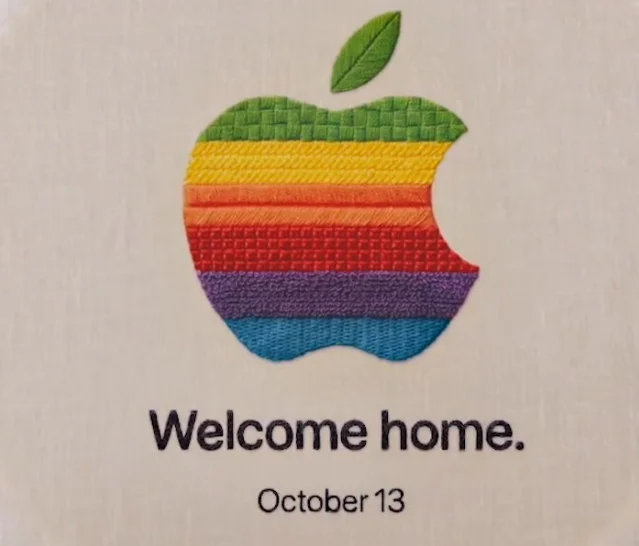
The first phase of this autumn offensive will commence on Tuesday, October 13, under the evocative banner of "Welcome Home." Apple’s marketing chief, Greg Joswiak, took to social media to confirm the date, setting the stage for what is expected to be a fundamental reimagining of Apple’s connected home portfolio.
For years, the smart home market has been dominated by the ecosystem dominance of Amazon’s Alexa and Google’s Assistant. While Apple has maintained a presence through the HomePod and Apple TV, critics have often argued that the company lacked a cohesive "hub" experience that could compete with the sophisticated, screen-integrated devices offered by its rivals. The October 13 event aims to dismantle that narrative.
The Hardware Pipeline
Industry insiders suggest that the October 13 event will center on three pillars:
- The Smart Home Hub: Perhaps the most anticipated device, this dedicated smart display is designed to serve as the brain of the home. By integrating a high-fidelity display with advanced localized processing, Apple hopes to bridge the gap between a traditional tablet and a stationary home controller.
- Next-Generation HomePod Mini: A refreshed iteration of the popular smart speaker, rumored to feature improved acoustics and enhanced integration with the new hub.
- Apple TV Evolution: A refined set-top box that leverages the power of Apple’s silicon to handle complex on-device AI tasks, ensuring that user privacy remains at the forefront of the home experience.
The integration of Siri AI will be the connective tissue for these devices. By shifting from a cloud-reliant assistant to a more capable, privacy-focused on-device AI, Apple hopes to differentiate itself from competitors who rely heavily on data harvesting to power their home assistants. Furthermore, the company has reportedly secured partnerships with industry titans like LG Electronics and Schneider Electric, signaling a move toward a more interoperable and versatile Matter-compliant home ecosystem.
A Chronology of the October Rollout
Apple’s tactical decision to utilize two distinct event windows reflects a sophisticated marketing calendar designed to maximize media attention.
- October 13, 2026: The "Welcome Home" event. This will move away from the traditional, massive keynote format in favor of a hybrid approach. While the core presentation will be delivered via a high-production-value online video, Apple is inviting select media to in-person, hands-on demonstrations in New York City. This allows for immediate, tangible coverage of the new smart home hardware.
- October 27, 2026 (Estimated): The "Computing Evolution" showcase. Following the same hybrid format, this event will shift focus to the professional demographic. By targeting late October, Apple ensures that its new Mac and iPad hardware hits shelves just as the critical holiday shopping season begins to gain momentum.
Supporting Data: The Strategic Pivot
The data underlying these decisions is clear: Apple’s services revenue is growing, but its hardware must provide the "hook" that draws users into that ecosystem. According to recent market analysis, while Mac sales remain robust, the rise of AI-driven computing has created a demand for hardware that can process large language models (LLMs) locally.
| Event Window | Primary Category | Format | Key Hardware Focus |
|---|---|---|---|
| Oct. 13 | Smart Home Ecosystem | Online + NYC Hands-on | Smart display hub, HomePod mini, Apple TV, Siri AI |
| Late Oct. | Mac & iPad Lineup | Online + Press Event | Touch-screen OLED MacBook Pro, M6 silicon, iPad mini |
The table above illustrates the breadth of the upcoming releases. The transition to M6-series silicon is expected to provide a significant leap in performance-per-watt, a critical metric for creative professionals who rely on mobile workstations.
The Professional Frontier: Touch-Screen Macs and M6 Silicon
Perhaps the most surprising element of the late-October event is the expected unveiling of the first touch-screen MacBook Pro. For over a decade, Apple resisted the urge to bring touch interfaces to macOS, famously arguing that the ergonomics of a vertical touch screen were suboptimal. However, with the convergence of iPadOS and macOS, and the increasing demand for fluid, multimodal creative workflows, Apple appears to have finally relented.
Bloomberg’s Mark Gurman, a consistent source of reliable Apple intelligence, has noted that this transition will be paired with the launch of the M6 processor. This chip is rumored to be the first Apple silicon specifically optimized for the high-bandwidth requirements of "multimodal" AI—meaning the device can process voice, visual, and text data simultaneously with zero latency.
Beyond the Mac, a redesigned iPad mini is expected to round out the professional lineup, likely featuring an upgraded display panel and deeper integration with the new Mac ecosystem, allowing for seamless "second-screen" functionality for creative pros.
Implications: A New Era Under John Ternus
These announcements mark the first major strategic pivot under the leadership of CEO John Ternus. Having ascended to the top role last month, Ternus has made it clear that he intends to double down on design leadership and market expansion.
Implications for Market Competition
By entering the smart display market, Apple is directly challenging the "ecosystem lock-in" of Google and Amazon. If Apple can successfully convince users that its smart home ecosystem is more secure, more private, and better integrated with their iPhone, it may trigger a significant migration of users who have been hesitant to fully adopt smart home technology due to privacy concerns.
Implications for the Creative Industry
The introduction of touch-screen functionality to the professional-grade MacBook Pro is a tacit admission that the "Pro" workflow is changing. By providing a platform that can handle touch, stylus, and keyboard input in a single, high-performance package, Apple is positioning its hardware as the definitive answer for the next generation of digital creators.
Investor Sentiment and Future Roadmaps
For shareholders, this two-event strategy serves as a proof-of-concept for the new leadership’s agility. If these product lines succeed, it validates the massive R&D spending that Apple has funneled into on-device AI. Furthermore, the company has hinted that this October slate is merely the first wave; a broader roadmap covering additional Mac and iPad updates is already slated for the first half of 2027.
Conclusion: The Path Forward
As the October 13 date approaches, the technology sector is watching closely. The "Welcome Home" event is more than just a product launch; it is a declaration of intent. Apple is moving to ensure that its presence is felt in every room of the consumer’s house, while simultaneously solidifying its dominance in the creative professional workspace.
Whether the new smart hub can truly redefine the connected home remains to be seen, but one thing is certain: under John Ternus, Apple is not content to iterate on the past. By blending the company’s legacy of premium hardware design with a new, aggressive push into AI and touch-based computing, Apple is attempting to secure its dominance for the next decade of digital evolution. The "Welcome Home" event will be the first test of whether this new, proactive strategy can capture the hearts—and the budgets—of its global user base.



