










Ranking number one on Google has long been the gold standard of Search Engine Optimization (SEO). However, in the modern digital landscape, there is a more coveted prize: the "Position Zero." Whether referred to as a Featured Snippet, a Direct Answer, or an Instant Answer, this prime real estate at the top of the Search Engine Results Page (SERP) represents the holy grail of visibility.
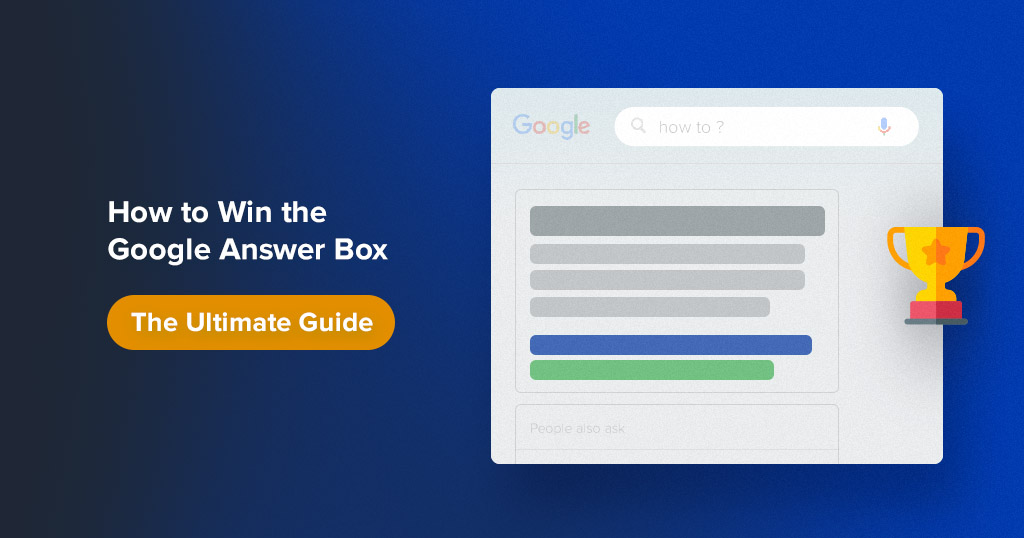
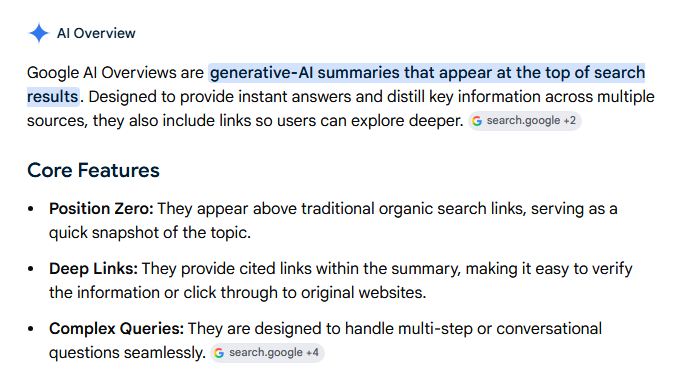
While traditional blue links drive traffic, the Google Answer Box—and its successor, the AI Overview—positions your brand as the definitive authority. For users, it offers instant gratification. For webmasters, it offers unparalleled brand authority. But how does one win this coveted spot in an era where search is shifting from simple keyword matching to complex, AI-driven synthesis?
The Evolution of Search: A Chronology of "Position Zero"
To understand how to win today, we must look at the trajectory of Google’s search technology.
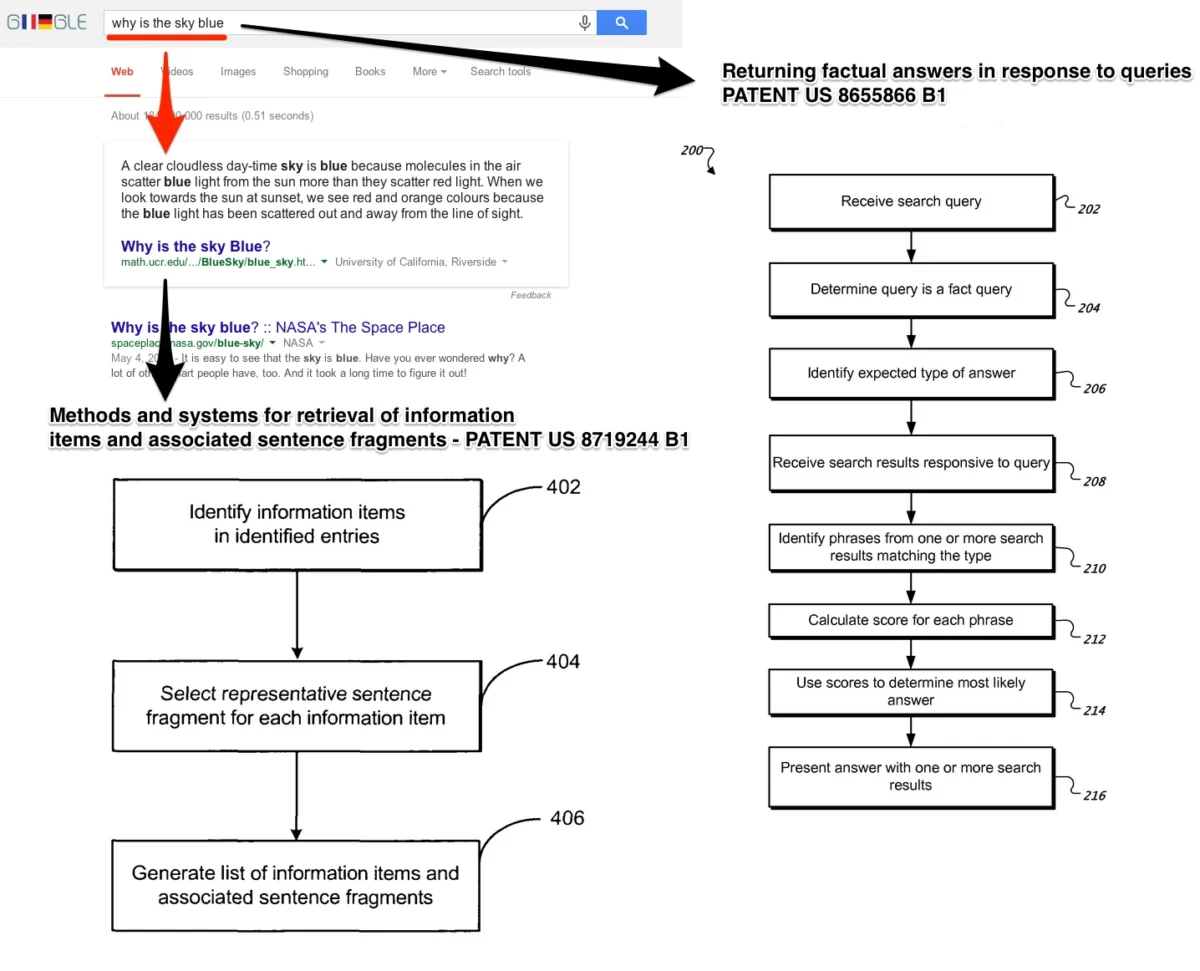
- 2013: The Hummingbird Revolution. Google introduced the Hummingbird algorithm, moving beyond simple keyword matching to semantic search. This allowed Google to understand the intent behind a query, laying the groundwork for answering "who," "what," "where," and "why" directly in the SERP.
- 2019: The BERT Update. The Bidirectional Encoder Representations from Transformers (BERT) update significantly improved Google’s ability to interpret context and natural language. This was the catalyst for more sophisticated, nuanced featured snippets.
- 2024–2026: The AI Overview Transition. We have entered the era of the "Answer Engine." Google is increasingly moving away from merely scraping text from a single source to synthesizing information from multiple web entities via AI Overviews. Search has become conversational, and the criteria for being "the answer" have shifted from simple on-page structure to broad digital authority.
Anatomy of the Google Answer Box
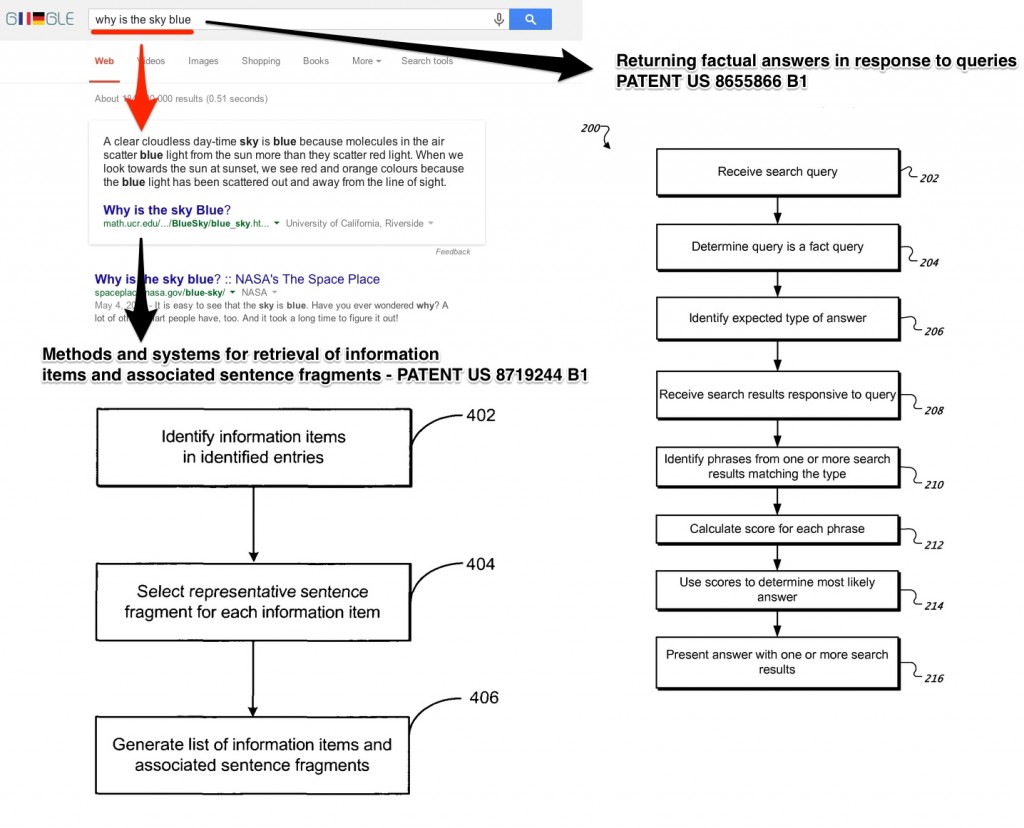
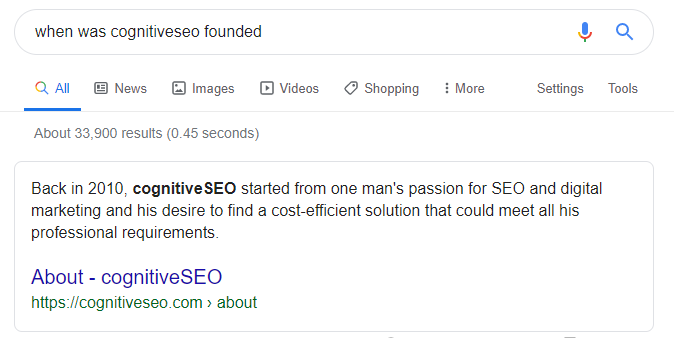
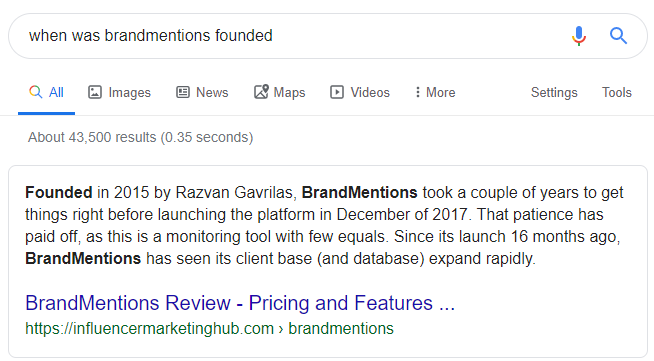
Google’s answer boxes are SERP features powered by the Knowledge Graph or extracted directly from high-authority sites. They appear when the algorithm identifies a query as a "fact-seeking" mission.
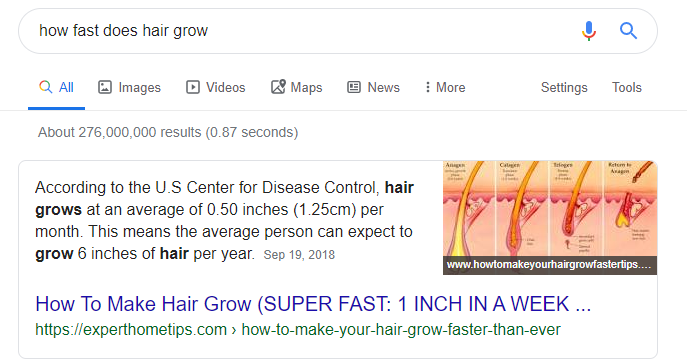
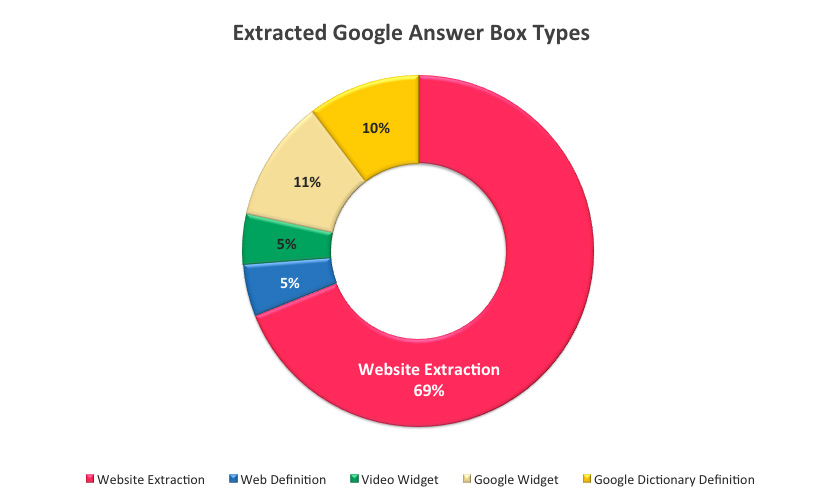
These boxes come in various formats, including:
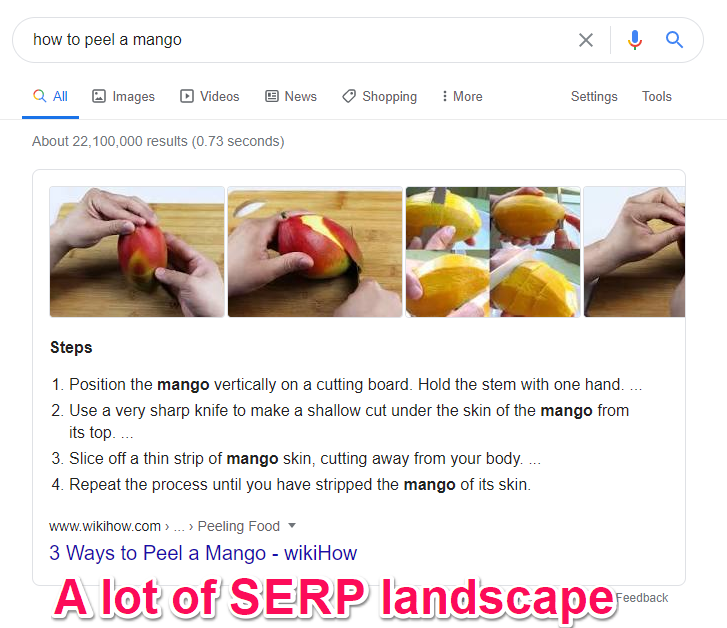
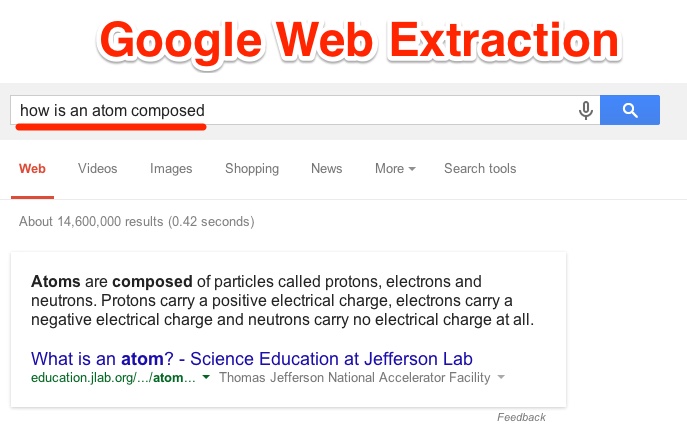
- Text Snippets: Short, concise definitions (often 40–60 words).
- Ordered/Unordered Lists: Ideal for "how-to" queries or step-by-step processes.
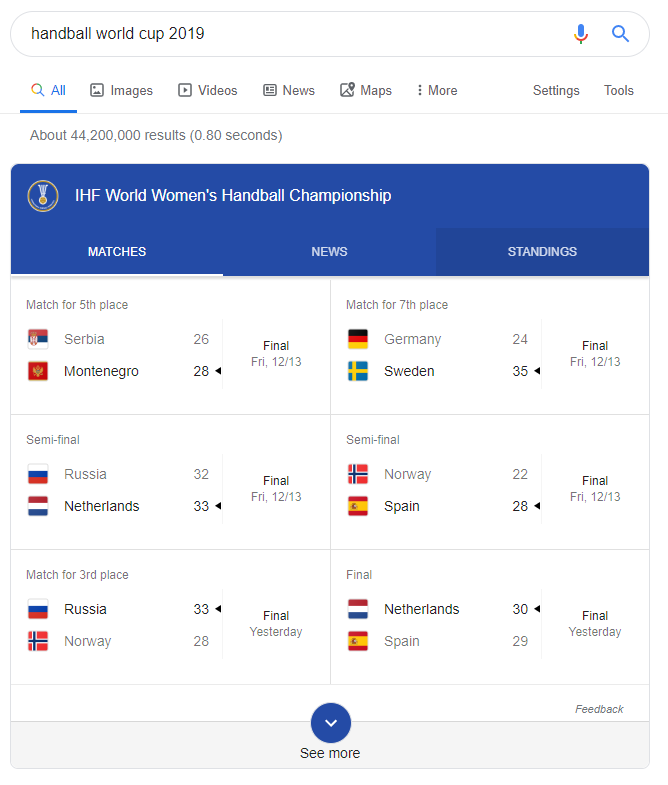
- Tables: Used for comparing data, pricing, or specifications.
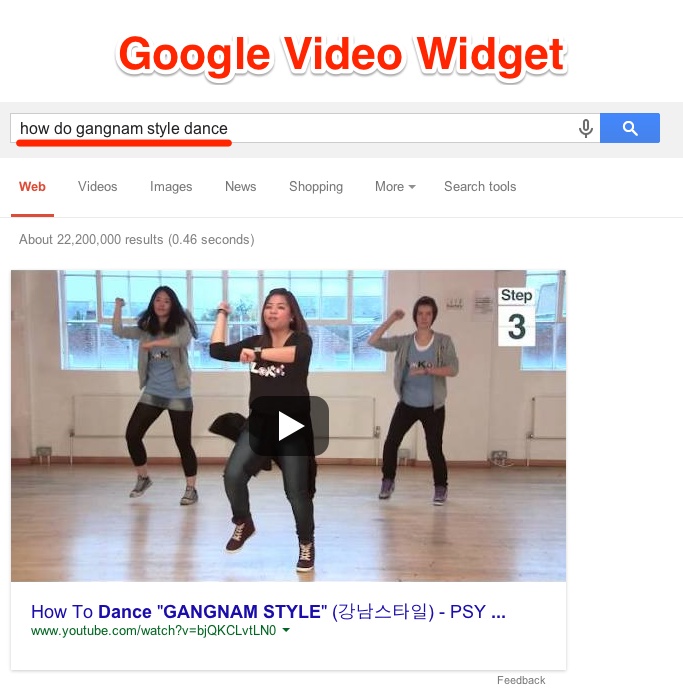
- Video Widgets: Embedded clips that provide visual answers to complex tasks.
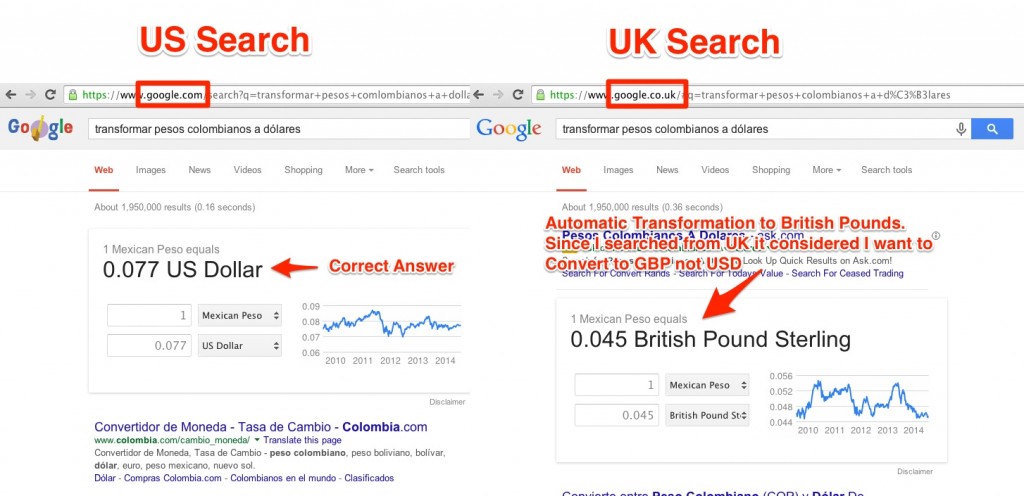
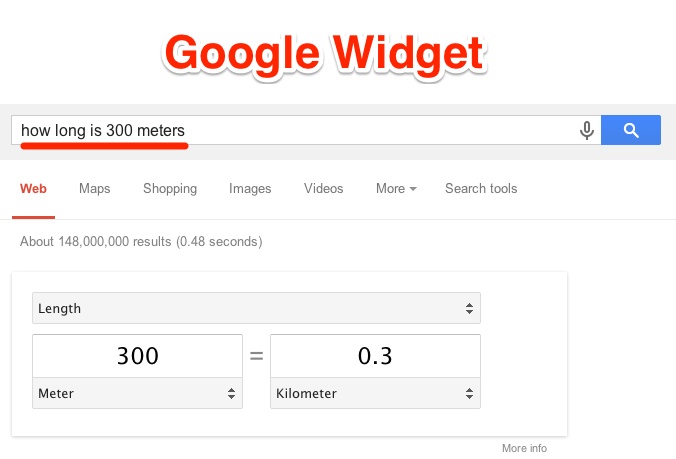
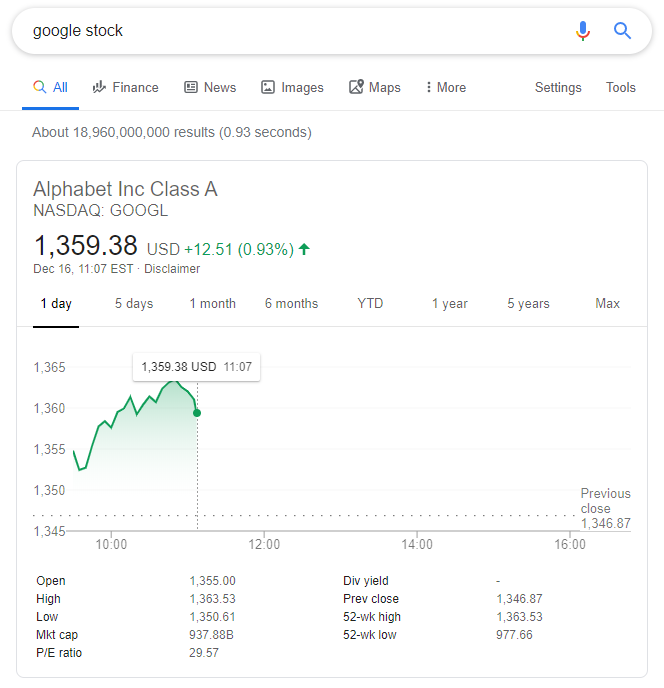
- Calculators/Converters: Dynamic widgets for math, currency, or unit conversions.
Supporting Data: Why Position Zero Matters
The shift toward answer boxes is not just a UI change; it is a fundamental shift in user behavior. Research consistently shows that users prefer the instant answer provided by a snippet over scrolling down to click a link.
Data from a study of over 10,000 queries revealed that:
- Authority Wins: Over 80% of all snippets are pulled from domains with at least 1,000 referring domains. This suggests that Google prioritizes sites that have already established themselves as industry pillars.
- Top 10 Necessity: While it is theoretically possible to appear in an answer box without ranking in the top 10 organic results, it is statistically rare—occurring in less than 0.1% of cases.
- The "Informational" Bias: Google explicitly avoids using answer boxes for commercial or promotional gain. You cannot "buy" your way into an answer box. The algorithm favors unbiased, helpful, and highly structured information.
Implications for Modern SEO Strategy
In 2026, technical SEO is no longer sufficient. AI engines assess your "Digital Footprint." This means that your visibility is influenced by:
- Cross-Platform Mentions: How often your brand is discussed on social media, forums, and industry publications.
- Brand Sentiment: AI models are trained on quality and trust. A brand with a positive reputation across the web is more likely to be cited as an authoritative source in an AI Overview.
- Structured Data: Using Schema markup helps search engines "read" your content, but it must be backed by a cohesive content strategy that answers user questions directly.
Step-by-Step Optimization Strategy
If you want to secure your position as an authoritative entity, follow these four pillars:
1. Identify High-Intent Keywords
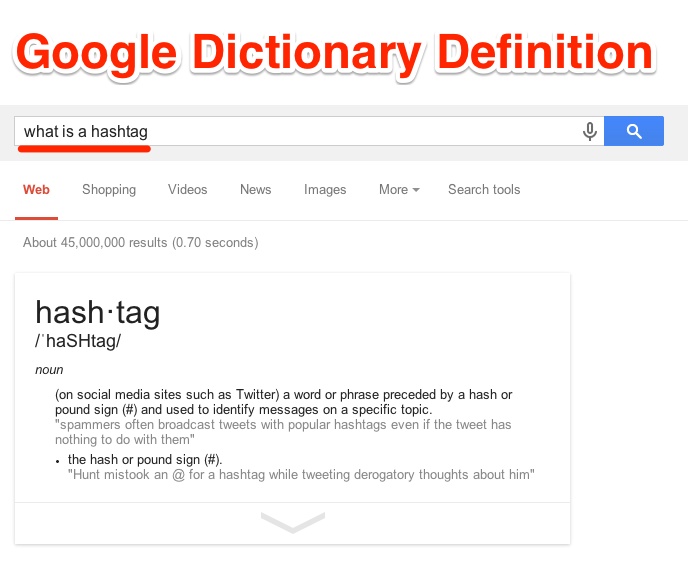
Use keyword research tools to identify questions your audience is asking. Look for long-tail keywords that start with "How to," "What is," or "Difference between." These are prime candidates for featured snippets.
2. Structure for Clarity
Google’s algorithms favor "neat" content. Use clear headings (H2/H3), bullet points for lists, and numbered steps for processes. Place the direct answer in the first paragraph of your content—ideally within 50 words.
3. Optimize for Entity-Based Search
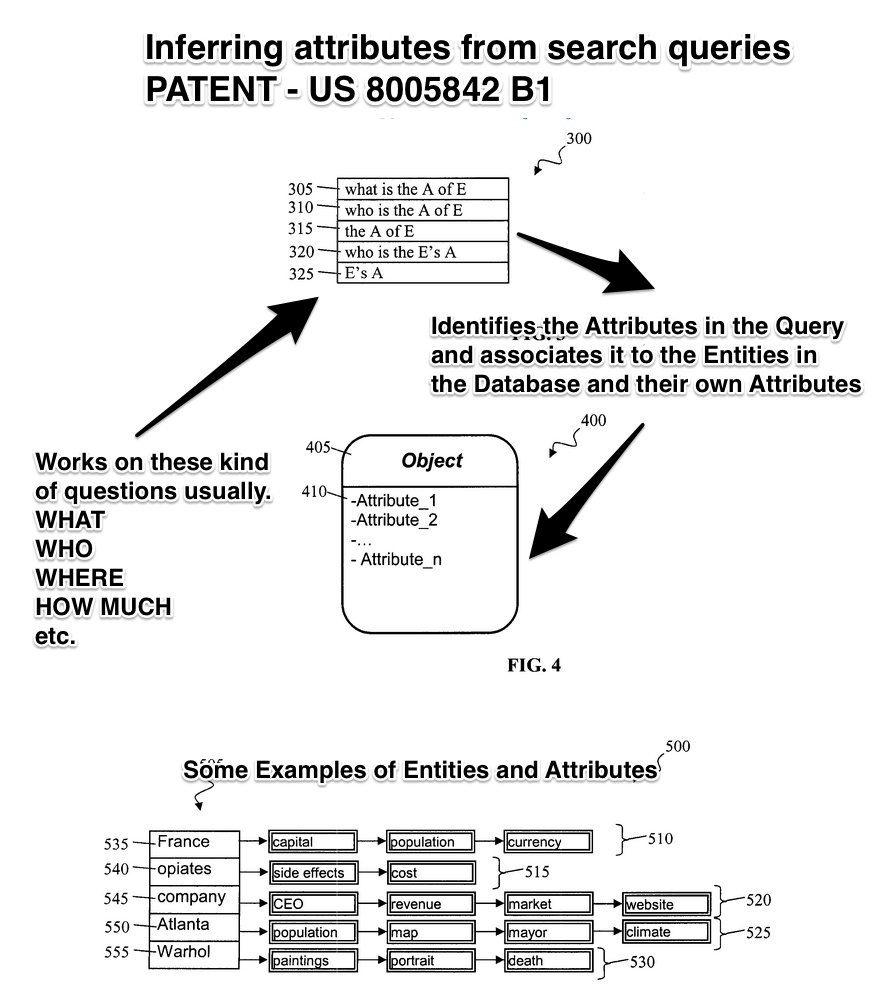
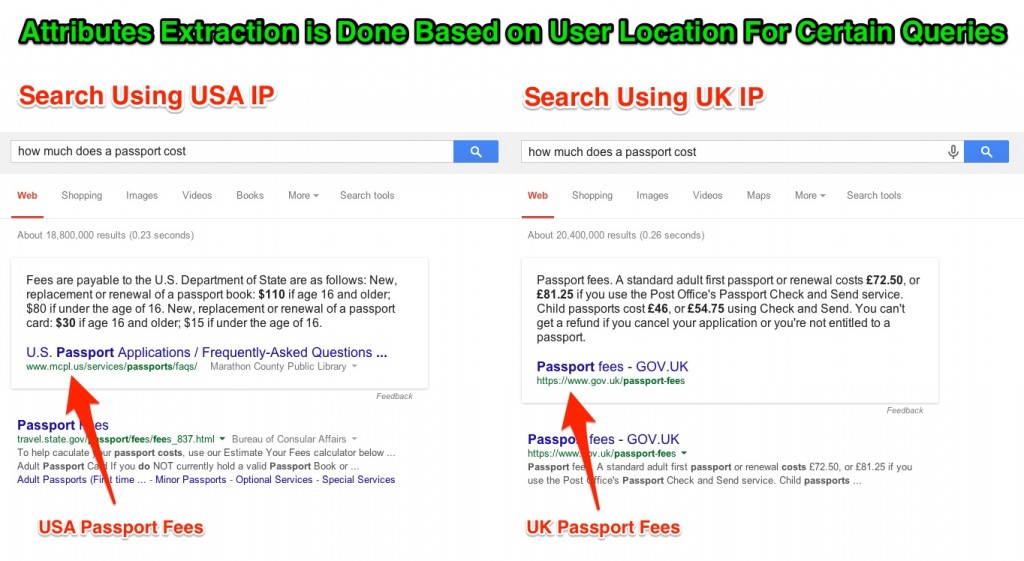
Google thinks in terms of "Entities" and "Attributes." For example, if the entity is "Your Brand" and the attribute is "Service," ensure that your website explicitly connects these two concepts through clear, natural language that Google’s AI can easily parse.
4. Build Your Digital Ecosystem
Because AI engines synthesize information from across the web, you must ensure your brand is active on third-party platforms. Use social listening tools to track brand mentions and ensure that the narrative surrounding your brand is consistent, accurate, and professional.
Official Stance: Can You Advertise in the Answer Box?
Google has maintained a consistent stance: No. John Mueller, a Webmaster Trends Analyst at Google, has repeatedly clarified that answer boxes are designed to be informational, not commercial. The goal is to provide value, not to create an advertisement for a website.
However, there is a nuance: Informative content can be highly persuasive. When a user asks "How much does a dental implant cost?" and your blog post provides an objective, well-structured breakdown of the pricing, you capture the user’s trust before they even visit your site. This creates a "soft" conversion funnel that is arguably more effective than a direct advertisement.
Addressing the "Failures" of AI
Despite their sophistication, AI answer boxes are not infallible. Users often encounter "hallucinations" or outdated information. This is why Google includes a "Feedback" button on most snippets.
As a webmaster, if you see your content misrepresented in a snippet, you have two options:
- Update your on-page content: Clarify the information so the algorithm can re-crawl and re-index the correct data.
- Provide Feedback: Use the "Feedback" link at the bottom of the snippet to report inaccuracies.
Conclusion: The New Rules of Engagement
The era of the "blue link" is fading. We have entered the era of the "Answer Engine." Winning in this environment requires a shift in mindset: stop thinking like a marketer and start thinking like an encyclopedia.
To win at Position Zero in 2026, you must provide the most accurate, concise, and trustworthy information available. You must cultivate a brand that is cited by others as a source of truth. As search engines continue to prioritize machine-learning-driven answers, your greatest asset will not be your keyword density, but your reputation as a trusted, authoritative entity in your field.
The transition to AI-generated answers is inevitable. By focusing on high-quality content, robust brand mentions, and clear, structured data, you can ensure that when Google asks a question in your niche, it is your brand providing the answer.



