










Measuring the return on investment (ROI) for marketing spend remains one of the most formidable challenges in corporate growth. In recent years, Marketing Mix Modelling (MMM) has enjoyed a dramatic resurgence as the preferred statistical solution. This revival has been heavily fueled by powerful open-source framework releases: Meta’s Robyn, Google’s Meridian, and PyMC Labs’ PyMC-Marketing.
Today, running an MMM has never been easier. Trusting its outputs, however, is an entirely different matter.
Main Facts: The Structural Crisis in Modern MMM
The root causes of MMM unreliability were famously diagnosed by Google in its seminal 2017 research paper, Challenges and Opportunities in Media Mix Modeling. Nearly a decade later, the core issues remain largely unaddressed by standard industry practices.
Three primary statistical failures damage most MMM deployments:
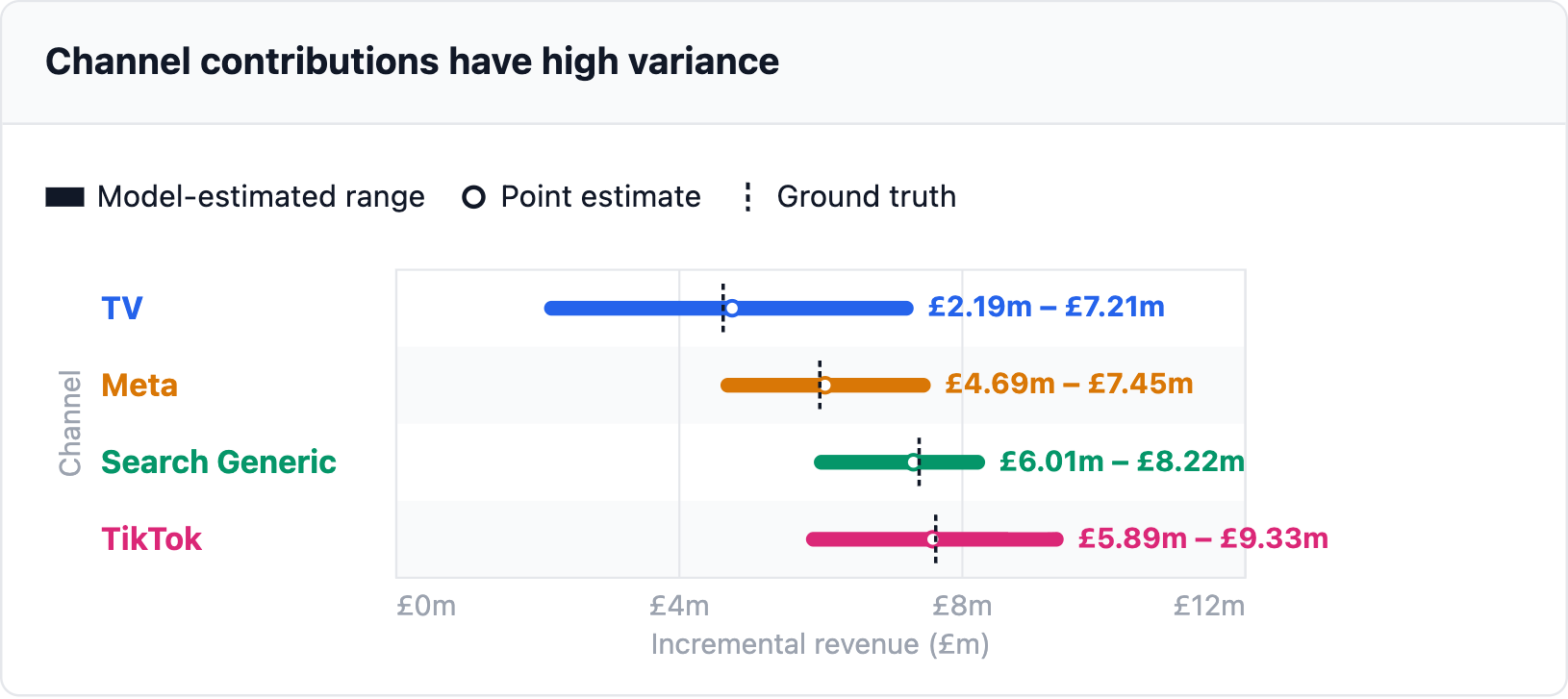
- High Variance: Estimates fluctuate wildly from one model refit to the next.
- Severe Omitted Variable Bias: Models mistakenly attribute sales spikes driven by underlying consumer demand to active marketing campaigns.
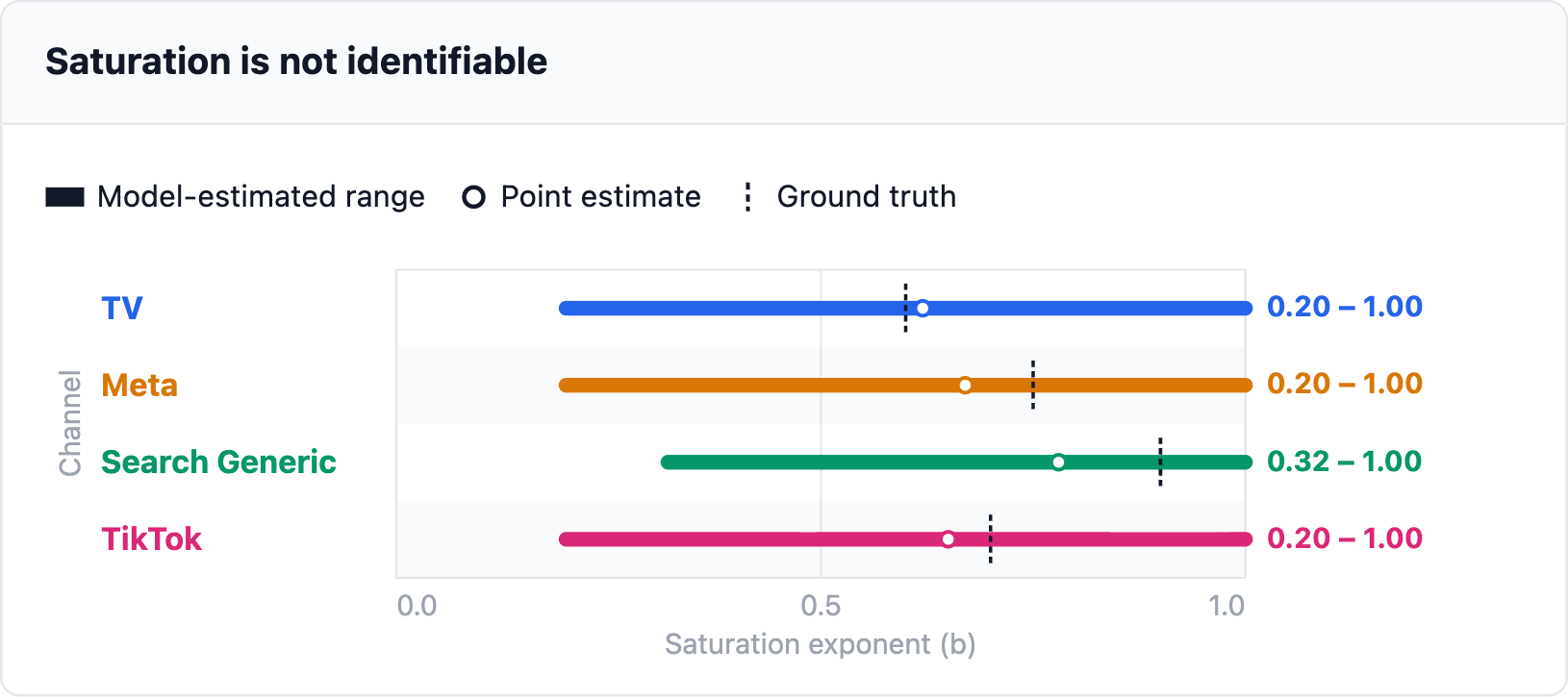
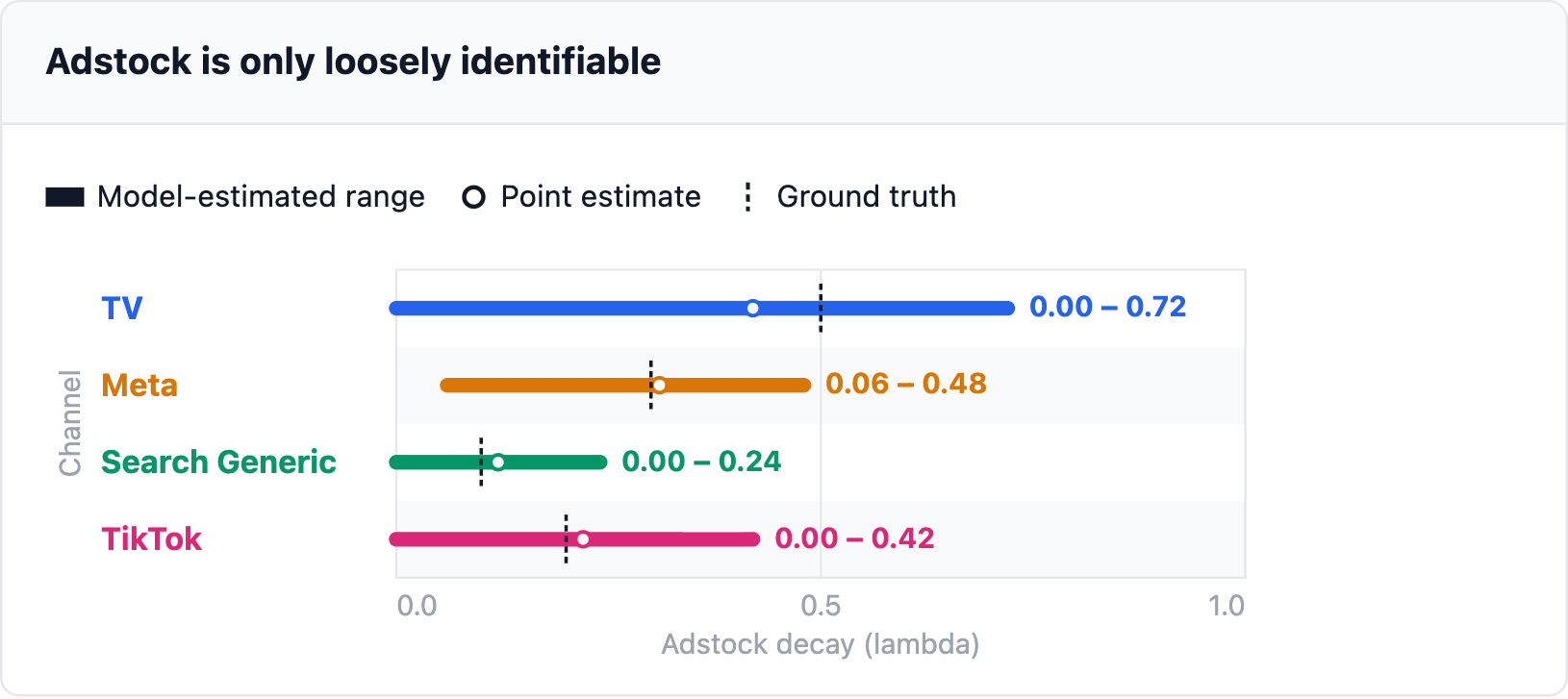
- Poor Identifiability: Models fail to accurately recover true adstock decay (how long an ad keeps working) and saturation curves (when extra spend stops paying back).
According to a 2026 simulation study by Recast, most open-source geo-testing calibration tools report a false lift between 14% and 30% of the time. While incrementality testing has become the primary mechanism to calibrate MMMs, it typically reads one channel at a time, demands months of lead time, and fails to fix the structural deficiencies present in baseline dataset architectures.
Chronology and Evolution of the Solution: Budget Phasing
For years, the industry’s default reaction to faulty MMM outputs has been tinkering with the model itself—adjusting priors, tweaking transformations, or altering baseline specifications. Data scientists are increasingly realizing that the model is rarely the problem; the data is.
The Evolution of Validation and Testing
- 2017: Google publishes its foundational paper identifying structural identifiability issues in media mix modeling, pointing toward better data collection as the ultimate solution.
- Early 2020s: The rise of open-source Python and R frameworks (Robyn, Meridian) democratizes MMM production, accelerating adoption among mid-market and enterprise growth teams.
- Mid-2020s: Industry reliance on geo-experiments and incrementality testing exposes significant error rates (e.g., Recast’s 2026 findings on geo-testing false lifts).
- Current State: Researchers turn to data-generating process simulations to evaluate proactive interventions, shifting focus from reactive model tuning to proactive budget phasing.
Step back, and all three primary MMM failures share a single, unified fix: spend schedules that vary in the exact ways statistical models require. A simulation-based approach utilizing automated budget phasing algorithms is proving capable of injecting this necessary variation into annual media plans without altering total spend.
Supporting Data: Simulating the True Cost of Correlated Spend
To rigorously test whether budget phasing algorithms work, researchers must establish a controlled data-generating process where the ground truth is entirely known.
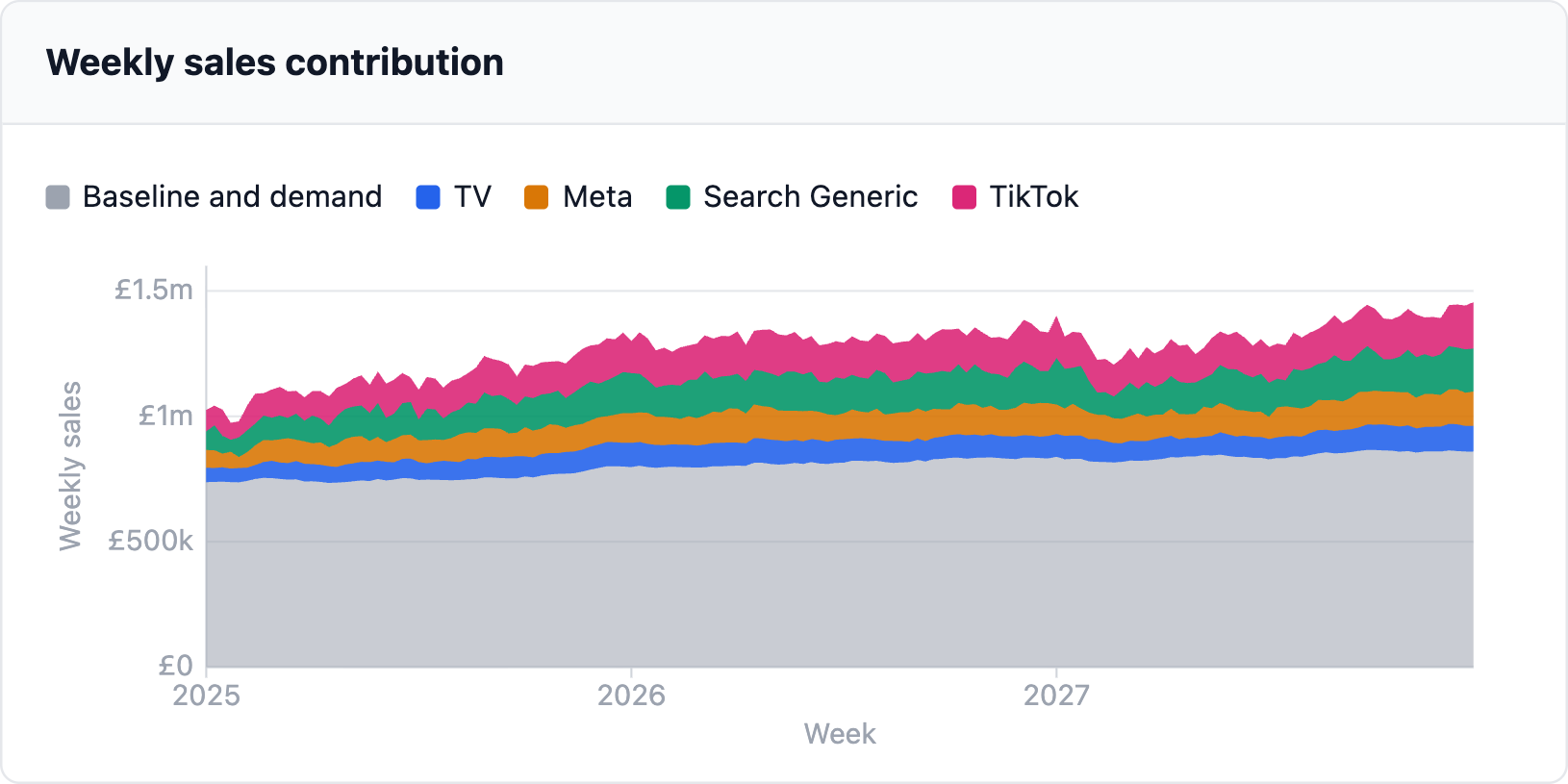
Simulating Spend, Demand, and Sales
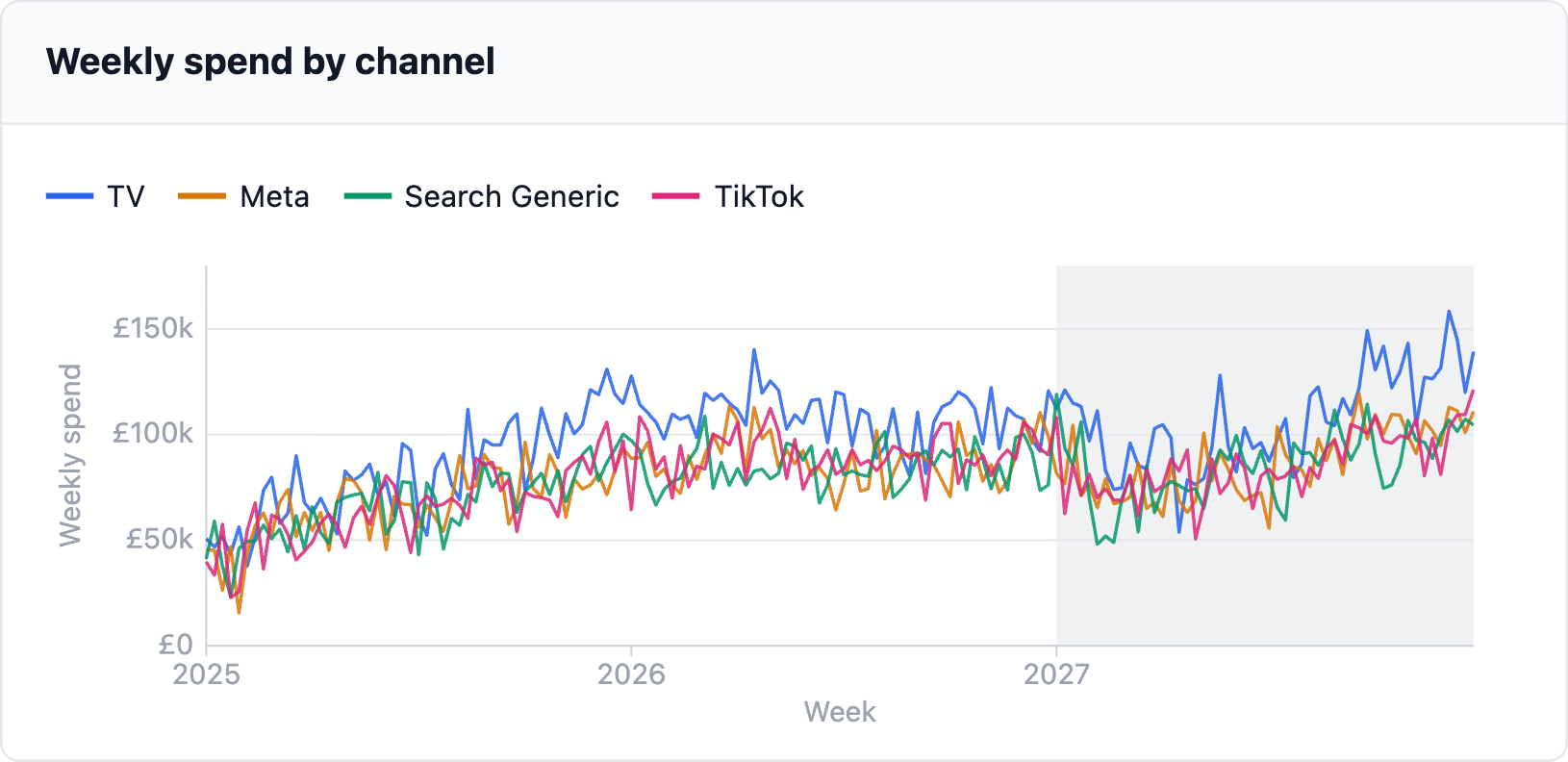
Simulations typically model three years of weekly spend across core channels—such as TV, Meta, Search Generic, and TikTok—mirroring standard historical-plus-forecast windows used in production MMMs.
Because marketing budgets are tied closely to revenue forecasts, channels naturally follow shared underlying trends, yielding high pairwise correlation coefficients (typically around 0.70). Furthermore, baseline demand moves alongside spend, directly causing selection bias.
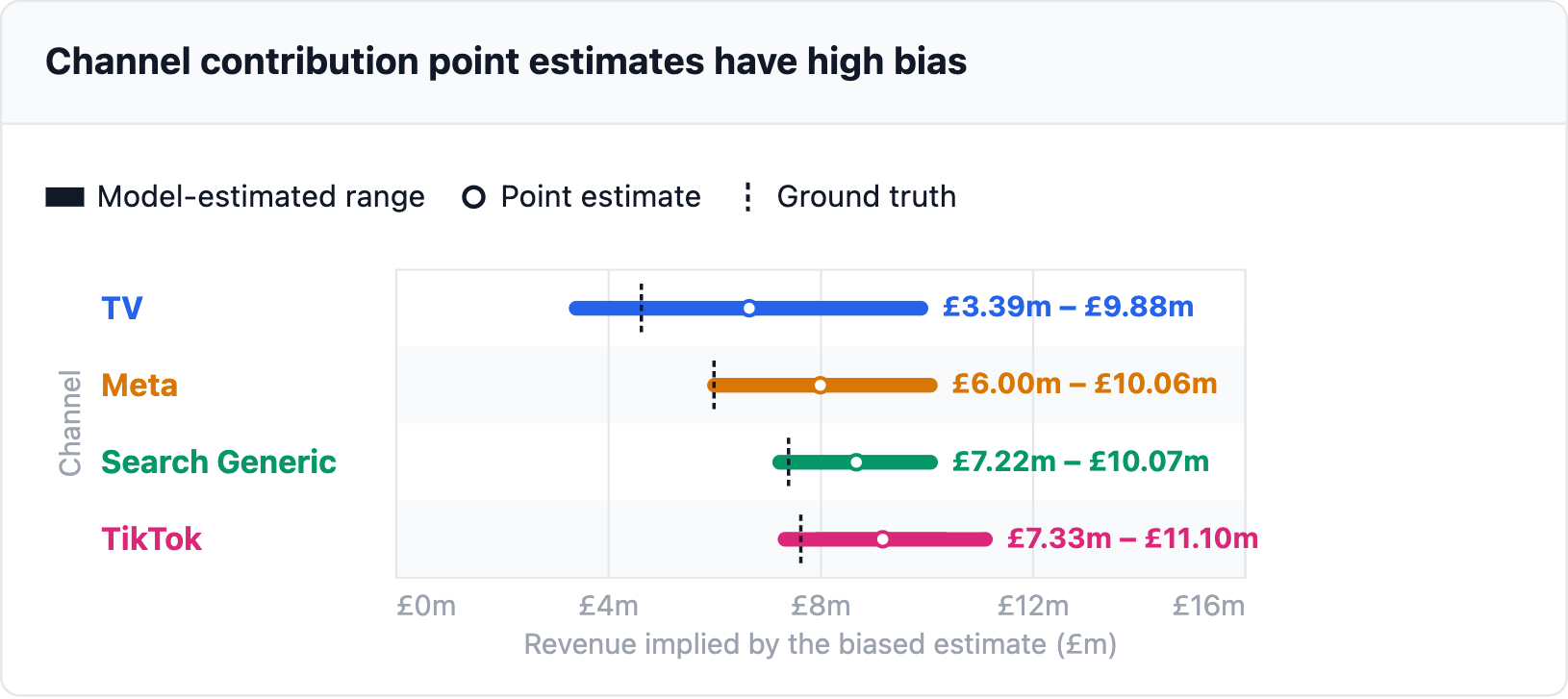
When researchers pass these correlated, unphased spending patterns into a simulated MMM framework, the statistical distortion becomes clear:
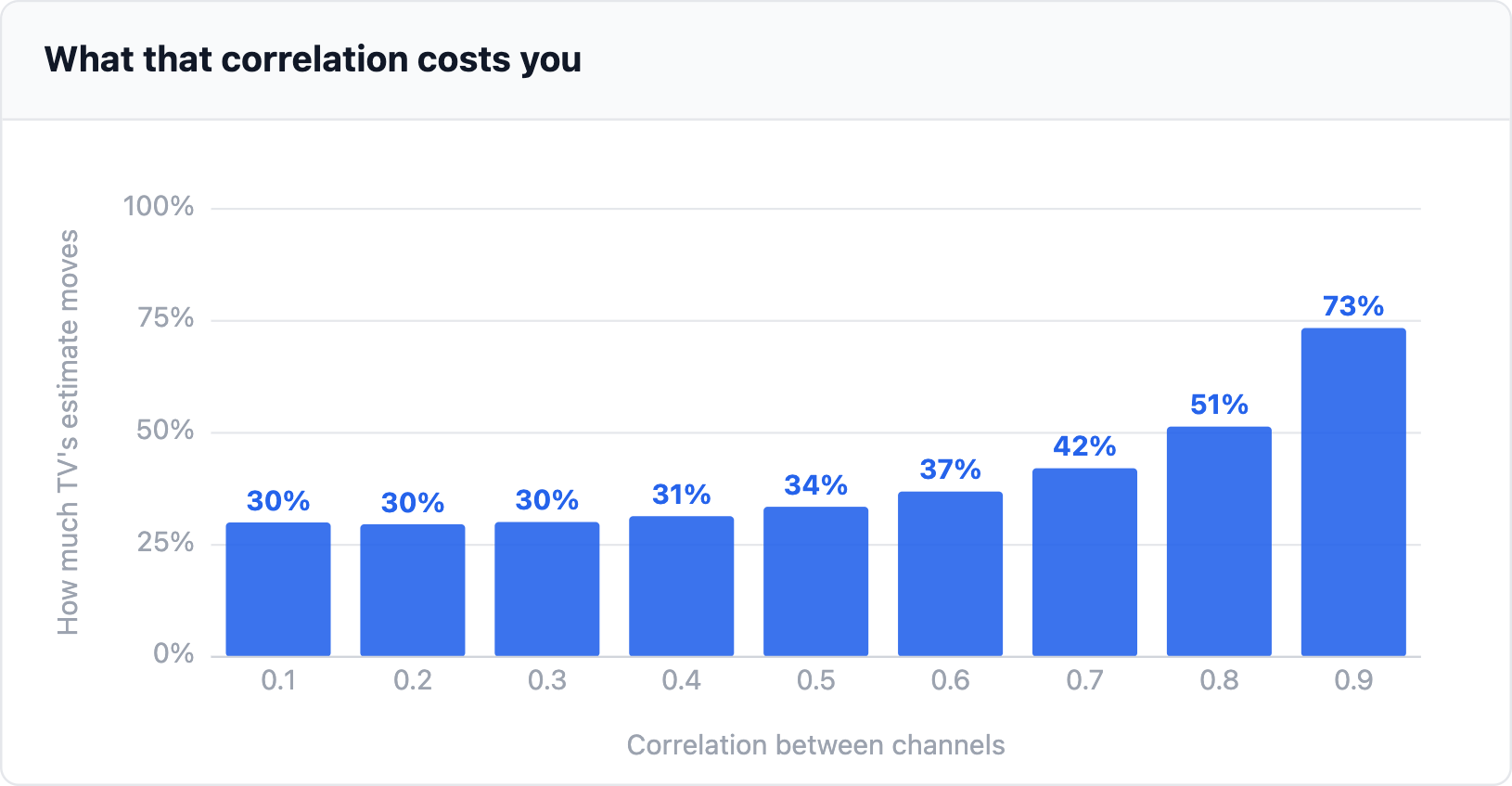
- The Correlation Cost: When channel budgets move in lockstep, individual channel variance spikes. At a 0.70 correlation level, the coefficient of variation for TV’s incremental revenue reaches 42%. At 0.90 correlation, it surges to 73%.
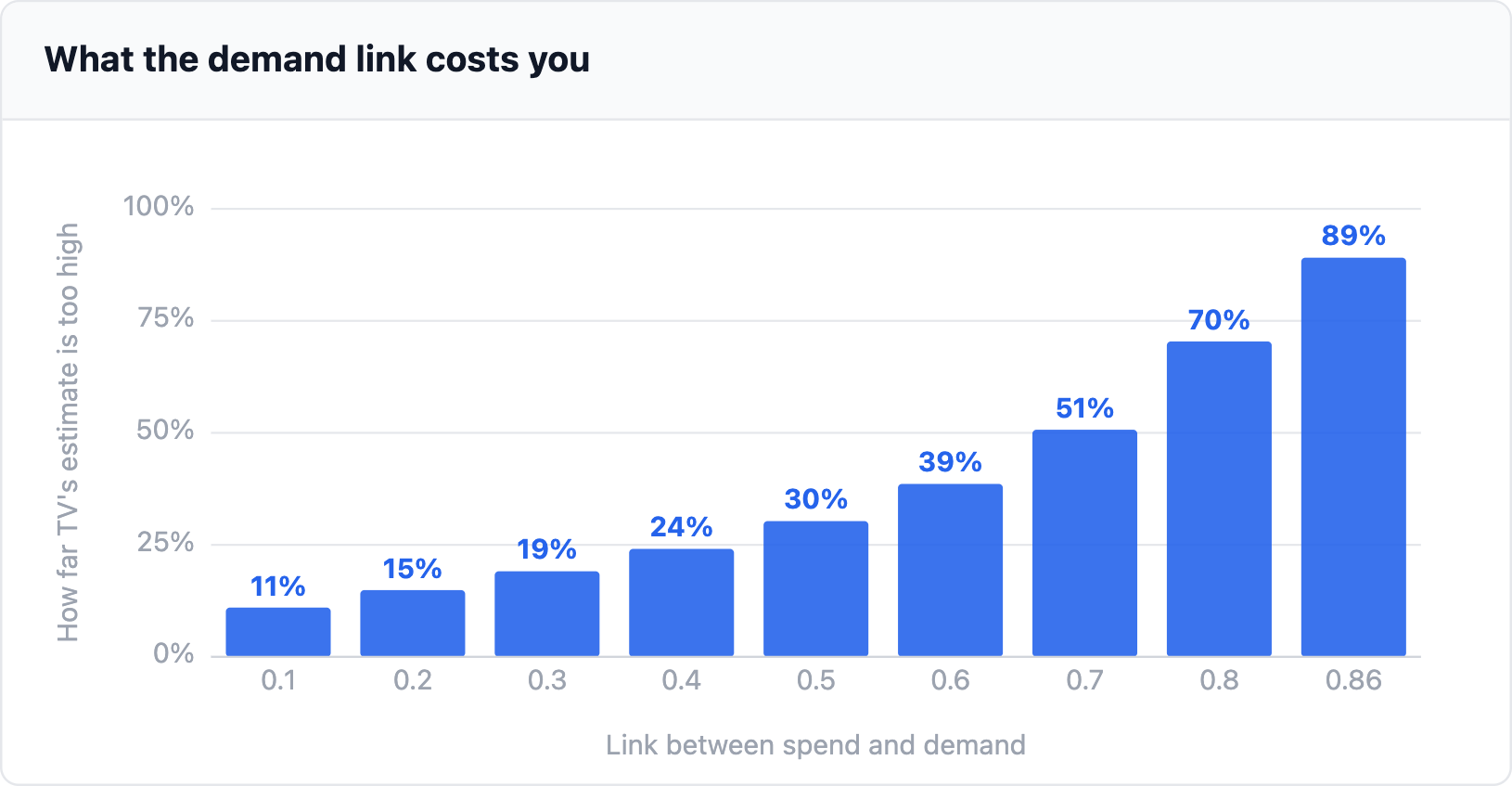
- The Demand Link Cost: Even with a weak link between spend and demand (0.10), TV’s estimated incremental revenue is biased 11% too high. At a realistic 0.65 correlation link, point estimates sit 44% too high due to omitted variable bias.
- The Saturation Failure: Because every channel rises and falls simultaneously, models cannot distinguish a curved saturation threshold from a linear response. Recovered saturation exponents routinely span the entire theoretical search range (0.20 to 1.00).
Official Responses and Strategic Evaluations: Testing Phasing Strategies
Growth and data science teams do not need larger AI agents or more complex priors; they need information-rich spend data. A strategic budget phasing algorithm supplies this by forcing individual channels to move independently of demand and hold steady at multiple distinct spending levels.
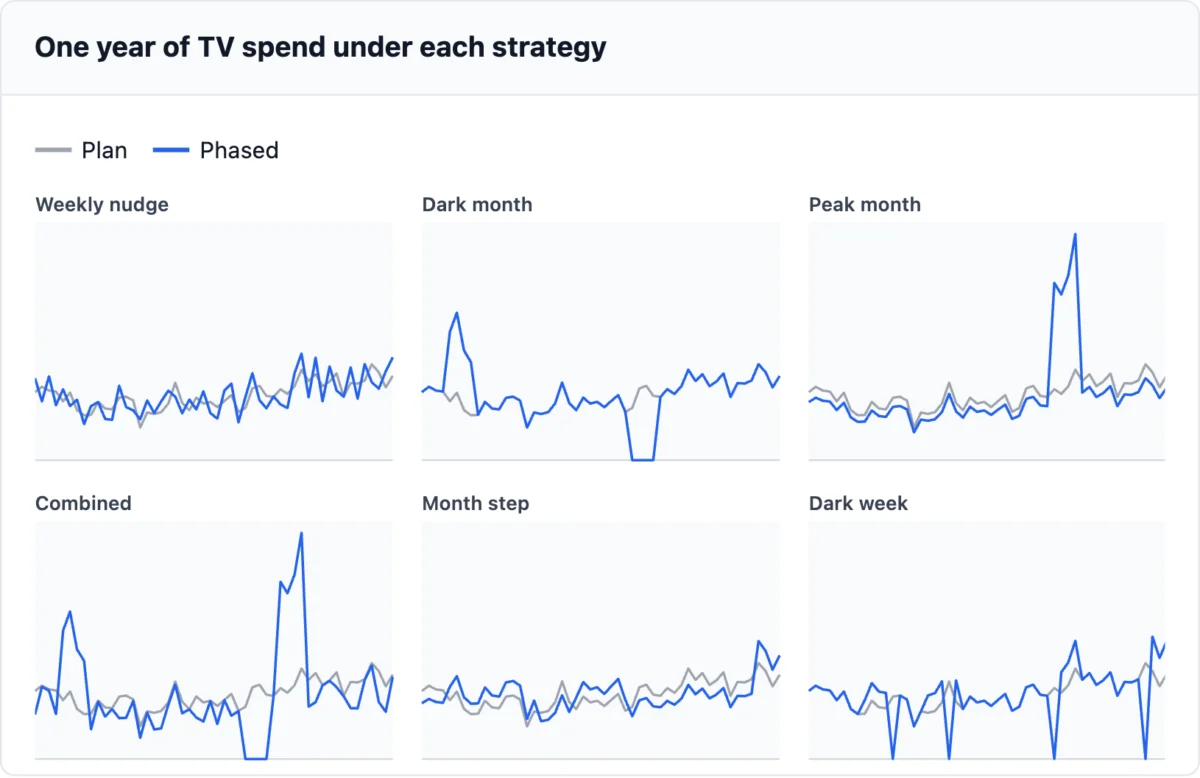
A recent comparative simulation evaluated six distinct budget phasing strategies against an unphased baseline plan:
| Strategy | Variance | Bias | Saturation Identifiability | Adstock Identifiability | Revenue Cost (%) | Peak Multiplier |
|---|---|---|---|---|---|---|
| Unphased | 0.23 | 28.8% | 0.77 | 0.45 | — | 1.0x |
| Weekly Nudge | 0.18 | 28.5% | 0.73 | 0.35 | 0.25% | 1.3x |
| Dark Month | 0.08 | 19.2% | 0.40 | 0.24 | 1.82% | 2.2x |
| Peak Month | 0.09 | 22.5% | 0.58 | 0.25 | 1.46% | 2.5x |
| Combined | 0.07 | 15.3% | 0.31 | 0.18 | 3.42% | 2.5x |
| Month Step | 0.15 | 26.8% | 0.74 | 0.35 | 0.24% | 1.2x |
| Dark Week | 0.13 | 26.5% | 0.63 | 0.28 | 0.63% | 1.5x |
The "Combined" Strategy Outperforms
The Combined strategy—which incorporates intermittent dark weeks (zero spend), designated peak months, and controlled weekly nudges (±20%)—achieves dramatic improvements across every metric:
- Cuts variance from 0.23 down to 0.07.
- Nearly halves omitted variable bias from 28.8% to 15.3%.
- Narrows saturation and adstock recovery ranges by over 55%.
For brands where the 3.42% revenue opportunity cost (roughly £0.9m on a £25.6m baseline) is too high, the Dark Month strategy serves as an efficient alternative, capturing 92% of the variance reduction at roughly half the cost.
Implications for Enterprise Growth and Media Planning
Adopting a budget phasing pipeline fundamentally alters how marketing teams interact with media agencies and analytical tools.
1. Scaling Across Multiple Channels
Testing demonstrates that these performance gains scale effectively. Even when expanding from 4 channels to 10 or 15 channels, the Combined phasing strategy cuts model variance by more than half and reduces bias significantly, proving that structural data enrichment holds true in complex enterprise ecosystems.
2. A Three-Step Operational Pipeline
Open-source implementations—such as the Python package how_wrong_is_your_mmm—operationalize this transition into three concrete steps:
- Diagnose: Feed in spend history and MMM priors to simulate historical variations and expose existing model error ranges.
- Phase: Run automated optimization algorithms to generate a week-by-week spend schedule that preserves annual budgets while maximizing signal variance.
- Retrain: Execute the phased schedule, collect the newly uncoupled data stream, and retrain the MMM to achieve sharper, unbiased attribution outputs.
3. Dispelling Bayesian and Geo-Testing Myths
While Bayesian hierarchical models and geo-lift experiments remain best practices for calibration, they cannot manufacture missing information. Bayesian priors cannot decipher which channel drove sales if TV and Meta budgets always moved in tandem. Similarly, national-level media buys cannot be magically disaggregated by regional geo-splits without imposing arbitrary allocation rules.
Budget phasing solves the problem at its source. By intelligently redistributing weekly pacing without altering total yearly capital commitments, organizations give their analytics infrastructure the statistical variation it needs to finally tell channels apart.



