









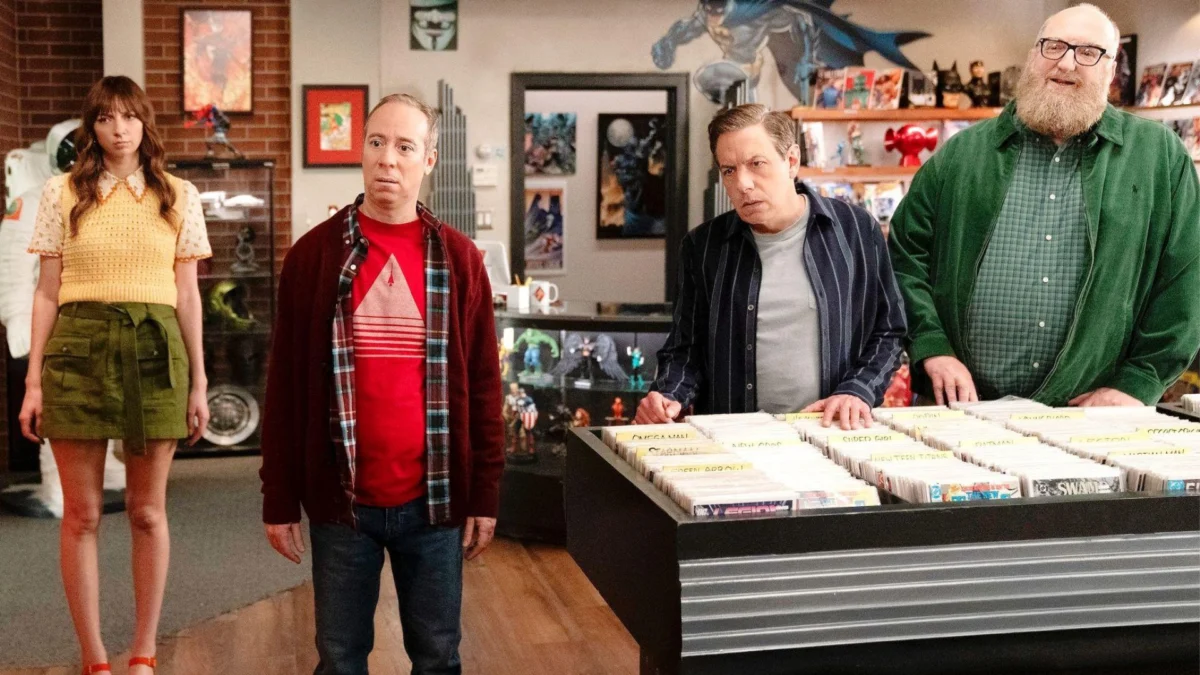
Who could have predicted that the most unexpected expansion of The Big Bang Theory universe would center not on a genius physicist or a budding actress, but on the perpetually downtrodden, perpetually broke owner of the Comic Center of Pasadena? While Young Sheldon and Georgie & Mandy’s First Marriage have successfully mined the nostalgia and family dynamics of the Cooper clan, the newly announced HBO Max series, Stuart Fails to Save the Universe, shifts the lens toward the fringes of the original show’s social circle.
In a radical departure from the grounded sitcom tropes of its predecessor, this series embraces the high-concept chaos of science fiction. The premise is as absurd as it is intriguing: Stuart Bloom (Kevin Sussman), the man who once famously joked that his life was a series of unfortunate events, finds himself at the center of a literal multiverse Armageddon. His crime? Accidentally destroying a piece of experimental equipment left behind by the intellectual giants of the original series, Sheldon Cooper (Jim Parsons) and Leonard Hofstadter (Johnny Galecki).
The Catalyst: A Cosmic Blunder
The narrative kicks off when Stuart, attempting to reorganize the backroom of his comic book store, inadvertently activates a dormant prototype device. This device, hidden away by Sheldon and Leonard during their years of collaboration, was never intended to be found, let alone activated by someone with Stuart’s track record of mishaps.
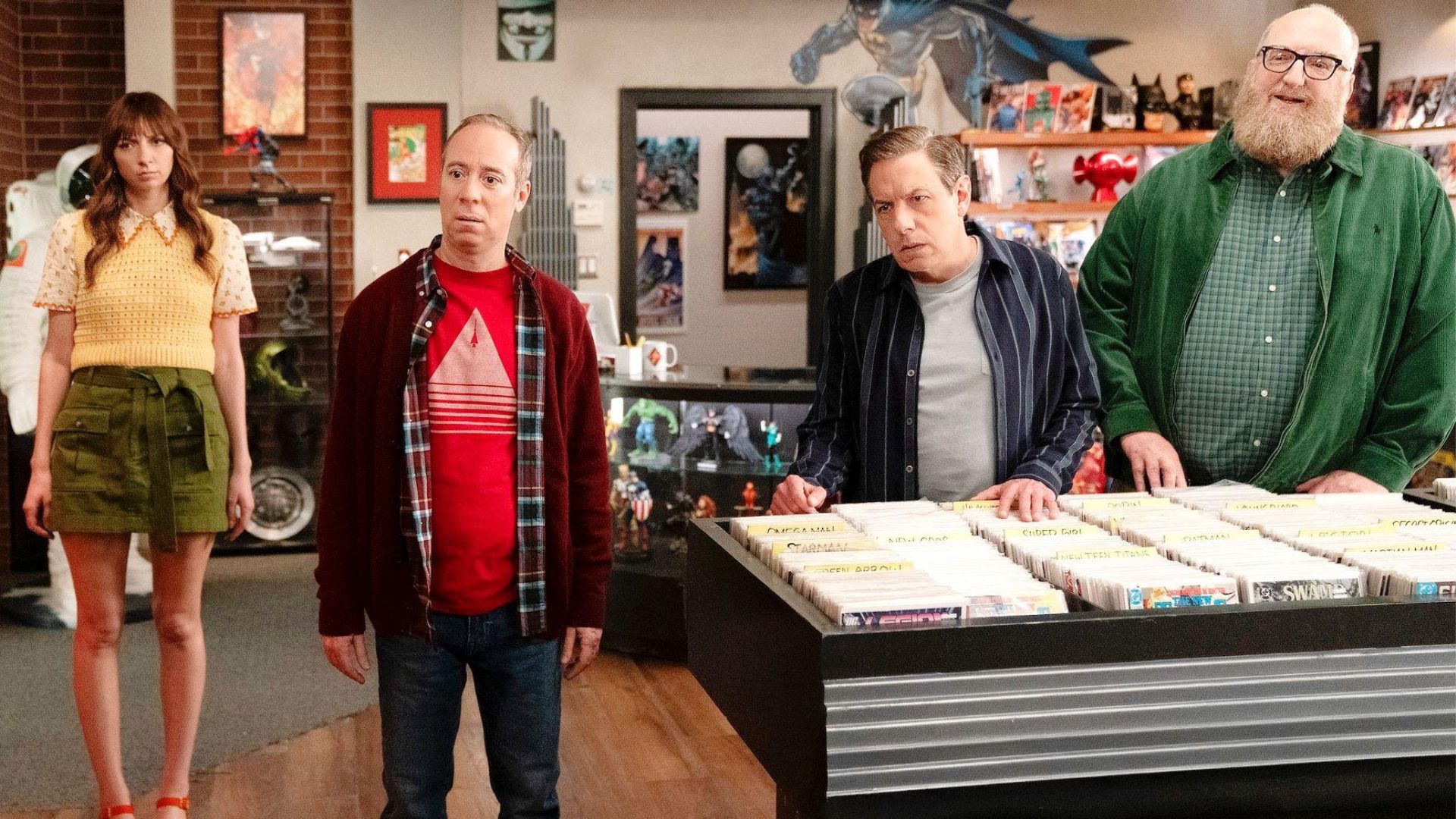
The resulting catastrophe tears open the fabric of the multiverse, pulling together an unlikely band of heroes. Alongside the ever-anxious Stuart, the series brings back fan-favorite characters who have long lived in the shadows of the "Core Four." Denise (Lauren Lapkus), Stuart’s on-again, off-again girlfriend, joins the fray, providing the voice of reason—or at least the voice of exasperated disbelief—amidst the chaos. They are joined by the socially inept yet brilliant Barry Kripke (John Ross Bowie) and the socially awkward geologist Bert Kibbler (Brian Posehn).

This ensemble represents a "B-team" of the Big Bang Theory world. By removing the primary protagonists and placing these secondary characters in a high-stakes, life-or-death scenario, the show promises to explore character depths that were previously only hinted at in brief, comedic side-plots.
A Chronology of the Spin-Off Development
The path to Stuart Fails to Save the Universe has been a quiet evolution. Following the conclusion of The Big Bang Theory in 2019, fans were left wondering if the franchise would ever truly end or if it would splinter into smaller, more niche narratives.
- 2019–2021: Post-series, Warner Bros. and Chuck Lorre Productions focused heavily on the growth of Young Sheldon. During this period, the character of Stuart saw a resurgence in popularity through streaming syndication, with viewers finding a strange comfort in his relatable failures.
- 2023: Initial reports surfaced regarding a "secret" project being developed for HBO Max. While rumors initially pointed toward a revival or a reunion special, showrunners eventually clarified that the project would be a standalone series featuring a "surprise ensemble" from the original cast.
- Early 2024: The title, Stuart Fails to Save the Universe, was officially trademarked. Casting calls confirmed the return of Sussman, Lapkus, Bowie, and Posehn, signaling a departure from the traditional Big Bang setting.
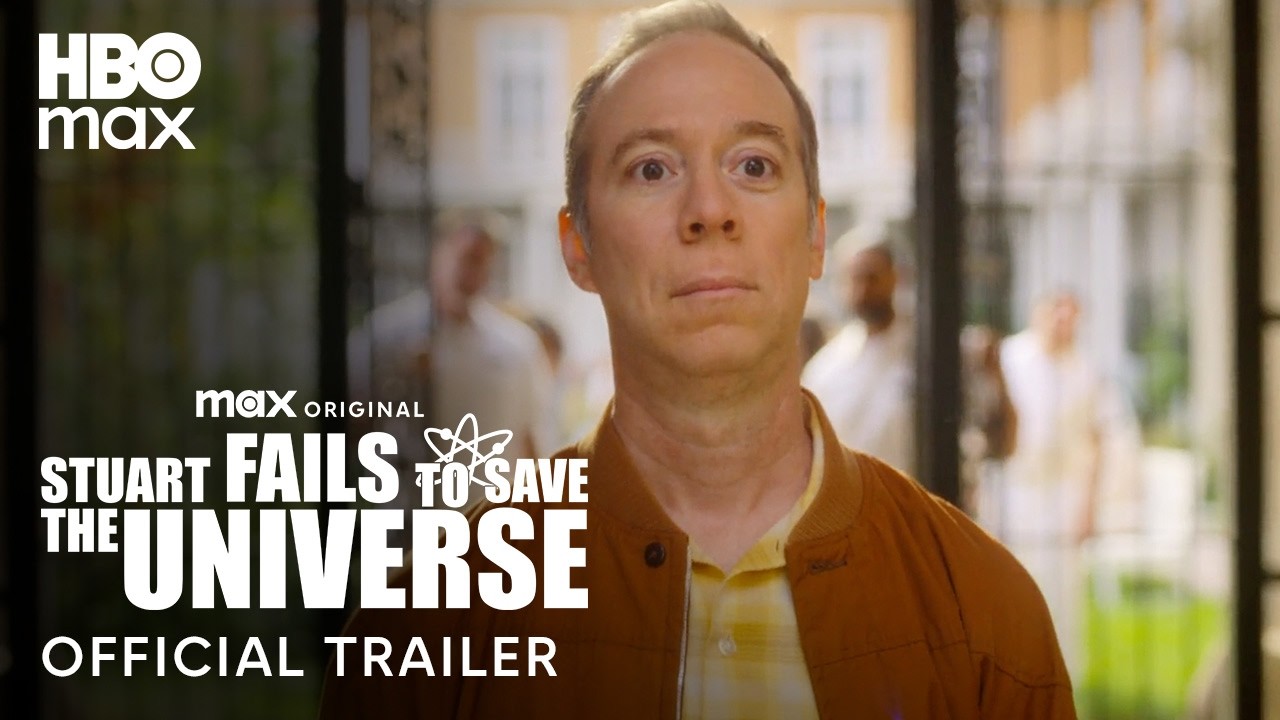
- Mid-2024: The official trailer drop confirmed the sci-fi direction, moving away from the laugh-track-heavy apartment sets to grander, more cinematic environments.
Supporting Data: Why Stuart?
Why would a showrunner risk shifting the focus to a character who was arguably the "punching bag" of the original show? The answer lies in audience engagement metrics. Data from streaming platforms indicates that episodes featuring Stuart Bloom consistently rank among the most re-watched segments of the original 12-season run.
Audiences resonate with Stuart’s "underdog" status. In an era of television where protagonists are often highly successful, hyper-competent individuals, Stuart represents the messy reality of adulthood. His transition from a background character to a reluctant hero provides a unique arc that allows for both slapstick comedy and genuine emotional growth.

Furthermore, the inclusion of Kripke and Bert adds a layer of intellectual humor that bridges the gap between the original show’s scientific focus and the new show’s absurd premise. While Stuart is the heart of the series, the collective intelligence—and frequent lack thereof—of this group is what keeps the plot moving through the multiverse.
Official Responses and Creative Direction
The production team has been tight-lipped about the specifics of the cameos from the original cast, though rumors persist that Jim Parsons may provide voice-over narration as the "architect" of the device that ruins the universe.
In a recent press statement, the show’s creative team remarked: "We wanted to explore what happens to the ‘regular’ people when they are forced to deal with the scientific fallout of genius-level experiments. Stuart was the perfect vehicle for this. He’s someone who has spent years in the orbit of brilliance, and now, he’s the one holding the map."
The decision to lean into the multiverse concept is a direct nod to modern comic book culture, a fitting tribute to the setting of the original series. By embracing the "comic book store" roots of the characters, the show justifies its shift in genre while remaining tonally consistent with the franchise’s history.
Implications for the ‘Big Bang’ Franchise
The success of this spin-off could redefine the future of the Big Bang Theory brand. If Stuart Fails to Save the Universe finds a loyal audience, it proves that the franchise is not reliant on the presence of Sheldon Cooper himself to remain profitable. It validates a strategy of "character mining"—taking beloved secondary characters and giving them the agency to carry their own narratives.
Moreover, this shift into science fiction opens the door for a more diverse range of storytelling. Should this series prove successful, we may see further spin-offs that explore other genres, such as a mystery series involving the university staff or a workplace comedy set in a different academic department.
When and How to Watch
For those eager to witness the multiverse unravel, the wait is almost over. Stuart Fails to Save the Universe episode 1 is scheduled to premiere on HBO Max on Thursday, July 23, at 6:00 PM PT / 9:00 PM ET.
Following the premiere, the series will adopt a weekly release cadence, with new episodes dropping every Thursday in the United States and on Fridays for international viewers. This consistent schedule is designed to build weekly anticipation, reminiscent of the traditional network television experience that made The Big Bang Theory a global phenomenon.
Looking Ahead: The Future of the Multiverse
The burning question remains: can Stuart actually save the universe? Given the title, the outlook is bleak. However, the true appeal of the show isn’t necessarily the survival of the cosmos, but the journey these characters take while trying to fix the unfixable.
As we prepare to tune in, the stage is set for a wild ride. From the familiar, dusty shelves of the comic book store to the unknown reaches of the multiverse, the Big Bang universe is expanding in ways no one could have anticipated. Whether you are a long-time fan of the original series or a newcomer intrigued by the sci-fi premise, Stuart Fails to Save the Universe offers a fresh, hilarious, and chaotic perspective on what happens when the world’s most unlucky man is tasked with saving everything we know.
Don’t miss the premiere on July 23. It’s bound to be a catastrophe—but the best kind of one.
Stay updated with all things television and streaming by following TechRadar on Google News. Our team of experts continues to provide the latest news, reviews, and deep dives into your favorite shows. Add us as a preferred source today to ensure you never miss a beat in the rapidly evolving world of entertainment.