










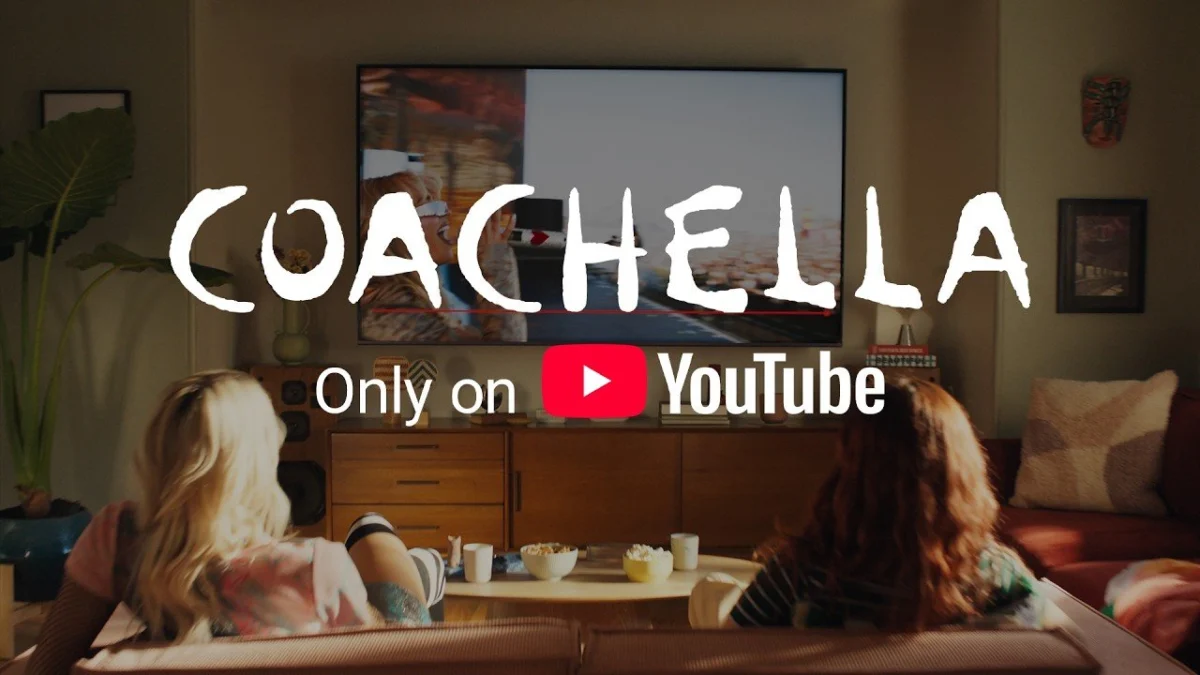
Every April, the arid landscape of Indio, California, transforms into the epicenter of global pop culture. While thousands flock to the Empire Polo Club to brave the desert heat, millions more experience the Coachella Valley Music and Arts Festival from the comfort of their living rooms. This digital pilgrimage has been made possible by a long-standing alliance between festival organizers Goldenvoice and the world’s largest video platform, YouTube.
In a move that solidifies the future of digital concert consumption, YouTube and Goldenvoice have announced a landmark renewal of their exclusive livestream and content partnership. This agreement guarantees that YouTube will remain the sole global streaming destination for both weekends of the Coachella festival through 2030, marking a permanent marriage between premier live music and the creator economy.
The Foundation of a Digital Empire
The partnership between YouTube and Coachella is more than a simple broadcasting deal; it is a fundamental shift in how the world consumes live music. Since its inception, the collaboration has bridged the geographical divide, allowing fans in Tokyo, London, and São Paulo to experience the same bass-heavy drops and pyrotechnic spectacles as those standing in the front row of the Coachella Stage.
The longevity of this partnership is noteworthy. By the time the 2027 festival rolls around, the collaboration will celebrate its 15th anniversary. This milestone serves as a testament to the platform’s ability to scale alongside the festival’s massive cultural influence. The 2026 iteration of the festival proved this model’s efficacy, setting a record for the highest concurrent viewership in the history of the event. As digital connectivity improves globally, the ceiling for Coachella’s reach appears to be rising with it.
A Chronology of Innovation: From Single Feed to Interactive Ecosystem
To understand the weight of this extension, one must look at the evolution of the livestream itself. When YouTube first began streaming Coachella, the experience was rudimentary—a single, static feed that lacked the depth of the physical experience. Over the last decade, however, the platform has aggressively iterated on its technology to capture the “festival vibe.”
2012–2016: The Era of Accessibility
In the early years, the goal was simple: provide high-quality video access to those who couldn’t make the trip. This period established the festival as a “global stage,” proving that digital attendance could augment, rather than cannibalize, ticket sales.
2017–2022: Cultural Watershed Moments
This era saw the livestream become a cultural touchstone. The platform facilitated historic broadcasts, most notably Beyoncé’s 2018 “Homecoming” performance. The set, which was later turned into a critically acclaimed documentary, was arguably the moment that proved a livestreamed concert could reach the status of an iconic cultural event.
2023–Present: The Interactive Frontier
The current iteration of the Coachella-on-YouTube experience is a multifaceted tech suite. Features like "multiview"—which allows fans to toggle between multiple stages simultaneously—and integrated merchandise drops have turned the livestream into a shopping and social destination. The 2026 festival, which featured a nostalgic retrospective by Justin Bieber, showcased how the platform can integrate classic archival footage with real-time performance, offering a richer, deeper narrative for viewers.
Supporting Data: The Power of the Virtual Crowd
The economic and social implications of this partnership are backed by staggering metrics. YouTube’s infrastructure has proven capable of handling the massive traffic surges that accompany headlining sets.
- Audience Scaling: The 2026 festival set a record for peak concurrent viewers, a figure that continues to climb as YouTube integrates more deeply into living room television sets (Connected TV).
- Global Reach: Data from previous years indicates that Coachella’s livestream audience spans over 190 countries, effectively turning a localized California event into an international marketing juggernaut for the artists involved.
- Engagement Metrics: The integration of YouTube Shorts has been a strategic pivot. By providing behind-the-scenes, bite-sized content, the festival maintains a presence in the feeds of users who may not have time to watch a full set, thereby broadening the brand’s demographic reach.
Official Perspectives: Shaping the Future of Music
For Goldenvoice, the partnership is a tool for global brand equity. Paul Tollett, the president of Goldenvoice, has long championed the idea that the festival should be accessible to anyone with an internet connection. By partnering with YouTube, Goldenvoice ensures that the festival’s aesthetic—its art installations, its curated food experiences, and its genre-defying lineups—is broadcast with the technical fidelity required to maintain its premium status.
YouTube’s leadership views the deal as a cornerstone of their “Made on YouTube” initiative. For the platform, Coachella represents the gold standard for how live content can drive engagement, subscriptions, and ad revenue. By securing the rights through 2030, YouTube has successfully “locked in” a key content pillar that keeps its users returning to the platform annually for a reliable, high-production-value event.
Implications for the Music Industry
The extension of this partnership carries profound implications for the wider music industry, particularly in how artists approach their touring cycles.
The Artist’s Global Launchpad
For performers, a Coachella set is no longer just a performance; it is a global launchpad. Artists are increasingly using the livestream to kick off world tours, announce new album cycles, or facilitate high-profile collaborations that would be impossible to coordinate in a smaller venue. The reach of the YouTube broadcast provides an immediate, massive ROI for the production costs artists sink into their Coachella performances.
The Evolution of the “Festival Experience”
The integration of merchandise sales directly into the livestream interface suggests a future where the festival experience is fully monetized for those at home. Fans can now buy a limited-edition hoodie while watching their favorite artist perform, bridging the gap between passive viewing and active participation.
Competition and Exclusivity
In an era where streaming wars are common, exclusivity is the ultimate currency. By keeping Coachella exclusive to YouTube, the platform effectively keeps a massive, highly engaged demographic of music fans within its ecosystem. This move puts pressure on competitors like Twitch and TikTok, which have also sought to corner the live music market. The stability offered by a deal lasting until 2030 provides a sense of continuity that is rare in the volatile world of digital media.
Looking Ahead: The Road to 2030
As we look toward 2027 and beyond, the focus will likely shift from simple video streaming to deeper immersion. Augmented Reality (AR) integration, personalized audio mixes, and deeper social interactivity (such as shared viewing rooms with chat functionality) are the logical next steps for the platform.
For the millions of fans who cannot make the trek to the California desert, the YouTube livestream is the Coachella experience. It is where the next generation of pop stars will be minted and where the boundaries of live production will be pushed. With the partnership extended through the end of the decade, the stage is set for YouTube to continue its role as the digital guardian of the world’s most iconic music festival.
To stay informed on upcoming lineups, livestream schedules, and the various interactive drops promised for the coming years, fans are encouraged to follow the official Coachella YouTube channel. The desert sun may set on the festival grounds every April, but on YouTube, the energy of Coachella will continue to burn bright for years to come.



