










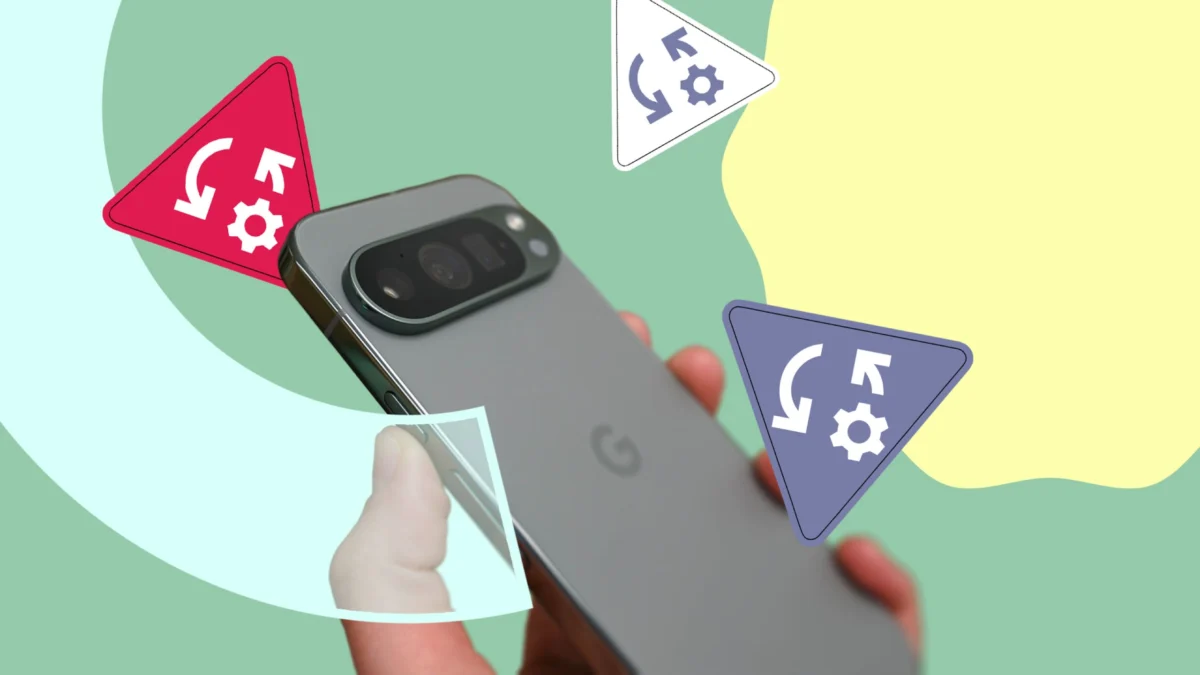
In an era defined by constant digital connectivity, the smartphone has evolved from a simple communication tool into a sophisticated, pocket-sized command center. Yet, for many users, the device meant to simplify life often becomes a source of friction. We find ourselves trapped in a cycle of "digital maintenance"—manually silencing notifications, toggling Bluetooth settings, adjusting screen brightness, and managing battery life throughout the day.
For many, the Google Pixel—celebrated for its clean software experience and intelligent integration—often remains underutilized. By moving from a passive user to an active architect of your phone’s behavior, you can transform your device into an automated assistant that anticipates your needs. This guide explores the transition from manual management to a fully automated Pixel workflow, ensuring your technology works for you, rather than the other way around.
The Philosophy of Automated Computing
The concept of "automation" on mobile devices is not merely about convenience; it is about cognitive load reduction. Every time a user pauses to toggle "Do Not Disturb" (DND) or manually lower volume, they break their focus. By implementing a system of trigger-based actions, users can reclaim these fragmented moments of time.
Technology analyst and Android expert Parth Shah notes that the secret to a streamlined digital life lies in "intent-based configurations." Instead of adjusting settings in response to a stimulus, the device should be programmed to react to the context of the user’s environment. Whether you are in a theater, behind the wheel, or in a high-focus work environment, your Pixel should mirror your needs without requiring a single manual tap.
Chronology of Optimization: Building Your Workflow
Transitioning to an automated mobile experience is not an overnight task; it requires a period of diagnostic observation. To build a robust automation suite, follow this staged approach:
Phase 1: Identifying Pain Points (Weeks 1-2)
Begin by auditing your daily interactions. Carry a notepad or use a voice memo app to track every time you feel "fiddled" with your phone settings. Are you silencing it every morning at the same time? Are you dimming the screen every time you enter a dark room? Identifying these repetitive "micro-tasks" is the prerequisite for building effective automation rules.
Phase 2: Implementing System Modes (Weeks 3-4)
Once you have identified your patterns, map them to Pixel’s native "Modes" functionality. This is the cornerstone of a distraction-free experience. By grouping settings—such as volume, DND status, and display brightness—into a single trigger, you reduce five manual steps to zero.
Phase 3: Rule-Based Environmental Triggers (Month 2)
The final step involves deep system integration using "Rules." These utilize hardware sensors, Wi-Fi connections, and geolocation to shift the phone’s state automatically. This creates a "set it and forget it" environment where your phone behaves differently at home, at the office, or while traveling.
Mastering Pixel Modes: The Power of Intent
Pixel’s "Modes" are essentially intent-based containers. The primary benefit here is the ability to batch-process settings that would otherwise require diving deep into the system UI.
The Theater Mode Strategy
For the cinema-goer or the person who enjoys late-night streaming, the "Theater Mode" is essential. By configuring a shortcut on your home screen, you can trigger a "zero-distraction" state.
- Volume: Sets ring and alarm tones to zero.
- Notifications: Enables DND to prevent haptic vibrations or screen light-up.
- Display: Disables Always-On Display (AOD) and lowers brightness to minimum.
- Feedback: The result is a device that remains purely for media consumption, completely silent and invisible to others in the room.
The Driving Workflow
Driving is a high-risk activity where manual phone adjustment is dangerous. Pixel users can utilize motion detection combined with Bluetooth connectivity to initiate "Driving Mode." This ensures that upon entering your vehicle, the device immediately prioritizes navigation and hands-free communication while silencing non-essential social media pings.
Rule-Based Automation: Beyond the Manual Toggle
While Modes are often manual, "Rules" are reactive. Buried within the system settings, Rules allow the phone to listen to its environment.

Wi-Fi vs. Location Triggers
The most reliable way to trigger a change in behavior is through Wi-Fi SSID detection. For instance, when your Pixel connects to your office Wi-Fi, it can be set to automatically enter Vibrate mode. This is significantly more battery-efficient and precise than GPS-based location tracking, which can often be delayed or jittery.
Conversely, for home environments, GPS-based geofencing is highly effective. Setting your phone to switch to "Ring" mode the moment you cross the threshold of your home ensures you never miss a critical call, even if the device was silenced during your commute.
The Limitations and the Road Ahead
Despite the brilliance of these features, experts note that Pixel’s native Rules are currently more limited than competitors like Samsung’s "Modes and Routines." Samsung’s ecosystem allows for more complex "if-this-then-that" logic, such as toggling specific apps or changing lock screen shortcuts based on complex conditions. Google’s current iteration remains focused on ease of use and simplicity, but for power users, there is a clear demand for more granular control. Until native updates arrive, users may need to supplement with third-party tools like Tasker for advanced requirements.
Proactive Battery Management
Battery anxiety is a universal smartphone user experience. The default Battery Saver mode—which often triggers at 15%—is a "rescue" measure rather than a "maintenance" measure.
To truly preserve hardware longevity and ensure reliability, customize your activation threshold. Setting the Battery Saver to trigger at 30% allows the device to throttle background processes and dim the screen before the battery experiences significant chemical stress. By automating the deactivation of this mode upon reaching a 90% charge, you ensure that you are never operating in a restricted state while near a power source, while simultaneously preventing the battery from hitting the 100% "trickle charge" zone which can accelerate degradation.
Security and Evidence: Automating Call Recording
In an age of increasing spam and complex customer service interactions, the ability to record calls is a vital security feature. By navigating to Phone App > Settings > Call Recording, users can set an automation rule to record all calls from numbers not in their contact list.
This serves two purposes:
- Accountability: If a customer service agent makes a promise or a business transaction is conducted via phone, you have an immutable record of the interaction.
- Spam Defense: It provides proof of potential fraudulent activity, which can be useful when reporting scams to authorities.
Implications for the Android Ecosystem
The transition toward automation reflects a broader shift in the mobile industry: the "AI-first" device. As Google continues to integrate its Gemini AI into the Android backbone, the future of these automations will likely become predictive rather than rule-based.
Instead of the user setting a rule for their office Wi-Fi, the phone will eventually "learn" that you arrive at 9:00 AM and leave at 5:00 PM, suggesting or applying these changes autonomously. However, until that level of ambient computing is perfected, the manual creation of these workflows remains the best way to extract maximum value from a Pixel device.
Conclusion: The ROI of Automation
Investing an afternoon into setting up these Modes and Rules yields significant long-term dividends. By removing the friction of manual configuration, you are not just saving seconds; you are preserving your mental bandwidth.
Your smartphone is a tool—a powerful, multi-faceted instrument capable of near-limitless customization. When you stop treating it as a static object and start treating it as a programmable assistant, the return on investment is immediate. From the moment you automate your focus hours to the granular control of your battery, you are reclaiming your time and ensuring that your technology serves your life, rather than complicating it. Start today, and transform your Pixel from a standard device into a perfectly tuned extension of your workflow.



