










By Staff Reporter
Published: October 2026
Main Facts
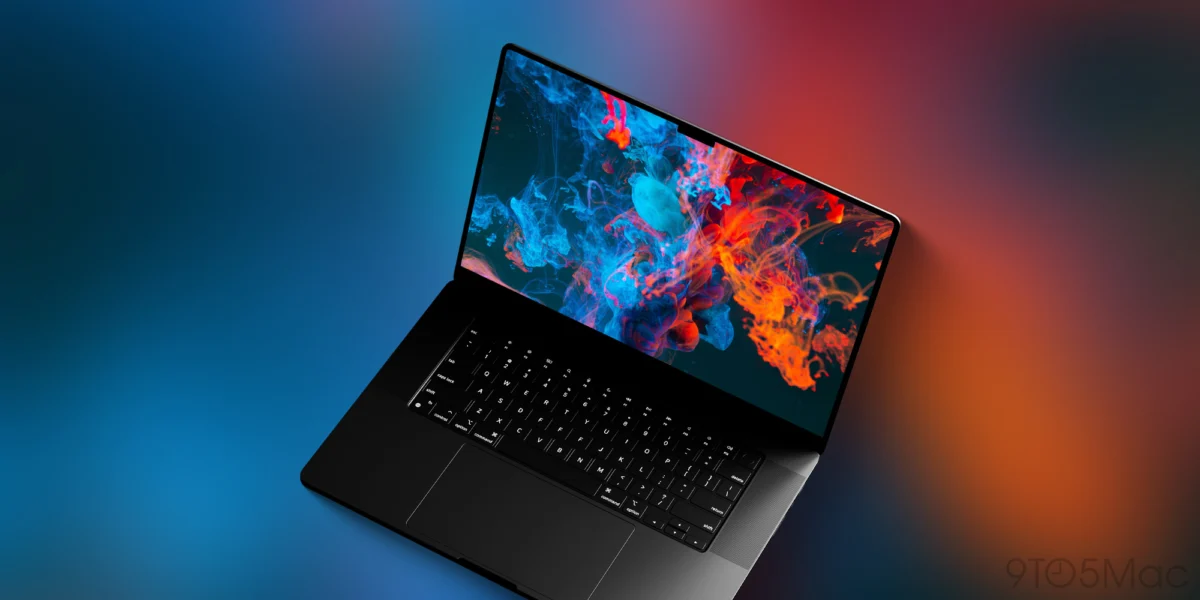
In a departure from its historical product rollout strategies, Apple is preparing to bring its most significant laptop redesign in years down to the entry-level MacBook Pro much faster than previously anticipated. According to recent reports from Bloomberg’s Mark Gurman, a newly revamped entry-level 14-inch MacBook Pro—internally code-named K104—is slated for release in the first half of 2027.
Unlike past hardware cycles where a dramatic redesign remained exclusive to high-end "Pro" and "Max" tier machines for years, the upcoming spring 2027 entry-level model will rapidly inherit the futuristic chassis updates debuting on higher-end configurations just months prior.
Key takeaways from the upcoming hardware shift include:
- The Spring 2027 Window: The entry-level M7 MacBook Pro with the new design will land roughly six months after the initial high-end tier rollouts.
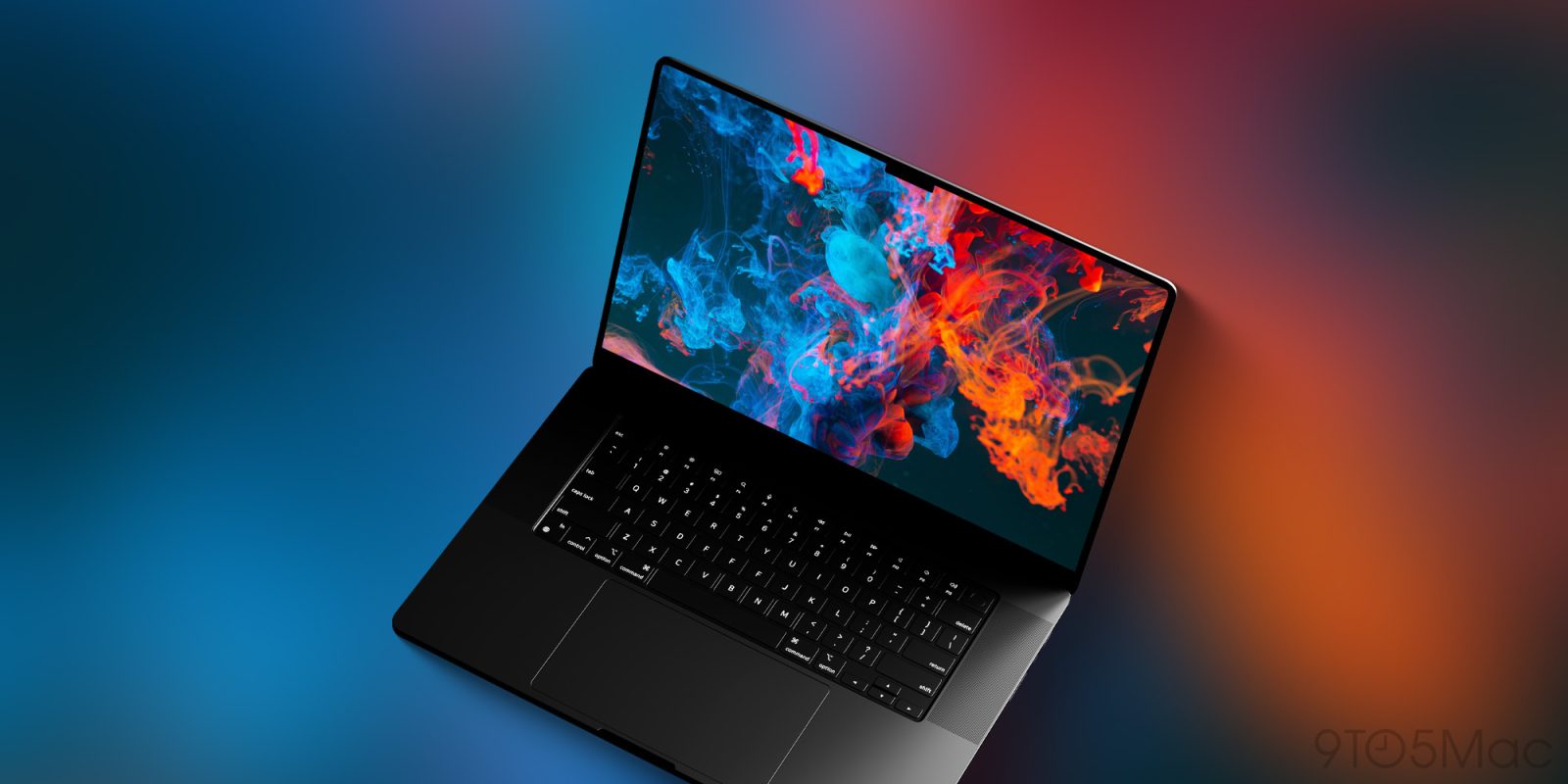
- The Overhaul Features: The next-generation chassis is expected to feature a slightly thinner profile, brand-new OLED display panels with integrated touch-screen support, and potentially a Dynamic Island integration adapted from Apple’s iPhone lineup.
- Chip Strategy Shifts: Apple has reportedly altered its internal silicon roadmaps, bypassing certain high-end M6 generation architectures to accelerate the transition toward the M7 platform.
- Economic Pressures: Persistent global memory shortages and recent component price spikes continue to heavily influence consumer pricing structures across the Mac and iPad lineups.
Chronology: How Apple Usually Deploys MacBook Redesigns
To understand why the spring 2027 timeline is a major break from tradition, one must look at Apple’s historical hardware release patterns. Traditionally, when Cupertino introduces a massive visual or structural overhaul to the MacBook Pro line, that design remains locked behind expensive configurations for an extended period.
1. The 2016 Touch Bar Transition
When Apple drastically overhauled the MacBook Pro lineup in October 2016, introducing thinner aluminum bodies and the controversial Touch Bar, the budget-friendlier entry-level 13-inch model with traditional function keys lagged behind. It was not until July 2019—a full three years later—that the entry-level 13-inch MacBook Pro finally adopted the Touch Bar and updated form factor.
2. The 2021 Apple Silicon Chassis
In late 2021, Apple debuted the heavily praised 14-inch and 16-inch MacBook Pro models powered by the M1 Pro and M1 Max chips, sporting a blockier industrial design, an HDMI port, an SD card slot, and MagSafe charging. However, consumers buying the base-level MacBook Pro were left behind, forced to stick with the older 13-inch Touch Bar chassis. That bridge was only gapped in October 2023, when the base model finally caught up to the 14-inch chassis alongside the launch of the M3 chip—a two-year delay.
3. The Accelerated 2026–2027 Pipeline
Under the newly leaked roadmaps, the traditional multi-year wait time is shrinking drastically. High-end MacBook Pro variants (rumored by some to adopt an "Ultra" moniker) are expected to debut a brand-new design featuring touch-sensitive OLED screens between late 2026 and early 2027. Instead of waiting years, entry-level buyers will see the exact same architectural overhaul land on their desks by spring 2027, powered by the M7 processor. This compresses the trickle-down window to a mere six months.
Supporting Data & Chip Roadmap Anomalies
The engineering timeline behind the upcoming MacBook Pro lineup is particularly unusual due to shifts in Apple’s proprietary silicon pipeline. Recent supply chain reports indicate that Apple has made the strategic decision to alter its chip development trajectory.
Abandoning High-End M6 Generations
Initially, industry analysts anticipated that the late-2026 high-end laptops would feature iterations of the M6 Pro and M6 Max processors. However, internal decisions made by Apple engineering teams have led to the abandonment of those specific high-end M6 blueprints. Instead, Apple has accelerated its development cycles to funnel resources directly into the M7 architecture.

Consequently, the product matrix looks uniquely fragmented for late 2026 and 2027:
- Fall 2026: High-end MacBook Pro models are expected to debut with M5 Pro and M5 Max configurations, packed alongside early iterations of the new OLED/touch-screen chassis design. Simultaneously, a transitional entry-level MacBook Pro utilizing the current design language paired with an M6 chip is projected to hit shelves.
- Spring 2027: The true convergence occurs with code-name K104—the M7-powered entry-level MacBook Pro that finally brings the futuristic chassis down to a more accessible price tier.
The OLED and Touch Screen Leap
The technological centerpiece of this upcoming redesign is the migration to OLED display technology. For over a decade, Apple famously resisted bringing touch capabilities to its macOS devices, with late co-founder Steve Jobs famously calling vertical touchscreens "ergonomically terrible."
Advances in iPadOS-macOS software convergence, coupled with consumer demand for unified multi-touch workflows, have apparently forced a change of heart. The inclusion of touch support directly on an OLED MacBook Pro screen represents the most radical shift in user interaction since the introduction of Apple Silicon.
Market Implications & Financial Realities
While tech enthusiasts are bound to celebrate the rapid deployment of a stunning new form factor to the entry-level tier, market realities and recent pricing trends present a mixed bag for everyday consumers.
The Memory Shortage and Price Inflation
Over the past year, the global tech market has been battered by severe supply constraints and a persistent memory shortage. These macroeconomic pressures have driven up the baseline cost of production for high-density RAM and storage components.

The financial impact has been swift and unforgiving. Where consumers could once purchase a baseline Pro-chip MacBook Pro for under $1,600 a few years ago, recent price hikes have pushed the entry-level price point of current Pro models closer to $1,999. Industry analysts warn that high-end configurations outfitted with the upcoming M5 Pro and M5 Max chips will easily shatter the $2,500 threshold, placing them further out of reach for students, freelancers, and mid-tier professionals.
Who Wins in Spring 2027?
For budget-conscious prosumers, the spring 2027 launch of the M7 entry-level MacBook Pro acts as an essential financial safety net. Rather than being forced to shell out exorbitant sums for a maxed-out machine just to experience the new OLED display and thinner chassis, buyers willing to wait until early 2027 will secure the redesigned hardware footprint at a significantly friendlier price point.
Conclusion
Apple’s aggressive strategy to compress its product redesign timeline signals a vital shift in how the company refreshes its hardware ecosystem. By cutting down the wait time for the entry-level MacBook Pro to just six months after the high-end rollout, Apple is ensuring that groundbreaking features like OLED touchscreens aren’t gated behind ultra-expensive tiers for years on end.
Despite the looming shadow of component shortages and rising baseline costs, the arrival of the M7-powered K104 model in spring 2027 promises to deliver a modernized, high-performance laptop experience to a much broader audience.
Are you planning to upgrade to the upcoming M7 MacBook Pro, or will you stick with your current Apple Silicon machine? Let us know your thoughts in the comments below!



