










Modern Search Engine Optimization (SEO) has evolved far beyond the primitive days of keyword stuffing and aggressive backlink building. Today, Google’s algorithms operate with a level of sophistication that prioritizes user intent, semantic relevance, and the holistic "experience" of a search result. To succeed in this competitive digital arena, SEO professionals must shift their focus from merely tracking rankings to mastering SERP Analysis.
By scrutinizing the Search Engine Results Page (SERP), you gain a window into the mind of the search engine. This article explores the strategic importance of SERP analysis, the methodology behind it, and how you can leverage data-driven insights to outperform your competitors.
What is SERP Analysis?
At its core, SERP analysis is the systematic examination of the top-ranking web pages for a specific search query. It is not merely a task of identifying who ranks first; it is an investigative process aimed at understanding why those pages rank.
When you conduct a thorough SERP analysis, you are evaluating the relevance of your targeted keywords and calculating the technical and content-based effort required to displace the current leaders. It is the difference between blindly creating content and architecting a page designed specifically to satisfy the search engine’s current requirements for a particular topic.
The Strategic Importance of SERP Analysis
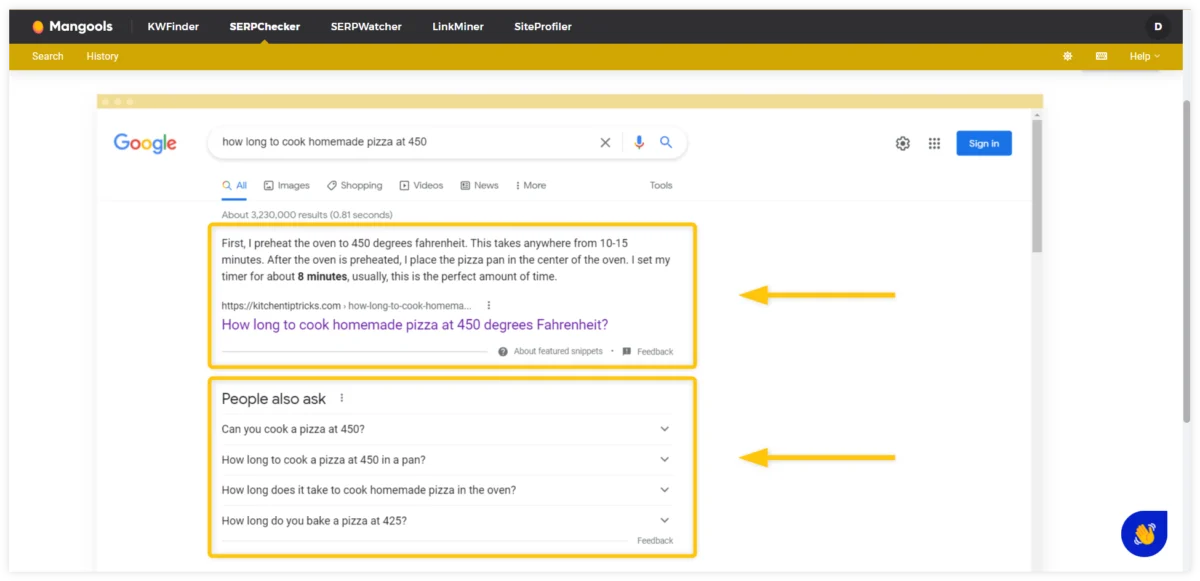
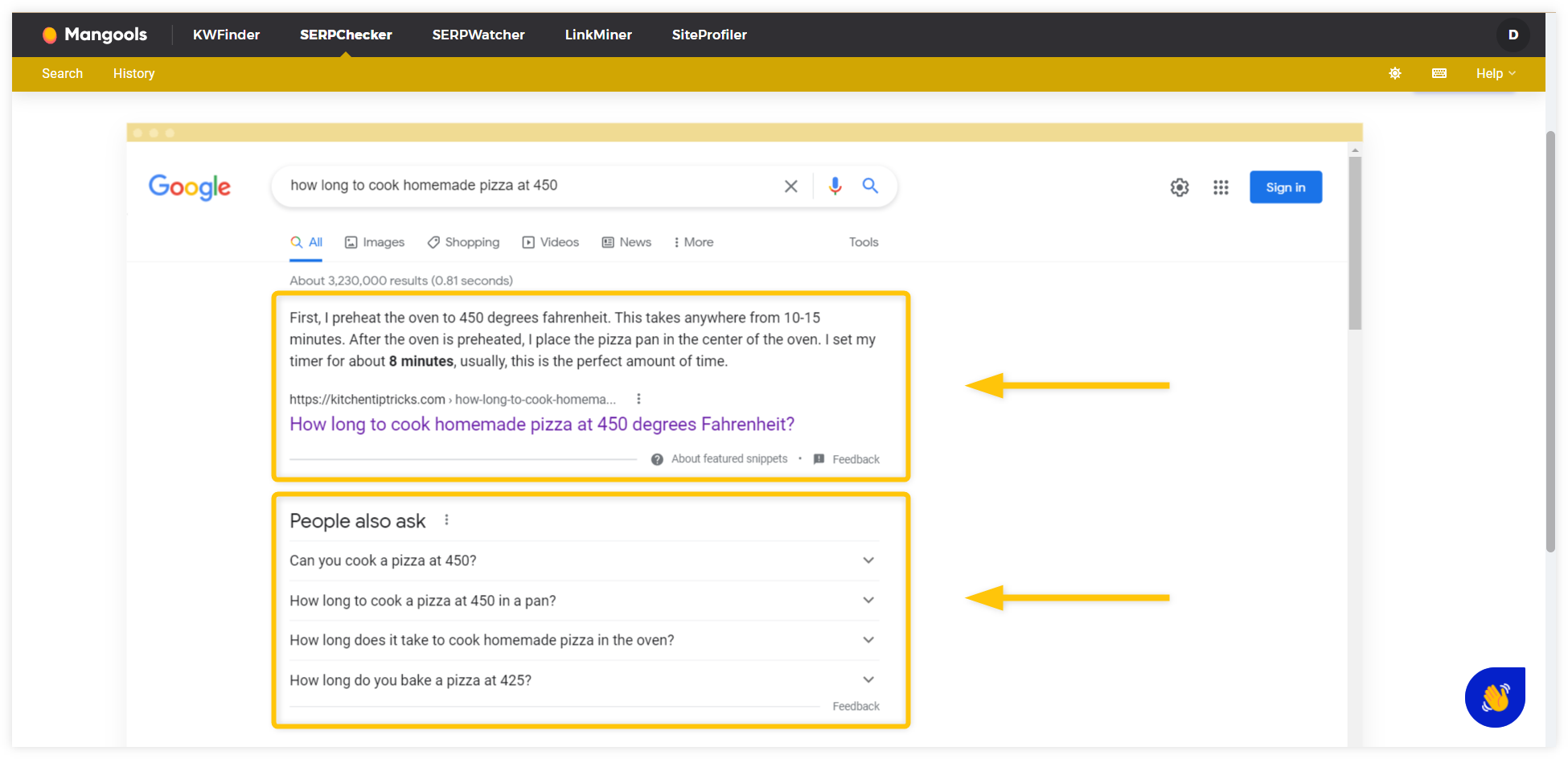
In the modern digital landscape, visibility is not guaranteed by technical perfection alone. Users form instantaneous impressions based on the design, relevance, and format of a search result. Understanding which SERP features—such as Featured Snippets, "People Also Ask" (PAA) boxes, or image carousels—are present for a query is vital.
1. Evaluating Keyword Relevancy and Intent
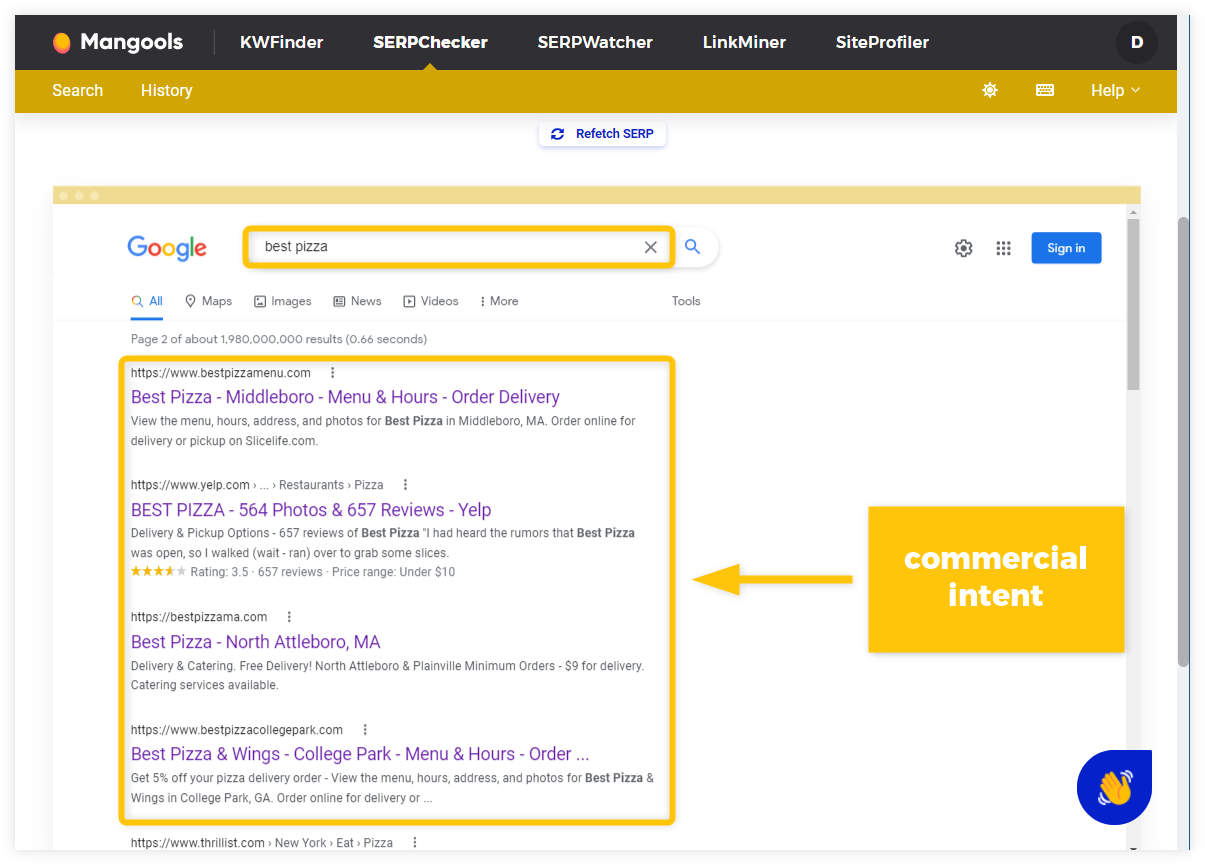
Not every keyword with a high search volume is a win for your business. A keyword may appear topically relevant, but if the search intent behind it doesn’t align with your content type, you will never rank. SERP analysis acts as a safeguard, preventing you from wasting resources on keywords that do not serve your business goals.

2. Determining Ranking Difficulty
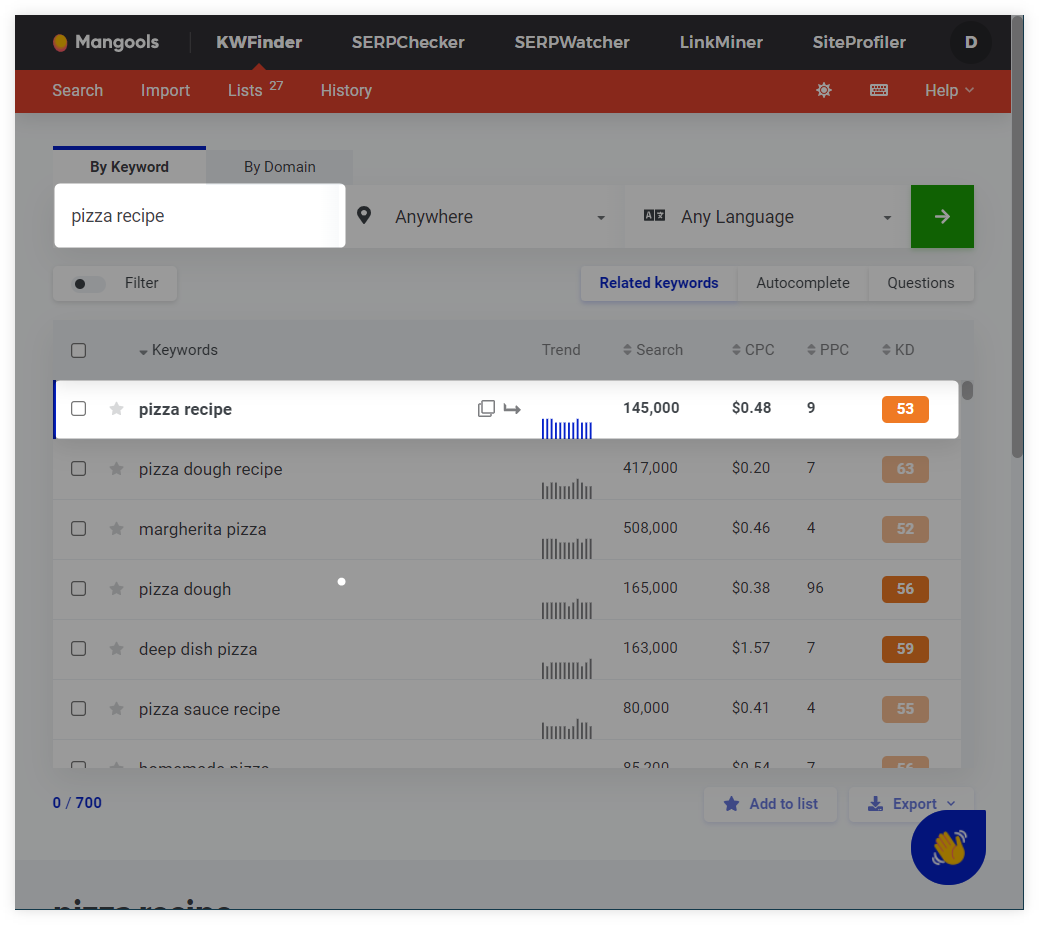
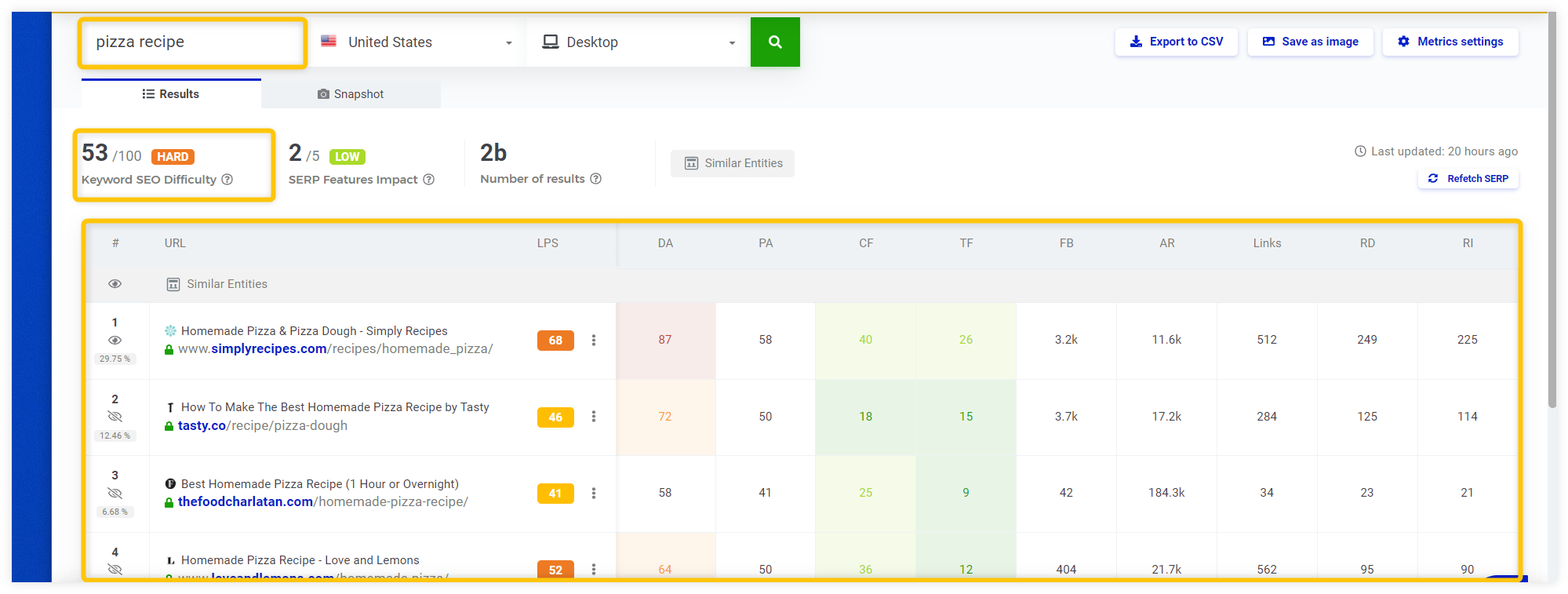
Data is the foundation of a successful SEO campaign. Tools like KWFinder and SERPChecker allow you to look under the hood of the top 10 results. By analyzing metrics such as Domain Authority (DA), Page Authority (PA), Citation Flow (CF), and Trust Flow (TF), you can gauge the "strength" of your competitors. If the top-ranking sites have massive backlink profiles and high authority, you must decide if your current resources can bridge that gap or if you should pivot to lower-competition "low-hanging fruit."
3. Uncovering Tactical Opportunities
The SERP is dynamic. By identifying gaps in your competitors’ strategies—such as missing structured data, lack of video content, or unoptimized meta descriptions—you can create superior content that satisfies user needs more effectively, thereby securing a higher ranking.
The Methodology: How to Conduct Effective SERP Analysis
To conduct a professional-grade analysis, follow this systematic approach:
Phase 1: Keyword Research and Selection
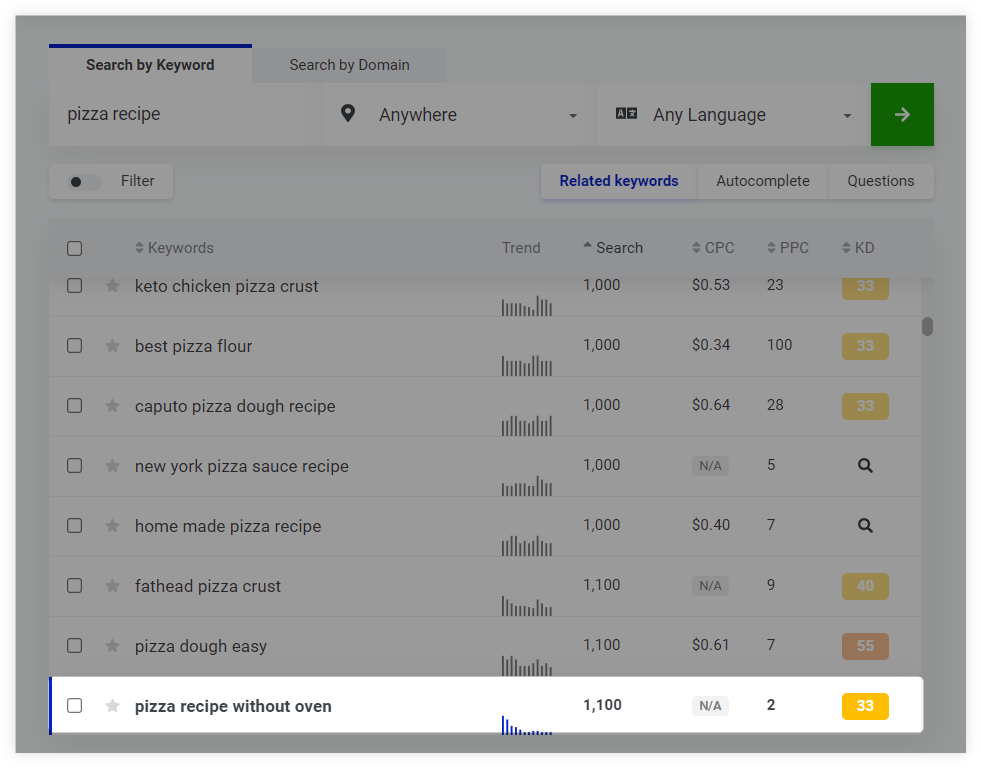
Begin by building a list of seed keywords relevant to your niche. Use SEO software to identify long-tail variations. Evaluate each keyword’s search volume and difficulty score. Remember, high-volume keywords are often "vanity metrics" if the competition is too fierce; focus instead on keywords that provide a balance between traffic potential and achievable ranking.
Phase 2: Decoding Search Intent
Once you have your target list, you must categorize the search intent. Search intent generally falls into four buckets:
- Informational: The user wants to learn (e.g., "how to bake bread").
- Navigational: The user wants to find a specific site (e.g., "Facebook login").
- Commercial Investigation: The user is researching products (e.g., "best pizza ovens 2024").
- Transactional: The user is ready to buy (e.g., "buy wood-fired pizza oven").
If your content is an educational blog post, but the SERP for your chosen keyword displays product category pages for e-commerce stores, your content will fail to rank because the intent is misaligned.
Phase 3: Competitive Analysis
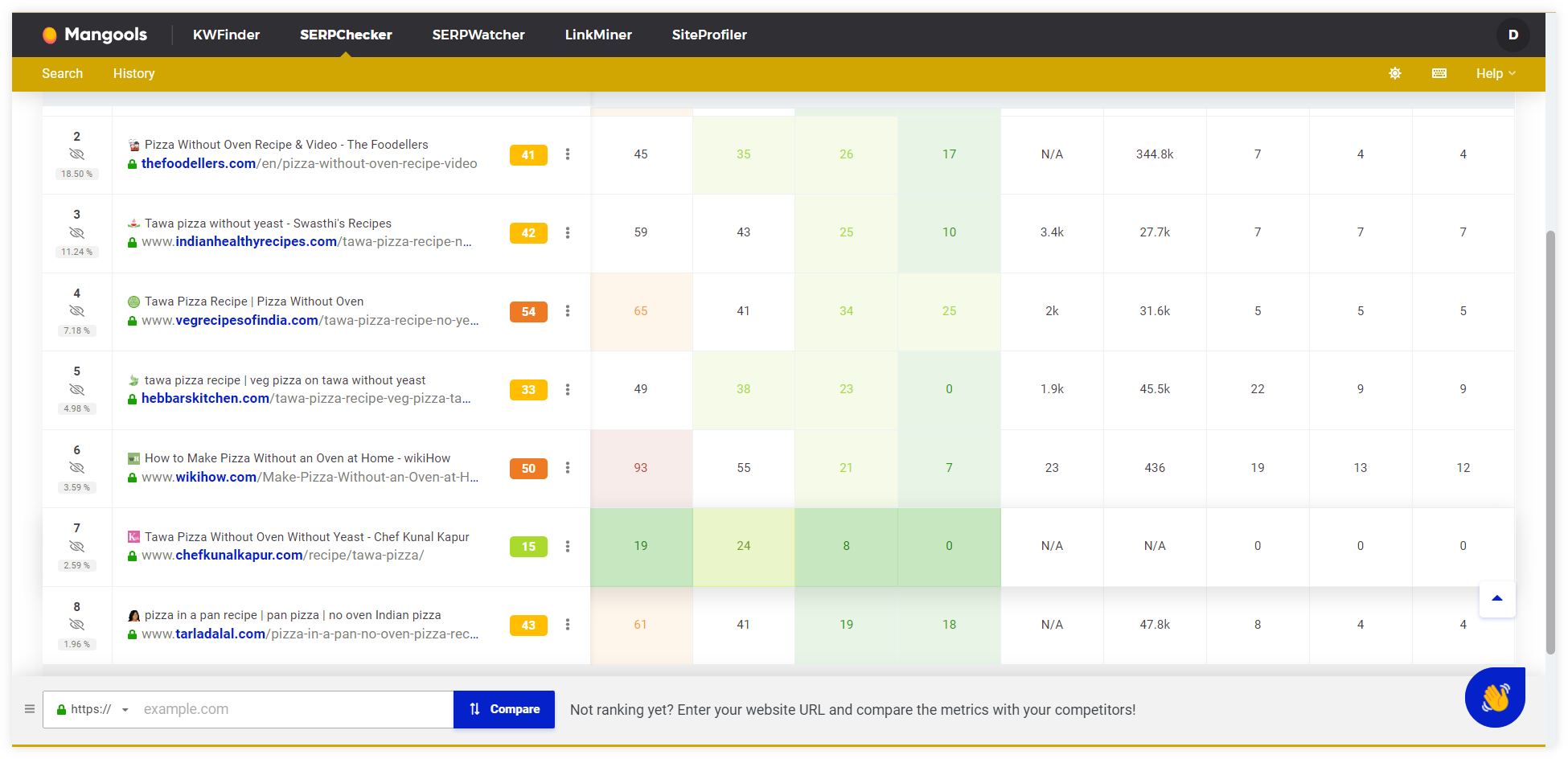
Use tools like SERPChecker to obtain a granular look at the competition. Look for:
- Link Profile Strength: Does the top result have 1,000 backlinks or 10?
- Content Format: Is the page a "how-to" guide, a listicle, or a video?
- On-Page Optimization: Do the competitors include the target keyword in the H1, Title Tag, and URL?
If the top-ranking sites have weak metrics, you have found an opening. You can outrank them by simply creating a more comprehensive, better-designed, and faster-loading page.
Identifying and Exploiting Weaknesses
The beauty of SERP analysis lies in finding where your competitors are falling short. Even industry giants have blind spots.
The "Title Mismatch" Opportunity
A common weakness is the "title mismatch," where the title tag of a page does not align with the H1 heading or the actual content. This creates a disconnect for the user. By ensuring your titles are highly relevant and perfectly matched to the user’s search query, you increase your Click-Through Rate (CTR). A high CTR is a strong signal to Google that your page is a better fit than the current results.
Leveraging Structured Data
Many webmasters neglect Schema markup. If you search for a query and see that none of your competitors have "Rich Snippets" (e.g., star ratings, cooking times, or FAQ accordions), you have a prime opportunity. By implementing structured data, your result will occupy more visual space on the SERP, naturally drawing the eye and earning more clicks.
Boosting Organic CTR with Data
A sophisticated technique involves using Google Search Console (GSC) data in conjunction with ChatGPT.

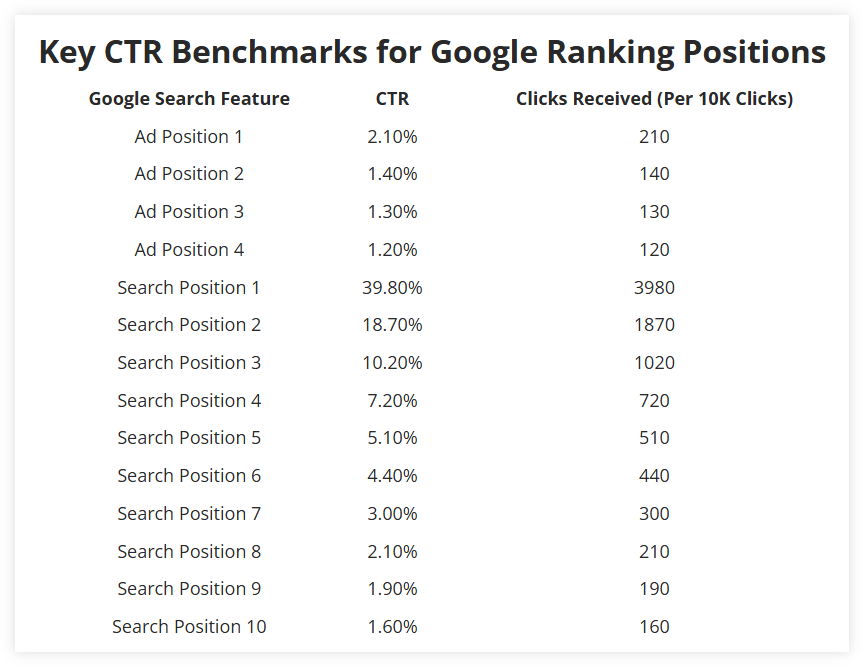
- Identify pages that rank in positions 3–10 but have a lower-than-average CTR.
- Export the performance data for these pages.
- Compare your current CTR against industry benchmarks.
- If your CTR is low, use ChatGPT to generate 10–20 variations of a more compelling, "click-worthy" title tag.
- Implement the change and monitor the performance for 14 days. This simple tweak can often move a page from position 5 to position 2 simply by increasing user engagement.
The Role of Continuous Monitoring
SERP analysis is not a one-time event; it is a cycle. Search results are volatile. A site that ranks #1 today may be pushed to #5 tomorrow due to an algorithm update or a competitor’s content refresh.
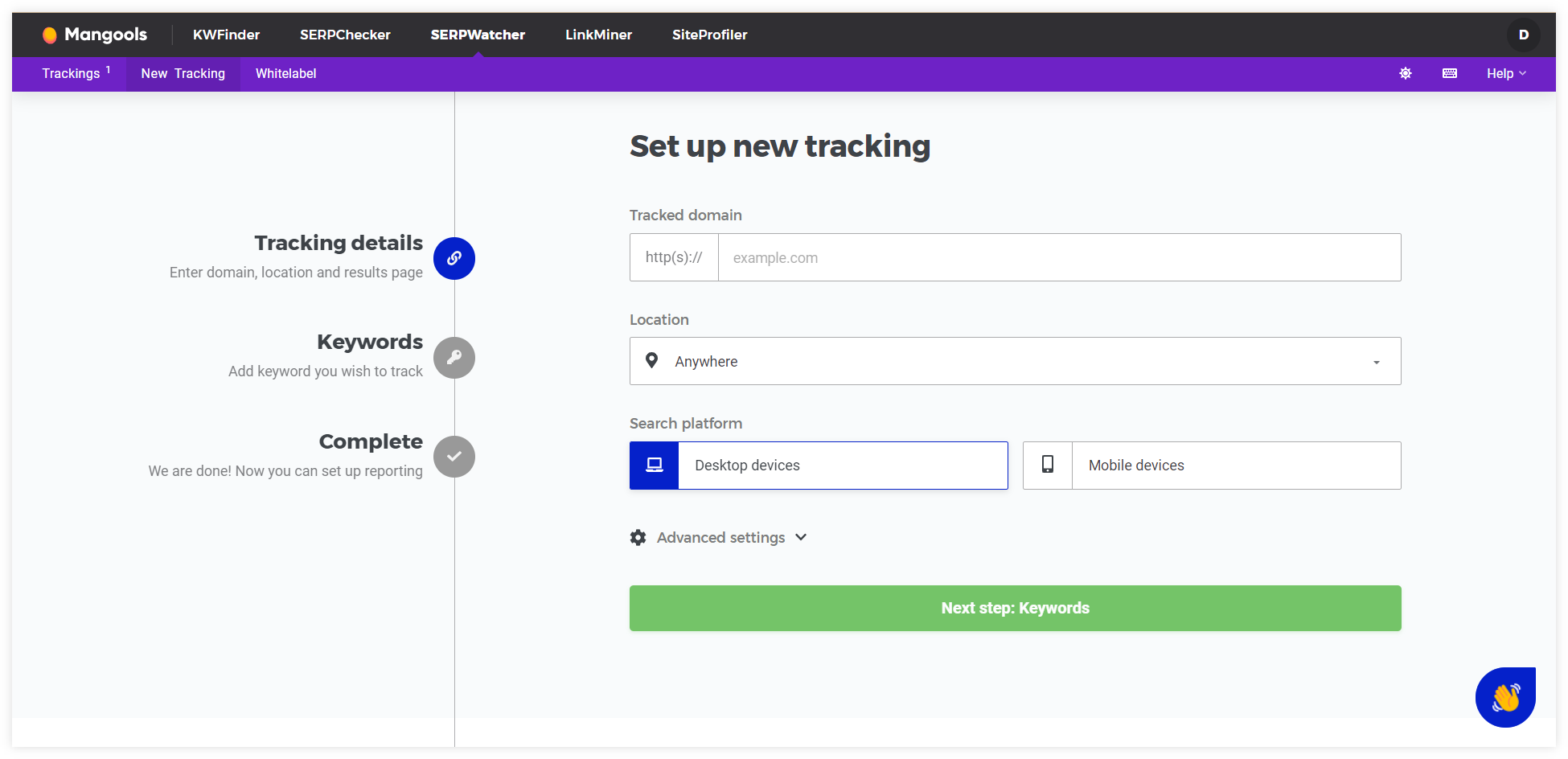
Utilize tools like SERPWatcher to track your rankings daily. By monitoring these shifts, you can identify when a drop in traffic is due to a change in the SERP layout or a loss in your own site’s performance. Furthermore, use tools like the SERP Volatility Insight to distinguish between localized ranking fluctuations and global algorithm changes.
Implications and Final Thoughts
The implications of ignoring SERP analysis are clear: you risk creating content in a vacuum. SEO is not just about writing great articles; it is about writing the right content for the right search result.
By investing time in analyzing the competitive landscape, understanding search intent, and relentlessly optimizing for user engagement, you transform your SEO strategy from a guessing game into a predictable growth engine. Whether it is through the strategic use of structured data, the refinement of title tags, or the pursuit of Featured Snippets, the path to the top of the search engine results is paved with data, not just effort.
Start your analysis today—the SERP is waiting to tell you exactly how to beat your competition.



