










By Tech Desk | Updated: October 2026
For millions of tech enthusiasts and health-conscious consumers worldwide, the annual Apple product cycle brings an expected wave of iterative refreshes. Yet, for a distinct demographic of users—particularly those managing chronic conditions—the Apple Watch remains the single most anticipated device of the year. Over the past decade, smartwatches have evolved from simple notification mirrors on the wrist into sophisticated, indispensable medical-grade triage tools.
Managing diabetes for ten years transforms one’s relationship with personal technology. Gadgets are no longer viewed merely as luxury conveniences or productivity boosters; they become lifelines, structural pillars of daily wellness management. Consequently, each hardware iteration is heavily scrutinized for one primary metric: its capability to deliver superior, more actionable vital statistics than its predecessor.
With the debut of the Apple Watch Ultra 4 and the Series 12, Apple has shifted its engineering focus away from cosmetic overhauls and toward deep, structural improvements in biometric data collection and localized artificial intelligence. Featuring redesigned electrocardiogram (ECG) electrodes, advanced optical sensors, and the context-aware intelligence of watchOS 27, the Ultra 4 presents a compelling look at the future of preventive personal healthcare.
Main Facts: What’s New in the Apple Watch Ultra 4?
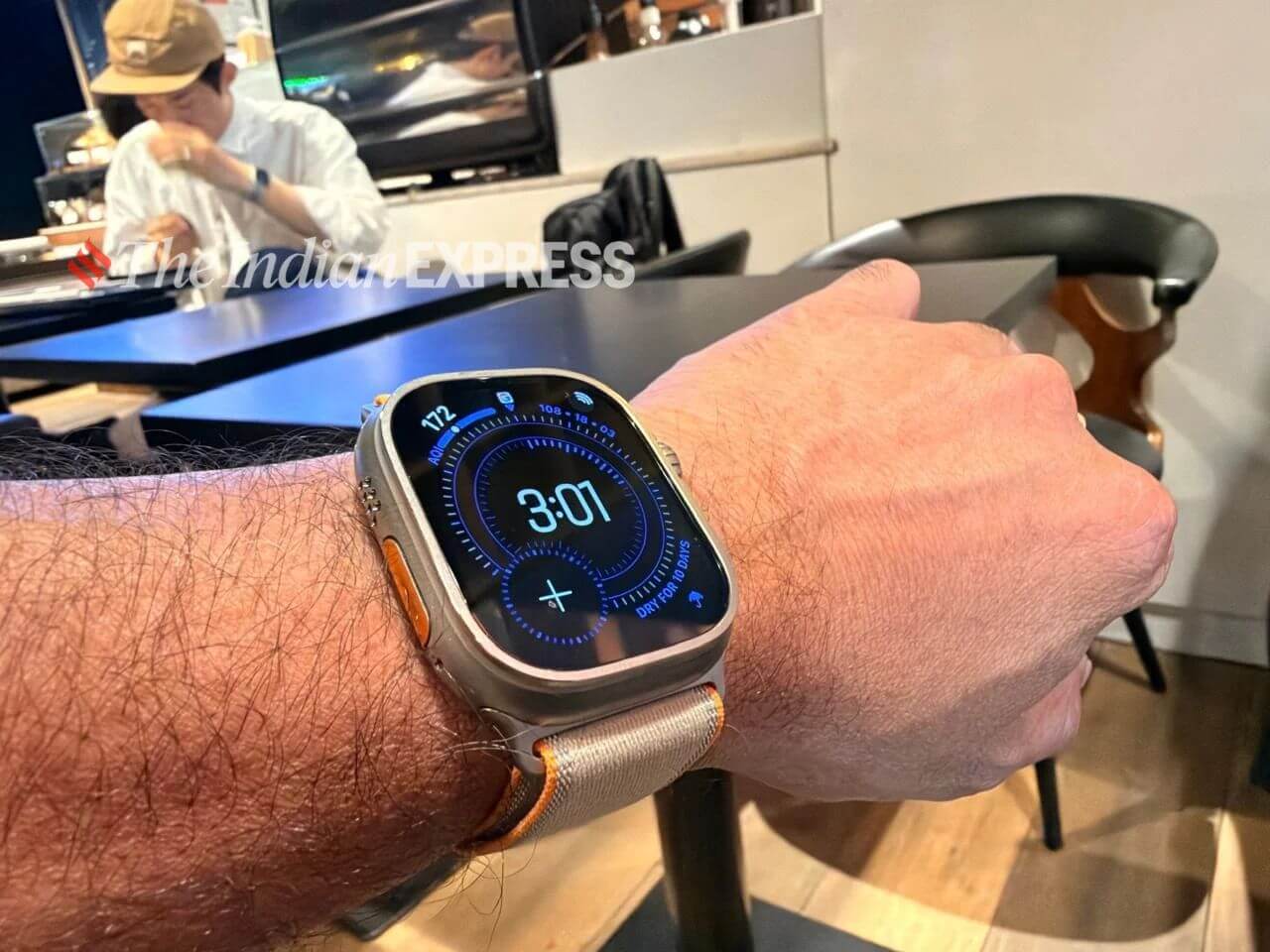
At first glance, the Apple Watch Ultra 4 appears virtually indistinguishable from its predecessor. It retains the rugged titanium chassis, the familiar layout of physical buttons, and the commanding presence expected from Apple’s top-tier rugged wearable.
However, a quick flip of the device reveals the primary hardware upgrade: a completely redesigned sensor array on the ceramic and sapphire crystal back case.
- Redesigned ECG Electrodes and Optical Sensors: The modified backing houses a denser configuration of electrodes and optical pathways, drastically improving measurement accuracy.
- High-Frequency Heart Rate Tracking: The device now captures heart-rate updates every five seconds, feeding a continuous two-minute rolling history directly to the user interface.
- watchOS 27 Integration: Powered by deeper machine learning models, the operating system introduces a smarter Smart Stack, predictive app surfacing, and a revamped, highly contextual Siri experience.
- Impressive Power Efficiency: Despite the heavy computational load of high-frequency sensors and always-on cellular connectivity, the Ultra 4 delivers a rock-solid two days of battery life under regular use, stretching to nearly four days in Low Power Mode.
- Pricing and Availability: The Apple Watch Ultra 4 starts at Rs 1,09,900, positioning it squarely as a premium investment for professionals and dedicated athletes.
Chronology: Evolution of the Ultra Line and the Path to the Ultra 4
To understand the significance of the Ultra 4, it is vital to trace the historical progression of Apple’s rugged wearable tier.
- September 2022 (The Genesis): Apple introduced the original Apple Watch Ultra, carving out a new category for endurance athletes, divers, and extreme-sports enthusiasts. It offered a larger 49mm titanium case, dual-frequency GPS, and unprecedented battery life for an Apple Watch, setting a new benchmark for durability.
- September 2023–2024 (Iterative Refinements): Subsequent generations focused primarily on display brightness, processor speed upgrades (via the S9 and S10 SiP), and minor software integrations like the Double Tap gesture. While successful, critics noted a plateau in hardware innovation.
- Late 2025 (The Sensor Bottleneck): As health-tracking capabilities matured, users and medical professionals alike began demanding higher sampling rates and deeper contextual analysis of biometrics like Heart Rate Variability (HRV) and stress recovery.
- September–October 2026 (The Ultra 4 Launch): Apple announced the Apple Watch Ultra 4 alongside the Series 12 and iPhone 18 lineup. By prioritizing backend sensor redesigns over exterior cosmetic changes, Apple addressed long-standing requests for continuous health data precision without compromising the device’s legendary battery life.
Supporting Data: Performance Metrics, Battery Longevity, and Sensor Accuracy
1. Conquering Battery Anxiety
One of the most persistent hurdles for power users has been battery anxiety—the lingering dread that a smartwatch will die midway through a grueling workout or a multi-day business trip. Reviewers testing the Ultra 4 under intense conditions—including continuous GPS tracking, streaming music over LTE, and overnight sleep tracking—found that the device comfortably clears the 48-hour threshold under normal use.
For frequent travelers, this hardware efficiency is transformative. A standard two-day business trip can now be undertaken without packing a dedicated puck charger—a minor convenience that significantly improves the daily user experience. When switched to Low Power Mode, the Ultra 4 easily extends longevity to nearly four days, competing directly with dedicated sports watches from specialized outdoor brands.
2. High-Frequency Biometrics and HRV Analysis
The inclusion of high-frequency heart-rate tracking (every five seconds with a two-minute rolling trend line) marks a massive leap forward for targeted athletic training and stress management.
- Workout Precision: During high-intensity interval training (HIIT) or endurance runs, waiting 10 to 15 seconds for a heart-rate refresh can obscure sudden anaerobic spikes. The five-second interval provides immediate feedback, allowing athletes to adjust their pacing in real time.
- Stress and Recovery: The device separates sleep-based and daytime Recovery HRV (Heart Rate Variability) metrics more effectively than previous iterations.
In comparative testing against dedicated medical and wellness devices—such as the Oura Ring 4—the Apple Watch Ultra 4 produced remarkably consistent baseline metrics. Average sleeping heart rate and recovery HRV readings between the two devices were nearly identical, with the Ultra 4 occasionally reading a couple of points lower due to differences in anatomical placement (wrist versus finger).
Official Perspectives and Ecosystem Integration
Apple’s software ecosystem plays an increasingly vital role in making hardware improvements accessible. With watchOS 27, the user interface adapts dynamically to the wearer’s daily routine.
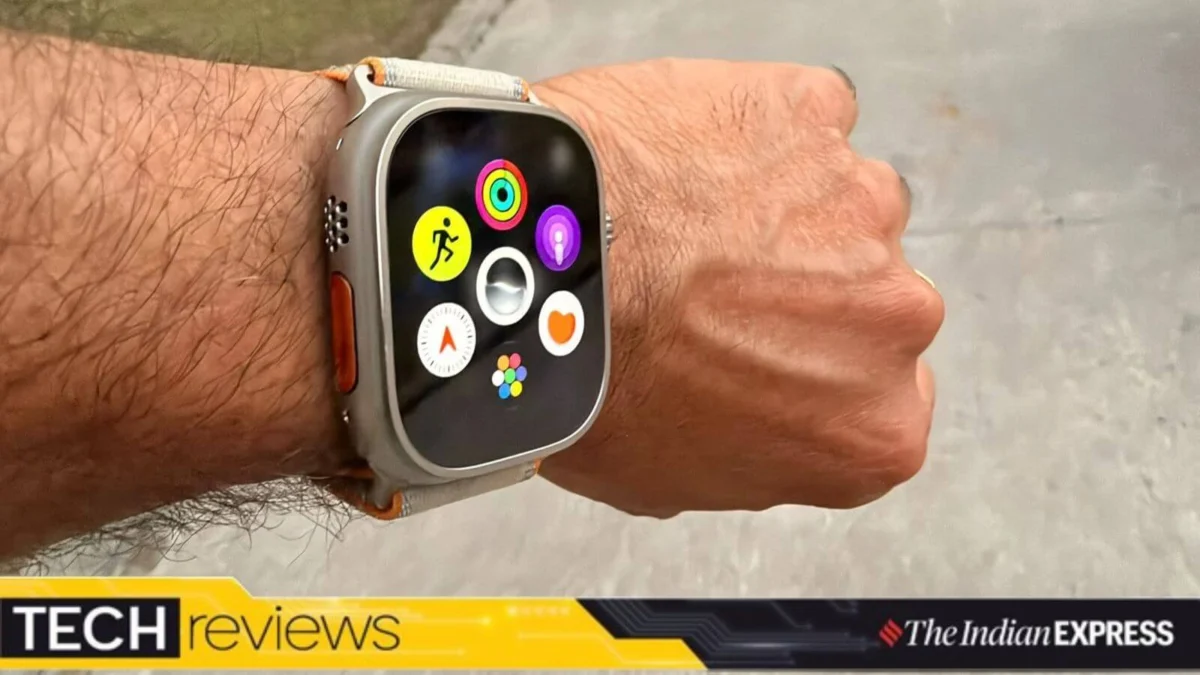
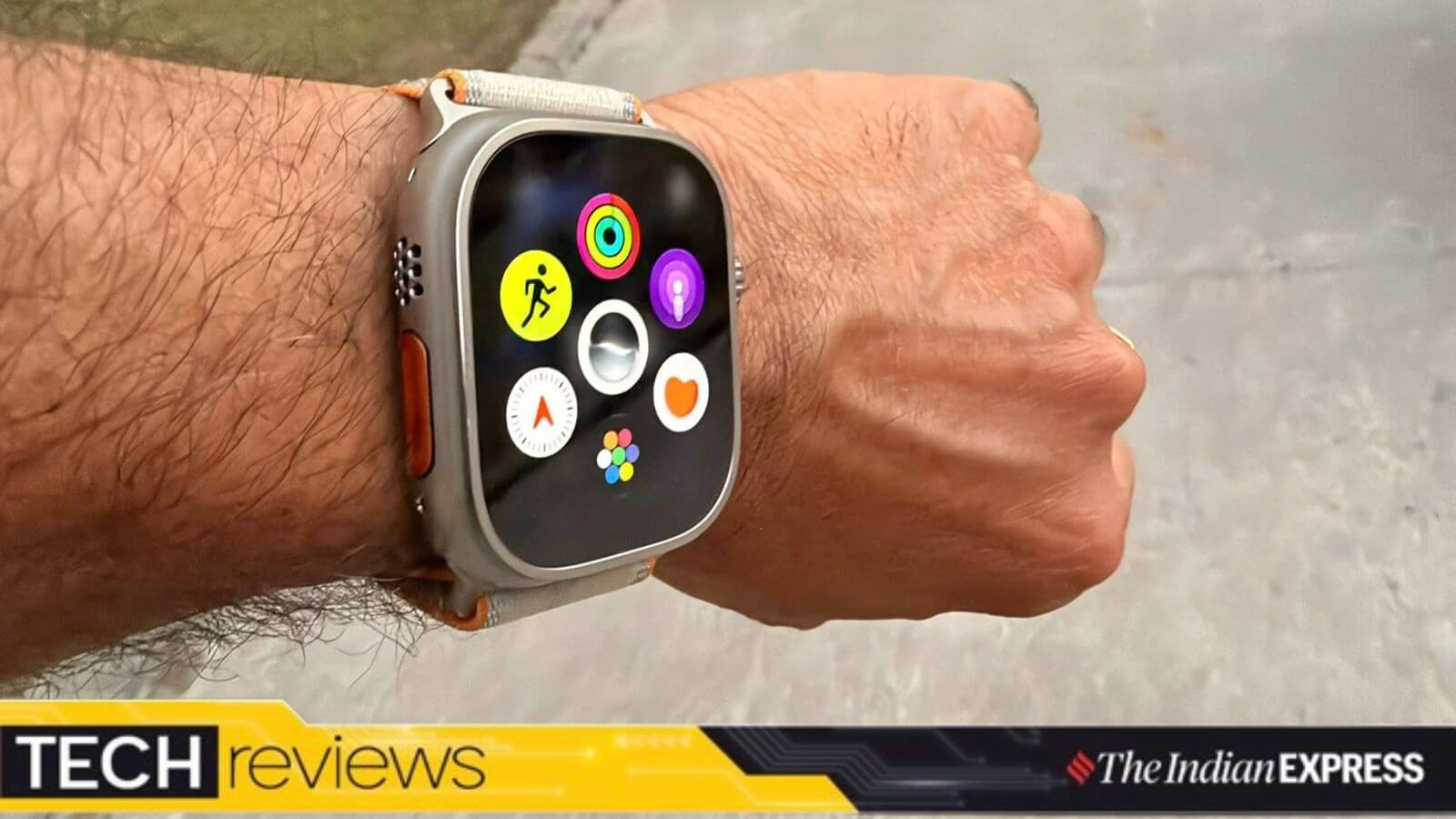
By pressing the Digital Crown, the operating system intelligently surfaces frequently used applications based on time and location. For instance, morning routines automatically prompt the Workout app and podcast controls, minimizing friction when stepping out for a walk without a smartphone.
The Evolution of Siri and Generative AI
Siri has undergone a massive structural upgrade, transitioning from a rigid voice command tool into a contextual, conversational assistant. Thanks to localized generative AI capabilities, users can ask complex questions—such as explanations of trending wellness concepts like "biohacking"—and receive coherent, synthesized answers directly from their wrist.
Pro-Tip for Optimal Siri Performance:
To maximize the responsiveness of the generative AI assistant—particularly in areas with weak cellular or Wi-Fi networks—users should incorporate a brief pause immediately after saying "Hey Siri." This ensures the device’s always-listening acoustic buffers are fully engaged to capture subsequent phrases without dropping commands.
Implications: Who Should Buy the Apple Watch Ultra 4?
Evaluating a device priced at Rs 1,09,900 requires a pragmatic look at the target audience and the actual value delivered over time.
Current Owners vs. First-Time Buyers
For owners of the original Apple Watch Ultra or the Ultra 2, upgrading to the Ultra 4 is difficult to justify purely on hardware merits. The core casing design remains identical, and older Ultra models continue to receive robust software support. Titanium is exceptionally durable; an Ultra watch is engineered to last half a decade or more without showing structural fatigue.
Conversely, for users transitioning from standard Apple Watch models (such as the Series 8 or 9) or for first-time premium smartwatch buyers willing to invest in long-term health tracking, the Ultra 4 is a monumental leap forward.
The Ideal Consumer Profile
While marketing campaigns frequently highlight extreme mountaineers and deep-sea divers, the actual market for the Apple Watch Ultra 4 is somewhat different. The ideal buyer is typically a busy, on-the-move, middle-aged professional who prioritizes proactive health monitoring, seamless productivity integration, and robust build quality.
For this demographic, features like continuous ECG monitoring, rapid heart-rate tracking, long battery life, and contextual AI make the Ultra 4 less of a gadget and more of a daily personal health companion. As Apple prepares to roll out even deeper AI-driven health insights within the companion Health app, the Ultra 4 stands as a formidable foundation for the future of wearable medicine.



