











The global cybersecurity ecosystem is currently navigating a period of unprecedented volatility. As threat actors refine their tactics, techniques, and procedures (TTPs), the line between sophisticated state-sponsored espionage and opportunistic cybercrime continues to blur. The latest edition of the Security Affairs Malware Newsletter highlights a convergence of supply chain compromises, AI-assisted malicious frameworks, and deeply embedded mobile threats that challenge the very foundations of modern digital trust.
This report synthesizes the most critical research and incident data from the current landscape, examining the mechanics of these campaigns, the implications for global infrastructure, and the emerging defensive paradigms being proposed by the academic and security research communities.
I. Main Facts: A Convergence of Vectors
The current threat environment is characterized by a "multi-front" offensive strategy. Attackers are no longer relying on single-vector exploits; instead, they are orchestrating complex, multi-stage campaigns that exploit trust in legitimate infrastructure—ranging from open-source repositories like npm to fundamental network protocols like STUN (Session Traversal Utilities for NAT).
Perhaps the most alarming trend identified in recent weeks is the weaponization of the software supply chain. When trusted components—such as the TensorLake npm SDK—are compromised, the downstream impact is catastrophic. These "ChainDrop" attacks demonstrate that developers and organizations can no longer rely on the integrity of third-party libraries without implementing robust, automated verification protocols.

Simultaneously, we are seeing the rise of "pre-compromised" hardware. The discovery of the Midnight Mimosa malware, which appears on mobile devices before the user even activates them, represents a fundamental failure in the integrity of the device manufacturing and supply chain process. This shift from post-purchase infection to pre-installation infection renders traditional user-centric security hygiene almost entirely ineffective.
II. Chronology of Emerging Threats
The past month has been marked by a series of high-impact disclosures that underscore the persistent nature of modern malware:
- Supply Chain Infiltration (The "MALFEX" Case): Security researchers identified MALFEX, a malicious npm postinstall script that operated undetected for fourteen months. This long-dwell time highlights significant gaps in current automated security monitoring for open-source repositories.
- Infrastructure Abuse: The emergence of ClingSTUN, a Linux-based backdoor, highlights the risks of abusing legitimate, public STUN infrastructure to bypass firewall restrictions, allowing attackers to maintain persistent communication channels with compromised servers.
- Targeted Phishing Campaigns: The Wazza Phishkit has gained prominence, specifically targeting the banking, government, and manufacturing sectors across the US, EU, and Australia. This campaign demonstrates a refined focus on high-value intelligence and financial theft.
- Advanced Persistence: The P7 DarkSword variant has introduced a "Sleep, Beacon, Steal, Repeat" methodology. By mimicking legitimate system processes, it manages to bypass heuristic detection mechanisms, ensuring long-term persistence in corporate environments.
- Webshell Proliferation: Threat actors have aggressively exploited critical flaws in AhsayCBS backup software to drop webshells, which are subsequently used to deploy XMRig cryptominers, illustrating the continued monetization of infrastructure through unauthorized compute resource usage.
III. Supporting Data and Technical Analysis
The technical sophistication of these threats is supported by a growing reliance on obfuscation and "living-off-the-land" techniques.
The "FakeGit" Fleet
The research into the "FakeGit" fleet—a collection of over 17,600 repositories that are "never deleted, only re-pointed"—is a stark reminder of the scale of automated malicious activity. By dynamically re-pointing these repositories, attackers can re-arm their payloads overnight, ensuring that static blocklists and signature-based detection systems remain obsolete almost immediately after deployment.

AI-Driven Deception and Analysis
A significant portion of current academic research, as noted in recent arXiv publications, is focused on the role of Artificial Intelligence in both the commission and the mitigation of malware.
- ORCAGen: This framework demonstrates how RAG-guided (Retrieval-Augmented Generation) generative AI can be used to orchestrate context-aware malware deception, creating highly personalized phishing and social engineering lures.
- MARS: Conversely, the development of the MARS (Malware Analysis with Rule-Based Scoring of LLM Claims) system shows that the security community is fighting back by using AI to audit the outputs of other AI models, providing a necessary layer of verification in an era of synthetic content.
IV. Official Responses and Industry Vigilance
The response from the cybersecurity community has been characterized by a move toward "Explainable" security. As noted in recent publications from the MDPI journals, there is an industry-wide push to develop deep learning models for memory-forensic detection that do not act as "black boxes." By utilizing "Explainable Attention-Enhanced" models, security operations centers (SOCs) can better understand why a particular process was flagged as malicious, thereby reducing the false-positive fatigue that plagues modern security teams.
CERT-UA and other governmental bodies have been actively tracking the UAC-0277 group, which utilizes "ClickFix" social engineering on compromised websites to distribute the LUNEXSTEALER malware. Their official guidance emphasizes the importance of user awareness training—specifically the dangers of clicking on "browser updates" or "security patches" prompted by suspicious websites.
V. Implications for the Global Digital Landscape
The implications of these developments are profound and suggest a need for a fundamental shift in how we approach cybersecurity.
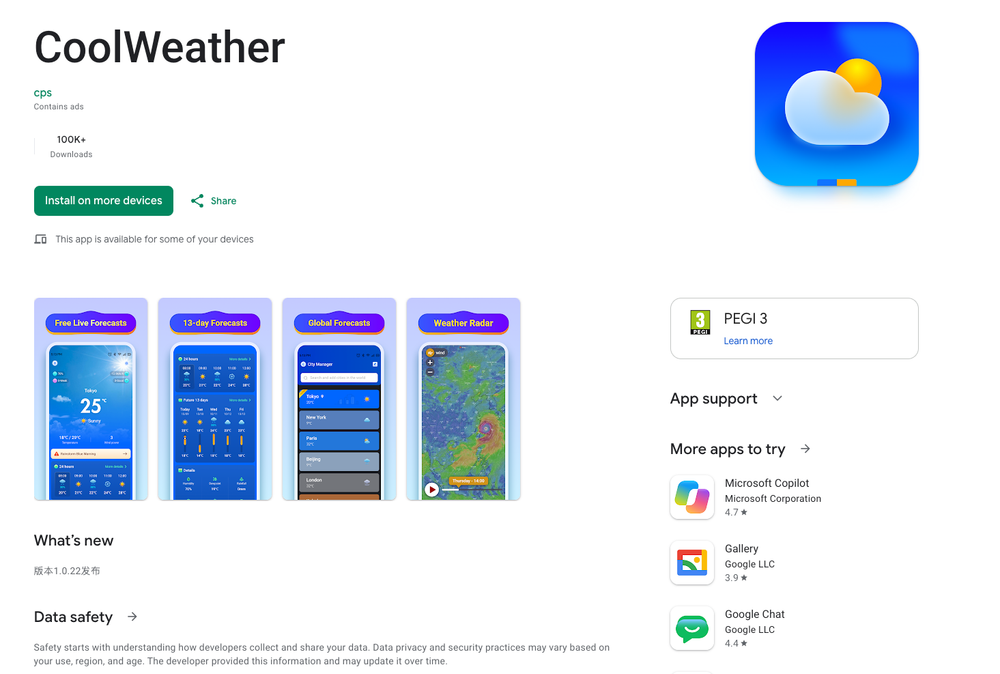
- The Death of Trust: The Midnight Mimosa discovery proves that we can no longer trust hardware integrity by default. Supply chain security must extend to the very origin of device manufacturing, requiring deeper transparency and third-party audits of firmware.
- AI as a Dual-Use Technology: We are entering an era of "AI-on-AI" warfare. While AI allows attackers to automate the creation of sophisticated, context-aware threats, it is simultaneously our most potent tool for detecting anomalies at scale. The defensive capability of an organization will be defined by its ability to integrate AI into its detection and response pipelines.
- The Permanence of Persistence: The "Never Deleted" nature of the FakeGit fleet indicates that attackers have achieved a level of operational resilience that static security infrastructure cannot match. Defenders must move toward a "Zero Trust" architecture that assumes compromise and focuses on limiting blast radiuses rather than preventing initial entry.
- The Shift to Behavioral Detection: With malware variants like P7 DarkSword and ClingSTUN utilizing legitimate network protocols and system tools, signature-based detection is becoming increasingly irrelevant. Future security architectures must focus on behavioral baselining—identifying the "intent" of a process rather than its "signature."
Conclusion
As the digital landscape becomes increasingly complex, the findings presented in this newsletter underscore a vital reality: there is no "silver bullet." The threat actors of today are agile, resourceful, and deeply integrated into the very fabric of the software and hardware ecosystems we rely upon.
Organizations must move beyond reactive patching and toward a model of continuous, automated, and intelligent monitoring. By leveraging the same AI-driven insights that adversaries use, and by maintaining a rigorous, evidence-based approach to security research, the industry can hope to maintain a defensive edge. The battle against malware is no longer just about blocking malicious files; it is about securing the fundamental integrity of our interconnected world.
For security practitioners, the mandate is clear: stay informed, audit your supply chains, and prioritize the implementation of explainable, behavior-based detection systems to counter the next generation of silent, persistent threats.



