










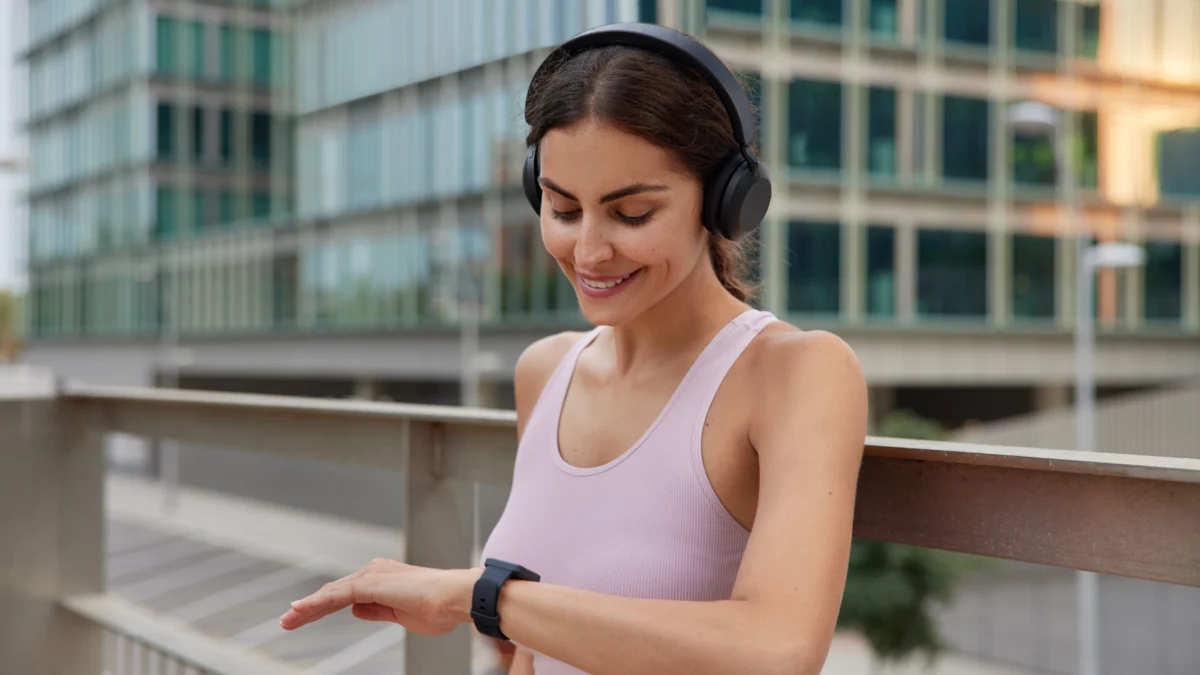
The modern smartwatch has transcended its origins as a mere extension of the smartphone—a simple conduit for notifications or a rudimentary step-counter. Today, these devices have evolved into sophisticated, design-conscious wellness ecosystems that bridge the gap between high-end medical technology and everyday fashion. For the modern consumer, particularly women who prioritize a seamless blend of aesthetic elegance and practical utility, the smartwatch has become an indispensable companion.
From advanced sleep coaching and granular heart-rate variability analysis to menstrual cycle insights and blood-oxygen saturation (SpO2) monitoring, the current generation of wearables is democratizing access to personal health data. Whether it is a budget-friendly daily driver or a premium fitness-focused powerhouse, the integration of health metrics, smart connectivity, and ergonomic design is redefining what it means to stay "connected."
Main Facts: The New Standard for Wearable Tech
The current market landscape is characterized by a "wellness-first" philosophy. Manufacturers are no longer just measuring steps; they are providing actionable insights.
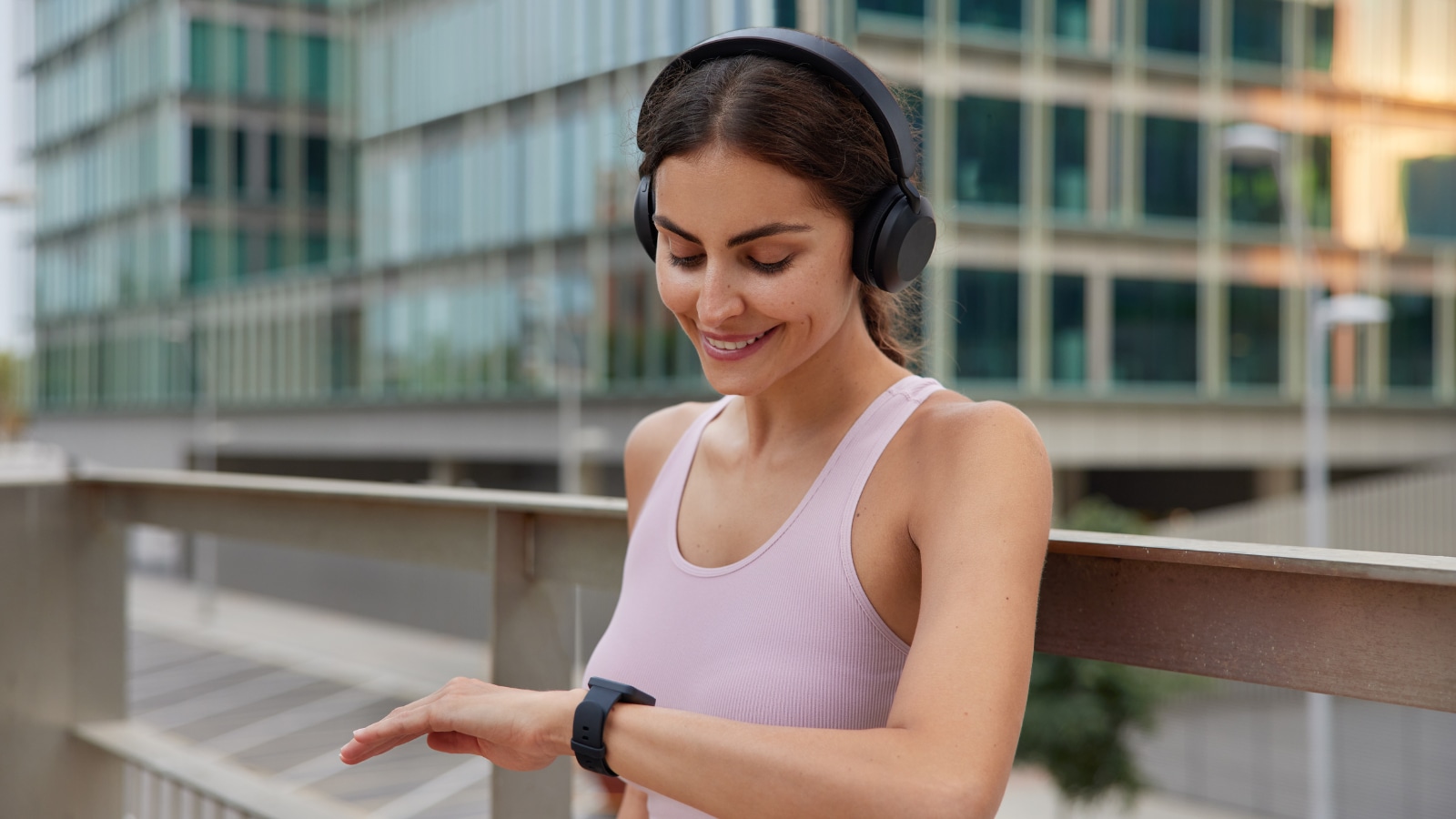
- Holistic Health Suites: Most modern smartwatches now feature 24/7 heart-rate monitoring, blood-oxygen sensors, and comprehensive sleep-stage tracking.
- Design-Led Innovation: The "clunky gadget" aesthetic is a relic of the past. Today’s devices prioritize slimmer cases, higher-resolution OLED and AMOLED displays, and lightweight materials that offer all-day, all-night comfort.
- Safety as a Standard: High-end models, particularly from Apple and Samsung, have integrated life-saving features like fall detection, crash detection, and emergency SOS, turning the watch into a guardian rather than just an accessory.
- AI Integration: Artificial Intelligence is beginning to play a pivotal role, offering personalized workout coaching, energy-level predictions (such as Garmin’s Body Battery), and AI-generated wellness summaries.
Chronology: The Trajectory of Smartwatch Development
The development of the contemporary smartwatch has occurred in distinct phases, moving from basic tethering to autonomous health tracking:
- The Notification Era (2012–2015): Early smartwatches functioned primarily as second screens for smartphones. Their utility was limited to reading emails or checking calls.
- The Fitness-First Phase (2016–2019): Brands began emphasizing heart-rate sensors and GPS. This era saw the rise of the "quantified self" movement, where step counting became a daily obsession.
- The Medical-Grade Transition (2020–2023): With the introduction of ECG, blood-oxygen monitoring, and temperature sensing, wearables entered the realm of preventive healthcare.
- The Ecosystem & AI Integration Era (2024–Present): Today, we see the convergence of "Wellness Suites" and "Generative AI." Devices are now analyzing data in context—pairing sleep data with training load and daily stress to provide holistic recommendations.
Supporting Data: A Closer Look at Leading Devices
The following six devices illustrate how various price segments are tackling the integration of style and substance:
1. Fastrack Reflex Vox: The Budget-Friendly Pioneer
Positioned at Rs 2,495, the Reflex Vox proves that essential health tracking need not be prohibitively expensive. It features a 1.69-inch display, built-in Alexa support for voice-commanded productivity, and a robust sensor suite covering heart rate, SpO2, and menstrual cycles. With a 10-day battery life and water resistance, it is a formidable entry-level contender.
2. Apple Watch Series 11: The Premium Standard
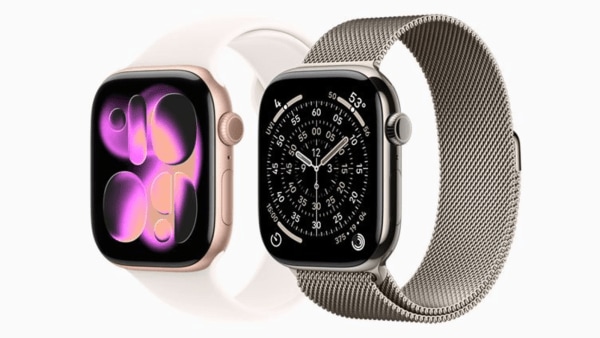
At Rs 46,900, the Series 11 represents the pinnacle of Apple’s health-focused engineering. It includes ECG readings, temperature sensing, and the new "Vitals" app, which provides a comprehensive view of overnight metrics. With its LTPO3 display and advanced workout metrics like "Training Load," it is built for those who treat their health as a data-driven project.
3. Garmin Venu 3: The Athlete’s Choice
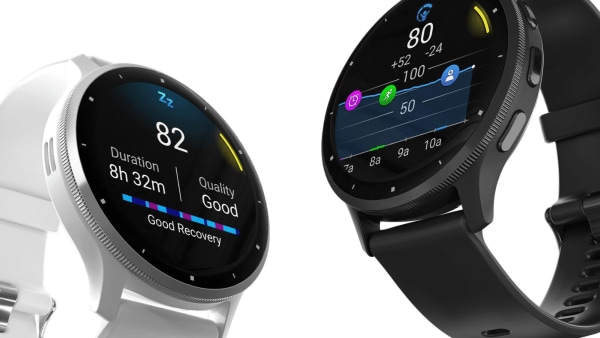
Priced at Rs 55,990, the Venu 3 is designed for the serious fitness enthusiast. It excels with its proprietary "Body Battery" energy monitoring, nap detection, and advanced sleep coaching. With a sleek stainless steel bezel and a 14-day battery life, it successfully bridges the gap between a rugged sports watch and a stylish office accessory.
4. Samsung Galaxy Watch 8: The AI-Driven Contender
Available for approximately Rs 27,499, the Galaxy Watch 8 leans into the power of Galaxy AI. Its standout feature is the Dynamic Lug system, which maximizes comfort. It offers deep workout analytics and body composition analysis, running on the robust Wear OS platform to ensure seamless connectivity for Android users.
5. Titan AiRA: Fashion Meets Function
At Rs 6,999, Titan leverages its reputation for jewelry-inspired design. The AiRA stands out for its elegant metal finish and Panda Glass protection. It incorporates an AI-focused interface (AI Chat and watch faces) alongside a comprehensive "Luna" wellness suite, catering to women who want a device that looks like jewelry but tracks like a trainer.
6. Apple Watch SE 3: The Balanced Mid-Ranger
At Rs 25,900, the SE 3 is the pragmatic choice. It retains the core safety features of the Series 11—such as fall and crash detection—and adds modern essentials like wrist temperature sensing and the Vitals app, all encased in a design with four times the crack resistance of previous generations.
Official Responses and Strategic Directions
Manufacturers are increasingly vocal about the "lifestyle" aspect of these devices. Apple’s emphasis on the "Vitals" app signifies a strategic pivot toward proactive health—moving from "you are sick" to "you are trending toward illness." Similarly, Samsung’s integration of Galaxy AI suggests that the company views the watch as a personalized agent rather than a passive collector of data.
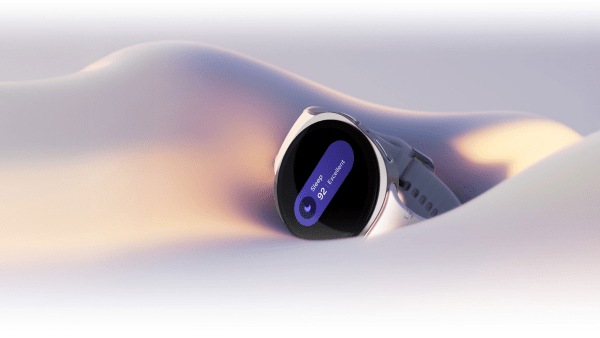
Garmin’s strategy remains focused on the "athlete-at-heart," ensuring that despite the addition of smart features like music storage and notifications, the core battery life and sensor accuracy remain industry-leading. Conversely, brands like Titan and Fastrack are signaling that the future of the segment lies in "democratizing luxury"—making high-end health features accessible through premium design choices at entry-level prices.
Implications: The Future of Wearables
The integration of these devices into our daily lives carries significant implications for both personal health and the technology industry:
- Preventive Healthcare: As watches become more accurate at detecting irregularities (like atrial fibrillation or sleep apnea), they act as a "first line of defense," potentially reducing the burden on healthcare systems by encouraging earlier clinical consultations.
- The End of the "One-Size-Fits-All" Device: We are witnessing a divergence in the market. The "premium" segment is becoming a medical diagnostic tool, while the "budget" segment is becoming a lifestyle companion. Consumers are now choosing their watches based on their personal health goals rather than just brand loyalty.
- Privacy and Data Ownership: With the proliferation of personal health data, the conversation around data security has never been more critical. As devices collect more intimate metrics—from respiratory rates to sleep cycles—manufacturers face increased pressure to ensure this data remains encrypted and under the user’s control.
- Societal Normalization: The widespread adoption of these devices means that health tracking is no longer a niche hobby for marathon runners; it is a normalized part of professional life. Wearing a watch that monitors your stress levels during a board meeting is becoming as common as carrying a smartphone.
Final Thoughts
The smartwatch industry has matured. It is no longer about the novelty of having a screen on your wrist; it is about the value of the information that screen provides. Whether you are a high-performance athlete requiring granular recovery data or a professional seeking a subtle, stylish way to stay informed and healthy, the current crop of smartwatches offers a solution. As technology continues to shrink and sensors continue to improve, the only direction for these devices is further into the fabric of our daily routines, ultimately making us more informed, more proactive, and—perhaps—more balanced.



