




By XDA Deals Desk
Published: October 23, 2026
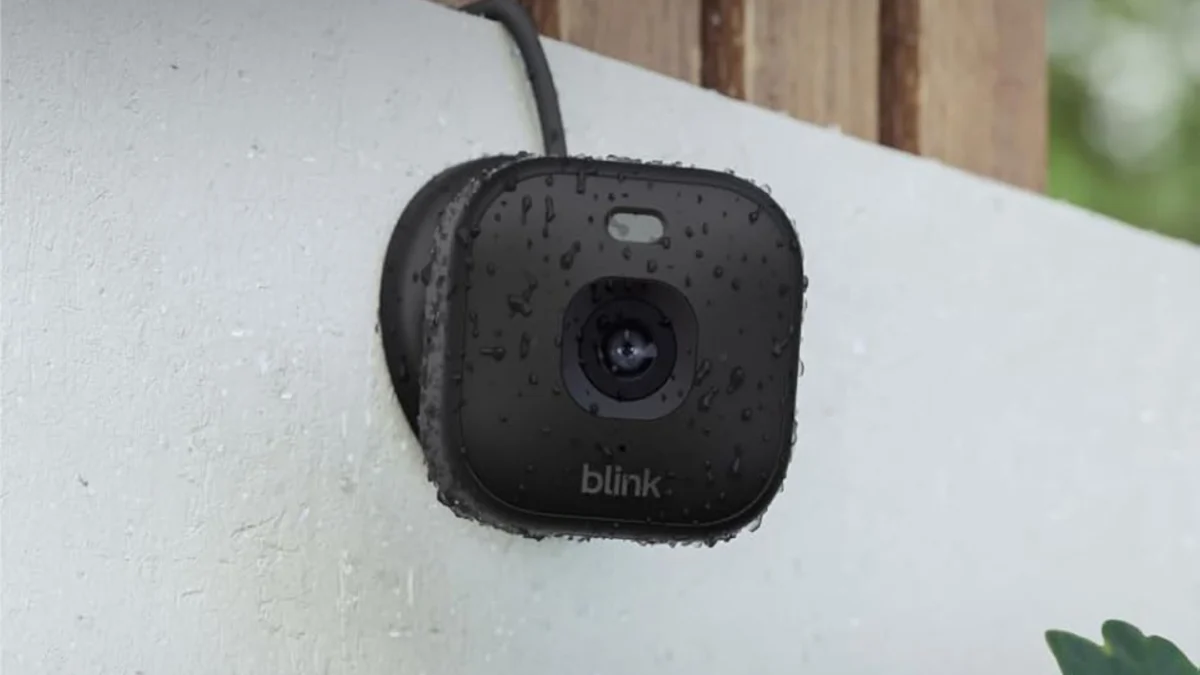
In what is shaping up to be one of the most aggressive consumer tech discounts of the autumn shopping season, the popular Blink Mini 2K+ compact security camera has plummeted in price to just $17. Representing a staggering 58% markdown from its standard retail price of $40, this limited-time deal brings high-resolution indoor and outdoor home monitoring down to a price point rarely seen for hardware featuring crisp 2K video capture and color night vision.
For budget-conscious consumers looking to secure their apartments, homes, or small offices without breaking the bank, the Blink Mini 2K+ deal delivers exceptional value—though buyers must weigh the long-term costs of subscription requirements and ecosystem limitations.
Main Facts: What the Blink Mini 2K+ Offers at a Glance
At its core, the Blink Mini 2K+ is designed to handle everyday home security essentials efficiently. Despite its miniature footprint, the device punches well above its weight class in terms of technical specifications.
- Video Resolution: Up to 2K resolution (2560 x 1440) at 24 frames per second (fps).
- Field of View: 138-degree diagonal field of view, optimized to cover standard rooms without capturing excessive redundant space.
- Night Vision: Full-color night vision enabled by a built-in LED spotlight, moving beyond traditional, grainy infrared feeds.
- Audio & Deterrence: Two-way audio equipped with noise cancellation, coupled with a built-in audible siren to deter unauthorized visitors.
- Smart Detection: Advanced person and vehicle detection (requires a paid Blink Subscription Plan).
- Connectivity & Power: Powered via a standard USB-C cable over 2.4 GHz Wi-Fi networks.
- Ecosystem Support: Integrates natively with Amazon Alexa, Alexa+, IFTTT, and Siri Shortcuts (Note: Lacks native Google Home and Apple HomeKit support).
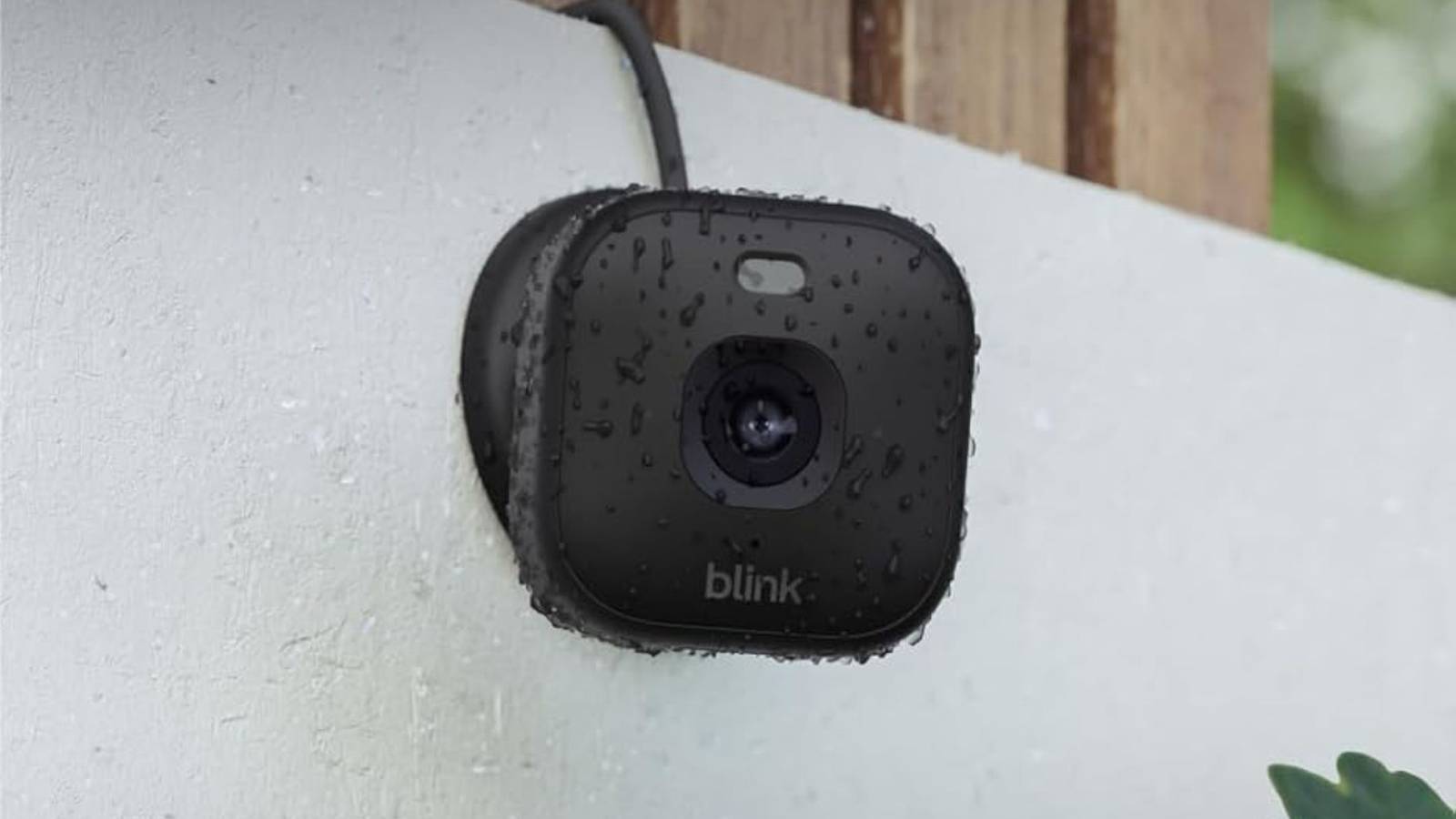
- Weather Resistance: Suitable for both indoor use and outdoor deployment when paired with the optional Blink Weather Resistant Power Adapter (granting an IP65 rating).
Chronology: The Evolution of Blink’s Compact Camera Lineup
To understand the significance of a $17 price tag on a 2K security camera, it helps to look back at how the smart home market has shifted over the years.
The 1080p Era (2020–2023)
When Amazon-owned Blink first introduced its original "Mini" lineup, the standard resolution across affordable indoor cameras sat firmly at 1080p. While these cameras succeeded in undercutting competitors like Google Nest and Ring on price, users routinely sacrificed video clarity, often struggling to make out fine facial details or license plates during playback.
The Push for High-Resolution Affordability (2024–2025)
As sensor costs dropped and consumer demand shifted toward sharper imaging, manufacturers began standardizing 2K and 4K resolutions in mid-tier devices. Blink responded by upgrading its hardware capabilities, introducing models like the Mini 2 and eventually the Mini 2K+ to bridge the gap between ultra-cheap budget cameras and premium professional systems.
The October 2026 Price Shock
Flash forward to late October 2026, and the smart home accessories market has grown fiercely competitive. Retailers and manufacturers are utilizing aggressive discounts to capture market share ahead of the holiday shopping rush. By dropping the Blink Mini 2K+ to $17—a steep 58% discount off its normal $40 threshold—Amazon is effectively positioning the camera as an impulse-buy item, undercutting generic white-label competitors flooding online marketplaces.
Supporting Data: Specifications and Performance Metrics
When analyzing budget security hardware, performance compromises are often expected. However, the Blink Mini 2K+ maintains a respectable technical foundation.
Video and Optical Performance
The camera records at a maximum resolution of 2560 x 1440. Pushing 2K footage at 24 frames per second ensures smooth, cinematic motion while keeping file sizes manageable for bandwidth-constrained Wi-Fi networks. The 138-degree diagonal field of view is wide enough to capture an entire living room or garage bay when placed in a corner, avoiding the "tunnel vision" common in narrow-lens cameras.
Low-Light Capabilities
Traditional budget cameras rely entirely on monochrome infrared (IR) night vision. The Blink Mini 2K+ differentiates itself by integrating a physical spotlight that enables color night vision. This feature proves invaluable during break-ins or unexpected nocturnal disturbances, allowing users to accurately identify clothing colors, vehicle hues, and specific facial characteristics in pitch-black environments.
Storage and Ecosystem Requirements
Potential buyers should take note of how footage is stored and managed. Out of the box, the camera requires either a Blink Sync Module 2 (sold separately) for local storage via a USB flash drive or an active Blink Subscription Plan for cloud storage and advanced AI features.
Furthermore, smart home compatibility is heavily weighted toward Amazon’s ecosystem. While Alexa, Alexa+, and IFTTT users will find seamless integration, users heavily invested in Google Home or Apple HomeKit will need to look elsewhere or rely on third-party bridging software.
Official Responses and Industry Perspectives
Industry analysts and consumer tech reviewers have responded enthusiastically to the $17 price point, though they consistently append necessary caveats regarding subscription models and ecosystem lock-in.
Industry watchers point out that hardware margins on sub-$20 smart home devices are practically non-existent. Manufacturers rely heavily on service attach rates—meaning they absorb lower hardware profits in the hope that consumers will subscribe to monthly cloud storage plans ($3/month for a single camera or $10/month for unlimited devices).
A spokesperson for consumer electronics advocacy groups noted:

"Products like the Blink Mini 2K+ at $17 democratize home safety, making baseline monitoring accessible to low-income families and renters who cannot install permanent wired systems. However, consumers must always calculate the Total Cost of Ownership, factoring in whether they prefer local storage solutions or recurring cloud subscription fees."
Implications: What This Means for Consumers and the Smart Home Market
The arrival of a capable 2K security camera at the price of a fast-food meal carries several broader implications for both buyers and competing manufacturers.
1. The Death of Low-End Generic Brands
For years, online storefronts have been saturated with unbranded, white-label 1080p cameras shipped directly from overseas factories. With a reputable brand like Blink offering a 2K camera with robust app support, cloud integration, and a warranty for just $17, anonymous budget brands lose their primary competitive advantage: cheap pricing.
2. The Rise of Multi-Camera Deployments
At $17 a unit, homeowners can comfortably outfit an entire multi-room property—covering entryways, back doors, hallways, and pet areas—for less than the cost of a single premium security camera. This lowers the barrier to entry for comprehensive home surveillance.
3. Subscription Fatigue vs. Value
The primary friction point remains the subscription model. While the hardware is undeniably a bargain at $17, unlocking person detection, vehicle recognition, and cloud backups requires an ongoing financial commitment. Consumers must decide if they are comfortable using the device as a basic live-stream monitor or if they are willing to pay for the software ecosystem that makes it truly smart.
Final Verdict: Should You Buy It?
If you are already embedded in the Amazon Alexa ecosystem and need an affordable, sharp indoor or outdoor camera (with the optional weather-resistant adapter), the Blink Mini 2K+ at $17 is an absolute no-brainer purchase. It delivers crisp 2K video, reliable two-way audio, and color night vision at a fraction of its normal cost. Just be sure to factor in your preferred storage method—local Sync Module vs. cloud subscription—before scaling up your smart home deployment.