

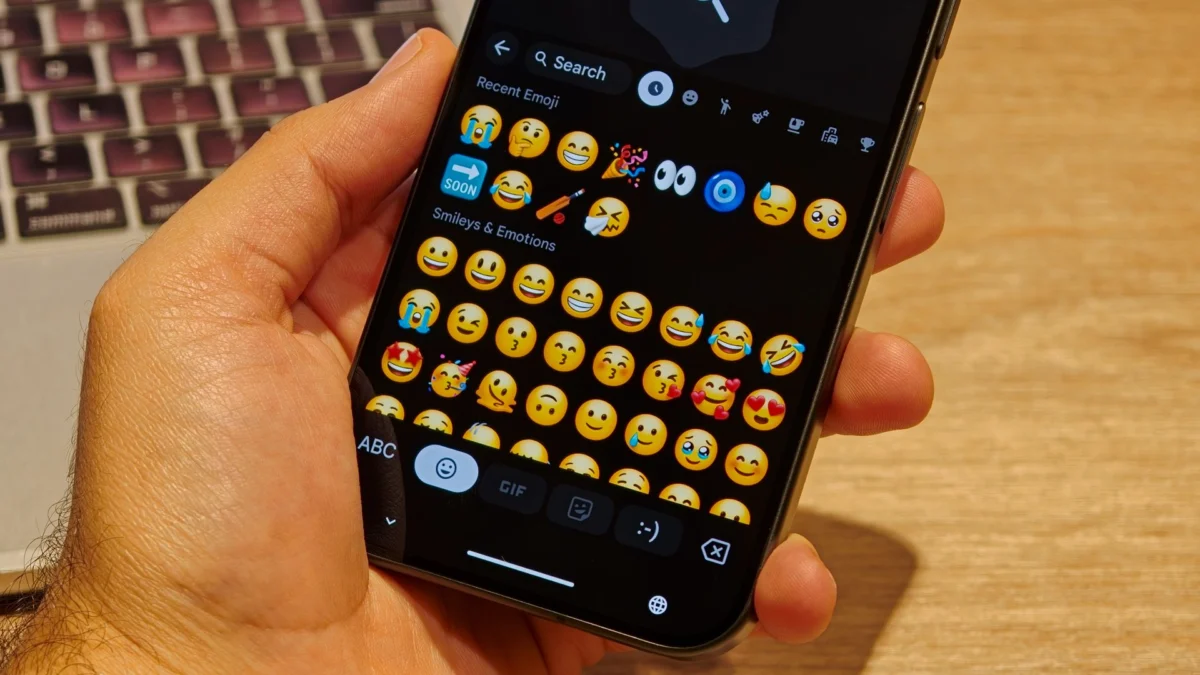
For years, a subtle yet persistent critique has followed the Android ecosystem regarding its visual identity: the emojis. While competitor platforms leaned heavily into playful, glossy, three-dimensional designs that popped off the screen with depth, character, and texture, Android’s traditional emoji library often felt flat, uninspired, and overly simplistic.
That narrative began to shift dramatically with the rollout of Android 17 and the debut of the flagship Pixel 11 series. Google introduced an entirely new design language centered around its vibrant "Noto 3D" emojis, breathing fresh life into digital conversations. Initially locked away as a hardware-exclusive perk for the latest Pixel 11 family, fresh reports indicate that Google is finally breaking down those walls, initiating a gradual rollout of the coveted 3D icons to older, legacy Android smartphones.
Main Facts: What is the Noto 3D Emoji Expansion?
The core development centers on Google’s deliberate effort to modernize the visual language of Android text communication.
- The Design Shift: The Noto 3D emojis replace the historically flatter vector-style icons with deeply rendered, dimensional artwork. These new icons feature intricate lighting, realistic textures, and a tactile look designed to enhance emotional expression across messaging platforms.
- The Initial Exclusion: When Android 17 and the Pixel 11 hardware lineup launched, the new emoji suite was kept strictly bound to the newest devices, leaving users of older hardware wondering if they would be left behind.
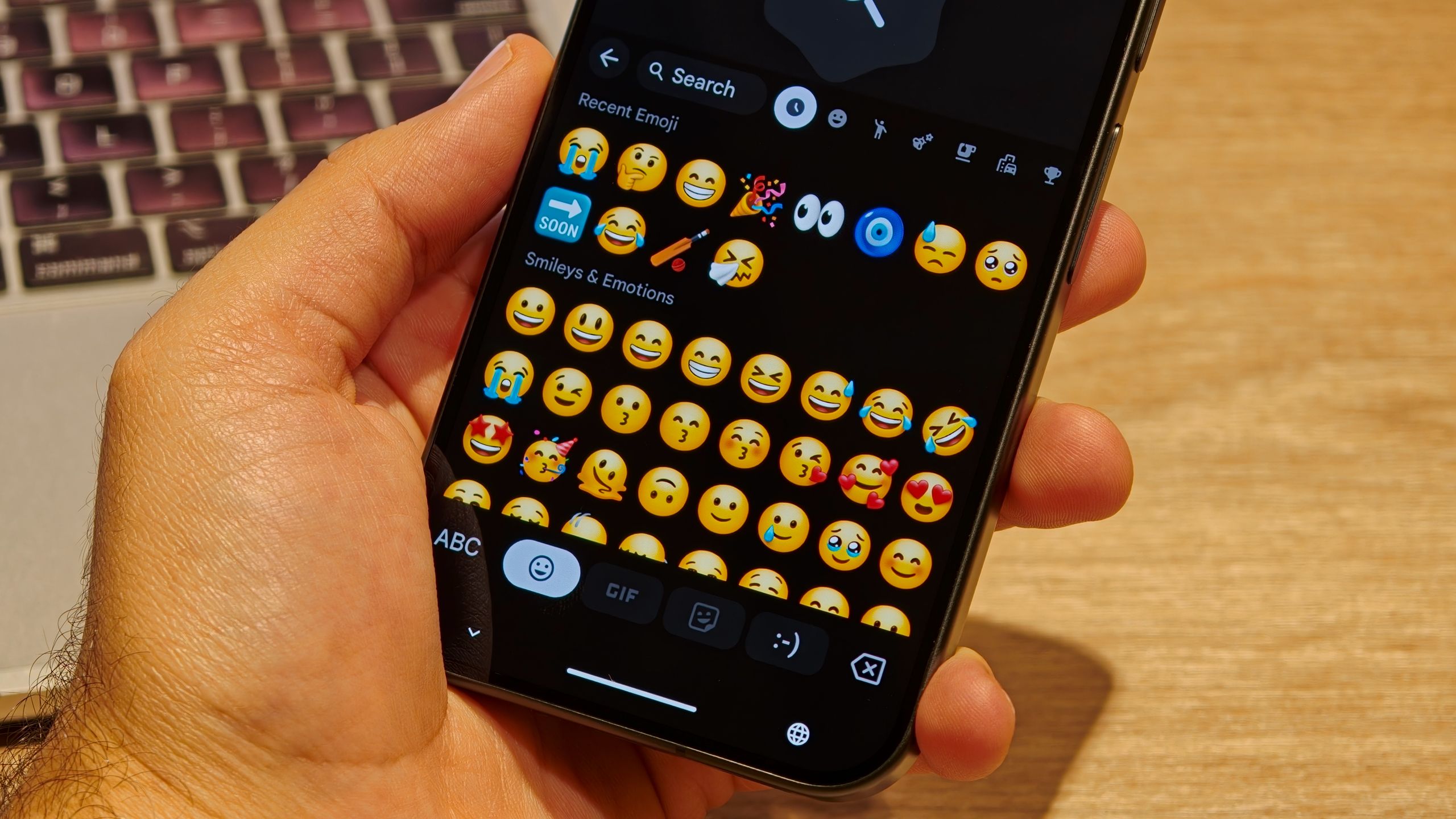
- The Expansion Begins: Recent user discoveries on platforms like Reddit indicate that the Noto 3D emojis are quietly making their way onto older generation hardware—specifically spotted running on a Google Pixel 6a.
- Broader Ecosystem Goals: Google has previously committed to bringing these stylized emojis far beyond just Google-branded hardware. Partnerships with major Android manufacturers—including OnePlus, Xiaomi, Oppo, Vivo, Lenovo, Nothing, Honor, and Motorola—mean these emojis will eventually flood the broader Android ecosystem.
Chronology of Android’s Emoji Evolution
To understand the significance of this rollout, it helps to look back at how Android’s visual communication style has evolved over the past decade.
The Flat Era and Consistent Complaints
For much of Android’s history, Google favored a clean, minimalist, flat design philosophy aligned with its broader Material Design guidelines. While this created a uniform interface across settings and apps, the emojis suffered. Users frequently voiced frustration that expressions felt muddy, characters lacked distinct personality, and the overall aesthetic lagged far behind iOS and third-party messaging apps like WhatsApp or Telegram, which utilized richer graphical assets.
The Android 17 and Pixel 11 Reveal
The turning point arrived with the official launch of Android 17 alongside the flagship Pixel 11 series. Google completely overhauled its typography, system UI flourishes, and—most importantly—its emoji library. The Noto 3D project brought forth a complete reimagining of hundreds of standard Unicode characters, giving them sculptural depth, distinct shadows, and eye-catching color gradients. At launch, however, tech enthusiasts quickly realized that these graphical assets were bundled deep within the newest firmware, inaccessible to owners of older Pixel generations or competing Android brands.
The First Signs of Legacy Hardware Support
Just weeks after the initial flagship release, a Reddit user posted screenshots revealing that their Pixel 6a—a budget-friendly device released years prior—had suddenly received the full suite of Noto 3D emojis. Unlike standard cosmetic updates that typically travel through the Google Play Store via Gboard, this particular user noted that the update appeared to arrive natively via a core system or framework-level adjustment, signaling that Google is actively testing or deploying wider system compatibility.
Supporting Data & Ecosystem Rollout Status
Despite the excitement generated by the Pixel 6a sighting, tech journalists and power users attempting to replicate the results have found that the rollout is far from uniform.
- Inconsistent Availability: Spot-checks across multiple devices running the latest Android 17 software—including the Pixel 9a and Pixel 9 Pro—reveal that the Noto 3D emojis have not yet populated universally. Even after forcing manual checks for Google Play system updates and updating Gboard to its latest iteration, many modern devices remain stuck with the legacy flat emoji set.
- Phased Deployment Strategy: This behavior points strongly toward a staggered server-side activation or a slow-dripped staged firmware rollout. Tech giants frequently use this deployment model to stress-test system stability, monitor rendering performance on varied chipsets, and catch rendering bugs before an open-market release.
- Third-Party Manufacturer Timeline: Beyond Google’s own Pixel umbrella, the broader roadmap includes OEM integration. Major manufacturers who rely on custom user interfaces (such as Samsung’s One UI, Xiaomi’s HyperOS, or OnePlus’s OxygenOS) will need to incorporate these Noto 3D assets into their respective software skin layers or rely on Google’s font and asset framework updates to display them natively.
Official Stance and Software Architecture
Behind the playful appearance of shiny 3D hearts, smiling faces, and animated animals lies a complex engineering challenge. Rendering hundreds of high-detail, dimensional assets uniformly across varying screen resolutions, aspect ratios, and GPU capabilities requires careful optimization.
Google has positioned the Noto 3D transition as part of a holistic effort to unify digital expression. By modernizing the open-source Noto font family—which provides consistent text and symbol rendering across languages and platforms—Google ensures that emojis don’t just look good on high-end OLED panels, but remain legible and appropriately scaled on budget devices as well.
Although Google has not yet published an exhaustive public schedule detailing precisely when every legacy Pixel or partner device will receive the switch, documentation accompanying the Android 17 release confirms that the company’s ultimate objective is total ecosystem parity. Google intends for the Noto 3D style to become the default standard across its entire suite of communication applications, web services, and operating system forks.
Implications for Users and the Android Ecosystem
The arrival of Noto 3D emojis on older hardware carries several notable implications for consumers, developers, and the mobile market at large:
1. Bridging the Hardware Divide
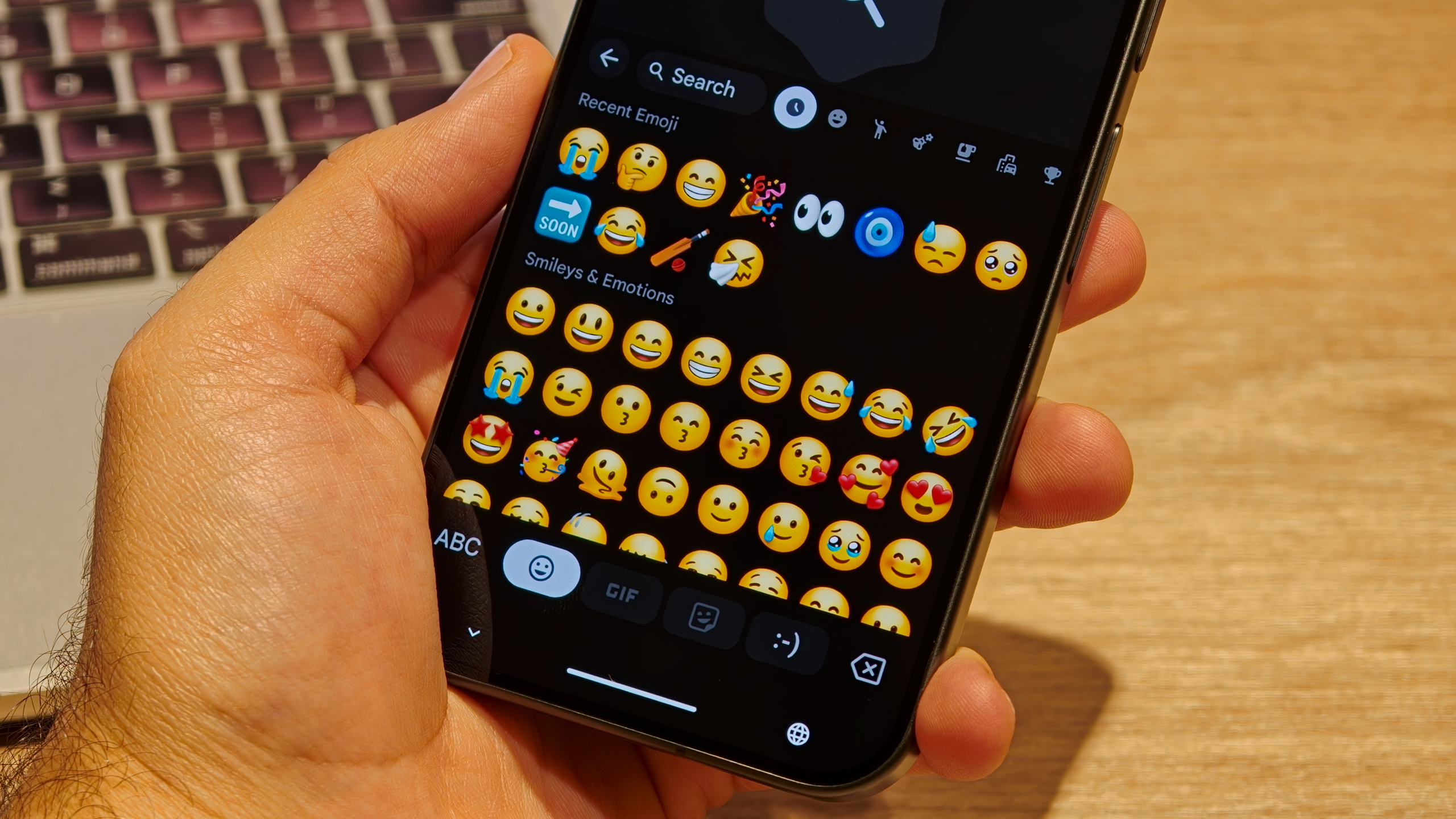
For years, purchasing a mid-range or older smartphone meant missing out on minor aesthetic upgrades reserved for flagship launch cycles. By extending foundational UI updates like the Noto 3D emojis backward to devices like the Pixel 6a, Google is reinforcing its commitment to long-term software support and visual continuity. It reassures consumers that investing in older or more affordable hardware doesn’t mean your device is immediately cut off from modern design trends.
2. Cross-Platform Consistency
One of the historic pain points of cross-platform messaging (such as Android-to-iOS communication) has been the radical translation difference between flat vector graphics and richly rendered 3D assets. By aligning its native emojis with a more dimensional, polished standard, Google reduces the visual whodunit that occurs when a message bounces between operating systems, ensuring emotional intent translates more accurately.
3. Increased Visual Engagement
Emojis are no longer mere punctuation marks; they form an essential vocabulary of modern digital interaction. The introduction of lighting effects, realistic textures, and enhanced depth allows for more nuanced emotional conveyance. For casual users and power texters alike, the upgrade transforms routine messaging into a richer, more visually dynamic experience.
What to Expect Next
If you are rocking an older Pixel device or a compatible non-Google Android phone, patience will be required. Because the rollout is currently appearing in isolated waves, users are advised to keep their devices updated to the latest available Android version, monitor Google Play system updates, and ensure their keyboard applications are running the most current software builds.
As Google fine-tunes its server-side distribution and broadens manufacturer integration, the flat, lackluster emojis of Android’s past will soon fade into memory, replaced across the entire ecosystem by a vibrant, three-dimensional visual standard.