









By Editorial Staff
July 20, 2026
In a move that signals a deepening entrenchment in the financial services sector, Samsung Electronics officially announced today the launch of its first-ever credit card in the United States. Developed in strategic partnership with Barclays, the "Samsung Galaxy Card" is designed to be more than just a payment instrument; it is a direct challenge to the Apple Card’s dominance in the mobile-first ecosystem.
As Samsung gears up for its highly anticipated Unpacked event on July 22, the timing of this launch is deliberate. By embedding financial incentives directly into the Galaxy hardware and software ecosystem, Samsung is attempting to increase user loyalty at a time when competition with Apple—particularly in the burgeoning foldable smartphone market—has reached a fever pitch.
Main Facts: A New Pillar of the Samsung Ecosystem
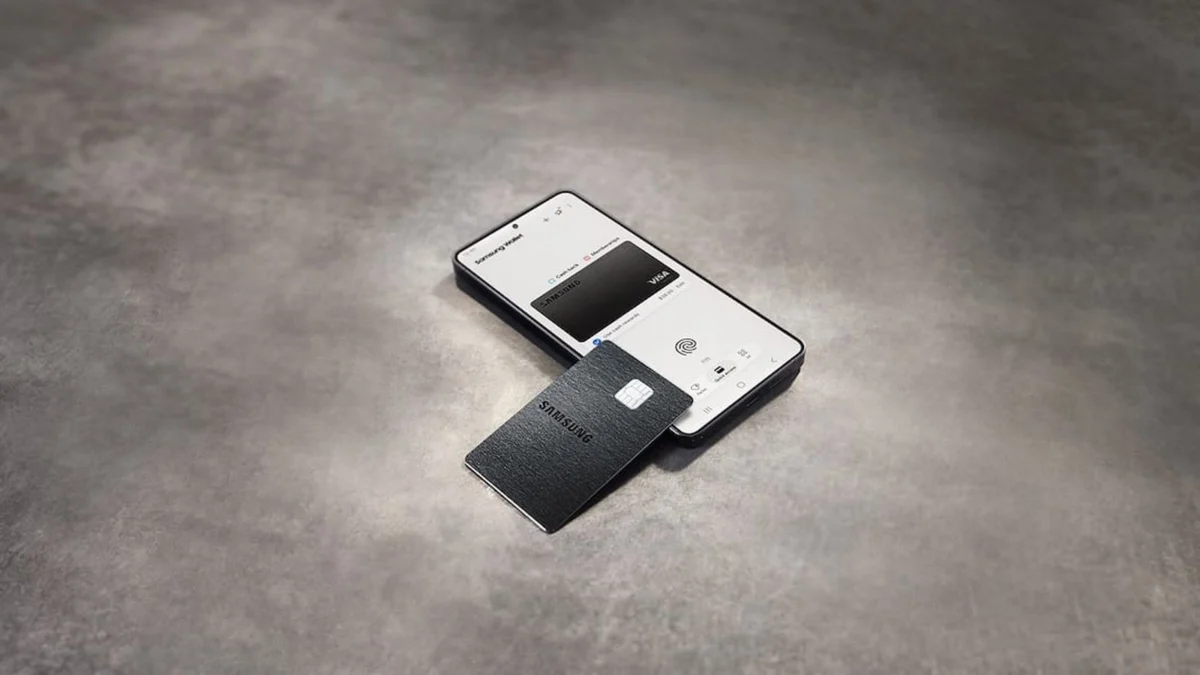
The Samsung Galaxy Card operates as a standard Visa credit card, but its value proposition is heavily weighted toward users who are already invested in the Samsung ecosystem. Unlike traditional bank-issued cards, the Galaxy Card is "digital wallet-native," meaning it functions without the need for a separate, clunky banking application.
Key Financial Features:
- Rewards Structure: The card offers a competitive tier of cash rewards. Users earn 5% cash back on all direct purchases from Samsung (both in-store and online). Purchases made via Samsung Wallet earn 3% cash back, while streaming services—including major players like Netflix, Disney+, and Spotify—net 2% rewards. All other purchases earn a flat 1% rate.
- Financing: Much like its rival, the Apple Card, the Galaxy Card offers special financing options for those purchasing Samsung Galaxy devices, lowering the barrier to entry for high-end flagship products.
- Welcome Bonus: New cardholders can claim a $200 cash reward after meeting a spending threshold of $2,000 within the first 90 days of account opening.
- Additional Perks: Cardmembers are granted a 20% discount on the "Samsung VIP Advantage" membership, a loyalty tier that provides extended support and exclusive early access to hardware launches.
- No Annual Fee: Mirroring the consumer-friendly structure of its main competitor, Samsung has opted for a zero-annual-fee model.
The physical card itself is constructed from black metal, providing a premium tactile feel that serves as the "inverse" to the white titanium aesthetic of the Apple Card.
Chronology: The Road to the Galaxy Card
The path to today’s announcement has been paved with years of internal development and strategic shifting in the fintech landscape.
- 2023–2024: Samsung gradually expands the functionality of Samsung Wallet, integrating digital IDs, boarding passes, and car keys to mirror the utility of Apple Wallet.
- Early 2026: Reports emerge that Barclays and Samsung are in late-stage negotiations to provide the issuing infrastructure for a branded credit card.
- June 2026: Apple accelerates its own transition regarding its credit card program, as Goldman Sachs begins its multi-year exit from the partnership, clearing the path for JPMorgan Chase to take over.
- July 8, 2026: Samsung announces the July 22 Unpacked event, where the company is expected to debut its next-generation foldable smartphones, including a device rumored to compete directly with Apple’s "iPhone Ultra" foldable.
- July 20, 2026: The official announcement of the Samsung Galaxy Card marks the culmination of this two-year roadmap, positioning the card as a core component of the upcoming hardware refresh.
Supporting Data: Samsung vs. Apple
For the consumer, the choice between the Samsung Galaxy Card and the Apple Card often comes down to brand loyalty and hardware preference. However, the data suggests Samsung is aiming to outperform Apple on sheer reward volume.
| Feature | Samsung Galaxy Card | Apple Card |
|---|---|---|
| Issuer | Barclays | Goldman Sachs (Transitioning to JPMC) |
| Samsung/Apple Purchases | 5% Cash Back | 3% Cash Back |
| Wallet Usage | 3% Cash Back | 2% Cash Back |
| Standard Purchases | 1% Cash Back | 1% Cash Back |
| Physical Build | Black Metal | White Titanium |
By offering a 5% return on Samsung hardware compared to Apple’s 3%, Samsung is aggressively incentivizing users to stick with the Galaxy brand for their smartphone, tablet, and wearable upgrades. This is a crucial strategy as Samsung attempts to protect its market share against an encroaching foldable iPhone, for which Samsung Display has already begun production.
Official Responses and Strategic Positioning
In a statement provided during the launch, representatives from Barclays highlighted the digital-first nature of the product. "This is our first digital wallet-native credit card," the statement read. "By stripping away the need for a separate, legacy banking app and integrating directly into Samsung Wallet, we are offering a seamless, real-time financial management experience that matches the speed of the user’s mobile device."
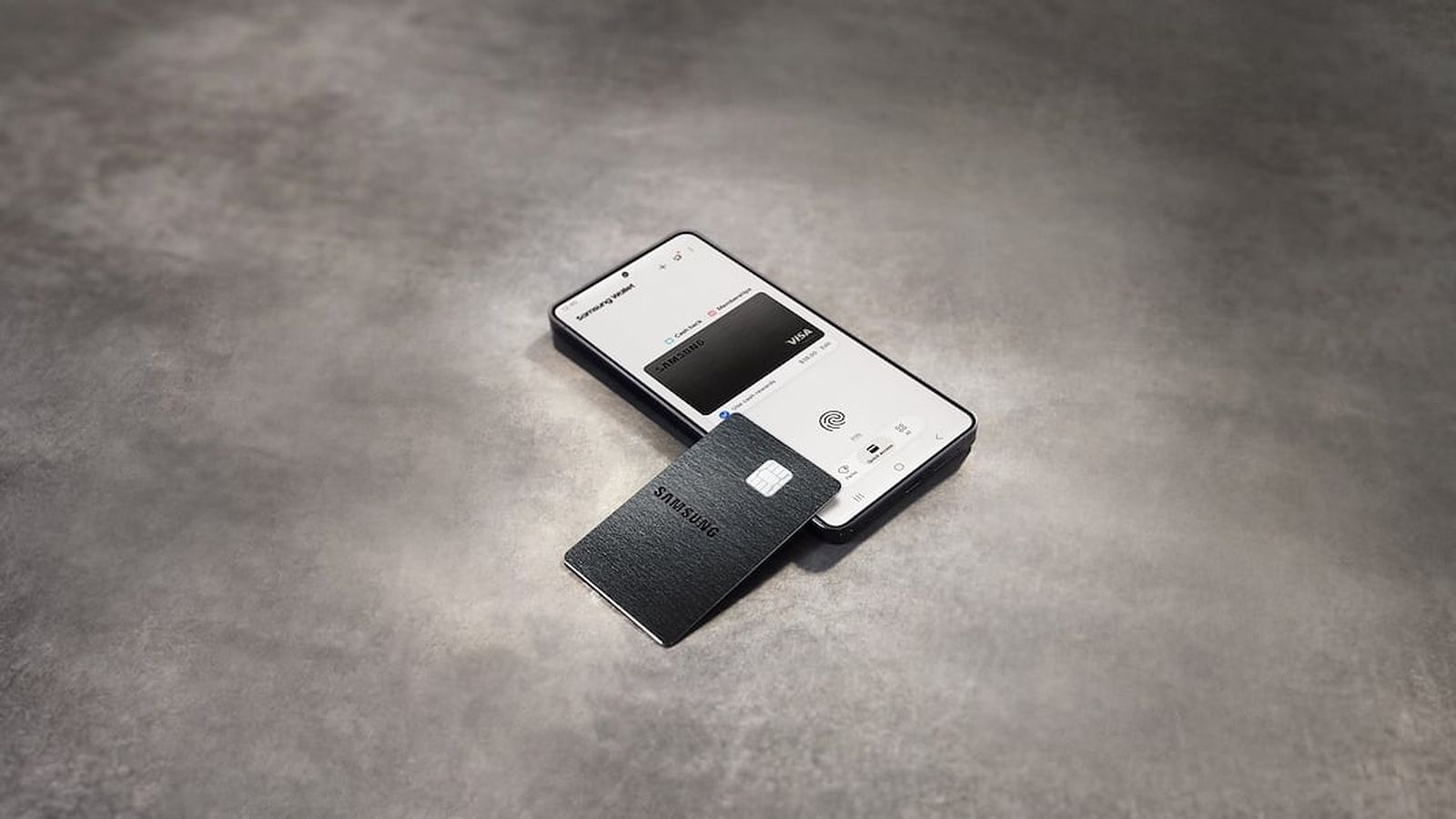
Samsung’s marketing team has emphasized that the card is not merely a tool for credit, but a "gateway to the Galaxy experience." By integrating the card into the same ecosystem that houses digital keys and IDs, Samsung is effectively creating a "walled garden" that is increasingly difficult for users to leave.
Analysts point out that this move is also a hedge against hardware stagnation. As smartphone innovation plateaus, tech giants are increasingly turning to services and fintech to maintain revenue growth and user engagement.
Implications for the Mobile Market
The launch of the Galaxy Card carries significant implications for the broader tech and financial sectors.
1. The War of the Wallets
The "Wallet" apps have become the primary battleground for user retention. By housing credit cards, boarding passes, and keys, Samsung and Apple are competing to be the "operating system" for a user’s physical life. The Galaxy Card makes Samsung Wallet an essential utility rather than just an alternative to Google Wallet.
2. A Shift in Banking Partnerships
The credit card industry is witnessing a massive shake-up. With Goldman Sachs exiting the Apple Card partnership, the industry is closely watching how Barclays and Samsung manage the long-term risk and profitability of their new venture. If the Galaxy Card proves successful, it could trigger a wave of tech companies seeking deeper, native integrations with traditional financial institutions.
3. The Foldable Future
The backdrop of this launch—the upcoming Galaxy Unpacked event—cannot be ignored. With rumors that Apple is preparing a foldable iPhone, Samsung is utilizing the Galaxy Card to fortify its customer base. By offering 5% cash back on direct purchases, Samsung is effectively providing a "loyalty discount" that will make their high-end foldable devices more affordable for loyalists, potentially blunting the impact of an eventual Apple foldable launch.
4. Consumer Data and Personalization
While Samsung has emphasized privacy and security, the integration of financial data into a hardware-centric wallet app provides the company with unprecedented insight into consumer spending habits. This data can be leveraged to refine future hardware releases, target advertising, and personalize the user experience in ways that were previously impossible for a hardware-first company.
Conclusion
The launch of the Samsung Galaxy Card is a calculated maneuver in a high-stakes chess game against Apple. By blending competitive cash-back incentives with seamless digital integration, Samsung is not just selling a credit card—it is selling a deeper dependency on the Galaxy ecosystem.
As we look toward the Unpacked event on July 22, the Galaxy Card will likely serve as the financial backbone for the next generation of Samsung devices. Whether this will be enough to stem the tide of Apple’s expansion into the foldable market remains to be seen, but one thing is clear: the battlefield for the next era of personal technology is no longer just the screen; it is the wallet.