










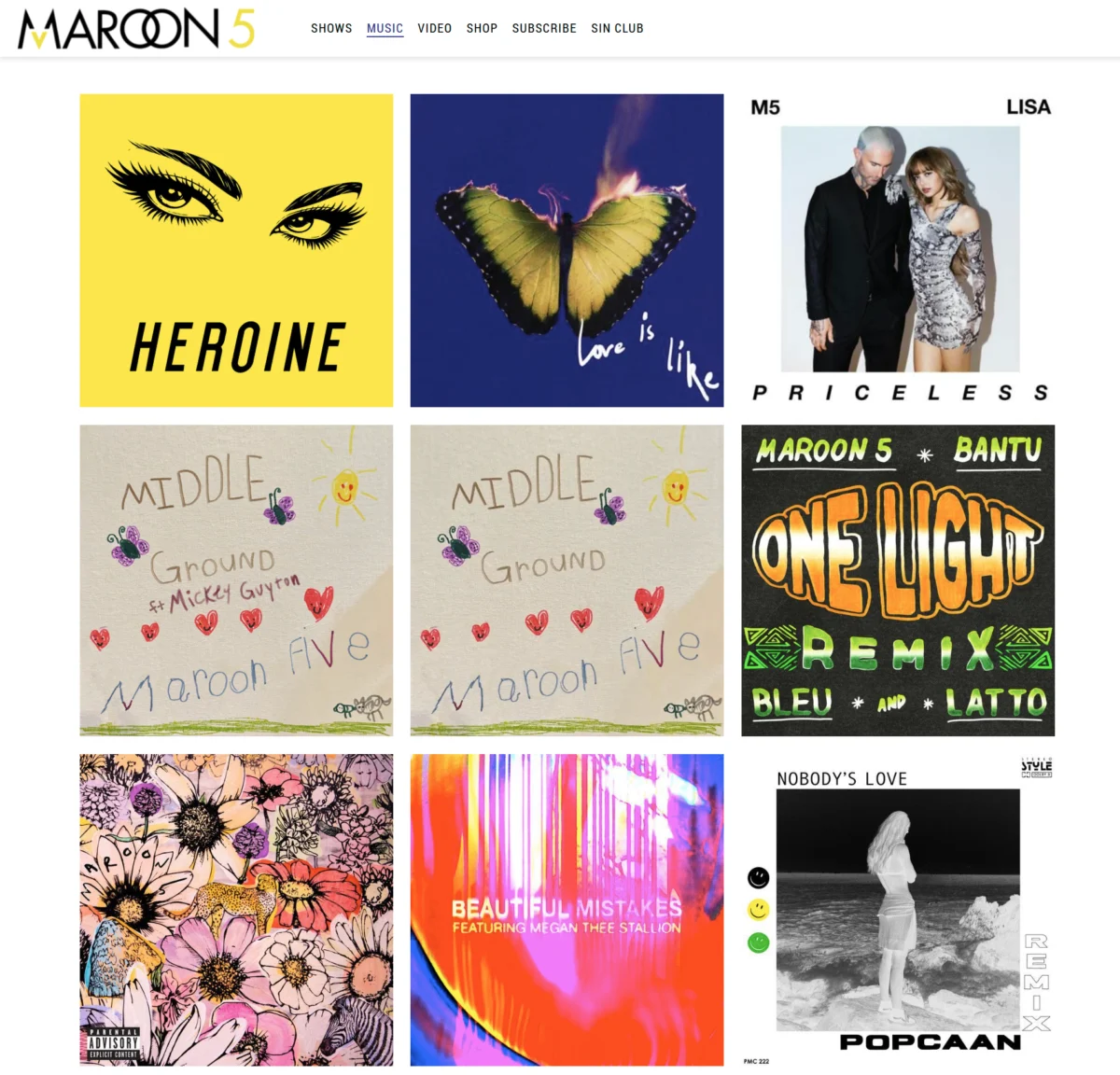
Imagine crafting a melody so infectious that it becomes the soundtrack to thousands of lives. It’s the dream of every artist: a song that goes viral on TikTok, a dance trend that sweeps across Instagram, or a chorus that stays stuck in the collective consciousness. But in the digital age, a hauntingly common nightmare has emerged. Listeners remember the sound, the trend, and the mood, but they have no idea who created it. They are "passive consumers," drifting away from the artist the moment the algorithm pushes the next video.
As a musician, you don’t just want your music to be heard; you want your name to be remembered. You want your listeners to evolve from casual scrollers into lifelong fans who buy your tickets, stream your back catalog, and support your career. This transition from "momentary sensation" to "established artist" relies on one fundamental, often overlooked pillar: Search Engine Optimization (SEO).
The Main Facts: Why Discovery Matters
For decades, the music industry was gatekept by labels, radio stations, and print magazines. Today, the gatekeepers have been replaced by search engines and recommendation algorithms. While Spotify, Apple Music, and YouTube are essential for streaming, they are not your only point of contact.
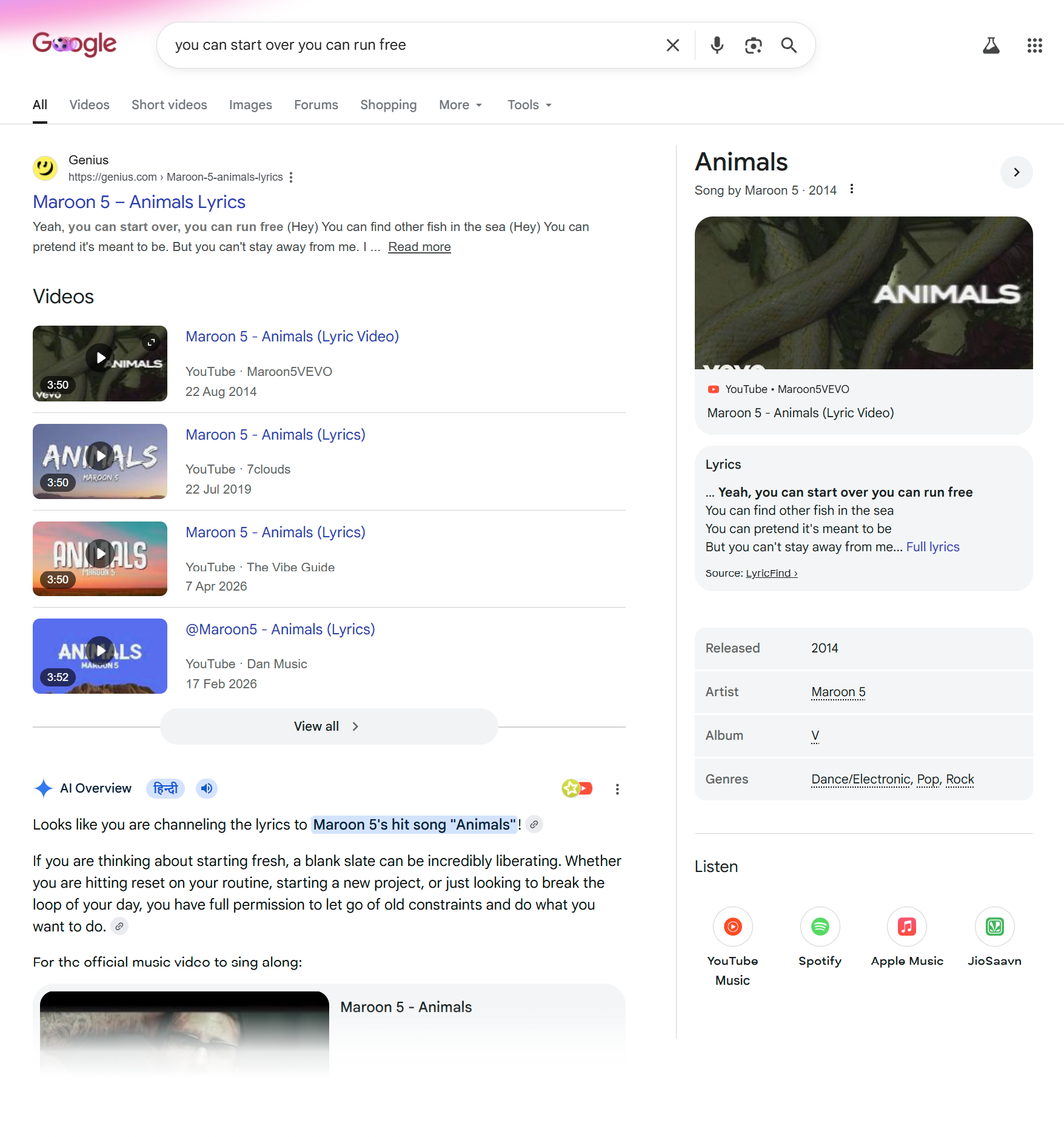
SEO is the art of ensuring that when a potential fan hears a snippet of your song and types your name into Google—or asks an AI tool like ChatGPT for "artists similar to [Your Sound]"—they find you. Without a robust search strategy, you are leaving your discoverability to chance. SEO bridges the gap between a fleeting digital encounter and a permanent, searchable online footprint.
Chronology of the Modern Music Search
The journey of a listener has fundamentally shifted. It no longer begins and ends on a single app.
- The Discovery Phase: A listener hears a track on a social media platform.
- The Curiosity Gap: The listener, intrigued, turns to a search engine to identify the artist, find the lyrics, or check for tour dates.
- The Verification/Deep Dive: The listener searches for the artist’s official website to confirm their identity and learn more about their story.
- The Conversion: The listener subscribes to a newsletter, buys a concert ticket, or purchases merchandise.
If your online presence is fragmented or non-existent, the chain breaks at step two. If a listener cannot find your official website, they may end up on a third-party aggregator site, or worse, lose interest entirely. By prioritizing your own digital real estate, you control the narrative and the path the fan takes.
Supporting Data: The Noise of the Modern Industry
The stakes have never been higher. A staggering statistic, highlighted by brand consultant Ava Rose Lynch, notes that over 100,000 songs are uploaded to Spotify every single day. This saturation can feel paralyzing, but it is actually a call to action.
- Oversaturation is not an obstacle to quality: It is a signal that artists must diversify their discovery channels.
- Search longevity vs. Social decay: A social media post has a shelf life measured in hours or days. A well-optimized blog post, tour page, or lyrics page can continue to draw traffic for years.
- AI Integration: As AI-powered search (like Google’s AI Overviews) becomes the norm, the quality and structure of the information on your website become the "training data" for your digital reputation. If you don’t define your brand on your own site, the AI will build a summary based on whatever scattered, third-party data it finds first.
Official Perspectives: Industry Experts Weigh In
We reached out to various professionals in the music sphere who have integrated SEO into their business models. Their consensus is clear: your website is your creative headquarters.
John Bowman, host of On Air with Johnny B, emphasizes that artists must treat their website as more than just a landing page. "Don’t rely only on social media," Bowman advises. "SEO isn’t just about keywords; it’s about helping the right people find the right story at the right time."
Similarly, Anthony Pell, a guitar educator and author, notes the volatility of social platforms. "The popularity of Instagram or YouTube can shift, but your website is something you own." This sentiment is echoed by producers like Chetan Shekar and educators like Ben Stringer, who use Yoast SEO to handle the technical complexities, allowing them to focus on their craft rather than web development.
Implications for Your Career: Strategy and Execution
1. Own Your Digital Home
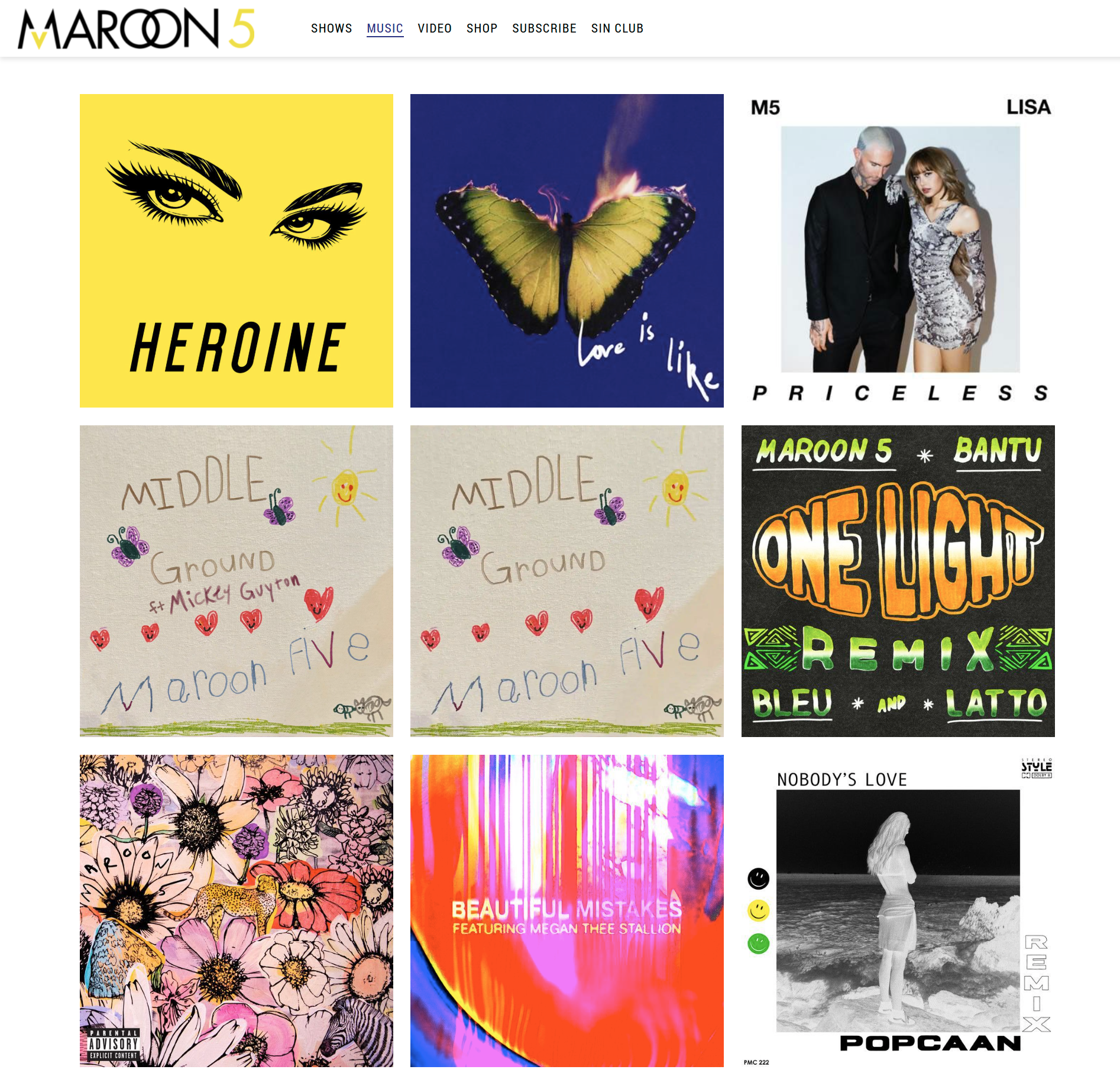
Your website must be a centralized hub. It should host your biography, discography, tour schedule, and—most importantly—a direct link to your store or mailing list. If you are using platforms like Bluehost’s AI website builder, you can establish this presence in minutes without needing a background in coding.
2. Treat Every Release as a Chapter
Do not simply upload a song to a streaming service and move on. Create a dedicated page on your website for every single, EP, or album. Include the lyrics, the story behind the writing, the recording process, and high-quality imagery. This provides search engines with "context," which is essential for ranking.

3. Leverage Local SEO for Gigs
If your goal is to book weddings, corporate events, or private parties, your website needs to be optimized for local intent. Instead of just "Live Band," use terms like "Live wedding band in [Your City]." This turns your website into a lead-generation tool that works for you even while you sleep.
4. Optimize Your Content
- Video SEO: Search engines cannot "watch" videos. Use descriptive titles, metadata, and embed your videos on your website with written descriptions and transcripts.
- Blogging: Use a blog to share your creative process. A "behind-the-scenes" post about a guitar riff can rank for terms that fans are actively searching for.
- Merchandise Pages: Treat your products as individual assets. Use clear, unique descriptions rather than generic placeholders. If you use WooCommerce, tools like Yoast WooCommerce SEO can ensure your product schema is perfectly formatted for Google Shopping.
Conclusion: Great Music Deserves to be Found
SEO is not about "hacking" the system or chasing ephemeral algorithms. It is about creating a bridge between your art and the people who are looking for it.
As the digital landscape becomes more crowded, your ability to be found is not just a marketing tactic—it is a survival skill. By building a website you own, structuring your content for clarity, and treating your online presence as a long-term asset, you move from being a "hidden gem" to a visible, sustainable artist.
The technology exists to make this accessible to everyone. Whether you are a bedroom producer or a touring act, the principles remain the same: simplify your digital presence, provide clear information, and ensure that when a fan asks, "Who is this?", the answer is always one click away. Your music has the power to reach the world; SEO is simply the map that helps the world find you.



