










For years, the barrier to entry for content creation was split cleanly down the middle: writing was accessible to anyone with a keyboard, but visual design demanded either expensive software suites or artistic talent that many creators simply did not possess. While tools like Canva and Figma democratized layout design, custom illustrations, tailored product photography, and dynamic typography remained out of reach for non-artists.
Enter the modern landscape of generative artificial intelligence. Once regarded as a novelty prone to erratic shapes, mangled anatomy, and bizarre text artifacts, AI image generation has undergone a profound technical maturation. Today’s models are capable of rendering nuanced textures, managing complex multi-object prompts, and generating crisp, readable typography.
To evaluate how far these tools have evolved for everyday social media workflows, a rigorous, multi-model stress test was conducted across nine leading AI image generators. By tasking each model with three distinct content creation challenges—an illustrated sticker sheet, a styled product flat lay, and an embroidered typography graphic—a clear picture has emerged of which tools excel at practical design and which fall short of professional demands.
The Core Problem: Beyond Photography to Synthetic Assets
The traditional workflow for content creators seeking visual assets usually involved stock photography websites, personal snapshots, or simplistic vector graphics. For many, the instinct when considering AI image generators was to compare them against standard smartphone photography: if an object needed to be pictured, capturing it via camera felt inherently more efficient.
However, this mindset overlooks the primary utility of generative AI in creative workflows. The bottleneck is no longer technical execution; it is conceptual asset creation. Creators do not necessarily need a photograph of an ordinary coffee cup on a desk; they need highly stylized, custom-tailored illustrations, precise commercial flats, and artistic assets that do not exist in the physical world.
To test these boundaries, nine generation models—some operating as standalone platforms and others integrated into multi-model hubs like Leonardo.ai—were subjected to three identical, highly specific prompts designed to mimic real-world content creation demands:
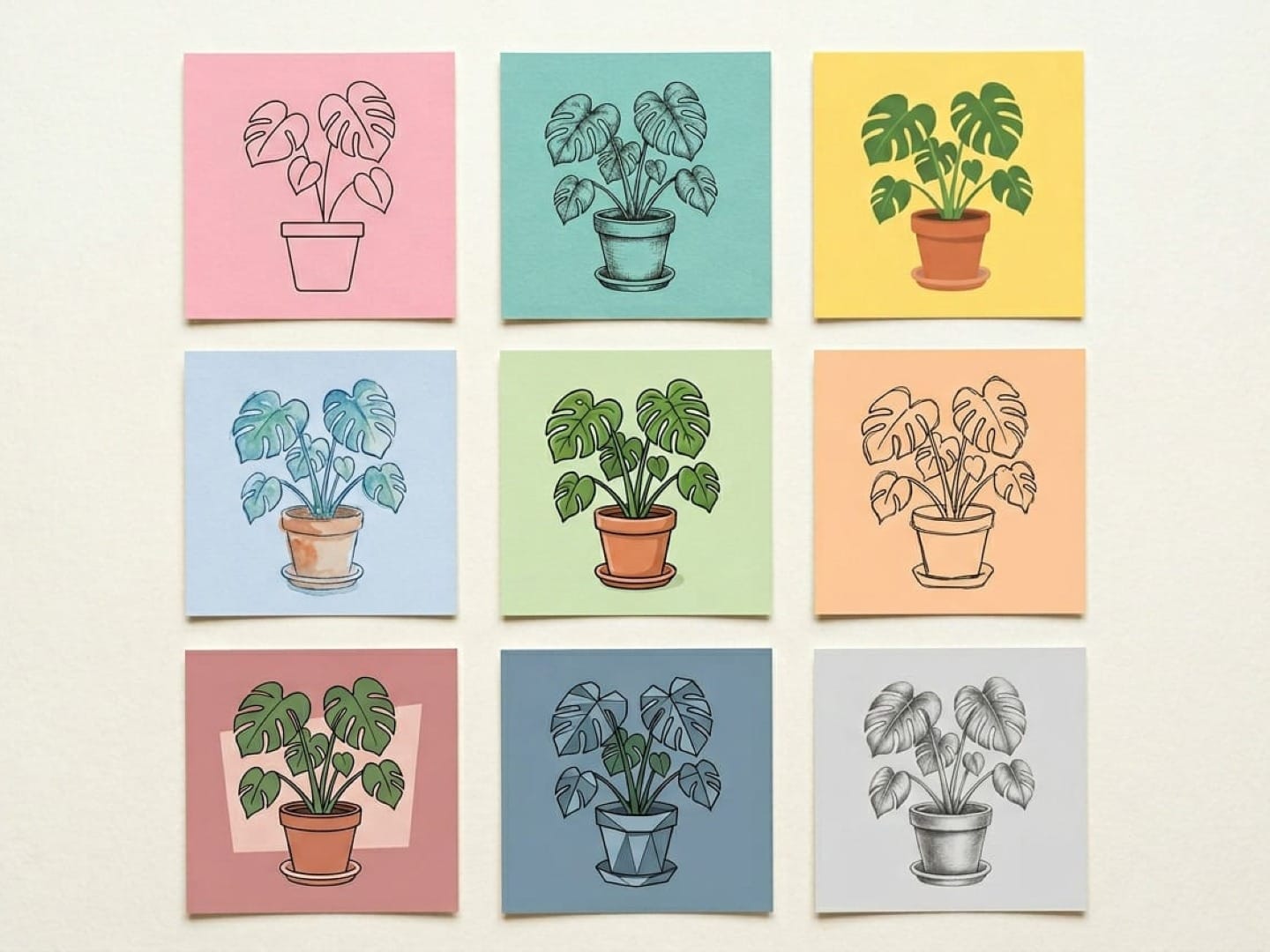
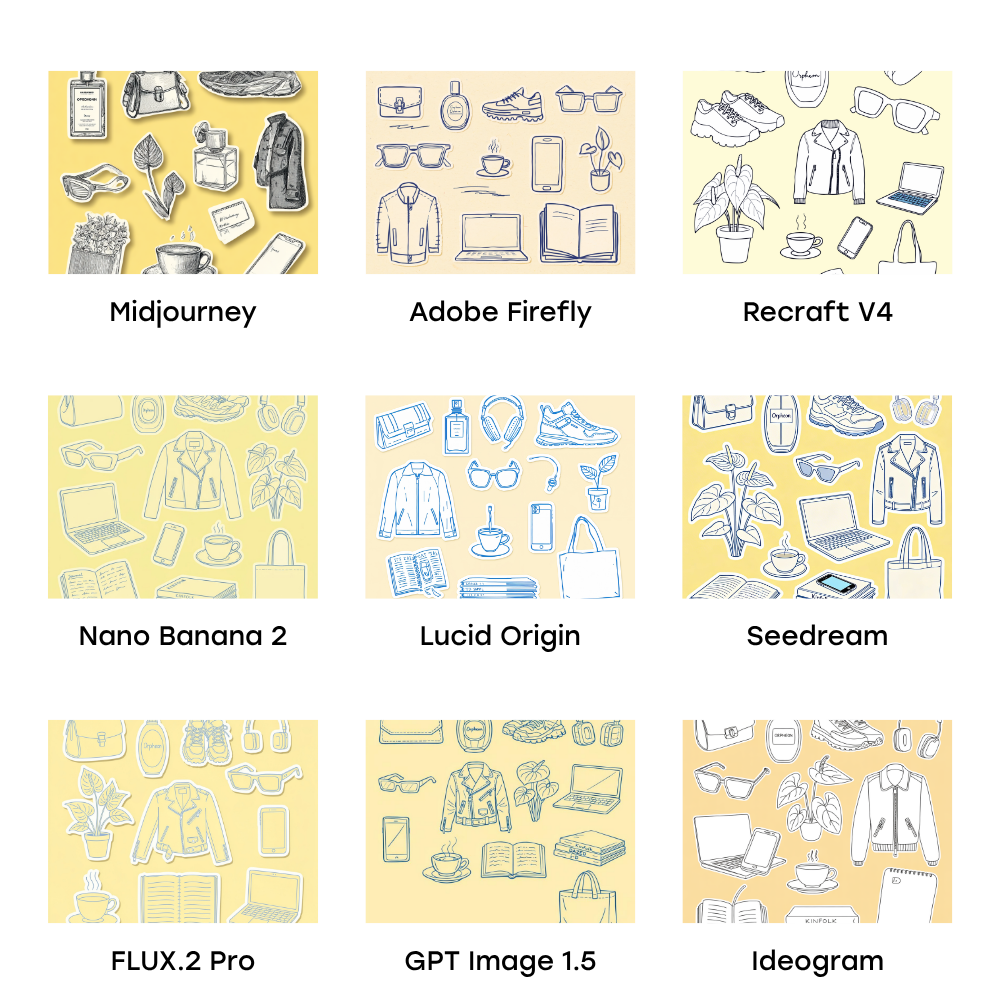
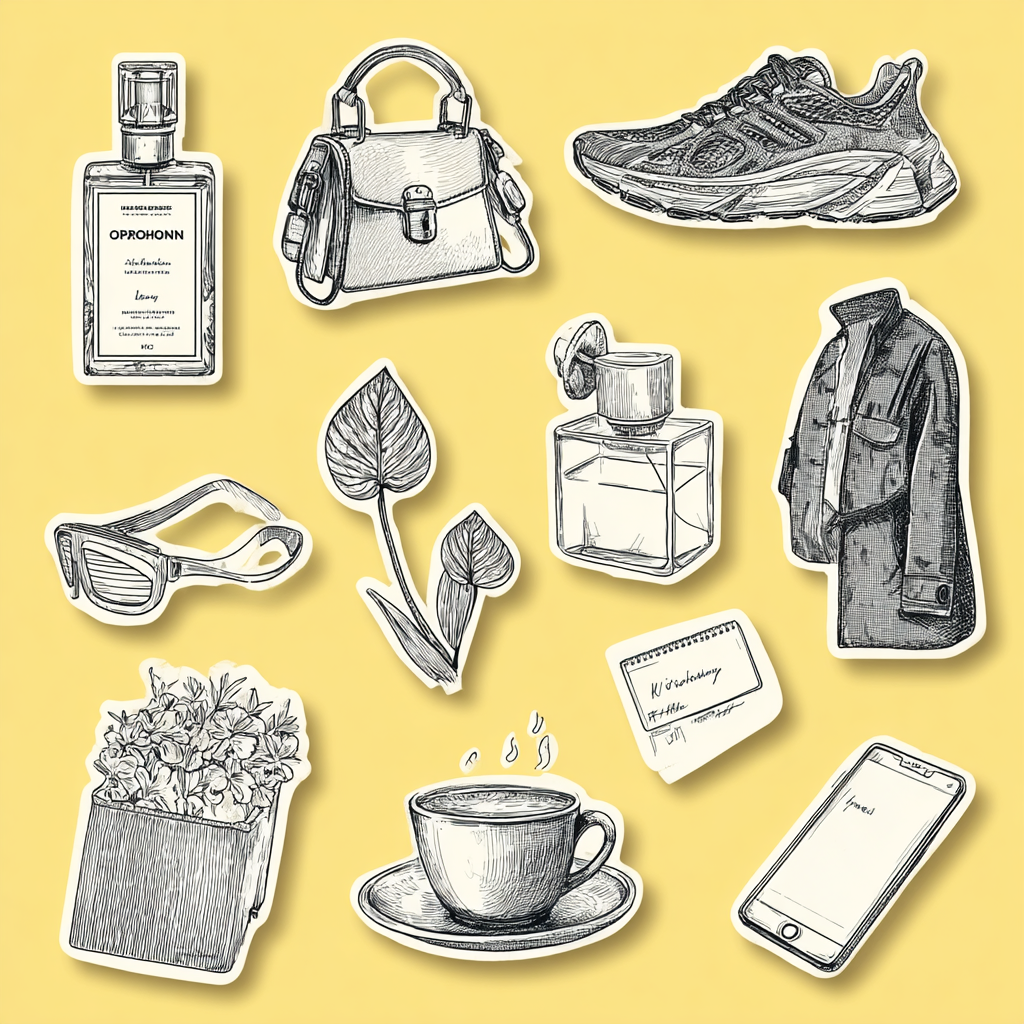
- The Illustration Prompt: A complex, 13-object sticker sheet featuring specific fashion accessories, tech gear, and botanical elements on a uniform background.
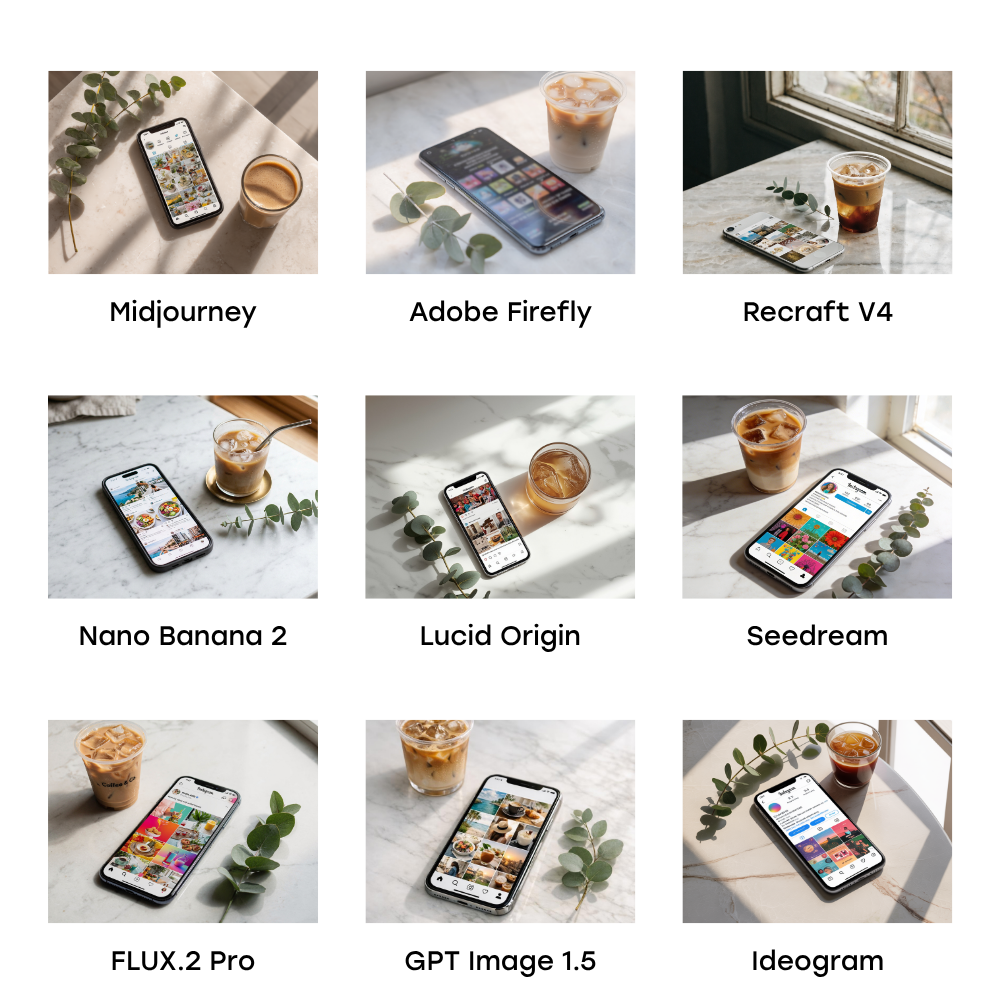
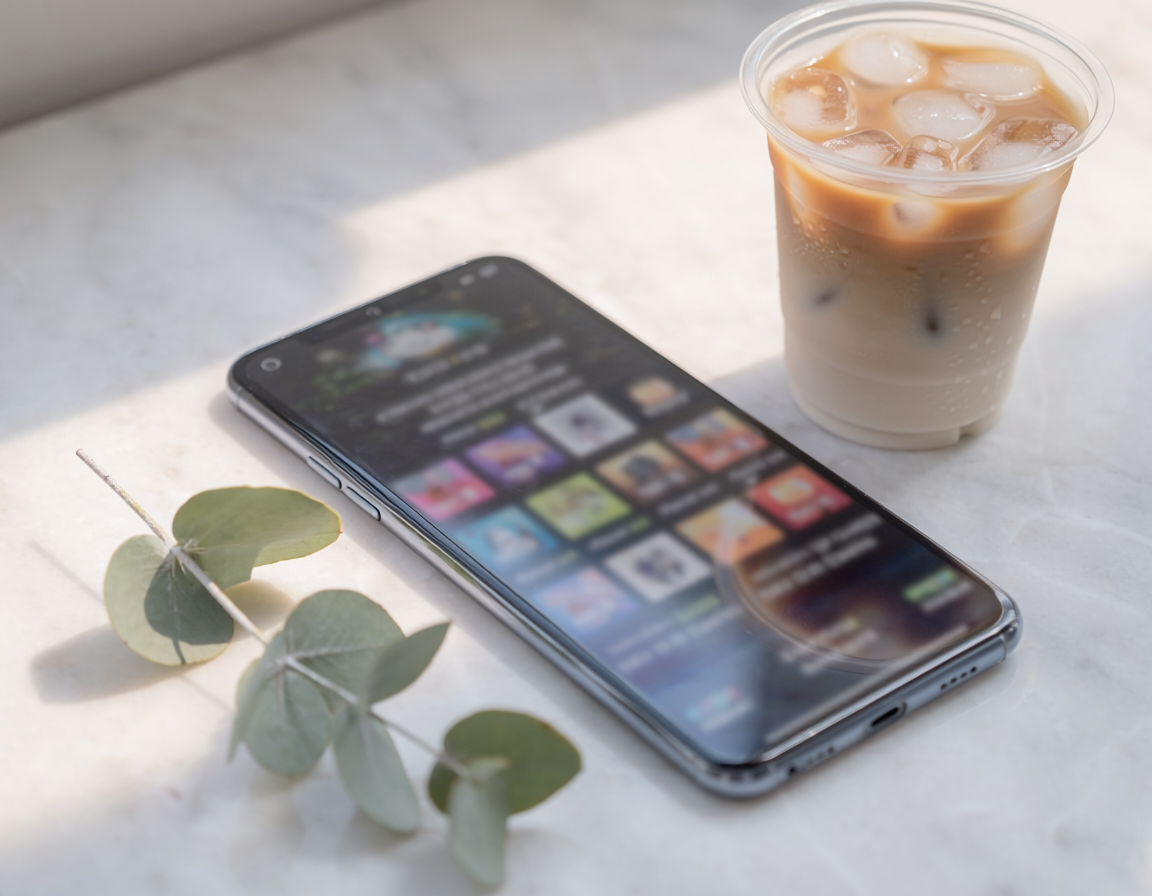
- The Product Shot Prompt: A photorealistic editorial flat lay of a smartphone showing a social media feed, accompanied by an iced coffee and eucalyptus sprigs under natural window light.
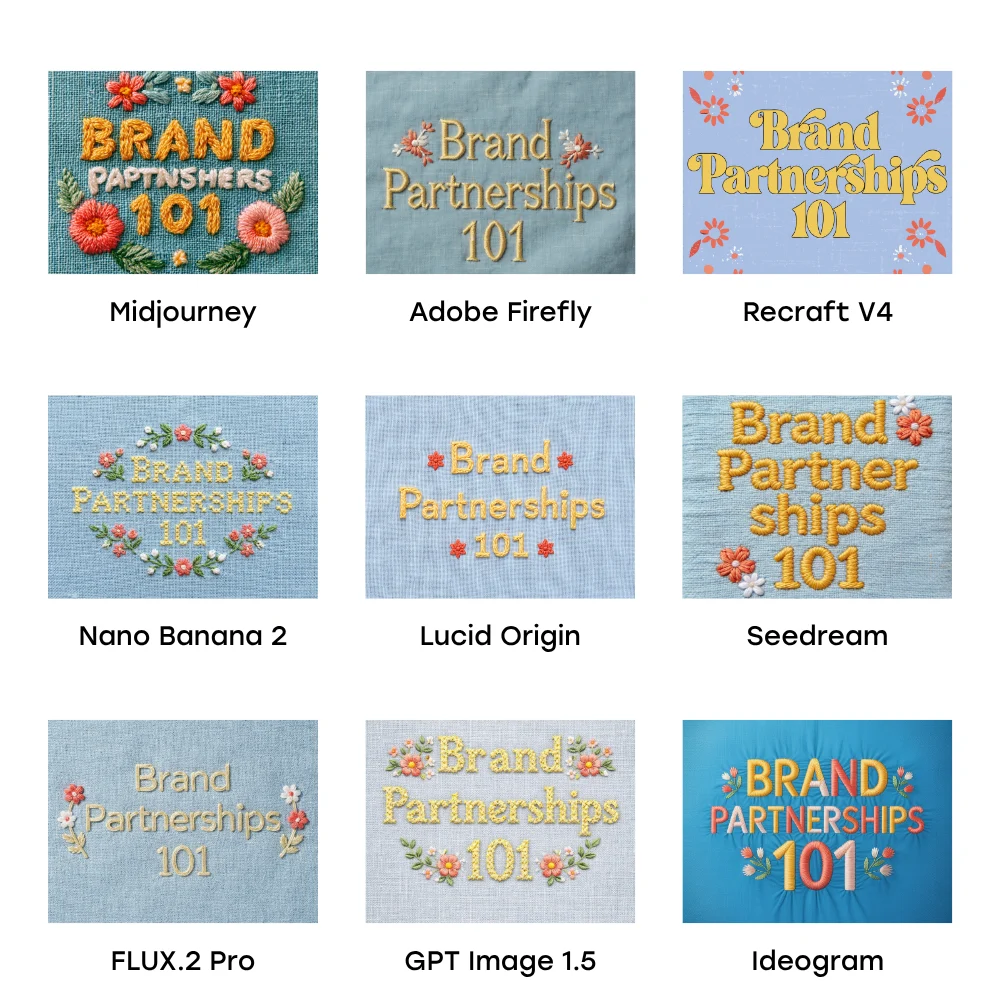
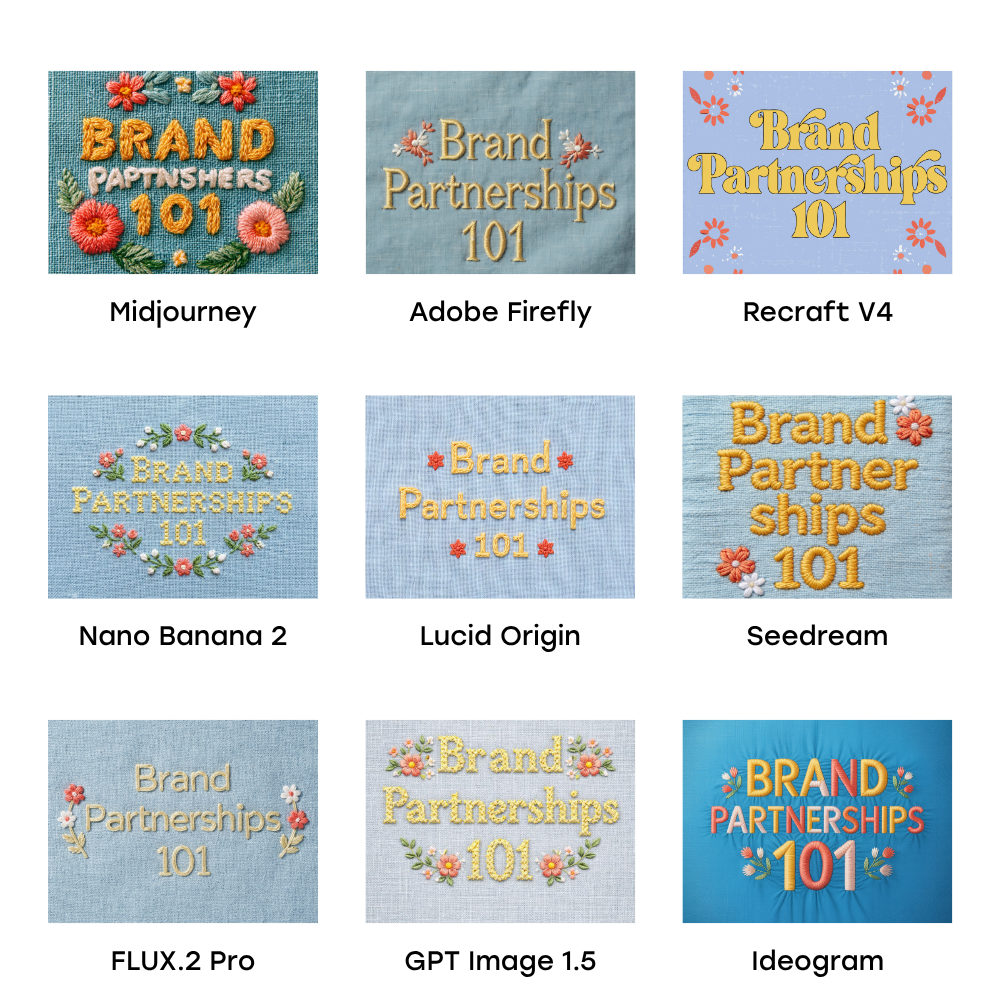
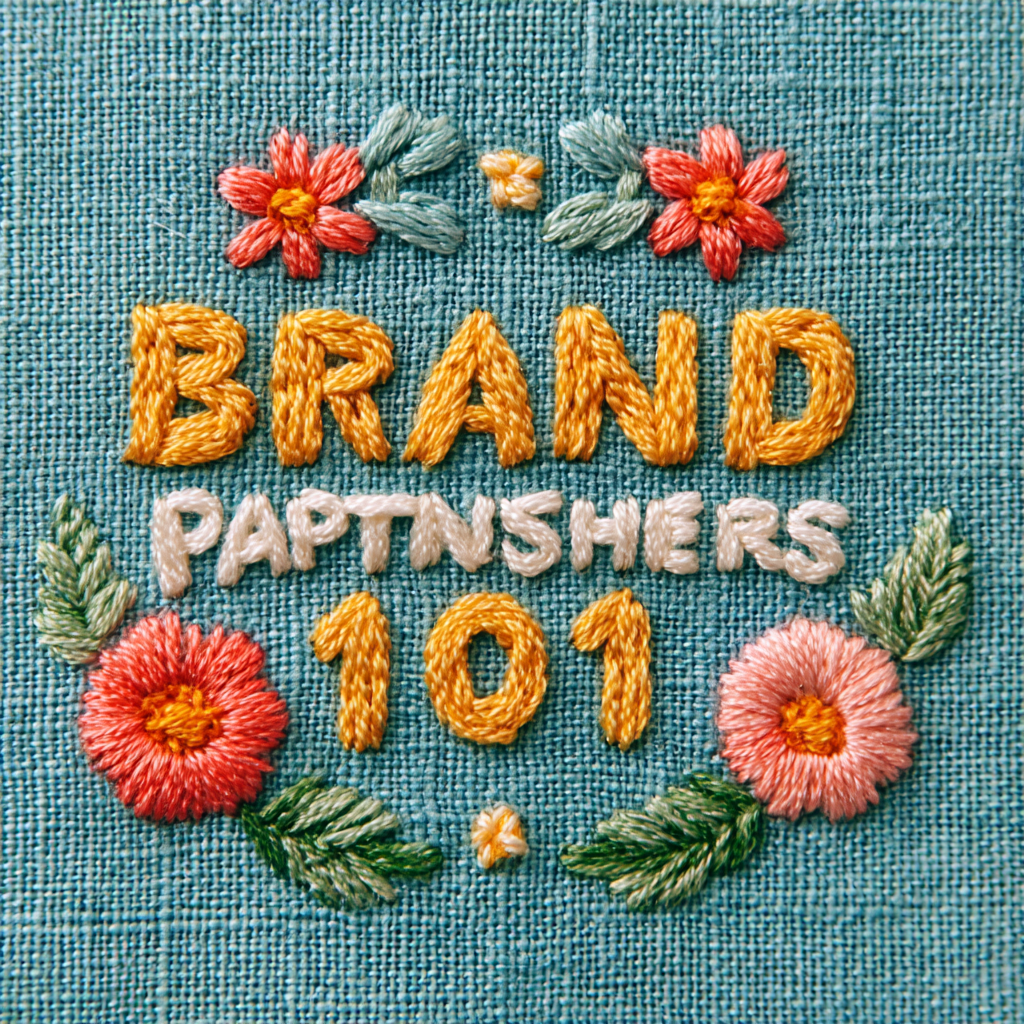
- The Typography Prompt: A textured, cross-stitched embroidery graphic reading "Brand Partnerships 101" on linen fabric, flanked by floral accents.
Anatomy of an AI Prompt: Moving from Vague Desires to Specific Instruction
The most significant takeaway from extensive cross-platform testing is that the limitations of AI generation are rarely software-based; they are prompt-based. Crafting effective outputs requires a fundamental shift in vocabulary and structure. Research across creator communities and professional illustration guides reveals a consistent framework for maximizing model accuracy.

1. Subject First, Style Second
Language processing models prioritize the initial words of a prompt. Instructing a generator to render "editorial lifestyle photography, warm natural light, a ceramic mug on a wooden desk" yields vastly inferior focus compared to leading with the subject: "A ceramic mug on a wooden desk next to an open laptop, editorial lifestyle photography, warm natural light." Reversing the order often causes the model to obsess over the style while rendering the subject vaguely.

2. Leverage Photographic and Technical Language
Vague descriptors like "high quality" or "beautiful" fail to influence modern neural networks. Conversely, camera language—such as "shallow depth of field," "shot from a slight angle," "soft golden hour lighting," and "35mm film photography"—reliably shapes spatial depth, lighting, and composition.

3. Precision in Medium and Color
When generating illustrations or textural graphics, abstract terms like "drawn" or "colorful" result in generic, default outputs. Anchoring the style with precise medium descriptors—such as "ink hatching, gouache blocks, flat vector shapes, stipple shading, gestural linework"—forces the model away from photorealism and toward the intended artistic medium. Similarly, plain color descriptions ("butter yellow," "light blue") consistently outperform hexadecimal codes in most models, except within specialized design tools like Recraft.

4. The Power of Negative Prompting
Excluding unwanted elements is an underutilized strategy. Prefacing exclusions—such as adding "no watermarks, no text"—at the very beginning of a negative prompt structure cleans up outputs noticeably, provided the foundational prompt is already robust.

Comparative Analysis: The Nine Best AI Image Generators
The evaluation encompassed nine distinct models, tested through specialized testing hubs and proprietary interfaces.

| AI Generator | Best For | Key Strength |
|---|---|---|
| Nano Banana 2 | Overall accuracy | Most consistent rendering of real-world objects and styles. |
| Seedream | Typography & CapCut | Flawless text spelling and placement within images. |
| Recraft V4 Pro | Designers | Superior control over visual style and reference images. |
| Midjourney | Artistic visuals | High visual richness and mood-driven outputs. |
| Adobe Firefly 5 | Adobe users | Seamless integration with Photoshop and Illustrator. |
| FLUX.2 Pro | Creative liberty | Unique point of view and excellent shadow handling. |
| Ideogram 3.0 | Text precision | Reliable spelling for text-heavy graphics. |
| GPT Image 1.5 | ChatGPT users | Convenience for those already in the OpenAI ecosystem. |
| Lucid Origin | Dimensionality | Distinctive 3D quality and quick generation. |
Nano Banana 2 (Google)
As a powerful model within Google’s expanding generative ecosystem, Nano Banana 2 proved to be the standout performer for object-specific accuracy. When tasked with rendering specific real-world items—such as a Diptyque Orphéon perfume bottle or brand-specific sneakers—the model demonstrated genuine semantic understanding of what those items look like. It claimed top honors for the illustration test, maintaining correct proportions, clean lines, and remarkably legible spine text on rendered magazines.

Seedream (ByteDance)
Integrated into platforms like CapCut Pro, ByteDance’s Seedream model established itself as a premier choice for text-inclusive workflows. Seedream achieved flawless spelling and placement across multiple test parameters. While its photorealistic product shot featured a somewhat artificial smartphone rendering, its handling of the sticker sheet and embroidery typography showcased unmatched structural reliability.

Recraft V4 Pro
Designed specifically with professional creators in mind, Recraft offers extensive libraries of designer reference imagery, robust color palette assignments, and a conversational refinement agent. Utilizing its Vector Pro and V4 Pro models, Recraft delivered strong aesthetic visions, though minor geometric anomalies (such as tables merging into walls) occasionally appeared in complex photorealistic environments.
Midjourney
Long celebrated as the premier choice for artistic, mood-driven generation, Midjourney continues to produce visually stunning results with rich atmospheric depth. However, its primary weakness lies in extreme prompt adherence. When tasked with rendering 13 distinct objects simultaneously on a sticker sheet, Midjourney struggled to catalog every requested item, though individual elements maintained high aesthetic quality. Its typography handling remains partially flawed, occasionally scrambling complex multisyllabic words.
Adobe Firefly 5
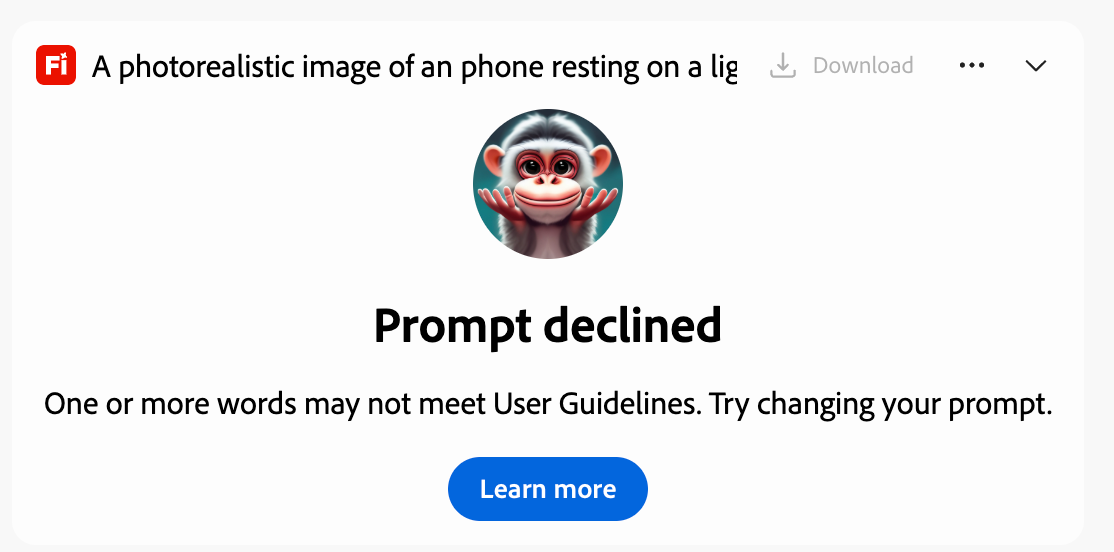
Tailored explicitly for professionals operating within the Adobe Creative Cloud ecosystem, Firefly 5 prioritizes commercial safety and clean copyright positioning. During testing, Firefly actively blocked trademarked terms like "iPhone" and "Instagram," reflecting Adobe’s rigorous compliance framework. For creators embedded in Photoshop and Illustrator, the direct-to-canvas handoff makes Firefly an exceptionally frictionless utility.

FLUX.2 Pro
Gaining rapid traction for balancing high-end rendering quality with execution speed, FLUX.2 Pro took creative liberties that yielded visually unique outputs. It excelled particularly in shadow management and spatial depth, producing realistic thread textures in the typography test, though the lettering occasionally appeared layered rather than physically integrated into the fabric.
Ideogram 3.0
Marketed as a specialist in text generation, Ideogram 3.0 delivered mixed results. While lighting and shadow generation proved competent, its interpretations of niche illustration requests felt overly generalized, occasionally missing specific botanical markers in favor of default plant assets.

GPT Image 1.5 (OpenAI)
Accessible via OpenAI integrations, GPT Image 1.5 offers maximum convenience for creators already utilizing ChatGPT workflows. While it struggled with expansive, multi-object sticker prompts due to negative space management, it successfully captured cross-stitch textures in typography tests.
Lucid Origin
Lucid Origin offers fast and ultra-generation modes, producing outputs with a distinct, almost three-dimensional dimensional quality. While its prompt adherence occasionally faltered on fine details, its unique aesthetic perspective makes it a strong contender for rapid ideation.
Implications for the Content Creation Industry
The maturation of generative AI image tools carries sweeping implications for digital marketing agencies, solo creators, and brand strategists.

- Democratization of Visual Assets: Small-business owners and independent creators who previously relied on generic stock imagery can now generate bespoke, highly specific graphic assets tailored directly to niche campaign requirements in minutes.
- The Shift in Prompt Engineering: As models grow more sophisticated, the role of the creator is shifting from manual execution to curatorial direction. Success is increasingly defined by an individual’s ability to articulate complex visual parameters, composition, and style.
- Copyright and Legal Ambiguities: Despite commercial licensing options offered by platforms like Adobe Firefly and Leonardo.ai, the broader legal landscape remains unsettled. The U.S. Copyright Office’s stance—that mere prompt entry does not confer legal authorship—means that core brand assets still benefit from human-generated originality to prevent intellectual property vulnerabilities.
Conclusion
AI image generators have evolved from experimental toys into legitimate professional instruments. Models like Google’s Nano Banana 2 and ByteDance’s Seedream demonstrate that technical hurdles regarding object accuracy and text rendering are rapidly falling. Whether a creator prioritizes the artistic mood of Midjourney, the commercial compliance of Adobe Firefly, or the precise design controls of Recraft, generative AI has cemented its place as an indispensable pillar of modern content creation workflows.



