










By Danielle Torrie | Updated July 9, 2026
Demo requests are plummeting. Sales departments are inundating marketing teams with grievances regarding both lead volume and lead quality. In response, marketing pumps additional ad spend into demo campaigns, yet the underlying problem stubbornly persists.
For B2B software companies, this scenario is all too familiar. However, according to industry experts and recent benchmark data, the root cause of low conversion rates rarely lies where organizations spend their time troubleshooting.
Main Facts: The Core Misunderstanding of B2B Software Conversion
Treating a "request a demo" call-to-action (CTA) like a low-friction interaction is one of the most pervasive mistakes modern marketers make. Asking a prospective buyer to book dedicated time with a sales representative requires a vastly different psychological and logistical commitment than downloading an educational guide, registering for a webinar, or browsing a standard product feature page.
According to LinkedIn ads benchmark data from Dreamdata, the average B2B customer journey spans a grueling 211 days and incorporates roughly 88 distinct touchpoints. High-investment enterprise software decisions inherently take time. Despite this reality, countless marketing teams continue aggressively pushing demo request forms onto buyers who have neither conducted sufficient research, built foundational trust, nor concluded that they are genuinely ready to enter a sales conversation.
Furthermore, industry metrics highlight that only 3% to 5% of a total addressable market (TAM) is in an active buying cycle at any given moment. Consequently, when businesses direct cold, low-intent traffic straight to a demo landing page, even an impeccably designed page will inevitably hit a hard performance ceiling.
Chronology: The Evolution of the B2B Buyer’s Journey
Understanding how a prospect arrives at a demo page requires looking closely at the modern buyer’s progression. Over the past decade, the shift toward self-serve research has transformed how software is evaluated.
- Phase 1: Problem Identification (TOFU – Top of Funnel): The buyer realizes they have a operational bottleneck or strategic challenge. They seek educational content, broad market overviews, and conceptual frameworks.
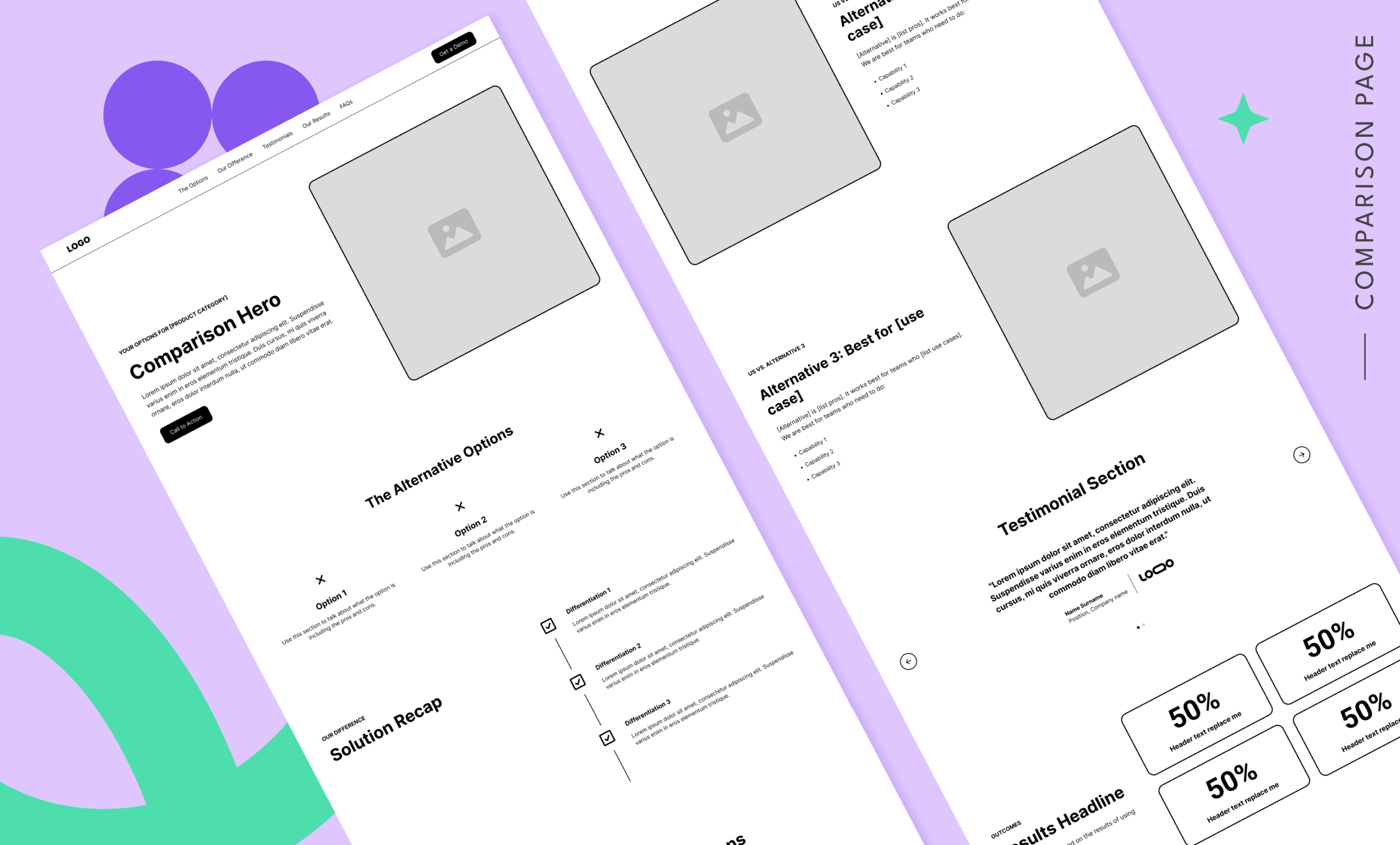
- Phase 2: Solution Exploration (MOFU – Middle of Funnel): The prospect compares different categories of solutions, evaluates industry alternatives, and reads independent reviews. Frameworks like landing page expert Tas Bober’s "core four" emphasize that buyers need structured, sequential touchpoints—such as specialized feature pages and case study hubs—before they ever consider a demo.
- Phase 3: Shortlisting and Validation (BOFU – Bottom of Funnel): The buyer narrows their options down to a select few vendors. They scrutinize pricing grids, customer ROI data, and implementation timelines.
- Phase 4: Sales Engagement: Only when the buyer is thoroughly educated, confident in the solution’s capabilities, and ready to validate pricing do they finally visit the SaaS demo landing page.
Attempting to compress this multi-month, multi-touch evolution into a single ad click and an immediate demo form submission creates massive friction, resulting in high bounce rates and strained alignment between sales and marketing.
Supporting Data: Benchmarks, Traffic Quality, and Form Fields
Data from leading marketing platforms and conversion research illuminates the mechanics of high-performing demo landing pages.
Conversion Rate Benchmarks
Unbounce’s conversion benchmark data reveals that SaaS landing pages convert at a median rate of 3.8%. First-party research from digital optimization specialists actively refining demo page performance indicates a realistic average of roughly 3.1%. This places realistic performance expectations firmly in the low single digits, with a 3% to 4% conversion window serving as a dependable benchmark for optimized pages interacting with qualified traffic.

The Danger of Cold Traffic
Directing cold traffic to a demo page yields predictably poor results. High-intent traffic sources that consistently outperform cold channels include:
- Retargeting website visitors who have already engaged with pricing or case study pages.
- Email subscribers and product-led growth (PLG) free-trial users hitting feature walls.
- High-intent organic search traffic directed at bottom-of-funnel comparative keywords.
- Targeted Account-Based Marketing (ABM) campaigns aimed at matched buying committees.
Conversely, broad cold display ads, untargeted social media broad-match campaigns, and outbound keyword traffic with unclear intent invariably depress conversion metrics.
Form Field Friction
Recent digital conversion data underscores the direct correlation between form length and conversion drop-offs. Conversion rates sit near 17% for forms containing five fields. That figure plunges to 11% when seven fields are introduced, and plummets below 7% for forms utilizing ten or more fields. While sales teams naturally desire deep qualification upfront, organizations must meticulously balance data collection needs against conversion attrition.
Official Responses and Industry Insights
Industry veterans emphasize that structural adjustments must occur across both targeting strategies and on-page design to revitalize failing campaigns.
"Most SaaS teams blame the page when requests are low, but the real problem is often traffic," notes content strategist Danielle Torrie. "Cold, low-intent buyers don’t magically become ready for a demo because you put the CTA in front of them."
Landing page architecture expert Tas Bober advocates for a comprehensive, multi-page ecosystem. Rather than treating a demo page as an isolated island, Bober’s frameworks emphasize integration with navigation menus and anchor links. Google’s updated ad quality prediction models reward landing pages that align directly with search intent and provide seamless access to relevant next steps via proper navigation—effectively penalizing isolated, dead-end pages that frustrate exploratory searchers.
Furthermore, innovative experimentation with call-to-action phrasing continues to reshape industry standards. For instance, when conversion optimization platform FORM transitioned its CTA from "Request a Demo" to "Take a Tour" while embedding an interactive product walkthrough directly onto the landing page, pay-per-click (PPC) conversion rates surged by 33%, and customer acquisition costs in ABM campaigns dropped by nearly 50%.
Implications: Building the Ideal SaaS Demo Landing Page
Organizations looking to overhaul their demo page conversion performance must systematically audit both their traffic acquisition strategies and their on-page structural blocks. A truly effective SaaS demo landing page must incorporate the following foundational elements:
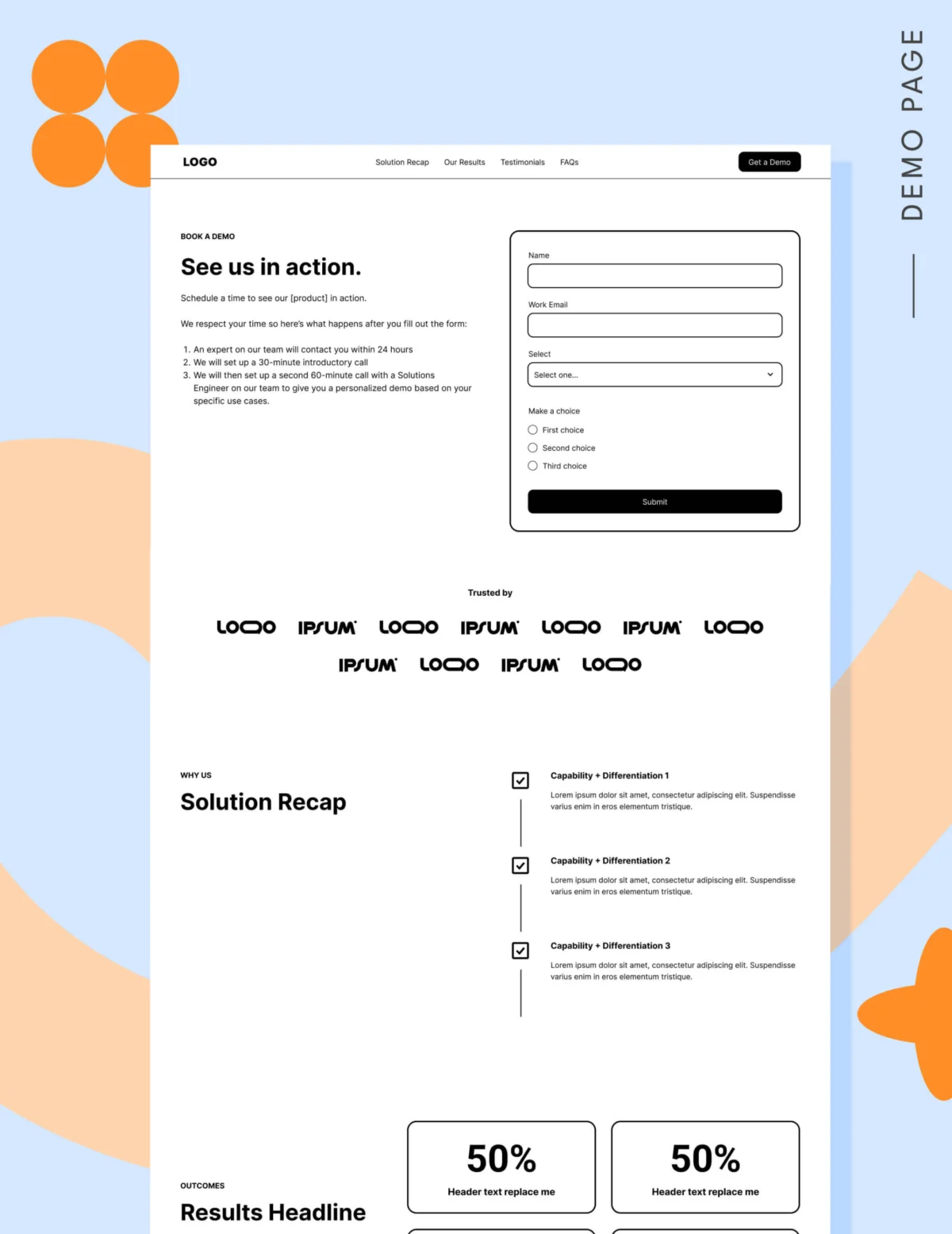
1. Intentional Navigation
Contrary to outdated conversion theories that demand the complete removal of all exit points, modern B2B pages benefit from anchor navigation that allows buyers to easily explore page sections, alongside footer links leading to pricing grids, case studies, and alternative solution pages.
2. A High-Converting Hero Section
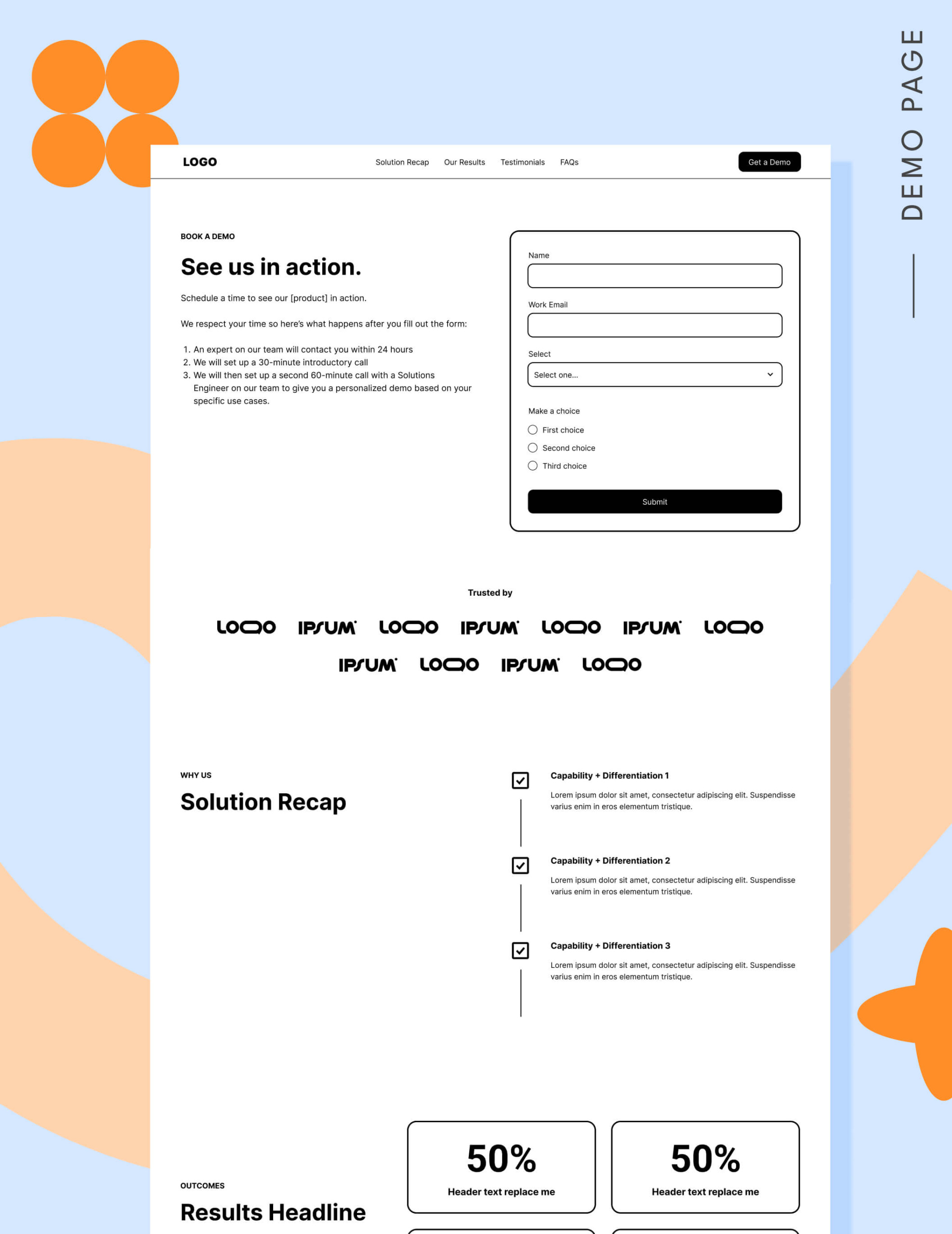
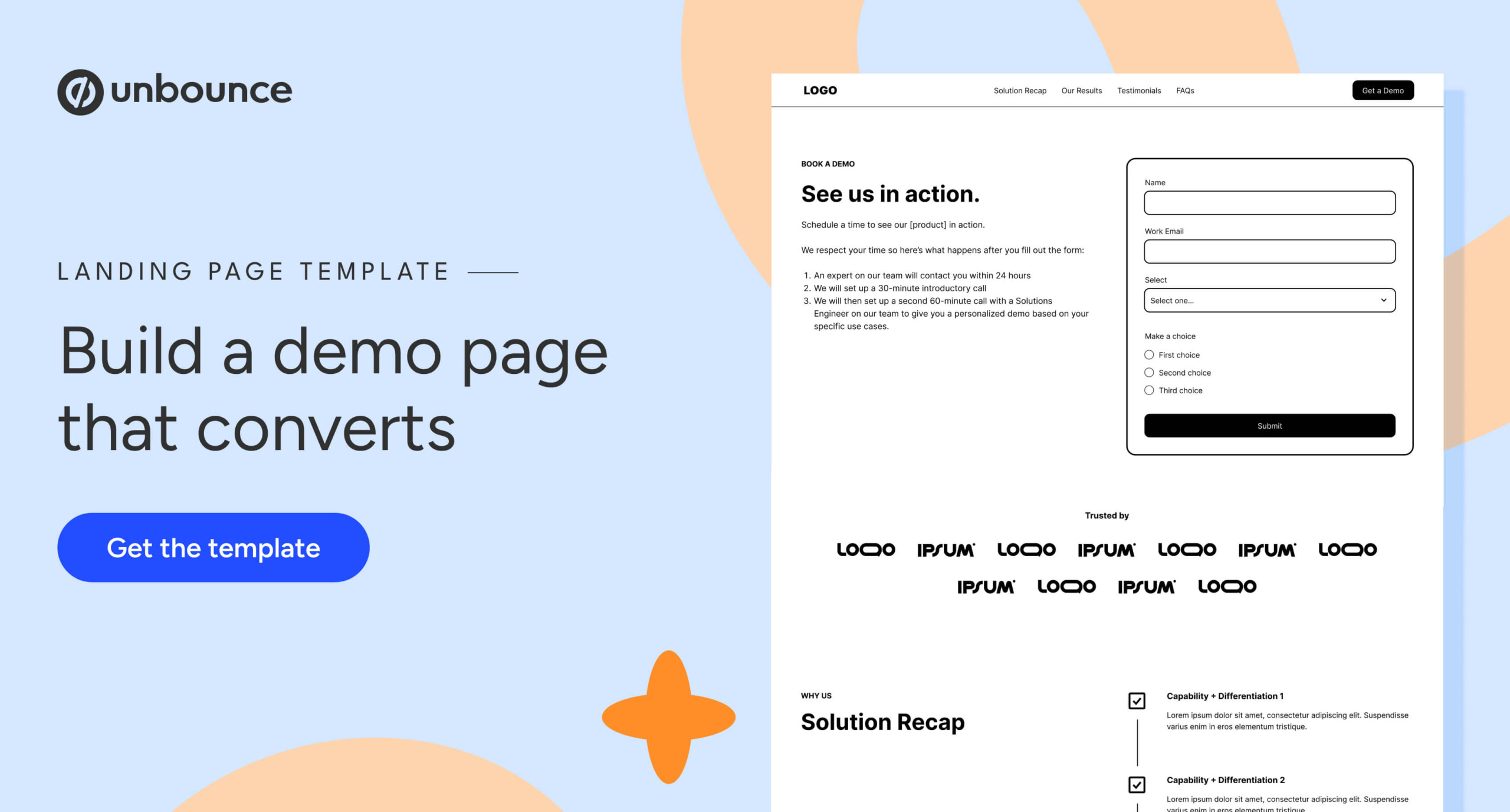
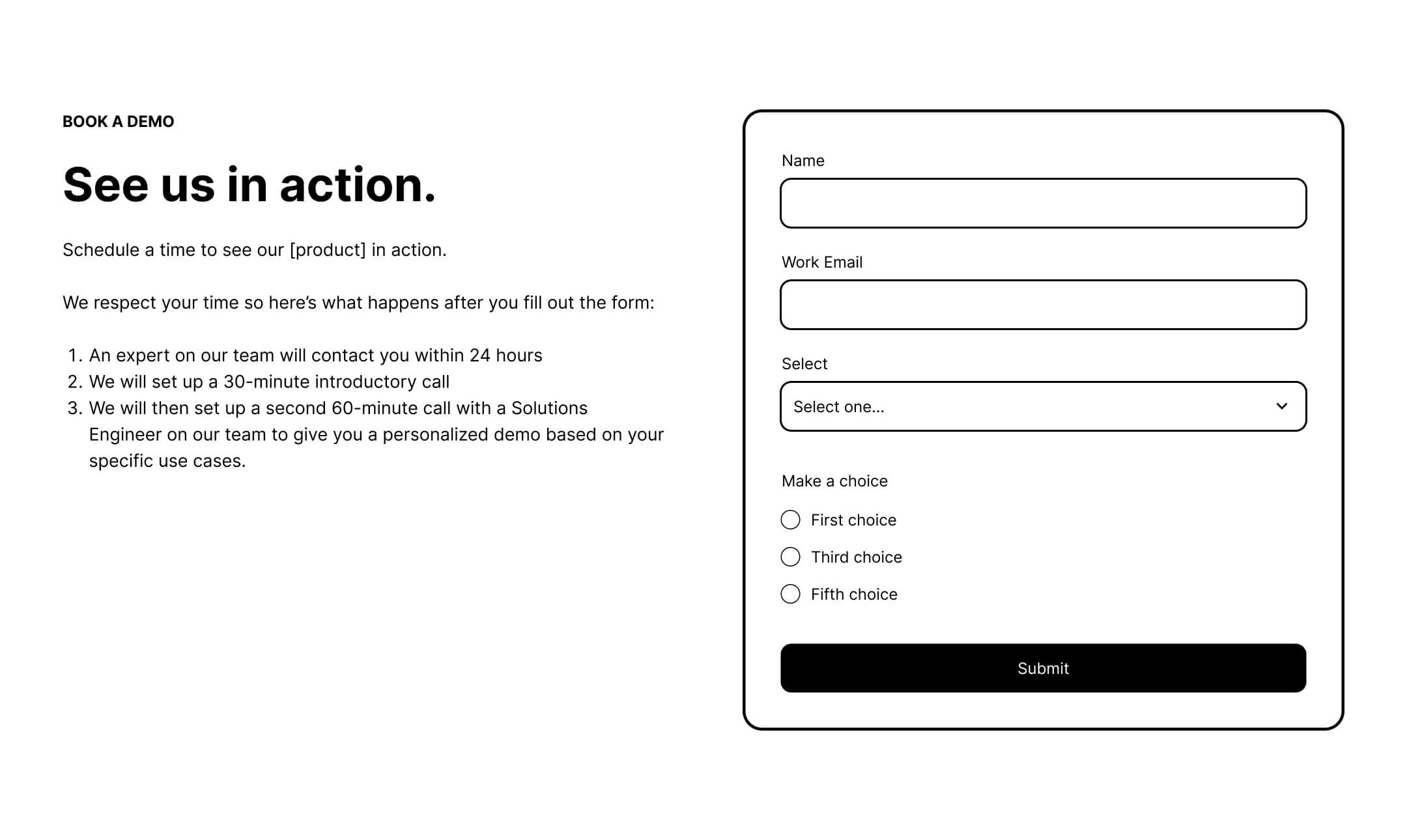
While leading with a form is typically discouraged on top-of-funnel landing pages, it is standard practice on a demo page. The hero copy must immediately clarify what occurs after submission—alleviating the common buyer fear of aggressive, unsolicited sales calls.
3. Comprehensive Social Proof
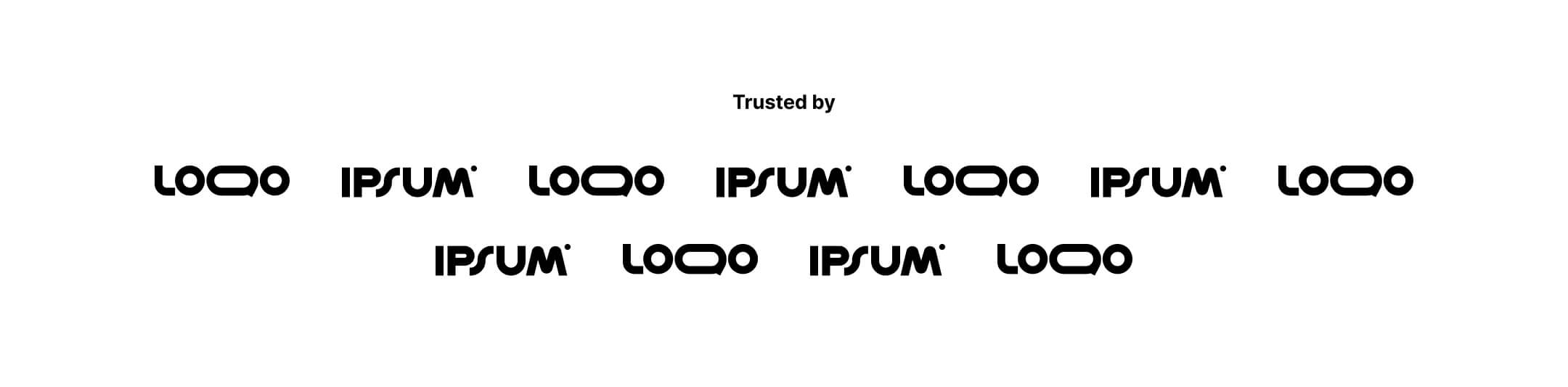
A robust "logo garden" featuring recognizable enterprise customers—or alternatively, high-impact customer testimonials—builds immediate trust. Citing volume and quantifiable results helps assure prospective buyers that similar organizations have successfully deployed the software.
4. Transparent Pricing Strategies
While many sales-led organizations historically concealed pricing details, providing a starting price range (e.g., "Starting at $X/month") or a condensed pricing matrix drastically improves lead quality. Transparency filters out misaligned prospects before they consume valuable sales bandwidth.
5. Clear Post-Submission Roadmaps
Addressing user hesitation directly through detailed FAQs and explicit "what to expect" outlines removes final friction points. Explaining whether a discovery call precedes the full technical walkthrough sets accurate expectations and establishes long-term credibility.
Conclusion
When SaaS demo landing pages underperform, tinkering with button colors, headline variations, or minor form tweaks will rarely solve the underlying pathology. Marketing and sales leadership must first ensure that the incoming traffic is genuinely warm, well-researched, and primed for a commercial conversation.
Once precise targeting is established, structuring the landing page to respect the buyer’s need for proof, clarity, and low-pressure engagement will transform the demo page from a friction-filled roadblock into a high-converting engine for revenue growth.



