








For content creators and small business owners, the allure of TikTok is undeniable. With its massive, highly engaged user base and a discovery engine that can turn a novice into a viral sensation overnight, it remains the premier platform for short-form video. Yet, for all its potential, there is one persistent question that haunts every creator: When should I hit publish?
While "consistency" is the standard advice, the reality is that timing is a nuanced variable that can significantly influence your content’s trajectory. To demystify this, we analyzed data from over 7.1 million videos, carousels, and text posts published via Buffer. The results provide a definitive look at how timing impacts engagement in 2026.
The Anatomy of TikTok Success: Why Timing Matters
There is no "magic hour" that guarantees a viral hit for every account, but our data reveals clear patterns in how users interact with the app. To understand why timing matters, one must first look at the TikTok algorithm.
The algorithm relies on a feedback loop. When you post a video, TikTok serves it to a small test audience. It tracks "signals"—watch time, completion rates, likes, comments, and shares—to gauge the content’s quality. If that initial cohort engages with the post, the algorithm interprets this as a green light to push the content to a broader, more diverse audience on the "For You Page" (FYP).
Posting when your specific target audience is most active increases the likelihood of receiving that critical, early-stage engagement. If your video hits the feed while your followers are actively scrolling, you are far more likely to capture their attention immediately, providing the initial spark that the algorithm needs to distribute your content further.
The Data: When Does Engagement Peak?
Our extensive analysis of 7.1 million posts reveals that, while engagement fluctuates throughout the week, there are distinct "golden windows" where content performs at its peak.
The Sunday-Monday Dominance
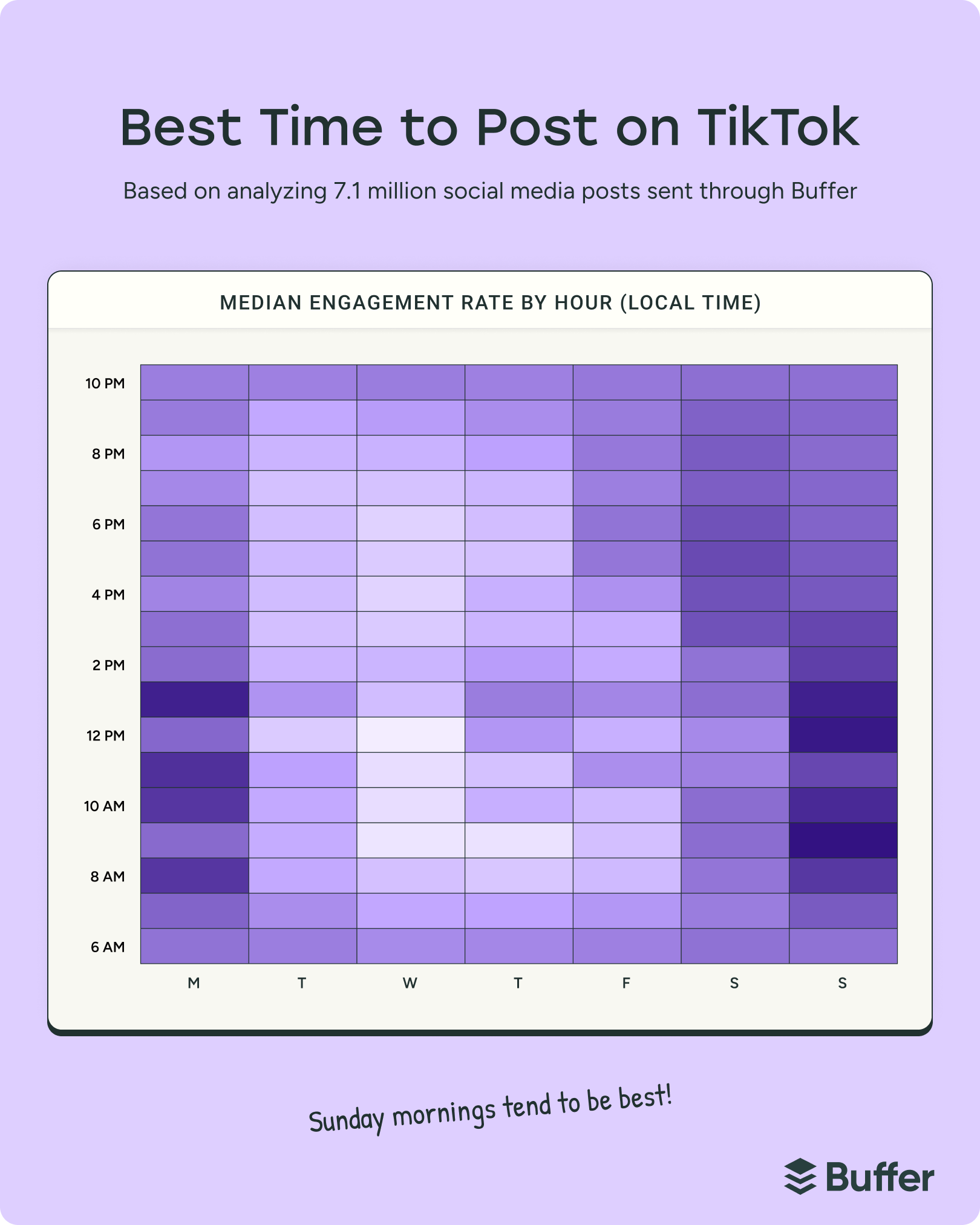
Surprisingly, the best time to post on TikTok is Sunday at 9 a.m., followed closely by Monday at 1 p.m. and Sunday at 1 p.m.
This trend suggests that users are increasingly using Sunday mornings for "low-stakes" scrolling—unwinding after the weekend or preparing for the week ahead—while Monday afternoons provide a distraction during the work or school day.
The Evening Shift
Beyond these specific peaks, there is a broader trend toward evening consumption. Engagement generally ramps up between 6 p.m. and 11 p.m. This aligns with human behavior: short-form video is a medium that demands "sound-on" attention, something users are far more willing to provide while relaxing on the couch in the evening than during the frantic, multitasking hours of the workday.
A Chronological Breakdown of the Week
To help you plan your content calendar, we have mapped out the primary and secondary peak engagement times for every day of the week.
| Day | Primary Peak Time | Secondary Peak Times |
|---|---|---|
| Monday | 1 p.m. | 11 a.m., 8 a.m. |
| Tuesday | 6 a.m. | 10 p.m., 7 a.m. |
| Wednesday | 10 p.m. | 6 a.m., 9 p.m. |
| Thursday | 1 p.m. | 10 p.m., 6 a.m. |
| Friday | 6 p.m. | 10 p.m., 8 p.m. |
| Saturday | 5 p.m. | 4 p.m., 3 p.m. |
| Sunday | 9 a.m. | 1 p.m., 12 p.m. |
Mid-Week vs. Weekend Dynamics
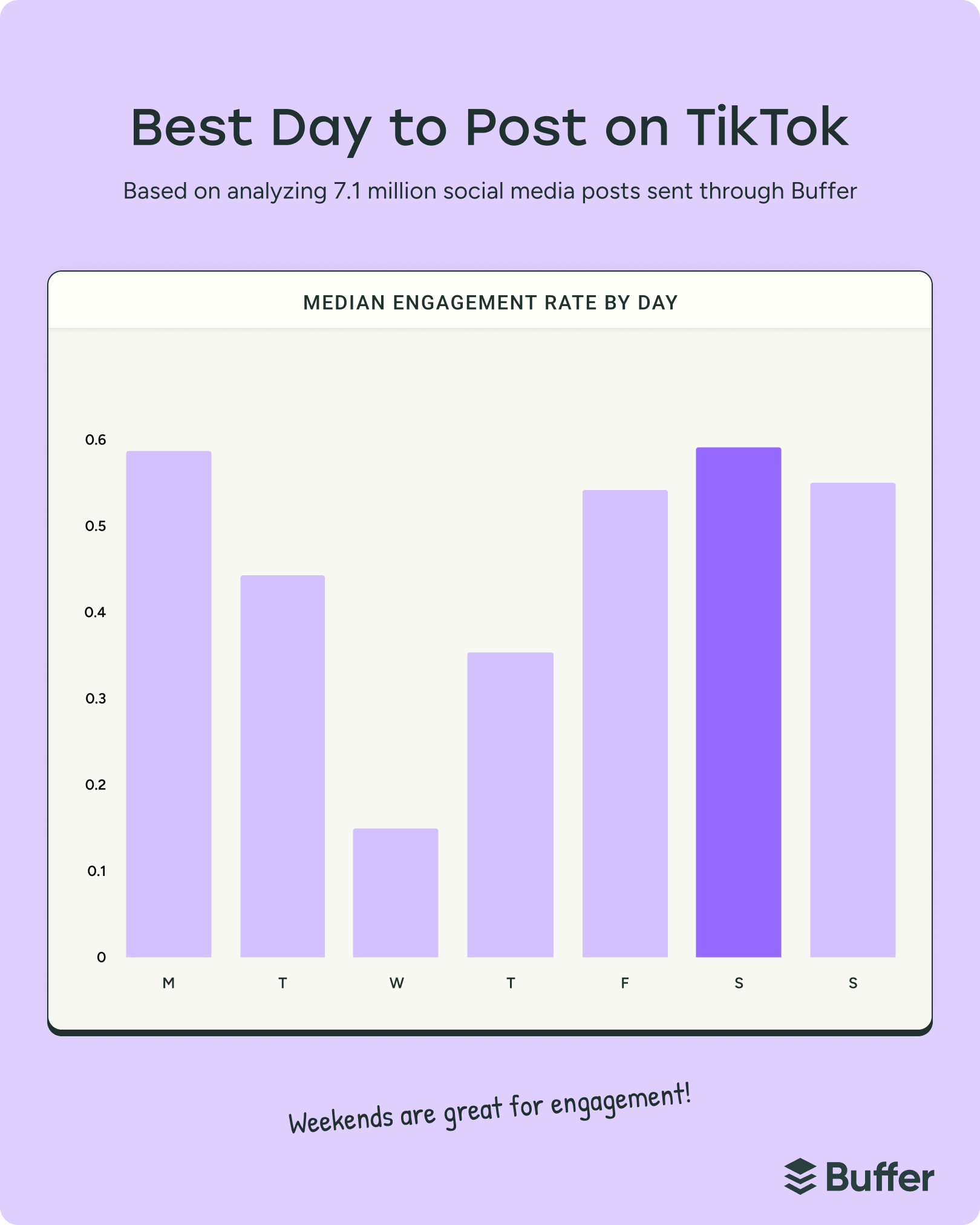
- The Saturday Advantage: Saturday emerged as the strongest day overall. The 3 p.m. to 5 p.m. window is particularly potent, likely because it occupies the "liminal space" of the weekend where people are neither rushing to finish chores nor yet fully focused on evening plans.
- The Mid-Week Lull: Wednesday and Thursday tend to show lower overall engagement compared to the start and end of the week. If you are a creator with limited resources, focusing your highest-quality content on Saturday and Monday is often a more effective strategy than pushing daily mediocre content.
Strategic Implications: How to Find Your Unique "Best Time"
While the data above offers a robust starting point, your audience is unique. A B2B brand targeting professionals will have a vastly different peak engagement time than a lifestyle creator targeting Gen Z students.
1. Leverage Native Analytics
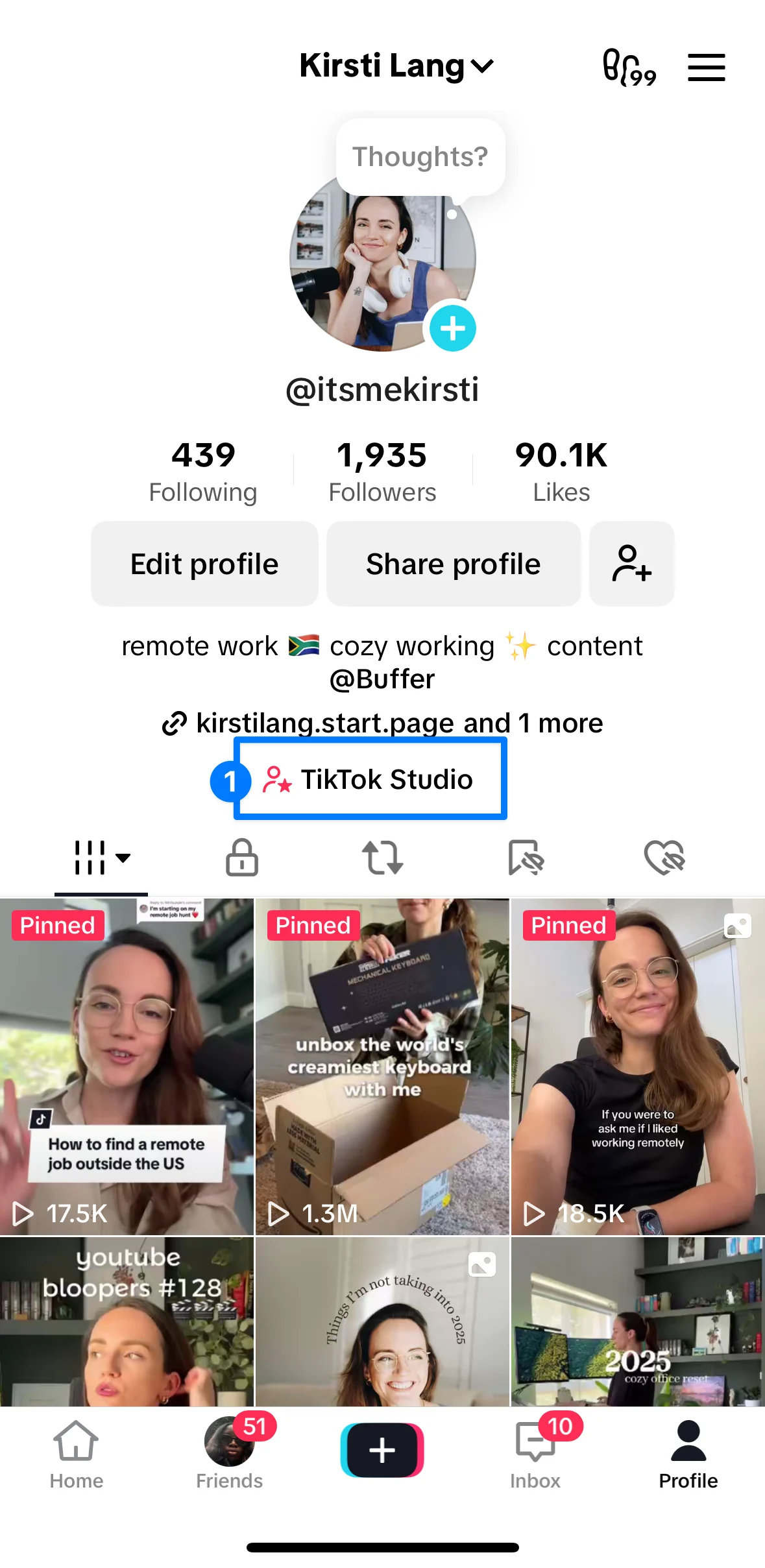
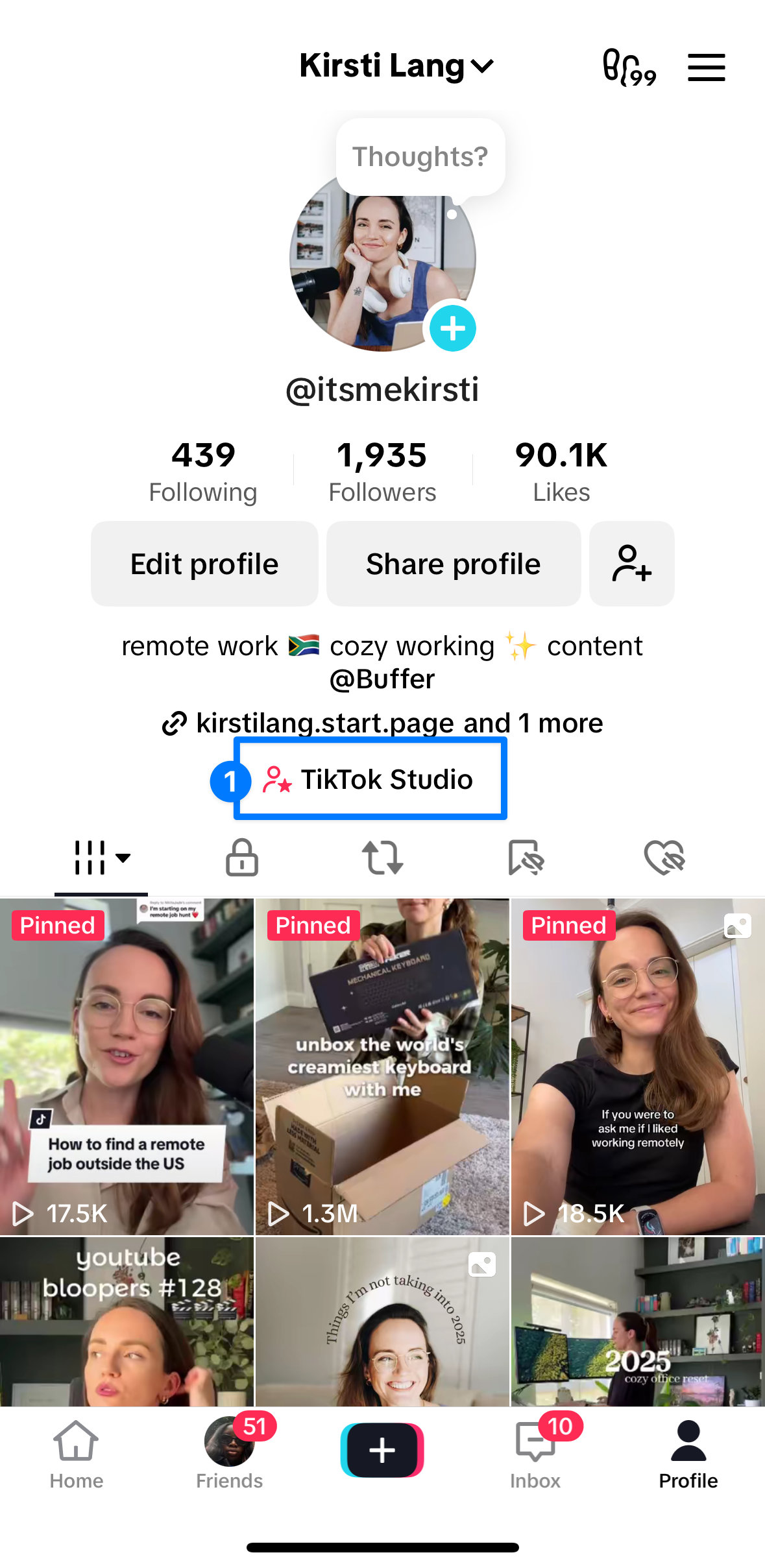
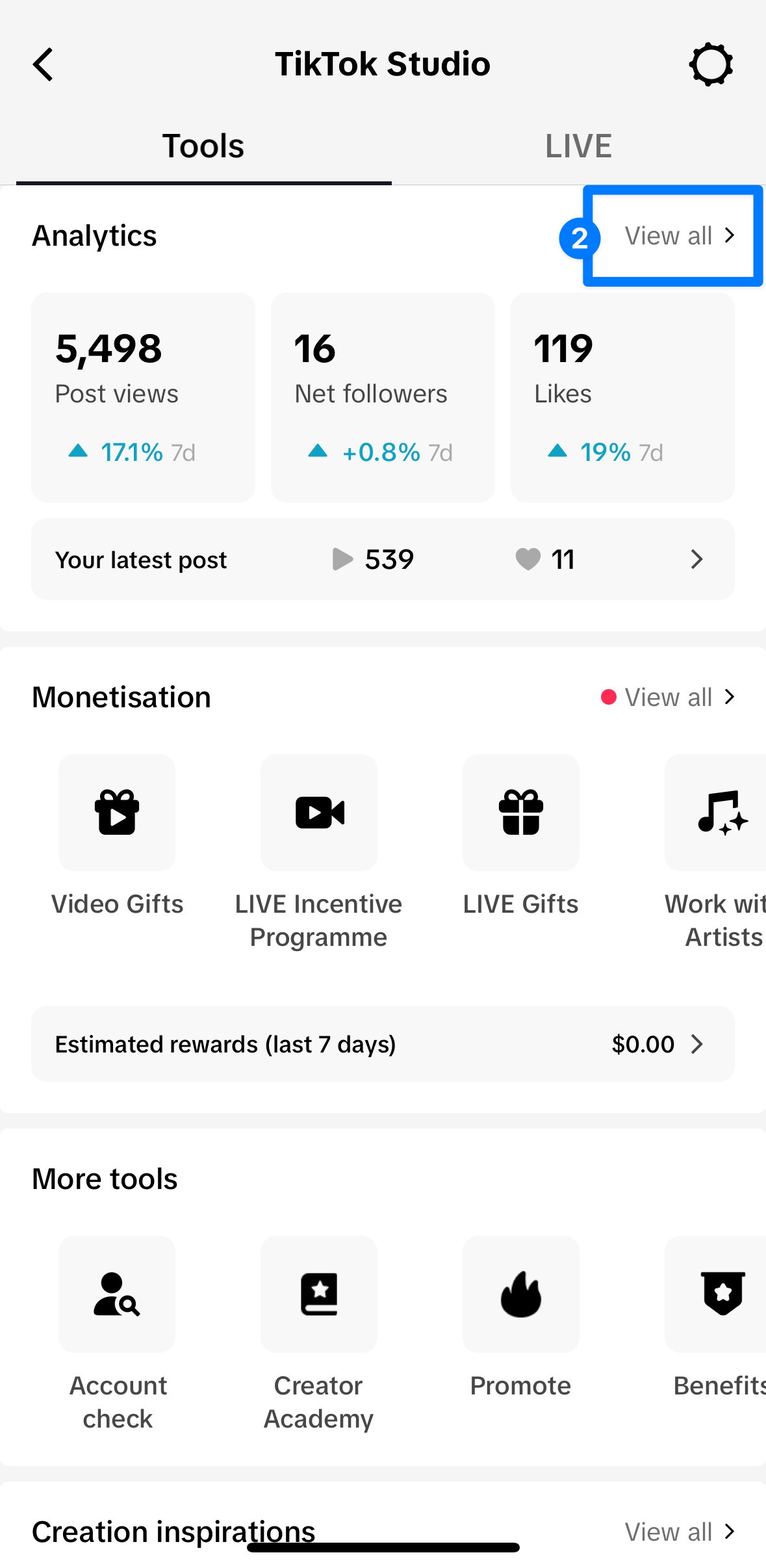
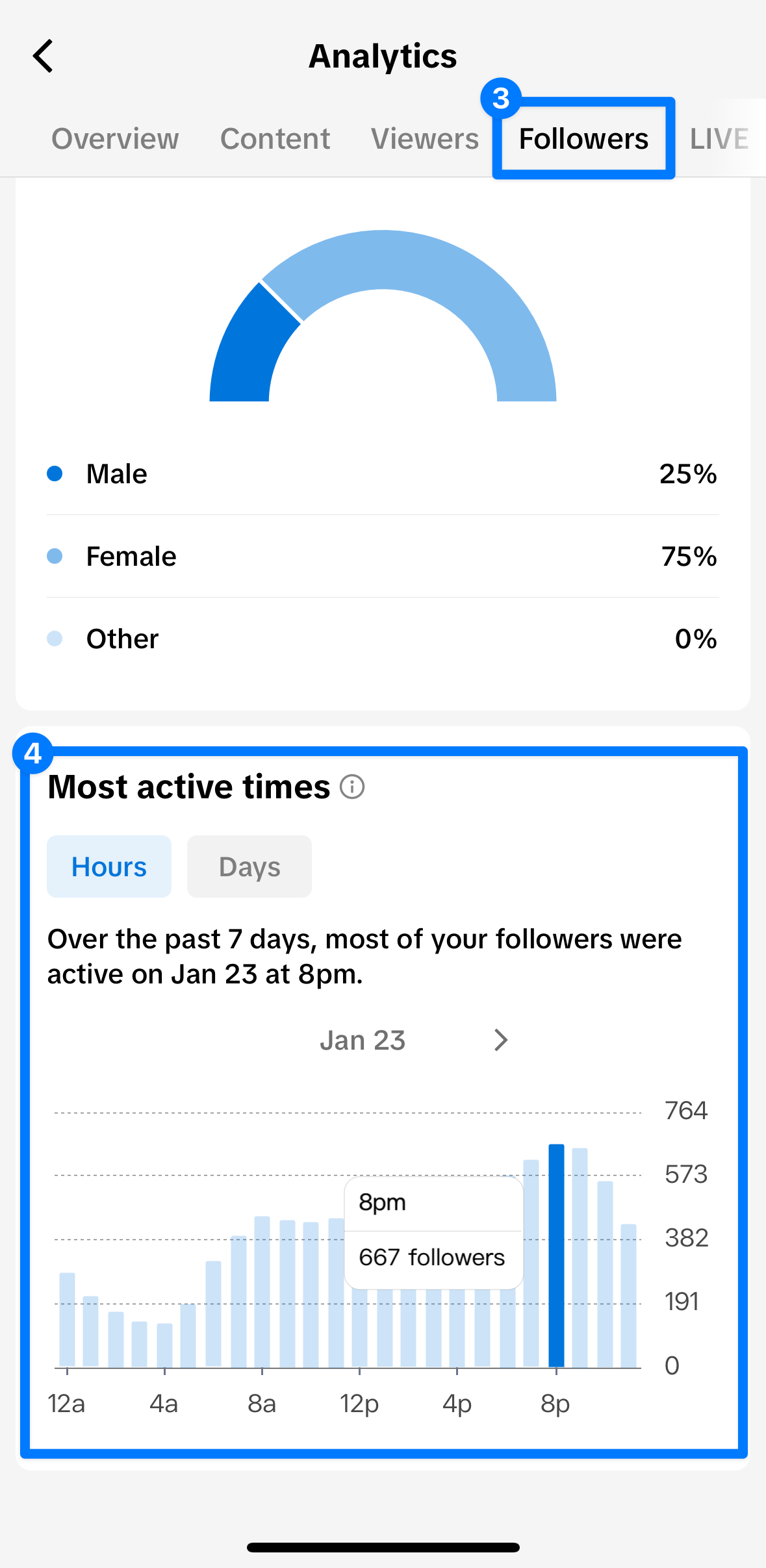
Navigate to your TikTok Analytics dashboard and open the "Followers" tab. Here, you will find a chart labeled "Most Active Times." This is your most valuable asset. It shows when your specific followers were online over the past week. We recommend posting roughly 30 to 60 minutes before these peaks to ensure your content is already live and ready when your audience logs on.
2. The Power of Experimentation
Don’t be afraid to treat your posting schedule as a laboratory. If you consistently post at 5 p.m., try moving your slot to 6 p.m. for two weeks. Small, incremental shifts can often lead to disproportionate gains in reach.
3. Consider the "Three-Second Rule"
Even the most perfectly timed post will fail if the content is lackluster. The "three-second rule" remains the gold standard for TikTok success: you must hook your audience within the first three seconds. If your analytics show that viewers are dropping off instantly, it isn’t a timing problem—it’s a content problem. Use your timing to get the video in front of people, but use your storytelling to keep them there.
Operationalizing Your Strategy: The Role of Automation
The mental overhead of manually posting at 9 a.m. on a Sunday can quickly lead to creator burnout. This is where scheduling tools become essential. By utilizing a platform like Buffer, you can automate your posting schedule for the entire week.
When you integrate your TikTok account with a scheduling tool, you can set your queue to align with the recommended times identified in our study. This ensures that you are consistently showing up when your audience is ready to engage, without having to be tethered to your phone at all hours of the day.
Frequently Asked Questions
Is there really a "best" time?
Technically, yes, but it is a "best" time based on probability, not certainty. Timing acts as a force multiplier—it gives a good video a better chance of being seen, but it cannot make a bad video go viral.
Does time zone matter if my audience is global?
If your followers are spread across the globe, focus on the "most active times" chart in your native analytics. If your audience is split between, for example, New York and London, look for the middle ground. Posting in the early afternoon (EST) often lands in the early evening for UK viewers, providing a "best of both worlds" approach.
Should I post every day?
Consistency is more important than frequency. It is better to post three times a week at high-engagement times than to post daily at times when your audience is asleep. Establish a rhythm that you can maintain long-term to avoid burnout.
What if my content isn’t getting views?
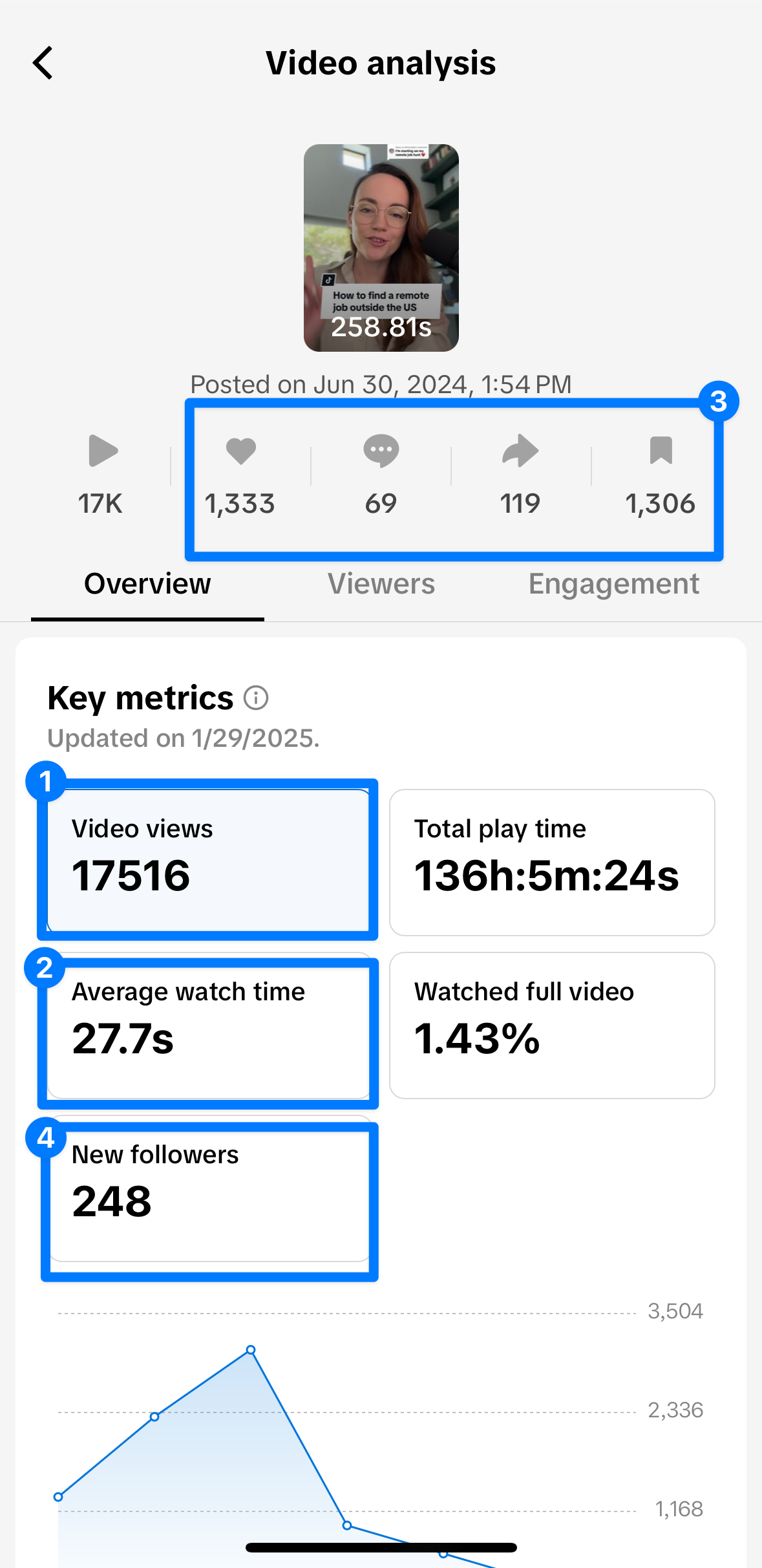
Check your watch time. If your average watch time is low, your hook is not working, or your content is not delivering on the promise of your thumbnail or caption. Before you change your posting time, audit your video pacing and structure.
Final Thoughts: The Path Forward
In 2026, TikTok remains a platform of discovery. While the algorithm is highly sophisticated, it is ultimately driven by human behavior. By using data to understand when your audience is most receptive, you can move from "guessing" your way through your content calendar to building a data-driven strategy.
Use the times provided in this guide as your baseline, monitor your own analytics, and continue to experiment. The most successful creators are those who treat data as a compass rather than a rulebook—using it to guide their journey toward a more engaged, more loyal, and larger community.