










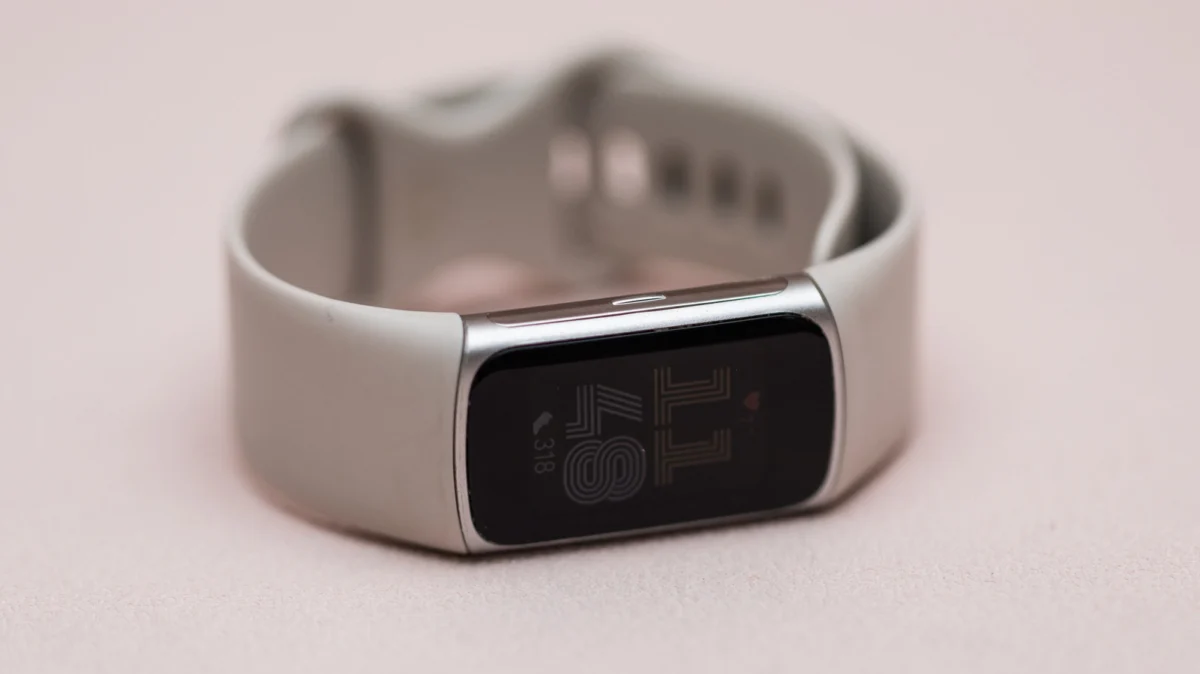
Google has officially signaled its intent to further dominate the mid-range fitness tracking market. Following weeks of mounting speculation, cryptic leaks, and unintentional cameos in promotional materials, the tech giant has confirmed the upcoming arrival of the "Fitbit Edge." By leveraging its social media channels on Instagram and X (formerly Twitter), Google has effectively ended the guessing game, inviting users to "Get an Edge on your health" with a launch date set for October 12, 2026.
This development marks a significant shift in Google’s hardware strategy. By positioning the Edge as a bridge between the minimalist, screenless Fitbit Air and the high-end, sophisticated Pixel Watch 5, Google is attempting to capture a broader demographic of health-conscious consumers who demand functionality without the premium price tag or the complexity of a full-fledged smartwatch.
The Chronology of a Leak: How the Edge Emerged
The path to the Fitbit Edge’s announcement has been anything but linear. The device’s journey from a whisper in the rumor mill to a confirmed product launch provides a fascinating look at how modern tech companies manage the tension between secrecy and public anticipation.
The Initial Sightings
The first glimmers of the device appeared in mid-August 2026. Eagle-eyed observers at 9to5Google noted an unfamiliar fitness tracker appearing in marketing assets for the then-upcoming Google Pixel 11. At the time, the device was visually distinct from existing Fitbit models, featuring a sleeker, more modern chassis that suggested a new design language for the brand. However, Google remained silent, neither confirming nor denying the existence of the hardware.
The Escalation
By early October, the pace of leaks accelerated significantly. Android Headlines broke the relative silence by publishing a series of high-quality renders and internal app details, effectively revealing the "Fitbit Edge" moniker. The leaks painted a picture of a device that leaned heavily into software integration, specifically highlighting new health-tracking features that suggested a deeper reliance on Google’s proprietary health algorithms.
European Intelligence
The final piece of the puzzle fell into place via the French publication Dealabs. Their report provided the most comprehensive technical breakdown to date, including estimated battery performance, physical specifications, and European pricing. This report moved the conversation from "what is it" to "what can it do," forcing Google’s hand to transition from internal development to public promotion.
Decoding the Tech: What We Know About the Fitbit Edge
While the official keynote on October 12 will provide the final word, the consensus among industry analysts is that the Fitbit Edge is designed to be the quintessential daily driver for the average fitness enthusiast.
Display and Design
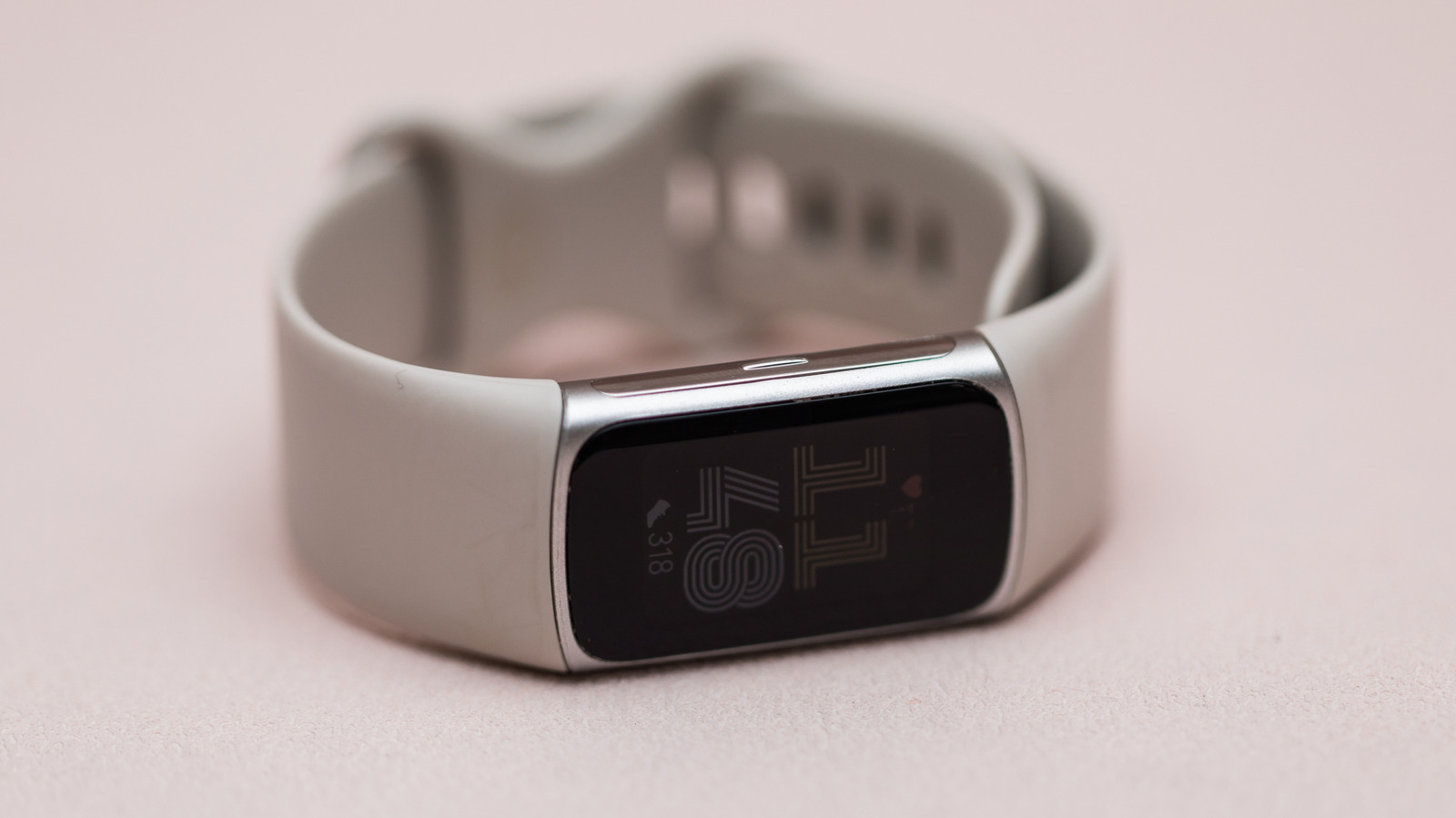
The Edge is expected to feature a vibrant, responsive display—a significant departure from the screenless Fitbit Air. Reports suggest that the device will utilize an always-on display (AOD) option, which caters to users who need quick glances at their health metrics during workouts. The inclusion of a physical side button, as teased in Google’s official imagery, suggests a return to tactile navigation, which many users find more reliable than purely gesture-based interfaces when fingers are sweaty or gloved.
Battery Longevity
One of the most critical metrics for any wearable is battery life. According to current reports, the Fitbit Edge is targeting a "best-of-both-worlds" scenario:
- Standard Mode: Up to seven days of battery life, assuming the always-on display is toggled off.
- Performance Mode: Two days of battery life with the always-on display enabled.
This balance addresses the primary criticism of modern smartwatches, which often require daily charging, while still providing the convenience of a bright, persistent screen.
Pricing Strategy
The pricing strategy is perhaps the most telling aspect of the device’s positioning. With a rumored European price of €179, analysts anticipate a US retail price of approximately $180. This places the Edge squarely between the $99 Fitbit Air and the premium-tier Pixel Watch 5. It is a calculated move to ensure that no price point in the wearable market is left undefended by Google.
Implications for the Wearable Ecosystem
The introduction of the Fitbit Edge is not merely about hardware; it is a strategic maneuver to bolster Google’s broader services ecosystem.
The Google Health Premium Synergy
Industry observers widely agree that the Edge serves as a funnel for the "Google Health Premium" subscription service. By offering advanced health insights, personalized AI coaching, and deep-dive analytics, the hardware acts as an entry point for users to engage with Google’s subscription-based health model. The more robust the data the Edge collects, the more valuable the Google Health Premium service becomes to the end user.
Competitive Positioning
The wearable market has become increasingly crowded, with Garmin, Apple, and various budget-friendly Chinese manufacturers vying for the same wrists. The Fitbit Edge attempts to occupy the "Sweet Spot"—devices that are smarter than a basic pedometer but less demanding than a full smartwatch. If successful, this device could solidify Google’s reputation as a leader in "smart health," a category that prioritizes long-term well-being over social media notifications or third-party app support.
Official Responses and Corporate Strategy
Google’s official communications regarding the Edge have been characteristically sparse, relying on brevity and visual intrigue. By using platforms like X and Instagram to drop the "Get an Edge on your health" tagline, the company is effectively utilizing a "less is more" approach to build organic momentum.
From a corporate standpoint, the shift toward a unified Fitbit-Google brand identity—seen in the integration of health and fitness apps under the Google banner—suggests that the Edge will likely be the most "Google-native" Fitbit device ever produced. Early reports suggest that the UI will mirror the design language of the Pixel Watch, creating a seamless experience for those already embedded in the Google hardware ecosystem.
Looking Toward October 12
As the industry prepares for the formal reveal on October 12, 2026, the primary question remains: will the Fitbit Edge live up to the expectations of a market that has grown weary of incremental upgrades?
The integration of advanced sensors, a high-quality display, and a design that bridges the gap between a tracker and a watch suggests that Google is aiming for the middle-market crown. If the device delivers on its seven-day battery promise and provides the promised AI-driven health insights, it could well become the defining fitness accessory for 2026.
However, success will ultimately depend on the software experience. In a world where consumers are increasingly conscious of data privacy and subscription fatigue, Google must demonstrate that the value provided by the Fitbit Edge—and the accompanying Health Premium service—is worth the investment.
For now, the fitness community waits. On October 12, Google will unveil whether the Edge is the catalyst for a new era in wearable health, or simply another entry in an increasingly saturated field. One thing is certain: with this release, Google is proving that even in a world of smartwatches, there is still a massive appetite for the humble, yet essential, fitness tracker.



