










HONOR has officially unveiled MagicOS 11, the latest iteration of its mobile operating system, marking a significant milestone in the company’s push toward a truly proactive, AI-integrated user experience. Debuting in China, this release is not merely an incremental update; it represents a comprehensive architectural overhaul designed to harmonize user interaction across mobile, automotive, and multi-brand hardware ecosystems. By leveraging advanced Large Language Models (LLMs) and a sophisticated sensory-based automation engine, MagicOS 11 aims to position HONOR at the forefront of the "intelligent terminal" era.
Main Facts: The Core Pillars of MagicOS 11
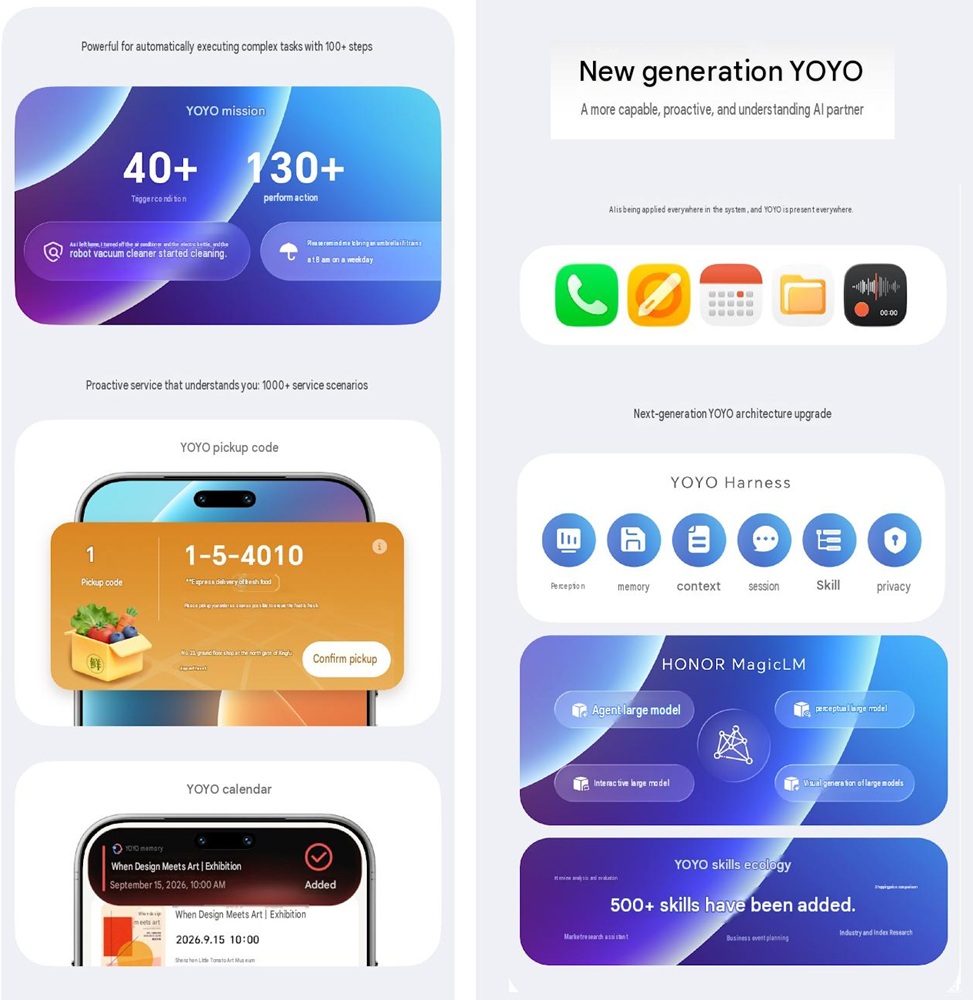
At the heart of MagicOS 11 lies the next-generation YOYO Assistant, which moves beyond traditional reactive voice commands to become a proactive agent. Built on a modular architecture—comprising the YOYO Harness (perception, memory, context, and privacy) and the HONOR MagicLM suite—the assistant is designed to understand intent rather than just keywords.
Proactive Intelligence and YOYO Tasks
MagicOS 11 introduces a massive library of automation triggers. With over 40 sensory trigger conditions and 100+ types of execution operations, YOYO can manage complex, multi-step workflows. For instance, the system can autonomously parse text messages or app notifications to identify meal collection codes, travel itineraries, or medical appointments, automatically populating calendars or extracting relevant data without manual input.
Ecosystem Interconnectivity
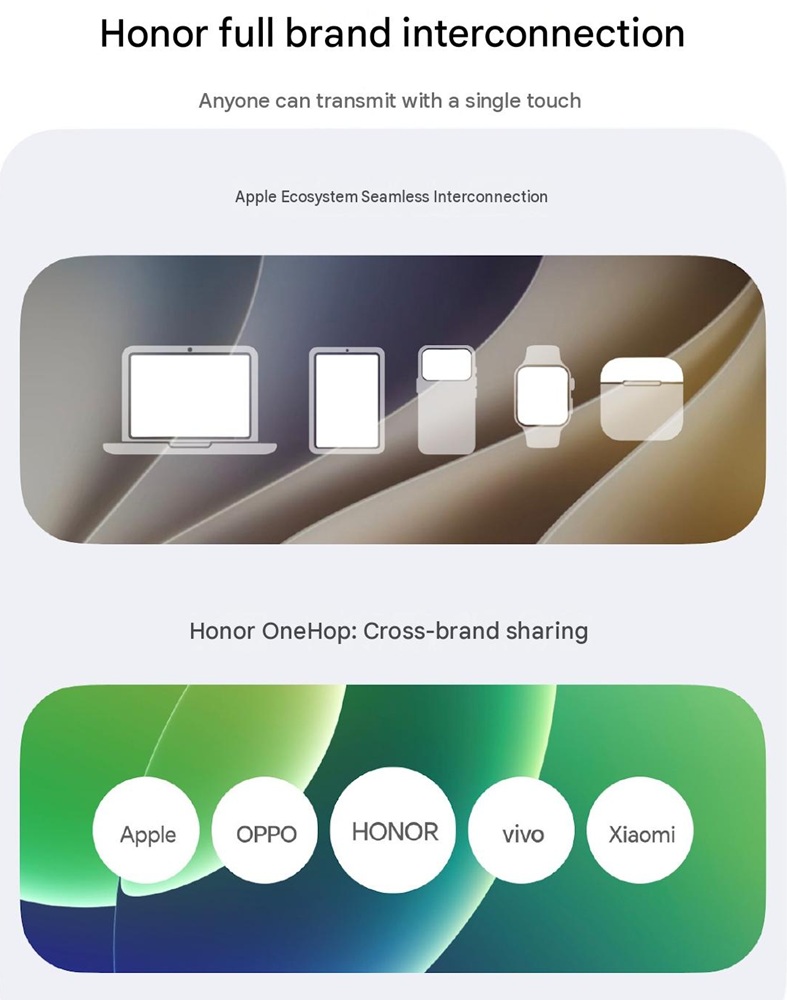
Perhaps the most ambitious aspect of MagicOS 11 is its cross-brand and cross-platform ambition. Through "HONOR Touch-to-Transfer," the company has bridged the gap between its ecosystem and competitors, including Apple, Xiaomi, OPPO, and vivo. This includes:
- Apple Ecosystem Synergy: Unprecedented integration with iPhone, Mac, iPad, and Apple Watch, allowing for call synchronization, message replies, and cloud photo management between disparate platforms.
- Car Link & Harmony Cockpit: Seamless integration with vehicle infotainment systems, allowing for the projection of 140+ mobile applications onto in-car displays with high-fidelity audio and interactive capabilities.
Chronology of Development and Release
The path to MagicOS 11 reflects HONOR’s strategic pivot toward AI-centric software development following its independence from Huawei.
- Foundation Phase: Following the launch of MagicOS 7 and 8, HONOR spent the last 24 months refining its "Intent-based AI" philosophy, focusing on local-first processing to ensure privacy while maintaining performance.
- The Announcement: On September 2026, HONOR officially detailed the software’s new features, system architecture, and UI design.
- Immediate Future: The OS is set for its retail debut on the HONOR Magic9 series, scheduled for a grand unveiling on September 28, 2026.
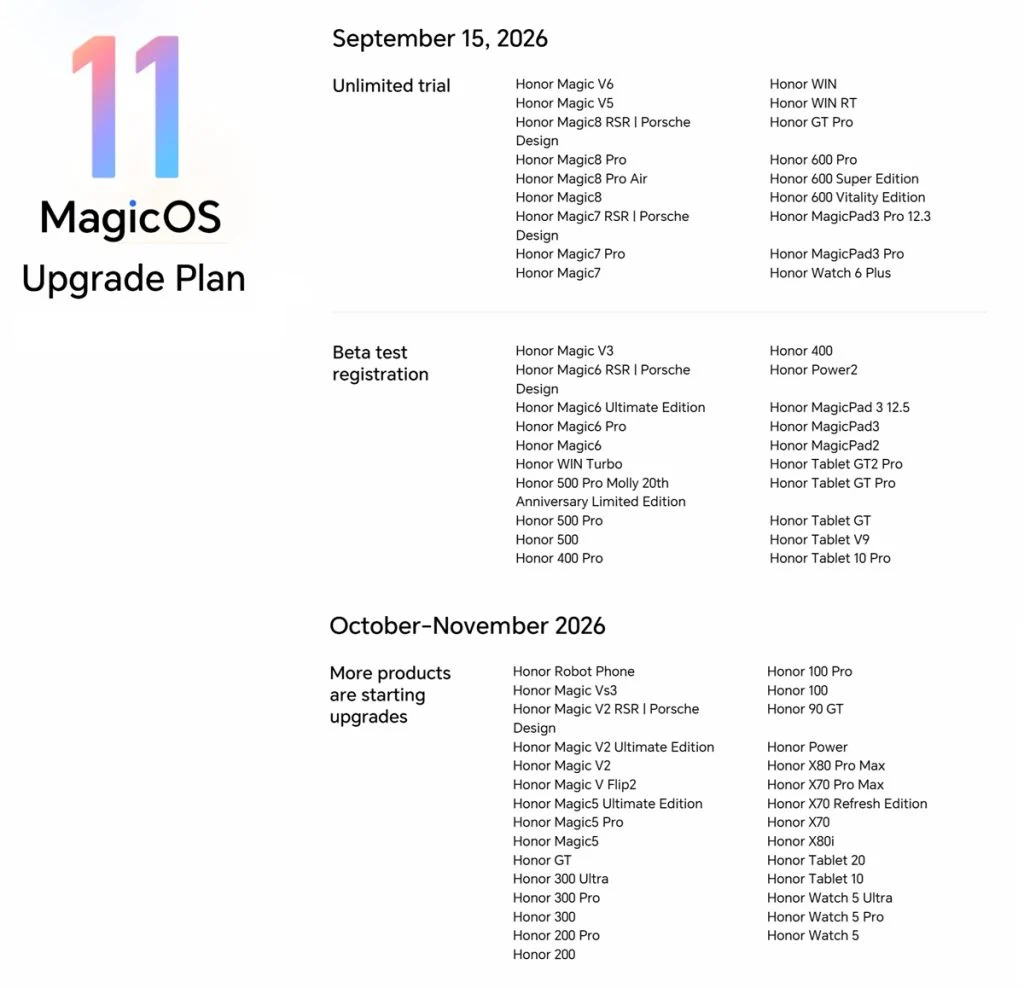
- Rollout Strategy: Following the Magic9 launch, HONOR has initiated an aggressive rollout schedule targeting legacy devices, ensuring that existing users within the HONOR ecosystem can benefit from the new software architecture shortly after the flagship launch.
Supporting Data: Engineering and Performance Metrics
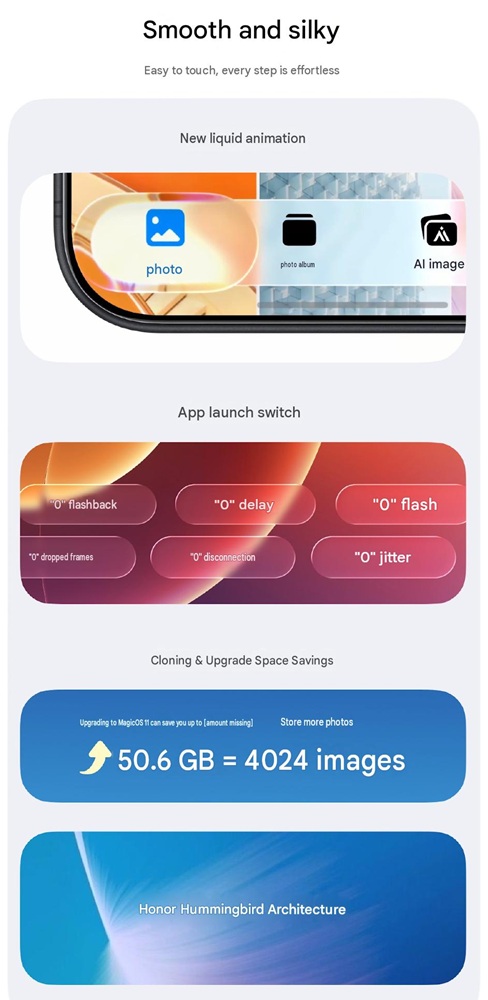
HONOR has backed its software claims with rigorous performance benchmarks, demonstrating that the visual overhaul—termed "Dynamic Liquid Glass"—does not come at the cost of system efficiency.
Visual and Interface Architecture
The "Shimmer Architecture" reconstructs the Android graphics stack to support translucent, responsive visual effects. This includes:
- Dynamic Feedback: Lock-screen shimmers that react to music rhythms, capsule lights that adapt to ambient surroundings, and real-time feedback on call alerts.
- Fluidity Enhancements: The introduction of "Liquid Motion" and "Continuous Transition" technologies creates a more organic, spring-based animation feel.
System Fluency and Optimization
HONOR’s "Hummingbird Architecture 2.0" is the engine behind the OS’s increased responsiveness. Key performance indicators highlighted by the company include:
- App Launch Speed: A minimum 15% increase in response speed compared to MagicOS 10.
- Touch Latency: A reduction to 12ms, providing a near-instantaneous feel during interaction.
- Storage Efficiency: Through advanced file compression, system upgrades now yield up to 50.6GB of additional storage space.
- Data Migration: The "Phone Clone" feature demonstrated a 44GB data transfer in under an hour, maintaining high success rates for data integrity.
Official Responses and Strategic Philosophy
During the unveiling, HONOR executives emphasized that MagicOS 11 is designed to break down "walled gardens." The company’s philosophy is rooted in the idea that the user should be at the center of the ecosystem, not the specific brand of the device in their hand.
"Our goal with MagicOS 11 is to remove the friction of digital life," stated a spokesperson during the presentation. By incorporating the YOYO Skills ecosystem, which now supports over 500 skills and 1,000+ proactive service scenarios, HONOR aims to transform the smartphone from a tool into a personalized agent. The decision to support Apple ecosystem connectivity is a bold move, acknowledging that many users live in hybrid hardware environments and that the future of mobile OS success lies in universal interoperability.
Implications: The Future of Mobile Operating Systems
The implications of MagicOS 11 are profound for the mobile industry, suggesting a shift away from the traditional "app-centric" model toward an "agent-centric" model.
Impact on Competitive Dynamics
By offering one-touch file sharing with iPhone and other Android rivals, HONOR is positioning itself as the "universal connector." This strategy could attract power users who rely on multiple devices but have historically been frustrated by the lack of continuity between them. If HONOR successfully maintains this cross-platform functionality, it creates a significant competitive moat that is defined by openness rather than exclusivity.
The Evolution of Smart Homes and Vehicles
The expansion of YOYO Smart Control into the automotive and home-automation spaces highlights the convergence of the smartphone and the environment. By allowing users to trigger home scenarios based on location, time, or device status without manual input, HONOR is effectively turning the smartphone into a "universal remote" for life. This level of integration—connecting disparate smart home brands—addresses one of the biggest pain points in the IoT industry: fragmentation.
Privacy and Local AI
A critical implication of the HONOR MagicLM architecture is the reliance on local, on-device AI. By keeping perception, memory, and conversation processing on the device, HONOR is addressing the growing consumer anxiety regarding cloud-based AI and data privacy. The inclusion of a dedicated privacy component in the YOYO Harness suggests that HONOR views data sovereignty as a primary selling point for the premium market.
Conclusion
MagicOS 11 is a landmark release that demonstrates HONOR’s maturation as a software-first organization. By synthesizing complex LLM capabilities with a user-friendly, high-performance interface and an aggressive strategy for cross-platform integration, HONOR is setting a high bar for the industry. As the world moves toward more ambient and intelligent computing, the success of the Magic9 series—and the underlying MagicOS 11—will serve as a bellwether for whether consumers are ready to embrace a future where the device proactively manages the complexities of their digital and physical lives. The journey begins on September 28, and the industry will be watching closely to see how well these ambitious features perform in the hands of everyday users.



